Improving Warehouse Scrap Management with Scrap Metal Baler Applications in Manufacturing Plants


Introduction to Improving Warehouse Scrap Management Scrap Metal Baler Applications In Manufacturing Plants
In the modern industrial landscape, efficiency is not just measured by the speed of production but also by the effectiveness of waste management. For manufacturing plants dealing with high volumes of metal offcuts, shavings, and structural waste, the logistical challenge of handling loose scrap can become a significant bottleneck. This is where Improving Warehouse Scrap Management Scrap Metal Baler Applications In Manufacturing Plants becomes a critical strategy for operational excellence. By integrating high-performance hydraulic balers into the production workflow, facilities can transform bulky, hazardous waste into dense, manageable units that are easier to store, transport, and sell.
HARSLE, a leader in metal fabrication machinery, recognizes that warehouse space is a premium asset. Loose metal scrap is notoriously inefficient to store; it occupies vast floor areas, creates tripping hazards, and complicates internal logistics. Through the application of advanced scrap metal balers, manufacturers can achieve a volume reduction of up to 90%, effectively reclaiming valuable square footage for production lines or inventory storage. This article explores the comprehensive applications, technical requirements, and productivity benefits of implementing these machines in a manufacturing environment.
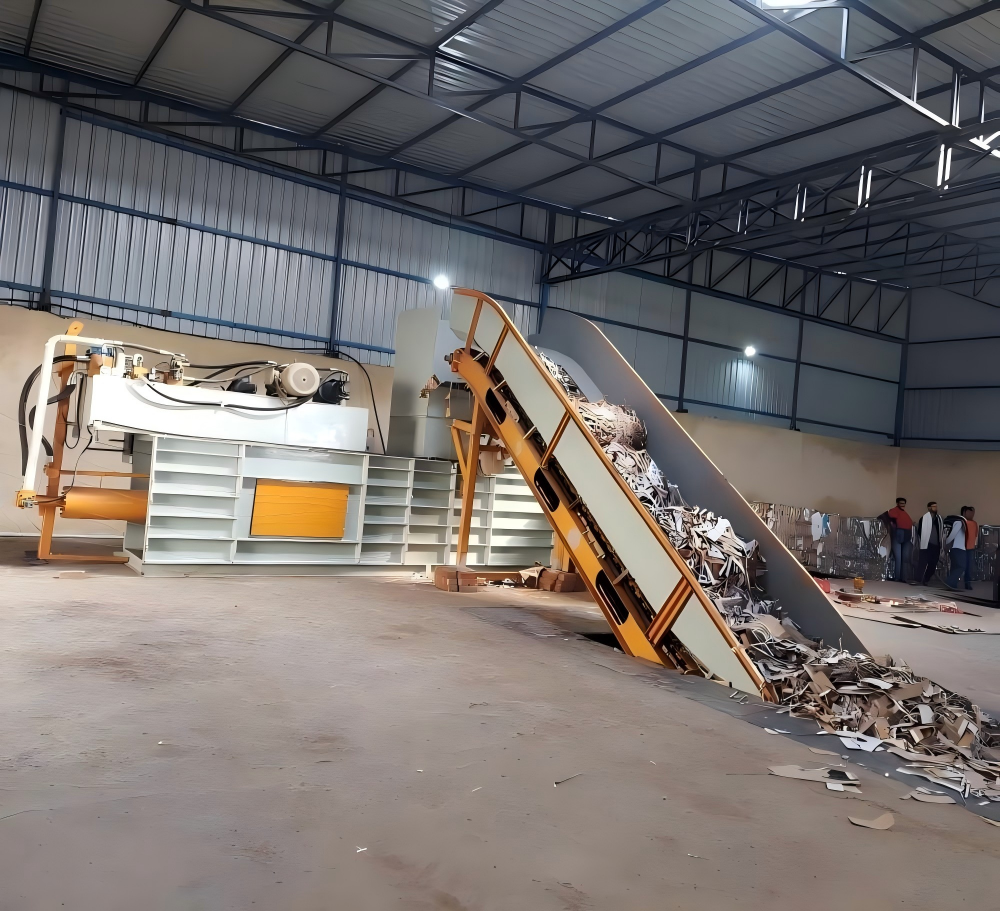
Application Scenarios for Scrap Metal Balers
The versatility of scrap metal balers allows them to be deployed across various industrial sectors. In automotive manufacturing, for instance, the stamping process generates massive amounts of steel and aluminum offcuts. Without a baling solution, these sharp fragments require frequent bin swaps and extensive forklift movement. By placing a baler near the source of waste, the plant can streamline the entire disposal process. Similarly, in the appliance manufacturing sector, where thin-gauge sheet metal is the primary material, balers help in consolidating large volumes of light-weight scrap into heavy, high-density blocks.
Another critical application scenario is in the aerospace industry. Here, high-value alloys like titanium and specialized aluminum grades are used. Mixing these scraps or leaving them loose can lead to contamination and lower resale value. Improving Warehouse Scrap Management Scrap Metal Baler Applications In Manufacturing Plants ensures that these materials are segregated and compressed into clean, uniform bales, maximizing the return on investment from scrap sales. Furthermore, construction equipment manufacturers and structural steel fabricators utilize large-scale balers to handle heavy-duty scrap, such as I-beam sections and thick plate remnants, which would otherwise be impossible to manage manually.
Space Optimization and Safety
Beyond the immediate logistical benefits, the application of balers significantly enhances workplace safety. Loose scrap metal is often sharp and unstable. Piles of metal can shift, causing injury to workers or damage to warehouse infrastructure. By containing this waste within a baling chamber and outputting solid blocks, the risk of lacerations and workplace accidents is drastically reduced. Additionally, the reduction in forklift traffic—required to move fewer, denser loads—decreases the likelihood of collisions in busy warehouse aisles.
Material and Process Requirements
To successfully implement Improving Warehouse Scrap Management Scrap Metal Baler Applications In Manufacturing Plants, it is essential to understand the material characteristics and the specific requirements of the baling process. Not all scrap is created equal, and the machine configuration must match the physical properties of the waste being processed. The primary materials handled include carbon steel, stainless steel, aluminum, copper, and brass. Each of these has different yield strengths and compression ratios.
- Material Thickness: Light-gauge materials (under 3mm) are easily compressed by standard hydraulic balers. However, for thicker structural scrap (6mm and above), high-pressure systems with reinforced chambers are necessary to ensure the bale remains intact.
- Volume and Throughput: A plant producing 5 tons of scrap per day requires a different approach than one producing 50 tons. Continuous-feed horizontal balers are ideal for high-volume environments, while vertical or manual-load horizontal balers suit smaller operations.
- Bale Density Requirements: Recycling centers and smelters often have specific density requirements for the bales they purchase. Achieving the right density ensures the bales don’t fall apart during transport and fit efficiently into melting furnaces.
- Contamination Control: The process must account for cutting fluids, oils, or non-metallic attachments. Modern balers often include drainage systems to collect and recycle fluids squeezed out during compression.
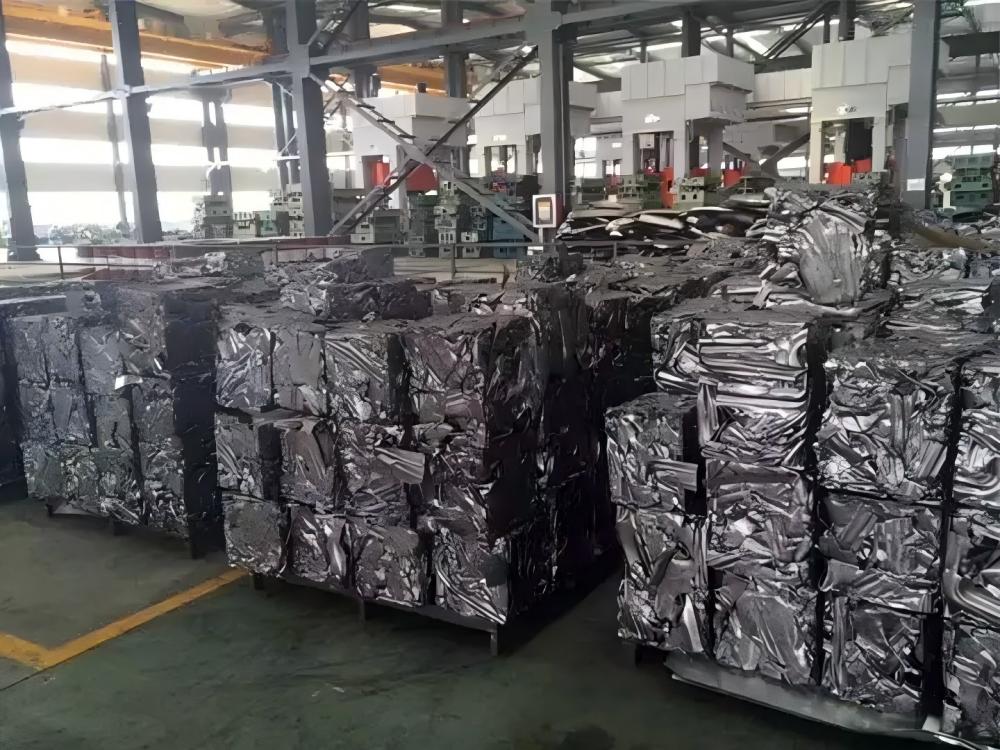
Recommended Machine Configuration
Selecting the right machine is the cornerstone of Improving Warehouse Scrap Management Scrap Metal Baler Applications In Manufacturing Plants. HARSLE recommends a configuration that balances power, durability, and ease of use. For most manufacturing plants, the Y81 series hydraulic metal baler is the industry standard. This machine can be customized with various features to meet specific plant needs.
Key Technical Components
A robust scrap metal baler should feature a high-strength welding structure to withstand the immense internal pressures of compression. The hydraulic system is the heart of the machine; it should utilize high-quality pumps (such as Rexroth or equivalent) and valves to ensure smooth operation and longevity. For the wear-prone areas of the compression chamber, the use of Hardox or similar wear-resistant liners is mandatory to prevent the abrasive metal scrap from damaging the main frame.
| Feature | Standard Configuration | High-Performance Option |
|---|---|---|
| Drive System | Hydraulic Drive | Servo-Hydraulic (Energy Saving) |
| Control System | Manual Valve Control | PLC with Touch Screen (Siemens) |
| Bale Discharge | Side Push / Turn-out | Front Push / Automatic Conveyor |
| Cooling System | Air Cooling | Industrial Water Cooling |
| Blade System | Standard Shear Blades | Integrated High-Speed Cutting Blades |
Furthermore, the integration of a PLC (Programmable Logic Controller) allows for automated cycles, reducing the need for constant operator supervision. Safety interlocks, emergency stop buttons, and protective grates are essential configurations to comply with international safety standards like CE and ISO. For plants looking to further optimize, adding a conveyor belt system for automatic loading can significantly increase throughput.
The Workflow of Industrial Scrap Baling
The process of Improving Warehouse Scrap Management Scrap Metal Baler Applications In Manufacturing Plants follows a systematic workflow designed to minimize labor and maximize efficiency. It begins at the production line, where scrap is collected in specialized bins. These bins are then transported to the baling station, which is ideally located near the warehouse exit or a dedicated recycling bay.
- Sorting and Loading: Scrap is sorted by material type to ensure maximum recycling value. It is then loaded into the baler’s hopper or directly into the compression chamber using a crane, forklift, or conveyor.
- Pre-Compression: In many HARSLE models, a lid or a side-press cylinder first engages to consolidate the loose material and clear the path for the main ram.
- Main Compression: The primary hydraulic cylinder exerts hundreds of tons of force, crushing the metal against the chamber walls into a compact rectangular or cylindrical shape.
- Bale Formation and Ejection: Once the desired density is reached, the bale is secured (if necessary) and ejected. Depending on the machine type, the bale may be pushed out the side, turned out of the chamber, or pushed through the front.
- Storage and Transport: The finished bales are stacked using a forklift. Because of their uniform shape, they can be stacked high and tight, utilizing vertical warehouse space that was previously wasted.
Productivity and Economic Benefits
The implementation of Improving Warehouse Scrap Management Scrap Metal Baler Applications In Manufacturing Plants yields immediate and long-term financial benefits. The most significant impact is seen in logistics costs. Transporting loose scrap is essentially transporting air; a truck filled with loose metal might only carry 20% of its weight capacity. Baled scrap allows trucks to be loaded to their maximum weight limit, reducing the number of trips required and lowering carbon emissions.
From a revenue perspective, baled scrap commands a higher price from recyclers. Smelters prefer bales because they are easier to handle, have a known density, and melt more efficiently with less oxidation loss compared to loose chips or thin sheets. This “premium” on baled scrap often pays for the machine’s investment within 12 to 24 months. Additionally, the reduction in labor hours spent managing waste—moving bins, cleaning up spills, and manually loading trucks—allows personnel to be redirected to value-added production tasks.
Environmental Impact and Sustainability
In the era of “Green Manufacturing,” scrap baling is a vital component of a circular economy. By making recycling more efficient, plants reduce their overall environmental footprint. Effective scrap management ensures that nearly 100% of metal waste is returned to the supply chain, reducing the need for virgin ore mining and the massive energy consumption associated with it. This also helps manufacturing plants meet stringent environmental regulations and achieve sustainability certifications.
Case Example: Automotive Parts Manufacturer
Consider a mid-sized automotive parts manufacturer producing 40 tons of steel scrap per month. Before implementing Improving Warehouse Scrap Management Scrap Metal Baler Applications In Manufacturing Plants, they utilized 20 large open-top bins that occupied 1,500 square feet of warehouse space. They required 10 truck pickups per month to clear the waste, and the scrap yard paid a base rate for “unprepared” scrap.
After installing a HARSLE Y81-250 hydraulic metal baler, the results were transformative. The 40 tons of scrap were compressed into dense bales that occupied only 200 square feet—a 86% reduction in floor space usage. The number of truck pickups dropped from 10 to 2 per month, saving thousands in transportation fees. Furthermore, the scrap yard increased their payout by 15% because the material was now classified as “No. 1 Heavy Melting Steel” bales. The total monthly savings and increased revenue amounted to $4,500, leading to a full ROI on the machinery in just over a year.
Frequently Asked Questions (FAQ)
What is the lifespan of a HARSLE scrap metal baler?
With proper maintenance, a high-quality hydraulic baler can last 15-20 years in an industrial environment. Regular oil changes, seal inspections, and replacing wear liners are key to longevity.
Can one baler handle different types of metal?
Yes, most balers can process various metals. However, it is crucial to clean the chamber between different materials (e.g., switching from steel to aluminum) to prevent cross-contamination, which can lower the scrap value.
How much training do operators need?
Modern balers with PLC controls are very user-friendly. A typical operator can be fully trained in safety protocols and machine operation within a single shift. HARSLE provides comprehensive manuals and video guidance for all machines.
What safety features should I look for?
Essential safety features include emergency stop buttons, hydraulic pressure relief valves, safety interlocks on the chamber doors, and protective shielding around moving parts. Always ensure the machine is CE certified.
Is a horizontal or vertical baler better for manufacturing?
For metal scrap, horizontal balers (like the Y81 series) are generally superior due to their ability to handle larger, more rigid pieces and their higher compression force compared to vertical models typically used for cardboard or plastic.
Conclusion and Call to Action
Improving Warehouse Scrap Management Scrap Metal Baler Applications In Manufacturing Plants is no longer an optional luxury; it is a necessity for competitive, clean, and safe manufacturing. By turning a waste stream into a managed resource, companies can reclaim their warehouse space, reduce operational costs, and contribute to a more sustainable industrial future. HARSLE offers a wide range of hydraulic scrap metal balers tailored to the specific needs of manufacturing plants worldwide.
Ready to optimize your warehouse and boost your bottom line? Contact HARSLE today to speak with our technical experts. We can help you select the ideal machine configuration for your material type and volume, ensuring a seamless integration into your existing workflow. Visit our website or reach out for a custom quote and take the first step toward superior scrap management.