Scrap Metal Baler Applications in Metal Processing Workshops for Clean Scrap Collection: A Comprehensive Guide

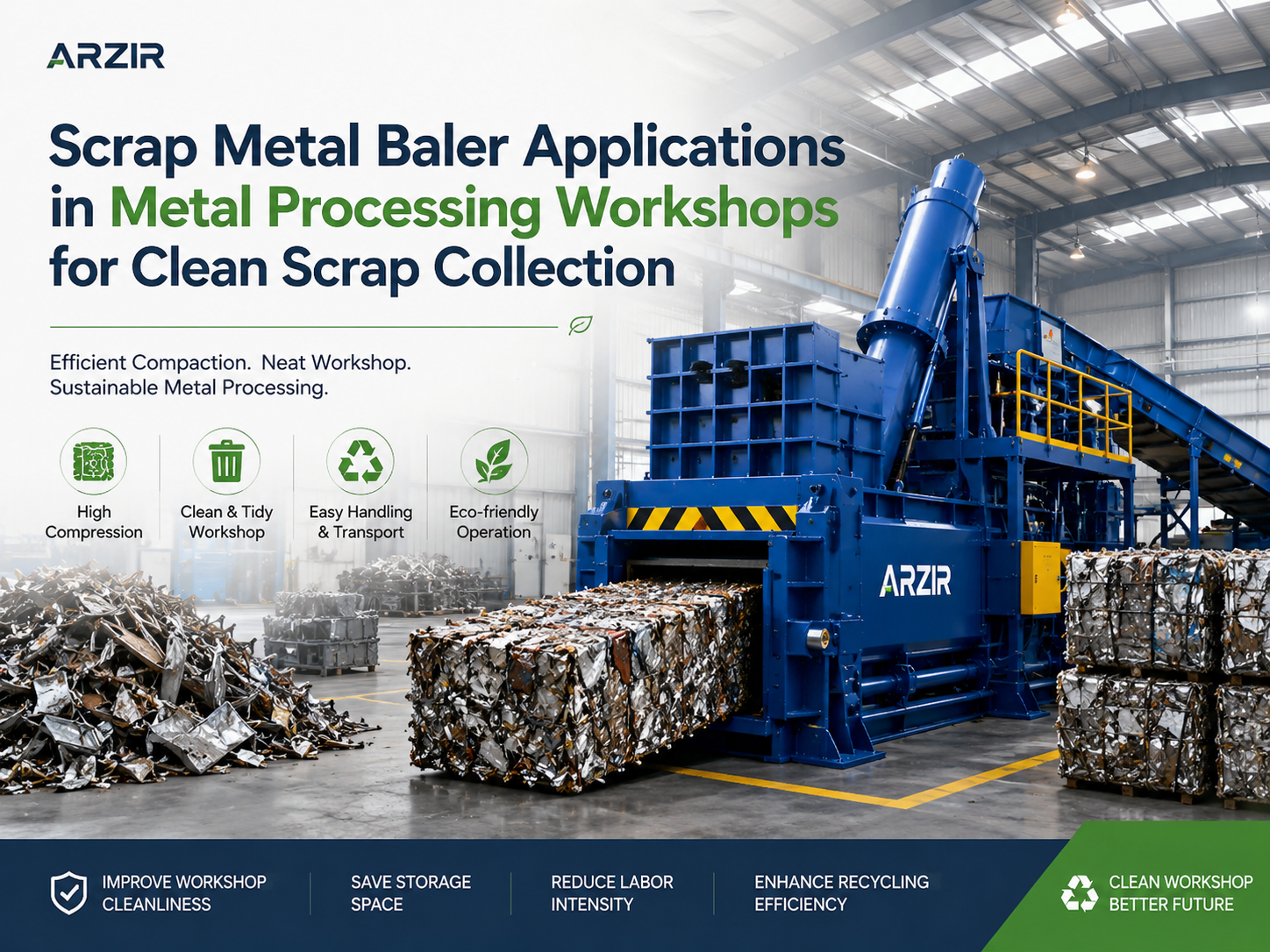
Introduction to Scrap Metal Baler Applications in Metal Processing Workshops
In the modern industrial landscape, efficiency is not just measured by the speed of production but also by the effectiveness of waste management. Metal processing workshops, ranging from small-scale fabrication shops to massive automotive stamping plants, generate significant amounts of metallic waste. Without a structured approach to handling this byproduct, workshops quickly become cluttered, hazardous, and inefficient. This is where the strategic implementation of scrap metal balers becomes indispensable. Specifically, Scrap Metal Baler Applications In Metal Processing Workshops Clean Scrap Collection focus on transforming loose, voluminous waste into dense, manageable blocks that are easy to transport and highly valuable for recyclers.
HARSLE, a leader in metal fabrication machinery, recognizes that clean scrap collection is a cornerstone of sustainable manufacturing. By integrating high-performance hydraulic balers into the workflow, companies can achieve a ‘closed-loop’ system where waste is treated as a secondary raw material rather than a burden. This guide explores the multifaceted applications of these machines, the technical requirements for different materials, and the undeniable productivity benefits they bring to the workshop floor.
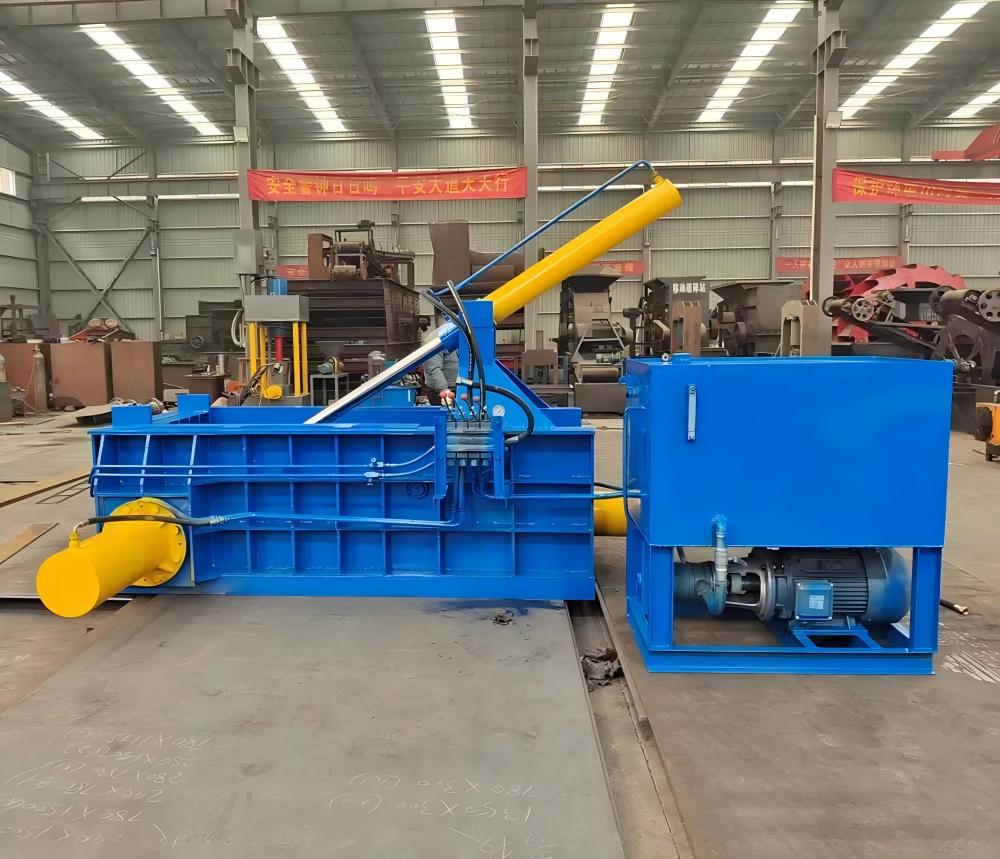
Application Scenarios for Scrap Metal Balers
Automotive Stamping and Body Shops
The automotive industry is perhaps the largest generator of high-quality steel and aluminum scrap. During the stamping process, large sheets of metal are cut into specific shapes, leaving behind significant ‘skeletons’ or offcuts. In these scenarios, scrap metal balers are often positioned at the end of automated conveyor lines. The primary application here is to immediately compress these offcuts to prevent them from occupying valuable floor space. Clean scrap collection in automotive plants ensures that different grades of steel (e.g., high-strength vs. mild steel) are kept separate, maximizing the resale value of the baled material.
Aerospace Component Manufacturing
In aerospace manufacturing, the materials used—such as titanium, specialized aluminum alloys, and stainless steel—are incredibly expensive. The application of balers in this sector is driven by the need for precision and purity. Workshops must ensure that scrap is collected ‘clean,’ meaning free from cross-contamination with other alloys. Balers used in these environments are often equipped with specialized liners to prevent iron contamination of non-ferrous metals, ensuring the scrap meets the stringent requirements of aerospace-grade recycling facilities.
General Sheet Metal Fabrication
For general workshops involved in HVAC ductwork, cabinetry, or structural steel components, the variety of scrap can be overwhelming. Scrap metal baler applications in these settings involve consolidating a mix of thin-gauge galvanized steel, copper piping, and aluminum extrusions. By using a versatile baler, these workshops can switch between material types, creating uniform bales that simplify logistics. Instead of having multiple overflowing bins, the workshop maintains a clean, organized environment conducive to high productivity.
Electronic Waste and Appliance Recycling
Workshops dedicated to the decommissioning of appliances or electronics deal with complex scrap profiles. Balers are applied here to crush and bale the outer casings of washing machines, refrigerators, and computer chassis. The focus is on volume reduction. Since these items are mostly air and thin metal, baling them reduces their volume by up to 90%, making it economically viable to transport them to secondary processing centers.
Material and Process Requirements for Clean Scrap Collection
Material Purity and Sorting
The concept of ‘Clean Scrap Collection’ hinges on the purity of the material. For a scrap metal baler to be effective, the input material must be sorted at the source. Mixing aluminum with steel, or copper with stainless steel, significantly devalues the resulting bale. Workshops must implement a rigorous sorting process before the material reaches the baler. This involves dedicated bins for different metal types and ensuring that the scrap is free from non-metallic contaminants like plastics, rubber, or excessive oils and coolants.
Thickness and Density Considerations
Not all scrap is created equal. The hydraulic force required to bale 0.5mm aluminum foil is vastly different from what is needed for 6mm steel plate offcuts. When selecting a baler for specific applications, workshops must consider the maximum thickness of the scrap. Overloading a light-duty baler with heavy plate can lead to frame distortion or hydraulic failure. Conversely, using a heavy-duty baler for light foil may be energy-inefficient. A balanced configuration is essential for maintaining the longevity of the equipment.
Moisture and Contaminant Control
In many metal processing workflows, coolants and lubricants are used extensively. For ‘clean’ collection, it is often necessary to include a drainage system in the baler’s design. This allows residual fluids to be collected and disposed of properly, rather than being squeezed into the bale. Bales that are ‘dry’ and clean are preferred by foundries as they reduce the risk of explosions during the melting process and minimize smoke emissions.
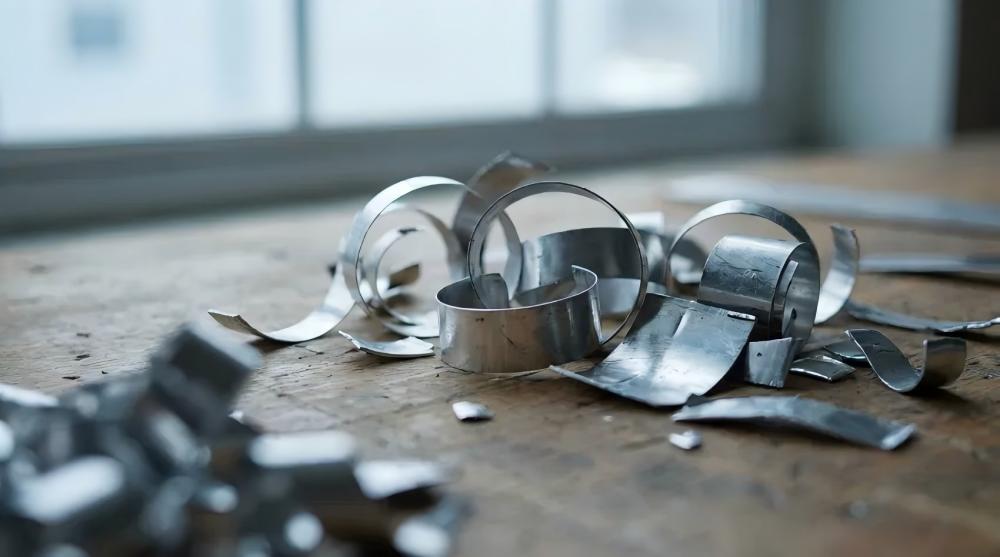
Recommended Machine Configuration
To maximize the efficiency of Scrap Metal Baler Applications In Metal Processing Workshops Clean Scrap Collection, the machine configuration must be tailored to the specific needs of the facility. Below are the key components and features recommended for a professional-grade setup:
| Feature | Recommended Specification | Benefit |
|---|---|---|
| Hydraulic Pressure | 1250kN to 4000kN | Ensures high-density bales for various metal thicknesses. |
| Bale Discharge Type | Turn-out or Side-push | Allows for easy integration into different workshop layouts. |
| Control System | Siemens PLC with Touchscreen | Provides precise control over cycle times and safety parameters. |
| Chamber Liners | Hardox 500 or equivalent | Extends the life of the machine when processing abrasive materials. |
| Cooling System | Air or Water Cooling | Prevents hydraulic oil overheating during continuous 24/7 operation. |
| Safety Features | Emergency Stops & Light Curtains | Protects operators from moving parts and high-pressure zones. |
Hydraulic System Excellence
The heart of any scrap metal baler is its hydraulic system. For clean scrap collection, a variable displacement pump system is recommended. This allows the machine to provide high speed during the initial compression phase (when the material is loose) and high pressure during the final compaction phase. This efficiency reduces energy consumption and shortens cycle times, allowing the workshop to process more scrap in less time.
Structural Integrity
The frame of the baler must be robust enough to withstand repeated high-pressure cycles. HARSLE utilizes heavy-duty welded steel frames that are stress-relieved to ensure long-term dimensional stability. For workshops dealing with stainless steel or other hard alloys, the chamber should be lined with replaceable wear plates made of high-carbon steel to prevent the main structure from eroding.
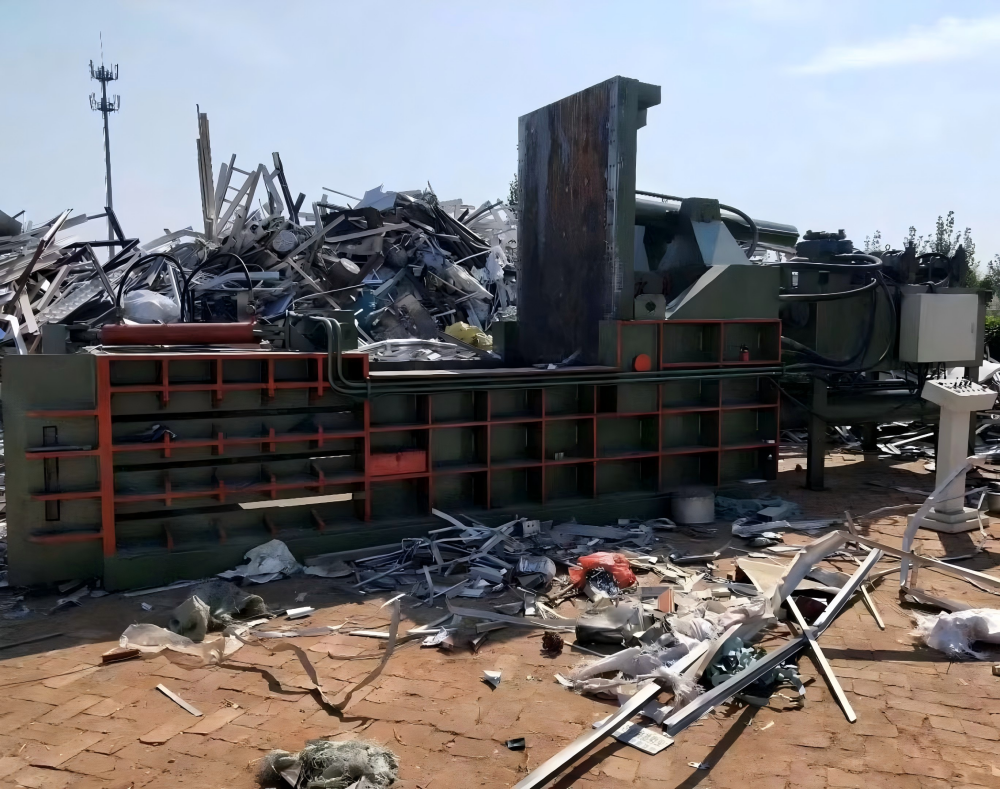
Standard Workflow for Clean Scrap Collection
- Source Segregation: Operators in the workshop place scrap into color-coded bins based on material type (e.g., Blue for Steel, Green for Aluminum). This is the most critical step for clean scrap collection.
- Feeding the Baler: Once a bin is full, it is transported to the baler. Feeding can be done manually for small machines, or via a hydraulic grab or conveyor belt for larger industrial applications.
- Pre-Compression: The baler lid closes, and the initial hydraulic ram moves forward to push the loose scrap into the main compression zone.
- Main Compression: The primary and side rams exert maximum pressure to form the scrap into a dense, rectangular bale. This process removes the air gaps between the metal pieces.
- Bale Ejection: Depending on the machine design, the finished bale is either pushed out the side or ‘turned out’ of the chamber.
- Logistics and Storage: The bales are stacked using a forklift. Because they are uniform in size, they can be stacked safely and efficiently, maximizing the use of storage space.
- Transport to Smelter: Periodically, a truck collects the bales. Because the density is high, the truck can carry its maximum weight capacity, reducing the number of trips required.
Productivity and Economic Benefits
Significant Volume Reduction
The most immediate benefit of scrap metal baler applications is the reduction in volume. Loose scrap is notoriously difficult to handle and takes up a disproportionate amount of space. By baling the material, workshops can reduce the footprint of their waste storage area by up to 90%. This reclaimed space can then be used for additional production machinery or inventory storage, directly contributing to the workshop’s bottom line.
Reduced Logistics and Labor Costs
Handling loose scrap is labor-intensive. It requires constant emptying of bins and frequent trips by waste management contractors. Baled scrap, however, is easy to move with a forklift and requires far fewer transport pickups. Many workshops find that they can reduce their waste-related transport costs by over 50% after installing a HARSLE scrap metal baler. Furthermore, the labor hours previously spent managing messy scrap piles are redirected toward value-added production tasks.
Higher Resale Value
Recycling centers and foundries pay a premium for baled scrap compared to loose scrap. Bales are easier for them to handle, weigh, and charge into furnaces. When the scrap is ‘clean’ and well-sorted, the value increases even further. In many cases, the investment in a scrap metal baler can be recouped within 12 to 24 months simply through the increased revenue generated from scrap sales.
Enhanced Workplace Safety and Compliance
A workshop filled with sharp, loose metal offcuts is a safety nightmare. Trips, falls, and lacerations are common risks. Clean scrap collection through baling eliminates these hazards, creating a safer environment for employees. Additionally, many regions have strict environmental regulations regarding industrial waste. Using a baler helps workshops comply with these standards by preventing scrap from spilling into non-designated areas or contaminating the soil.
Case Example: Mid-Sized Stamping Plant Optimization
A mid-sized automotive component manufacturer was struggling with the management of galvanized steel offcuts. Their workshop was constantly cluttered with large ‘cages’ of loose scrap that required daily pickup. The cost of these pickups was eroding their profit margins, and the messy environment was a constant safety concern.
After consulting with HARSLE, they implemented a Y81-series hydraulic scrap metal baler. They established a ‘Clean Scrap’ protocol where offcuts were fed directly from the stamping press conveyor into the baler’s hopper. The results were transformative:
- Transport Frequency: Reduced from daily pickups to once every ten days.
- Storage Space: Reclaimed 200 square meters of floor space previously used for scrap cages.
- Revenue: The price received per ton of scrap increased by 18% due to the high density and purity of the bales.
- Safety: Reported zero scrap-related injuries in the first year of operation.
Frequently Asked Questions (FAQ)
What types of metal can be processed in a scrap metal baler?
Most industrial balers can handle a wide range of metals, including mild steel, stainless steel, aluminum, copper, brass, and lead. The key is to match the machine’s hydraulic force to the thickness and hardness of the material. For example, stainless steel requires more pressure than aluminum of the same thickness.
How often does a scrap metal baler require maintenance?
Routine maintenance is essential for longevity. This includes daily checks of hydraulic oil levels and seal integrity, weekly lubrication of moving parts, and monthly inspections of the wear plates and electrical connections. HARSLE machines are designed for easy access to all maintenance points to minimize downtime.
Can the baler handle oily or wet scrap?
Yes, but for ‘clean scrap collection,’ it is best to use a baler equipped with a liquid collection tray. This allows the oils or coolants to be diverted and treated separately, ensuring the resulting bale is dry and acceptable to foundries.
What is the typical lifespan of a HARSLE scrap metal baler?
With proper maintenance and correct usage, a high-quality hydraulic baler can last 15 to 20 years. Replacing wear liners and hydraulic seals periodically is a standard part of extending the machine’s operational life.
Is training required to operate the machine?
While the PLC systems make operation intuitive, basic training is required to ensure safety. Operators must understand how to load the machine correctly, how to use the emergency stop functions, and how to perform basic daily inspections.
Conclusion: Elevate Your Workshop with HARSLE
The application of scrap metal balers in metal processing workshops is a strategic move that pays dividends in safety, efficiency, and profitability. By focusing on clean scrap collection, manufacturers can turn a waste stream into a revenue stream while maintaining a world-class production environment. HARSLE provides the robust, high-precision machinery needed to meet these goals, backed by years of engineering expertise in the metal fabrication industry.
Ready to optimize your workshop’s scrap management? Contact HARSLE today to discuss our range of hydraulic metal balers and find the perfect configuration for your specific material and volume requirements. Let us help you build a cleaner, more productive future.