How Scrap Metal Balers Improve Efficiency In Industrial Scrap Processing

Introduction to Modern Scrap Metal Processing
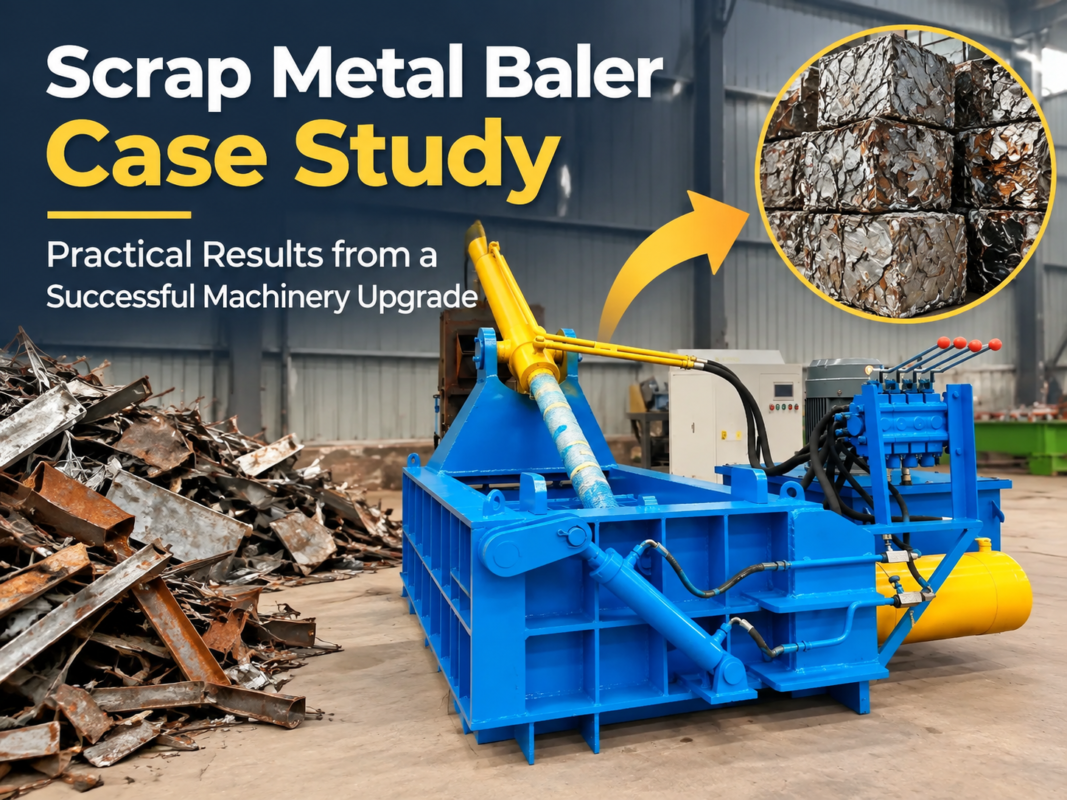
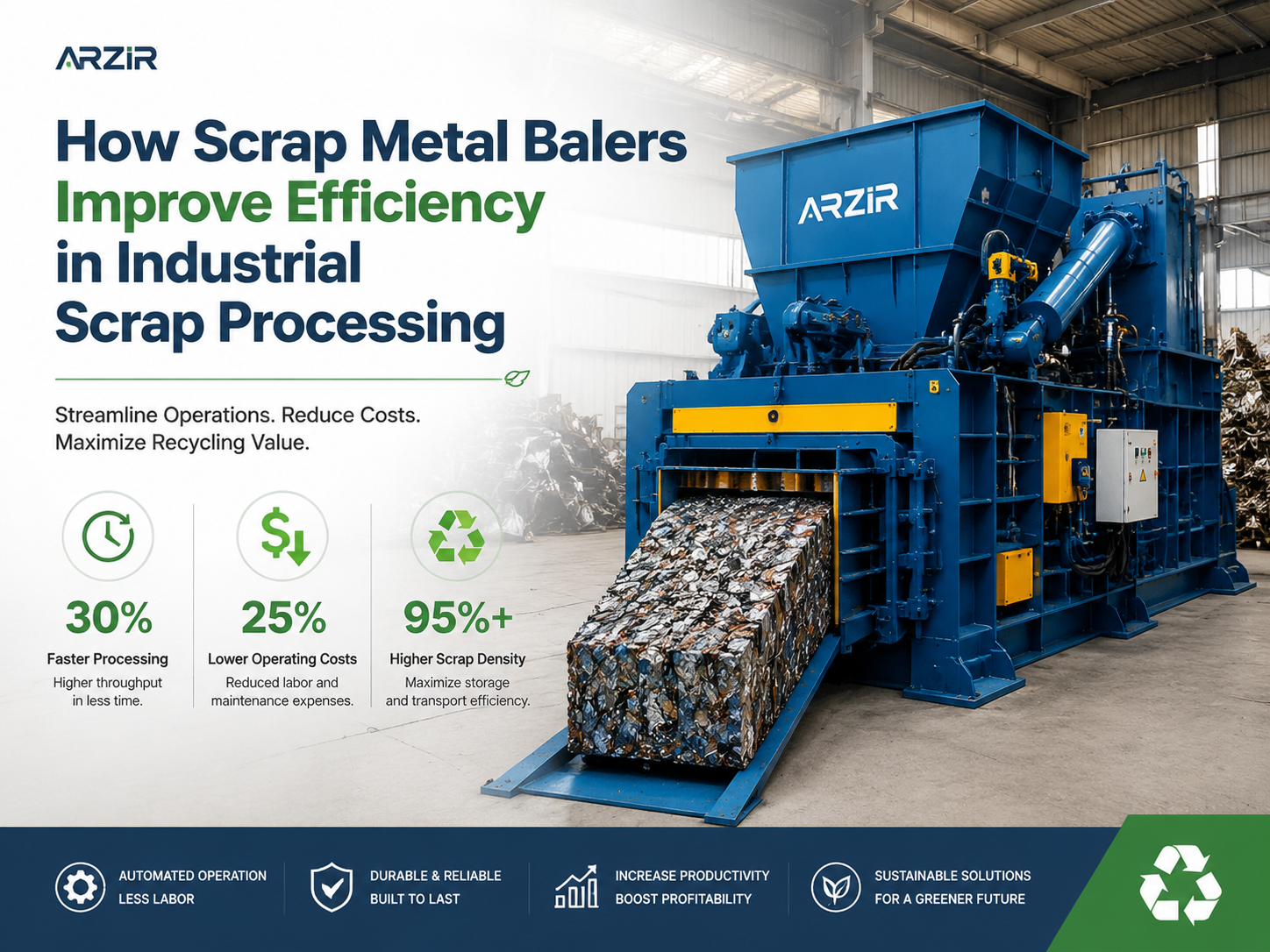
In the rapidly evolving landscape of industrial manufacturing and waste management, the ability to handle waste materials effectively is no longer just an environmental concern—it is a critical economic driver. As global demand for recycled metals continues to rise, the question of how scrap metal balers improve efficiency in industrial scrap processing becomes central to the operations of recycling centers, automotive plants, and metal fabrication facilities. A scrap metal baler is a powerful hydraulic machine designed to compress loose metal scrap into dense, manageable blocks or ‘bales.’ This transformation is the cornerstone of modern scrap logistics, enabling companies to turn bulky, low-value waste into high-density, high-value commodities.
Efficiency in this context is multifaceted. It involves reducing the physical footprint of waste, minimizing the labor required for handling, optimizing transportation costs, and ensuring that the material is ready for the next stage of the recycling furnace. Without high-quality baling equipment, industrial facilities often struggle with cluttered workspaces, high shipping costs for ‘hauling air,’ and safety hazards associated with loose, sharp metal debris. This article explores the technical and operational ways that HARSLE scrap metal balers revolutionize the processing workflow, providing a comprehensive look at their application, configuration, and long-term benefits.
Application Scenarios for Scrap Metal Balers
The application of scrap metal balers spans across various sectors, each with unique challenges that these machines are designed to solve. In large-scale recycling facilities, balers are the primary workhorses, processing hundreds of tons of material daily. These facilities receive everything from aluminum cans and copper wiring to heavy structural steel. By utilizing a high-capacity baler, these centers can quickly categorize and densify materials, making them ready for sale to smelters and foundries.
In the automotive industry, the production of vehicles generates a significant amount of ‘off-cuts’ or ‘skeletons’ from stamping and pressing operations. These scraps are often high-grade steel or aluminum. Integrating a scrap metal baler directly into the production line allows for immediate processing. Instead of having large bins of loose metal taking up valuable floor space, the scrap is compressed into uniform bales that can be stacked and stored efficiently. This not only keeps the factory floor clean but also streamlines the internal logistics of moving waste out of the production area.
Construction and demolition sites also benefit significantly from mobile or stationary baling units. When a building is decommissioned, the amount of rebar, copper piping, and steel beams can be overwhelming. Processing these materials on-site using a scrap metal baler reduces the number of truck trips required to clear the site, directly impacting the project’s bottom line and carbon footprint. Furthermore, specialized industries like aerospace and electronics manufacturing use smaller, high-precision balers to handle expensive alloys and precious metal scraps, where every gram of material recovered represents significant financial value.
Material and Process Requirements
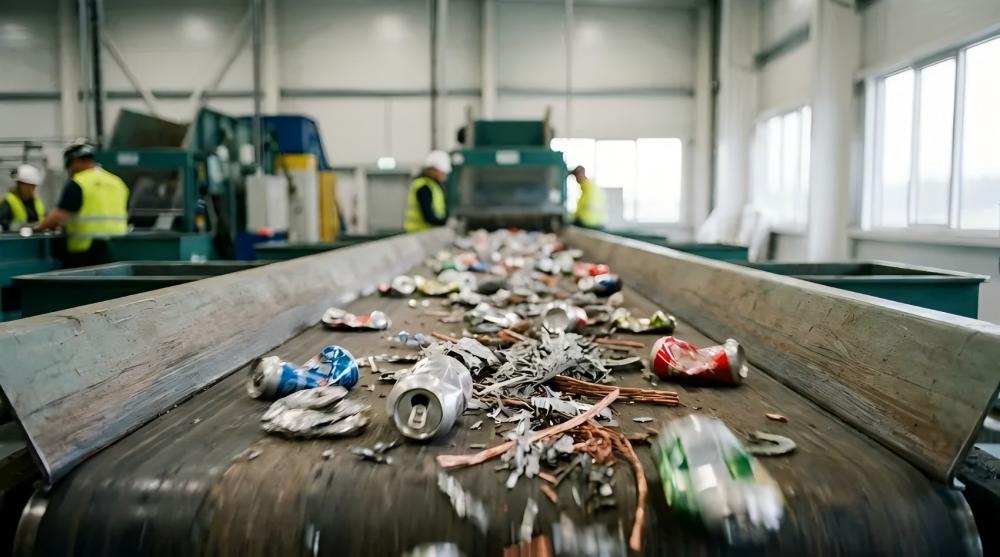
Understanding the material being processed is the first step in determining how scrap metal balers improve efficiency in industrial scrap processing. Not all scrap is created equal, and the baling process must be tailored to the physical properties of the metal. Ferrous metals, such as iron and steel, are magnetic and generally harder, requiring higher compression forces. Non-ferrous metals, like aluminum, copper, and brass, are softer but often more valuable, requiring clean processing to avoid contamination.
The thickness and shape of the scrap also dictate the process requirements. Thin-gauge materials like siding or cans can be baled using standard hydraulic pressure. However, thicker materials like structural beams or heavy engine blocks may require a ‘shear-baler.’ These machines feature heavy-duty blades that cut the metal into smaller pieces before the compression cycle begins. This pre-processing step is vital for achieving the desired bale density and preventing damage to the machine’s internal liners.
Process requirements also include the desired bale size and weight. Foundries and smelters often have strict specifications for the bales they accept. If a bale is too large for the furnace door or too dense for the melting process, it may be rejected. Therefore, a high-efficiency baler must offer adjustable settings to control the final dimensions and density of the output. Additionally, the moisture content and cleanliness of the scrap must be managed; oily or wet scrap may require specialized drainage systems within the baler to prevent environmental contamination and maintain hydraulic system integrity.
Recommended Machine Configuration
To maximize efficiency, the configuration of the scrap metal baler must align with the volume and type of scrap being handled. HARSLE recommends several key features for an optimized industrial setup:
- Hydraulic System: The heart of the baler. High-pressure hydraulic pumps, often from brands like Rexroth or Vickers, ensure consistent force. A dual-pump system can improve speed by using both pumps for the initial compression and one high-pressure pump for the final ‘squeeze.’
- PLC Control System: Modern balers should be equipped with a Siemens or Mitsubishi PLC. This allows for automated cycles, remote monitoring, and precise control over the compression force and bale ejection. Touchscreen interfaces (HMI) make it easier for operators to switch between material profiles.
- Wear-Resistant Liners: The internal chamber of the baler is subject to extreme abrasion. Using replaceable Hardox or high-manganese steel liners extends the life of the machine and ensures that the chamber remains smooth for efficient bale ejection.
- Cooling Systems: In high-volume operations, hydraulic oil can overheat. An integrated air or water cooling system is essential to maintain the oil’s viscosity and protect the hydraulic seals and valves.
- Ejection Mechanism: Depending on the layout of the facility, users can choose between ‘side-push,’ ‘forward-out,’ or ‘turn-out’ ejection styles. Side-push is often preferred for high-speed automated lines, while turn-out is common for manual or semi-automated setups.
| Feature | Standard Configuration | High-Efficiency Configuration |
|---|---|---|
| Compression Force | 100 – 250 Tons | 400 – 1000+ Tons |
| Cycle Time | 120 – 180 Seconds | 60 – 90 Seconds |
| Control Type | Manual Valve Control | Full PLC Automation with HMI |
| Loading Method | Manual / Crane | Conveyor / Automatic Hopper |
| Cooling | Natural Air Cooling | Forced Oil Cooling System |
The Workflow of Industrial Scrap Baling
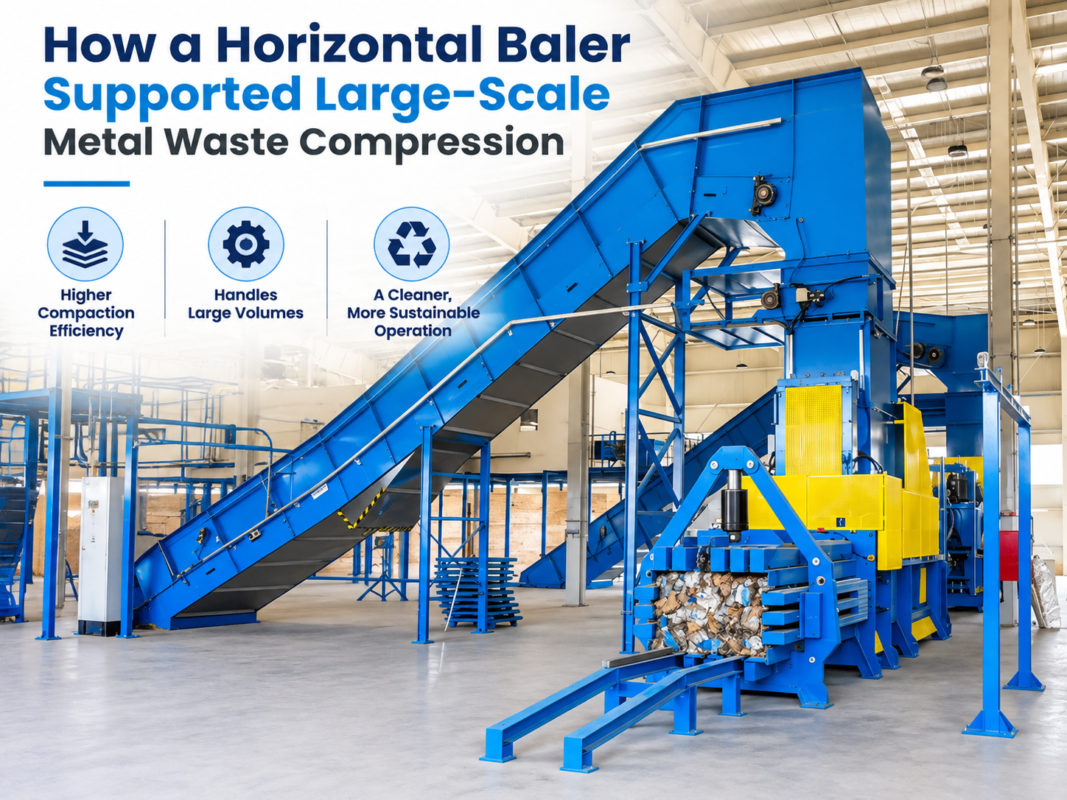
The workflow of a scrap metal baler is a synchronized sequence of events designed to move material from a chaotic state to a structured one. It begins with Collection and Sorting. Scrap is gathered from various points in the factory or brought in by trucks. It is then sorted by metal type (e.g., separating 304 stainless steel from carbon steel) to ensure the highest possible resale value. This sorting is often done using magnets, eddy current separators, or manual labor.
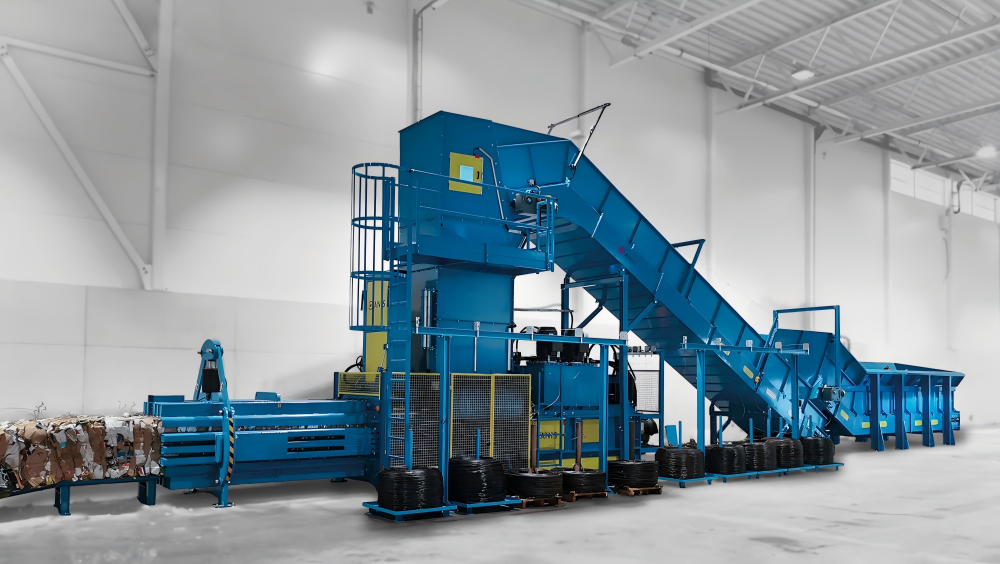
Once sorted, the material moves to the Loading Phase. In high-efficiency setups, a conveyor belt or a hydraulic grab crane feeds the scrap into the baler’s hopper. The hopper acts as a buffer, ensuring the machine always has material ready for the next cycle. When the compression chamber is empty, the hopper lid opens, and the scrap is dropped in. Sensors ensure the chamber is not overfilled, which could lead to mechanical jams.
The Compression Phase is where the magic happens. The main hydraulic ram moves forward, crushing the metal against the chamber walls. In many designs, a secondary side ram or a lid ram provides additional pressure from different angles to ensure the bale is uniform and dense. Once the target pressure is reached and held for a few seconds, the Ejection Phase begins. The bale is pushed out of the machine, where it can be weighed, tagged, and moved to the storage area. This entire process, when automated, can take less than two minutes, allowing for a continuous flow of material.
Productivity Benefits: Why Invest in a Baler?
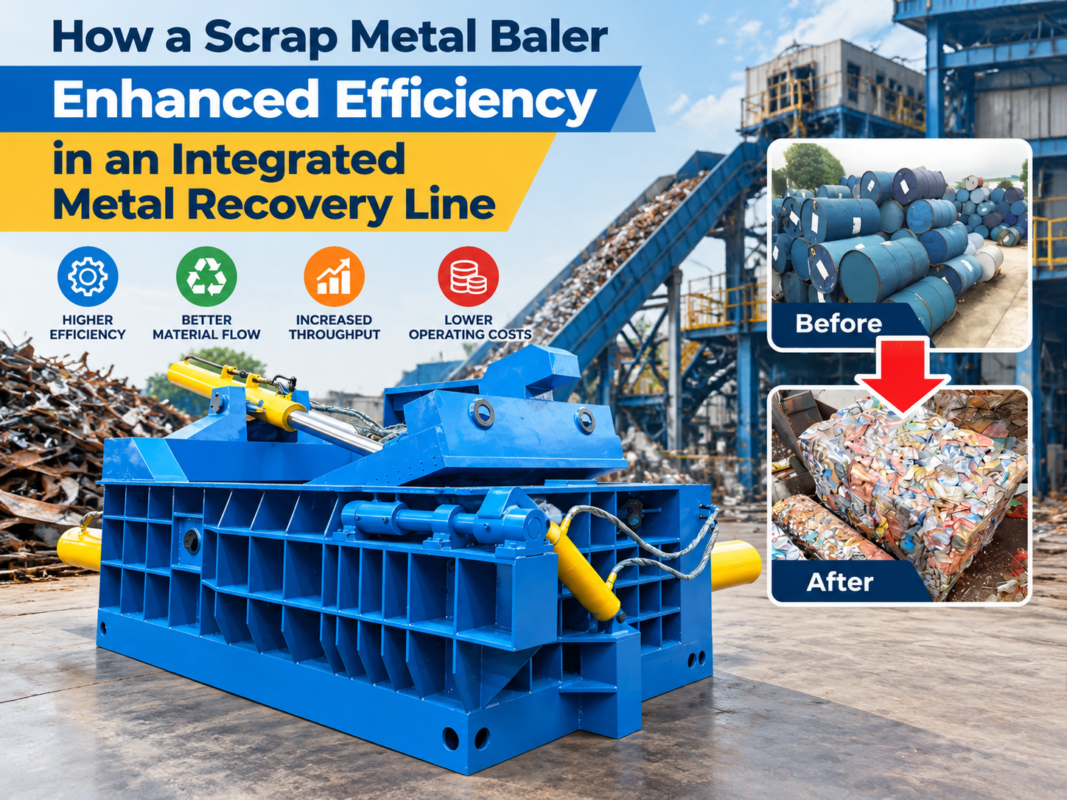
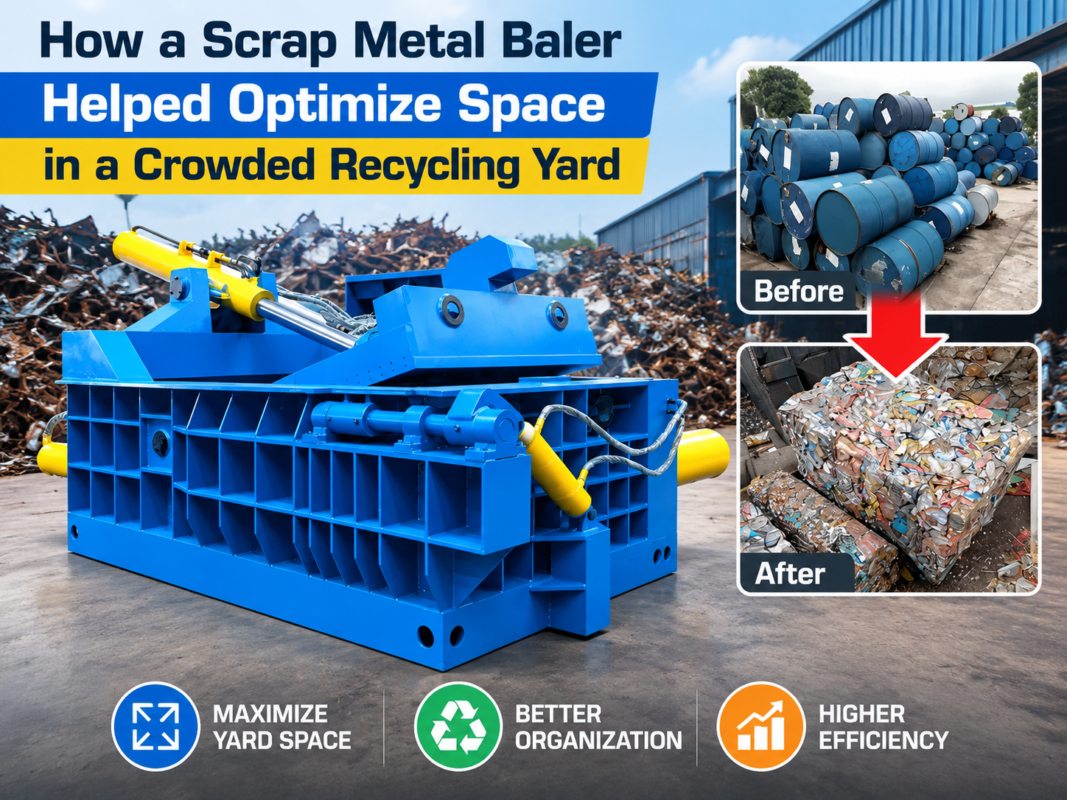
The primary reason how scrap metal balers improve efficiency in industrial scrap processing is through the massive reduction in material volume. Loose scrap metal is incredibly bulky and inefficient to store. A pile of loose aluminum cans might take up 20 cubic meters but weigh very little. Once baled, that same material might occupy only 1 cubic meter. This 20:1 reduction in volume allows facilities to store significantly more material in the same footprint, delaying the need for expensive warehouse expansions.
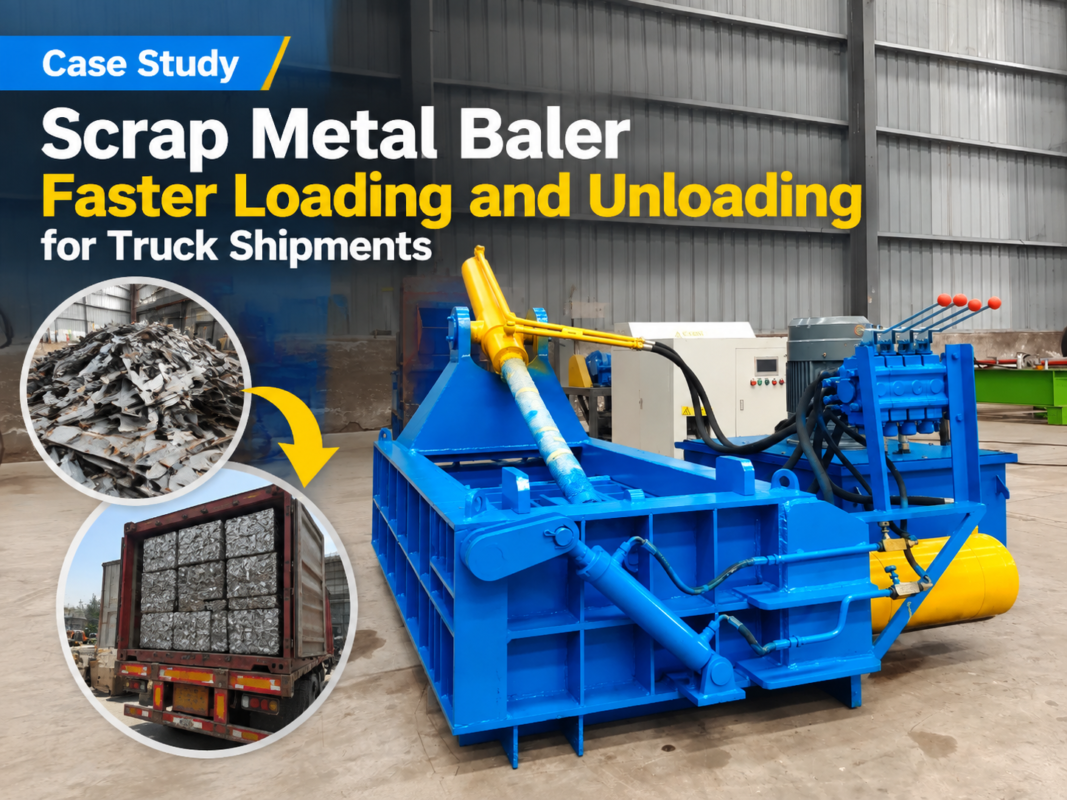
Logistics and transportation represent another major area of savings. Trucking companies charge based on either weight or volume. When hauling loose scrap, trucks often reach their volume limit long before they reach their weight limit, meaning the company is paying to transport air. Baled metal allows trucks to be loaded to their maximum weight capacity. This reduces the number of trips required to move the same amount of metal, leading to lower fuel costs, reduced vehicle maintenance, and a smaller carbon footprint. In many cases, the savings in transportation alone can pay for the cost of the baler within the first 18 to 24 months of operation.
Labor efficiency is also greatly improved. Handling loose scrap is a labor-intensive and dangerous task. Workers must manually move sharp, heavy pieces of metal, which leads to a high risk of injury and worker’s compensation claims. A baler, especially one integrated with a conveyor system, automates the most hazardous parts of the job. Fewer workers are needed to manage the waste stream, allowing personnel to be reassigned to more productive tasks within the facility. Furthermore, baled metal is much easier to handle with standard forklifts, eliminating the need for specialized scrap-handling equipment in every part of the plant.
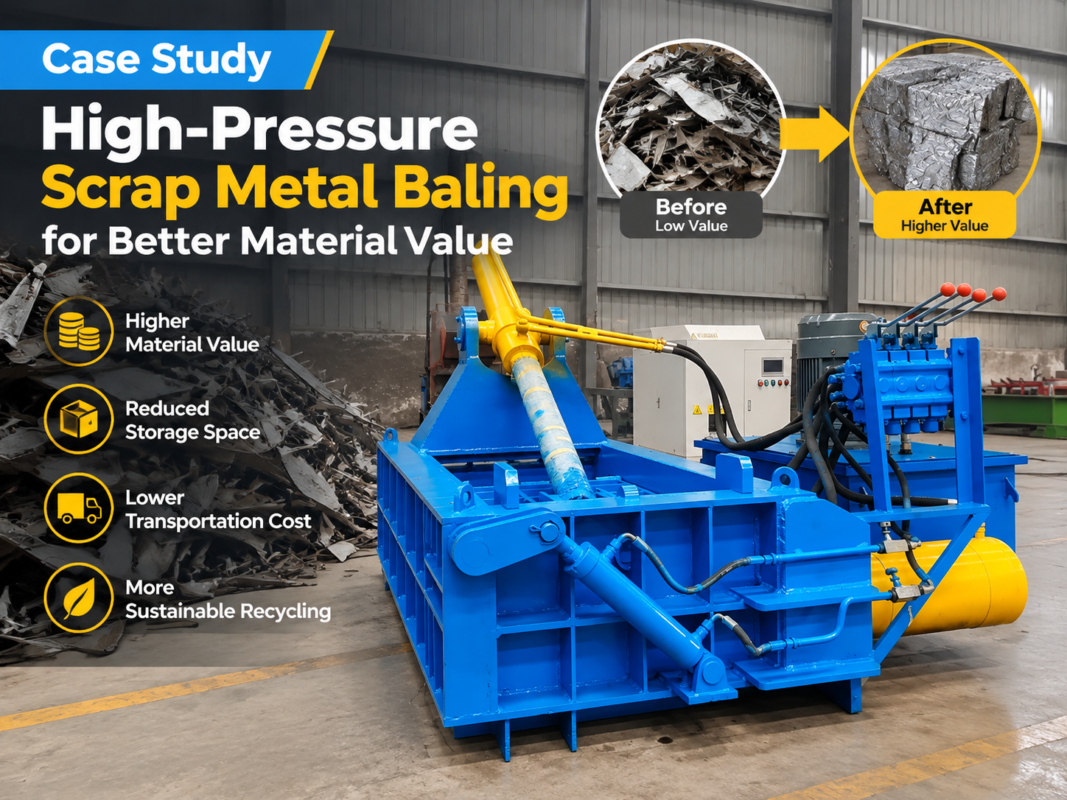
Finally, there is the benefit of Market Value and Compliance. Smelters and refineries prefer baled scrap because it is easier to melt and results in less ‘burn loss’ (oxidation of the metal surface). Consequently, they often pay a premium for baled material compared to loose scrap. Additionally, many environmental regulations require scrap to be stored in a way that prevents runoff of oils or chemicals. Bales are easier to contain and manage on concrete pads with proper drainage, ensuring the facility remains in compliance with local and national environmental laws.
Case Example: Transforming a Manufacturing Plant
Consider a mid-sized automotive parts manufacturer that produces approximately 50 tons of steel scrap per month. Before installing a HARSLE scrap metal baler, the company stored its scrap in large open-top containers. These containers were picked up by a local scrap dealer twice a week. Because the scrap was loose, the containers were mostly filled with air, and the dealer charged a high collection fee to cover the frequent trips. The factory floor was often cluttered with overflowing bins, creating a safety hazard for forklift drivers.
After analyzing their workflow, the company installed a HARSLE Y81 series hydraulic metal baler. They integrated a small conveyor to feed the off-cuts directly from the main stamping press into the baler. The results were immediate. The volume of the scrap was reduced by 85%. Instead of eight truck pickups per month, the company now only required one. The scrap dealer, receiving dense, clean bales, increased the payout price by 15% per ton. Within the first year, the company reported a 40% reduction in waste management costs and a significant improvement in their internal safety audits. This real-world example perfectly illustrates how scrap metal balers improve efficiency in industrial scrap processing.
Frequently Asked Questions (FAQ)
1. What types of metal can be processed in a scrap metal baler?
Most industrial balers can handle a wide range of metals, including steel, iron, aluminum, copper, stainless steel, and brass. The key is to match the machine’s compression force to the thickness and hardness of the metal. For very heavy scrap, a shear-baler may be required.
2. How much space does a scrap metal baler require?
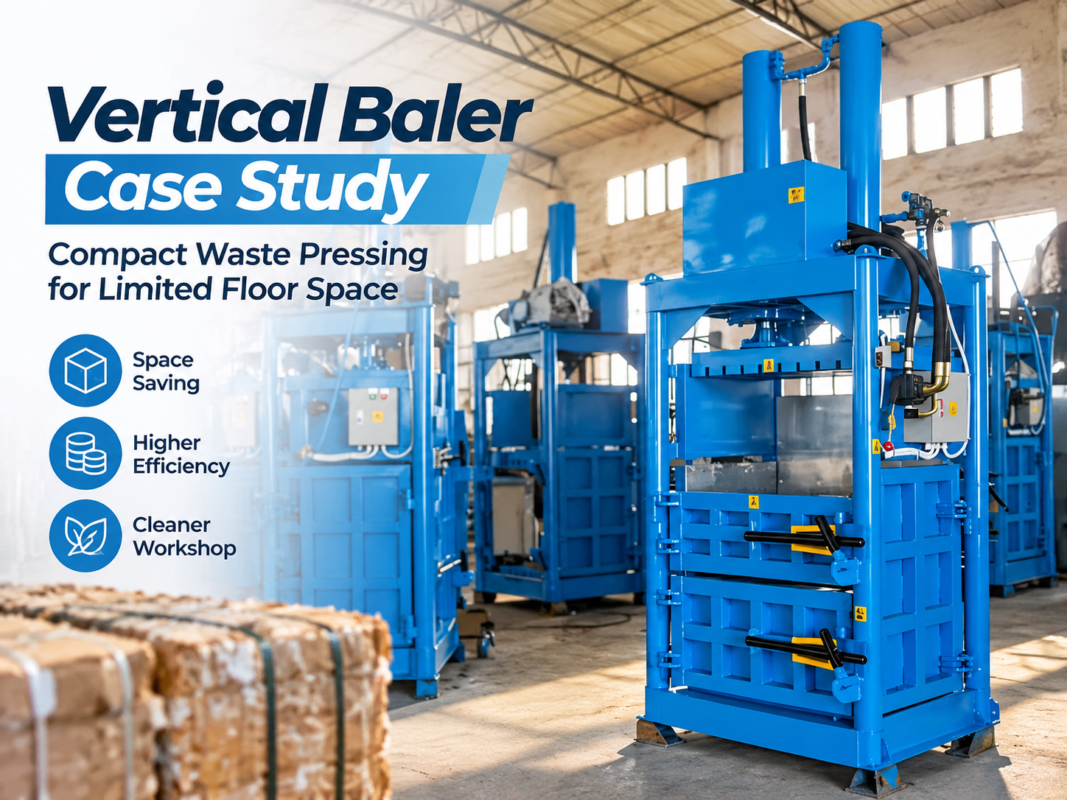
The footprint varies by model. A small vertical baler might only require 4-5 square meters, while a large horizontal industrial baler with a loading hopper and conveyor can require 50-100 square meters. It is important to also account for the space needed for loading and bale storage.
3. Is it difficult to maintain a hydraulic metal baler?
Routine maintenance is straightforward but essential. It involves checking hydraulic oil levels, inspecting hoses for leaks, greasing moving parts, and ensuring the PLC sensors are clean. HARSLE machines are designed with accessible components to make this process as quick as possible.
4. Can one baler handle different types of metal?
Yes, but it is crucial to clean the chamber between different materials to prevent contamination, especially when switching between ferrous and non-ferrous metals. Many operators use different ‘recipes’ or settings on the PLC for different materials.
5. What is the typical lifespan of a HARSLE scrap metal baler?
With proper maintenance and regular replacement of wear liners, a high-quality industrial baler can last 15-20 years or more, even in high-volume environments.
Conclusion and Call to Action
The integration of a scrap metal baler into your industrial workflow is more than an equipment upgrade; it is a strategic investment in operational excellence. By understanding how scrap metal balers improve efficiency in industrial scrap processing, businesses can unlock hidden value in their waste streams, drastically reduce logistics costs, and create a safer, more organized working environment. Whether you are a small fabrication shop or a massive recycling conglomerate, the right baling solution can transform your bottom line.
At HARSLE, we specialize in providing high-performance hydraulic machinery tailored to the needs of the modern metal industry. Our range of scrap metal balers is engineered for durability, speed, and ease of use. Are you ready to optimize your scrap processing and boost your facility’s productivity? Contact our team of experts today for a personalized consultation and find the perfect baling solution for your business. Visit our website to explore our full catalog of metal fabrication equipment and take the first step toward a more efficient future.