Industrial Scrap Metal Baler Uses for Waste Reduction and Transportation Savings

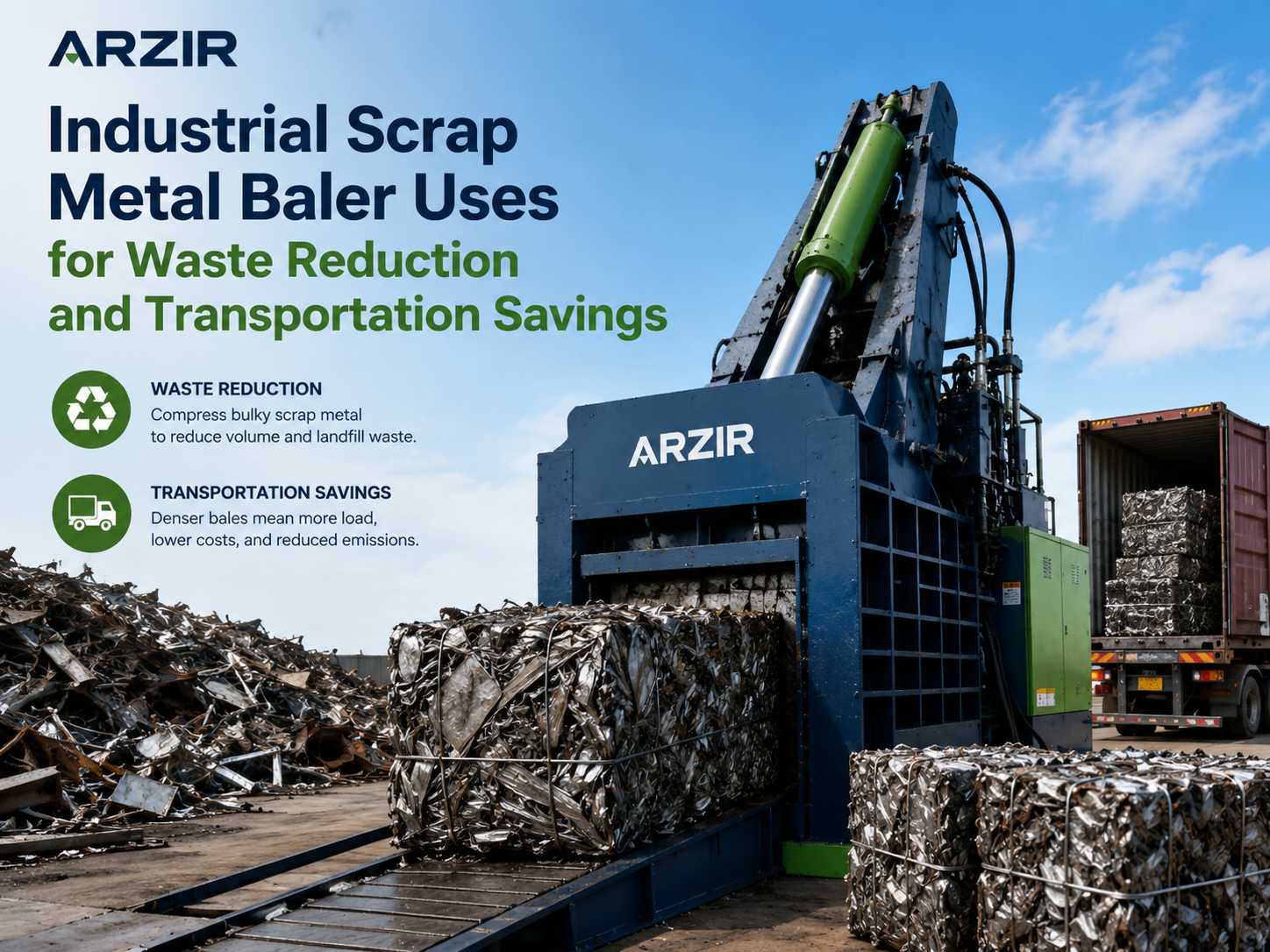
Introduction to Industrial Scrap Metal Baler Uses for Waste Reduction and Transportation Savings
In the modern industrial landscape, the management of metal waste is no longer just an environmental obligation; it is a critical factor in operational profitability. Industrial scrap metal baler uses for waste reduction and transportation savings have become a cornerstone for manufacturing plants, recycling centers, and metal fabrication shops worldwide. By compressing loose metal scrap into dense, manageable blocks, these machines solve two of the most significant challenges in the industry: excessive storage footprints and high logistical costs.
HARSLE, a leader in metal fabrication machinery, provides advanced hydraulic baling solutions designed to handle everything from aluminum shavings to heavy steel plates. The primary objective of utilizing an industrial scrap metal baler is to transform voluminous, irregular waste into standardized units. This transformation facilitates easier handling, safer storage, and, most importantly, a drastic reduction in the number of trips required to transport scrap to smelting or secondary processing facilities. In this comprehensive guide, we will explore the technical nuances, application scenarios, and economic benefits of integrating high-performance balers into your workflow.
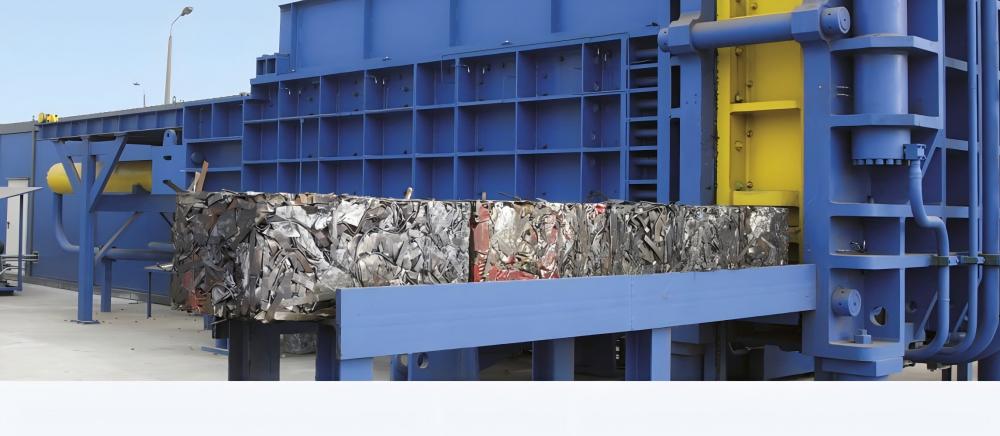
Application Scenarios for Industrial Scrap Metal Balers
The versatility of industrial scrap metal balers allows them to be deployed across a wide range of sectors. One of the most common application scenarios is in Automotive Manufacturing. Stamping plants produce massive amounts of off-cuts and skeletons from sheet metal. Without a baler, these scraps occupy vast areas of the factory floor and require constant manual handling. By implementing a HARSLE Y81 series baler, these plants can automate the collection and compression of steel and aluminum scrap, maintaining a clean and efficient production environment.
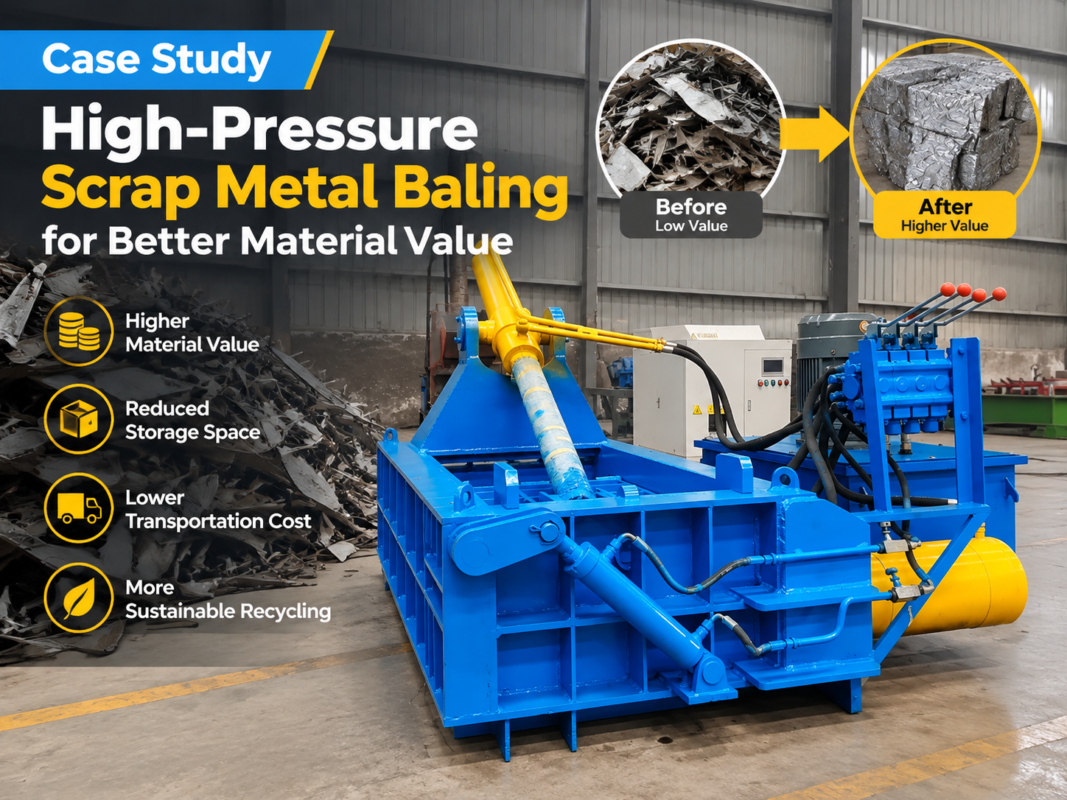
Another critical scenario is found in Professional Recycling Centers. These facilities receive diverse materials from various sources, including old appliances, construction debris, and industrial leftovers. To remain profitable, recyclers must process these materials quickly and prepare them for sale to steel mills. Industrial scrap metal baler uses for waste reduction and transportation savings are most evident here, as the baled material fetches a higher price per ton due to its density and purity, while also fitting more efficiently into shipping containers or rail cars.
In the Construction and Demolition (C&D) sector, mobile or stationary balers are used to process structural steel, rebar, and copper piping on-site. This reduces the need for multiple skip bins and lowers the carbon footprint of the project by minimizing truck movements. Furthermore, Electronic Waste (E-waste) facilities utilize specialized balers to handle aluminum casings and copper components, ensuring that valuable non-ferrous metals are recovered and compacted for specialized refining processes.
Material and Process Requirements
To maximize the efficiency of industrial scrap metal baler uses for waste reduction and transportation savings, it is essential to understand the material requirements. Not all scrap is created equal, and the baling process must be tailored to the specific physical properties of the metal. Ferrous metals, such as carbon steel and cast iron, require high-pressure hydraulic systems to overcome their inherent yield strength. Non-ferrous metals like aluminum, copper, and brass are more malleable but require precise compression to prevent the bale from falling apart during transit.
The thickness of the material is a primary consideration. Standard industrial balers are typically rated for materials up to 6mm or 10mm in thickness. For thicker structural steel, heavy-duty shears or specialized high-tonnage balers are required. The moisture content and cleanliness of the scrap also play a role; oily or wet scrap may require stainless steel liners or specialized drainage systems within the baler to prevent corrosion and maintain hydraulic integrity over long-term use.
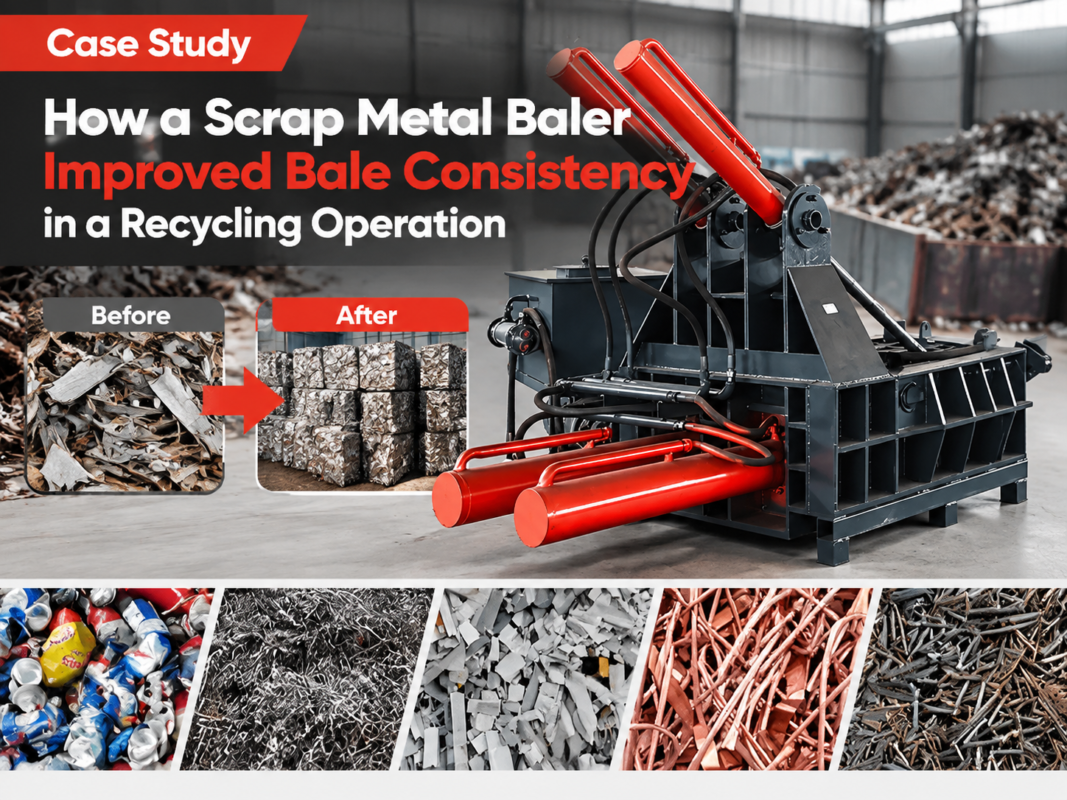
Process requirements also include the desired bale density. For international shipping, density is king. Most smelting facilities prefer bales that meet specific dimensions (e.g., 400mm x 400mm) and weight profiles to optimize furnace charging. Achieving these requirements involves a multi-stage compression process where the material is first gathered, then compressed laterally, and finally compressed longitudinally to reach the target density. HARSLE machines are engineered to meet these rigorous standards consistently.
Recommended Machine Configuration
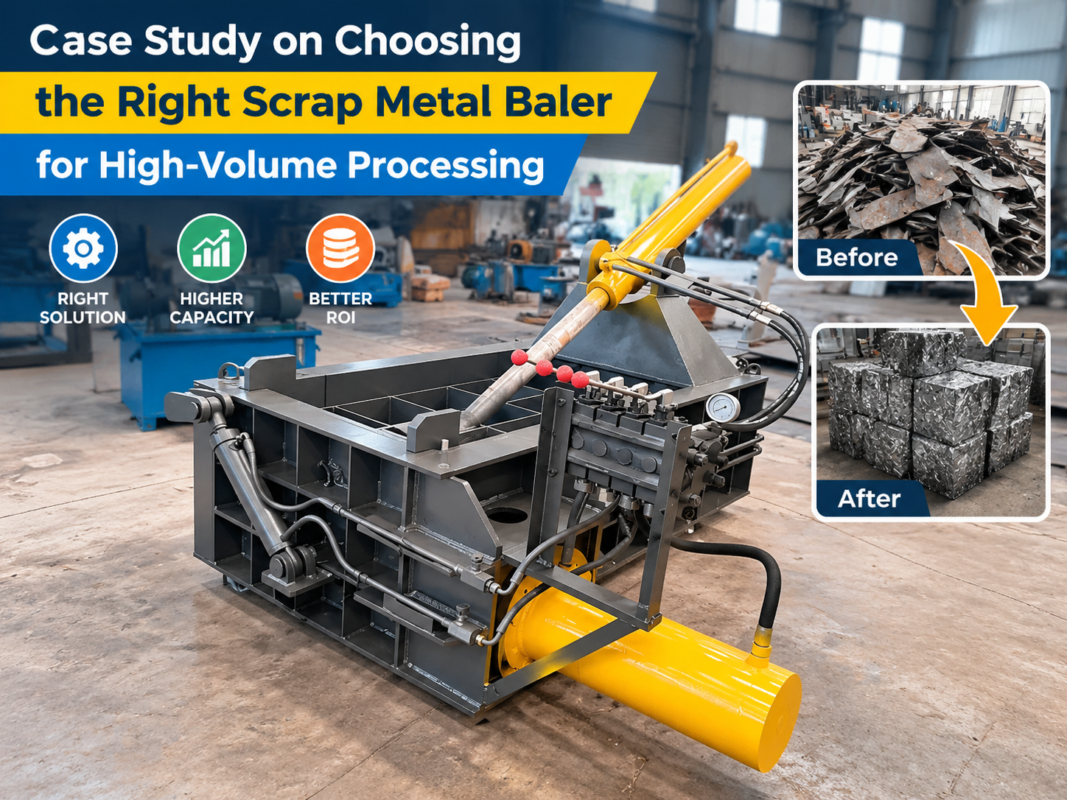
When selecting a machine, the configuration must align with the volume and type of scrap being processed. For medium to large-scale operations, the HARSLE Y81 Series Hydraulic Metal Baler is the industry benchmark. This machine features a robust frame made of high-strength steel plates, ensuring it can withstand the immense internal pressures generated during the baling cycle.
- Hydraulic System: High-pressure piston pumps and integrated valve blocks minimize leakage and ensure smooth power delivery. A water-cooling or air-cooling system is recommended for continuous 24/7 operations to maintain oil viscosity.
- Control System: A PLC-based control system (such as Siemens or Schneider) allows for both manual and fully automatic operation. This ensures safety and repeatability, reducing the reliance on highly skilled labor.
- Bale Discharge Methods: Depending on the facility layout, users can choose between ‘Turn-out’ (the bale is flipped out of the chamber), ‘Side-push’ (the bale is pushed out the side), or ‘Forward-out’ (the bale is pushed out the front).
- Wear Liners: For abrasive materials like stainless steel or high-carbon scrap, the compression chamber should be lined with replaceable Hardox wear plates to extend the machine’s lifespan.
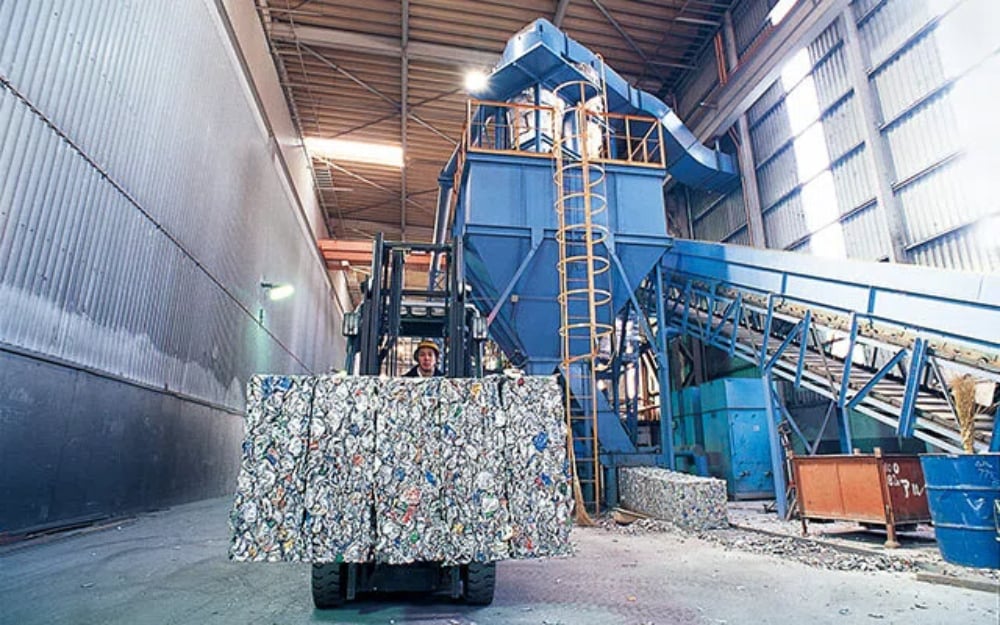
Workflow of an Industrial Scrap Metal Baler
The workflow of a HARSLE scrap metal baler is designed for maximum throughput and safety. The process begins with Feeding, where loose scrap is loaded into the compression chamber using a crane, conveyor, or forklift. Many HARSLE models feature a large hopper or a ‘pre-fill’ box that allows the next load to be prepared while the current cycle is running, significantly reducing idle time.
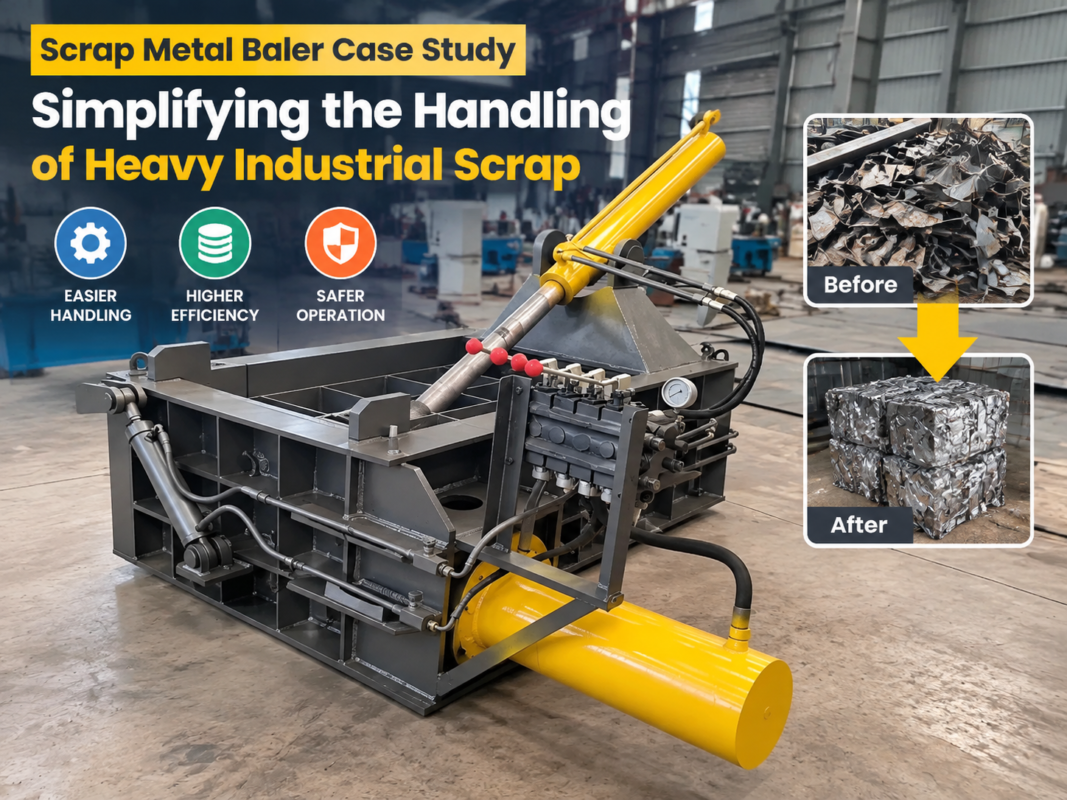
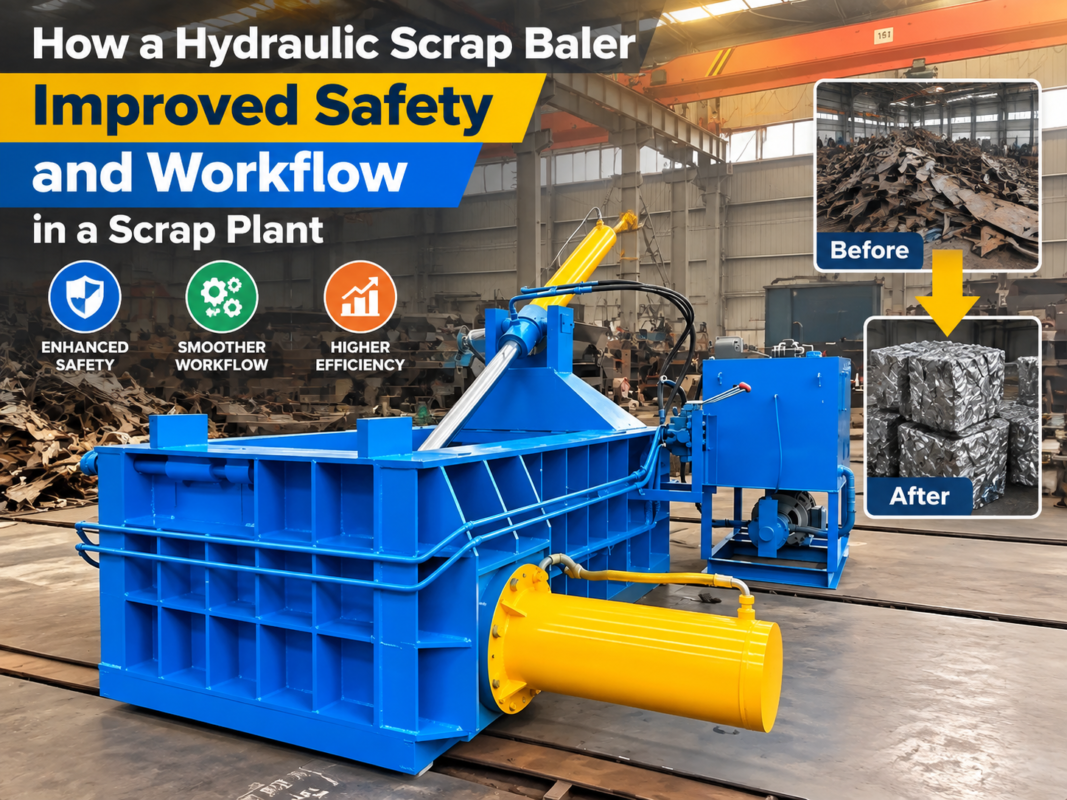
Once the chamber is loaded, the Compression Cycle begins. The lid (if equipped) closes first, providing the initial downward pressure. Then, the side cylinder moves forward to narrow the scrap, followed by the main cylinder which provides the final, high-pressure longitudinal squeeze. This three-dimensional compression ensures that even irregular shapes like car fenders or pipe off-cuts are forced into a tight, rectangular block.
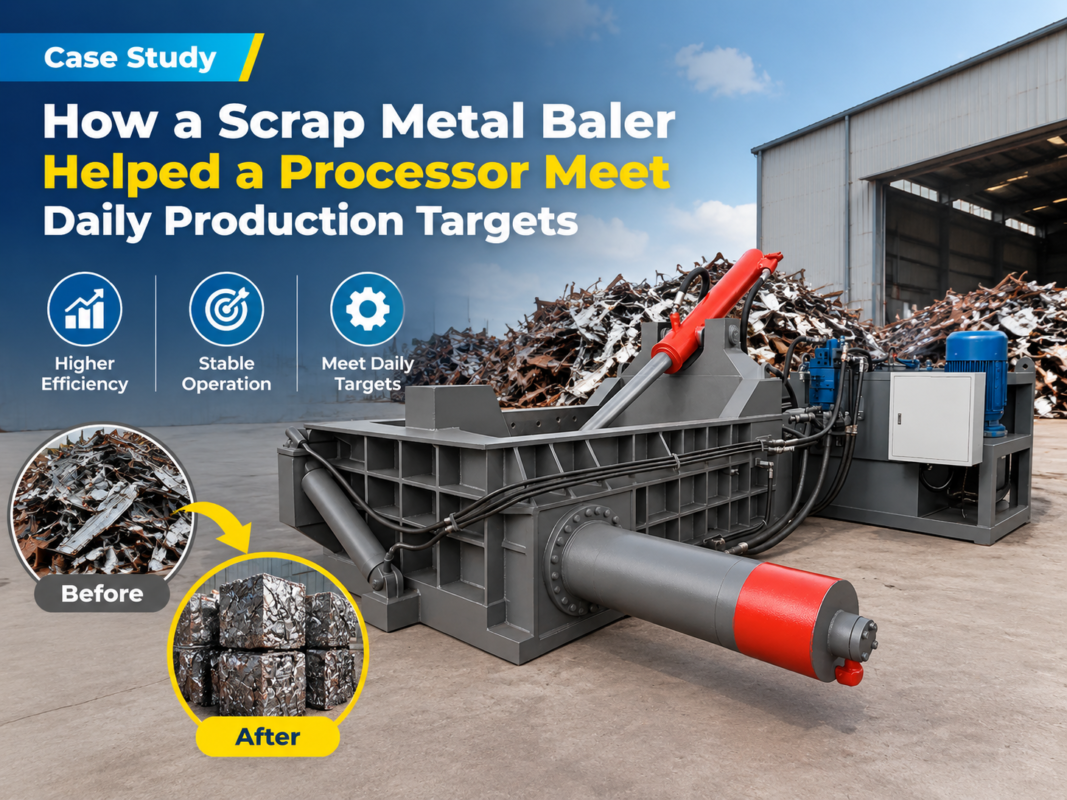
The final stage is Ejection and Reset. Once the target pressure is reached and held for a few seconds to ensure bale stability, the discharge gate opens. The ejection ram pushes the finished bale out of the machine. The cylinders then retract to their home positions, and the chamber is ready for the next load. This entire cycle can take anywhere from 60 to 120 seconds, depending on the machine size and material type, allowing for several tons of scrap to be processed every hour.
Productivity Benefits: Waste Reduction and Transportation Savings
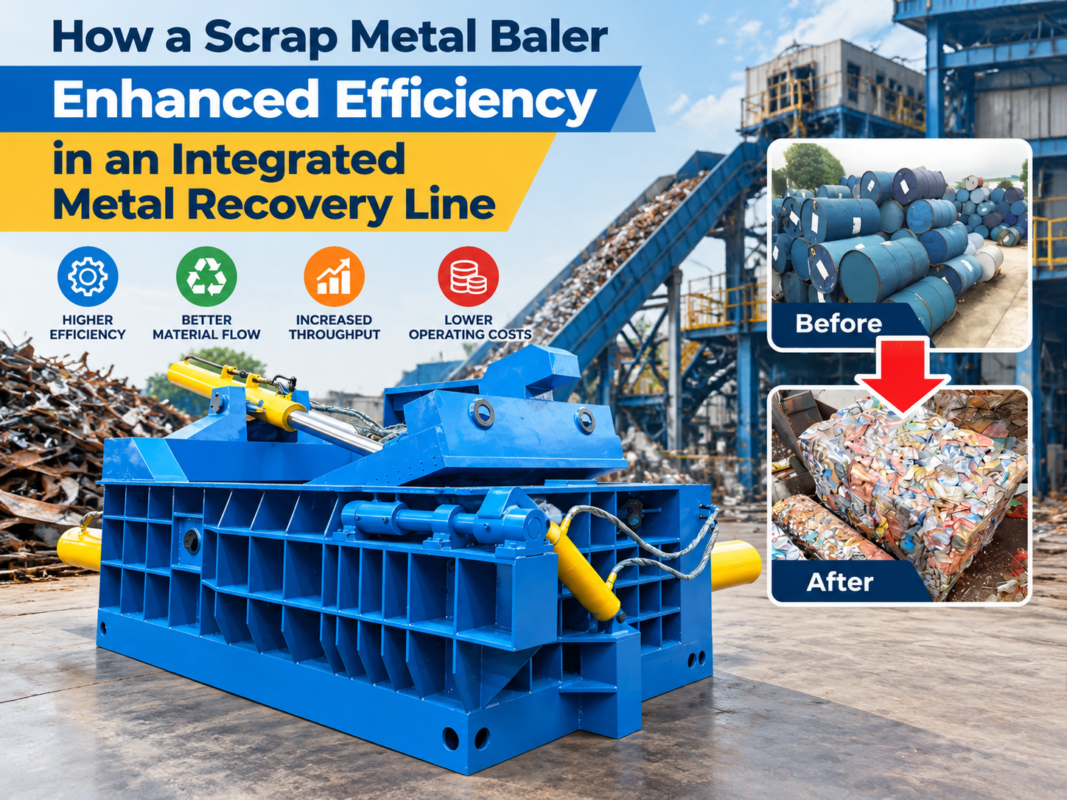
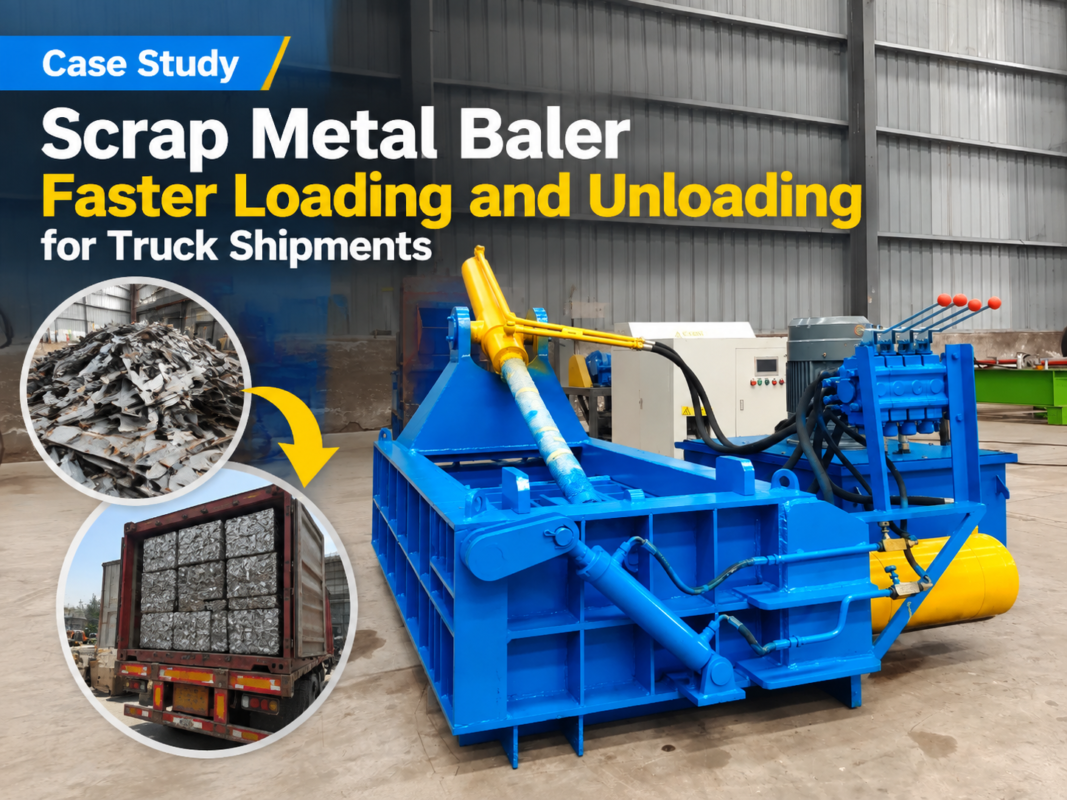
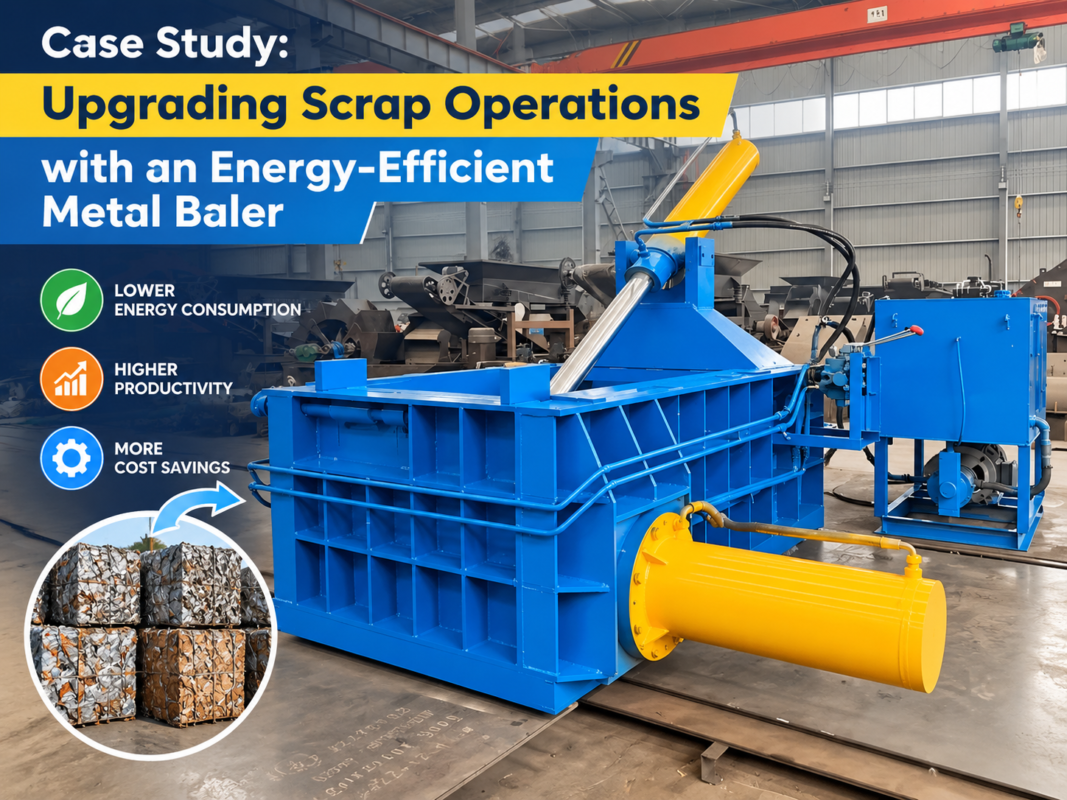
The core value proposition of industrial scrap metal baler uses for waste reduction and transportation savings lies in the dramatic improvement of logistics. Loose scrap metal is incredibly inefficient to transport; a standard truck might reach its volume capacity long before it reaches its weight capacity when carrying loose aluminum cans or light steel turnings. By baling this material, the density is increased by up to 500-800%, allowing trucks to be loaded to their maximum legal weight limit.
Consider the following productivity benefits:
- Logistics Cost Reduction: If a facility previously required 10 trucks to move loose scrap, baling can often reduce this to just 2 or 3 trucks. This leads to direct savings on fuel, driver wages, and vehicle maintenance.
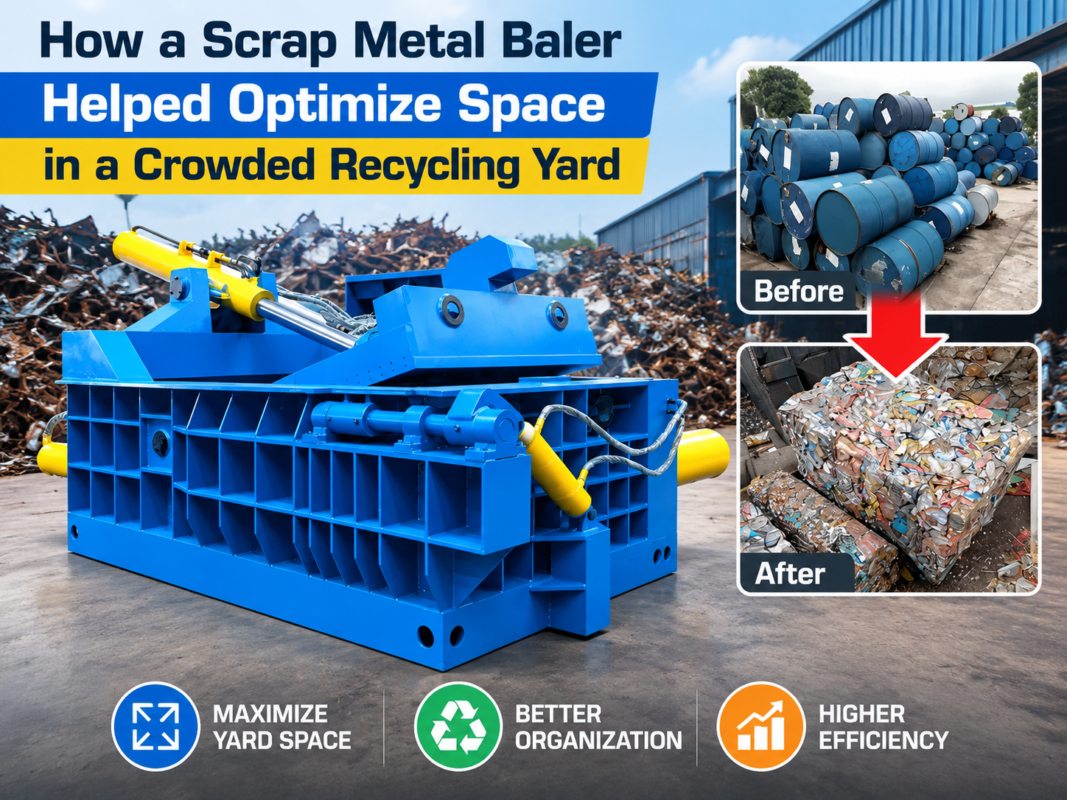
- Space Optimization: Bales can be stacked vertically, reclaiming up to 90% of the floor space previously occupied by loose scrap piles. This space can then be repurposed for additional production lines or inventory storage.
- Safety and Compliance: Loose scrap poses significant fire and injury risks. Bales are stable, do not have sharp protruding edges, and are much easier to manage with standard forklifts, leading to a safer workplace and lower insurance premiums.
- Environmental Impact: Fewer truck trips mean lower CO2 emissions. Additionally, baled scrap is preferred by smelters because it reduces ‘melt loss’ (the amount of metal lost to oxidation during melting), making the entire recycling loop more sustainable.
Case Example: A Success Story with HARSLE Equipment
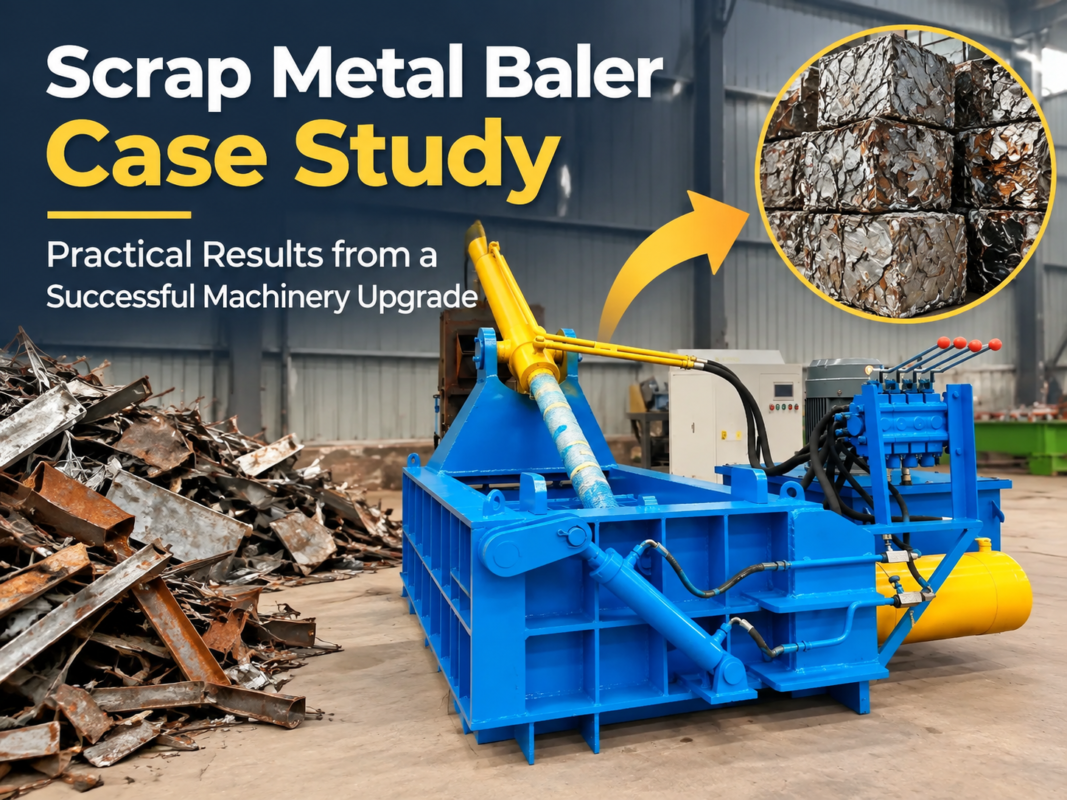
A mid-sized metal stamping company in Eastern Europe faced a significant challenge: their scrap steel off-cuts were filling up four large containers every day, requiring daily pickups from a local recycler. The cost of these frequent pickups was eating into their margins. After consulting with HARSLE, they installed a Y81-250 hydraulic metal baler. This machine, with a 250-ton press force, was integrated directly at the end of their main production line.
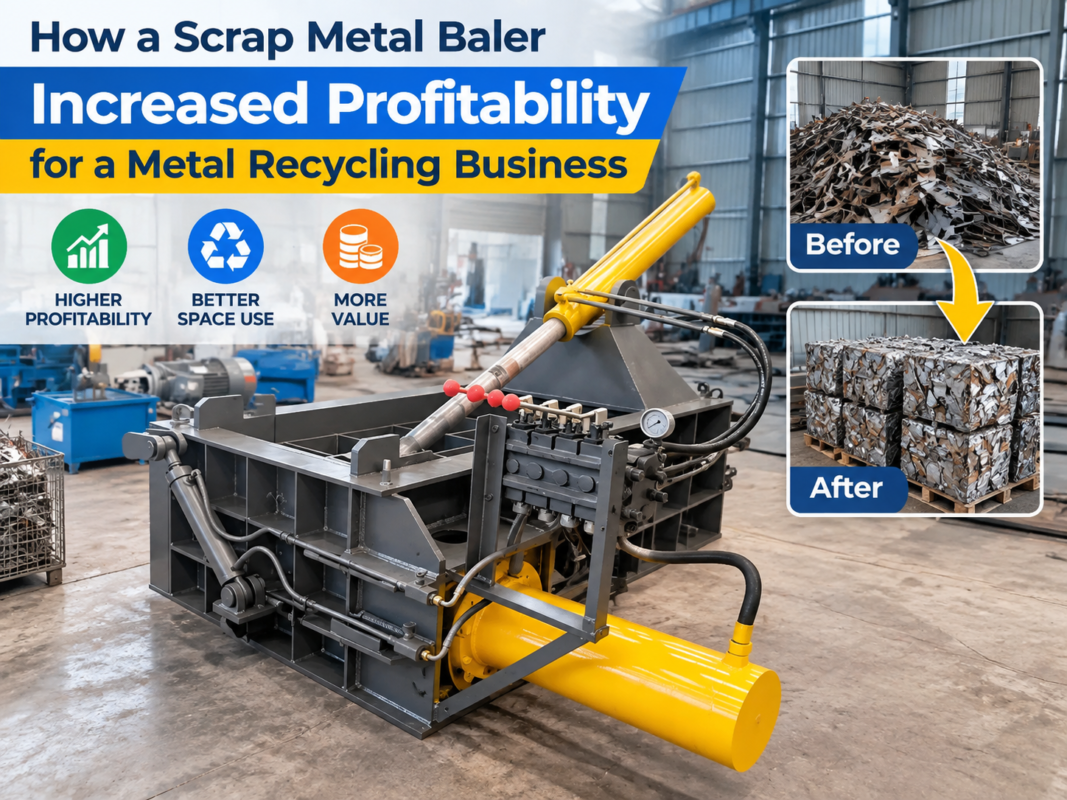
The results were immediate. The company was able to compress their daily scrap output into just 12 dense bales. Instead of daily pickups, they now only require a single truck visit per week. The transportation savings alone paid for the machine within 14 months. Furthermore, because the bales were of high quality and high density, the recycler offered them a ‘premium grade’ price per ton, which was 15% higher than the price for loose scrap. This case perfectly illustrates how industrial scrap metal baler uses for waste reduction and transportation savings create a dual-stream of financial benefit: lower costs and higher revenue.
Frequently Asked Questions (FAQ)
1. What is the average lifespan of an industrial scrap metal baler?
With proper maintenance, a high-quality HARSLE baler can last 15-20 years. Key factors in longevity include regular hydraulic oil changes, timely replacement of wear liners, and ensuring the machine is not consistently overloaded beyond its rated capacity.
2. Can one baler handle both ferrous and non-ferrous metals?
Yes, most industrial balers are versatile. However, it is important to clean the chamber between different material types to prevent contamination, especially if you are switching from steel to high-purity aluminum or copper.
3. How much space is required for the installation?
The footprint varies by model. A small 125-ton baler might require 20 square meters, while a large 500-ton system with conveyors could require 100 square meters or more. Always allow extra space for bale storage and forklift maneuvering.
4. Does the machine require a specialized operator?
While the machine is easy to operate thanks to PLC automation, the operator should be trained in safety protocols and basic daily maintenance checks. HARSLE provides comprehensive training manuals and video guides for all new installations.
5. What are the power requirements for these machines?
Industrial balers typically run on 3-phase electrical power. The motor size can range from 15kW for light-duty models to over 100kW for high-speed, heavy-duty industrial systems.
Conclusion and Call to Action
Investing in an industrial scrap metal baler is a strategic move for any business looking to optimize its waste management and logistics. The industrial scrap metal baler uses for waste reduction and transportation savings are clear: lower overheads, higher scrap value, and a more organized, safer facility. As global regulations on waste and carbon emissions tighten, the ability to process scrap efficiently on-site will become a competitive necessity rather than an option.
HARSLE is committed to providing the most reliable and efficient metal fabrication machinery on the market. Our team of experts is ready to help you calculate your potential ROI and select the perfect baler configuration for your specific needs. Don’t let your profits disappear in half-empty trucks and cluttered factory floors. Contact HARSLE today for a customized quote and take the first step toward a more efficient recycling operation!