How to Use a Scrap Metal Baler for Better Material Handling and Storage

Introduction to Efficient Scrap Management
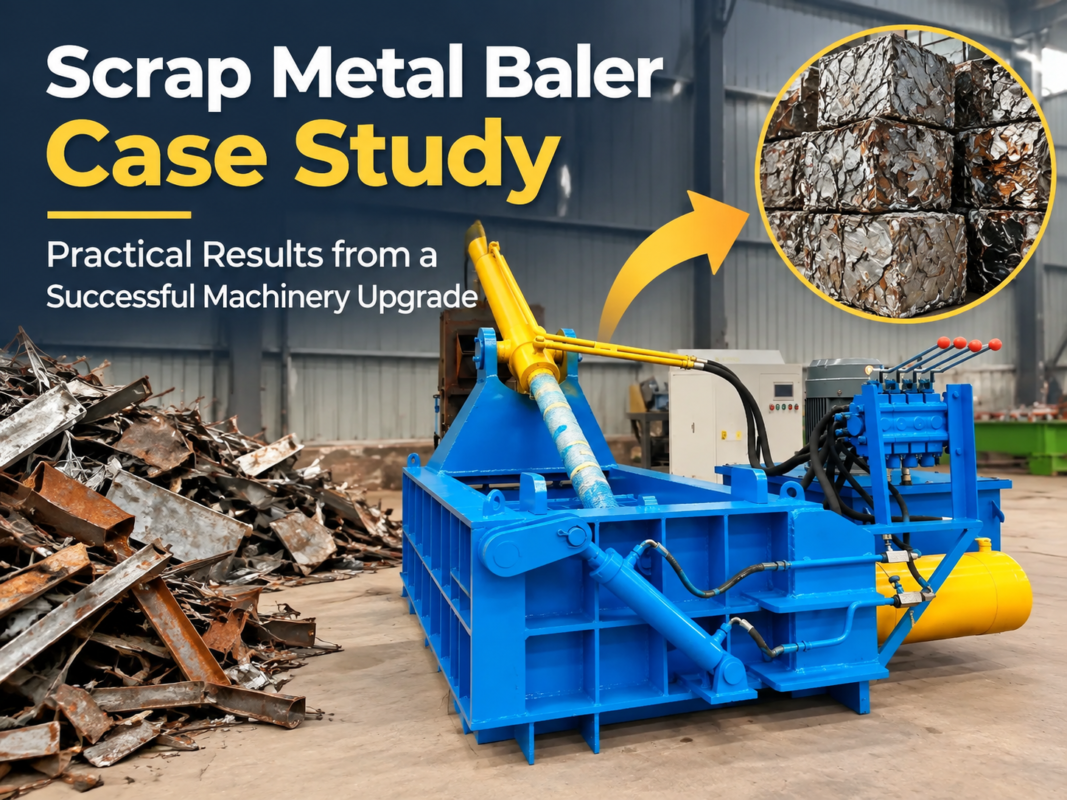
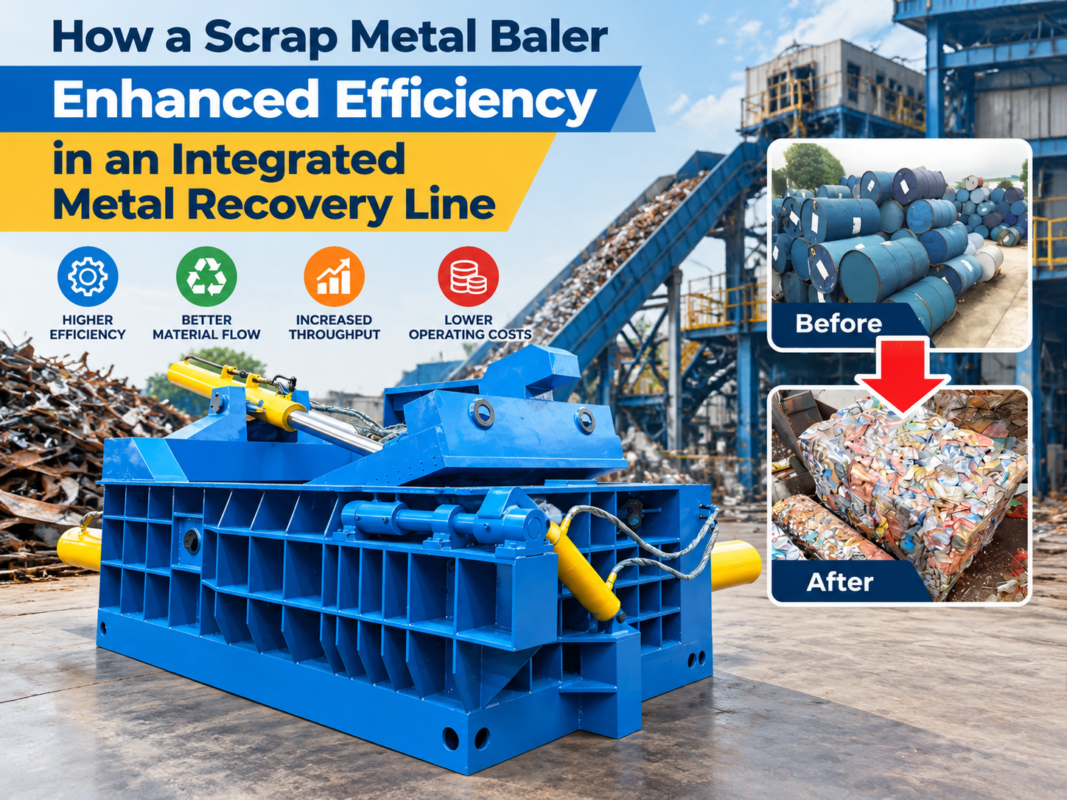
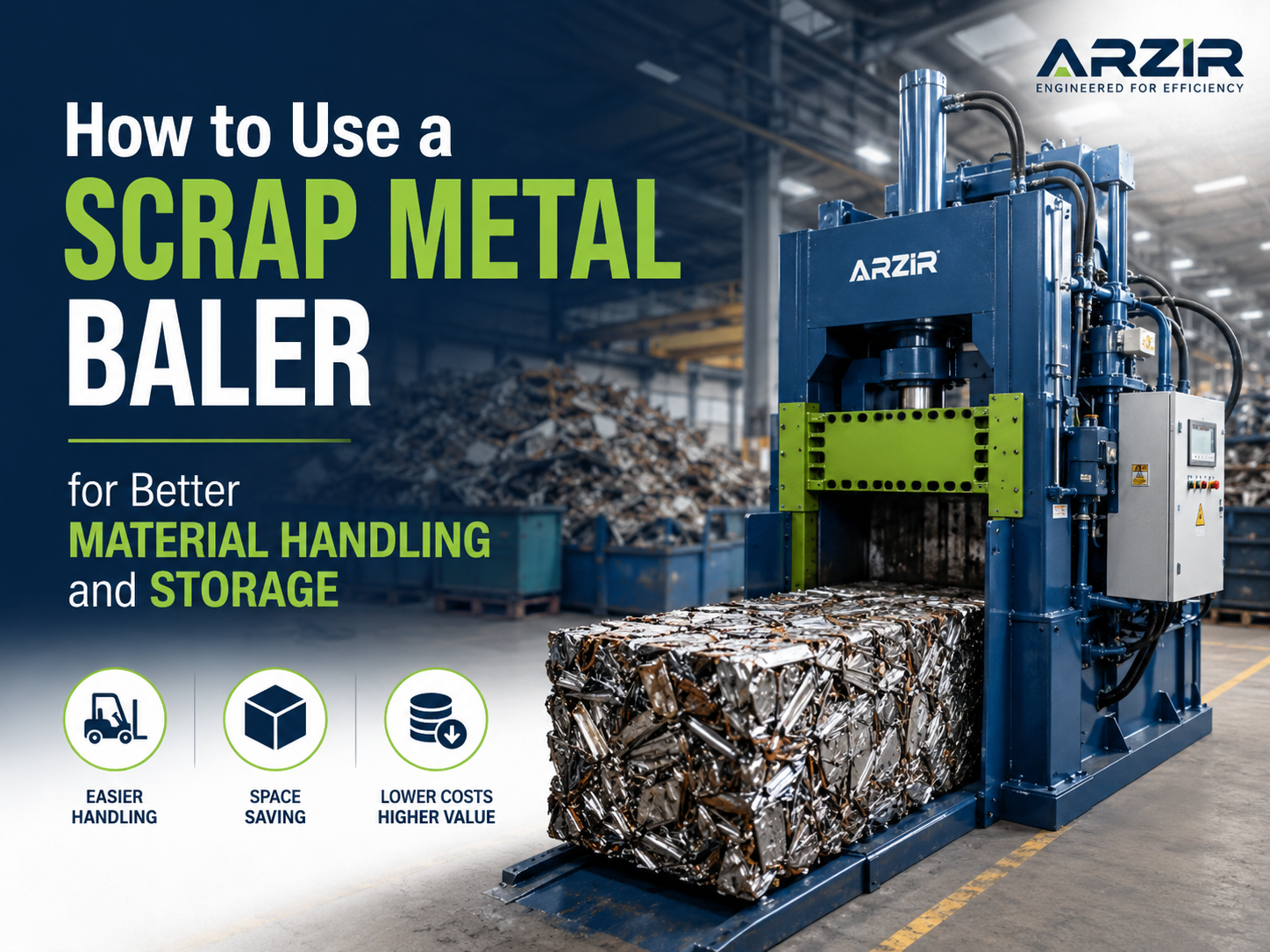
In the modern industrial landscape, the management of waste materials is no longer just a secondary concern; it is a critical component of operational efficiency and environmental responsibility. For facilities dealing with significant volumes of metal waste, the question of how to use a scrap metal baler better material handling storage becomes paramount. A scrap metal baler is a powerful hydraulic machine designed to compress loose metal fragments into dense, manageable blocks or ‘bales.’ This process transforms a chaotic pile of sharp, bulky debris into a streamlined inventory of raw materials.
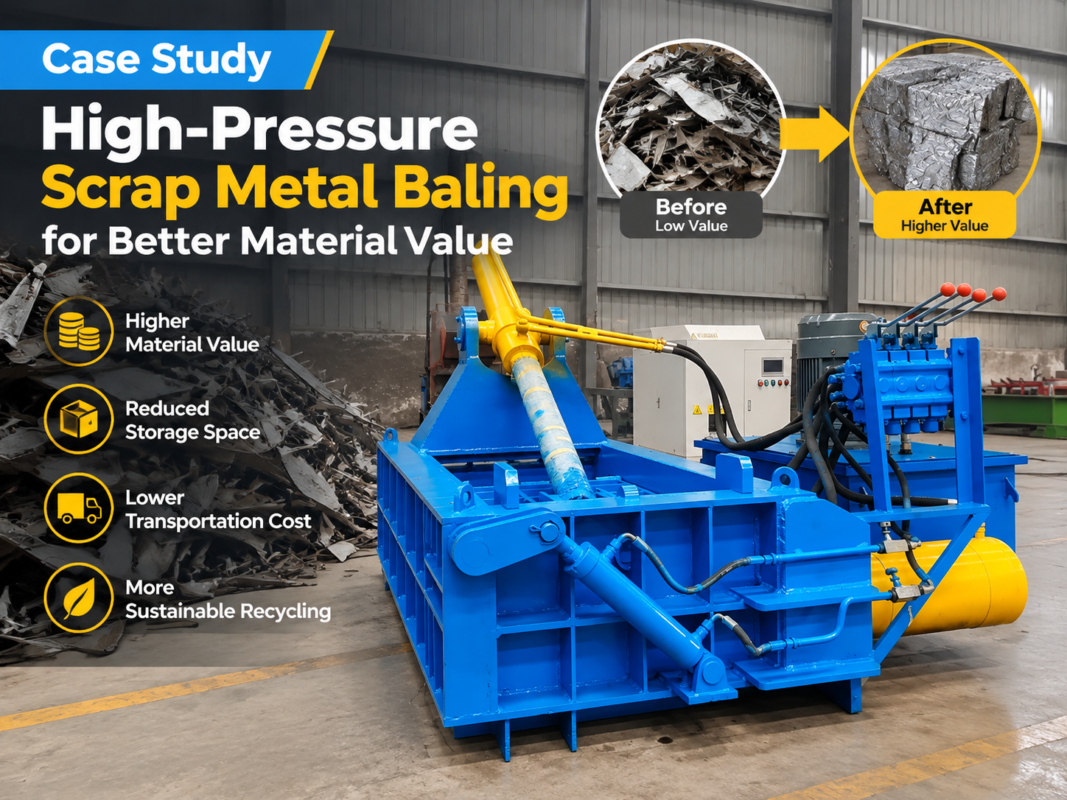
HARSLE, a leader in metal fabrication machinery, understands that the true value of a baler lies not just in its pressing force, but in how it integrates into a facility’s broader logistics strategy. By reducing the volume of scrap by up to 90%, these machines allow businesses to reclaim valuable floor space, reduce the frequency of transport trips, and significantly improve the safety of the work environment. Whether you are managing an automotive assembly line, a construction site, or a dedicated recycling center, mastering the use of a scrap metal baler is the key to turning waste into a profit center.

Application Scenarios for Scrap Metal Balers
The versatility of scrap metal balers makes them indispensable across various sectors. In the automotive industry, for instance, the stamping and trimming processes generate vast amounts of steel and aluminum offcuts. Without a baler, these materials occupy massive bins that require constant moving and emptying. By implementing a HARSLE hydraulic baler, these plants can compress offcuts immediately at the source, ensuring that the production floor remains clear of obstructions and hazards.
In the realm of demolition and construction, scrap metal balers are used to process structural steel, copper wiring, and aluminum siding on-site. Handling loose, jagged metal on a busy construction site is a major safety risk. Baling these materials not only makes the site safer but also simplifies the logistics of hauling the material to a recycling facility. Instead of ten truckloads of loose scrap, a baler might reduce the requirement to just one or two loads of high-density bales, drastically cutting fuel costs and carbon emissions.
Large-scale recycling centers are perhaps the most common application scenario. These facilities receive diverse streams of metal from various sources. To use a scrap metal baler better material handling storage in this context means being able to quickly switch between different material types—such as beverage cans, copper tubing, and stainless steel sheets—while maintaining consistent bale dimensions. This consistency is vital for international shipping and smelting, where standardized bale sizes are often required for furnace loading.
Manufacturing facilities that produce appliances or electronic components also benefit significantly. These industries often deal with non-ferrous metals like copper and brass, which have high market value. Baling these materials prevents loss through misplacement or theft and ensures that the material remains clean and uncontaminated during storage. By compacting these high-value metals, manufacturers can maximize their return on investment when selling to scrap dealers.
Material and Process Requirements
To achieve the best results, it is essential to understand the specific requirements of the materials being processed. Not all scrap is created equal, and the way you prepare the material will dictate the quality of the final bale. Ferrous metals, such as iron and steel, require significantly higher hydraulic pressure to compress compared to non-ferrous metals like aluminum or copper. Understanding the tensile strength and thickness of your scrap is the first step in optimizing your baling process.
Material preparation is a critical phase. Before the scrap enters the baler, it should be sorted by type. Mixing different metals can lower the resale value of the bale and may lead to inconsistent density. Furthermore, contaminants such as plastics, wood, or excessive moisture should be removed. While modern HARSLE balers are robust, processing non-metallic debris can cause unnecessary wear on the hydraulic seals and the chamber lining. For materials like long pipes or large structural beams, pre-cutting may be necessary to ensure they fit within the compression chamber without jamming the mechanism.
The process also requires a clear understanding of ‘spring-back.’ Some materials, particularly certain aluminum alloys, have a tendency to expand slightly after the pressure is released. To use a scrap metal baler better material handling storage, operators must adjust the compression time and the tying mechanism to account for this expansion. Ensuring a tight, secure tie—whether using wire or straps—is essential for maintaining the bale’s integrity during stacking and transport.
Finally, the moisture content and cleanliness of the scrap play a role in long-term storage. If bales are to be stored outdoors, they should ideally be free of oils or chemicals that could leach into the ground. Dense bales are less prone to internal oxidation than loose scrap, but proper material handling still dictates that high-value non-ferrous bales be stored in a dry, covered area to prevent surface corrosion and maintain their premium market grade.
Recommended Machine Configuration
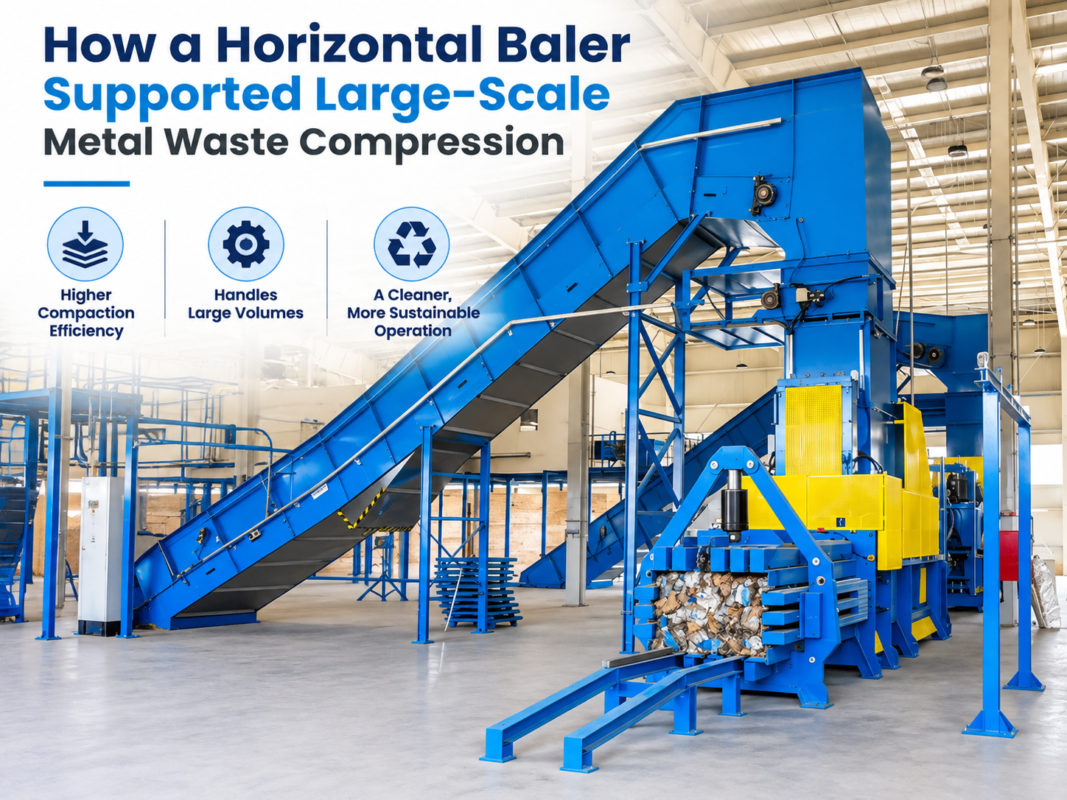
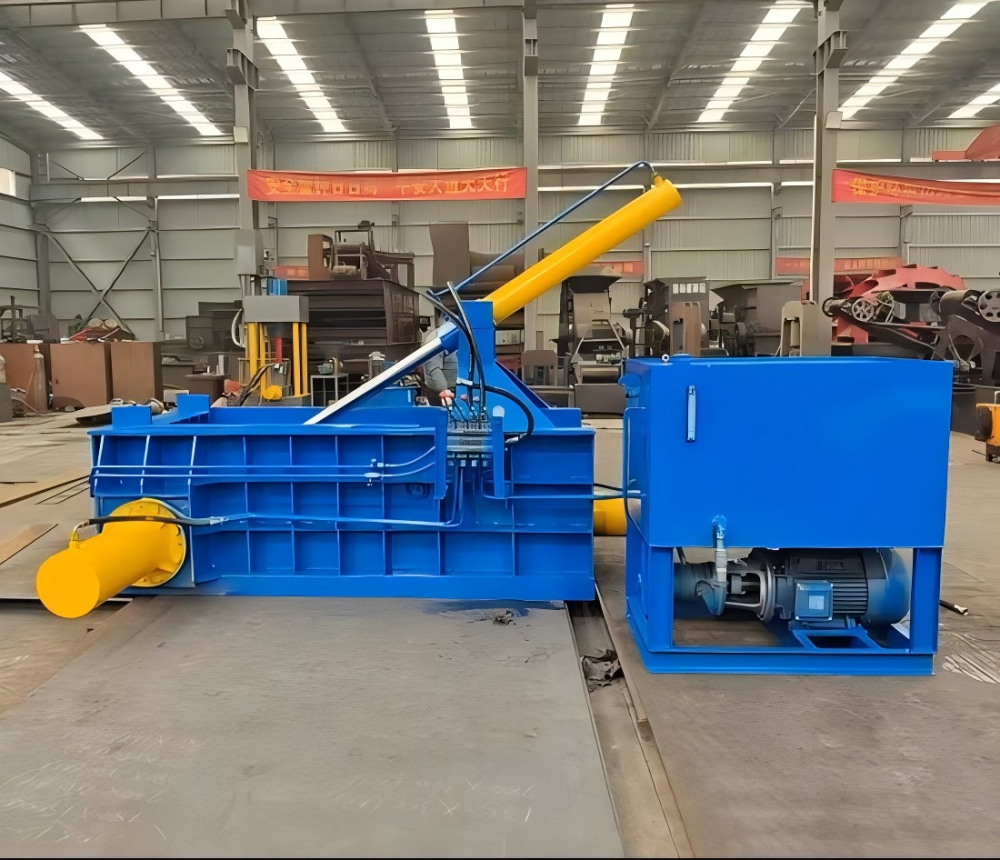
Choosing the right machine configuration is the foundation of efficient material handling. HARSLE offers a range of scrap metal balers tailored to different volume and material requirements. For high-volume industrial applications, a horizontal scrap metal baler with an automatic tying system is often the best choice. These machines allow for continuous feeding via conveyor belts, making them ideal for integration into automated production lines. The horizontal design also facilitates the production of longer, more uniform bales that are perfect for stacking in shipping containers.
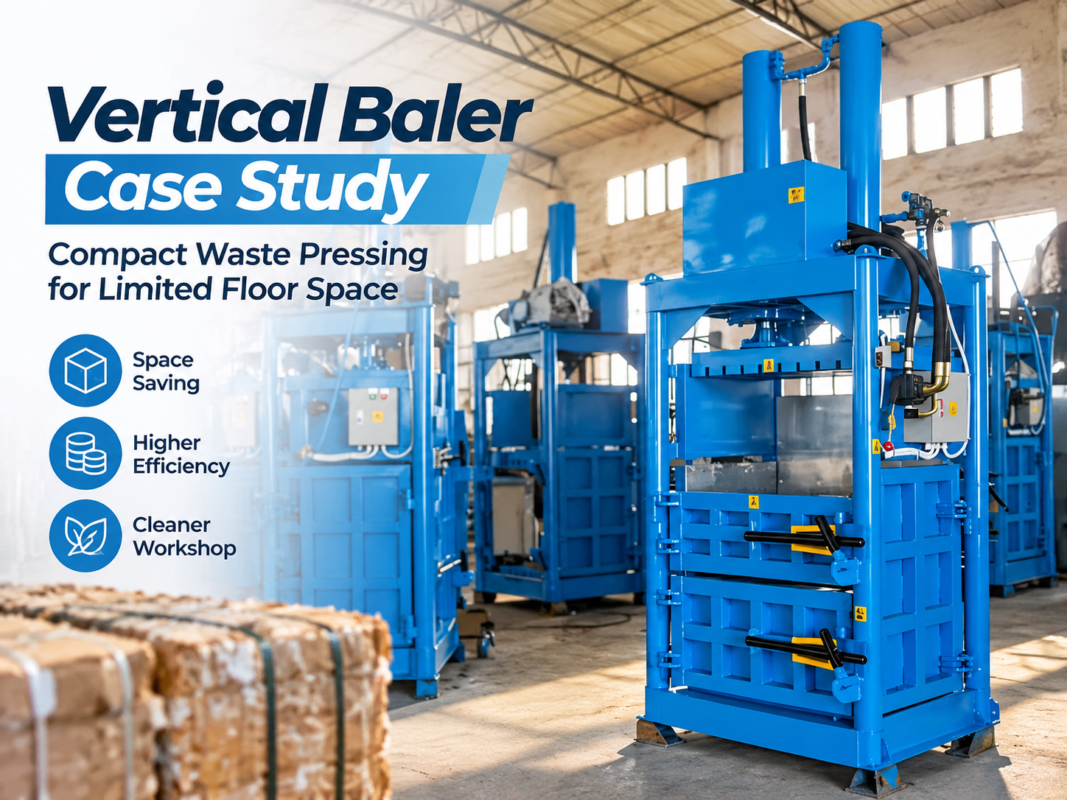
For smaller facilities or those with limited floor space, a vertical scrap metal baler is a more compact solution. While these typically require manual loading and tying, they provide excellent compression force for their footprint. When selecting a configuration, consider the ‘tonnage’ or pressing force. A 125-ton baler might be sufficient for aluminum cans and light trimmings, but heavy-duty steel scrap may require 250 tons or more to achieve the desired density. The chamber size should also be matched to the largest pieces of scrap you expect to process regularly.
| Feature | Horizontal Baler | Vertical Baler |
|---|---|---|
| Throughput | High (Continuous) | Moderate (Batch) |
| Loading Method | Conveyor/Automatic | Manual/Forklift |
| Space Requirement | Large Floor Area | Compact Footprint |
| Bale Density | Very High | High |
| Best For | Large Recycling Yards | Small Workshops |
Advanced configurations also include features like ‘shear blades’ on the edge of the ram and the chamber. These blades cut through overhanging material as the ram moves forward, preventing jams and ensuring a clean, rectangular bale shape. Furthermore, the inclusion of a PLC (Programmable Logic Controller) allows operators to set specific programs for different materials, optimizing the cycle time and pressure for each load. This level of customization is essential to use a scrap metal baler better material handling storage effectively.
Step-by-Step Workflow for Baling Scrap
To maximize the efficiency of your scrap metal baler, a standardized workflow must be established. This ensures safety, consistency, and machine longevity. The process begins with the collection and sorting of scrap at the point of origin. Using color-coded bins for different metals prevents cross-contamination before the material even reaches the baling area.
- Pre-Operation Inspection: Before starting the machine, the operator must check hydraulic fluid levels, ensure the chamber is clear of debris, and verify that all safety guards are in place. HARSLE machines are equipped with emergency stop buttons that should be tested regularly.
- Loading the Chamber: Depending on the machine type, scrap is loaded either manually, by a crane with a grapple, or via a conveyor. It is important not to overload the chamber beyond its rated capacity, as this can strain the hydraulic system. For bulky items, ensure they are positioned to be effectively caught by the shear blades or the main ram.
- The Compression Cycle: Once the chamber door is secured, the compression cycle begins. The hydraulic ram moves forward, crushing the metal against the end wall or the previous bale. In multi-stage balers, side rams may also engage to increase density from multiple angles.
- Tying the Bale: After the desired density is reached, the bale must be secured. In automatic machines, this is done with wire needles that wrap around the bale. In manual machines, the operator inserts wires through slots in the ram and ties them off. This step is crucial for maintaining the bale’s shape during storage.
- Ejection and Transport: The finished bale is ejected from the machine, usually onto a pallet or directly onto the floor. A forklift then moves the bale to the designated storage area. Because the bales are uniform, they can be stacked vertically, significantly increasing the storage capacity of the warehouse.
Productivity and Storage Benefits
The primary reason to use a scrap metal baler better material handling storage is the dramatic increase in productivity. Loose scrap is notoriously difficult to move; it requires specialized containers, takes up excessive space, and is prone to spilling. Baled scrap, conversely, is a standardized unit of inventory. This standardization allows for the use of traditional material handling equipment like forklifts and pallet jacks, which are much faster and safer than manual handling or using specialized scrap grapples for every move.
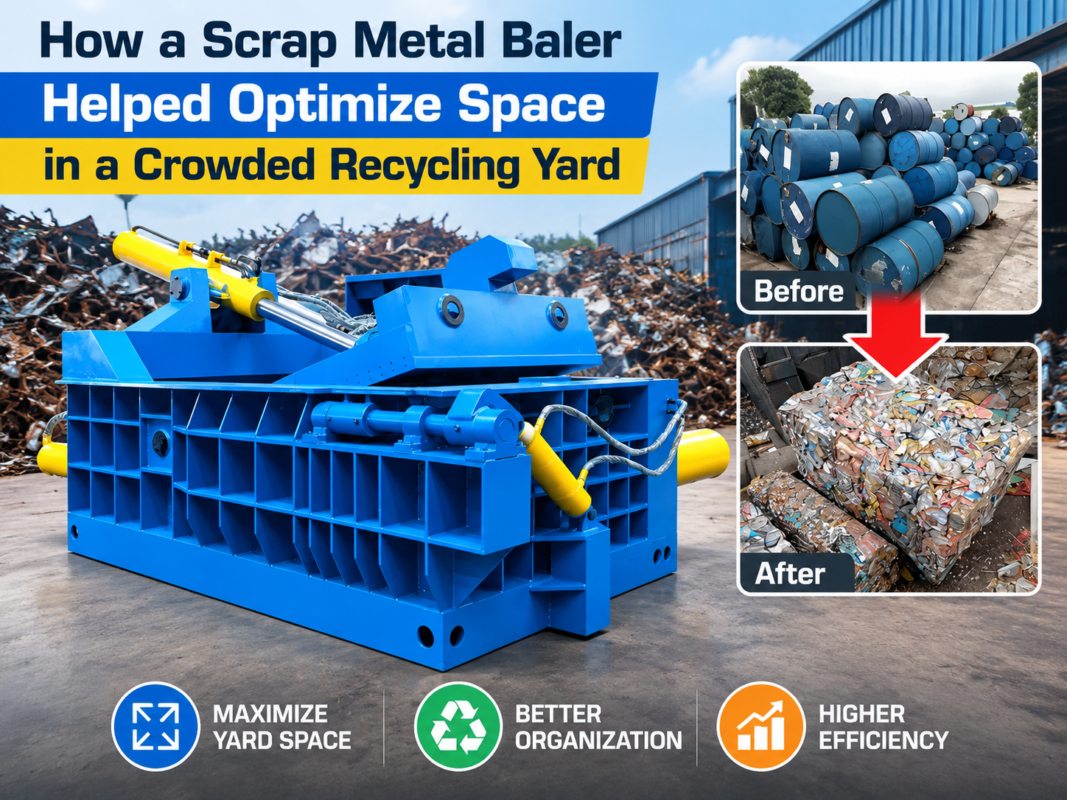
Storage benefits are equally impressive. In a typical scrap yard, loose metal might be piled five or six feet high, but it is mostly air. A baler removes that air, allowing you to store the same weight of material in a fraction of the space. Because bales are rectangular and stable, they can be stacked safely to much greater heights. This vertical storage capability can effectively triple or quadruple the capacity of a storage yard without requiring any additional land. For businesses in urban areas where real estate is expensive, this is a massive financial advantage.
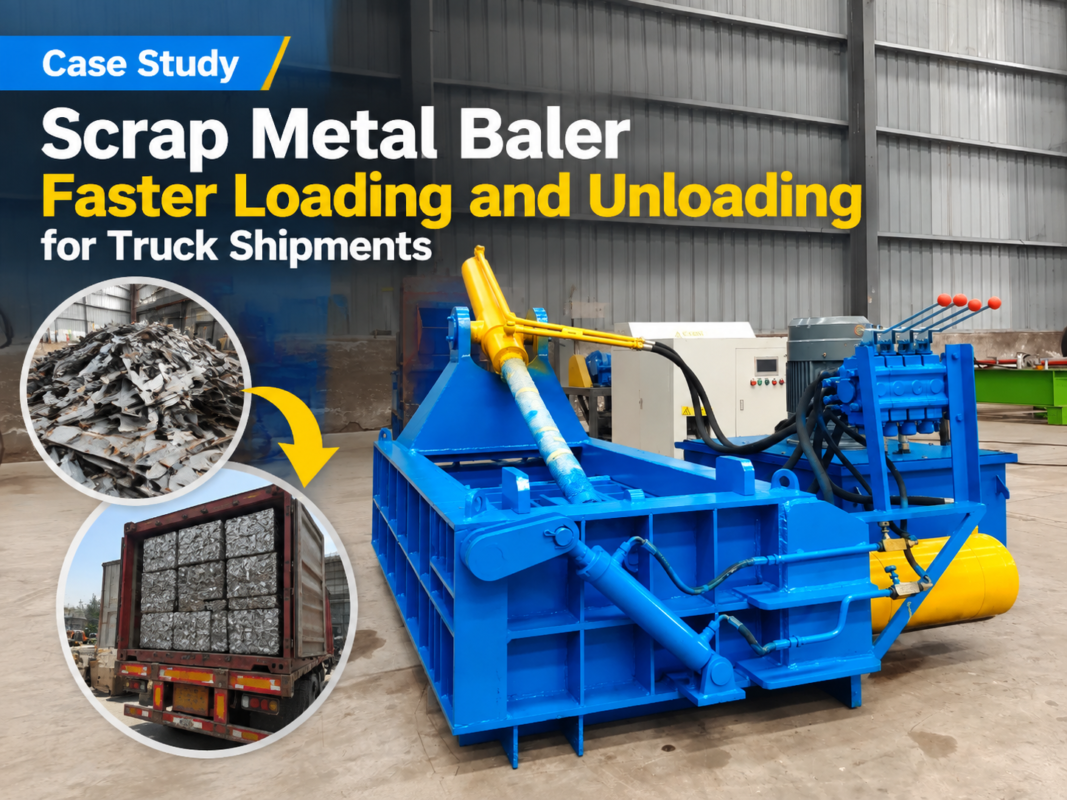
Furthermore, baling improves the economics of transportation. Freight costs are often calculated by the load or by the mile. If you are shipping loose scrap, you will likely hit the volume limit of the truck long before you hit the weight limit. This means you are paying to ship air. By baling the metal, you can maximize the weight capacity of every truck or shipping container. This reduces the number of trips required to move your material to the end-user, leading to lower logistics costs and a smaller carbon footprint.
Safety and compliance are also enhanced. Loose scrap often has sharp edges and can harbor pests or collect stagnant water. Bales are much cleaner and easier to manage. From a regulatory perspective, many jurisdictions have strict rules about how scrap metal must be stored to prevent environmental contamination. Baled metal is easier to contain within bunded areas or under cover, helping businesses stay compliant with local environmental laws.
Case Example: Optimizing a Mid-Sized Fabrication Shop
Consider a mid-sized metal fabrication shop that produces stainless steel kitchen equipment. Before investing in a HARSLE scrap metal baler, the shop struggled with piles of sharp offcuts that occupied nearly 20% of their production floor. They had to pay for weekly scrap pickups, and the scrap dealer gave them a lower price because the material was loose and required extra processing at the yard.
After implementing a HARSLE Y81 series hydraulic baler, the shop’s workflow changed completely. Workers now place offcuts directly into a hopper that feeds the baler. At the end of each shift, the machine produces three dense bales of stainless steel. These bales are neatly stacked in a corner, occupying only 2% of the floor space. The shop was able to use the reclaimed space to install a new CNC laser cutting machine, directly increasing their production capacity.
Financially, the impact was immediate. Because the scrap was now baled and sorted, the scrap dealer increased the payout per ton by 15%. Additionally, the frequency of scrap pickups was reduced from once a week to once a month, saving the company thousands of dollars in annual transportation fees. The investment in the baler paid for itself in less than 18 months through a combination of higher scrap value, lower logistics costs, and increased production efficiency.
Frequently Asked Questions (FAQ)
What types of metal can be baled?
Most scrap metal balers can handle a wide variety of ferrous and non-ferrous metals, including steel, iron, aluminum, copper, brass, and stainless steel. The key is to match the machine’s hydraulic pressure to the thickness and hardness of the metal. Very thick structural beams may require pre-cutting or a heavy-duty shear baler.
How do I maintain my scrap metal baler?
Regular maintenance is vital for longevity. This includes checking hydraulic oil levels and quality, inspecting hoses for leaks, lubricating moving parts, and ensuring the shear blades remain sharp. HARSLE recommends a daily visual inspection and a more thorough monthly technical check to prevent unexpected downtime.
Is it better to buy a manual or automatic baler?
This depends on your volume. If you process less than 5 tons of scrap per day, a manual vertical baler is usually sufficient and more cost-effective. For higher volumes or integration into a production line, an automatic horizontal baler is preferred as it reduces labor costs and provides a more consistent throughput.
How does baling affect the resale value of scrap?
Baling significantly increases the resale value. Scrap dealers and smelters prefer baled material because it is easier to handle, transport, and feed into furnaces. Dense bales also ensure that the buyer is getting a known quantity of metal with minimal air, which reduces their processing costs—a saving they pass on to you.
Conclusion and Call to Action
Mastering how to use a scrap metal baler better material handling storage is a transformative step for any metal-intensive business. By converting bulky, hazardous waste into neat, high-density bales, you unlock significant improvements in space utilization, transport efficiency, and workplace safety. The transition from loose scrap to baled inventory is not just an operational change; it is a strategic move toward a more profitable and sustainable business model.
HARSLE is committed to providing the high-quality hydraulic machinery needed to drive this efficiency. Our range of scrap metal balers is designed for durability, ease of use, and maximum compression force. Whether you are looking to optimize a small workshop or a massive industrial recycling facility, HARSLE has the expertise and the equipment to help you succeed. Contact us today to discuss your specific material handling needs and discover how our baling solutions can revolutionize your scrap management process.