Comprehensive Guide to Scrap Metal Baler Applications in Steel Mills and Scrap Yards


Introduction to Scrap Metal Baler Applications in Steel Mills and Scrap Yards
In the modern industrial landscape, the efficiency of metal recycling and processing is a cornerstone of sustainable manufacturing. The scrap metal baler stands as a pivotal piece of equipment in this ecosystem, bridging the gap between raw waste and reusable secondary resources. For steel mills and scrap yards, the ability to compress bulky, irregular metal waste into dense, manageable blocks is not just a matter of convenience—it is a fundamental requirement for operational viability and profitability. This article explores the extensive Scrap Metal Baler Applications In Steel Mills Scrap Yards, detailing how these machines transform the economics of metal fabrication and recycling.
Steel mills operate on a massive scale, requiring a constant influx of high-quality scrap to feed their furnaces. Conversely, scrap yards act as the primary collection and sorting hubs, dealing with everything from decommissioned vehicles to industrial offcuts. Without the intervention of high-pressure hydraulic baling, the logistics of moving and melting this material would be prohibitively expensive. By utilizing advanced baling technology, operators can ensure that their material meets the strict density and size requirements of modern melting processes while significantly reducing the carbon footprint associated with transportation.
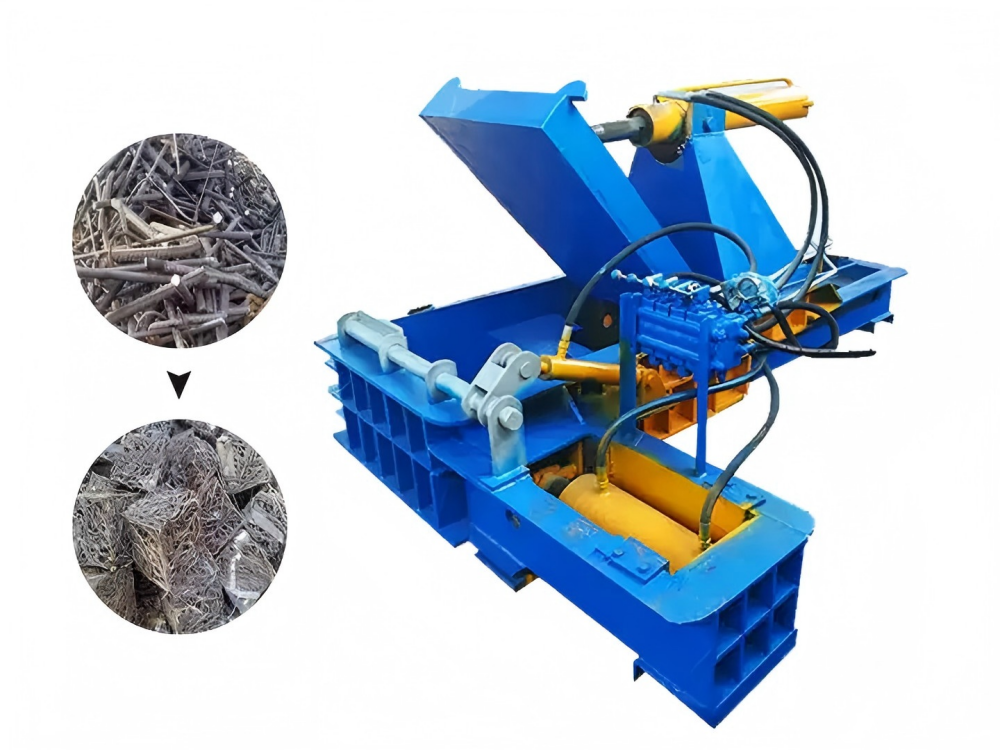
Application Scenarios: Where Balers Make the Difference
Steel Mill Integration
In the context of a steel mill, the scrap metal baler is often integrated into the charging floor operations. Steel mills, particularly those utilizing Electric Arc Furnaces (EAF), require scrap that is dense enough to prevent excessive oxidation and ensure efficient heat transfer. Loose scrap takes up too much volume in the furnace, leading to multiple charging cycles which waste energy and time. By using baled scrap, mills can achieve a higher ‘melt-in’ weight per charge, optimizing the power-on time and reducing electrode consumption. The Scrap Metal Baler Applications In Steel Mills Scrap Yards ensure that the furnace is fed with consistent, high-density cubes that sink into the molten bath rather than floating on the surface.
Scrap Yard Volume Reduction
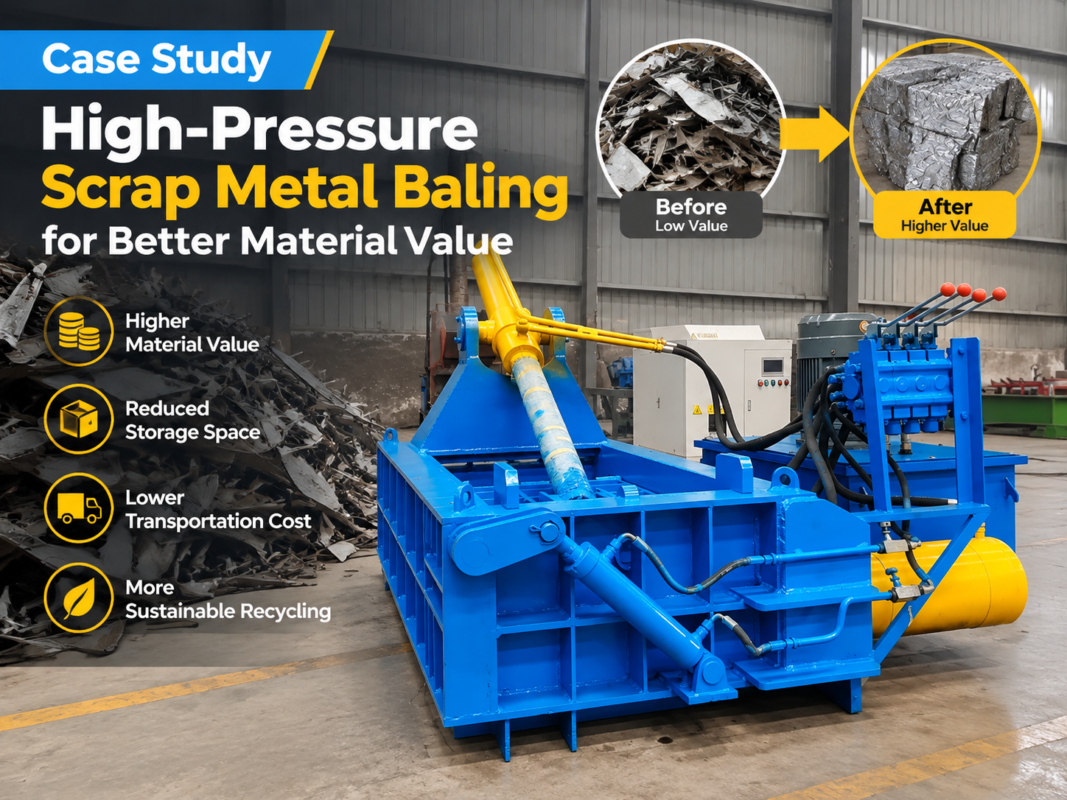
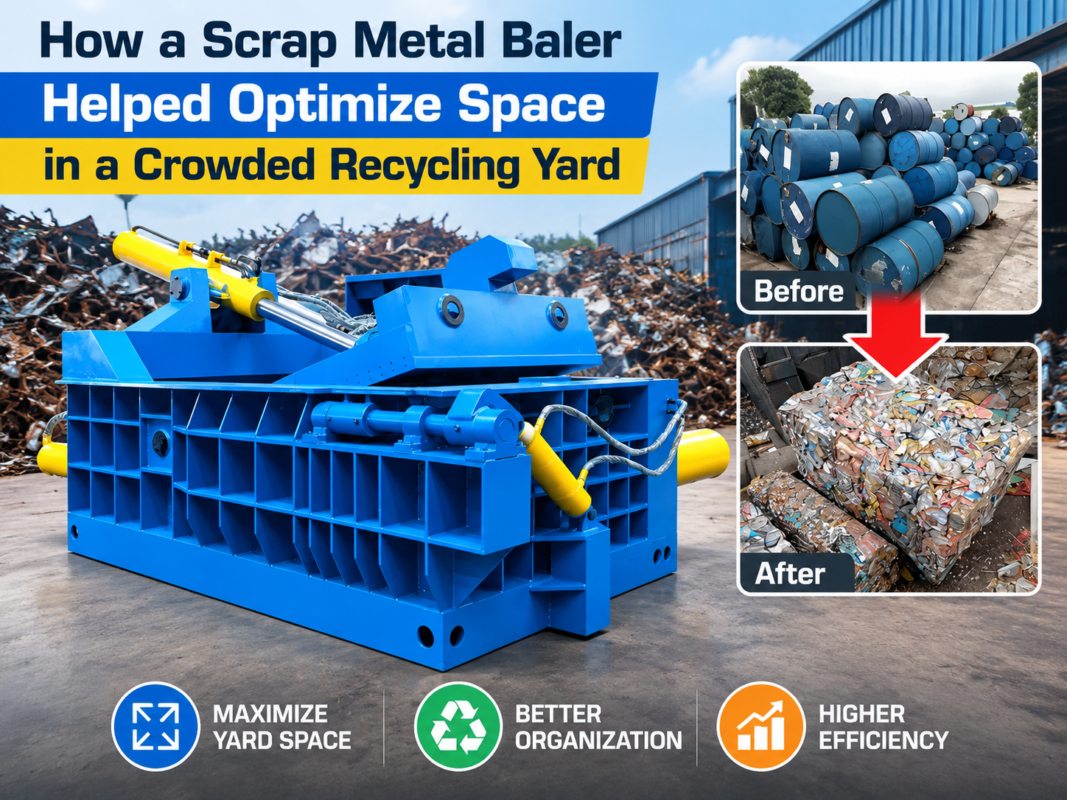
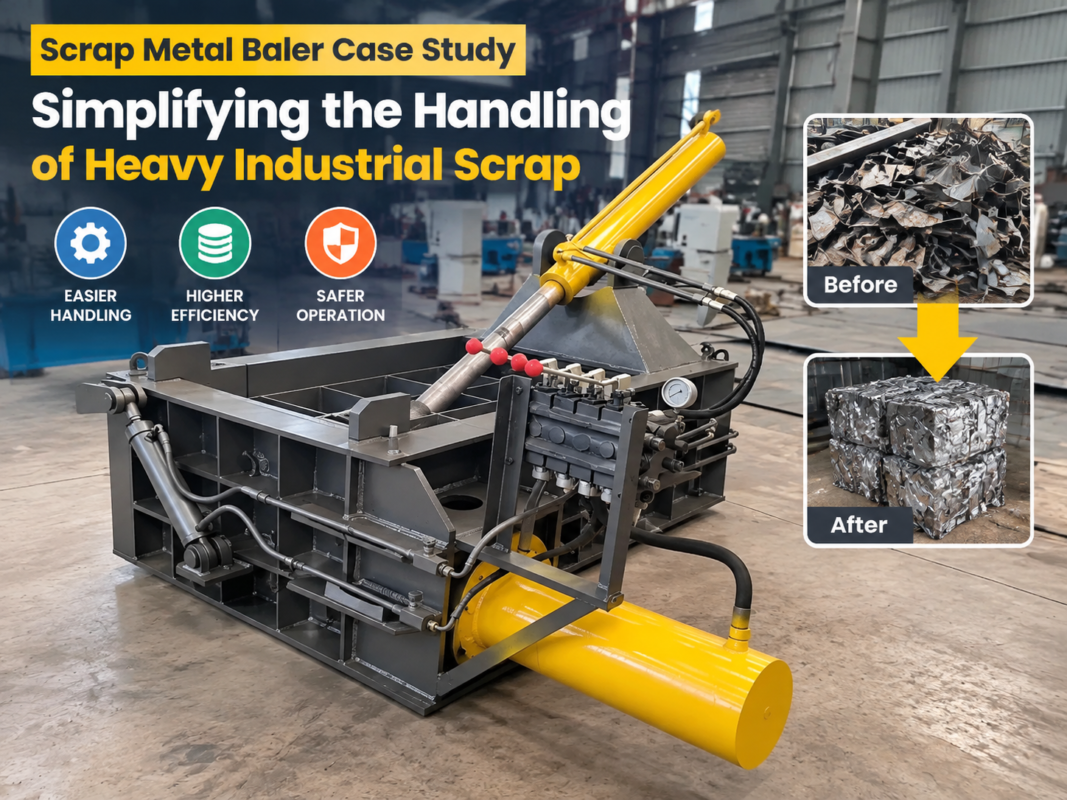
For scrap yards, the primary challenge is space and logistics. Scrap metal in its raw form—such as skeletal remains from stamping plants, old appliances, or structural beams—is incredibly voluminous. A scrap yard that does not bale its material is essentially paying to transport air. Balers allow these facilities to compress loose material into uniform blocks, increasing the weight-to-volume ratio by up to 1000%. This allows for more efficient stacking in the yard and maximizes the payload of every truck or railcar leaving the facility. In a competitive market, the savings on freight alone can determine the profit margin of a recycling operation.
Automotive and Demolition Recycling
Beyond the primary mill and yard, balers are essential in specialized recycling sectors. In automotive recycling, after fluids and engines are removed, the remaining chassis is fed into large-format balers. Similarly, in demolition projects, structural steel and rebar are processed on-site or at a nearby consolidation point. The versatility of the scrap metal baler allows it to handle diverse shapes and alloys, making it an indispensable tool for cleaning up large-scale industrial waste sites and converting them into valuable commodities.
Material and Process Requirements
Types of Processable Metals
The effectiveness of a scrap metal baler depends heavily on the material being processed. Common materials include ferrous metals like carbon steel, stainless steel, and cast iron, as well as non-ferrous metals such as aluminum, copper, and brass. Each material has different physical properties—for instance, stainless steel is significantly harder and requires higher shearing and compression forces than aluminum. The Scrap Metal Baler Applications In Steel Mills Scrap Yards must account for these variations to prevent machine fatigue and ensure bale integrity. High-tensile materials may require a baler with reinforced chamber walls and specialized hydraulic circuits to maintain pressure during the compression cycle.
Bale Density and Size Standards
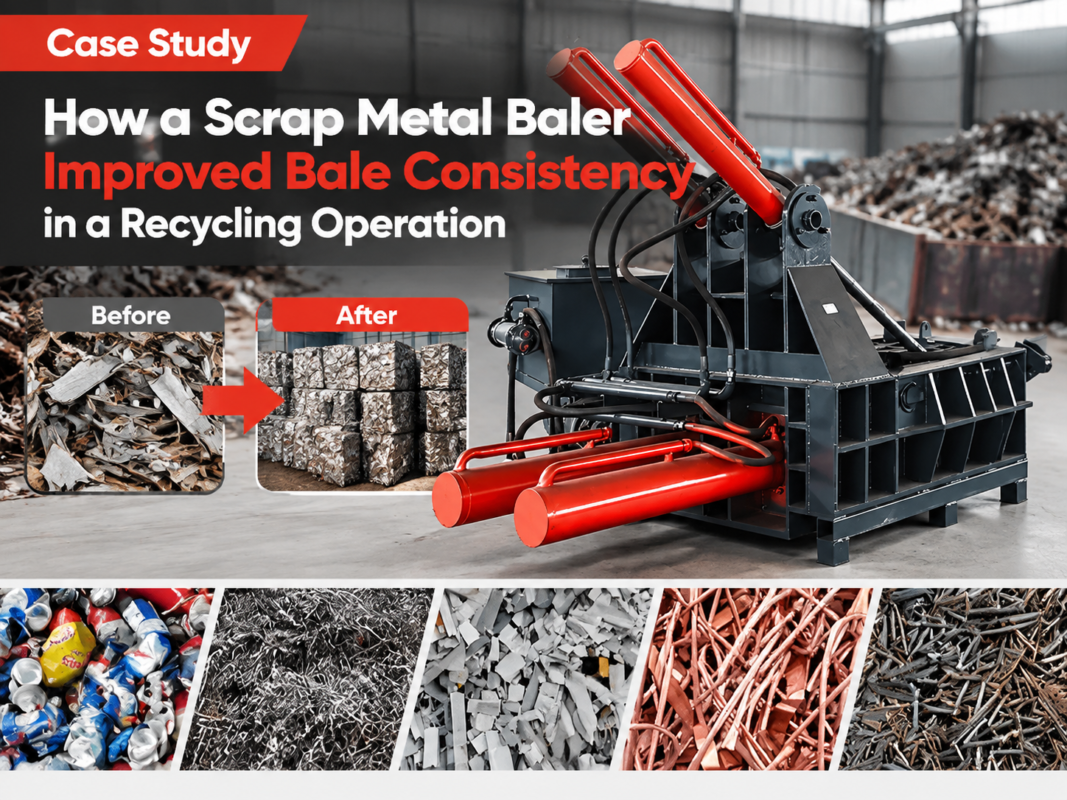
Different end-users have different requirements for bale specifications. Steel mills typically demand a specific density (often measured in pounds per cubic foot) to ensure the bale doesn’t break apart during handling or float in the furnace. The size of the bale must also match the dimensions of the furnace charging bucket or the conveyor system. Standard bale sizes often range from 300mm x 300mm to 600mm x 600mm, depending on the machine’s capacity. Achieving these standards requires precise control over the hydraulic rams and a robust chamber design that can withstand the outward pressure of the compressed metal.
Contamination and Sorting
Before the baling process begins, material must be sorted to remove contaminants such as plastics, rubber, or hazardous materials. In a scrap yard, this is often done using magnetic separators or manual sorting lines. The presence of non-metallic materials can weaken the bale and reduce the value of the scrap at the mill. Furthermore, mixing different alloys (e.g., mixing copper with steel) can ruin a batch of recycled metal. Therefore, the process requirement for any baling operation includes a rigorous pre-sorting phase to ensure the purity of the final product.
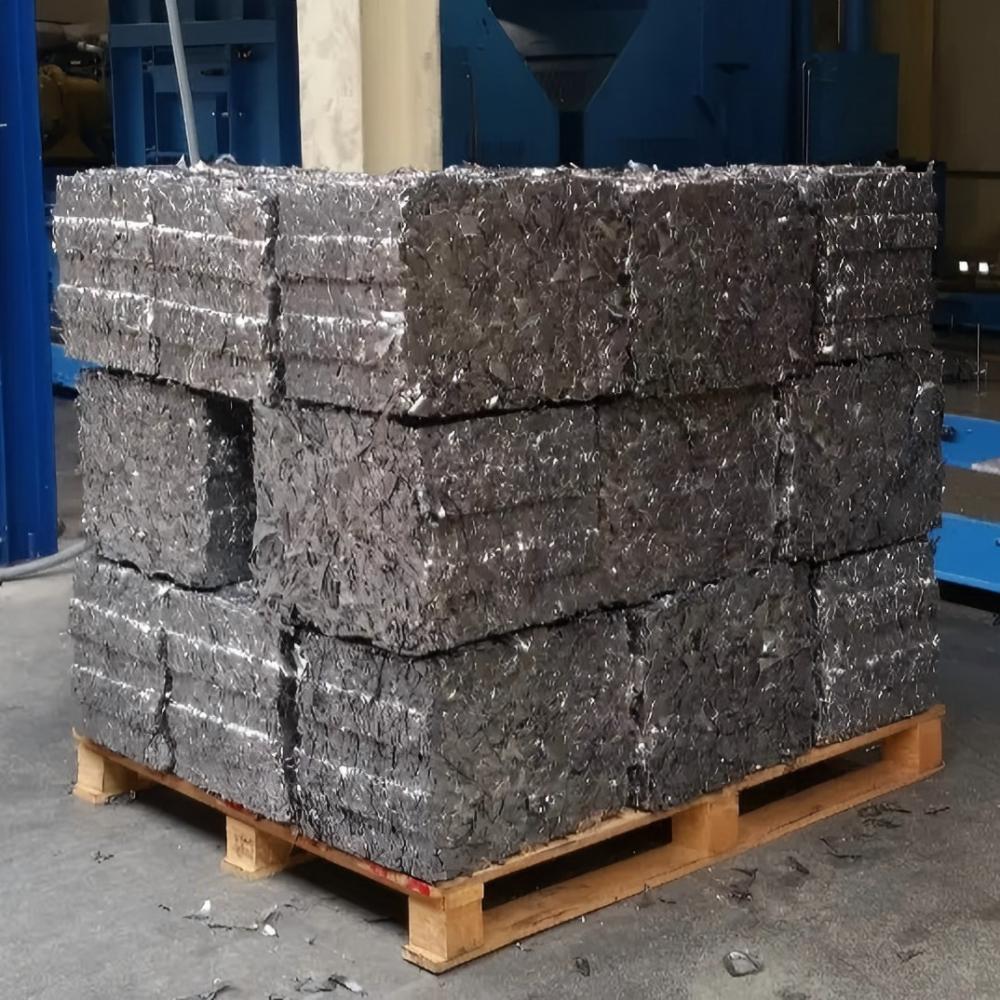
Recommended Machine Configuration
Hydraulic System and Pressure Control
The heart of any scrap metal baler is its hydraulic system. For heavy-duty applications in steel mills, a multi-pump system is often recommended to provide high flow rates for fast cycle times and high pressure for final compression. Variable displacement piston pumps are preferred for their efficiency and ability to adjust output based on the resistance encountered. The system should also include advanced pressure relief valves and cooling units to maintain oil viscosity during continuous 24/7 operations. A robust hydraulic configuration ensures that the machine can handle the toughest HMS (Heavy Melting Scrap) without overheating.
Chamber Design and Wear Liners
The compression chamber is subject to extreme abrasion and impact. High-quality balers, such as those offered by HARSLE, feature chambers lined with replaceable wear plates made from Hardox or similar high-strength alloys. These liners protect the main structure of the machine and can be swapped out when worn, significantly extending the machine’s service life. Additionally, the inclusion of shearing blades on the edges of the lid and the main ram allows the machine to cut through overhanging scrap, preventing jams and ensuring a clean bale every time.
Automation and PLC Integration
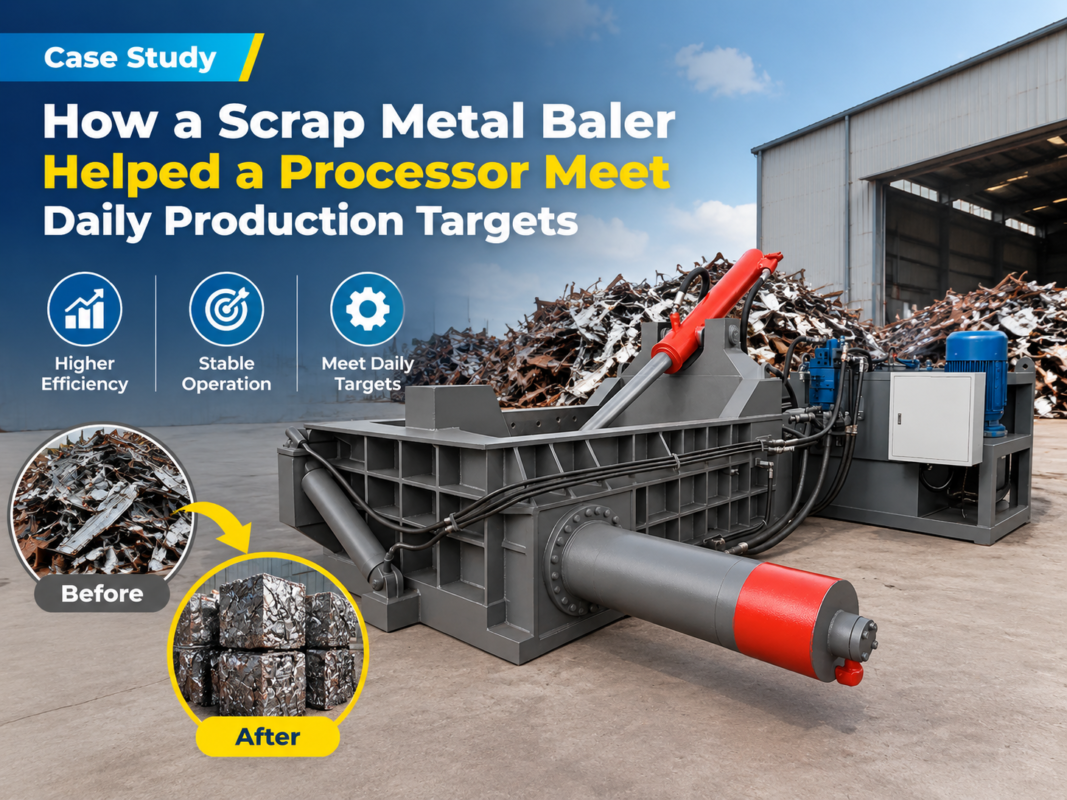
Modern Scrap Metal Baler Applications In Steel Mills Scrap Yards benefit greatly from automation. A Programmable Logic Controller (PLC), such as those from Siemens or Schneider, allows for precise control over the baling cycle. Operators can select different programs for different materials, adjusting the pressure and dwell time at the touch of a button. Remote monitoring and diagnostic capabilities are also essential for large-scale operations, allowing maintenance teams to identify issues before they lead to costly downtime. Features like automatic bale ejection and integrated conveyors further enhance the machine’s throughput.
Workflow of a Scrap Metal Baler
Step 1: Feeding and Loading
The workflow begins with the loading of scrap into the compression chamber. This is typically done using a grapple crane or a conveyor belt. In high-volume scrap yards, the baler may be equipped with a large hopper or a pre-load table that allows the next charge to be prepared while the current one is being processed. It is crucial to distribute the scrap evenly within the chamber to ensure a uniform bale and prevent uneven wear on the hydraulic rams.
Step 2: Primary and Secondary Compression
Once the chamber is full, the lid (if equipped) closes, often acting as a first stage of compression or shearing. Then, the side ram moves forward to push the scrap into a smaller area. This is followed by the main longitudinal ram, which applies the final, highest pressure to form the bale. In some designs, a third ‘triple compression’ ram is used to achieve even higher densities. The coordination of these rams is managed by the hydraulic valves to ensure maximum force is applied exactly where needed.
Step 3: Bale Ejection and Transport
After the compression cycle is complete, the bale must be removed from the machine. There are three common ejection methods: ‘Turn-out’ (where the bale is pushed out of a side door), ‘Side-push’ (where the bale is pushed out the front), and ‘Forward-out’. The choice of ejection depends on the layout of the facility and how the bales are collected. Once ejected, the bales are typically moved by forklift or conveyor to a storage area or directly onto a transport vehicle.
Productivity Benefits for Industrial Users
Significant Logistics Savings
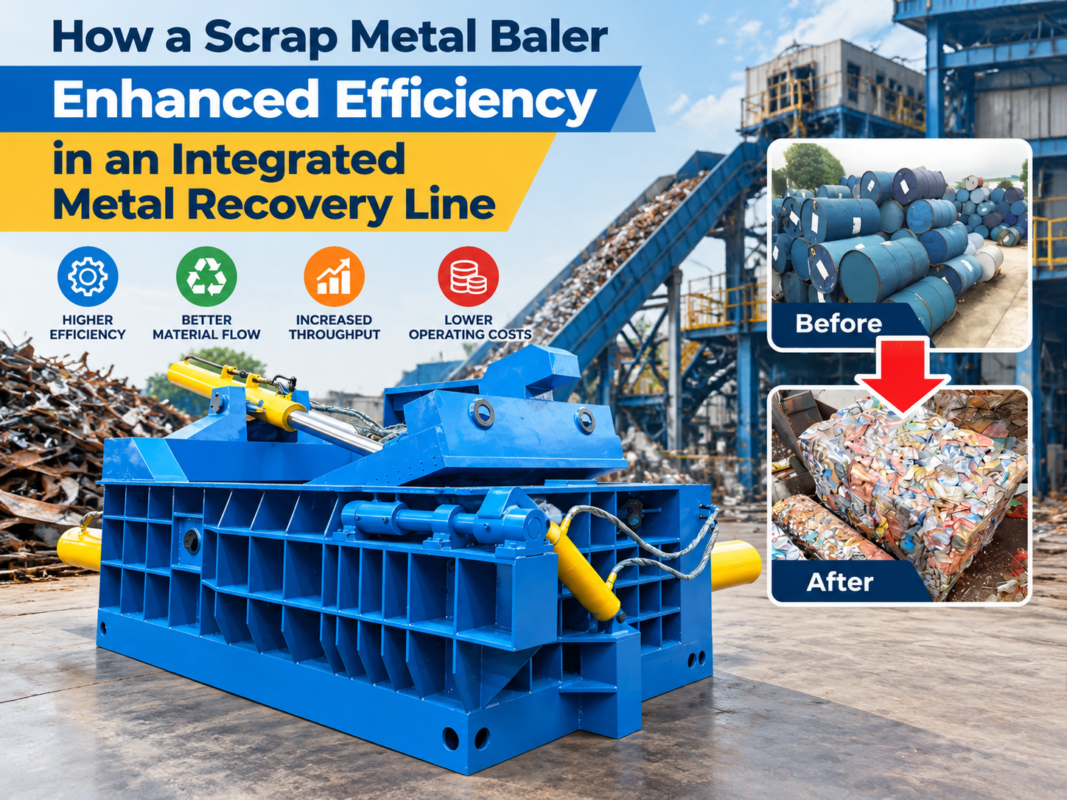
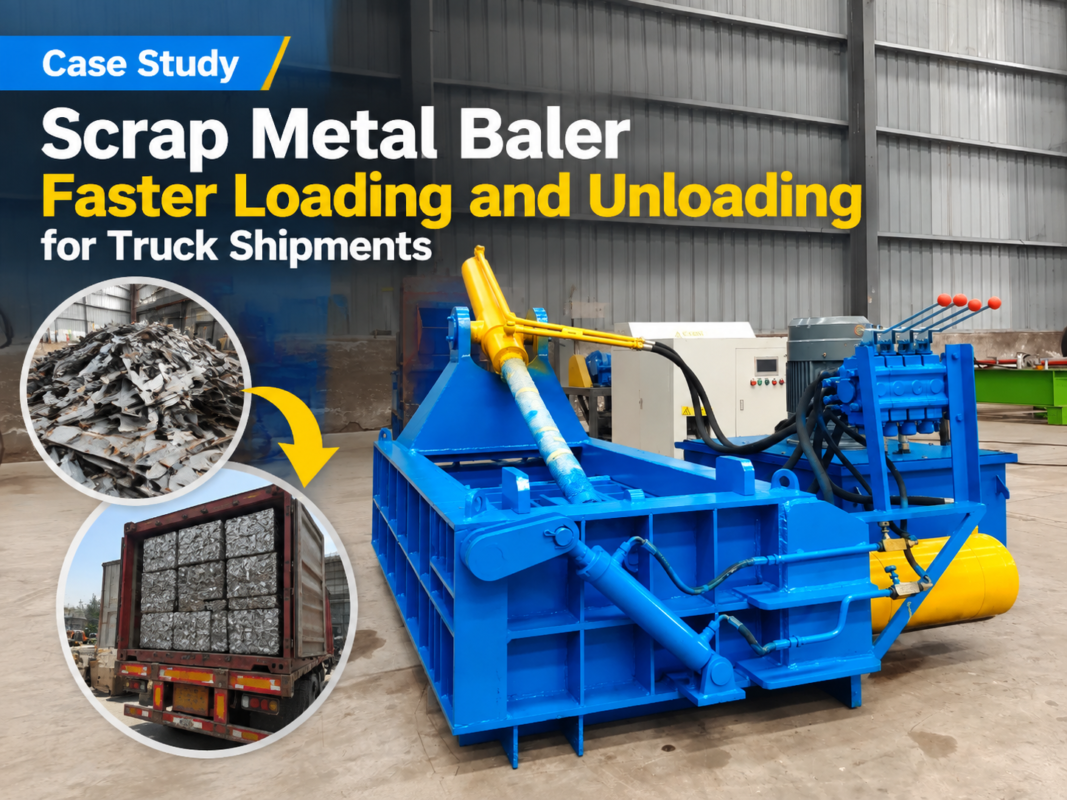
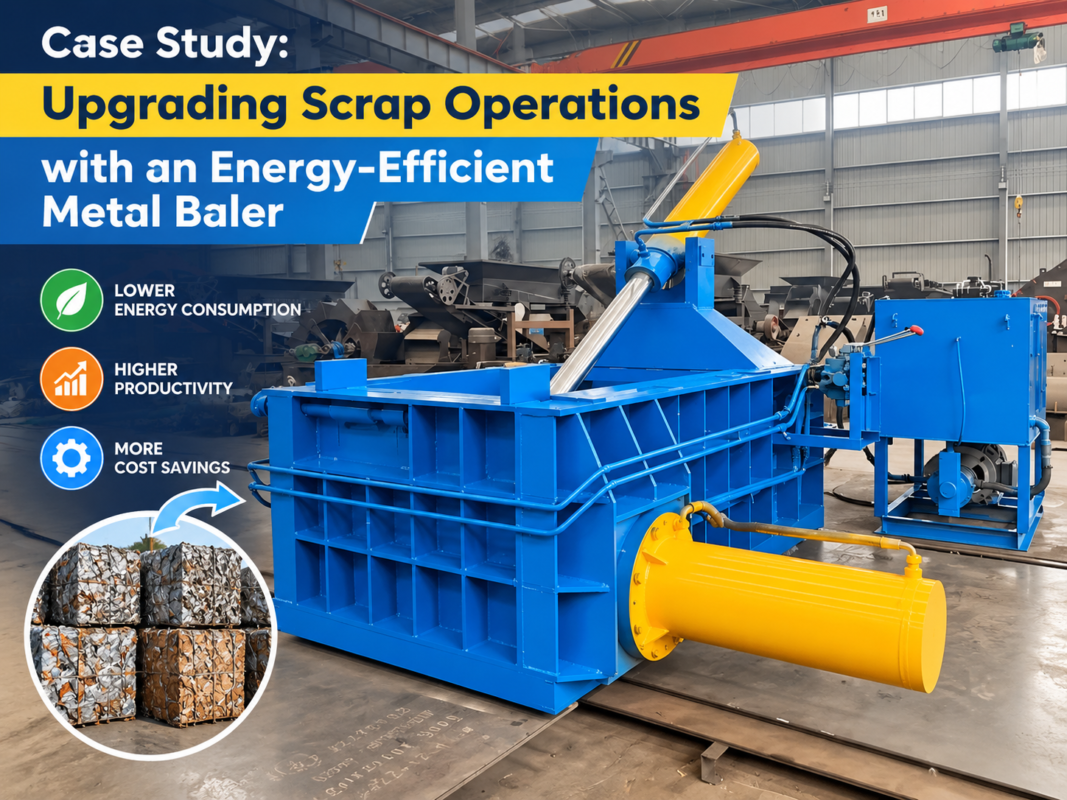
The most immediate benefit of implementing a scrap metal baler is the reduction in transportation costs. Loose scrap is notoriously difficult to transport efficiently. By converting this material into dense bales, companies can maximize the weight capacity of their shipping containers and trucks. This reduces the number of trips required to move the same amount of material, leading to lower fuel costs, reduced labor hours, and a smaller carbon footprint. For a large scrap yard, these savings can amount to tens of thousands of dollars annually.
Enhanced Melting Efficiency in Mills
For steel mills, the productivity benefits are tied to furnace performance. Baled scrap provides a consistent and predictable charge. This consistency allows for better control over the chemistry of the melt and reduces the ‘tap-to-tap’ time. Because the bales are dense, they melt more uniformly and with less slag formation compared to loose, thin-gauge scrap. This leads to higher yields of finished steel and lower energy consumption per ton produced, directly impacting the mill’s bottom line.
Improved Safety and Organization
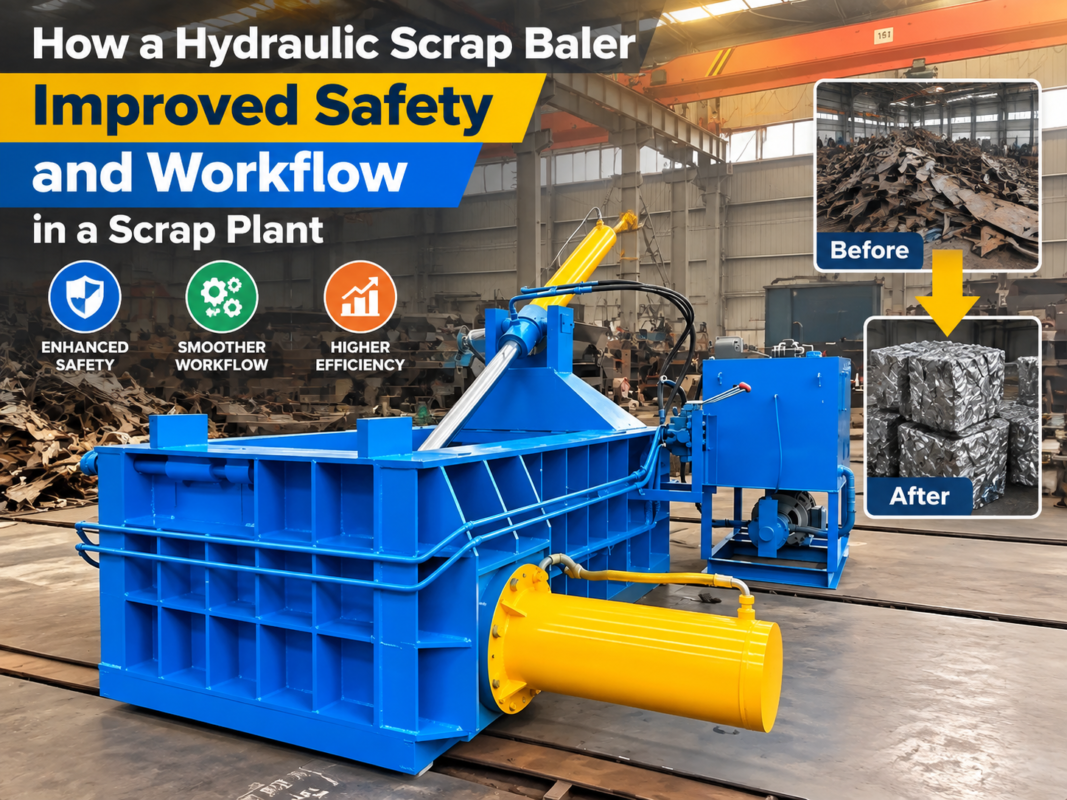
A yard filled with loose, jagged scrap is a safety hazard. It is difficult to navigate and prone to causing injuries or damaging equipment. Baling the scrap creates a neat, organized environment where materials can be stacked safely and moved with precision. Furthermore, the automated nature of modern balers reduces the need for manual handling of sharp metal pieces, significantly lowering the risk of workplace accidents. An organized yard is also easier to inventory, allowing for better financial management of the scrap assets.
Case Example: Upgrading a Regional Scrap Yard
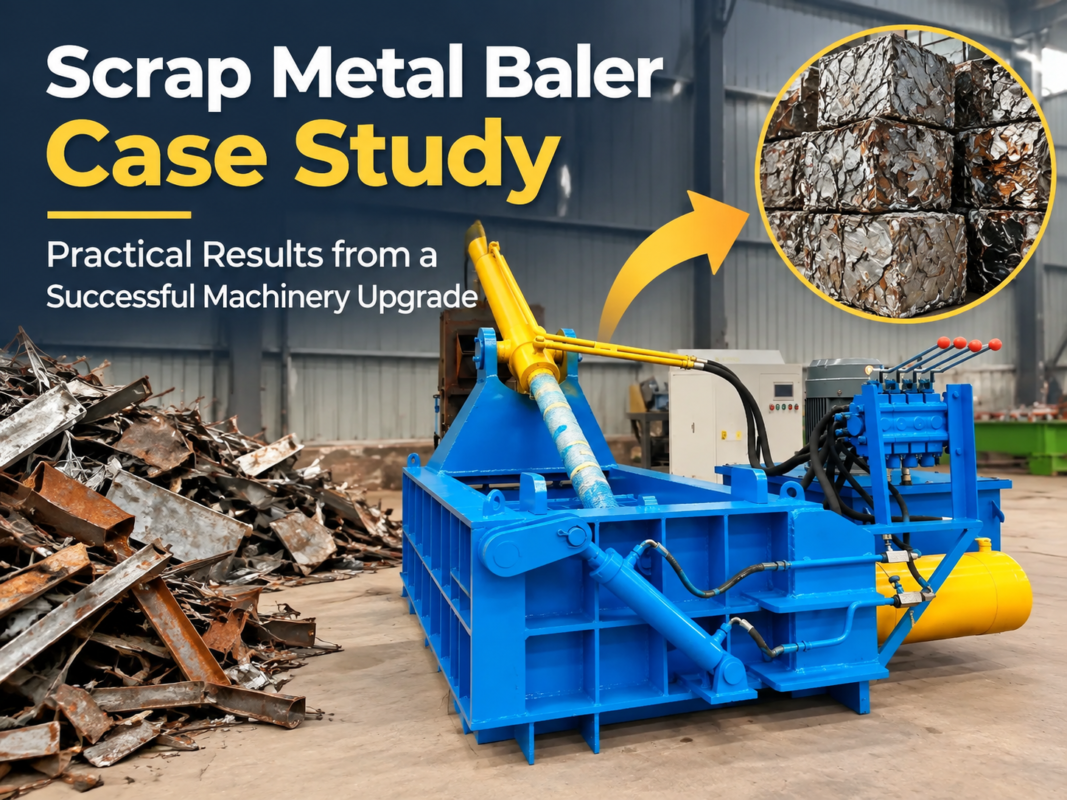
Consider a regional scrap yard that previously relied on manual sorting and loose shipping of light-gauge steel and aluminum. As their volume increased, they faced rising freight costs and complaints from their primary steel mill customer regarding the low density of their shipments. After consulting with HARSLE, they installed a high-speed, triple-compression hydraulic baler with a 200-ton pressing force.
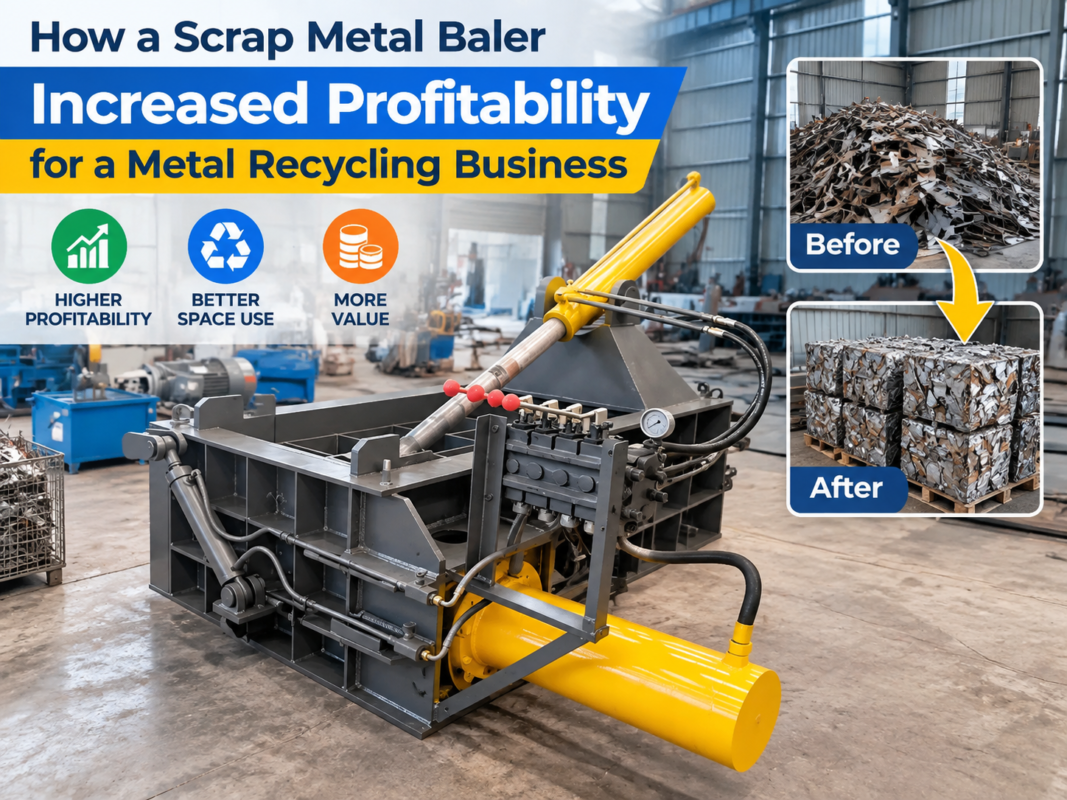
The results were transformative. Within the first six months, the yard reduced its outbound truck shipments by 40% while moving the same tonnage of material. The steel mill rewarded the yard with a ‘premium scrap’ designation, increasing the price paid per ton due to the improved density and cleanliness of the bales. The machine’s automated cycle allowed the yard to process material faster, enabling them to accept more scrap from local contractors and increasing their overall market share. The ROI (Return on Investment) for the machine was achieved in less than 18 months through a combination of freight savings and higher material value.
Frequently Asked Questions (FAQ)
What is the average lifespan of a scrap metal baler?
With proper maintenance, a high-quality industrial scrap metal baler can last 15 to 20 years or more. Key factors influencing lifespan include the quality of the hydraulic components, the frequency of wear liner replacement, and the types of materials being processed. Regular oil analysis and structural inspections are essential for longevity.
Can one baler handle both ferrous and non-ferrous metals?
Yes, most modern balers are versatile enough to handle both. However, it is important to clean the chamber between different material types to prevent cross-contamination. Some machines allow for adjustable pressure settings via the PLC, which is ideal when switching from soft aluminum to hard stainless steel.
How do I choose the right size baler for my facility?
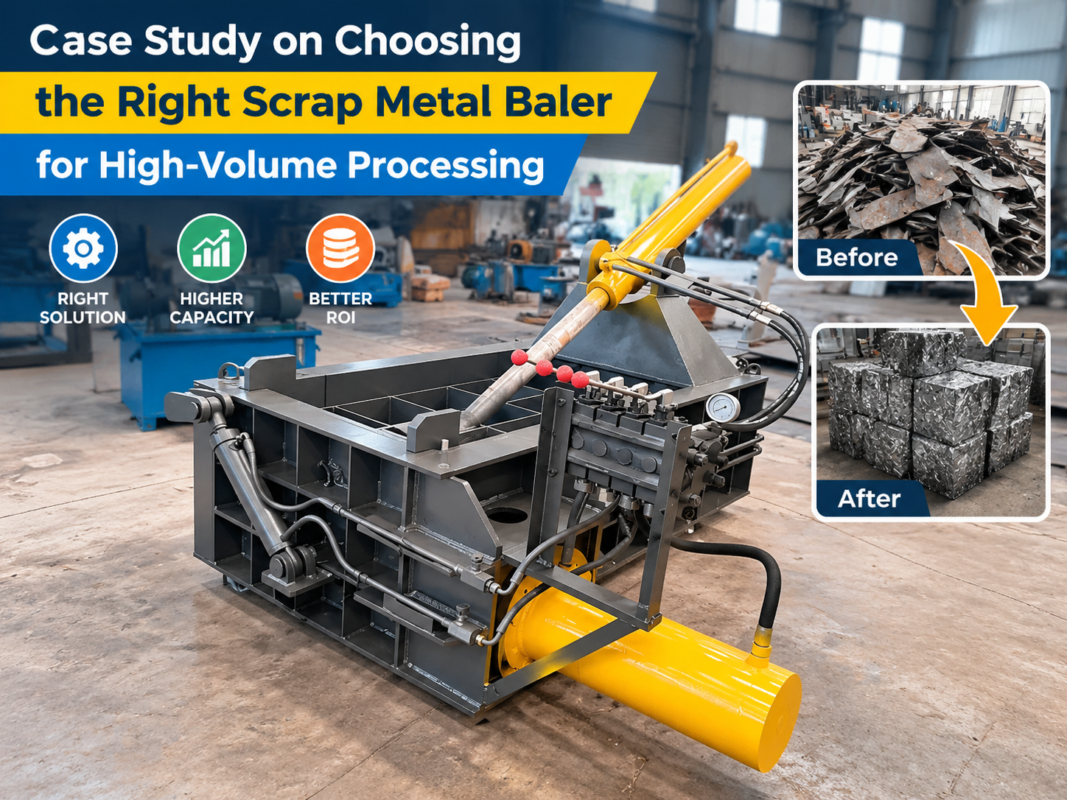
Selection should be based on three main factors: your daily volume of scrap, the maximum thickness of the material you process, and the requirements of your end-buyer (the mill). If you are processing heavy structural steel, you will need a machine with higher shearing force and reinforced liners. For light-gauge stamping scrap, a faster cycle time might be more important than raw pressing force.
What maintenance is required for a hydraulic baler?
Daily maintenance includes checking hydraulic oil levels, inspecting hoses for leaks, and ensuring the chamber is clear of debris. Weekly tasks involve lubricating moving parts and checking the sharpness of shearing blades. Monthly, you should inspect the wear plates and perform a full diagnostic on the hydraulic system and PLC.
Conclusion and Call to Action
The Scrap Metal Baler Applications In Steel Mills Scrap Yards are diverse and essential for the modern metal industry. From optimizing furnace charges to slashing logistics costs, these machines provide a clear path to increased efficiency and profitability. As the global demand for recycled metal continues to grow, investing in robust, high-performance baling technology is a strategic move for any serious player in the steel or recycling sectors.
HARSLE is a leader in providing cutting-edge metal fabrication and recycling solutions. Our range of hydraulic scrap metal balers is engineered for durability, speed, and precision. Whether you are a small scrap yard looking to optimize your space or a large steel mill requiring high-density charging material, HARSLE has the expertise and equipment to meet your needs. Contact HARSLE today to speak with our technical experts and find the perfect baling solution for your operation. Let us help you turn your scrap into a high-value asset.