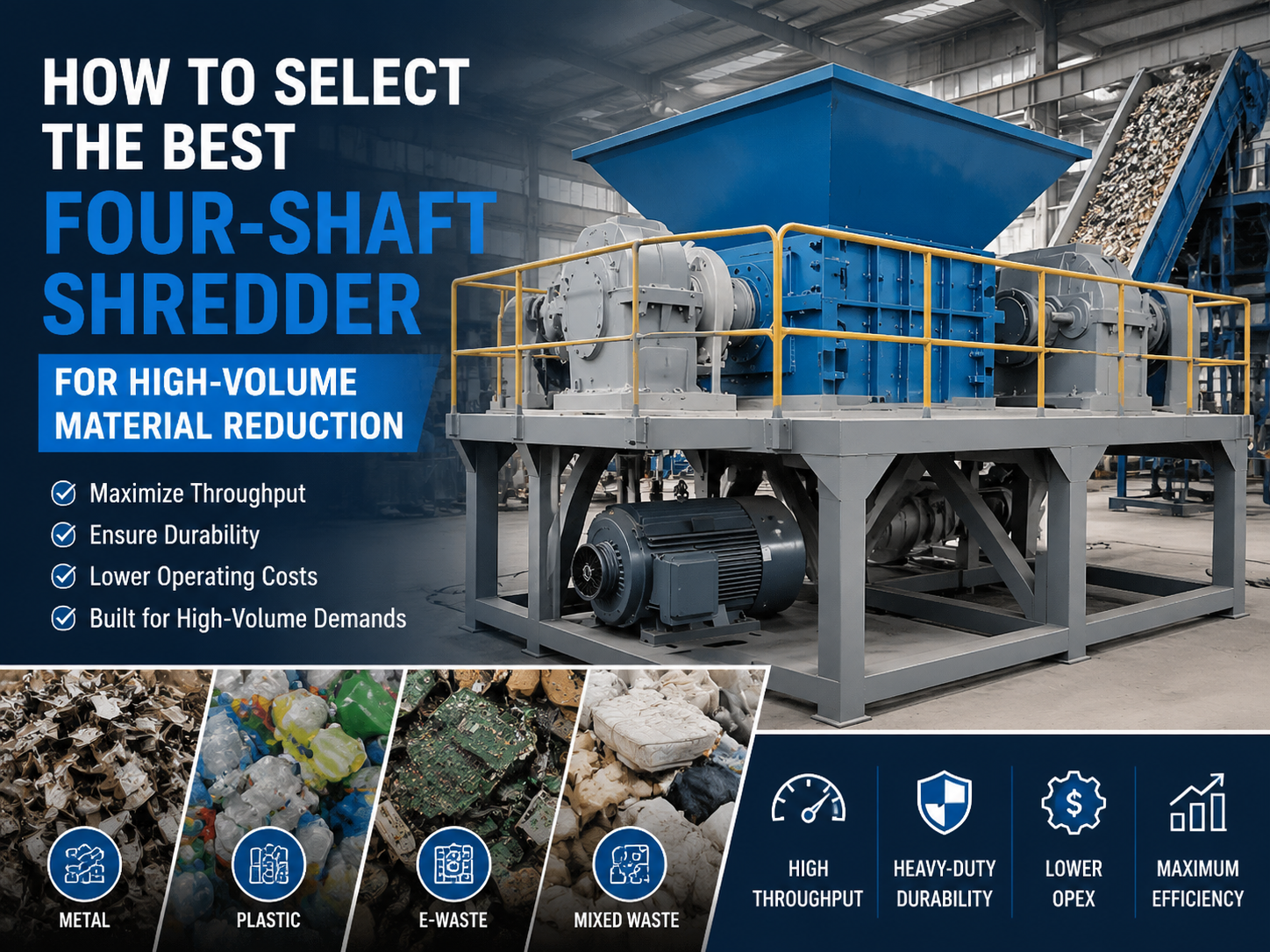
How to Select the Best Four-Shaft Shredder for High-Volume Material Reduction

Introduction to High-Volume Material Reduction
In the modern industrial landscape, the efficiency of waste management and material recycling is a cornerstone of operational success. For facilities dealing with massive quantities of scrap metal, electronic waste, plastics, or bulky refuse, the choice of machinery is critical. To Select Best Four-Shaft Shredder High-Volume Material Reduction requires a deep understanding of mechanical engineering, material science, and economic forecasting. Unlike single or double-shaft alternatives, the four-shaft shredder is designed for precision, providing a consistent output size through integrated screen systems while maintaining the high torque necessary for tough materials.
HARSLE has long been at the forefront of providing robust solutions for metal fabrication and recycling. The four-shaft shredder stands out because it combines the aggressive feeding of a dual-shaft system with the sizing capabilities of a granulator. This guide will walk you through every nuance of the selection process, ensuring that your investment translates into long-term productivity and minimal downtime. Whether you are processing aluminum extrusions or complex e-waste, the right configuration is the difference between a bottleneck and a streamlined workflow.
Price Range Overview for Four-Shaft Shredders
When looking to Select Best Four-Shaft Shredder High-Volume Material Reduction, the initial capital expenditure is often the first hurdle. The price of these machines varies significantly based on throughput capacity, motor power, and the sophistication of the control systems. Generally, industrial-grade four-shaft shredders fall into three primary pricing tiers.
- Entry-Level Industrial Units ($25,000 – $60,000): These machines are typically designed for lighter high-volume tasks, such as plastic containers, thin-walled aluminum, or wood scrap. They usually feature motors between 15kW and 30kW and have smaller cutting chambers. While they offer the benefits of four-shaft sizing, they may lack the extreme torque required for heavy steel or thick rubber.
- Mid-Range Performance Shredders ($60,000 – $150,000): This is the most common category for professional recycling centers. These units feature reinforced frames, advanced PLC controls, and motors ranging from 45kW to 90kW. They are capable of handling mixed electronic waste, heavy plastics, and light metal scraps consistently over multiple shifts.
- High-Capacity Heavy-Duty Systems ($150,000 – $400,000+): These are massive installations designed for 24/7 operation. They often include dual-drive systems, specialized alloy blades, and custom-engineered hoppers. These machines are built to process several tons of material per hour, including heavy metal drums, tires, and large-scale industrial waste.
It is important to note that the lowest price rarely represents the best value. A machine that is underpowered for your specific material will suffer from frequent jams and accelerated blade wear, leading to higher costs in the long run. Conversely, over-specifying a machine leads to unnecessary energy consumption and wasted floor space.
Main Cost Drivers in Shredder Selection
Understanding what drives the cost of a four-shaft shredder is essential for making an informed decision. The primary driver is the Cutting System. The blades (or knives) are the heart of the machine. High-quality shredders use specialized alloy steels like D2, SKD-11, or DC53, which undergo rigorous heat treatment processes to achieve the perfect balance of hardness and toughness. The number of hooks on the blades and the thickness of the blades themselves directly impact the price and the machine’s ability to grab material.
The Drive Mechanism is another significant factor. You must choose between electric and hydraulic drives. Electric drives are generally more energy-efficient and easier to maintain, making them ideal for most high-volume applications. However, hydraulic drives offer superior torque management and are better suited for materials that may contain non-shreddable “tramp” items, as they can handle sudden stalls more gracefully. The inclusion of high-end planetary reducers also adds to the cost but ensures that the motor’s high-speed rotation is efficiently converted into the massive torque needed for shredding.
Furthermore, the Control System plays a vital role. Modern HARSLE shredders utilize Siemens or Schneider PLC systems with touchscreen interfaces. These systems monitor motor load in real-time; if the shredder hits a hard object, the PLC automatically triggers a reverse rotation to clear the jam before attempting to shred again. This automation prevents motor burnout and mechanical failure, but the integration of such smart sensors and software increases the initial purchase price.
Configuration Impact on Performance
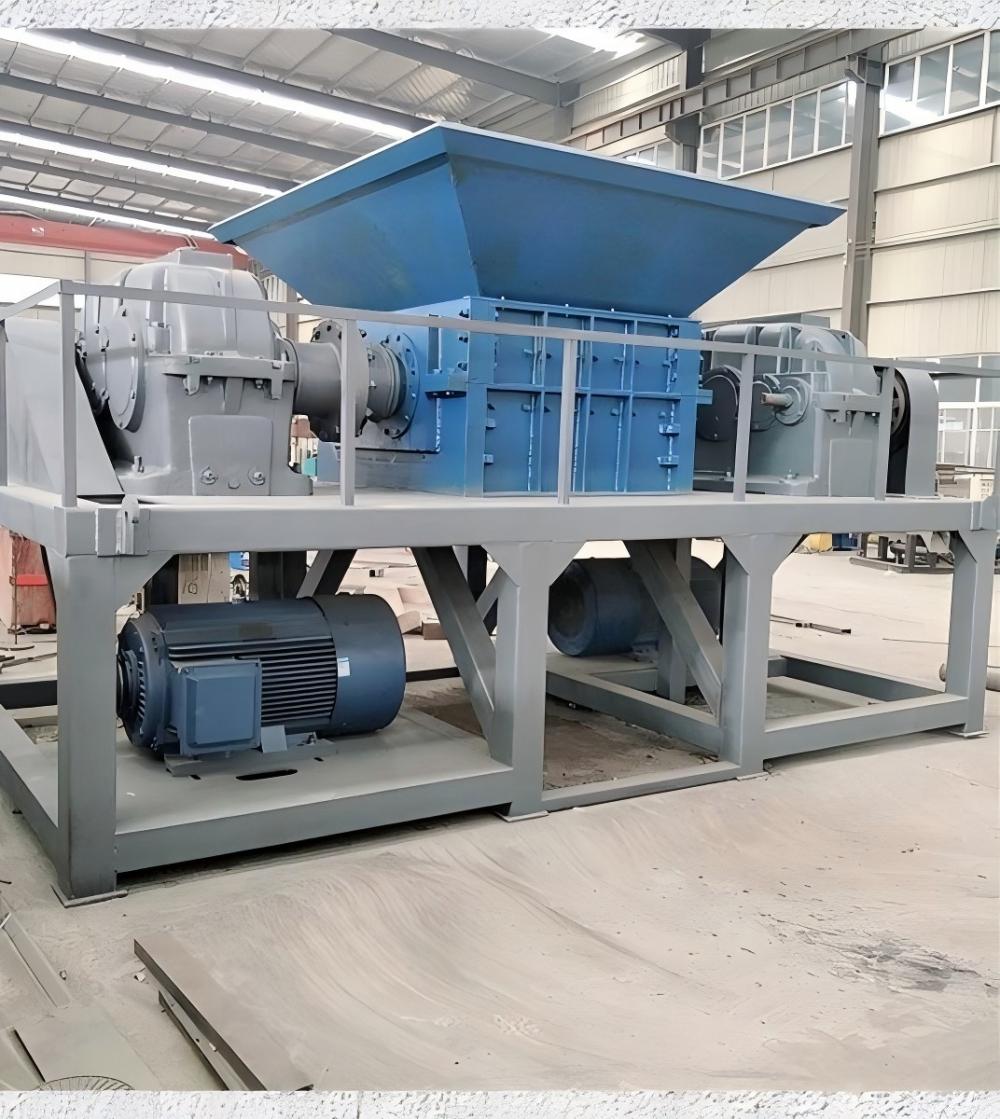
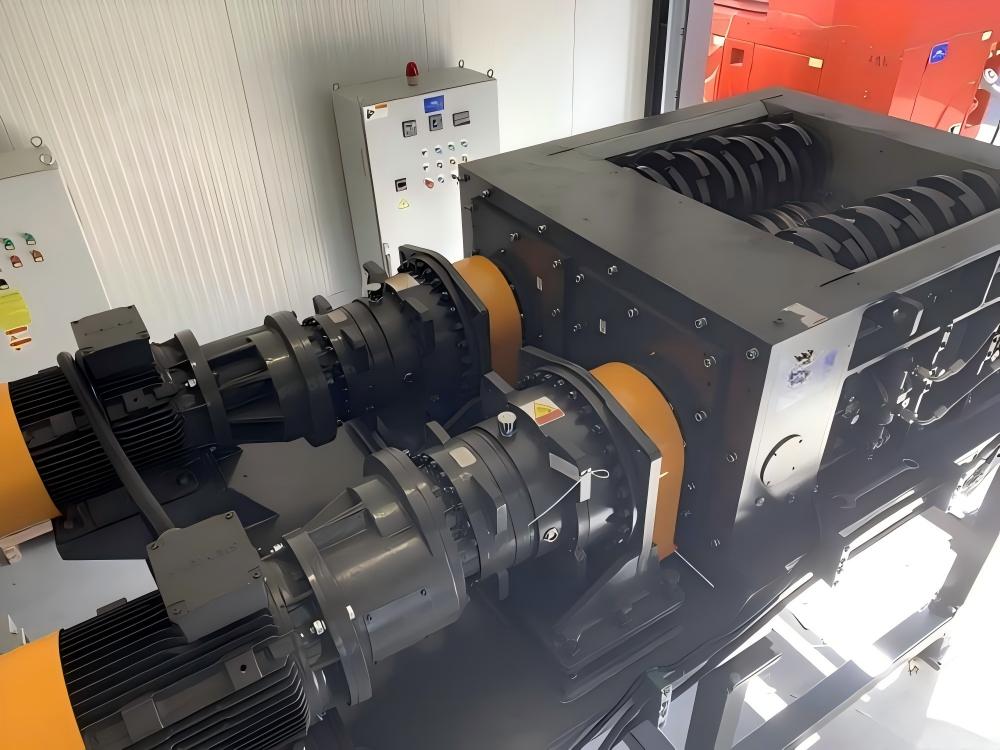
To Select Best Four-Shaft Shredder High-Volume Material Reduction, you must configure the machine to match your specific waste stream. The most unique feature of the four-shaft design is the interaction between the two main cutting shafts and the two auxiliary shafts. The auxiliary shafts help pull material into the cutters, while the screen located beneath the shafts ensures that only material of the desired size passes through. Material that is too large is carried back up by the teeth for another pass.
The Screen Size is a critical configuration point. A smaller screen mesh produces a finer, more uniform output, which is excellent for secondary processing or increasing bulk density for transport. However, a smaller screen also reduces the overall throughput (tons per hour) because the material stays in the chamber longer. Finding the “sweet spot” between output size and speed is essential for high-volume efficiency. HARSLE offers interchangeable screens to allow for flexibility as your production needs change.
Another configuration detail is the Hopper and Feeding System. For high-volume reduction, manual feeding is rarely sufficient. You should consider integrated conveyor belts or vibrating feeders. The hopper itself should be designed to prevent “bridging,” where bulky materials get stuck above the shafts. Custom hopper extensions and hydraulic pushers can be added to force light, voluminous materials (like plastic bottles or foam) into the cutting zone, significantly increasing the machine’s effective capacity.
Hidden Costs of Ownership
The sticker price is only one part of the total cost of ownership (TCO). When you Select Best Four-Shaft Shredder High-Volume Material Reduction, you must account for Wear Parts Replacement. Shredder blades are consumables. Depending on the abrasiveness of your material (e.g., glass-filled plastics or sandy tires), blades may need sharpening or replacement every few months. The ease of access to the shaft assembly is a crucial design feature; HARSLE machines are engineered for relatively quick blade changes to minimize downtime.
Energy Consumption is another hidden cost. A 90kW motor running 16 hours a day can result in substantial utility bills. Selecting a machine with high-efficiency motors (IE3 or IE4 standards) and a control system that powers down the machine during idle periods can save thousands of dollars annually. Additionally, consider the cost of Floor Space and Infrastructure. High-volume shredders require reinforced concrete flooring to handle the vibration and weight, as well as high-amperage electrical service and potentially dust extraction or cooling systems.
Finally, don’t overlook Maintenance Labor. A complex machine requires regular lubrication, belt tensioning, and sensor calibration. If your staff is not trained in industrial hydraulics or PLC troubleshooting, you may need to rely on external service contracts. Choosing a manufacturer like HARSLE, which provides comprehensive documentation and remote technical support, can mitigate these ongoing labor costs.
ROI Calculation: Is the Investment Worth It?
Calculating the Return on Investment (ROI) for a four-shaft shredder involves comparing the total cost of ownership against the revenue or savings generated. For high-volume material reduction, the ROI usually comes from three sources: Transportation Savings, Material Value, and Labor Reduction.
Consider a facility that produces 10 tons of bulky plastic waste daily. Unshredded, this waste might require five truckloads to transport to a landfill or recycler. Once shredded to a uniform size, the bulk density increases significantly, potentially reducing the transport requirement to a single truckload. If each truck trip costs $300, the savings are $1,200 per day. Over a 250-day work year, that is $300,000 in transportation savings alone—often enough to pay for a mid-range shredder in less than six months.
Furthermore, shredded material often commands a higher market price. Clean, sized scrap metal or plastic regrind is a feedstock for other processes, whereas mixed bulky waste is often a liability. By adding a four-shaft shredder, you transform a waste expense into a product revenue stream. When you factor in the reduction in manual labor—replacing three workers with chainsaws or manual shears with one shredder operator—the economic argument becomes undeniable.
Buying Advice: A Step-by-Step Checklist
To ensure you Select Best Four-Shaft Shredder High-Volume Material Reduction, follow this professional checklist before signing a purchase order:
- Material Testing: Never buy a shredder without testing your specific material on a similar model. Send samples to the manufacturer to verify throughput rates and blade wear characteristics.
- Verify Shaft Torque: Don’t just look at horsepower. Ask for the torque ratings at the shaft. High torque is what actually breaks the material, especially in tough applications like metal recycling.
- Check Component Brands: Ensure the motors, gearboxes, and electronics are from reputable global brands (Siemens, ABB, SEW-Eurodrive). This ensures that replacement parts are available locally and won’t leave you stranded.
- Evaluate the Frame Construction: A high-volume shredder is subject to immense stress. Look for heavy, welded steel plates rather than thin, bolted frames. The weight of the machine is often a good indicator of its durability.
- Safety Compliance: Ensure the machine meets CE or OSHA standards. This includes emergency stop circuits, safety interlocks on access doors, and proper guarding for all moving parts.
- After-Sales Support: Inquire about the warranty period and the availability of a dedicated service team. A shredder is a long-term asset; you need a partner who can provide technical guidance five or ten years down the line.
Frequently Asked Questions (FAQ)
1. What is the main advantage of a four-shaft shredder over a two-shaft shredder?
The primary advantage is the integrated screen and the ability to recirculate material. A two-shaft shredder produces long, irregular strips. A four-shaft shredder ensures that every piece of material is cut down to a specific size determined by the screen, making it ideal for applications requiring a uniform output.
2. Can a four-shaft shredder handle metal?
Yes, but it depends on the thickness and type of metal. Four-shaft shredders are excellent for aluminum extrusions, copper wire, electronic scrap, and light steel drums. For heavy structural steel or engine blocks, a specialized heavy-duty vertical or large-scale horizontal shredder might be required.
3. How often do the blades need to be sharpened?
This depends entirely on the material. For clean plastics, blades can last for hundreds of hours. For abrasive materials like glass-filled polymers or contaminated scrap, they may need attention every 100-200 hours. Many HARSLE blades are designed to be sharpened multiple times before needing replacement.
4. Is a hydraulic drive better than an electric drive?
Hydraulic drives are better for “shock” loads and materials that might contain un-shreddable items, as they offer better protection against mechanical breakage. Electric drives are more efficient, quieter, and easier to maintain for consistent, high-volume streams like plastic or wood.
5. What size screen should I choose?
This depends on your downstream process. If you are selling regrind to a plastic molder, they may require a 20mm or 30mm size. If you are simply reducing volume for transport, a larger 50mm or 80mm screen will allow for much higher throughput.
6. How do I prevent the shredder from jamming?
Modern shredders use PLC-controlled auto-reverse. When the motor current spikes (indicating a jam), the shafts automatically reverse to reposition the material and then try again. Proper hopper design and consistent feeding also play a major role in preventing jams.
7. What is the typical lead time for a HARSLE four-shaft shredder?
Standard models are often available within 4-8 weeks, while custom-configured systems with specialized hoppers or conveyor integrations may take 12-16 weeks depending on the complexity and current production schedule.
8. Does the machine require a special foundation?
For high-volume, heavy-duty shredders, a reinforced concrete pad is highly recommended to absorb vibrations and ensure the machine remains level. Smaller units can often be placed on a standard industrial concrete floor with anti-vibration mounts.