Comprehensive Four-Shaft Shredder Buying Guide for Metal, Plastic, and E-Waste Recycling Plants

Introduction to Four-Shaft Shredder Technology
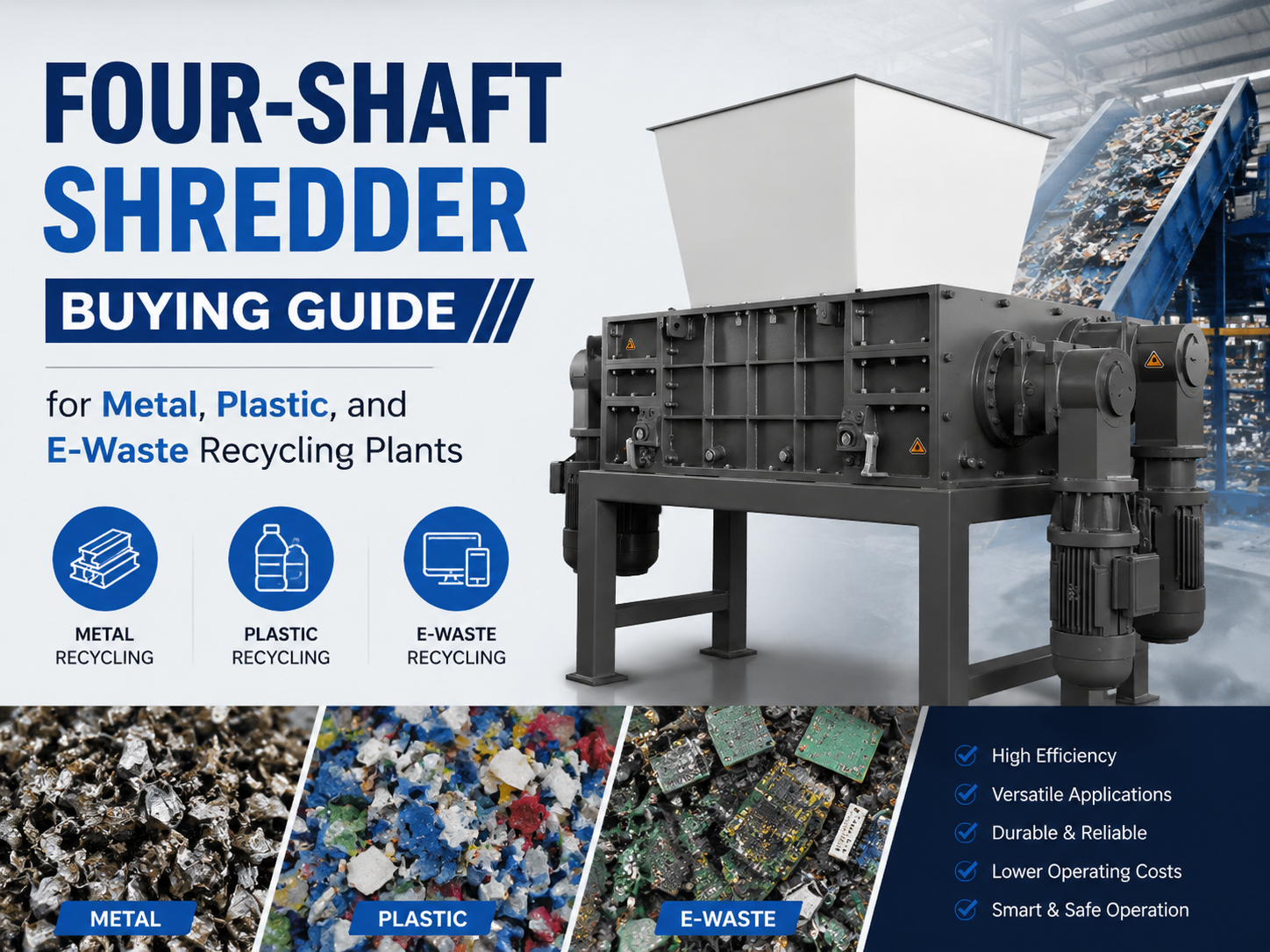
In the modern recycling industry, the demand for efficient, high-torque, and precise size reduction has never been higher. As global regulations on waste management tighten and the value of reclaimed materials like copper, aluminum, and high-grade plastics rises, recycling plants must invest in technology that offers both versatility and durability. The four-shaft shredder stands at the pinnacle of this technological evolution. Unlike traditional single or double-shaft shredders, the four-shaft design incorporates two main cutting shafts and two auxiliary shafts that work in tandem to provide superior material grabbing and consistent output sizing.
HARSLE has been at the forefront of developing robust four-shaft shredding solutions tailored for the rigorous demands of metal, plastic, and electronic waste (e-waste) processing. This guide is designed to navigate the complexities of Four-Shaft Shredder Buying Metal, Plastic, E-Waste Recycling Plants, ensuring that facility managers and business owners make informed decisions that align with their production goals and budgetary constraints. Whether you are processing bulky plastic drums, light metal scrap, or intricate circuit boards, understanding the nuances of these machines is critical for long-term success.
Price Range Overview: What to Expect
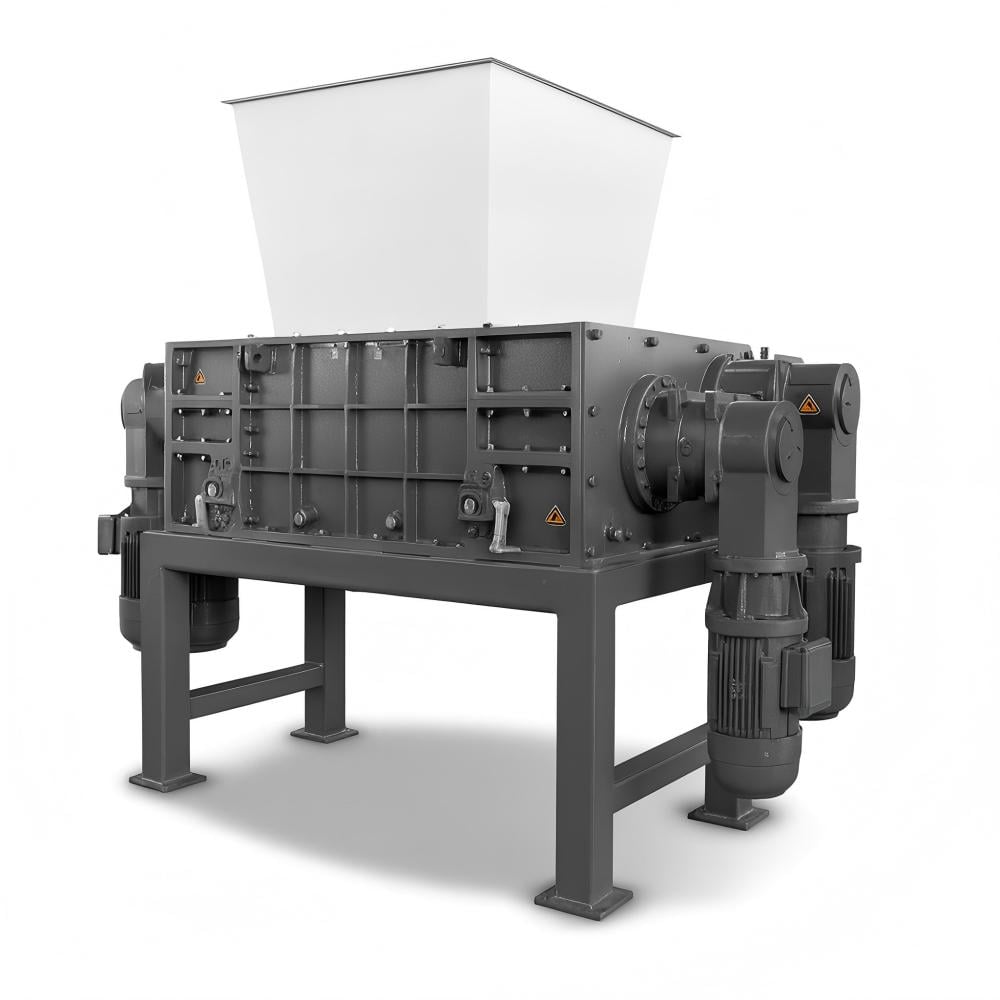
When entering the market for a four-shaft shredder, the price spectrum is broad, reflecting the wide range of capacities and technical specifications available. Generally, industrial-grade four-shaft shredders can range from $30,000 for entry-level units to over $250,000 for high-capacity, heavy-duty systems integrated into fully automated lines. Understanding where your needs fall within this range is the first step in the procurement process.
Entry-level machines are typically designed for smaller recycling centers or specialized applications, such as processing confidential documents or light plastic waste. These units usually feature lower horsepower (30-60 HP) and smaller cutting chambers. While they offer the precision of a four-shaft system, they are not intended for continuous, heavy metal shredding. Mid-range units, priced between $60,000 and $120,000, are the workhorses of the industry. These machines are capable of handling mixed e-waste, aluminum extrusions, and thick-walled plastics with ease, often featuring reinforced frames and advanced PLC controls.
At the high end of the market, you find custom-engineered solutions designed for 24/7 operation in large-scale recycling plants. These machines boast massive torque, specialized alloy blades, and sophisticated cooling systems. The investment in a high-end HARSLE four-shaft shredder is often justified by the significantly higher throughput and the ability to process difficult materials that would stall or damage lesser equipment. When evaluating price, it is essential to look beyond the initial sticker price and consider the total cost of ownership over the machine’s lifespan.
Main Cost Drivers in Four-Shaft Shredders
Several critical components dictate the final price of a four-shaft shredder. The most significant of these is the motor and drive system. High-efficiency motors from reputable brands like Siemens or ABB, paired with heavy-duty planetary gearboxes, ensure that the machine can deliver the necessary torque to shear through tough materials. The complexity of the drive system—whether it is a direct drive or a hydraulic drive—also impacts the cost, with hydraulic systems often commanding a premium for their ability to handle shock loads and provide variable speeds.
The second major cost driver is the cutting assembly, specifically the blades. Four-shaft shredders utilize a large number of individual cutters, and the material composition of these cutters is paramount. High-alloy tool steels like D2, SKD-11, or specialized heat-treated vacuum-hardened steels are required for longevity. For e-waste applications, where abrasive materials like fiberglass and ceramic are common, blades may require additional coatings or specialized geometries to prevent premature wear. The precision with which these blades are machined and the ease with which they can be replaced or sharpened also factor into the manufacturing cost.
Finally, the control system and structural integrity of the machine play a role. A robust, vibration-dampening frame made from high-grade carbon steel is necessary to support the immense forces generated during shredding. Advanced PLC (Programmable Logic Controller) systems with touch-screen interfaces, remote monitoring capabilities, and automated reverse functions (to prevent jams) add to the cost but are essential for modern, safe, and efficient operation. HARSLE integrates these high-end components to ensure that every dollar spent translates into operational reliability.
Configuration Impact: Tailoring the Machine to Your Material
The configuration of a four-shaft shredder is not a one-size-fits-all scenario. The specific material you intend to process—be it metal, plastic, or e-waste—will dictate the optimal setup. For instance, in Four-Shaft Shredder Buying Metal, Plastic, E-Waste Recycling Plants, the screen size is a pivotal configuration choice. The four-shaft design allows for an integrated screen below the cutting shafts; material that is not yet small enough to pass through the screen is carried back up by the auxiliary shafts for another pass. If you are processing plastic for pelletizing, you might require a 20mm screen, whereas metal scrap for smelting might only need a 50mm reduction.
Blade thickness and the number of hooks are also configurable. For bulky plastic containers, fewer hooks with a more aggressive profile are better for grabbing and pulling the material into the cutters. Conversely, for e-waste like hard drives or circuit boards, a higher number of hooks and thinner blades provide a more uniform shred and better liberation of precious metals from their substrates. The shaft speed is another variable; slower speeds provide higher torque for tough metals, while slightly higher speeds can increase throughput for lighter plastics.
Furthermore, the hopper design and feeding mechanism must be considered. For long metal extrusions, a specialized horizontal feed might be necessary, whereas for general e-waste, a standard gravity-fed hopper with a hydraulic ram press might be more effective. HARSLE offers various hopper configurations to prevent “bridging” (where material gets stuck above the cutters), ensuring a steady flow of material and maximizing the machine’s duty cycle.
Hidden Costs: Beyond the Initial Purchase
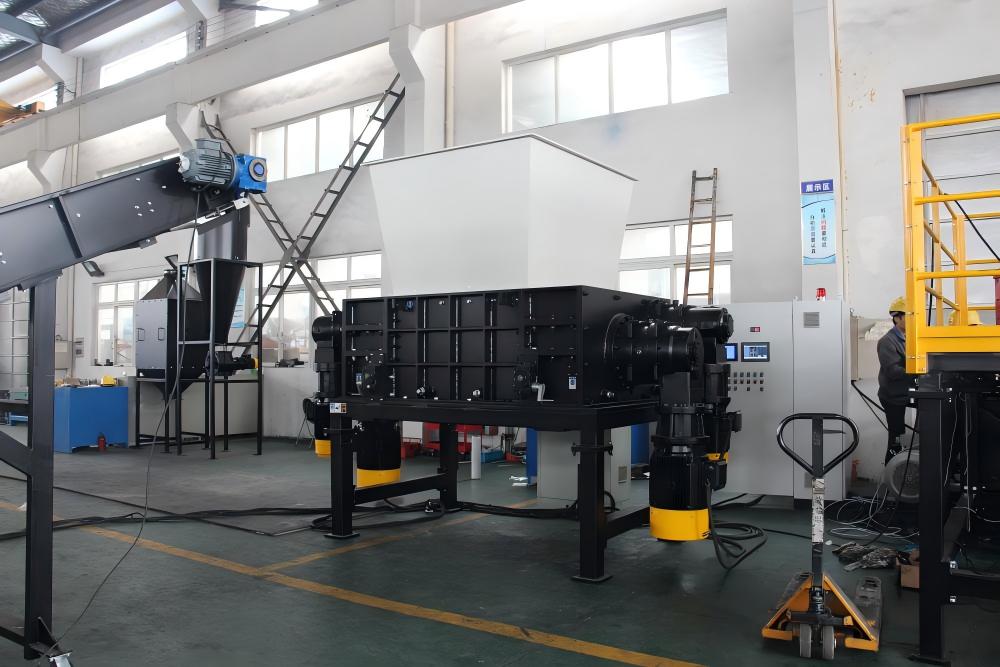
When budgeting for a four-shaft shredder, many buyers overlook the secondary costs associated with installation and long-term maintenance. Shipping and logistics for a machine that can weigh several tons are significant, especially for international deliveries. Once the machine arrives, professional installation is required, which may involve specialized rigging, electrical upgrades to the facility’s power grid, and the construction of a reinforced concrete foundation to handle the operational vibrations.
Maintenance is perhaps the most significant “hidden” cost. Shredder blades are wear parts; they will eventually dull and require sharpening or replacement. The frequency of this depends entirely on the material being processed. Shredding clean plastic will allow blades to last for months, while shredding contaminated e-waste or abrasive metals might require blade maintenance every few weeks. It is crucial to factor in the cost of a spare set of blades and the labor time required for changeovers. HARSLE designs its machines with accessibility in mind to minimize this downtime.
Energy consumption is another ongoing expense. A high-torque shredder requires substantial power. Buyers should evaluate the energy efficiency of the motors and consider the use of Variable Frequency Drives (VFDs) to optimize power usage based on the load. Additionally, consider the cost of consumables like gearbox oil and grease for the bearings. A proactive maintenance schedule is the best way to mitigate these costs and prevent catastrophic failures that result in expensive emergency repairs.
ROI Calculation: Making the Business Case
Calculating the Return on Investment (ROI) for a four-shaft shredder involves analyzing the increase in material value versus the total operational costs. In the recycling industry, shredded material (flakes or chips) almost always commands a higher market price than raw, bulky scrap. For example, shredded and sorted e-waste can be sold to specialized refiners for a much higher margin than whole units. By reducing the volume of the waste, you also significantly lower transportation and storage costs.
To calculate ROI, start with your daily throughput. If a HARSLE shredder allows you to process 2 tons of plastic per hour, and the price difference between baled plastic and shredded flake is $150 per ton, the machine generates $300 of additional value per hour. Subtract the costs of labor, electricity, and blade wear (estimated per ton) to find your net hourly profit. In many high-volume recycling plants, a well-configured four-shaft shredder can pay for itself within 12 to 18 months.
Another factor in ROI is labor reduction. A four-shaft shredder with an automated feed system and integrated screening requires less manual intervention than older shredding methods. The ability to achieve the desired particle size in a single pass—without the need for secondary granulators in some cases—further streamlines the production line, reducing capital expenditure on additional machinery and the associated maintenance and power costs.
Buying Advice for Recycling Plant Managers
When you are ready to proceed with Four-Shaft Shredder Buying Metal, Plastic, E-Waste Recycling Plants, the most important step is material testing. Never purchase a shredder without seeing how it handles your specific waste stream. Reputable manufacturers like HARSLE often encourage customers to send samples of their toughest materials for a test shred. This provides empirical data on throughput, output size, and power consumption, removing the guesswork from the selection process.
Evaluate the manufacturer’s after-sales support and parts availability. A shredder is a critical piece of infrastructure; if it goes down, your entire production line might stop. Ensure that the supplier has a robust inventory of wear parts (blades, spacers, screens) and can provide technical support in your time zone. Check references from other recycling plants to gauge the machine’s real-world reliability and the manufacturer’s responsiveness to issues.
Finally, consider the future-proofing of your investment. The recycling market is volatile, and the materials you process today might change tomorrow. Choosing a machine with a slightly higher capacity than currently needed, or one with a modular design that allows for different screen sizes or blade configurations, provides the flexibility to adapt to market shifts. A HARSLE four-shaft shredder is an investment in the future of your facility, providing the durability and versatility needed to stay competitive in a demanding industry.
Frequently Asked Questions (FAQ)
1. Why choose a four-shaft shredder over a two-shaft shredder?
A four-shaft shredder offers two main advantages: integrated sizing and better material grabbing. The two auxiliary shafts help pull bulky or rounded materials (like plastic drums) into the cutters more effectively. Additionally, the screen located beneath the shafts ensures that only material of the correct size leaves the machine, whereas a two-shaft shredder typically produces long strips and requires a separate granulator for precise sizing.
2. Can a four-shaft shredder handle heavy steel scrap?
Four-shaft shredders are excellent for light to medium metal scrap, such as aluminum extrusions, tin cans, and thin-gauge steel. However, for heavy structural steel or thick engine blocks, a specialized heavy-duty twin-shaft shredder or a vertical mill might be more appropriate. Always consult with HARSLE engineers to match the machine’s torque and blade strength to your specific metal grade.
3. How often do the blades need to be sharpened?
Blade life varies significantly based on the material. For clean plastics, blades can last 1,000+ hours. For e-waste containing glass or abrasive metals, they may need attention every 200-400 hours. Many HARSLE blades are designed to be sharpened multiple times before needing replacement, which helps lower long-term costs.
4. What is the typical lead time for a custom-configured shredder?
Depending on the level of customization and the current production schedule, lead times typically range from 8 to 14 weeks. This includes the engineering phase, manufacturing, assembly, and rigorous factory testing to ensure the machine meets HARSLE’s quality standards before shipping.
5. Is a hydraulic or electric drive better for e-waste?
For e-waste, which often contains unexpected heavy metal objects, a hydraulic drive is often preferred because it can handle sudden stalls and shocks better than an electric drive. However, modern electric drives with advanced VFDs and electronic torque limiting are becoming increasingly popular due to their higher energy efficiency and lower maintenance requirements.
6. Does HARSLE provide installation and training?
Yes, HARSLE offers comprehensive support packages that include on-site installation supervision and operator training. Ensuring your team knows how to properly feed the machine and perform routine maintenance is key to maximizing the lifespan and safety of the equipment.