Comprehensive Guide: Scrap Metal Baler Uses in Automotive Scrap Yards and Dismantling Centers

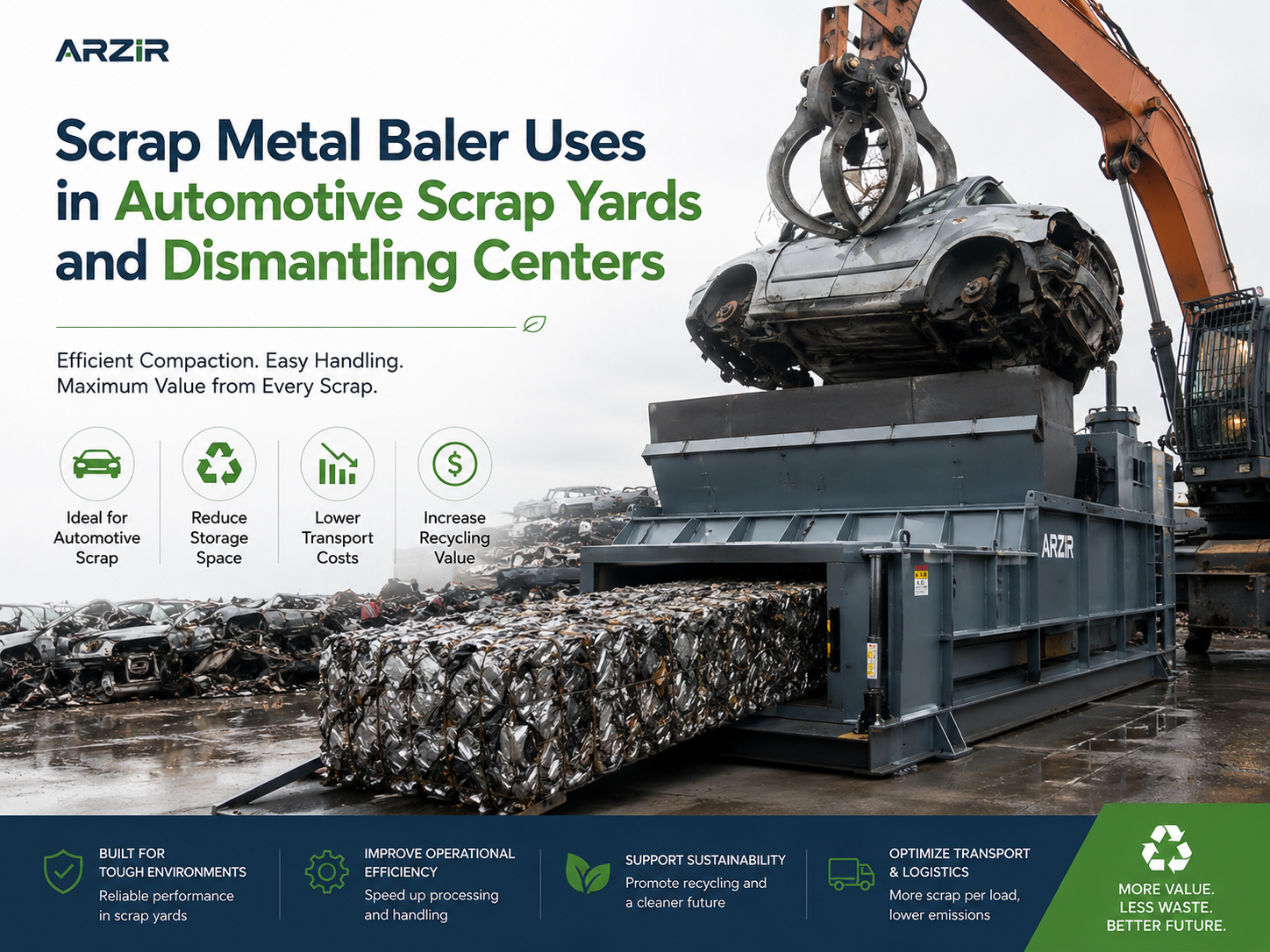
Introduction to Scrap Metal Baler Uses in Automotive Scrap Yards and Dismantling Centers
The global automotive industry generates millions of tons of scrap metal annually. As vehicles reach the end of their operational life, they enter a complex ecosystem of recycling and recovery. Central to this process is the scrap metal baler. Understanding the specific Scrap Metal Baler Uses In Automotive Scrap Yards Dismantling Centers is essential for any facility looking to optimize its operations, reduce logistical overhead, and maximize the value of reclaimed materials. HARSLE, a leader in industrial machinery, provides the robust hydraulic solutions necessary to transform bulky car shells into dense, manageable units ready for the furnace.
In a modern dismantling center, the goal is efficiency. A car is not just a single piece of metal; it is a composite of high-strength steel, aluminum, copper wiring, and various alloys. Without proper compaction equipment, these materials occupy massive amounts of space, making storage and transport economically unviable. This article explores how HARSLE’s scrap metal balers serve as the backbone of automotive recycling, detailing the technical requirements, workflows, and productivity gains associated with high-pressure metal compaction.
Application Scenario: The Role of Balers in Modern Dismantling
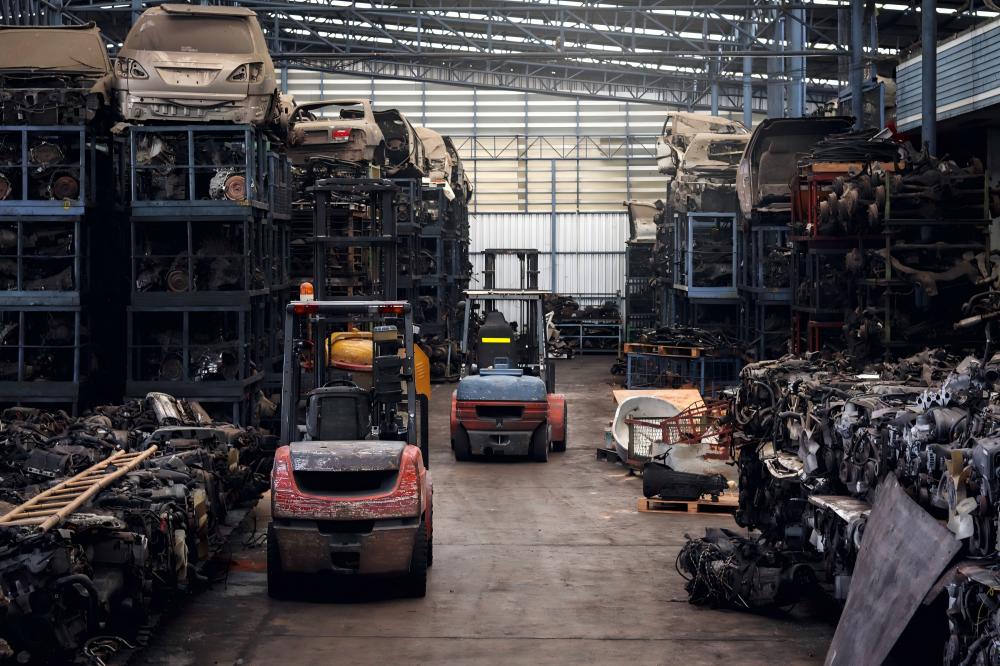
Automotive scrap yards are often overwhelmed by the sheer volume of End-of-Life Vehicles (ELVs). When a car arrives at a dismantling center, it undergoes a rigorous de-pollution process where fluids, batteries, and hazardous materials are removed. Once the high-value components like engines, transmissions, and catalytic converters are salvaged, the remaining chassis—a hollow, bulky structure—presents a significant logistical challenge. This is where the primary Scrap Metal Baler Uses In Automotive Scrap Yards Dismantling Centers come into play.
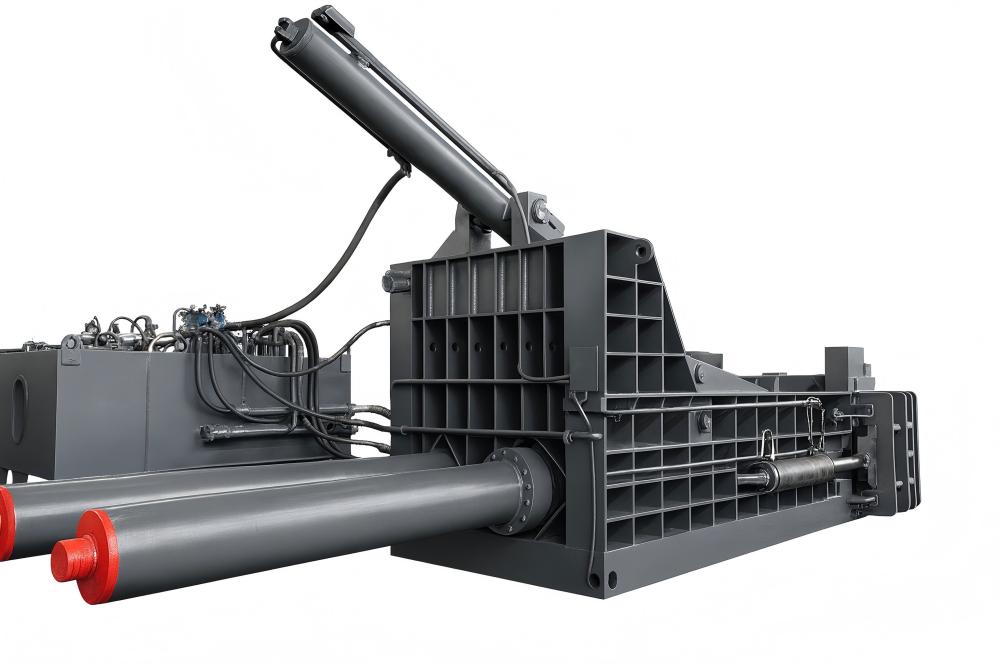
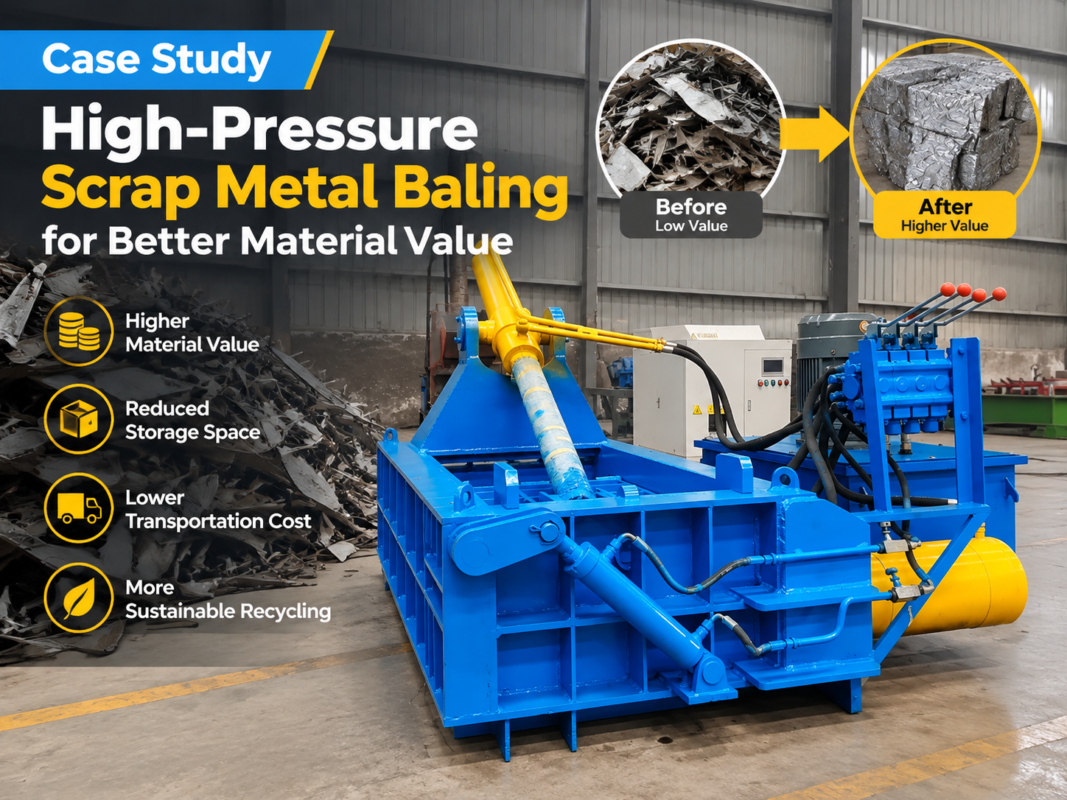
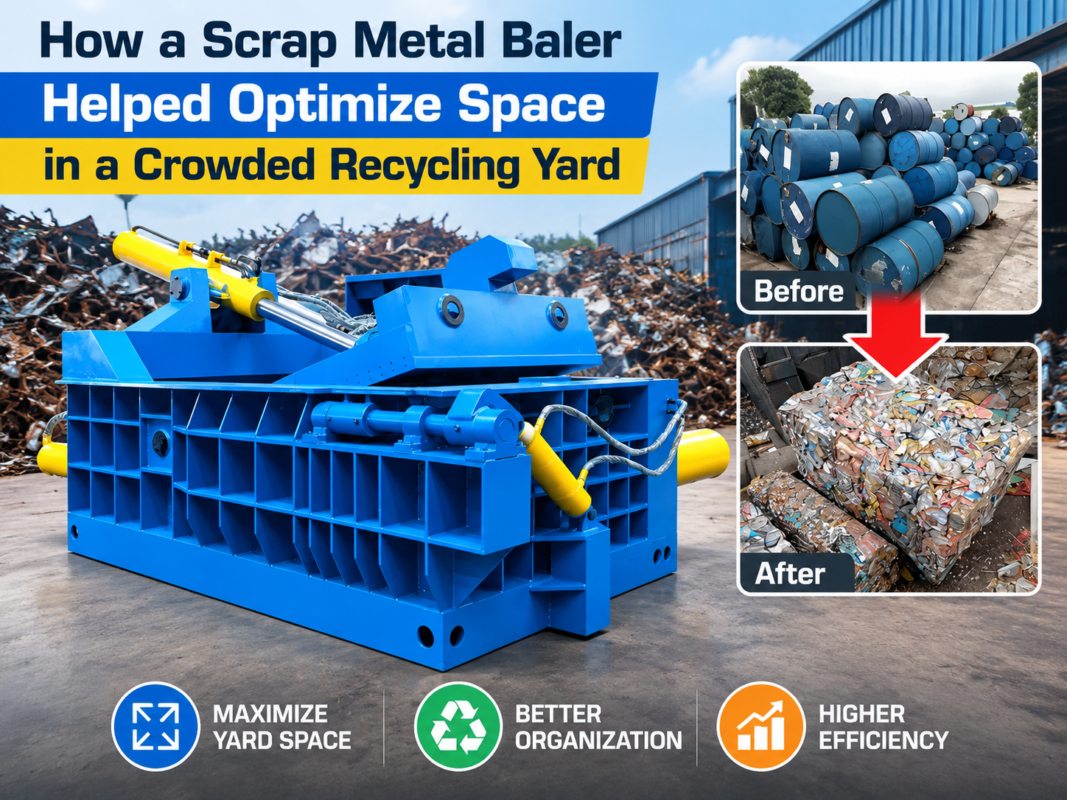
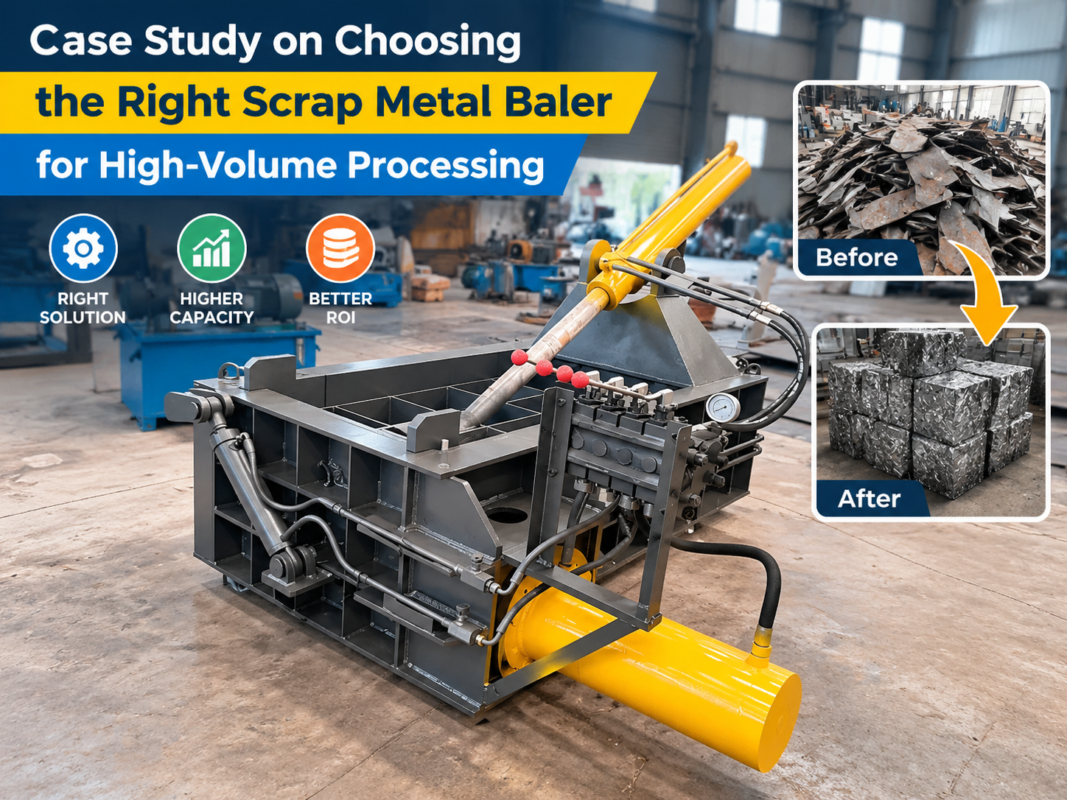
The first scenario involves volume reduction for storage. Scrap yards have limited real estate. A single un-crushed car shell can take up over 10 cubic meters of space. By utilizing a HARSLE heavy-duty baler, that same shell is compressed into a bale of approximately 0.5 to 1 cubic meter. This 90% reduction in volume allows yards to store ten times the inventory in the same footprint, directly impacting the facility’s capacity and throughput.
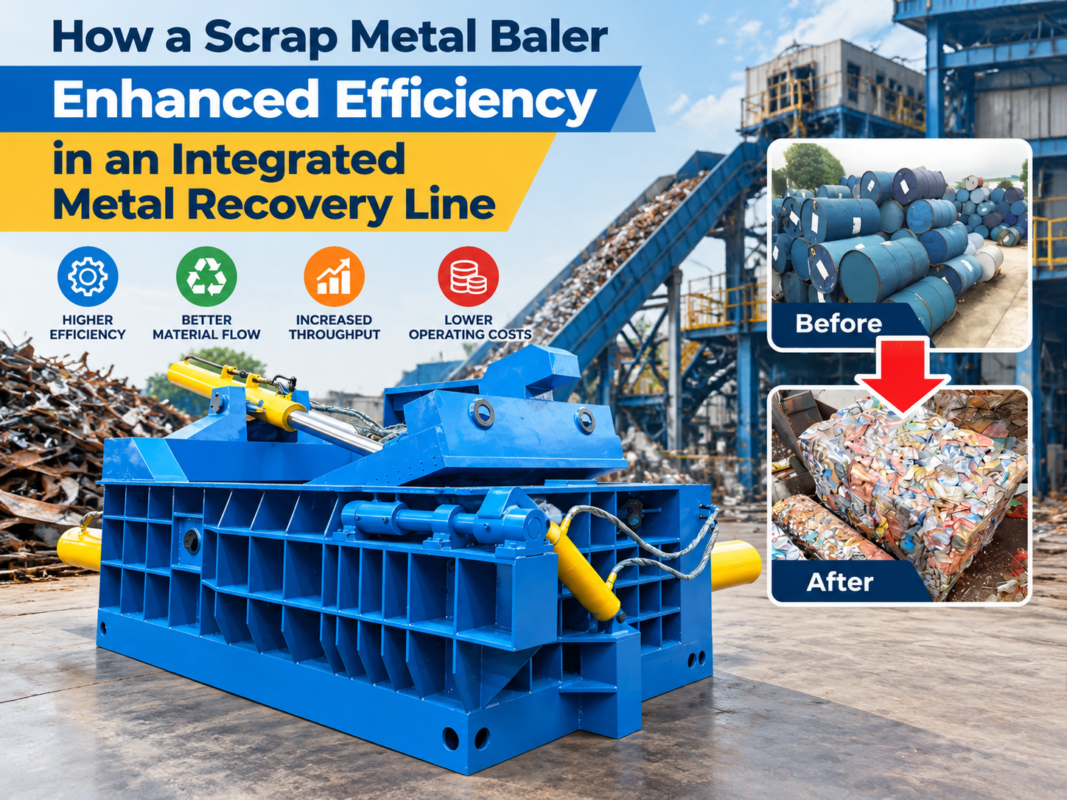
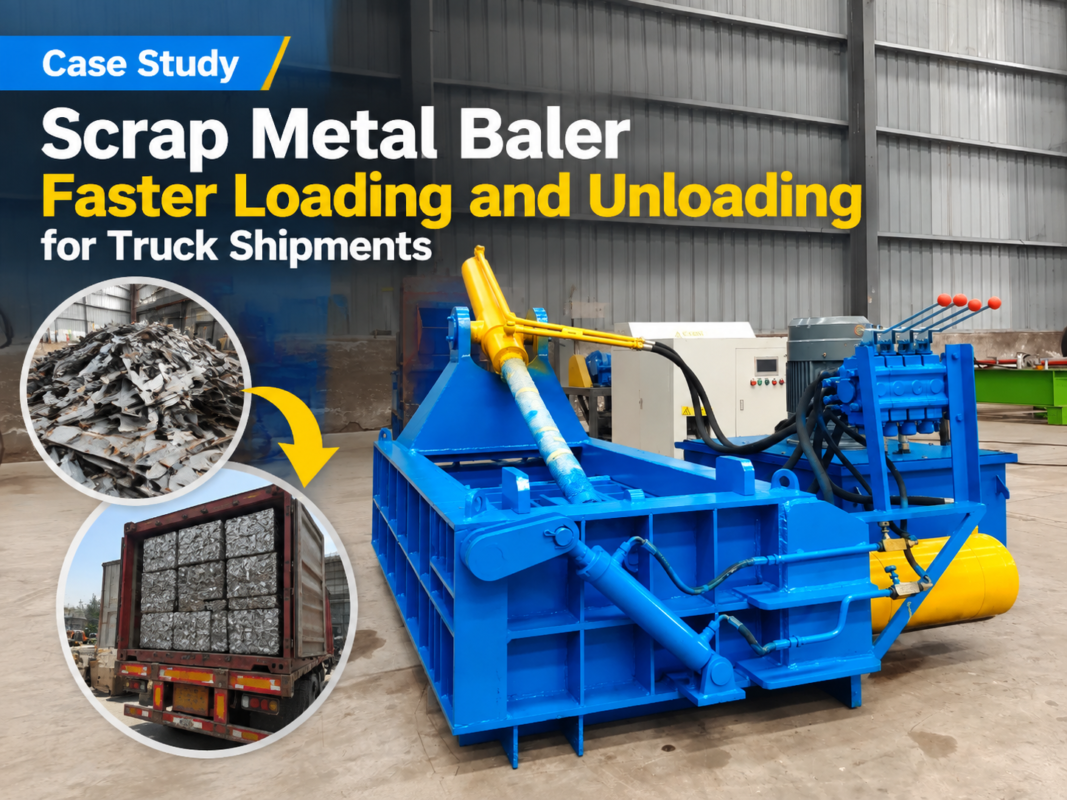
The second major scenario is transport optimization. Transporting loose scrap is essentially “shipping air.” Logistics costs are calculated by weight and volume; if a truck is full but under its weight limit because the scrap is too bulky, the cost per ton skyrockets. Balers ensure that every truckload is maximized to its weight capacity, significantly reducing the carbon footprint and fuel expenses of the recycling operation. Furthermore, steel mills and foundries prefer baled scrap because it is easier to handle with electromagnets and fits more efficiently into melting furnaces.
Material and Process Requirements for Automotive Scrap
Processing automotive scrap is more demanding than handling general industrial waste. The materials found in modern vehicles include Advanced High-Strength Steel (AHSS), which requires immense force to deform. To effectively utilize a scrap metal baler in this environment, several material and process requirements must be met:
- Material Segregation: Before baling, dismantling centers must separate ferrous metals (steel frames) from non-ferrous metals (aluminum hoods, copper radiators). Mixing these reduces the purity and market value of the final bale.
- Fluid Removal: It is a strict requirement that all oils, coolants, and fuels are drained. Residual fluids can cause environmental hazards during compaction and may lead to dangerous flare-ups when the bale is eventually melted in a furnace.
- Shearing Capabilities: Many automotive balers are equipped with integrated shear blades. This allows the machine to cut oversized pieces of the frame that might not fit into the compression chamber, ensuring a smooth workflow without manual pre-cutting.
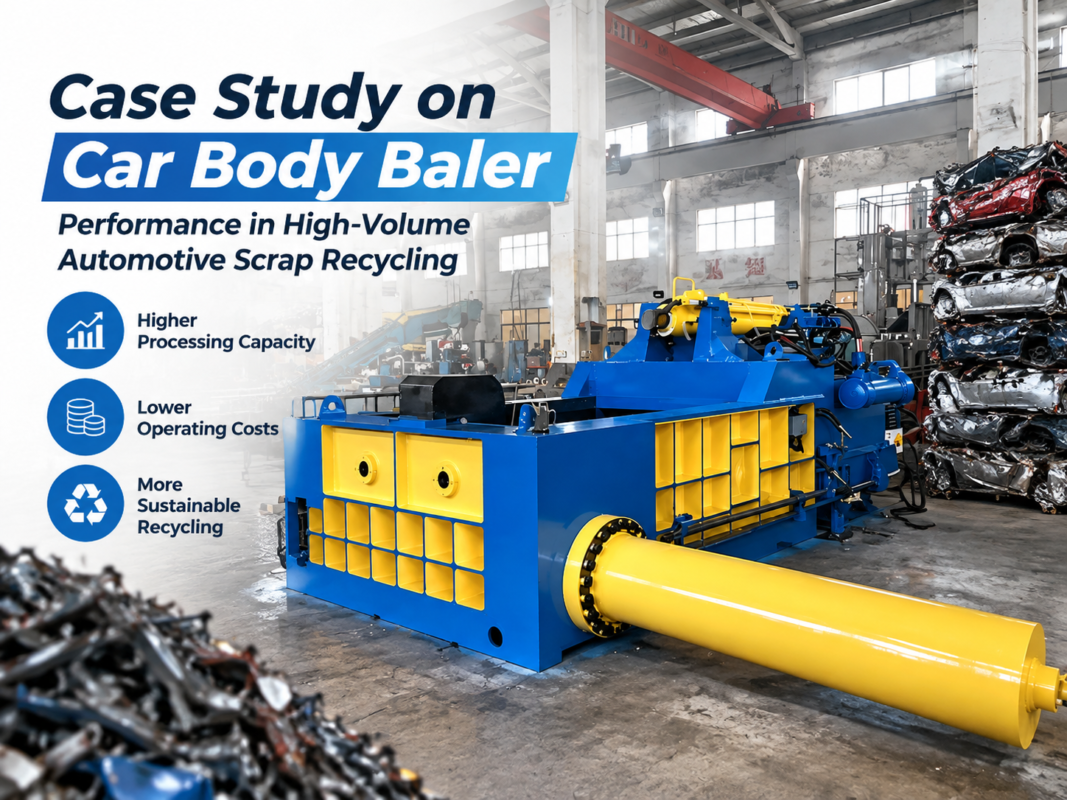
- Compaction Force: For automotive applications, a baler typically requires a nominal force ranging from 250 to 600 tons. This ensures that even the reinforced pillars and chassis rails of modern SUVs are crushed into a dense, solid block.
HARSLE machines are engineered to handle these diverse requirements. The use of wear-resistant plates, such as Hardox steel, inside the compression chamber is vital. Automotive scrap is abrasive; the constant friction of jagged metal against the chamber walls would quickly degrade standard steel. HARSLE’s focus on material durability ensures that the baler remains operational even under 24/7 heavy-duty cycles.
Recommended Machine Configuration for Automotive Recycling
Selecting the right configuration is critical for maximizing the Scrap Metal Baler Uses In Automotive Scrap Yards Dismantling Centers. A standard vertical baler is rarely sufficient for automotive scrap; instead, horizontal, multi-stage compression balers are the industry standard. HARSLE recommends the following configurations for high-volume dismantling centers:
1. Triple-Compression Hydraulic System
A triple-compression baler applies force from three directions: the lid (top-down), the side ram, and the main longitudinal ram. This ensures the highest possible density. For car shells, the side-squeeze function is particularly important as it narrows the wide chassis before the main ram pushes it into a final cube. This configuration prevents “spring-back,” where the metal tries to return to its original shape.
2. Large Chamber Dimensions
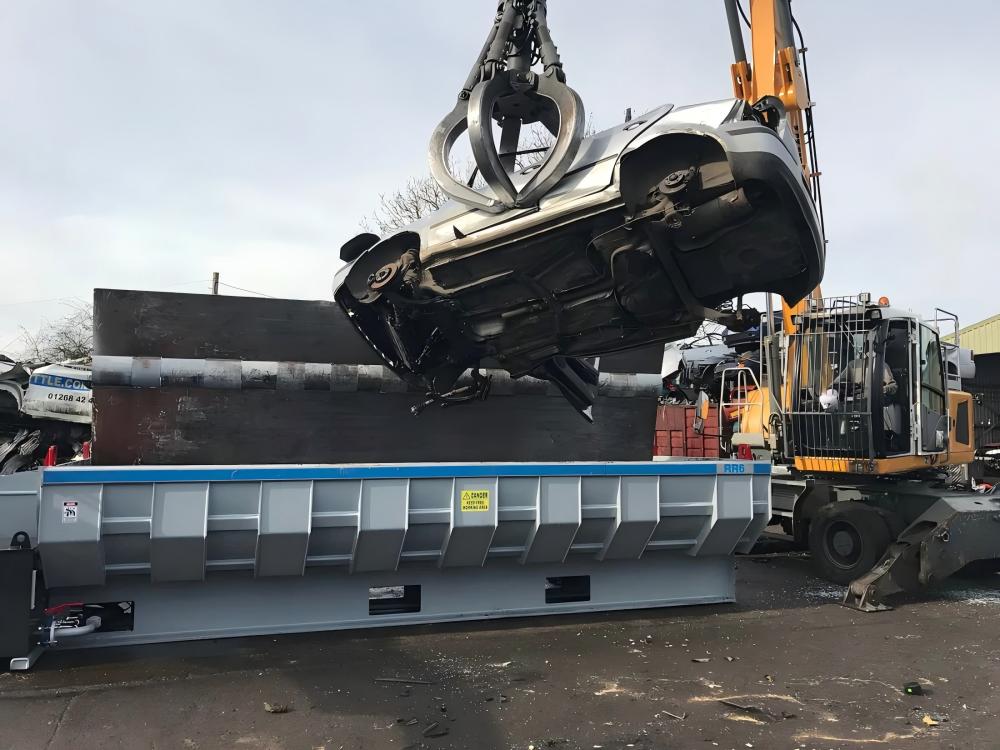
The feeding chamber must be large enough to accommodate a full-sized sedan or SUV frame without extensive pre-shredding. HARSLE’s automotive-grade balers often feature chambers exceeding 5 meters in length and 2 meters in width. This reduces labor costs, as operators can drop a whole shell into the machine using a crane or grapple loader.
3. PLC Automation and Remote Control
Modern dismantling centers prioritize safety and speed. A PLC (Programmable Logic Controller) allows for semi-automatic or fully automatic cycles. The operator can initiate the compression sequence from the safety of a crane cabin via remote control. Sensors monitor the pressure and position of the rams, ensuring the machine doesn’t over-stress its components if a particularly stubborn piece of scrap is encountered.
Workflow: From Vehicle Stripping to Final Bale
The workflow in an automotive scrap yard is a synchronized dance of heavy machinery. Integrating a HARSLE baler into this flow requires a clear understanding of the sequence of operations:
- Arrival and Inspection: The ELV is logged into the system, and hazardous materials (airbags, batteries) are identified.
- Dismantling and De-pollution: Fluids are drained using specialized vacuum systems. High-value parts (engines, alternators, starters) are removed for resale or specialized recycling.
- Loading: A hydraulic grab or magnet loader picks up the remaining shell and places it into the baler’s open hopper.
- Pre-Compression: The baler’s lid closes with massive force, acting as a primary shear and crusher. This initial step flattens the roof and pillars.
- Final Compaction: The side and main rams engage, squeezing the metal into a dense bale. HARSLE machines use high-pressure hydraulic pumps to maintain consistent force throughout this stage.
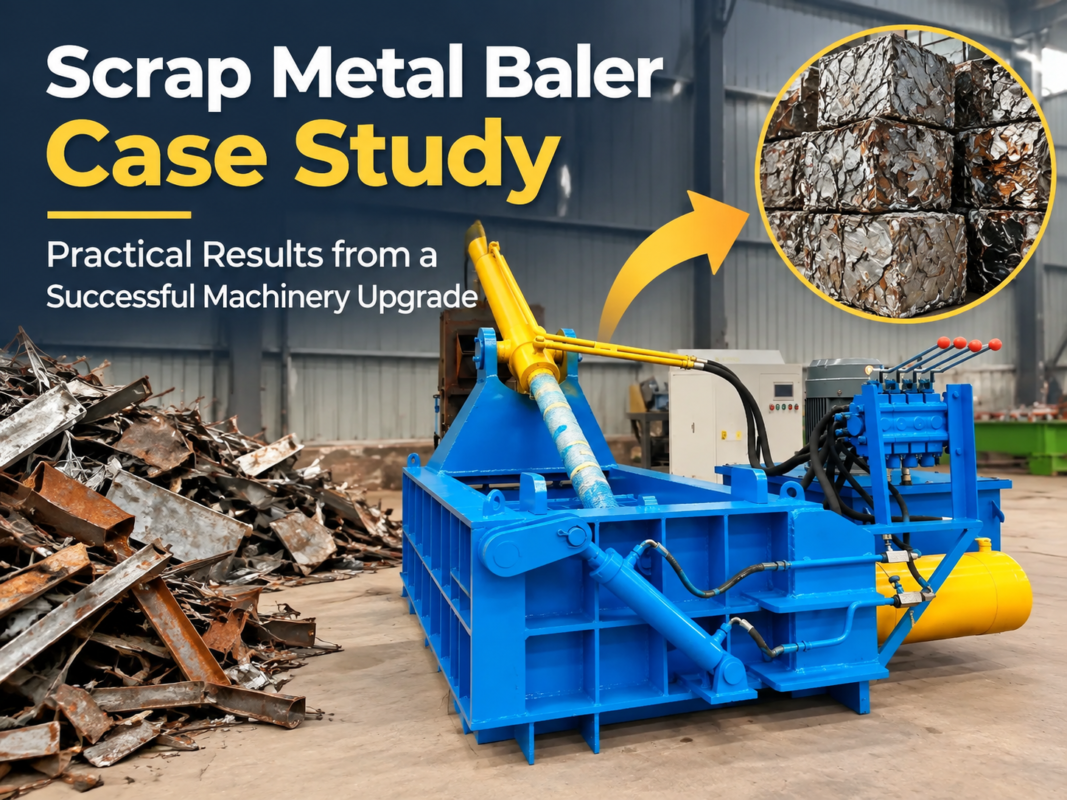
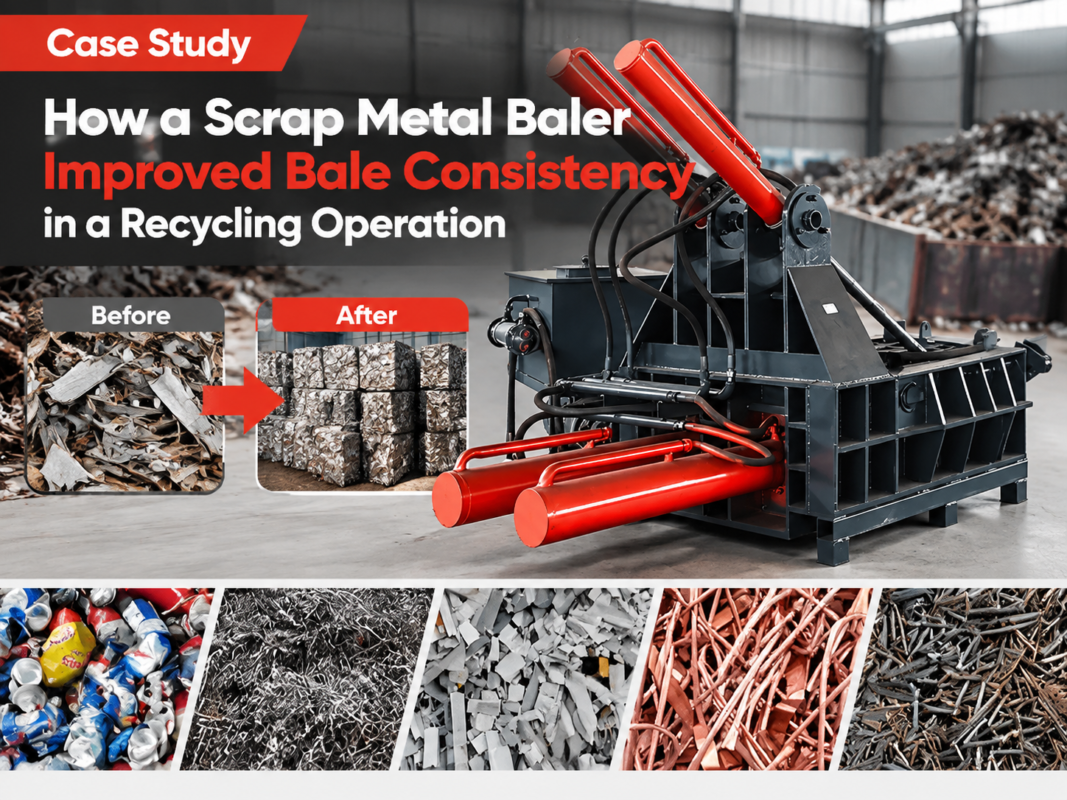
- Ejection: The bale is pushed out through a side gate or turned out of the chamber. The resulting bale is typically a 600mm x 600mm cube, though sizes vary by machine model.
Productivity Benefits and ROI
Investing in a high-quality scrap metal baler from HARSLE offers significant productivity benefits that lead to a rapid Return on Investment (ROI). The primary advantage is the increase in processing speed. A manual dismantling process is slow and labor-intensive. A baler can process a car shell every 2 to 5 minutes, allowing a yard to handle hundreds of vehicles per day.
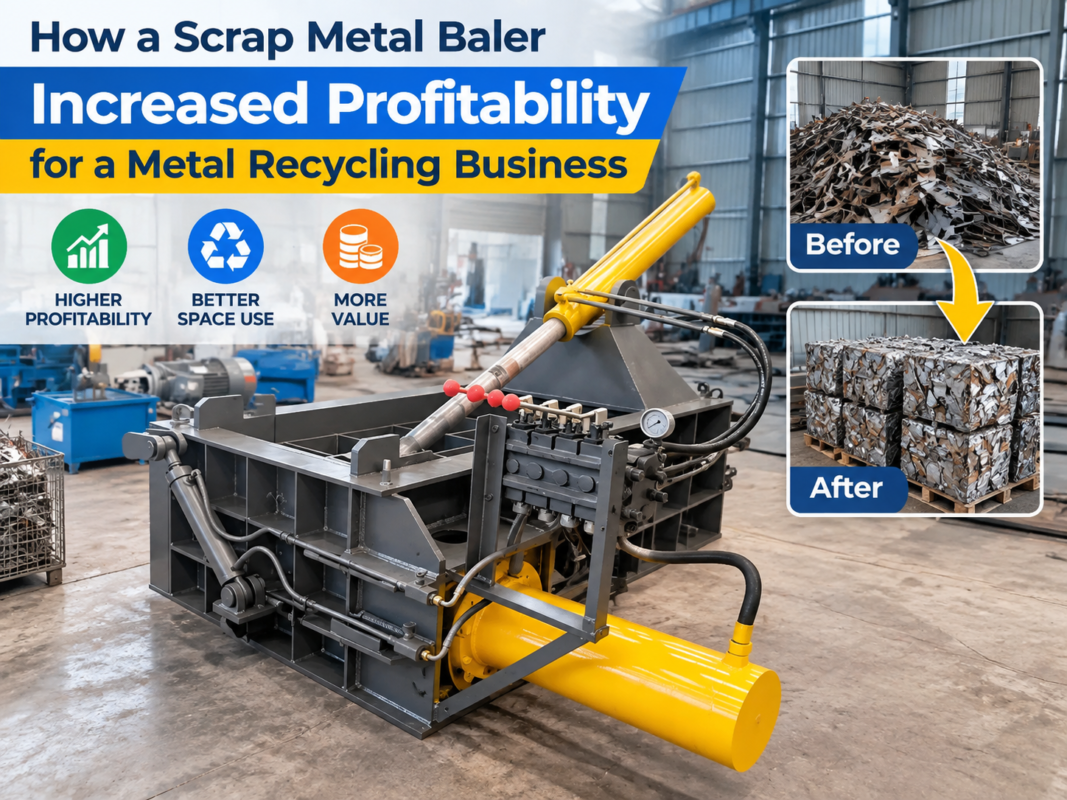
Furthermore, the market value of baled scrap is consistently higher than loose scrap. Steel mills prefer bales because they are “furnace-ready.” They provide a predictable melt yield and are easier to charge into the furnace, which reduces energy consumption during the steel-making process. By producing high-quality bales, dismantling centers can negotiate better pricing with foundries.
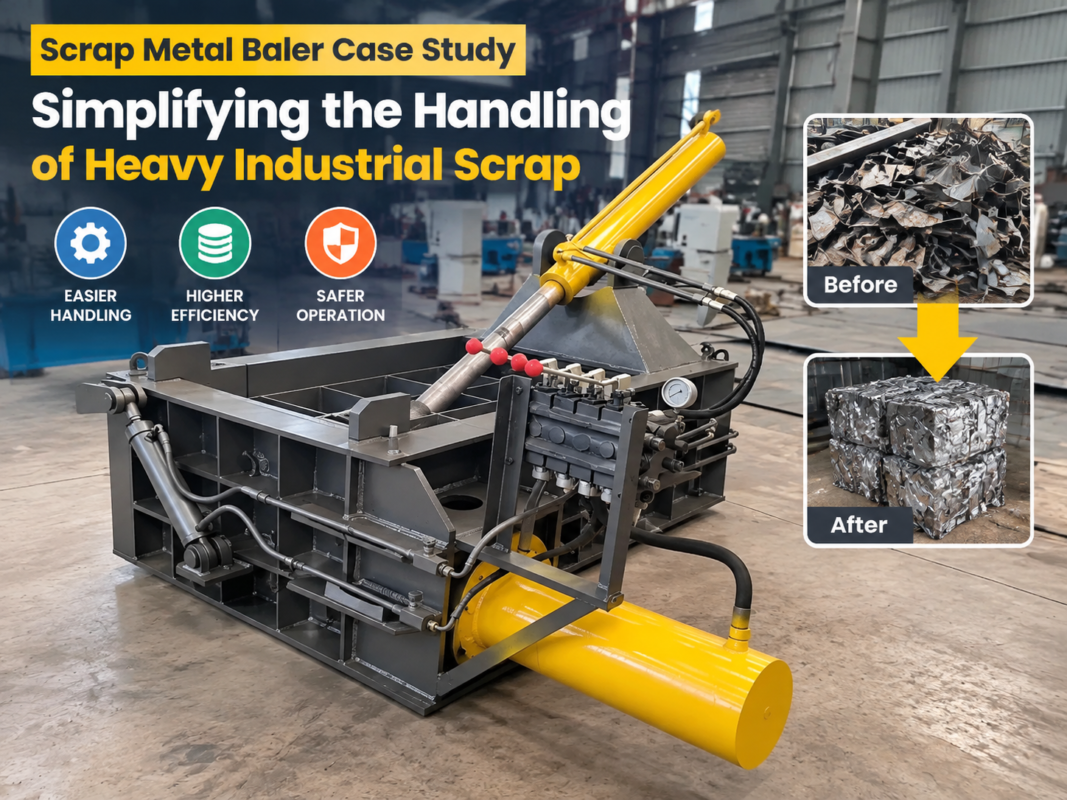
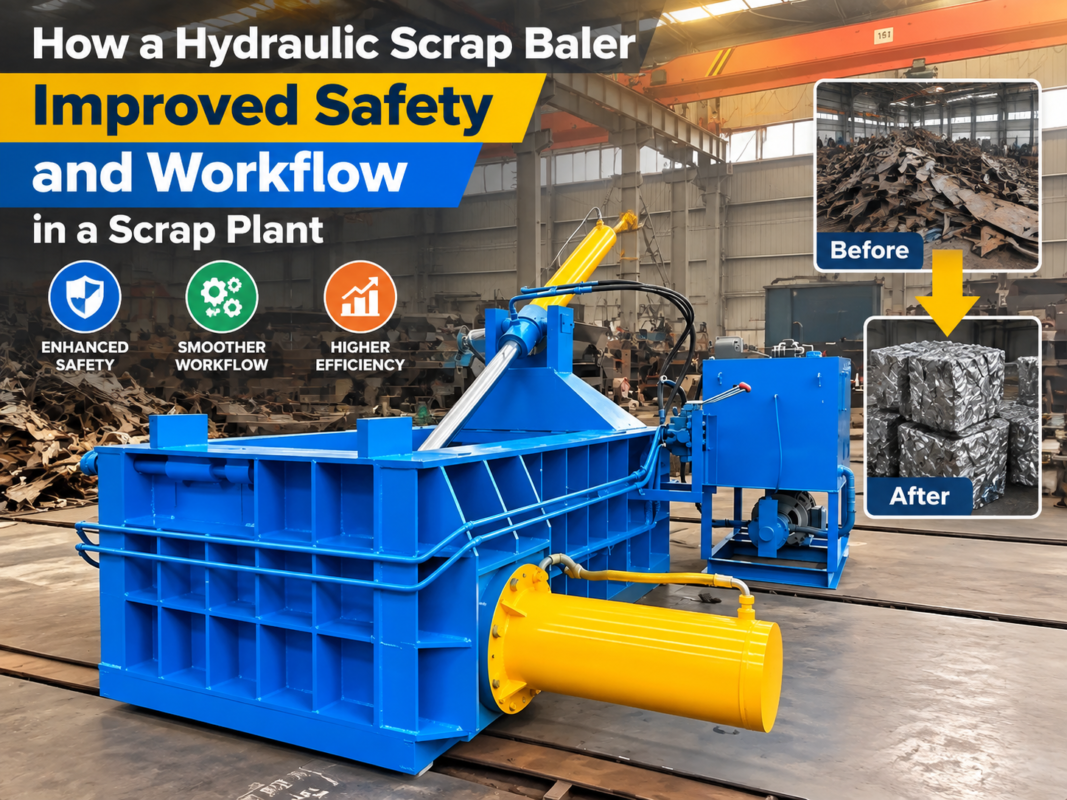
Operational safety is another major benefit. Loose scrap is dangerous to move; jagged edges and unstable piles lead to workplace injuries. Baled scrap is stable, stackable, and much safer to handle with standard forklifts or magnets. This reduction in workplace risk can lead to lower insurance premiums and a more organized, professional working environment.
Case Example: Upgrading a Regional Dismantling Center
Consider a regional dismantling center in Europe that was previously using a small, single-ram crusher. They were limited to processing 15 cars per day, and their transport costs were eating into 40% of their profit margins because they could only fit 8 tons of loose scrap on a 24-ton capacity trailer.
After consulting with HARSLE, they installed a Y81 series triple-compression scrap metal baler. The results were immediate:
- Throughput: Their capacity increased to 60 cars per day.
- Logistics: They were able to load the full 24 tons onto every trailer, reducing the number of required trips by 66%.
- Labor: The automated PLC system allowed one operator to manage the loading and baling process, freeing up two other staff members for more detailed component dismantling.
- Revenue: The facility began receiving a $20/ton premium for their high-density bales compared to their previous loose scrap price.
Maintenance and Longevity of Automotive Balers
To ensure the long-term success of Scrap Metal Baler Uses In Automotive Scrap Yards Dismantling Centers, a strict maintenance schedule is required. Automotive scrap is particularly punishing on hydraulic systems due to the dust and debris generated during crushing.
HARSLE recommends daily inspections of hydraulic seals and hose connections. The hydraulic oil must be kept clean; even microscopic metal particles can cause premature wear on the high-pressure pumps. Most HARSLE balers include integrated oil cooling and filtration systems to mitigate this risk. Additionally, the wear plates inside the chamber should be checked weekly. While they are designed to last, the high-impact nature of automotive recycling means they will eventually need replacement to protect the structural integrity of the machine frame.
Frequently Asked Questions (FAQ)
What is the best type of baler for a small automotive scrap yard?
For smaller yards, a side-push or turn-out baler with a 250-ton force is often sufficient. It provides a balance between footprint, power consumption, and the ability to process standard passenger vehicles.
Can a scrap metal baler handle engine blocks?
While some heavy-duty balers can crush engine blocks, it is generally recommended to remove them first. Engine blocks are high-value cast iron or aluminum and should be recycled separately. Furthermore, the extreme hardness of an engine block can cause unnecessary wear on the baler’s rams.
How much space is needed to install a HARSLE automotive baler?
The machine itself requires a footprint of approximately 30 to 50 square meters, but you must also account for the loading area, bale storage, and the swing radius of the crane or loader. A total dedicated area of 150-200 square meters is ideal.
Does the baler require a special foundation?
Yes, due to the immense pressure and vibration, a reinforced concrete foundation is necessary. HARSLE provides detailed foundation drawings for every machine to ensure a safe and stable installation.
Conclusion: Partnering with HARSLE for Recycling Excellence
The Scrap Metal Baler Uses In Automotive Scrap Yards Dismantling Centers are diverse and impactful. From solving logistical nightmares to increasing the market value of scrap, these machines are indispensable tools in the modern circular economy. HARSLE’s commitment to engineering excellence ensures that our scrap metal balers provide the durability, power, and efficiency required to thrive in the demanding environment of automotive recycling.
By choosing HARSLE, you are not just buying a machine; you are investing in a solution that streamlines your workflow and boosts your bottom line. Our team of experts is ready to help you select the perfect configuration for your facility’s specific needs.
Ready to Optimize Your Scrap Yard?
Contact HARSLE today to discuss our range of hydraulic scrap metal balers. Whether you are a small dismantling center or a large-scale industrial recycler, we have the equipment to help you succeed. Visit our website or call our technical sales team for a custom quote.
HARSLE – Precision, Power, and Performance in Metal Fabrication.