Industrial Benefits of Using a Hydraulic Briquetting Machine for Scrap Reduction

Introduction to Metal Scrap Management and Briquetting Technology
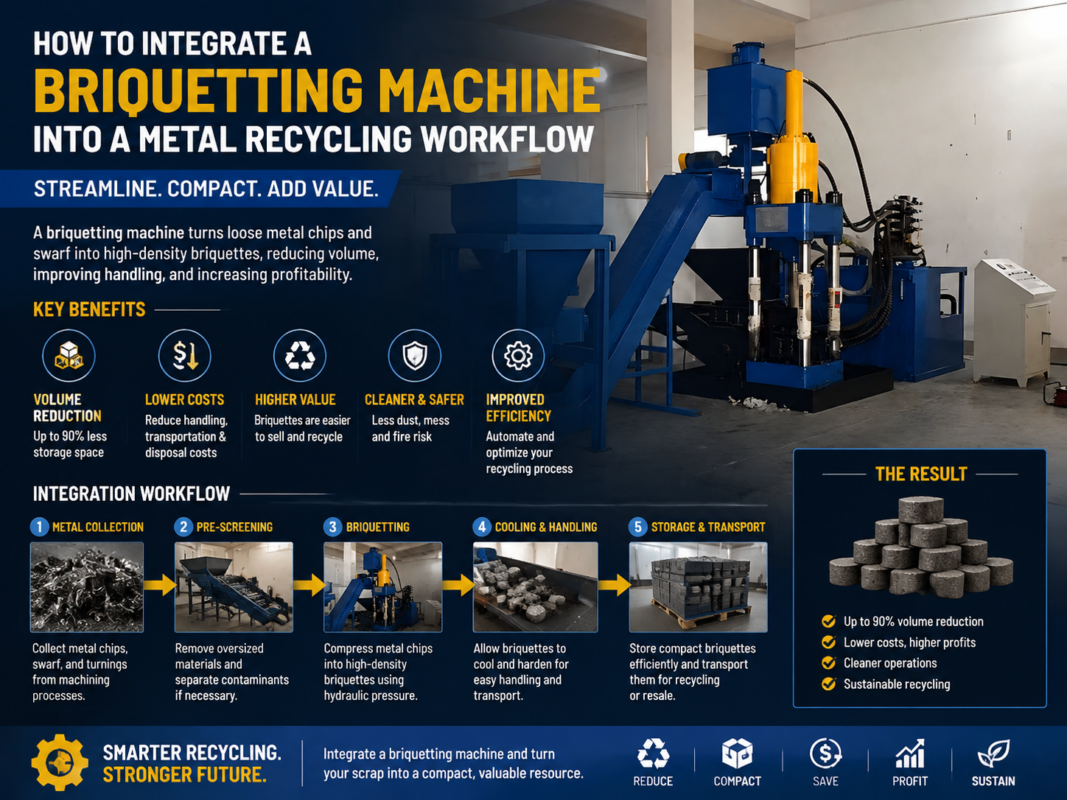
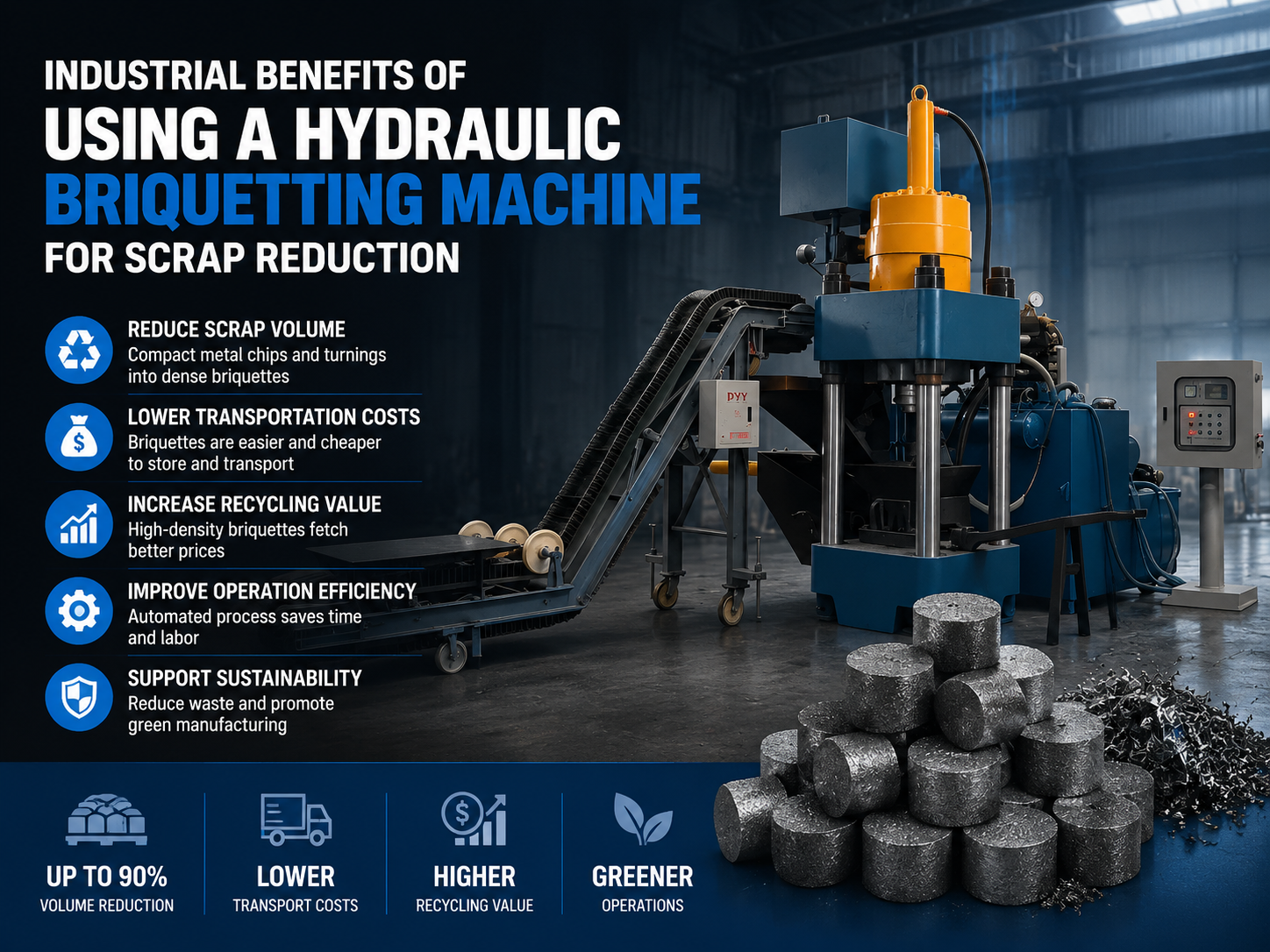
In the modern landscape of high-precision manufacturing, the generation of metal waste is an unavoidable byproduct. Whether it is from CNC milling, turning, or grinding operations, the accumulation of metal chips, turnings, and filings presents a significant logistical and economic challenge for industrial facilities. The Industrial Benefits Of Using A Hydraulic Briquetting Machine Scrap Reduction strategy has become a cornerstone for companies looking to optimize their waste streams and improve their bottom line. A hydraulic briquetting machine works by applying immense pressure to loose metal scrap, transforming it into dense, manageable blocks known as briquettes.
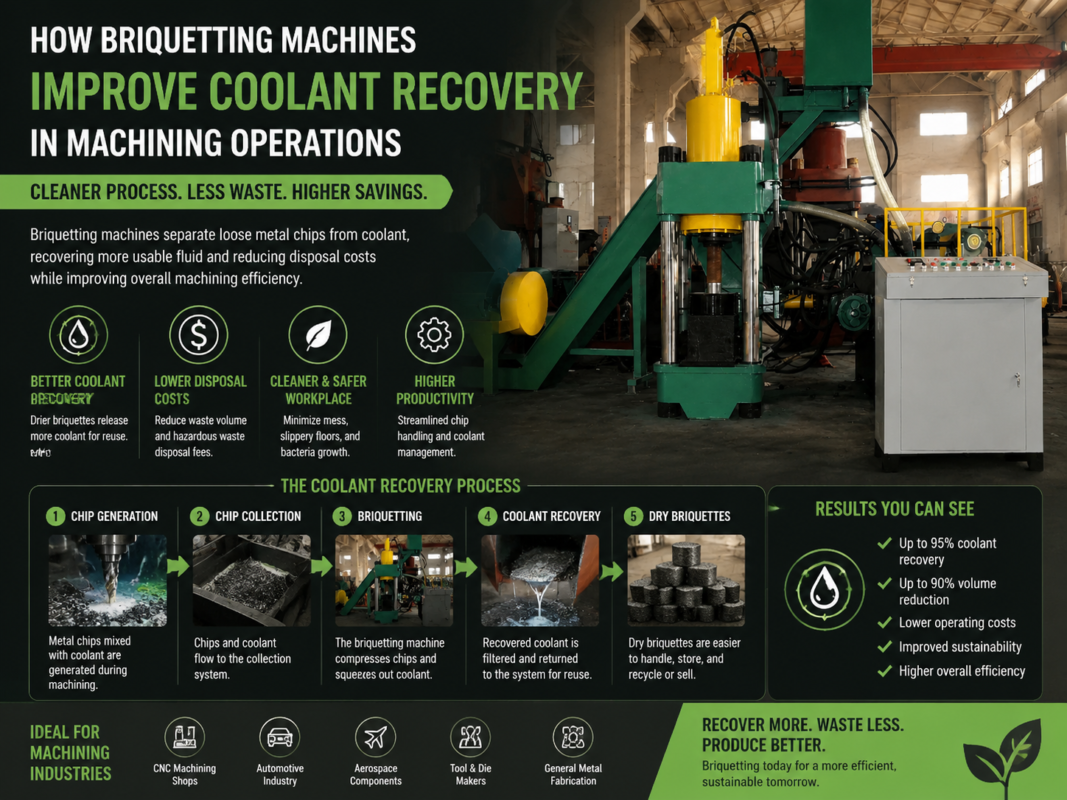
For decades, many workshops treated metal chips as a low-value nuisance, often paying for their removal or selling them at a fraction of their potential value. However, with the advancement of hydraulic technology by industry leaders like HARSLE, the paradigm has shifted. By compressing these materials, manufacturers can achieve a volume reduction of up to 90%, drastically lowering storage and transportation costs. Furthermore, the process allows for the recovery of expensive cutting fluids and oils that are often trapped within the loose scrap, providing an immediate return on investment.
This article explores the multifaceted Industrial Benefits Of Using A Hydraulic Briquetting Machine Scrap Reduction, detailing how this technology enhances operational efficiency, promotes environmental sustainability, and increases the market value of recycled materials. From the technical mechanics of the hydraulic press to the strategic selection of equipment, we provide a comprehensive guide for industrial professionals seeking to modernize their scrap management protocols.
Key Considerations: Why Invest in Scrap Reduction?
1. Drastic Volume Reduction and Storage Optimization
One of the most immediate Industrial Benefits Of Using A Hydraulic Briquetting Machine Scrap Reduction is the physical transformation of the waste. Loose metal turnings are notoriously bulky and difficult to handle. They occupy vast amounts of floor space in the factory, often requiring multiple large bins that clutter the production area. By utilizing a hydraulic briquetting machine, these turnings are compressed into small, high-density cylinders. This reduction in volume means that what once required ten containers can now fit into one, freeing up valuable square footage for production machinery or inventory.
Furthermore, the compact nature of briquettes makes them much easier to transport. Logistics costs are often calculated by volume as much as weight; by maximizing the density of the load, companies can significantly reduce the number of truck trips required to move scrap to a recycling facility. This not only saves money on fuel and labor but also reduces the carbon footprint associated with waste logistics.
2. Enhanced Resale Value and Smelting Efficiency
Recycling centers and foundries value briquettes far more than loose chips. When loose metal chips are fed into a furnace, their high surface-area-to-volume ratio leads to significant oxidation and “burn-off.” In many cases, up to 20-30% of the metal can be lost to the atmosphere as dross or slag during the melting process. In contrast, briquettes are dense enough to sink below the surface of the molten metal bath, where they melt efficiently with minimal oxidation loss. Because of this higher yield, foundries are willing to pay a premium for briquetted scrap, often categorizing it as high-grade material.
3. Coolant Recovery and Environmental Compliance
Metal chips produced during machining are typically saturated with cutting oils or water-based coolants. When these chips are stored in open bins, the fluids leak onto the factory floor, creating slip hazards and environmental contamination risks. A hydraulic briquetting machine acts as a secondary extraction tool; as the metal is compressed, the fluids are squeezed out and collected in a dedicated reservoir. This recovered coolant can often be filtered and reused in the production line, saving thousands of dollars in annual fluid procurement costs. Additionally, it ensures that the scrap sent to the recycler is “dry,” meeting strict environmental regulations and avoiding potential fines for hazardous waste transport.
4. Improved Workplace Safety and Hygiene
Loose metal shavings are sharp, oily, and dangerous to handle manually. They can cause lacerations and are difficult to clean up if spilled. By automating the scrap collection and briquetting process, workers have minimal contact with raw waste. The briquettes themselves are smooth and easy to stack, creating a much cleaner and safer working environment. This reduction in manual handling also lowers the risk of workplace injuries, contributing to a better safety record and lower insurance premiums.
Technical Details: How Hydraulic Briquetting Machines Work
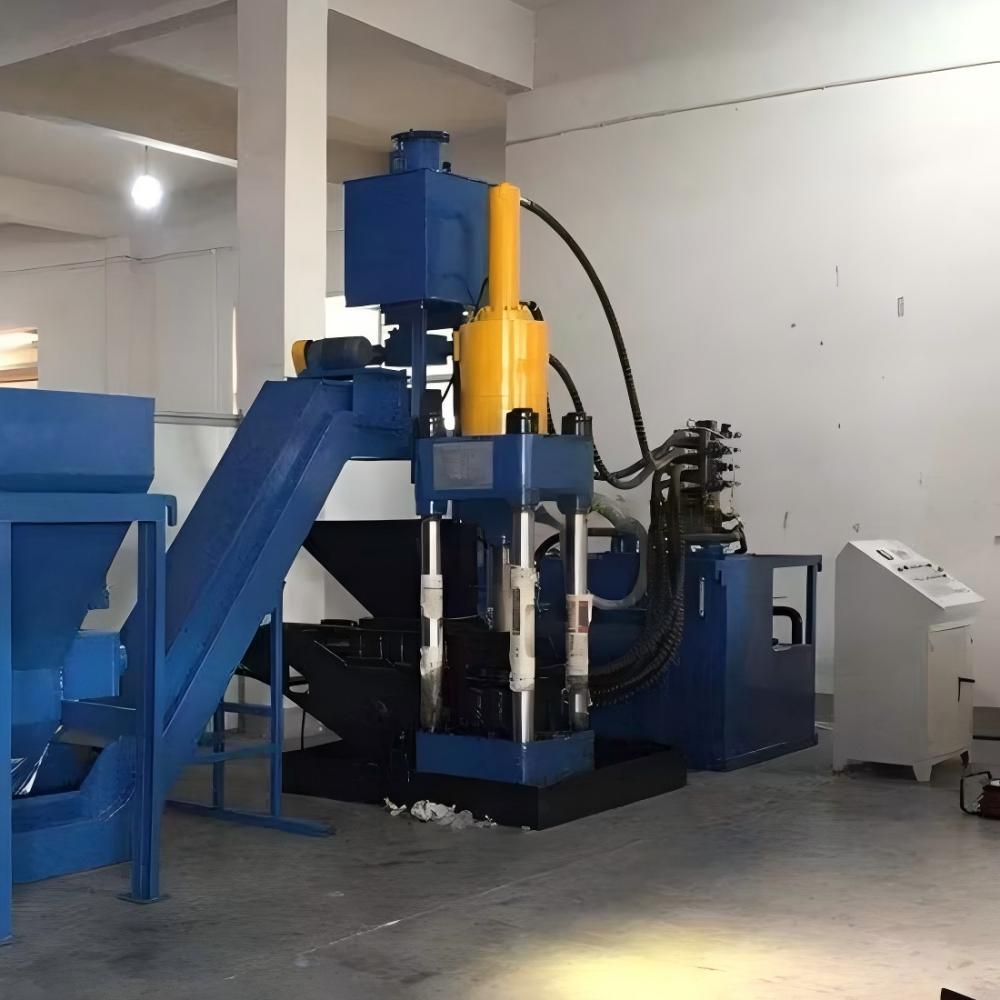
The core of the Industrial Benefits Of Using A Hydraulic Briquetting Machine Scrap Reduction lies in the physics of hydraulic force. These machines are engineered to deliver consistent, high-pressure cycles that can handle various metals, including aluminum, steel, cast iron, copper, and brass. Understanding the technical components is essential for maximizing the machine’s performance.
The Hydraulic Power Unit (HPU)
The heart of the machine is the hydraulic system, consisting of a high-pressure pump, a motor, and a series of valves. HARSLE machines utilize advanced hydraulic circuits designed for high-speed operation and energy efficiency. The system generates the force necessary to overcome the structural integrity of the metal chips, forcing them into a solid form. Modern machines often feature variable displacement pumps that adjust the flow based on the resistance encountered, reducing energy consumption during the idle phases of the cycle.
The Compression Chamber and Tooling
The compression process usually occurs in two or three stages. First, a pre-compression cylinder pushes the loose material into the main chamber. Then, the main pressing cylinder applies the final force (often exceeding 200 MPa) against a fixed die or a sliding gate. The quality of the tooling—the molds and punches—is critical. These components are made from high-strength, wear-resistant alloy steels to withstand the abrasive nature of metal chips and the extreme pressures of the cycle.
| Feature | Technical Specification | Industrial Benefit |
|---|---|---|
| Nominal Force | 1000kN – 6000kN | Ensures high-density briquettes for all metal types. |
| Briquette Density | Up to 85% of solid metal | Maximizes resale value and minimizes oxidation. |
| Control System | PLC with Touch Screen | Allows for automated, unattended operation. |
| Coolant Recovery | Integrated Drainage System | Reduces fluid costs and environmental impact. |
Automation and PLC Integration
To achieve the full Industrial Benefits Of Using A Hydraulic Briquetting Machine Scrap Reduction, the machine must be integrated into the factory’s workflow. HARSLE briquetting presses are equipped with PLC (Programmable Logic Controller) systems that manage the entire cycle. Sensors monitor the level of scrap in the hopper, automatically starting the machine when it is full and stopping it when empty. This allows for 24/7 operation without the need for a dedicated operator, further enhancing the ROI.
Selection Advice: Choosing the Right Machine for Your Facility
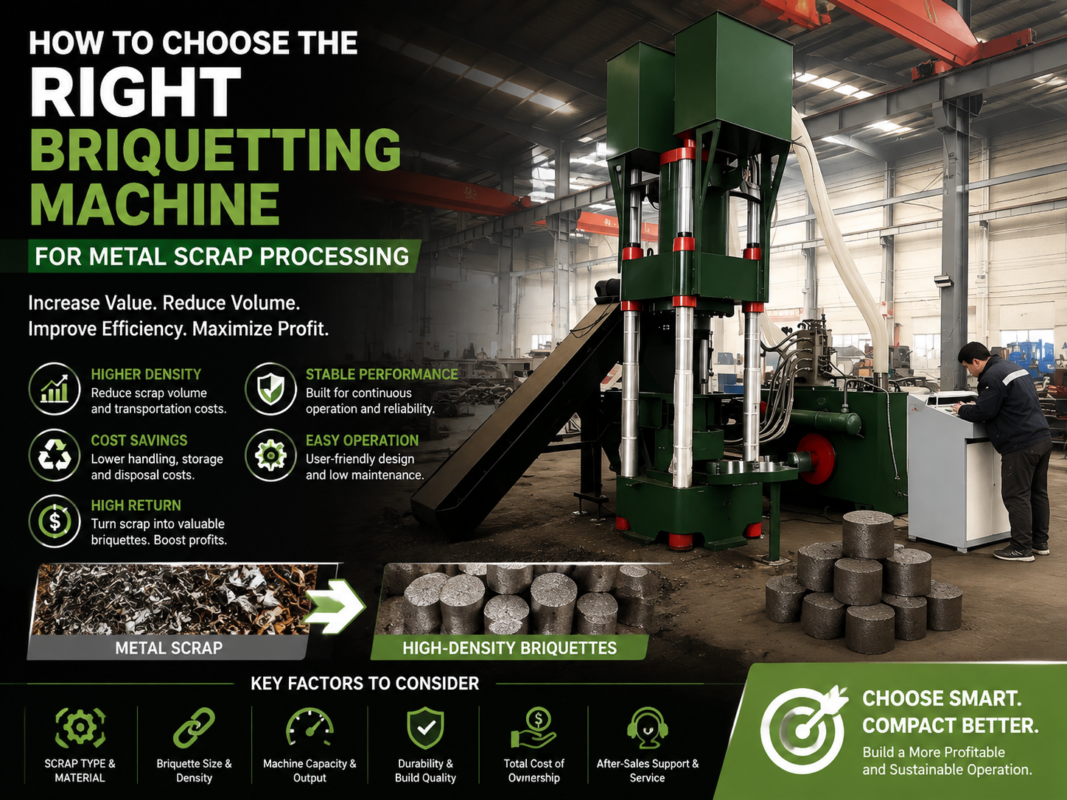
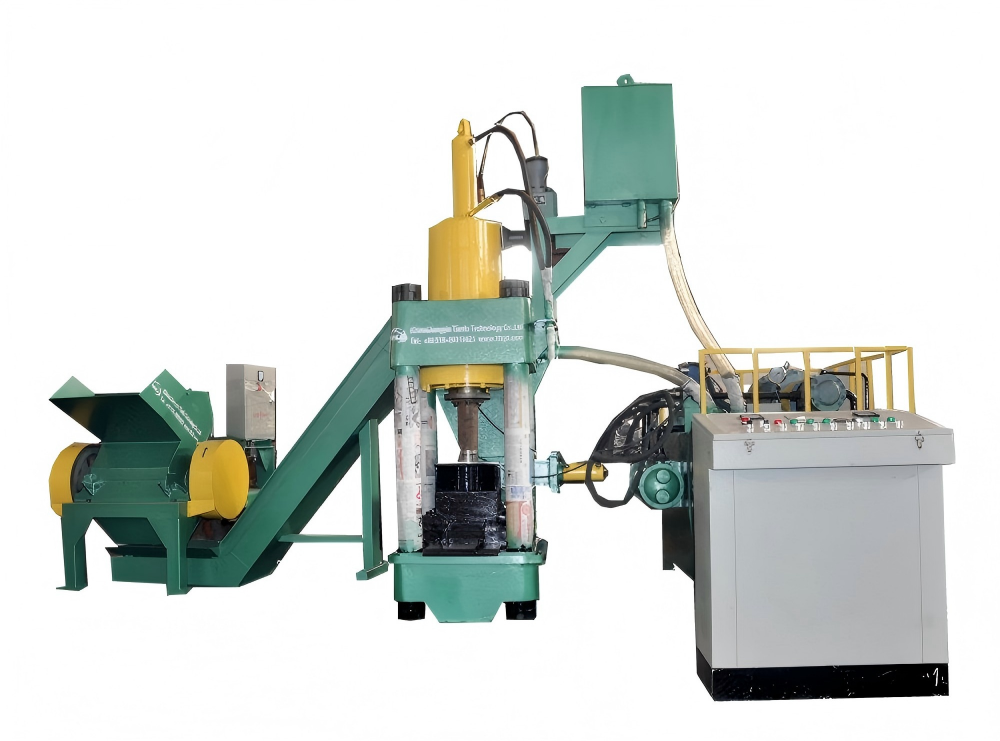
Selecting the appropriate hydraulic briquetting machine requires a careful analysis of your specific scrap profile and production volume. Not all machines are created equal, and choosing the wrong specifications can lead to inefficiencies or premature wear.
1. Material Type and Characteristics
The type of metal you process is the most important factor. For example, aluminum chips are lightweight and require a different compression ratio than heavy steel turnings. Cast iron dust is extremely abrasive and requires specialized seals and hardened components to prevent damage to the hydraulic cylinders. If you process multiple types of metal, you may need a machine with adjustable pressure settings or separate machines to avoid cross-contamination of the scrap.
2. Throughput Requirements
Calculate the volume of scrap your facility generates per hour or per shift. Briquetting machines are rated by their hourly output (e.g., 500 kg/h or 2000 kg/h). It is generally advisable to choose a machine with a capacity slightly higher than your peak generation rate to account for future growth and to ensure the machine isn’t constantly running at its absolute limit, which can shorten its lifespan.
3. Briquette Size and Shape
The diameter and length of the briquette can impact how it is handled by your recycler or your own foundry. Standard diameters range from 60mm to 150mm. Smaller briquettes are often easier to convey using automated systems, while larger briquettes offer better density for heavy melting applications. Consult with your scrap buyer to determine if they have a preferred size that commands a higher price.
4. Maintenance and Support
Like any heavy industrial equipment, a briquetting press requires regular maintenance. Look for machines designed with accessibility in mind—easy access to hydraulic filters, oil reservoirs, and wear parts. Choosing a reputable manufacturer like HARSLE ensures that you have access to technical support, spare parts, and expert guidance to keep your scrap reduction program running smoothly.
Frequently Asked Questions (FAQ)
What is the typical ROI for a hydraulic briquetting machine?
The Return on Investment (ROI) typically ranges from 6 to 18 months, depending on the volume of scrap generated, the current market price for briquettes versus loose chips, and the amount of coolant recovered. For high-volume facilities, the savings in logistics and fluid recovery alone can pay for the machine within the first year.
Can the machine handle wet and dry scrap?
Yes, hydraulic briquetting machines are designed to handle scrap that is saturated with coolants or oils. The integrated drainage system collects the fluids as they are squeezed out during the compression cycle. However, if the scrap is excessively wet, it may require a slightly longer cycle time to ensure maximum fluid extraction.
Is it possible to briquette non-metallic materials?
While this article focuses on the Industrial Benefits Of Using A Hydraulic Briquetting Machine Scrap Reduction for metals, hydraulic presses can also be configured for other materials such as wood chips, biomass, and certain plastics. However, the internal components and pressure settings must be specifically tailored to the material’s density and binding properties.
How much maintenance does the machine require?
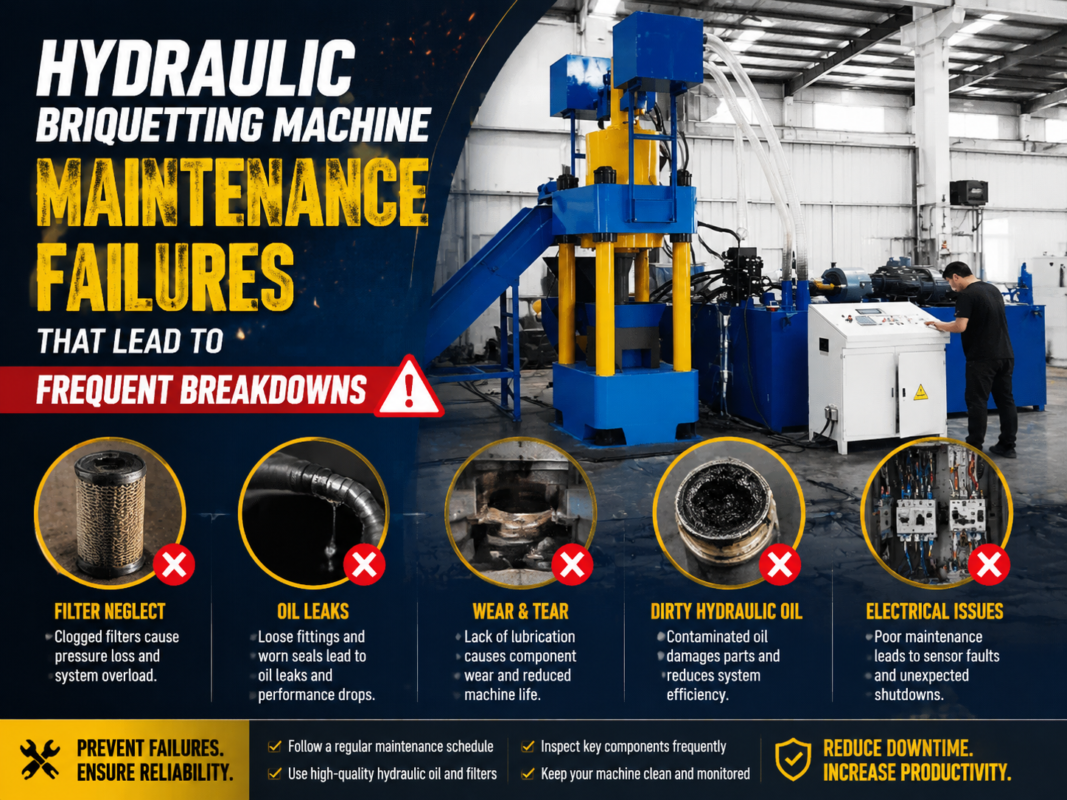
Routine maintenance includes checking hydraulic oil levels, replacing filters, and inspecting wear plates and punches. Because metal chips can be abrasive, the compression chamber components should be checked regularly for signs of wear. Modern HARSLE machines include self-diagnostic features that alert operators to maintenance needs.
Does briquetting change the chemical composition of the metal?
No, the briquetting process is a mechanical cold-forming operation. It does not involve heat that would change the metallurgical properties of the scrap. This ensures that the briquettes remain a high-quality raw material for smelting.
Conclusion: The Future of Sustainable Scrap Management
The Industrial Benefits Of Using A Hydraulic Briquetting Machine Scrap Reduction are clear and compelling. By transforming a bulky, low-value waste product into a dense, high-value commodity, manufacturers can unlock significant economic potential while simultaneously improving their environmental footprint. The reduction in storage space, the recovery of expensive coolants, and the increased resale value of the metal all contribute to a more efficient and profitable operation.
As global industries move toward “Circular Economy” models, the ability to recycle and reuse materials on-site becomes a competitive advantage. Investing in a HARSLE hydraulic briquetting machine is not just a purchase of equipment; it is a strategic commitment to operational excellence and sustainability. Whether you are a small machine shop or a large-scale automotive manufacturer, the integration of briquetting technology is a proven path to reducing waste and maximizing resources in the modern industrial era.
By choosing the right equipment and understanding the technical nuances of the process, your facility can turn the challenge of scrap management into a streamlined, automated, and highly profitable part of your production cycle. The future of metal fabrication is lean, clean, and efficient—and hydraulic briquetting is the key to unlocking that potential.