Hydraulic Briquetting Machine Seal Maintenance: What to Check and When

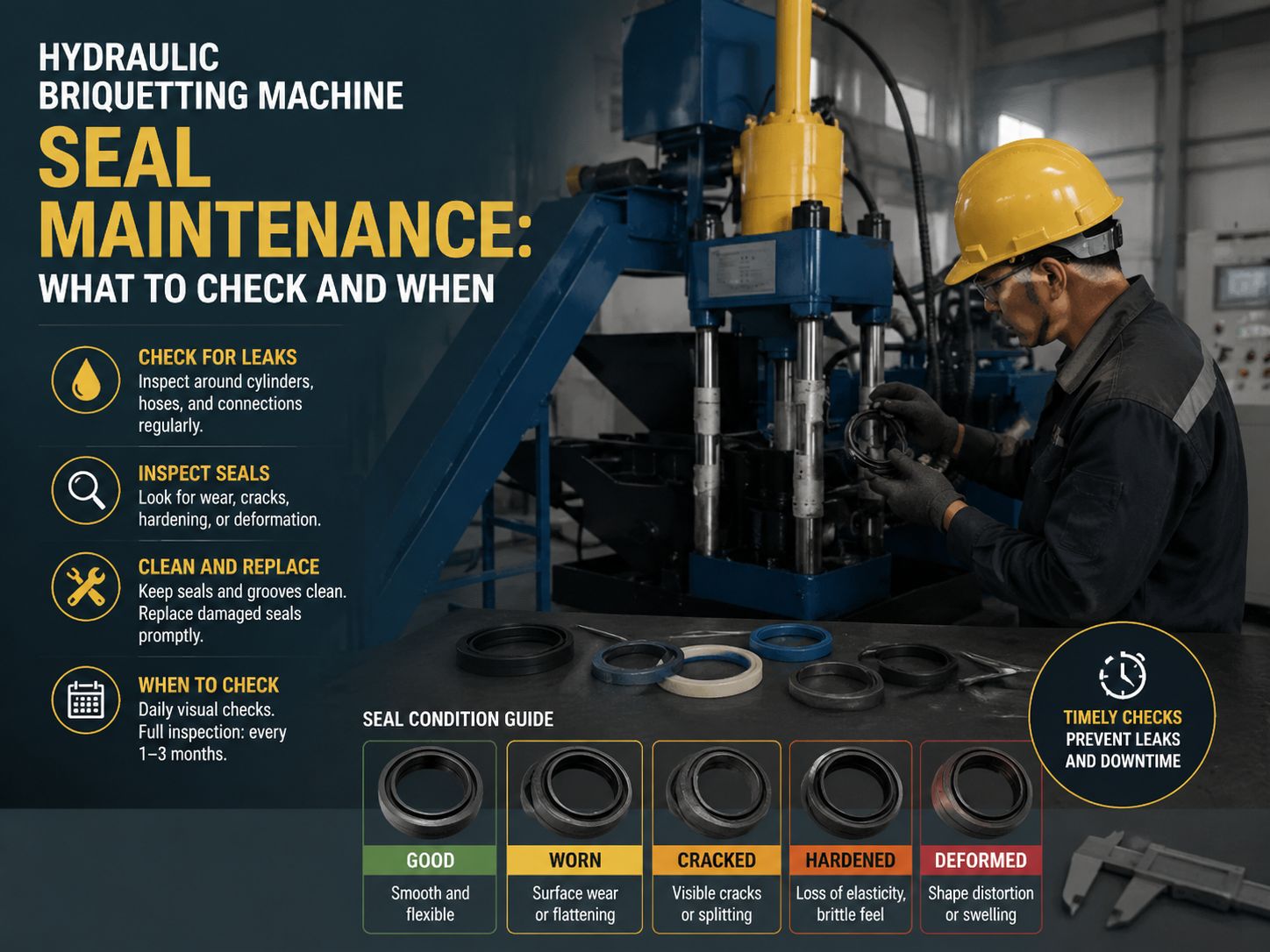
The Critical Role of Seal Integrity in Hydraulic Briquetting
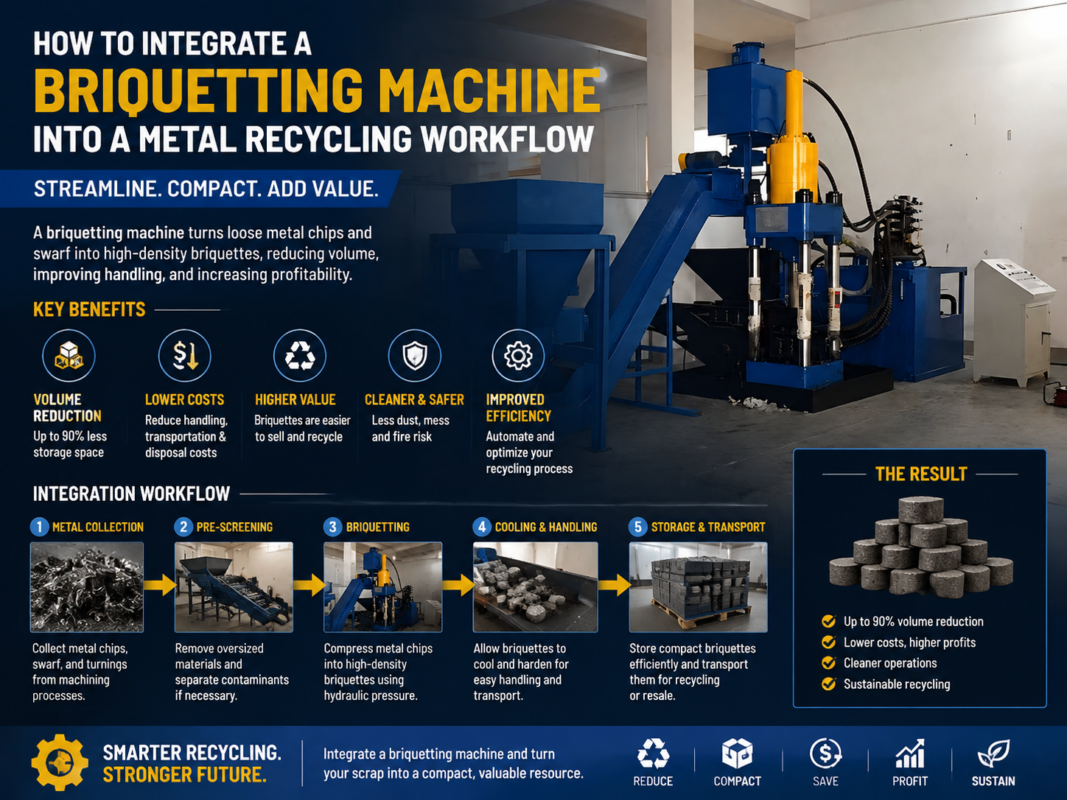
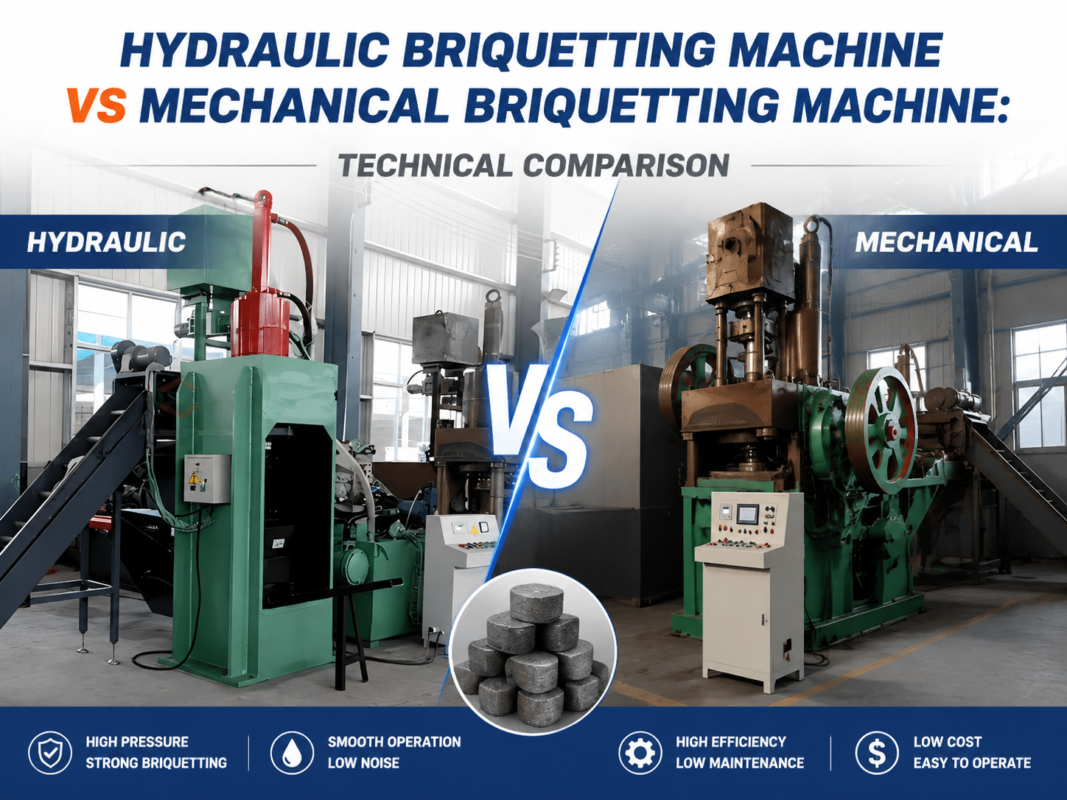
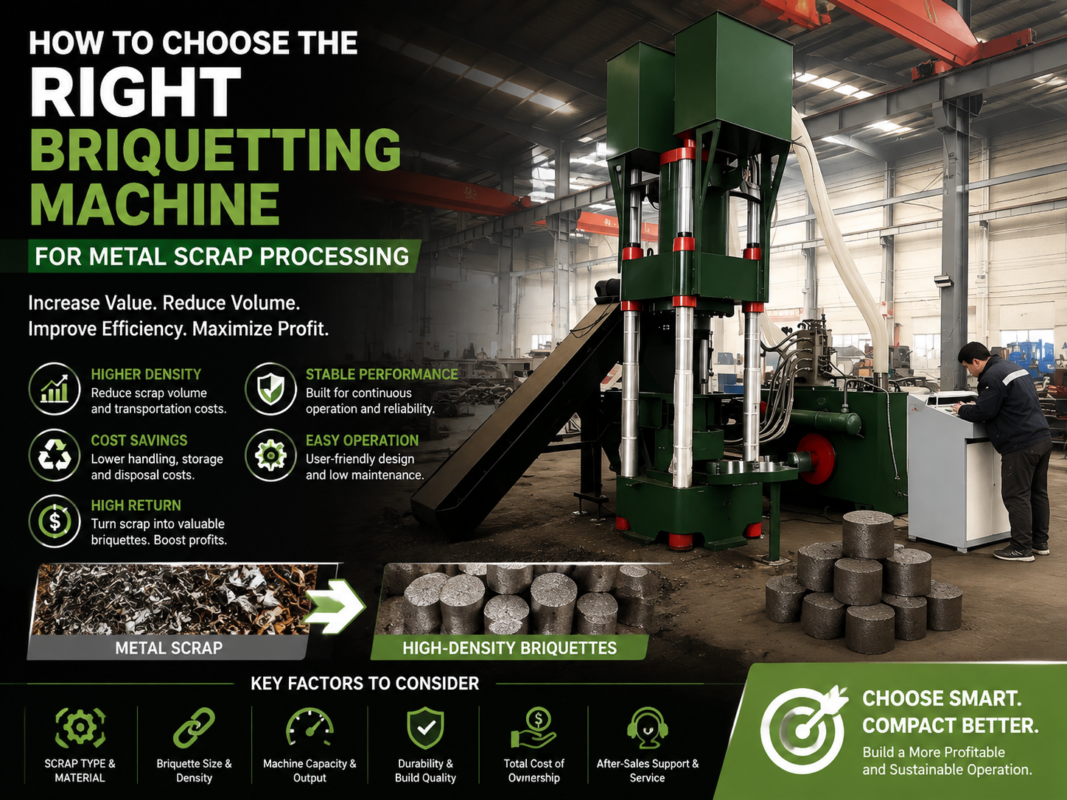
In the world of metal recycling and waste management, the hydraulic briquetting machine stands as a cornerstone of efficiency. These machines, such as those engineered by HARSLE, are designed to exert immense pressure to transform loose metal chips, shavings, and turnings into dense, manageable briquettes. However, the heart of this power lies within the hydraulic system, and the guardians of that power are the seals. Understanding Hydraulic Briquetting Machine Seal Maintenance: Check When and how to perform it is not merely a suggestion; it is a requirement for operational longevity and safety.
Seals in a hydraulic briquetting machine serve multiple purposes. They prevent the leakage of high-pressure hydraulic fluid, exclude contaminants like dust and metal particles from entering the system, and maintain the internal pressure necessary to achieve the required briquette density. When a seal fails, the machine loses efficiency, energy consumption spikes, and the risk of environmental contamination or catastrophic mechanical failure increases. For industrial operators, a proactive approach to seal maintenance is the difference between a profitable shift and an expensive week of downtime.
The environment in which these machines operate is often harsh. Metal fabrication shops are filled with abrasive dust, fluctuating temperatures, and heavy vibrations. These factors contribute to the gradual degradation of seal materials, such as Nitrile (NBR), Polyurethane (PU), or Viton. Over time, heat causes seals to harden and crack, while friction leads to thinning and tearing. By adhering to a strict maintenance schedule, operators can identify these issues before they lead to a total system shutdown.
Why Maintenance Importance Cannot Be Overstated
The importance of seal maintenance extends beyond simple leak prevention. In a high-performance HARSLE hydraulic briquetting machine, the precision of the stroke and the consistency of the pressure are paramount. Even a minor internal leak—where fluid bypasses a piston seal inside a cylinder—can result in inconsistent briquette size and density. This “silent” failure often goes unnoticed until the quality of the output drops significantly, leading to wasted material and dissatisfied scrap buyers.
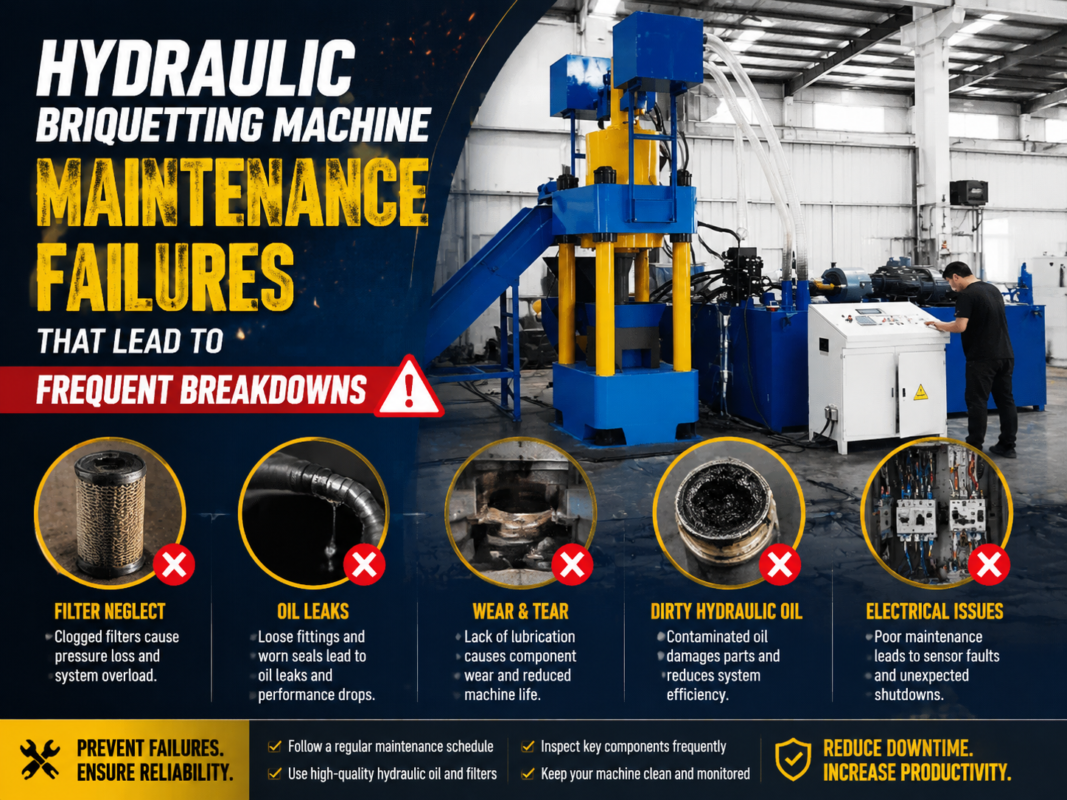
Furthermore, hydraulic fluid is expensive. A slow drip might seem inconsequential, but over months of 24/7 operation, it can result in hundreds of gallons of wasted oil. This not only impacts the bottom line but also creates a slip hazard in the facility and requires costly environmental cleanup. Regular inspection of seals ensures that the hydraulic circuit remains closed and efficient, preserving the life of the pumps and valves which are much more expensive to replace than a set of O-rings or U-cups.
Daily Inspection: The First Line of Defense
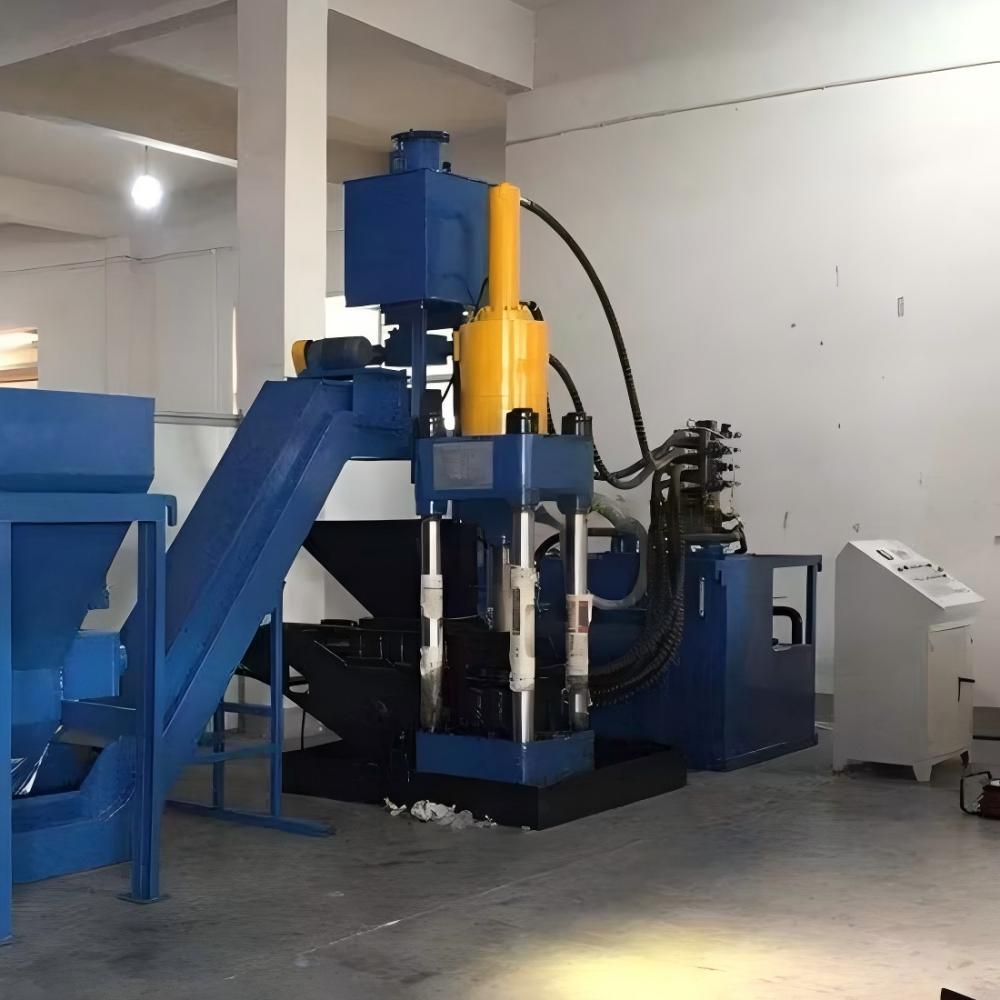
Daily inspections are the most effective way to catch seal issues in their infancy. Operators should be trained to perform a visual sweep of the machine at the start of every shift. The primary focus should be on the main compression cylinders and the auxiliary cylinders used for feeding and ejecting briquettes. Look for “weeping”—a thin film of oil on the piston rod. While a microscopic film is necessary for lubrication, any visible droplets or pooling at the base of the cylinder indicates a failing rod seal.
Another critical daily check involves monitoring the temperature of the hydraulic reservoir. Excessive heat is the number one killer of hydraulic seals. Most industrial seals are rated for specific temperature ranges; if the oil consistently exceeds 60°C (140°F), the seal material will begin to lose its elasticity, a process known as “heat set.” Checking the cooling system and ensuring the heat exchanger is free of debris is a vital part of daily seal preservation.
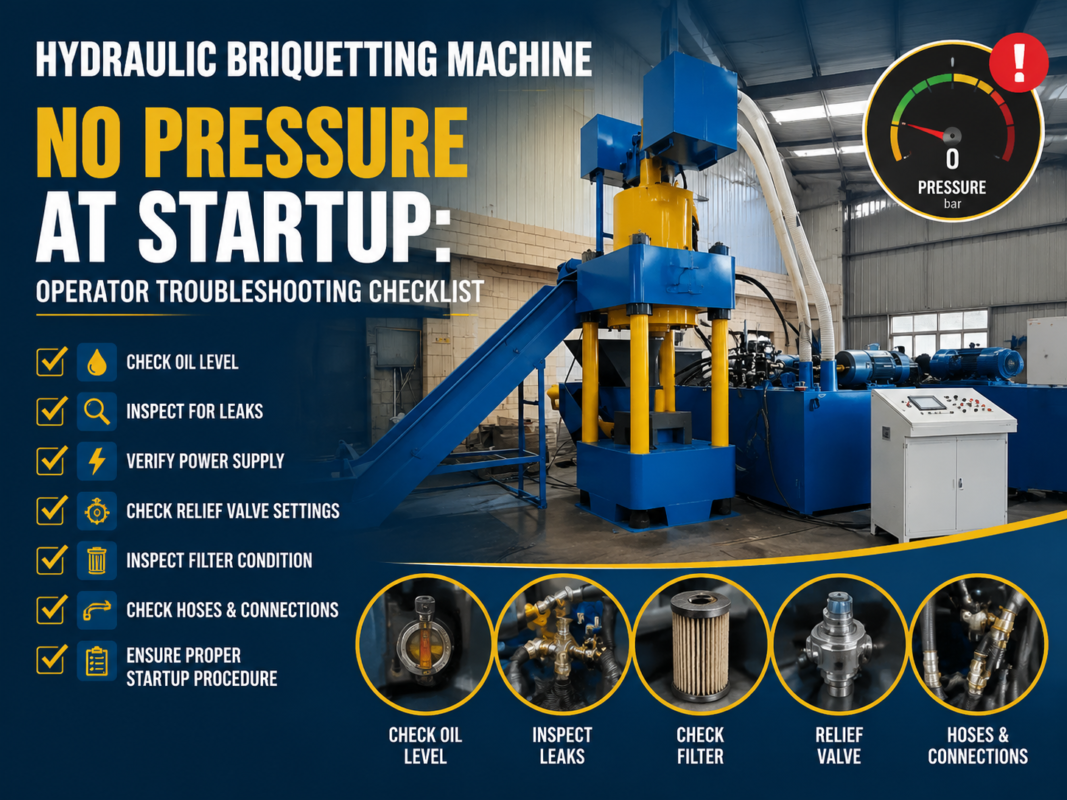
Finally, observe the machine’s cycle time. If the briquetting cycle is taking longer than usual to reach full pressure, it may indicate that fluid is leaking past the internal piston seals. This internal bypass generates heat, further damaging the seals in a destructive feedback loop. Early detection through daily observation allows for scheduled maintenance rather than emergency repairs.
Hydraulic, Electrical, and Mechanical Checks
Hydraulic System Integrity
Beyond the cylinders, the hydraulic manifold and valve blocks contain numerous seals that are subject to high-frequency pressure spikes. During weekly deep-dives, inspect the connections between hoses and valves. Vibration from the briquetting process can loosen fittings, causing seals to deform or extrude. Ensure that all mounting bolts are torqued to specification, as a loose valve block can cause O-rings to “nibble” and eventually fail under pressure.
Electrical and Sensor Alignment
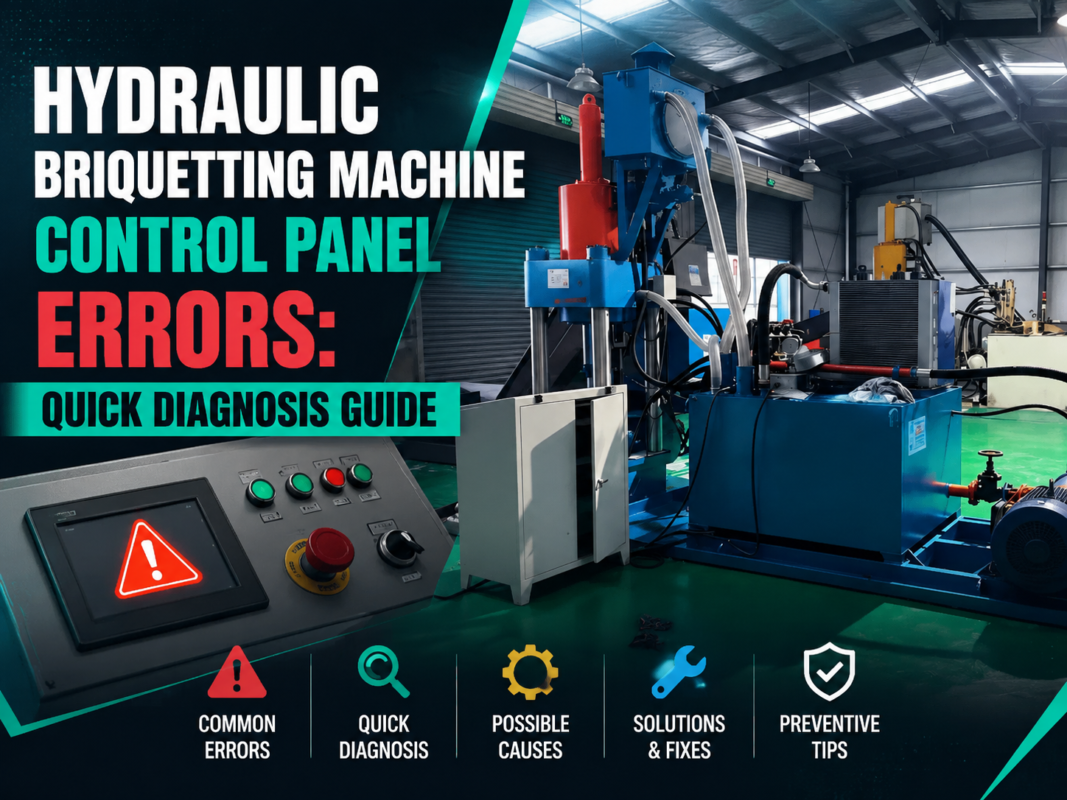
While it may seem unrelated, the electrical system plays a role in seal health. Proximity sensors and limit switches control the stroke of the hydraulic cylinders. If a sensor is misaligned, the cylinder may “bottom out” or hit mechanical stops with excessive force. This creates pressure spikes (hydraulic shock) that can blow out seals instantly. Regularly check that all electrical components are triggering the hydraulic valves at the correct positions to ensure smooth transitions and pressure ramps.
Mechanical Alignment and Rod Condition
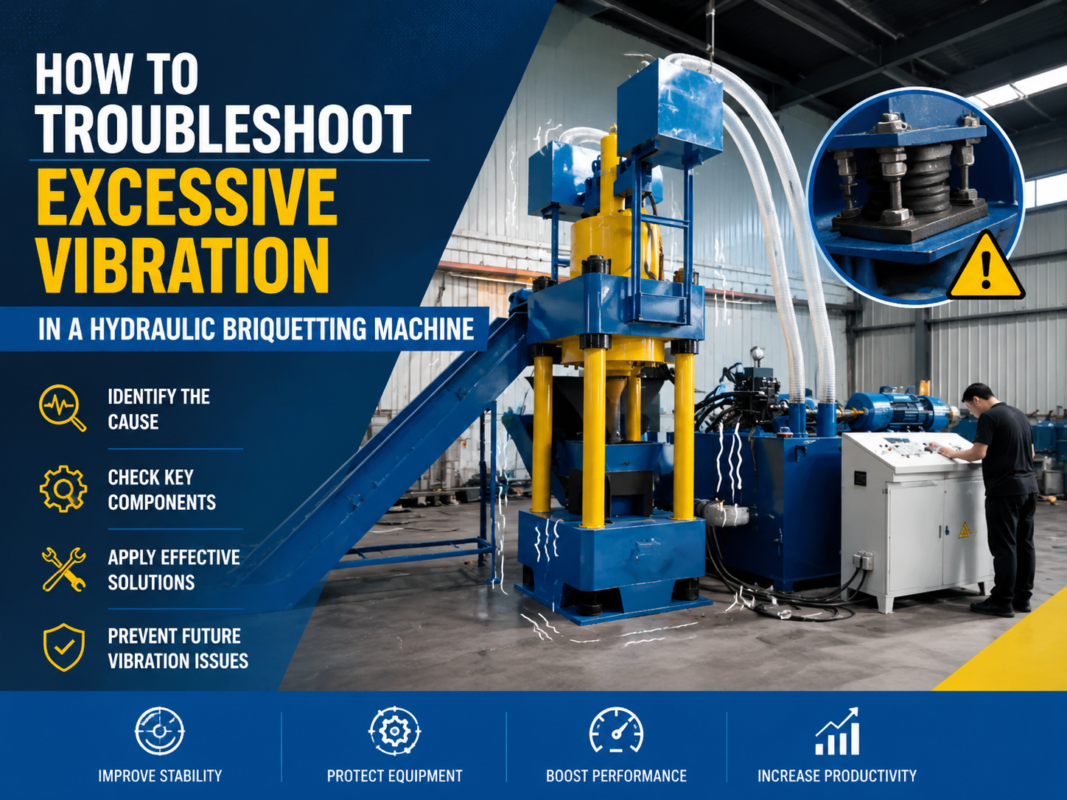
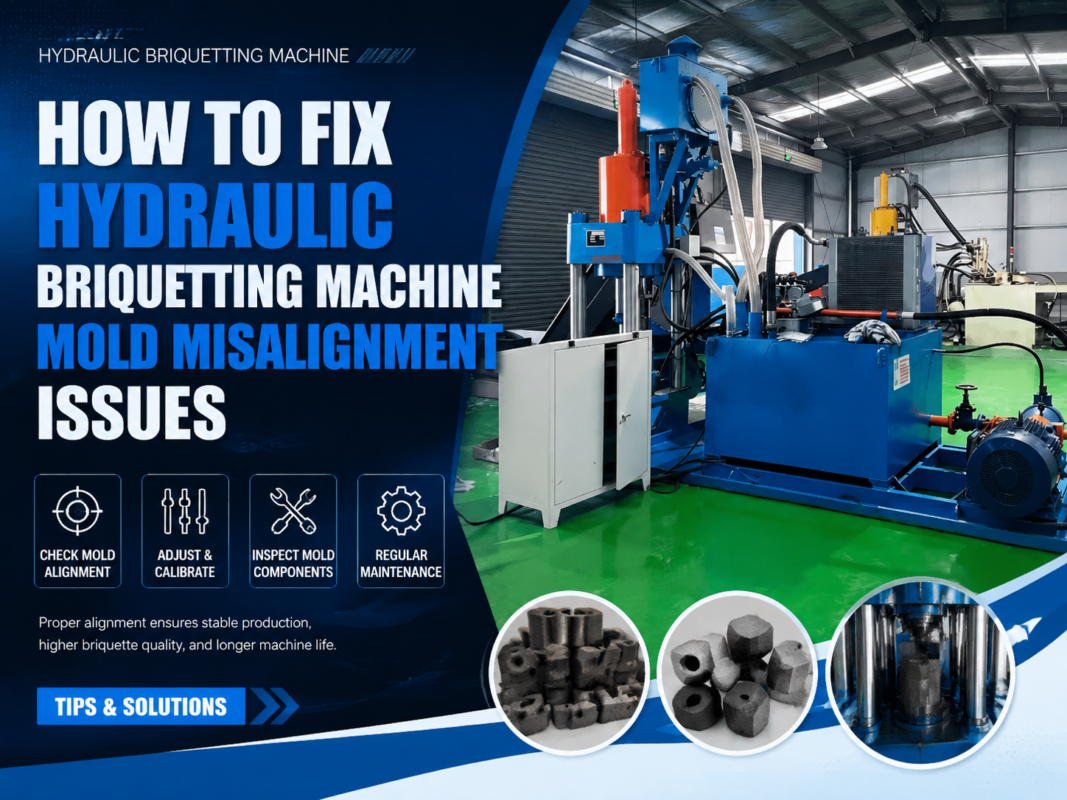
The mechanical condition of the piston rod is directly tied to seal life. Inspect the rods for scratches, pitting, or “scoring.” Metal chips from the briquetting process are highly abrasive; if the scraper seal (wiper) fails, these particles can be pulled into the main seal pack, acting like sandpaper. If you notice any mechanical damage to the rod, it must be polished or replaced immediately, as a damaged rod will destroy a new seal in a matter of hours.
Lubrication Plan and Fluid Management
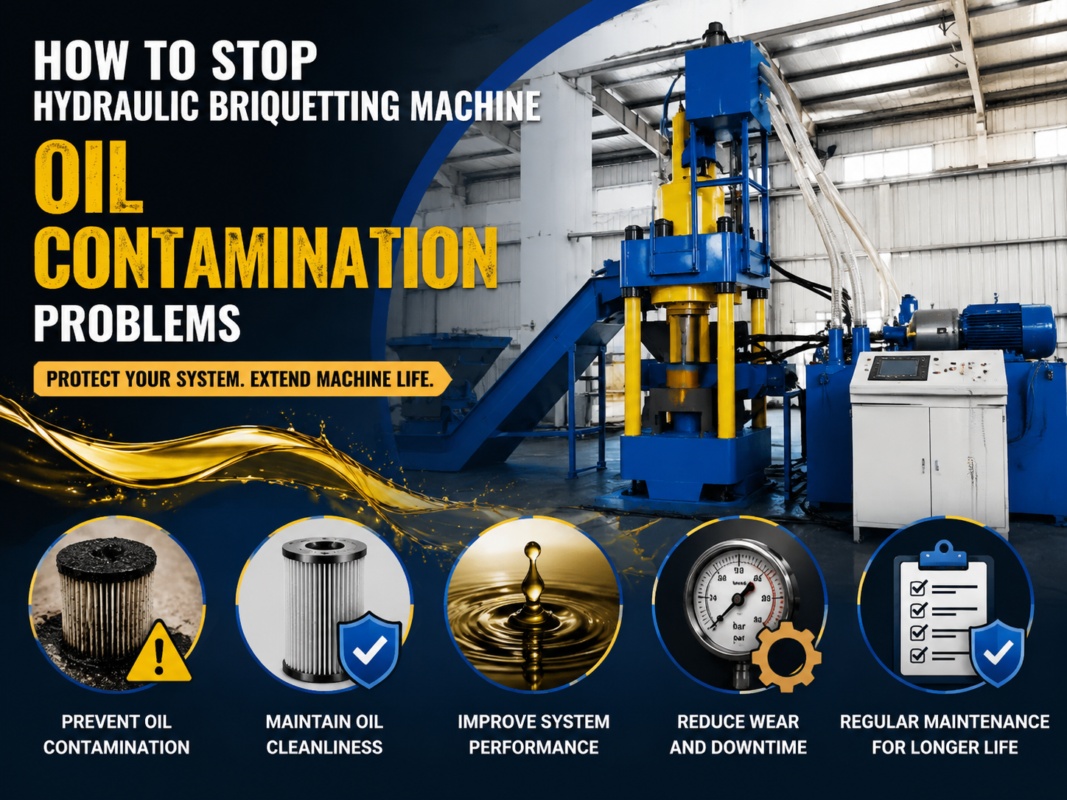
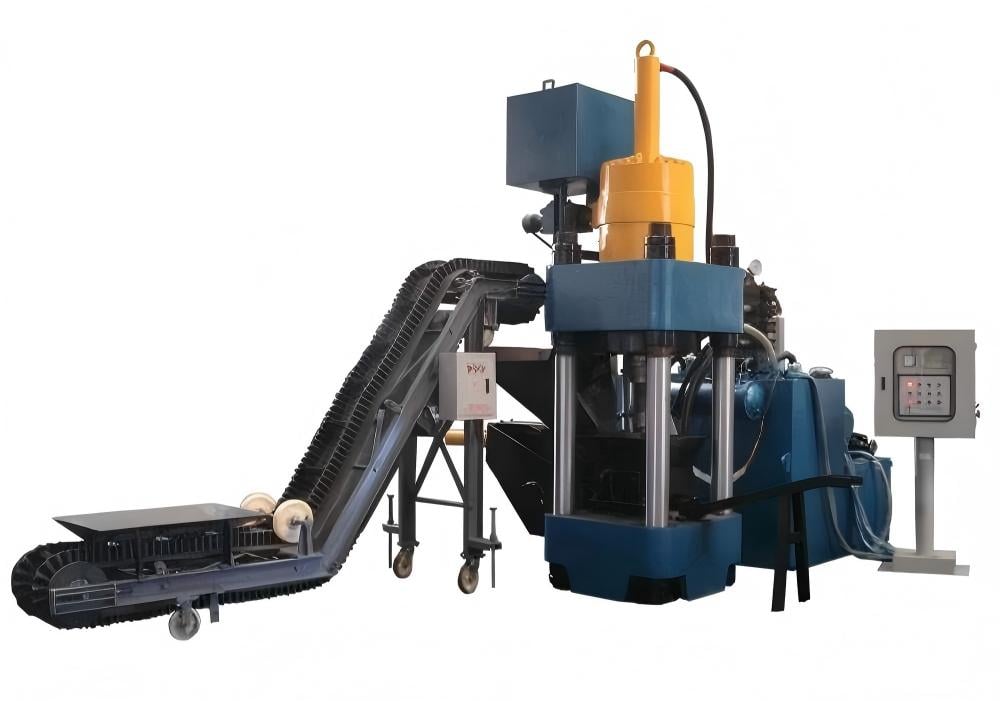
In a hydraulic briquetting machine, the hydraulic fluid itself acts as the primary lubricant for the seals. Therefore, the quality of the oil is inextricably linked to the lifespan of the seals. A robust lubrication plan must include regular oil analysis to check for contamination and additive depletion. Contaminated oil contains microscopic particles that erode seal lips, leading to premature leakage.
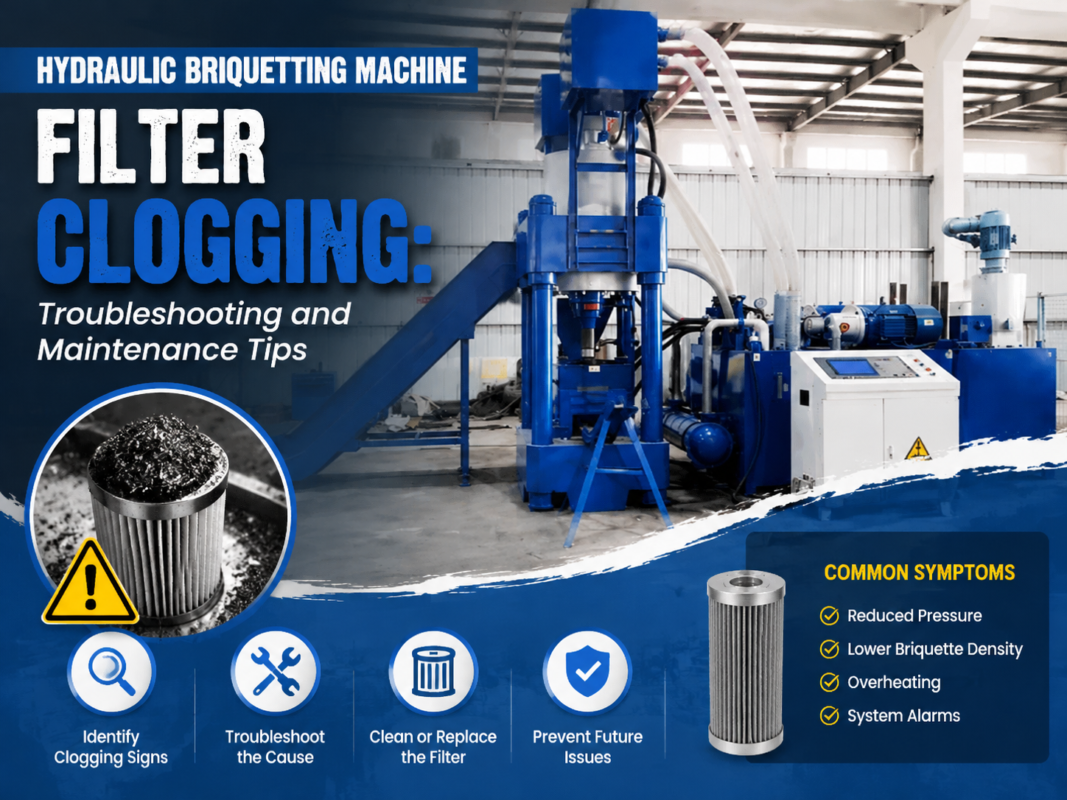
It is also essential to use the correct type of hydraulic fluid. Different seal materials are compatible with different fluids. For example, standard Nitrile seals work well with mineral-based oils but may swell or dissolve if used with certain fire-resistant synthetic fluids. Always refer to the HARSLE manual to ensure the fluid in use is compatible with the installed seal kits. Additionally, ensure that the filtration system is functioning correctly; a clogged filter allows dirty oil to bypass and circulate through the sensitive seal areas.
For the mechanical pivot points and slides of the briquetting machine, a separate greasing schedule should be maintained. Proper lubrication of the mechanical guides ensures that the hydraulic cylinders move in a perfectly linear fashion. Any side-loading caused by worn guides will put uneven pressure on the cylinder seals, causing them to wear prematurely on one side.
Troubleshooting Signals: When to Take Action
Recognizing the warning signs of seal failure can save thousands of dollars in repair costs. The most common signal is a visible external leak, but internal failures are more deceptive. If the machine’s pump is running constantly but the system is struggling to maintain pressure, an internal seal bypass is likely. You can often diagnose this by feeling the temperature of the cylinder; a cylinder that is significantly hotter than the rest of the system usually has a leaking internal piston seal.
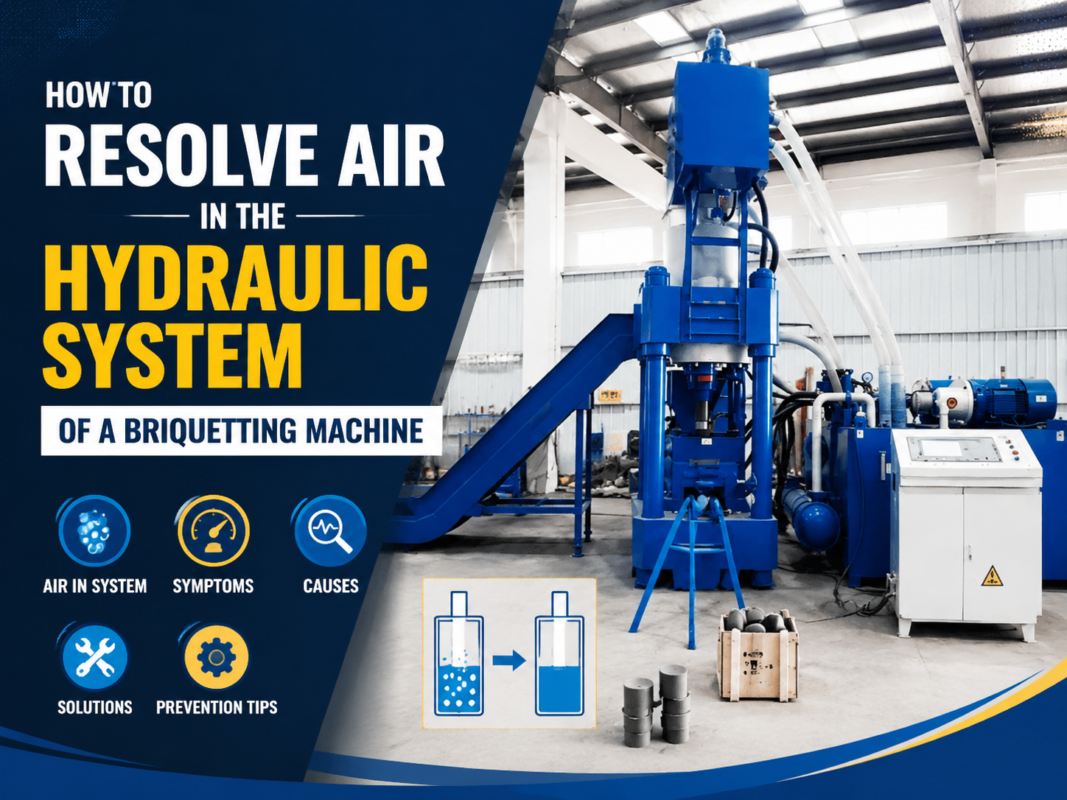
Unusual noises, such as high-pitched whining or “chattering,” can indicate aeration or cavitation, often caused by air being sucked into the system through a faulty suction line seal. Air in the hydraulic fluid causes “dieseling,” where air bubbles explode under pressure, scorching the seals and causing localized pitting. If you see foam in the sight glass of the oil tank, stop the machine and inspect all intake seals and fittings immediately.
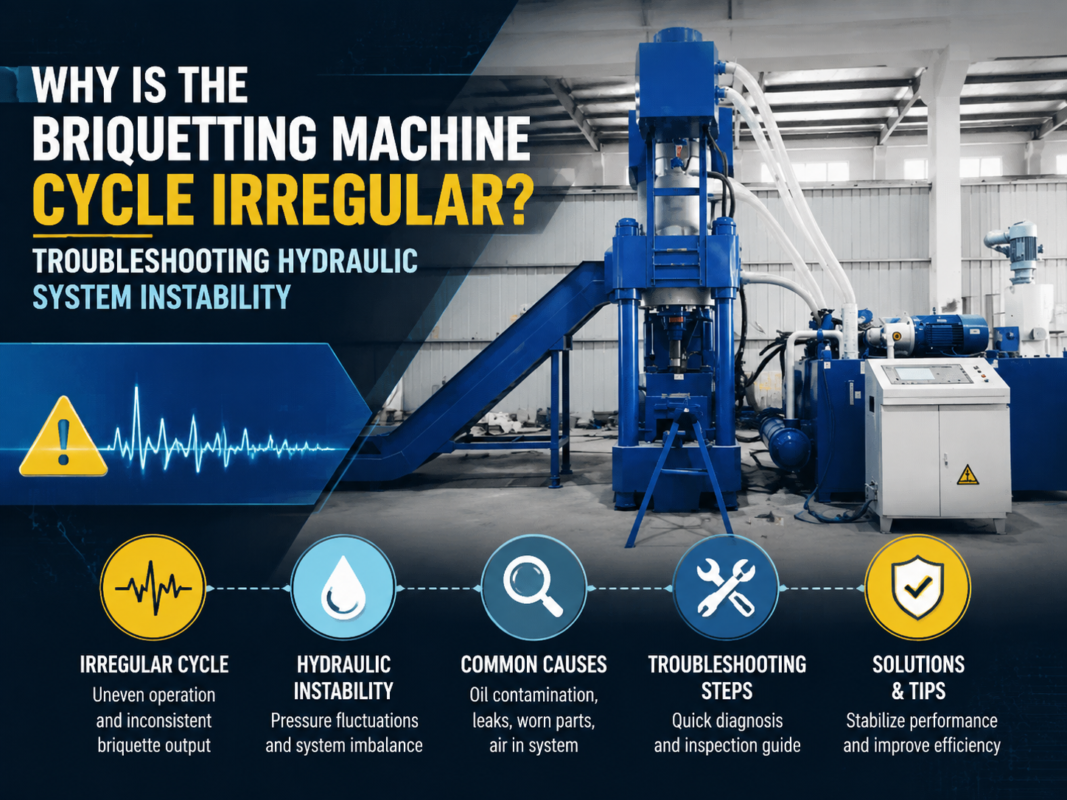
Another signal is “drift.” If the compression ram or the ejector slowly moves from its set position when the machine is in neutral, the holding valves or the cylinder seals are failing. In a briquetting context, this can lead to jams or improper feeding, further stressing the mechanical components of the machine.
Comprehensive Maintenance Schedule Table
To keep your HARSLE hydraulic briquetting machine in top condition, follow this structured maintenance schedule. This table outlines the Hydraulic Briquetting Machine Seal Maintenance: Check When intervals for various components.
| Frequency | Component | Action Required | Goal |
|---|---|---|---|
| Daily | Piston Rods | Visual check for oil leaks/weeping | Early leak detection |
| Daily | Oil Temperature | Monitor gauge (Keep below 60°C) | Prevent seal hardening |
| Weekly | Hose Connections | Check for tightness and vibration wear | Prevent extrusion failures |
| Weekly | Wiper Seals | Clean debris from rod scrapers | Prevent internal contamination |
| Monthly | Hydraulic Filters | Inspect and replace if necessary | Maintain oil purity |
| Monthly | Cylinder Alignment | Check for side-loading or rod scoring | Prevent uneven seal wear |
| Quarterly | Oil Analysis | Laboratory test for particulates/water | Verify fluid/seal compatibility |
| Annually | Full Seal Kit | Proactive replacement of high-wear seals | Zero-downtime reliability |
Frequently Asked Questions (FAQ)
1. How often should I replace the seals if there are no visible leaks?
Even without visible leaks, it is recommended to replace high-pressure seals every 12 to 24 months depending on the intensity of your operation. Seal materials degrade over time due to chemical exposure and thermal cycling, losing their ability to respond to pressure spikes effectively.
2. What is the best seal material for a metal briquetting machine?
For most standard applications, Polyurethane (PU) seals offer excellent abrasion resistance against metal dust. However, if your machine operates in high-temperature environments, Viton (FKM) seals are preferred for their superior heat resistance. Always consult with HARSLE technical support for specific recommendations.
3. Can I replace just one seal in a cylinder?
While it is possible, it is highly discouraged. If one seal in a cylinder has failed, the others have likely been subjected to the same wear and tear. Replacing the entire seal kit ensures a uniform seal life and prevents having to tear down the same cylinder again a few weeks later.
4. Why do my seals keep failing shortly after replacement?
Premature failure is usually caused by one of three things: improper installation (cutting the seal on a sharp edge), contaminated hydraulic fluid, or a damaged (scored) piston rod. Ensure that the installation environment is surgically clean and that all tools used are non-marring.
5. Does the type of metal being briquetted affect seal life?
Yes. Abrasive metals like cast iron or aluminum with high silicon content produce fine dust that can be particularly hard on wiper seals. If you are processing highly abrasive materials, increase the frequency of your rod and wiper seal inspections.
Conclusion
Maintaining the seals of a hydraulic briquetting machine is a fundamental aspect of industrial stewardship. By understanding the Hydraulic Briquetting Machine Seal Maintenance: Check When requirements, operators can ensure that their HARSLE equipment continues to deliver the high-pressure performance required for modern metal recycling. From daily visual checks to annual proactive replacements, every step taken to preserve seal integrity is an investment in the machine’s productivity and the facility’s safety. Remember, in the world of hydraulics, a small seal prevents a massive problem.