Double-Shaft Shredder Buying Guide for Metal Fabrication Plants: Capacity, Blade Design, and Power

Introduction to Double-Shaft Shredders in Metal Fabrication
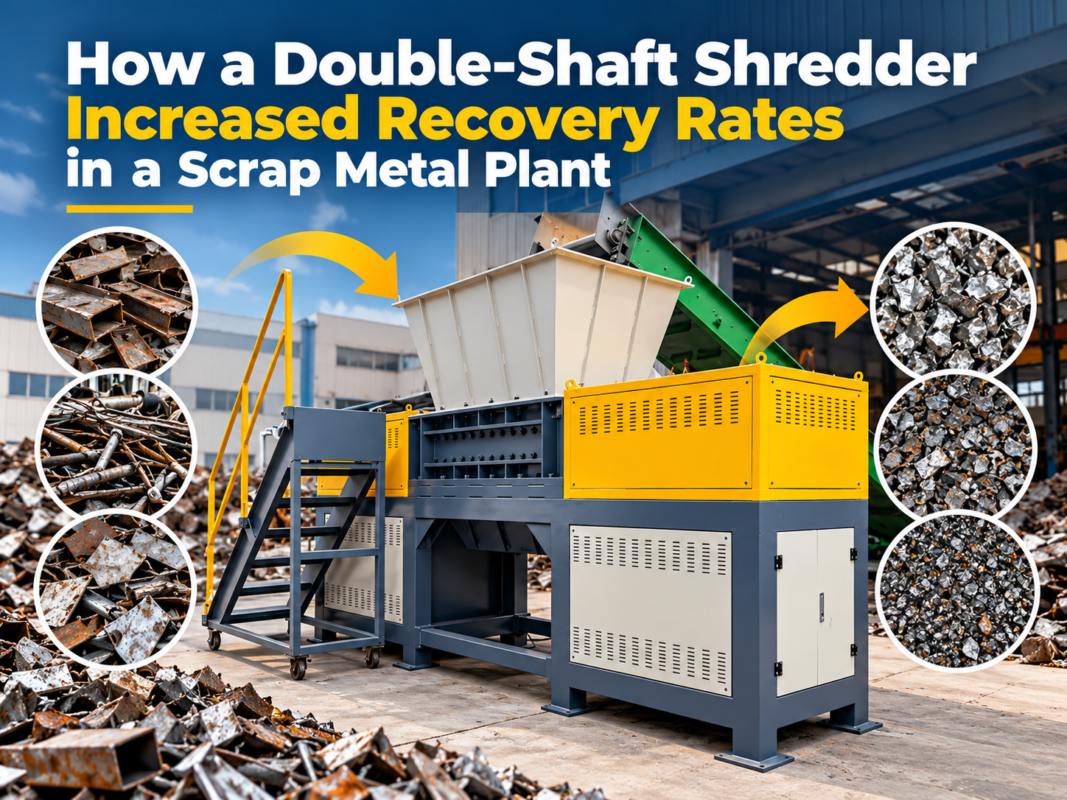
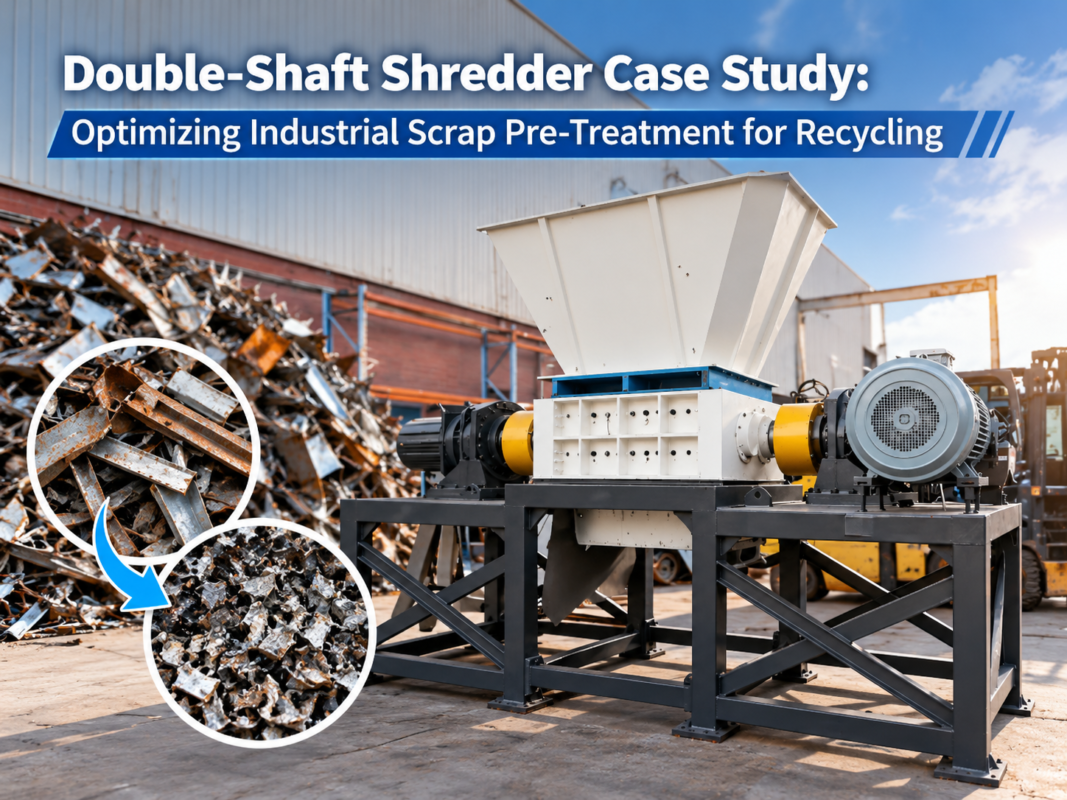
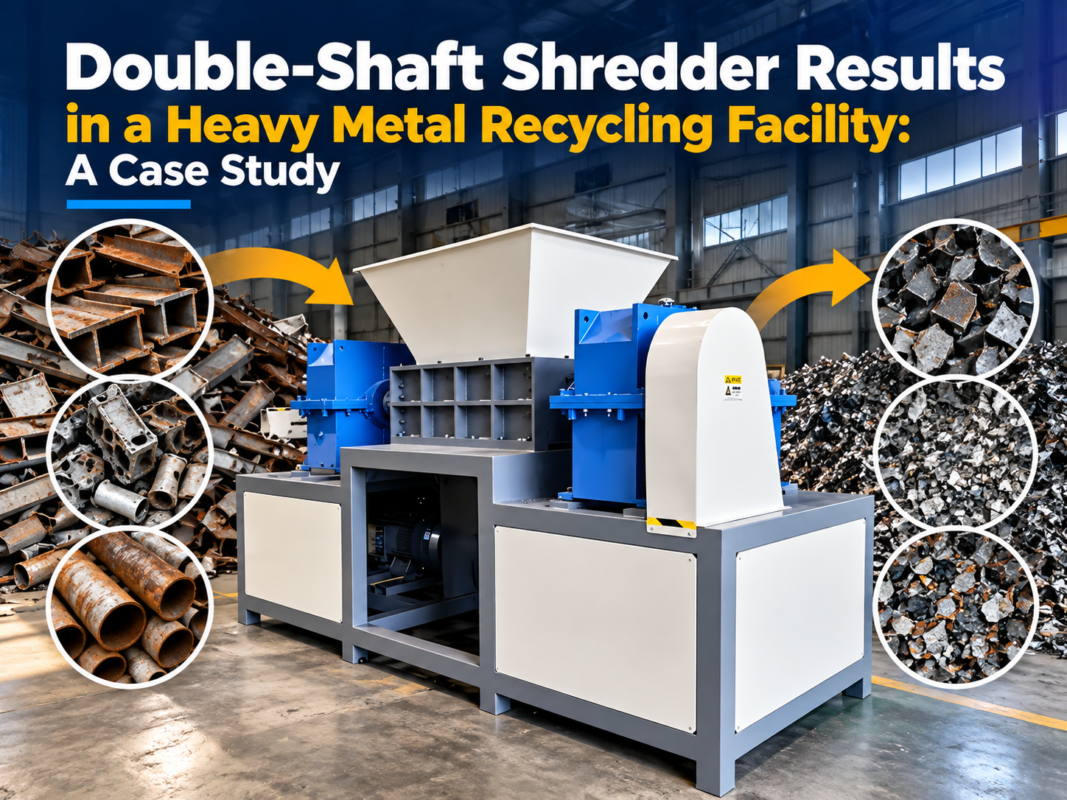
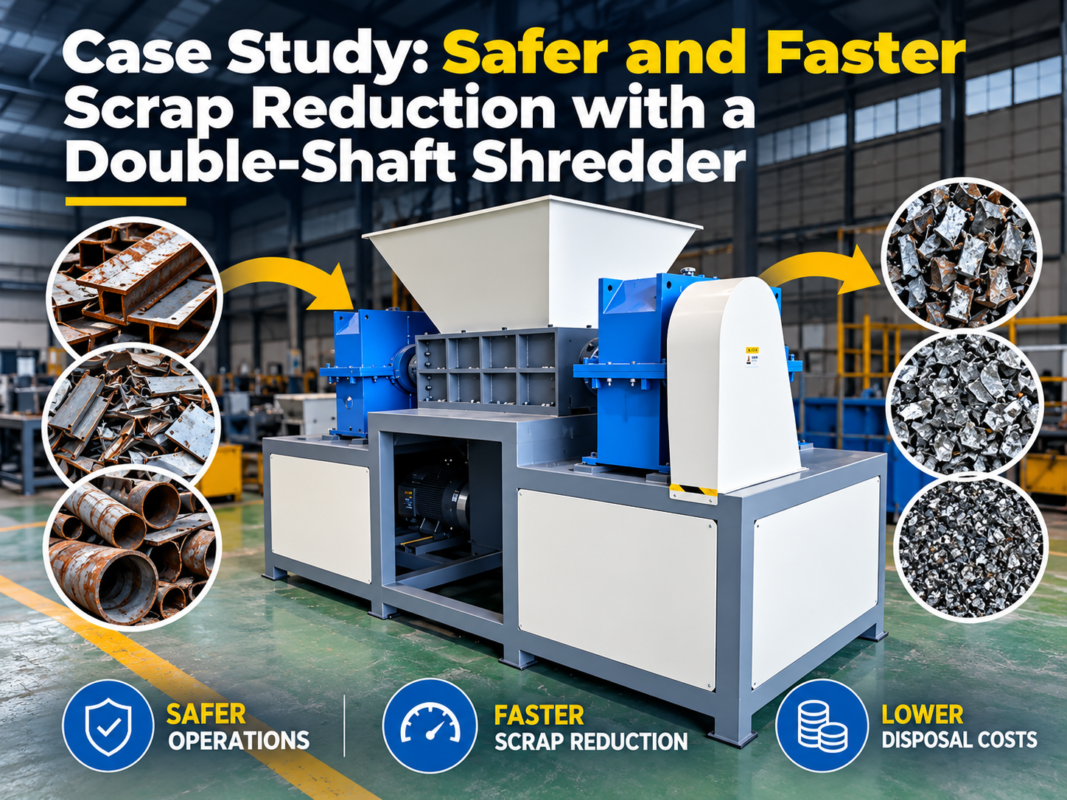
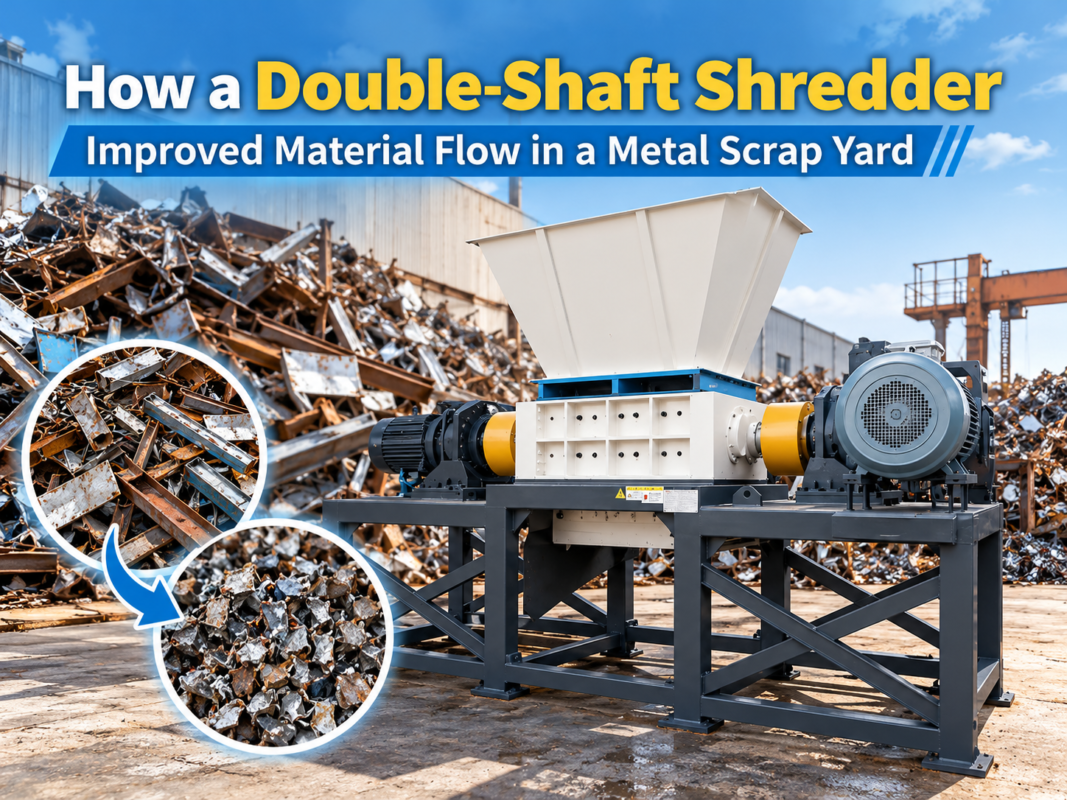
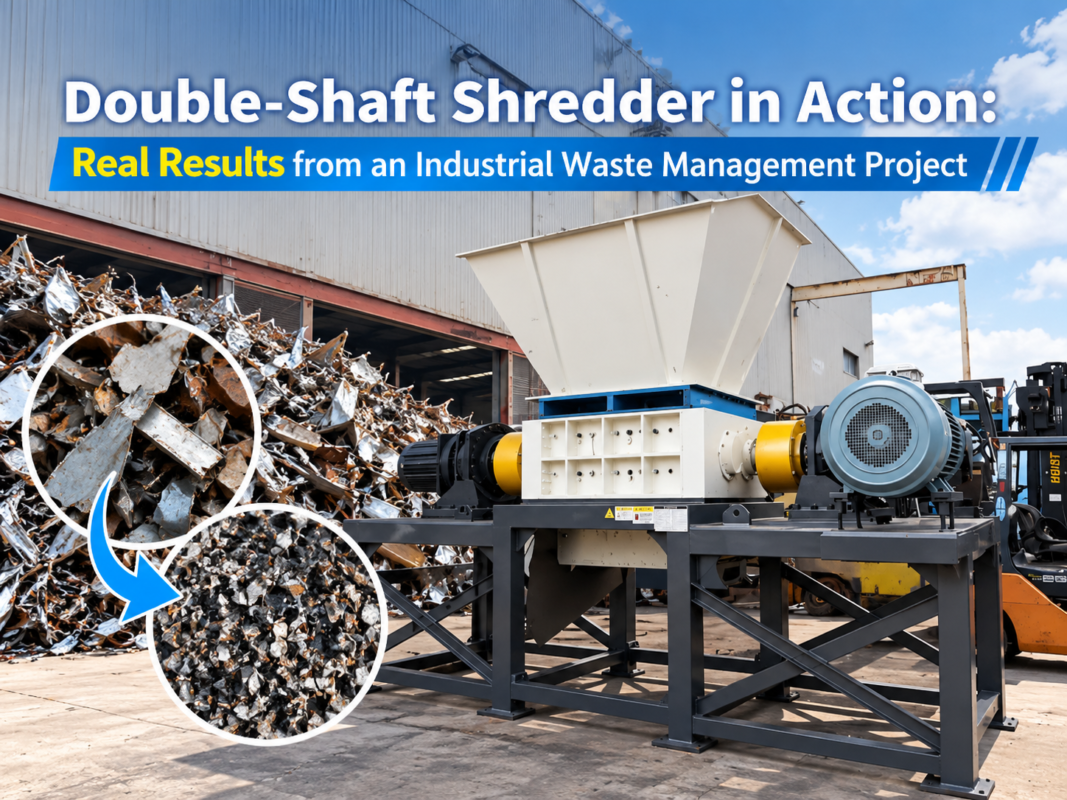
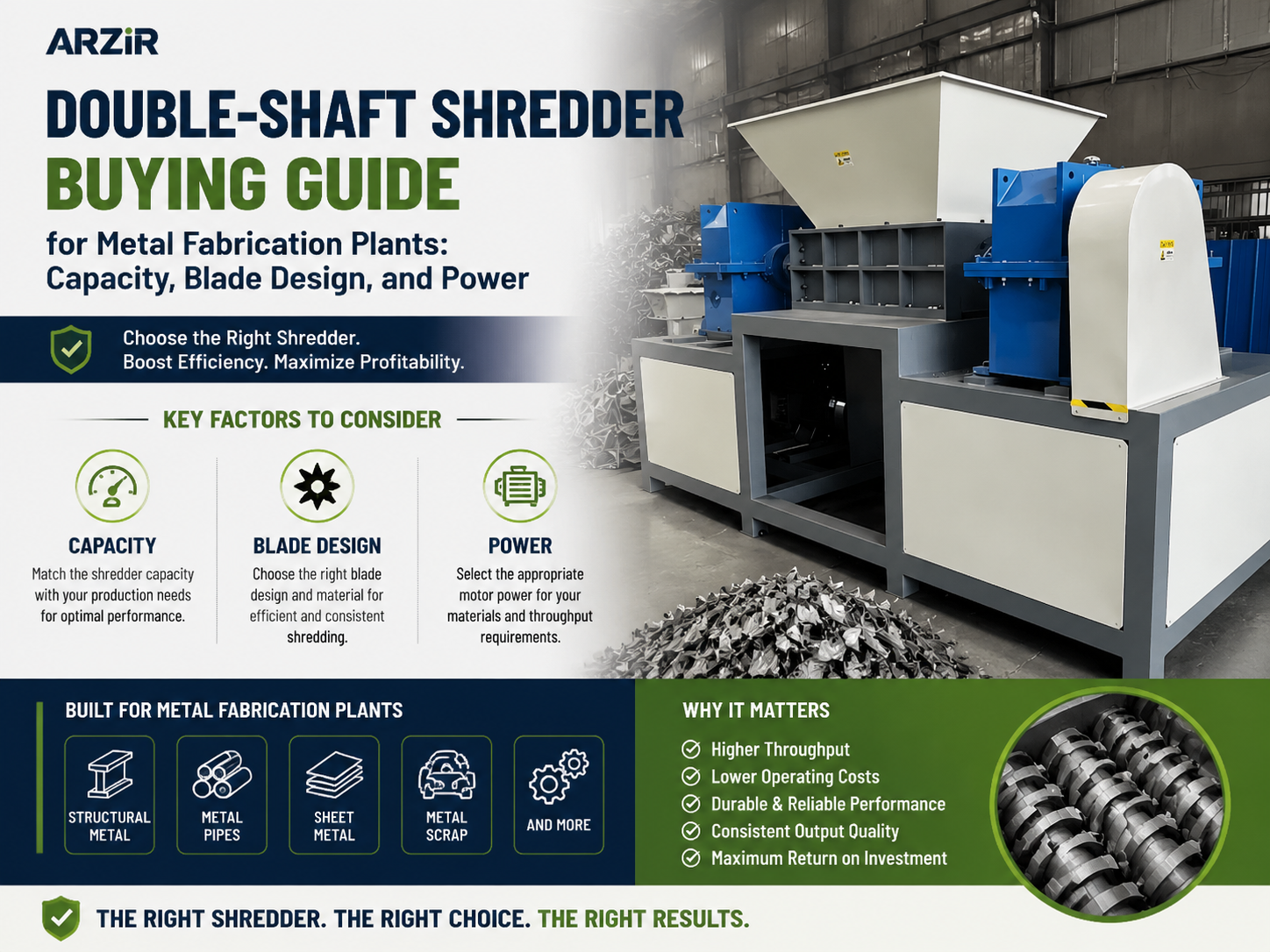
In the modern metal fabrication landscape, efficiency is not just about how fast you can cut or bend a sheet of metal; it is also about how effectively you manage the resulting waste. Metal fabrication plants generate significant amounts of scrap, ranging from thin trimmings and punch-outs to heavy-duty offcuts. Managing this waste manually is labor-intensive and costly. This is where the industrial double-shaft shredder becomes an indispensable asset. These machines are designed to reduce the volume of bulky scrap, making it easier to transport, melt, or resell.
A double-shaft shredder, often referred to as a dual-shaft or shear shredder, operates using two parallel shafts equipped with interlocking blades. Unlike high-speed granulators, these machines operate at low speeds with high torque, allowing them to chew through tough materials like aluminum extrusions, steel drums, and even light structural steel. For a metal fabrication plant, choosing the right shredder involves a complex balance of capacity, blade geometry, and motor power. This guide aims to demystify the selection process, ensuring that your investment in HARSLE technology yields the highest possible return.
Price Range Overview: What to Expect
The price of a double-shaft shredder varies significantly based on its scale, material processing capability, and automation level. Understanding the price tiers helps fabrication managers align their budgetary constraints with their operational needs. Generally, the market is divided into three primary categories:
- Entry-Level/Light-Duty Units ($15,000 – $35,000): These machines are typically designed for light aluminum scrap, electronic waste, or thin-gauge sheet metal trimmings. They usually feature motors between 15kW and 30kW and are suitable for plants processing less than 500kg of material per hour.
- Mid-Range Industrial Shredders ($40,000 – $90,000): This is the “sweet spot” for most medium-sized metal fabrication plants. These machines can handle heavier scrap, including thicker steel offcuts and mixed metal waste. They offer higher throughput (1-3 tons per hour) and more robust blade materials.
- Heavy-Duty/High-Capacity Systems ($100,000 – $250,000+): Designed for 24/7 operation in large-scale recycling centers or massive fabrication hubs. These units feature massive torque, advanced PLC controls, and specialized alloy blades capable of shredding car bodies or heavy industrial structural components.
While the initial purchase price is a major factor, it is crucial to look at the total cost of ownership. A cheaper machine with inferior blade steel will quickly become a liability due to frequent downtime and replacement costs. HARSLE focuses on providing mid-to-high-range performance at competitive price points, ensuring that the structural integrity of the machine matches the demands of a busy shop floor.
Main Cost Drivers: Why Prices Vary
When comparing quotes for a Double-Shaft Shredder Buying Metal Fabrication Plants: Capacity, Blade Design, Power, several technical factors drive the final cost. Understanding these allows you to prioritize features that matter most to your specific application.
1. Motor Power and Drive System
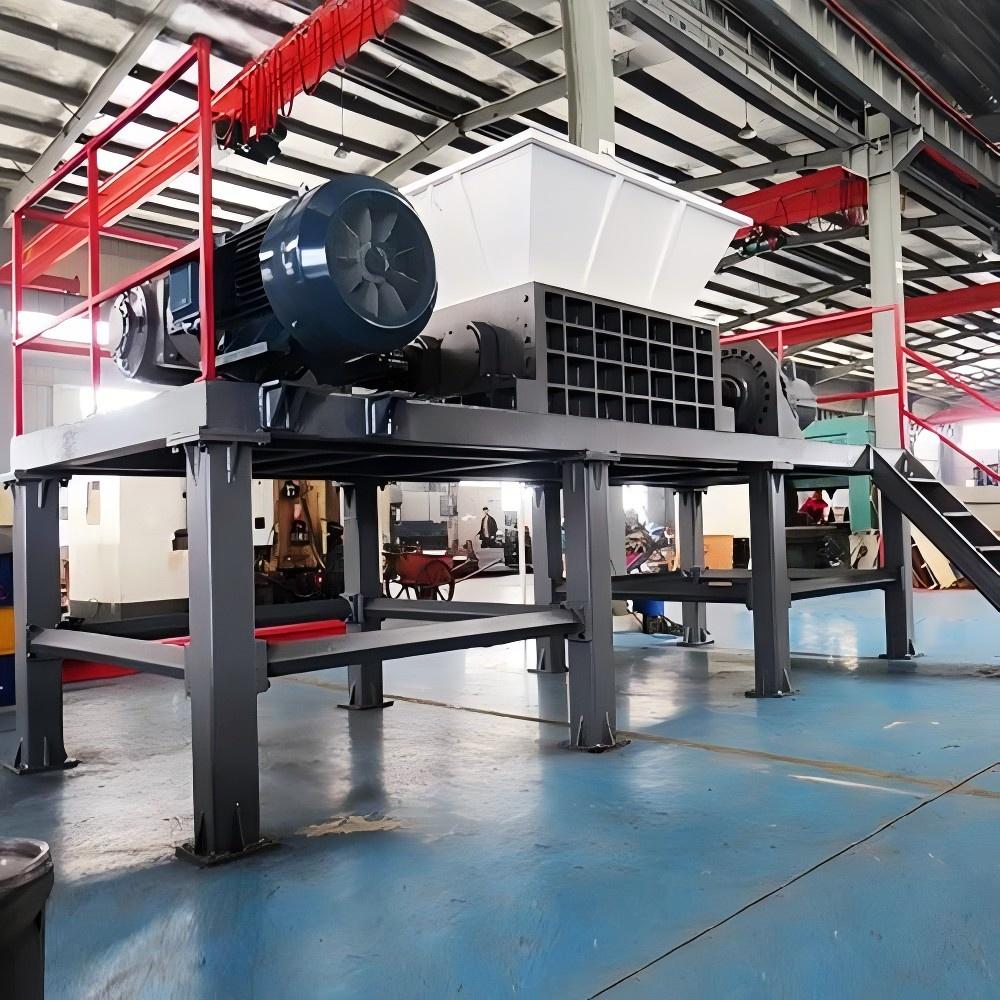
The motor is the heart of the shredder. High-quality industrial motors (such as those from Siemens or WEG) command a premium but offer better energy efficiency and longevity. Furthermore, the drive system—whether it is a direct drive, belt drive, or hydraulic drive—significantly impacts the price. Hydraulic drives are often more expensive but offer superior torque control and shock absorption when dealing with non-shreddable items.
2. Gearbox Quality
The gearbox translates the motor’s high-speed rotation into the high-torque, low-speed rotation required for shearing metal. Planetary gearboxes are the industry standard for high-end shredders because they can handle immense radial loads. A cheap gearbox is the most common point of failure in low-end shredders, making this a critical area where you should not cut corners.
3. Blade Material and Manufacturing
Not all steel is created equal. Blades made from D2 (Cr12MoV) or SKD-11 tool steel are standard for metal applications. However, for extremely abrasive materials, specialized heat-treated alloys or hard-faced coatings are used. The precision of the CNC machining and the heat treatment process used to harden the blades are significant cost drivers.
Configuration Impact: Capacity, Blade Design, and Power
The configuration of your shredder determines its efficiency. When evaluating a Double-Shaft Shredder Buying Metal Fabrication Plants: Capacity, Blade Design, Power, you must look at how these three elements interact.
Capacity and Throughput
Capacity is measured in kilograms or tons per hour. However, this figure is highly dependent on the bulk density of your scrap. For example, shredding hollow aluminum cans is much faster than shredding solid steel plates. To determine the required capacity, calculate your peak daily scrap generation and add a 20-30% buffer to account for future growth. The width and length of the shredding chamber (e.g., 800mm x 600mm) directly correlate with the size of the objects you can feed into the machine without pre-processing.
Blade Design and Geometry
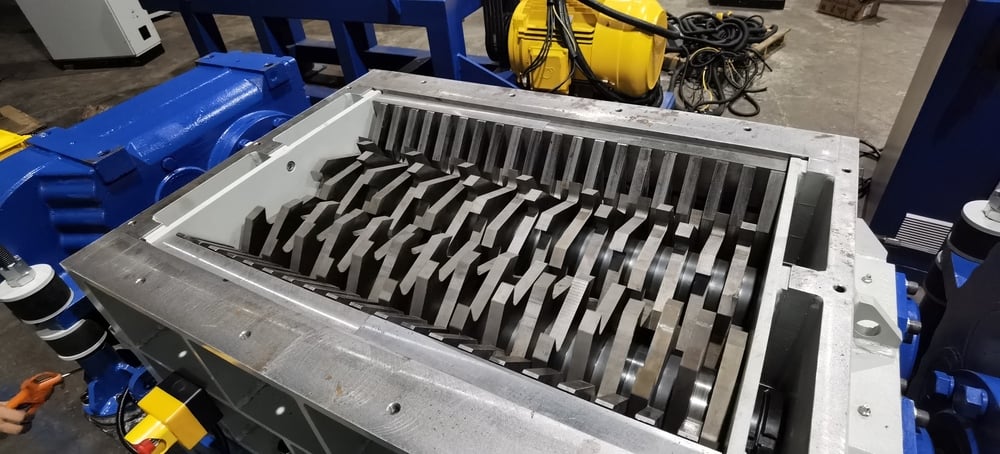
The blades (or cutters) are the most critical component for metal fabrication. There are several factors to consider:
- Blade Thickness: Thicker blades (40mm-75mm) are used for heavy metal scrap to prevent snapping, while thinner blades (20mm-30mm) provide a finer shred for lighter materials.
- Number of Hooks (Claws): A single-hook blade is aggressive and good for grabbing large, hollow objects. Multi-hook blades (3, 5, or more) produce a smaller, more uniform output size but may require more power to push through dense material.
- Interlocking Fit: The tolerance between the interlocking blades determines how well the machine “shears” rather than just “crushing.” For thin sheet metal, tight tolerances are essential to prevent the material from simply folding between the blades.
Power and Torque Requirements
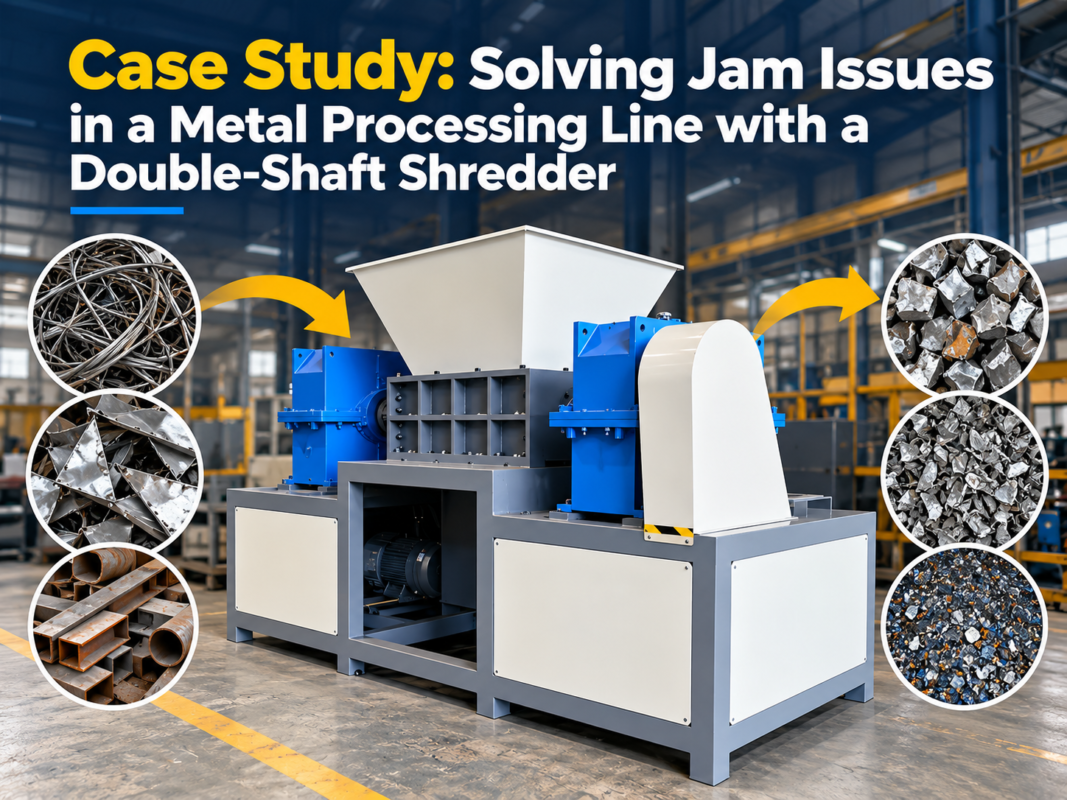
In metal shredding, torque is king. The power (kW) of the motor must be sufficient to maintain rotation even when the blades encounter a thick section of metal. Most modern shredders utilize a PLC-controlled auto-reverse function. If the sensors detect a torque spike (indicating a jam), the shafts will automatically reverse to reposition the material before attempting to shred again. Higher power ratings reduce the frequency of these reversals, leading to higher overall throughput.
Hidden Costs of Owning a Shredder
The sticker price is only the beginning. To accurately budget for a double-shaft shredder, you must account for operational and maintenance costs that are often overlooked during the initial purchase phase.
1. Electrical Infrastructure: Industrial shredders have high startup currents. You may need to upgrade your plant’s electrical panel or install soft-starters or Variable Frequency Drives (VFDs) to prevent voltage drops that could affect other machinery on the floor.
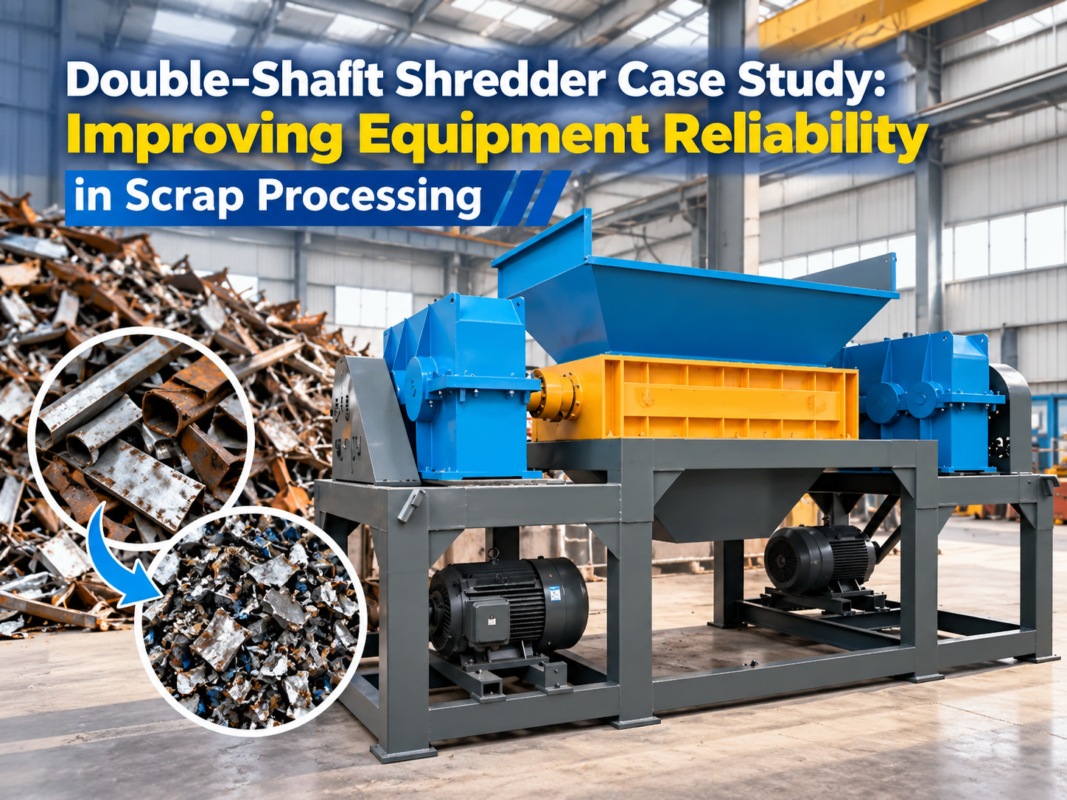
2. Blade Maintenance and Sharpening: Metal is abrasive. Even the best D2 steel blades will eventually dull. Depending on your volume, you may need to sharpen blades every 6-12 months. Some designs allow for individual blade replacement, while others require the entire shaft to be pulled. The labor and downtime associated with this are significant.
3. Wear Parts: Beyond the blades, items like spacers, cleaning fingers (strippers), and bearings will eventually wear out. Keeping a stock of these critical spares is essential to avoid weeks of downtime while waiting for international shipping.
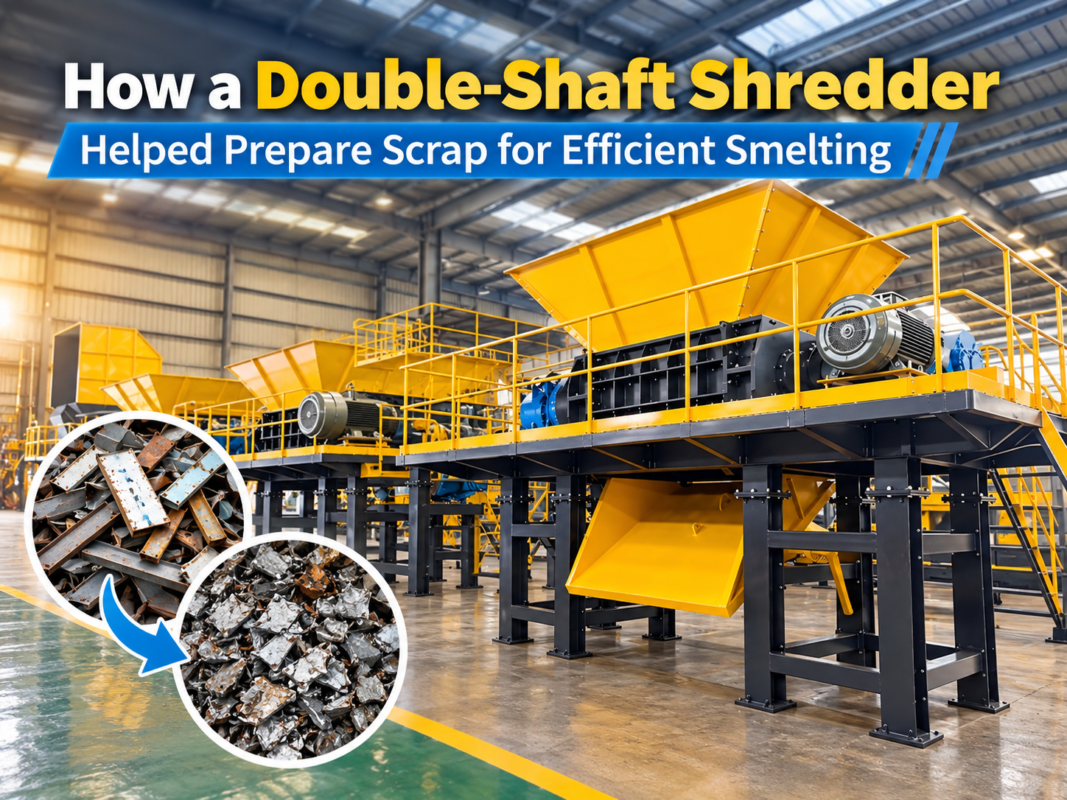
4. Waste Handling: How does the material get into the shredder, and where does it go afterward? You may need to invest in conveyors, hoppers, or magnetic separators to create a truly efficient workflow. These auxiliary systems can add 20-40% to the total project cost.
ROI Calculation: Is It Worth It?
For a metal fabrication plant, the Return on Investment (ROI) for a double-shaft shredder is usually calculated through three primary channels:
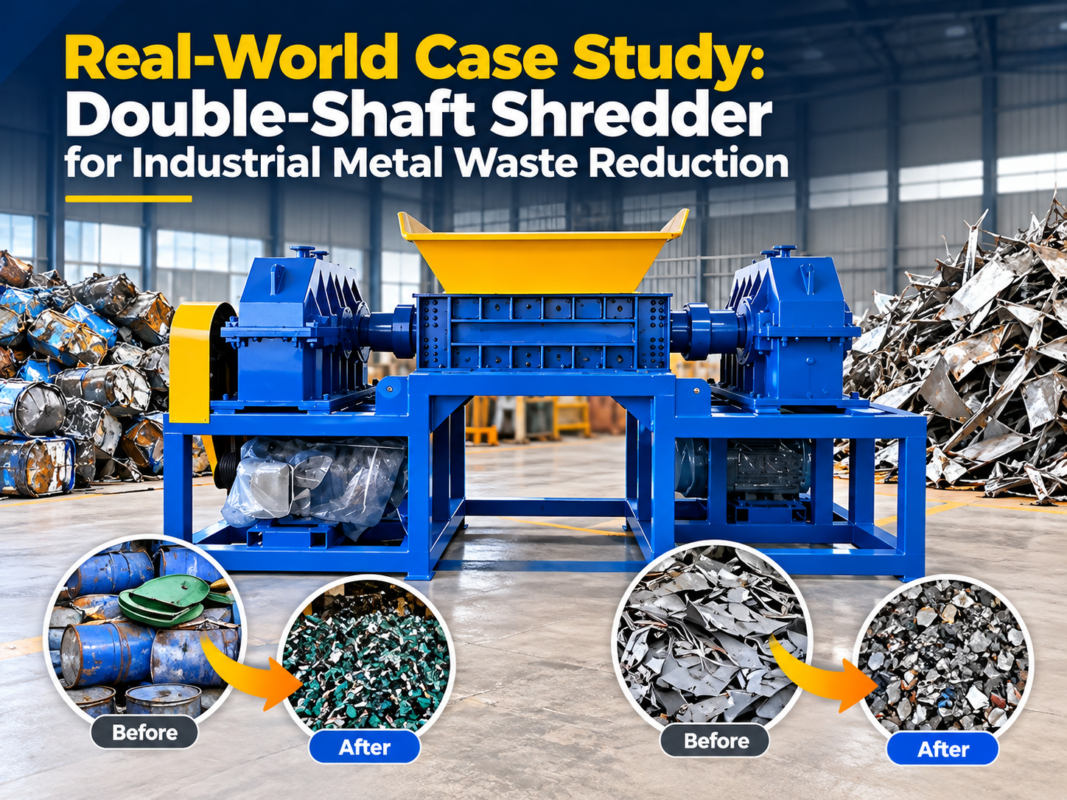
- Volume Reduction: Loose metal scrap is mostly air. Shredding can reduce the volume of scrap by up to 80%. This means if you previously required five truckloads to haul away your scrap, you might now only need one. The savings in logistics and transportation costs are often the fastest way to recoup the machine’s cost.
- Scrap Value Increase: Shredded, uniform metal (often called “HMS 1/2 shredded”) typically commands a higher price per ton from recyclers and smelters compared to loose, mixed light scrap. This “premium” can add up significantly over hundreds of tons.
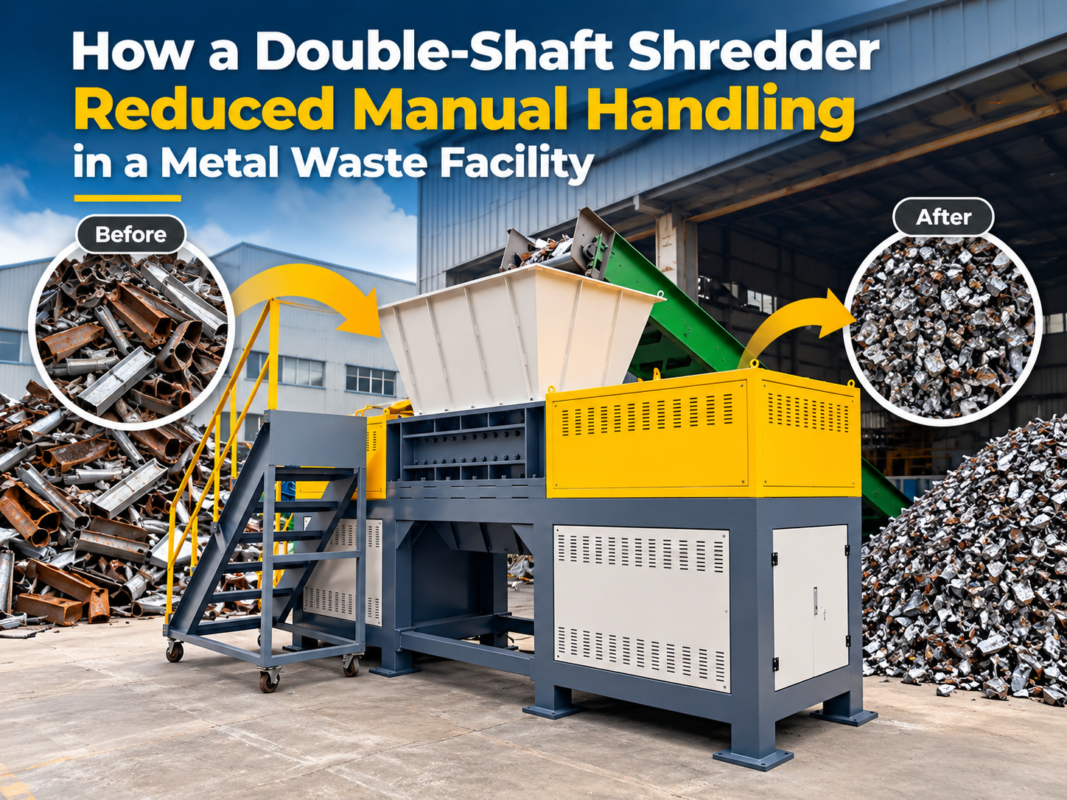
- Labor Efficiency: Instead of workers spending hours manually flattening or cutting scrap to fit into bins, they can simply toss it into a hopper. This frees up skilled labor for actual fabrication tasks.
Example: If a plant saves $2,000 a month in transport and earns an extra $1,000 a month in scrap premiums, a $60,000 HARSLE shredder pays for itself in just 20 months, not accounting for labor savings.
Buying Advice for Metal Fabrication Managers
When you are ready to move forward with a purchase, follow these steps to ensure you get the right machine for your specific plant environment:
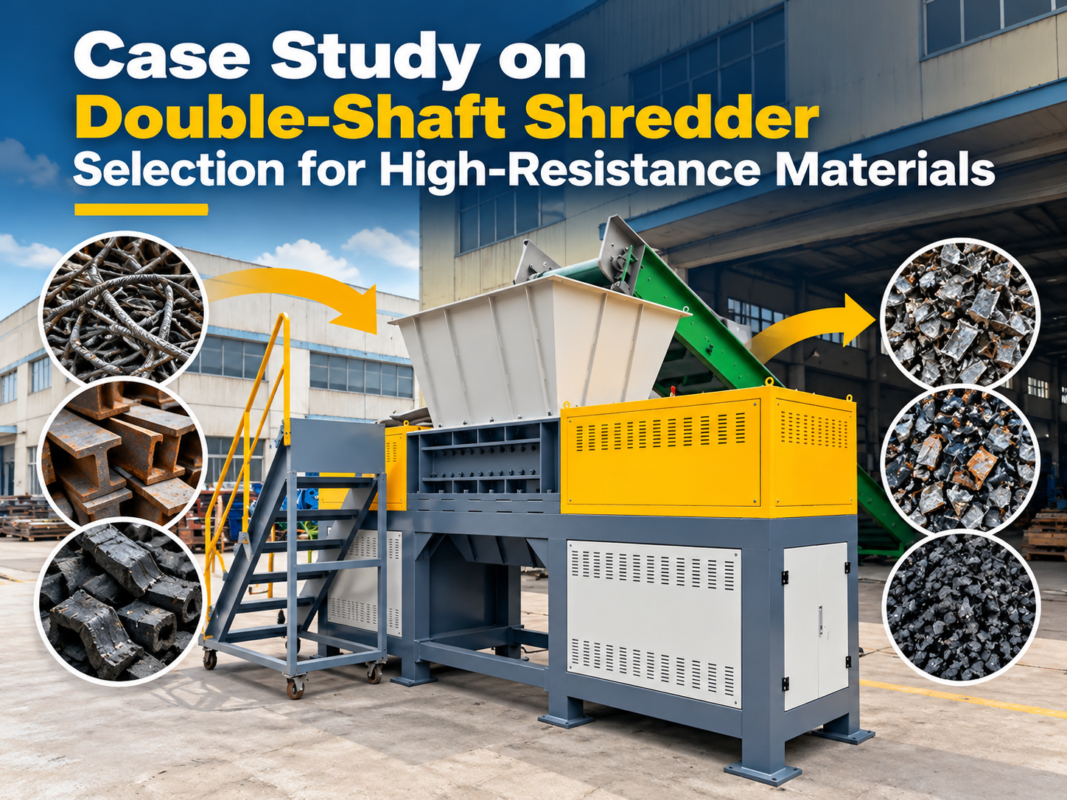
- Define Your “Worst Case” Material: Don’t buy a shredder based on your average scrap. Buy it based on the thickest, toughest piece of metal you expect it to handle regularly. If you occasionally have 10mm steel plate offcuts, ensure the machine is rated for that thickness.
- Request a Material Test: Reputable manufacturers like HARSLE often allow you to send samples of your scrap for a test shred. This provides a video of the performance and a sample of the output size, removing the guesswork from the capacity calculations.
- Check the PLC and Electronics: Ensure the machine uses globally recognized electronic components. If a sensor fails, you want to be able to buy a replacement locally rather than waiting for a proprietary part from overseas.
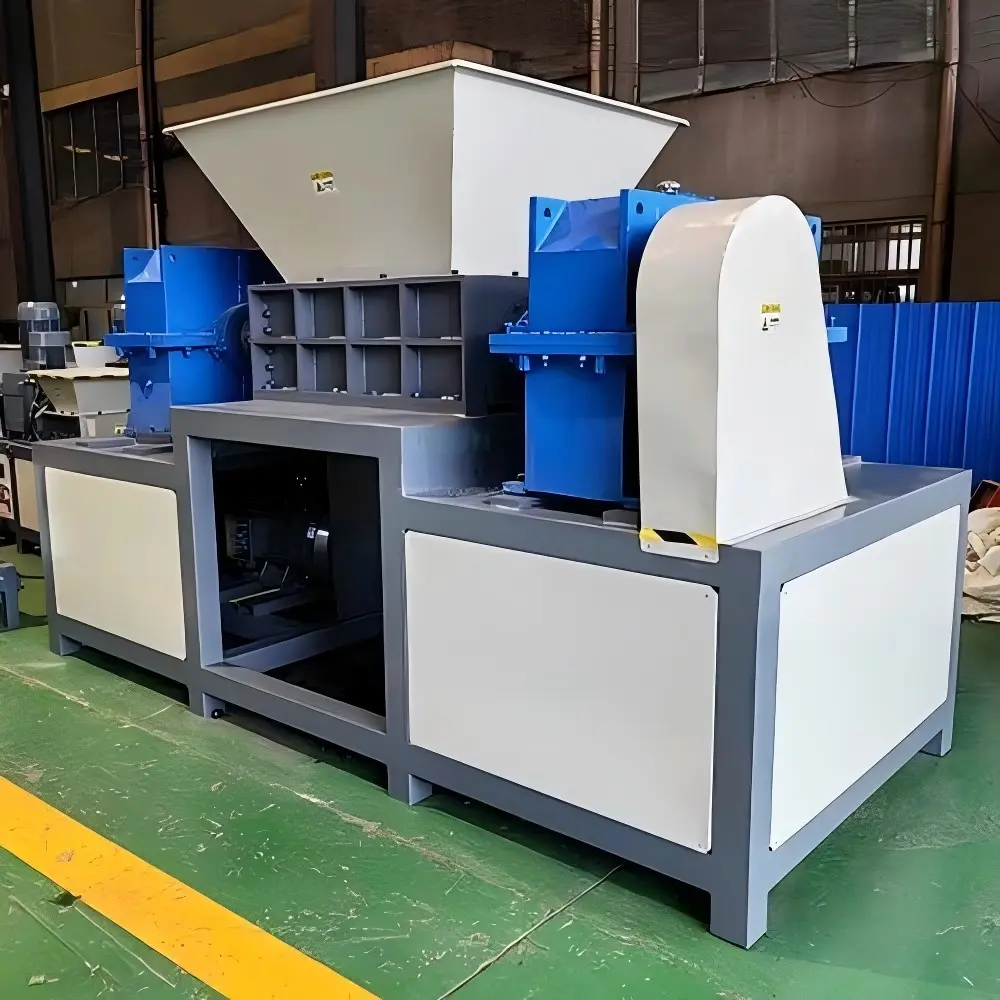
- Evaluate the Frame Construction: Metal shredding creates intense vibrations. Look for a heavy, welded steel frame with thick plates. A machine that is too light will literally shake itself apart over time.
- Safety First: Ensure the shredder includes emergency stops, hopper guards, and an auto-reverse function to protect both the machine and your operators.
Frequently Asked Questions (FAQ)
What is the difference between a single-shaft and a double-shaft shredder?
Single-shaft shredders use a hydraulic pusher to press material against a high-speed rotating rotor with small teeth; they are excellent for plastics and achieving a very small, precise output size. Double-shaft shredders use two low-speed, high-torque shafts to shear material; they are much better suited for heavy metals, bulky items, and high-volume throughput.
Can a double-shaft shredder handle stainless steel?
Yes, but stainless steel is significantly harder and more abrasive than carbon steel or aluminum. If you plan to shred stainless steel regularly, you must specify high-grade alloy blades (like H13 or specialized hard-faced blades) and likely increase the motor power requirements to handle the increased resistance.
How often do the blades need to be replaced?
Blade life depends entirely on the material being shredded. For clean aluminum, blades can last years. For contaminated scrap or heavy steel, you might look at 1,000 to 3,000 hours of operation before sharpening is required. Most HARSLE blades are designed to be sharpened multiple times before needing a full replacement.
What happens if a non-shreddable object (like a solid steel shaft) enters the machine?
Modern double-shaft shredders are equipped with “Auto-Reverse” logic. When the PLC detects an amperage spike that exceeds the safety limit, it stops the motors and reverses the shafts. If the object still cannot be processed after several attempts, the machine will shut down and trigger an alarm for manual intervention, preventing catastrophic damage to the gearbox or shafts.
Is a hydraulic or electric drive better for metal fabrication?
Electric drives are more common, easier to maintain, and more energy-efficient for standard scrap. Hydraulic drives are superior for extremely heavy-duty applications where the machine frequently encounters unshreddable items, as the hydraulic system provides a natural “cushion” against shock loads that could snap an electric drive’s mechanical components.
Conclusion
Investing in a double-shaft shredder is a strategic move for any metal fabrication plant looking to optimize its waste stream and improve its bottom line. By focusing on the critical triad of capacity, blade design, and power, you can select a machine that not only handles today’s scrap but also scales with your business. HARSLE continues to lead the industry by providing robust, high-torque shredding solutions tailored to the rigorous demands of metal processing. Remember, the goal is not just to buy a machine, but to implement a solution that reduces costs, increases safety, and contributes to a more sustainable manufacturing process.