Common Scrap Metal Baler Applications for Industrial Scrap Compression: A Comprehensive Guide

Introduction to Industrial Scrap Compression
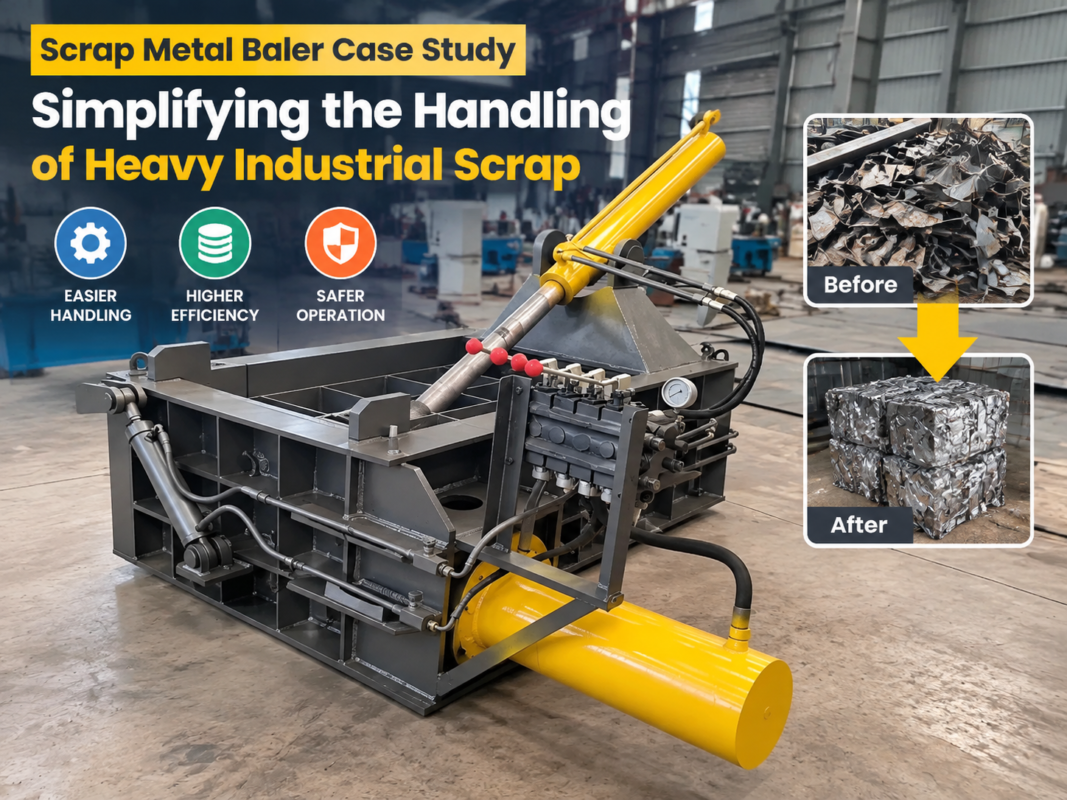
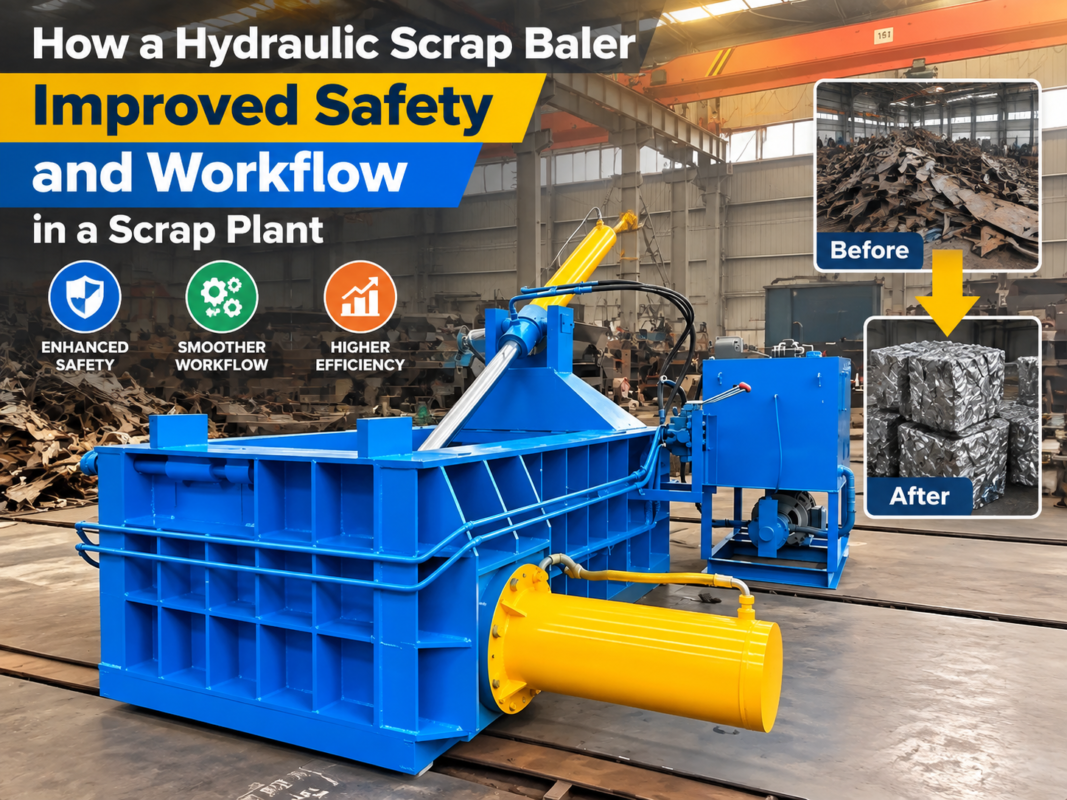
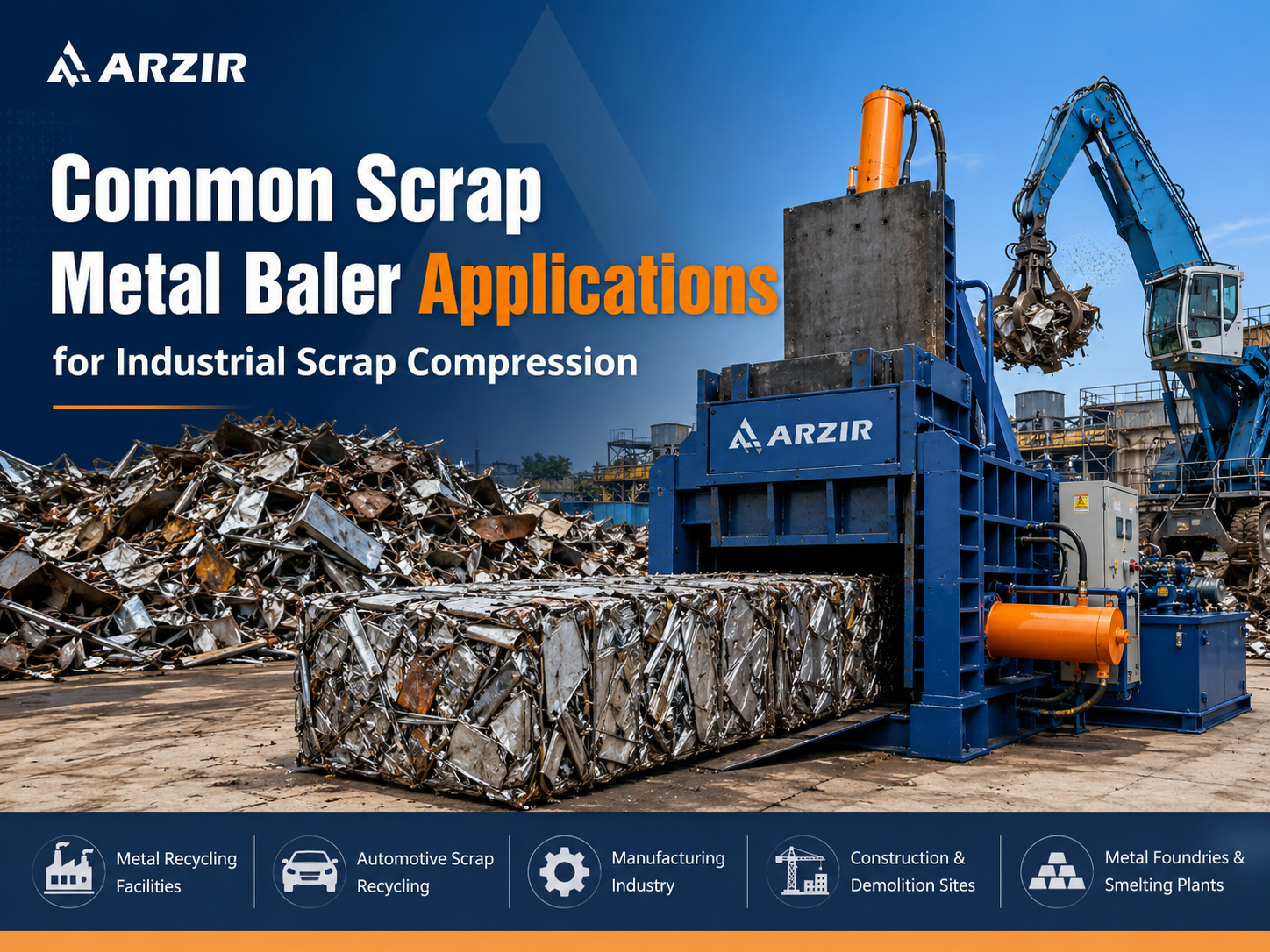
In the modern industrial landscape, the management of waste materials is no longer just a matter of housekeeping; it is a critical component of operational efficiency and environmental sustainability. One of the most vital tools in this endeavor is the scrap metal baler. As global industries strive toward a circular economy, the demand for efficient Common Scrap Metal Baler Applications Industrial Scrap Compression has skyrocketed. These machines are designed to take loose, voluminous metal waste and compress it into dense, manageable blocks known as bales. This process significantly reduces the volume of the waste, making it easier to store, transport, and eventually melt down for reuse.
HARSLE, a leader in metal fabrication machinery, understands that every industrial facility has unique requirements. Whether you are dealing with aluminum offcuts from a manufacturing line or heavy structural steel from a demolition site, the right baling solution can transform a logistical nightmare into a profitable revenue stream. This article explores the diverse applications of scrap metal balers, the technical requirements for different materials, and how to select the ideal machine configuration to maximize your productivity.
Application Scenarios for Industrial Scrap Compression
1. Professional Recycling Centers and Scrap Yards
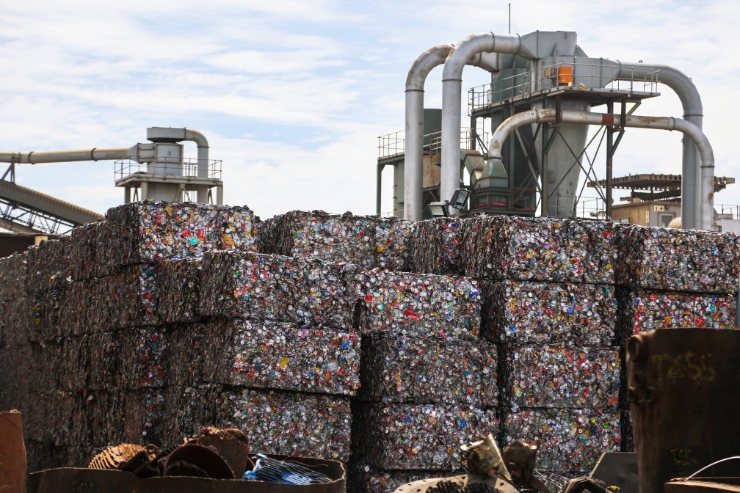
The most common environment for scrap metal balers is the professional recycling yard. These facilities act as hubs for various types of metal waste collected from the public, construction sites, and small businesses. In these scenarios, the baler must be versatile enough to handle a wide range of materials, from copper wiring and aluminum cans to stainless steel sinks and light gauge iron. The primary goal here is volume reduction to optimize shipping costs to foundries and steel mills.
2. Automotive Manufacturing and End-of-Life Vehicle (ELV) Processing
The automotive industry generates massive amounts of scrap metal. During the manufacturing process, stamping presses create significant amounts of “skeletons” or offcuts from sheet metal. Furthermore, at the end of a vehicle’s life, the body panels and structural components must be processed. Scrap metal balers are used to compress these large, awkward pieces into uniform bales that fit perfectly into melting furnaces. This application requires high-pressure systems capable of handling high-tensile strength automotive steels.
3. Construction and Demolition (C&D) Sites
Demolition projects often yield large quantities of rebar, structural beams, and metal piping. Leaving these materials loose on-site creates safety hazards and increases the number of truckloads required for removal. Portable or heavy-duty stationary balers are deployed to process this material on-site. By utilizing Common Scrap Metal Baler Applications Industrial Scrap Compression, contractors can significantly lower their carbon footprint and improve site safety by keeping the workspace clear of jagged metal debris.
4. Appliance and “White Goods” Recycling
Old refrigerators, washing machines, and dryers—often referred to as white goods—are bulky and mostly composed of thin-gauge steel and aluminum. Specialized balers are used to crush these appliances after hazardous components (like refrigerants) have been removed. The resulting bales are highly dense, ensuring that the transport of these recycled goods is economically viable.
Material and Process Requirements
Understanding the material you intend to process is the first step in selecting the right baler. Not all metals behave the same under pressure. For instance, aluminum is highly ductile and compresses easily but has a tendency to “spring back” if not held under pressure long enough. Conversely, stainless steel is much harder and requires significantly higher hydraulic force to achieve the desired bale density.
The thickness of the material also plays a crucial role. Light-gauge materials (under 3mm) can often be processed by smaller, two-ram balers. However, heavy industrial scrap, such as thick plates or structural sections, requires a three-ram or “triple compression” baler. These machines apply force from three directions to ensure the bale is tight and won’t fall apart during transit. Furthermore, the presence of contaminants like oil, plastic coatings, or non-metallic attachments must be considered, as these can affect the quality of the final bale and the wear and tear on the machine’s internal liners.
Recommended Machine Configuration
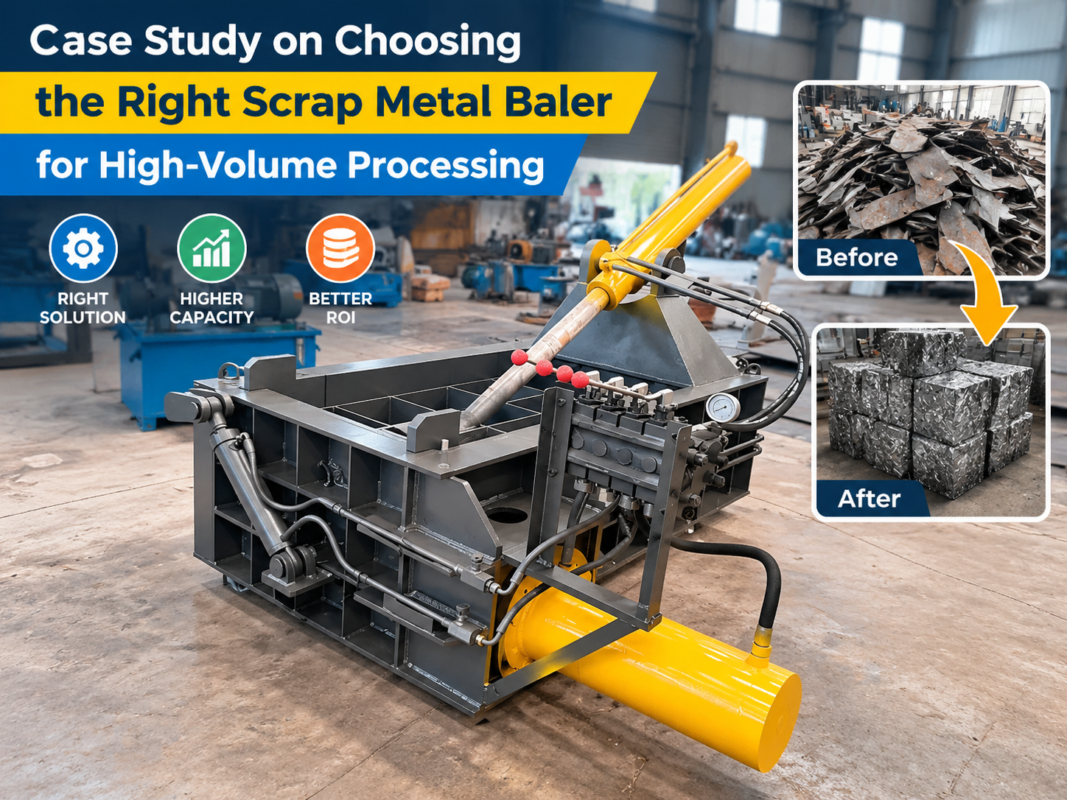
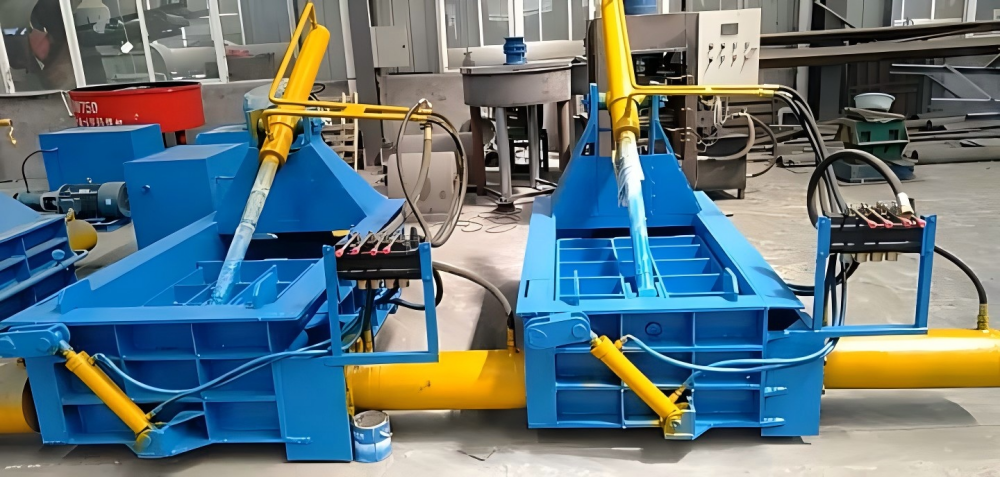
When evaluating Common Scrap Metal Baler Applications Industrial Scrap Compression, the configuration of the machine is paramount. HARSLE offers several configurations tailored to specific industrial needs:
- Side-Push Balers: Ideal for light to medium-duty scrap. The material is compressed and then pushed out the side of the machine. These are common in smaller recycling centers due to their smaller footprint and lower cost.
- Turn-Out Balers: In this design, the compression chamber opens, and the bale is flipped out. This is excellent for materials that might be sticky or irregularly shaped, ensuring a clean discharge every time.
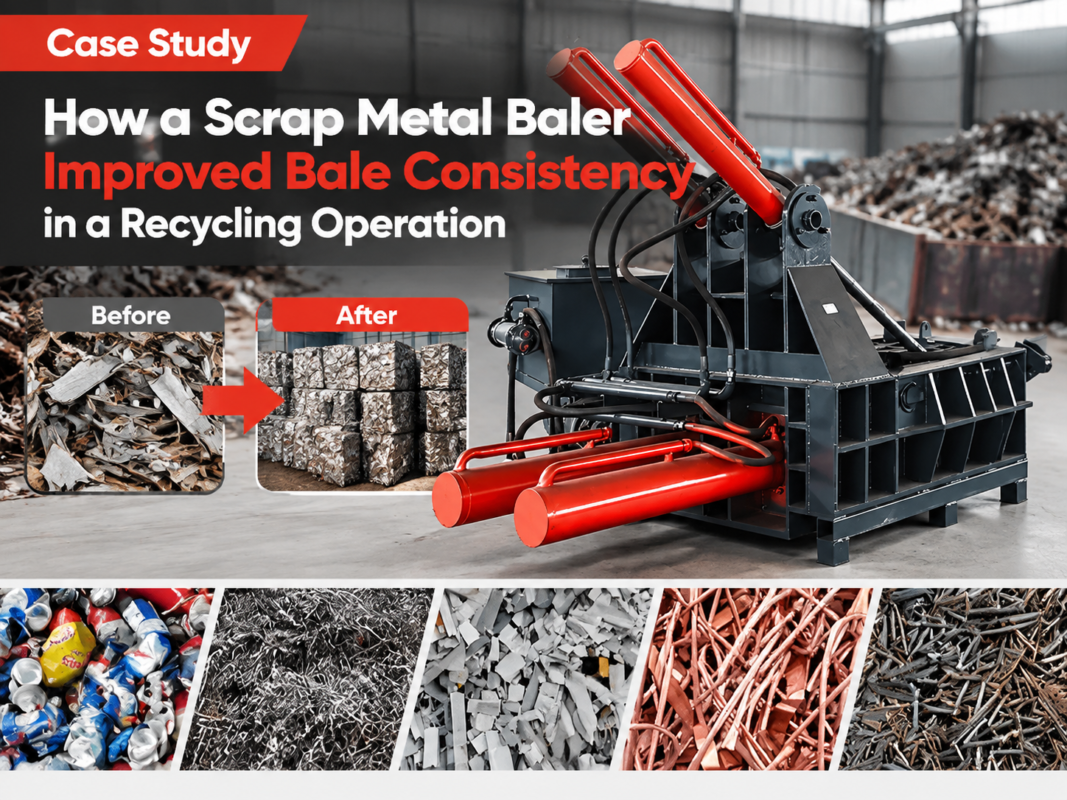
- Triple Compression Balers: For high-volume industrial applications, these machines are the gold standard. They use a lid-press, a side-press, and a main-press to create the highest density bales possible.
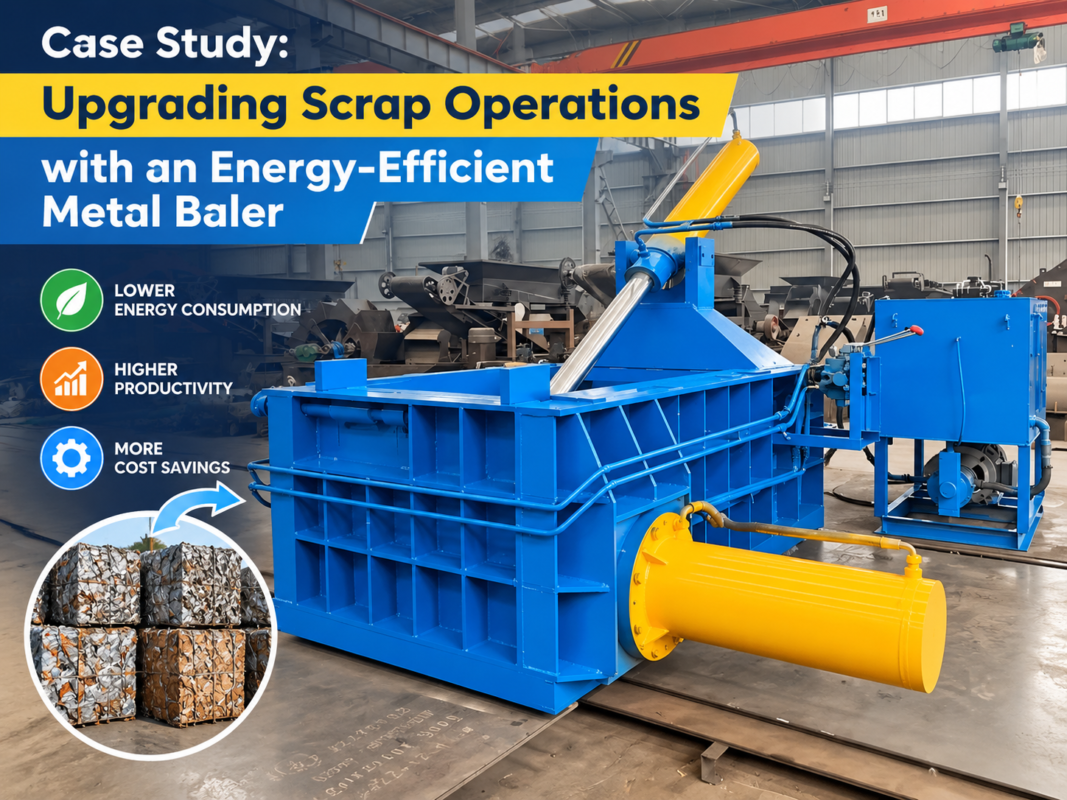
Key technical specifications to look for include the hydraulic system pressure (often ranging from 100 to 600 tons), the cycle time (how fast the machine can produce one bale), and the chamber size. For high-productivity environments, HARSLE recommends integrating PLC (Programmable Logic Controller) systems that allow for automated cycles, remote monitoring, and diagnostic reporting. This reduces the need for constant manual intervention and ensures consistent bale quality.
Workflow of Industrial Scrap Compression
The workflow of a scrap metal baling operation is a multi-stage process designed for maximum efficiency. It begins with Sorting and Pre-treatment, where metals are categorized by type (ferrous vs. non-ferrous) and grade. This is crucial because mixed-metal bales have a lower market value. Any oversized pieces may be pre-cut using hydraulic shears to fit into the baler’s charging box.
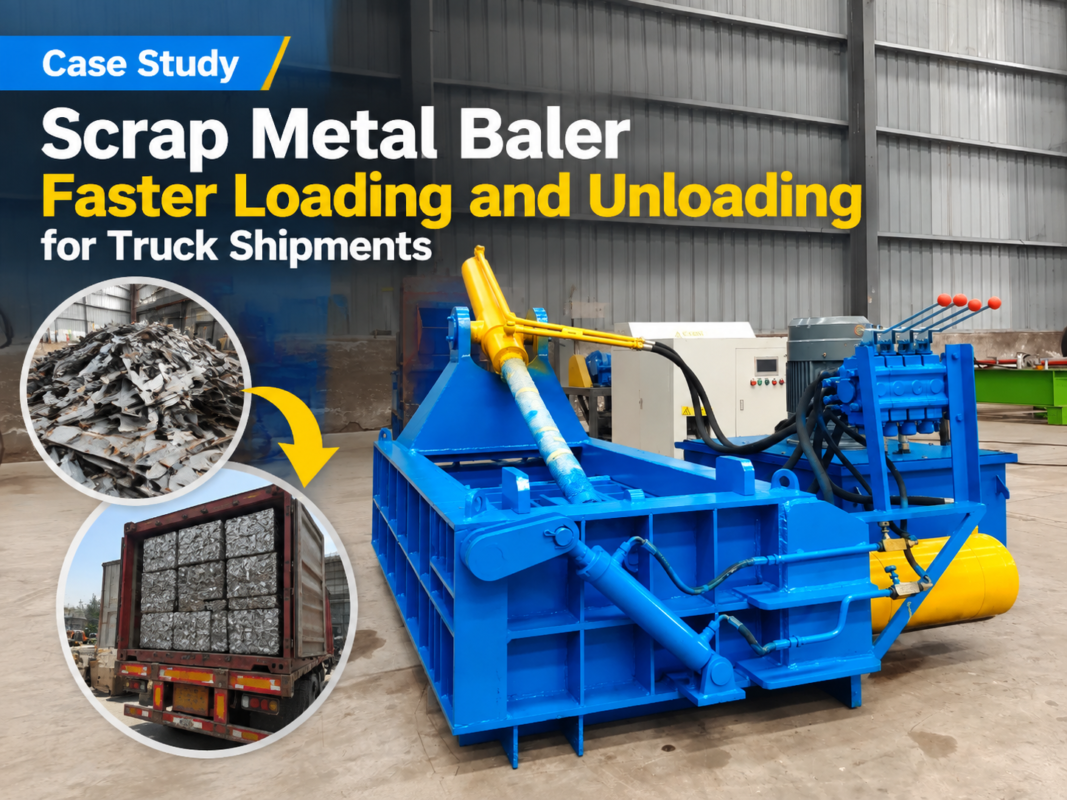
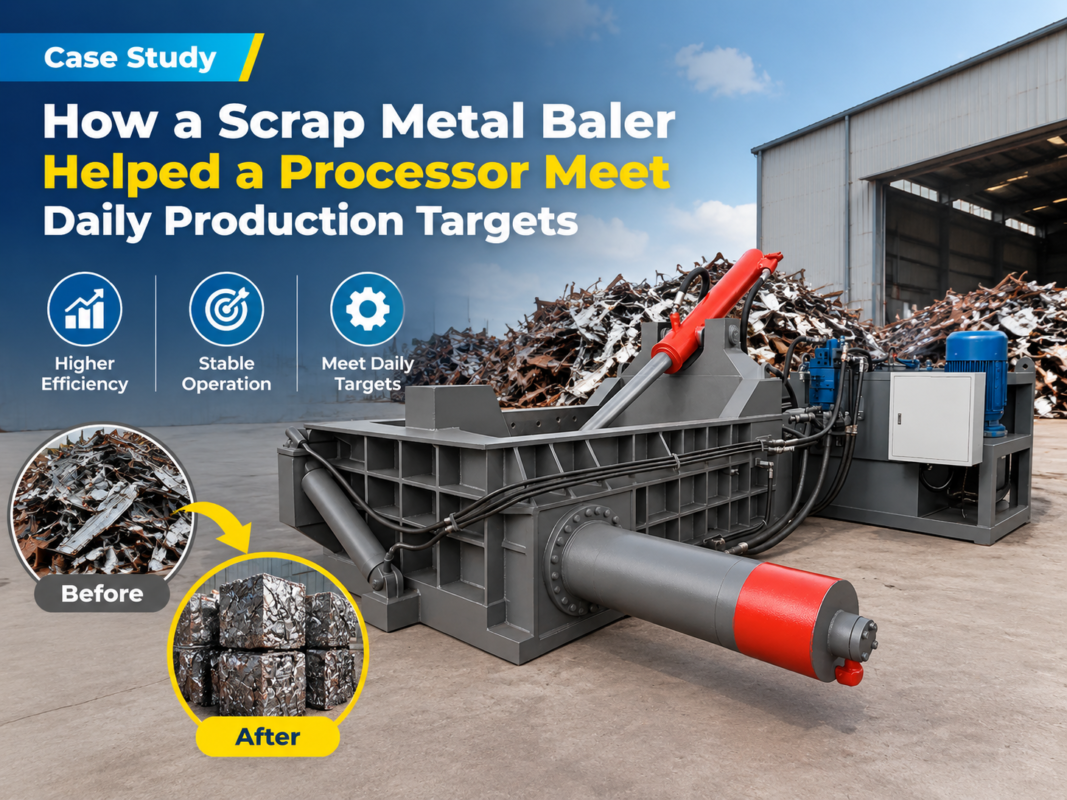
Next is the Loading Phase. This is typically done using a crane with a grapple or a conveyor belt. Once the charging box is full, the Compression Phase begins. The hydraulic rams engage in a sequence—first the lid closes to provide a top seal, then the side ram moves to narrow the material, and finally, the main ram applies the finishing pressure. Once the bale is formed, the Ejection Phase occurs, where the bale is pushed out of the chamber. Finally, the bales are stacked and loaded onto trailers for transport. This streamlined workflow ensures that the machine is constantly working, minimizing idle time and maximizing throughput.
Productivity Benefits of Scrap Metal Baling
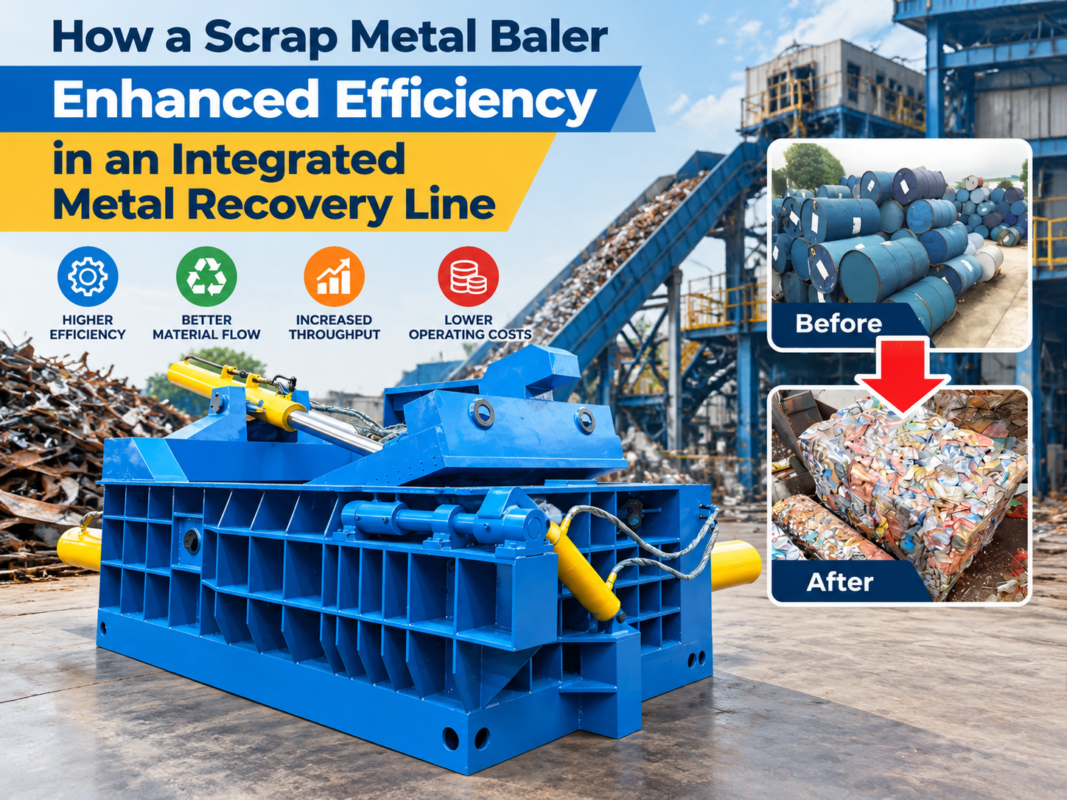
Implementing a dedicated baling solution offers numerous benefits beyond simple waste management. The most immediate benefit is Logistics Cost Reduction. Loose scrap metal is incredibly inefficient to transport; a truck might reach its volume limit long before it reaches its weight limit. Baling allows you to maximize the weight capacity of every vehicle, often reducing the number of required trips by 70% or more.
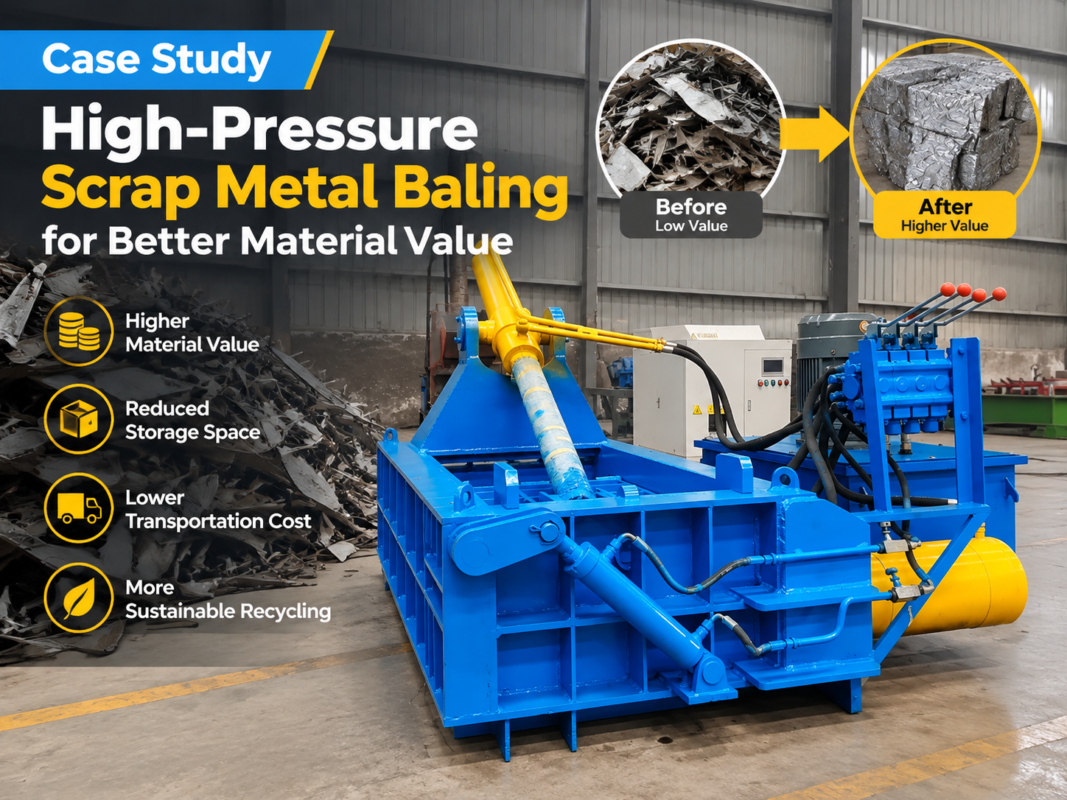
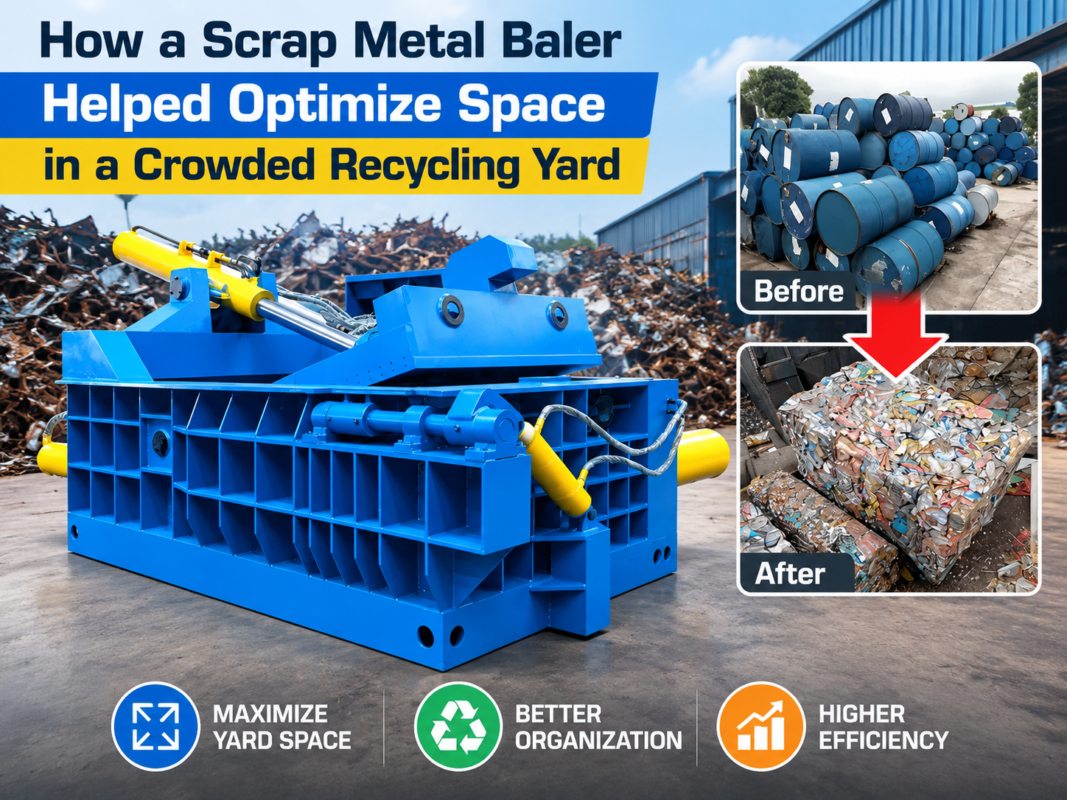
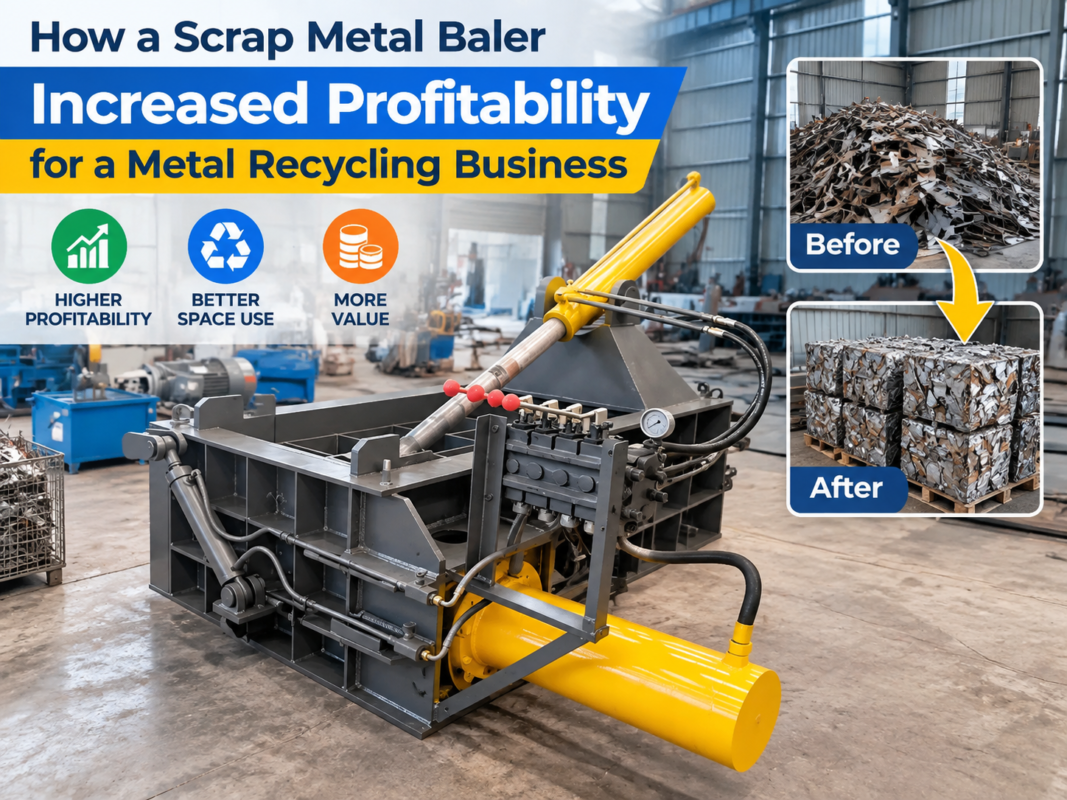
Furthermore, baling improves On-site Space Management. Instead of piles of loose metal taking up valuable floor space, neat stacks of bales can be stored in a fraction of the area. This also leads to a Safer Working Environment, as loose scrap is a major cause of puncture wounds, trips, and falls. From a financial perspective, baled scrap often fetches a higher price at the mill because it is easier for them to handle and melt. The ROI (Return on Investment) for a HARSLE scrap metal baler is often realized within the first 12-18 months of operation through these combined savings and revenue increases.
Case Example: Mid-Sized Metal Fabrication Plant
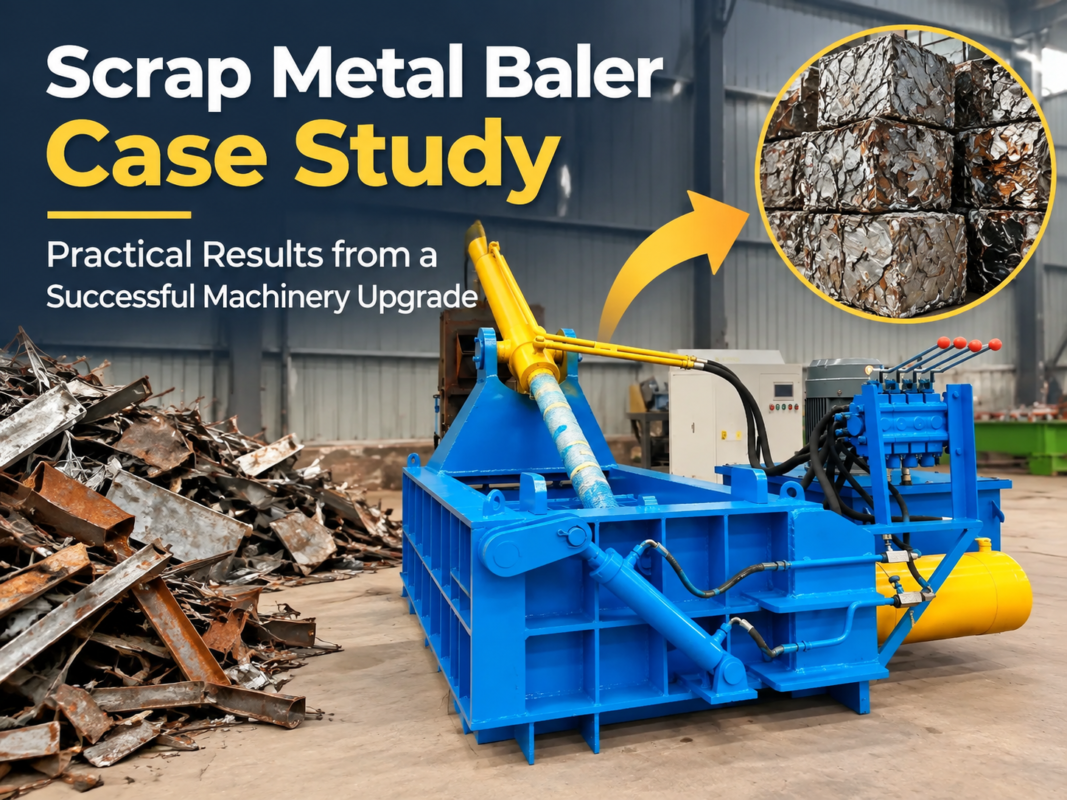
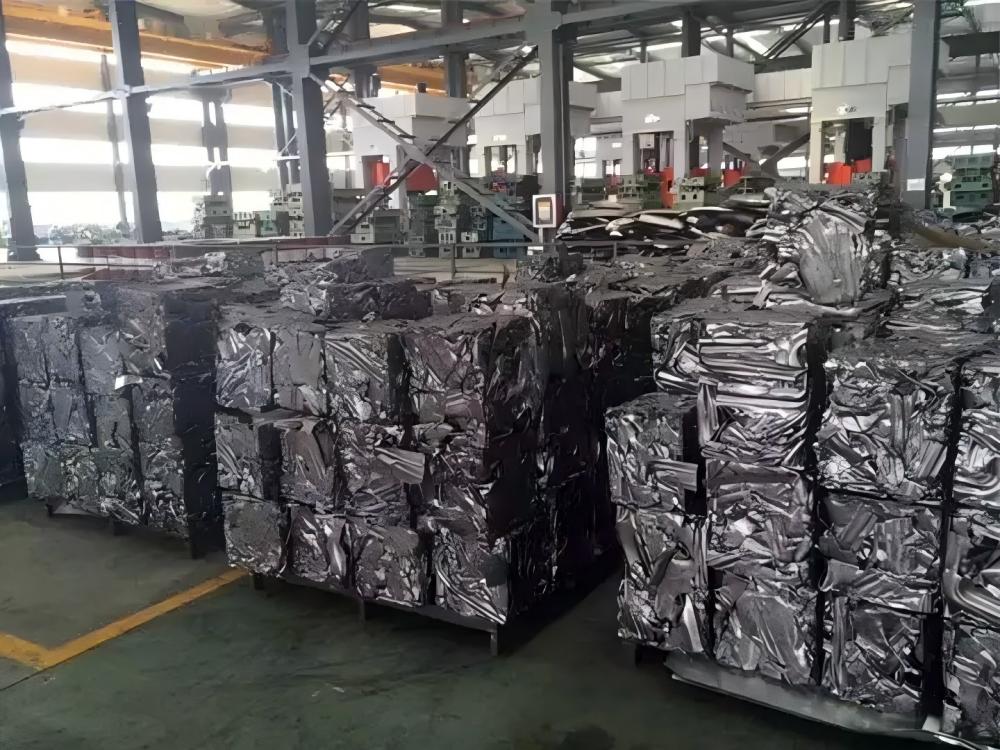
Consider a mid-sized metal fabrication plant that produces approximately 50 tons of aluminum and steel offcuts per month. Previously, they used open-top containers to store loose scrap. This required four pickups per month, and the scrap dealer charged a “handling fee” due to the low density of the material. The plant floor was often cluttered with overflowing bins, creating a safety hazard.
After consulting with HARSLE, they installed a Y81 series hydraulic metal baler. The results were immediate. The 50 tons of scrap were now compressed into dense bales that fit into a single monthly pickup, eliminating three-quarters of their transportation costs. The scrap dealer waived the handling fee and offered a premium price for the baled material. Additionally, the plant reclaimed 500 square feet of floor space previously used for scrap storage, which they repurposed for a new welding station. The total monthly savings and increased revenue amounted to $4,500, allowing the machine to pay for itself in just over a year.
Frequently Asked Questions (FAQ)
What is the difference between a vertical and horizontal baler for metal?
Vertical balers are generally used for lighter materials like cardboard or very thin aluminum cans and have a smaller footprint. Horizontal balers, like those offered by HARSLE for industrial scrap, are designed for heavy-duty metals and high-volume throughput. Horizontal balers are much more powerful and can be integrated into automated conveyor systems.
How much maintenance does a scrap metal baler require?
Regular maintenance is essential for longevity. This includes checking hydraulic oil levels, inspecting hoses for leaks, and ensuring the wear plates inside the compression chamber are in good condition. HARSLE machines are designed with replaceable high-manganese steel liners to make maintenance easier and protect the main structure of the machine.
Can one baler handle different types of metal?
Yes, most industrial balers can handle various metals. However, you should adjust the pressure settings and cycle times based on the material’s density and hardness. It is also vital to clean the chamber between different metal types to prevent cross-contamination, which can lower the value of your bales.
What safety features should I look for?
Safety is paramount. Look for machines with emergency stop buttons, safety interlocks on all doors and access panels, and automated sensors that prevent the rams from moving if the chamber is not properly closed. HARSLE integrates these features as standard to protect operators.
How do I determine the right bale size for my needs?
Bale size is usually determined by the requirements of the foundry or mill you are selling to. Standard sizes often range from 300x300mm to 600x600mm. Larger bales are more efficient for transport, but you must ensure your loading equipment (like forklifts) can handle the weight of a dense metal bale.
Conclusion and Call to Action
The Common Scrap Metal Baler Applications Industrial Scrap Compression are vast and varied, touching almost every sector of the manufacturing and recycling industries. By investing in a high-quality hydraulic baler, businesses can transform their waste management from a cost center into a streamlined, profitable operation. HARSLE is committed to providing the most durable, efficient, and technologically advanced baling solutions on the market.
Are you ready to optimize your scrap metal processing? Contact HARSLE today to speak with our technical experts. We can help you analyze your material flow, recommend the perfect machine configuration, and provide a detailed ROI analysis tailored to your specific needs. Visit our website or call our sales team to take the first step toward a cleaner, more profitable industrial future.