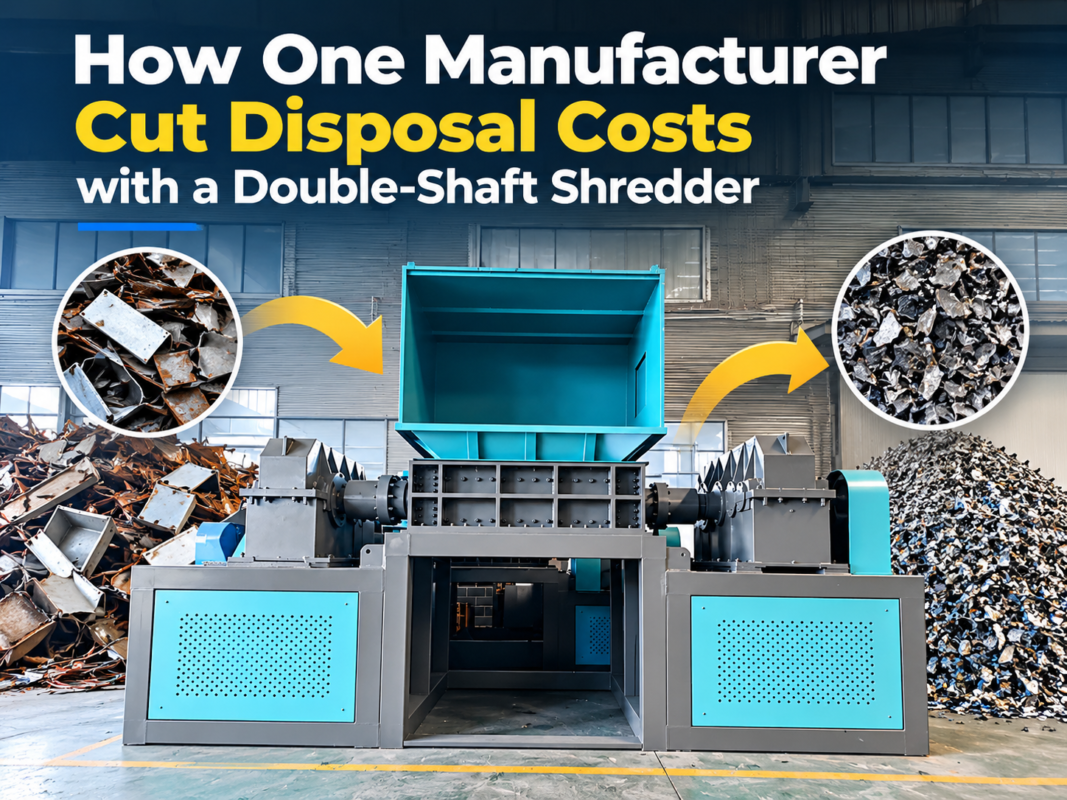
How to Choose the Right Scrap Metal Baler for Different Material Applications

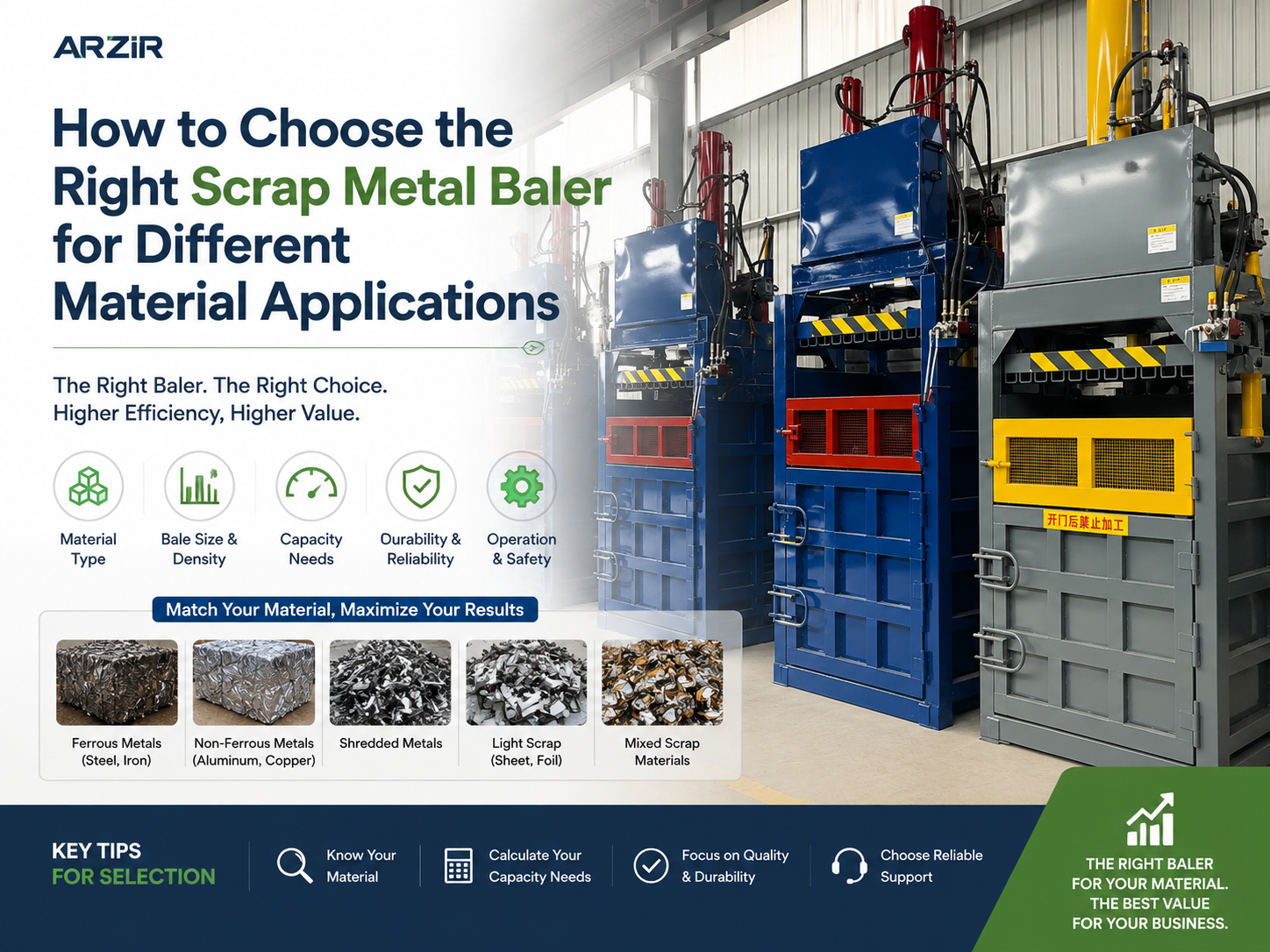
Introduction to Scrap Metal Baling Technology
In the modern industrial landscape, the management of waste materials has evolved from a simple disposal task into a sophisticated resource recovery process. Scrap metal baling is at the heart of this transformation. By compressing loose metal scraps into dense, manageable blocks, businesses can significantly reduce storage space, lower transportation costs, and increase the market value of their waste. However, the diversity of metal types—ranging from soft aluminum cans to heavy-duty structural steel—means that a one-size-fits-all approach is rarely effective. To maximize efficiency, one must understand how to choose scrap metal baler different material applications based on specific operational needs.
HARSLE, a leader in metal fabrication machinery, recognizes that the selection process involves more than just picking a machine with the highest pressure. It requires a deep dive into material science, hydraulic engineering, and logistical planning. This guide provides a comprehensive framework for selecting the ideal baling solution, ensuring that your investment delivers long-term productivity and safety. Whether you are running a small recycling center or a massive automotive manufacturing plant, the right baler is the cornerstone of a sustainable and profitable recycling workflow.
Application Scenario: Identifying Your Operational Environment
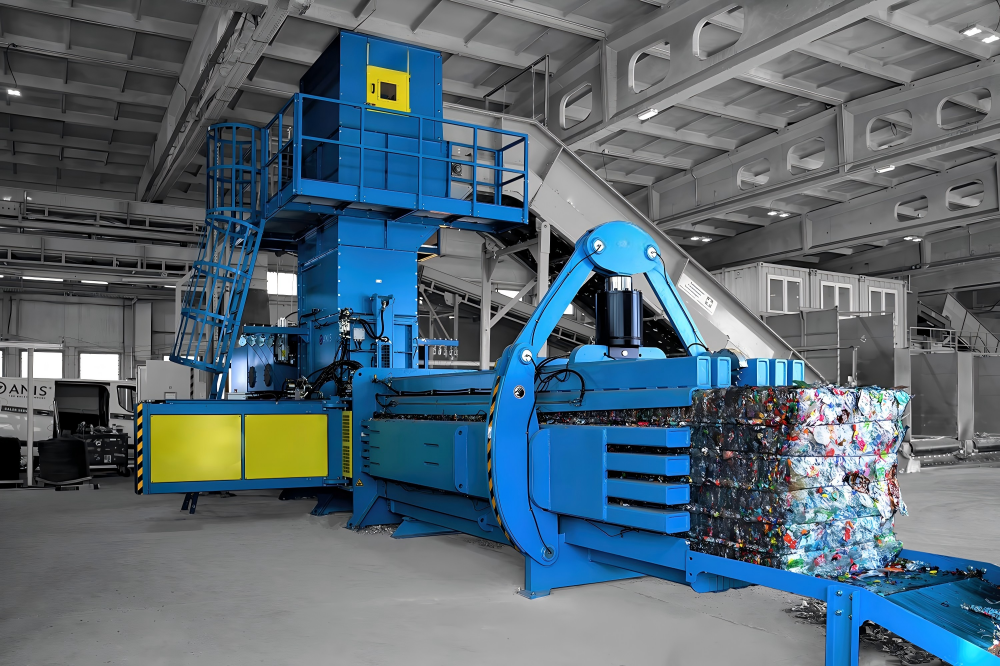
The first step in the selection process is defining the application scenario. Scrap metal balers are utilized across various sectors, each with unique demands. For instance, a scrap yard focusing on post-consumer waste like beverage cans and old appliances faces different challenges than a factory producing high volumes of uniform steel offcuts. Understanding your environment helps narrow down the machine’s required durability, speed, and automation level.
In municipal recycling centers, the primary goal is often volume reduction for transport. These facilities handle a wide mix of non-ferrous metals. Here, versatility is key. Conversely, in heavy industrial settings like shipbreaking or large-scale demolition, the baler must be capable of shearing and compressing thick structural beams. In these scenarios, the machine is not just a compactor but a heavy-duty processor that must withstand extreme mechanical stress over multiple shifts.
Another critical scenario is the automotive recycling industry. When a vehicle reaches the end of its life, it is stripped of fluids and high-value components, leaving behind a shell of mixed steel and aluminum. A specialized car baler or a high-tonnage horizontal baler is required to process these bulky frames into dense cubes. By identifying which of these scenarios best describes your operation, you can begin to evaluate the specific material and process requirements that will dictate your machine choice.
Material and Process Requirements
To choose scrap metal baler different material applications effectively, you must analyze the physical properties of the scrap you intend to process. Metals differ significantly in their density, elasticity, and resistance to compression. These factors determine the hydraulic force required and the design of the baling chamber.
Ferrous vs. Non-Ferrous Metals
Ferrous metals, such as iron and steel, are magnetic and generally harder than non-ferrous metals. They require higher compression forces to reach the desired bale density. Non-ferrous metals like aluminum, copper, and brass are softer and more ductile. While they require less force, they often have a higher ‘spring-back’ effect, meaning the baler must hold the pressure longer or use specialized locking mechanisms to ensure the bale remains compact once ejected.
Material Thickness and Geometry
The thickness of the metal is perhaps the most critical factor. Thin-gauge materials, such as aluminum siding or tin cans, can be processed by standard vertical or light-duty horizontal balers. However, thick plates, pipes, or rebar require a baler equipped with integrated shears. These shears trim excess material that hangs over the chamber edges, preventing jams and ensuring a clean, rectangular bale. If your scrap includes long pieces of metal, a machine with a large charging box and high-strength cutting blades is non-negotiable.
Volume and Throughput Goals
How much metal do you need to process per hour? This question determines the cycle time of the machine. For low-volume applications (less than 5 tons per day), a manual-load vertical baler may suffice. For high-volume industrial applications (over 20 tons per day), a fully automatic horizontal baler with a conveyor feed system is necessary. Throughput is not just about the speed of the hydraulic ram; it also involves the time taken to load the chamber and eject the finished bale.
Recommended Machine Configuration
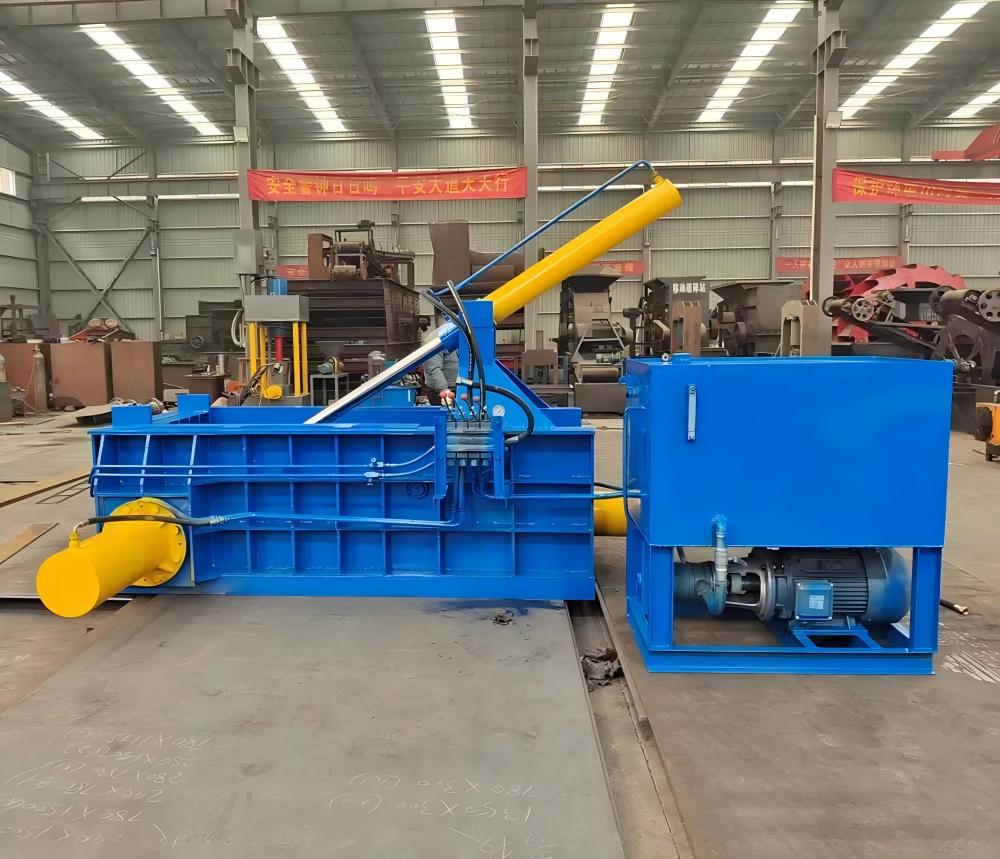
Once the material requirements are clear, you can look at specific machine configurations. HARSLE offers a range of balers designed for various intensities and material types. The configuration of the hydraulic system, the orientation of the chamber, and the control interface are the three pillars of a high-performing baler.
Vertical vs. Horizontal Orientation
Vertical balers are compact and cost-effective, making them ideal for facilities with limited floor space. They are typically used for lighter non-ferrous metals. Horizontal balers, while requiring more space, offer much higher throughput and can be integrated into automated production lines. Horizontal models are the standard for heavy-duty ferrous scrap processing because they allow for continuous feeding and automatic bale ejection.
Hydraulic System and Pressure
The heart of the baler is its hydraulic system. When you choose scrap metal baler different material applications, look at the nominal force (measured in kilonewtons or tons). For light aluminum, 60-100 tons of force might be sufficient. For heavy steel scrap, you may need 250 to 600 tons or more. Additionally, consider the pump capacity; a high-displacement pump will result in faster cycle times, which is essential for maintaining productivity in high-volume environments.
Chamber Liners and Wear Parts
Scrap metal is abrasive. Over time, the interior of the baling chamber will wear down. High-quality balers feature replaceable liners made from wear-resistant steel (such as Hardox). If you are processing particularly abrasive materials like stainless steel turnings or sandy scrap, ensuring your machine has easily replaceable, high-grade liners will significantly reduce long-term maintenance costs and downtime.
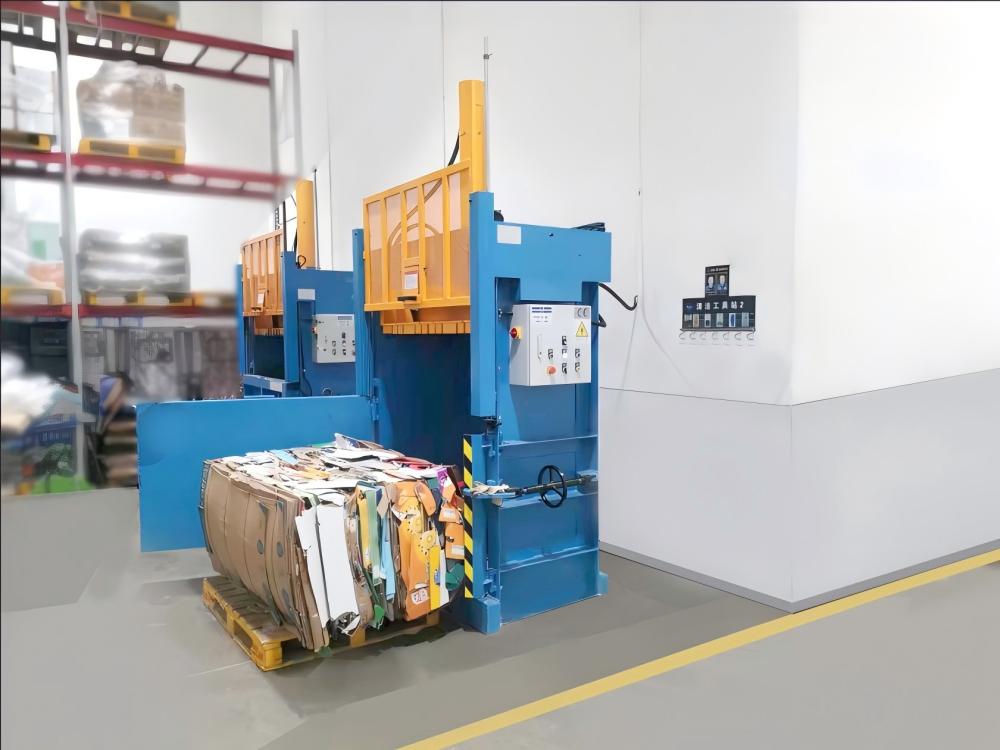
Workflow: From Loose Scrap to Finished Bale
Understanding the workflow of a scrap metal baler helps in optimizing the labor force and ensuring safety. A typical professional workflow involves several distinct stages, each requiring attention to detail.
- Sorting and Pre-treatment: Before entering the baler, scrap should be sorted by metal type. Contaminants like plastics, wood, or hazardous materials must be removed. For very large pieces, pre-shredding or manual torch cutting might be necessary to fit the material into the charging box.
- Loading: Material is loaded into the chamber via a hopper, conveyor, or grab crane. In automatic systems, sensors detect when the chamber is full and trigger the compression cycle.
- Compression: The hydraulic ram moves forward, crushing the metal against the chamber walls or a fixed door. In multi-stage balers, a side ram may apply secondary pressure to increase density further.
- Bale Tying/Ejection: Once the desired density is reached, the bale is either manually tied with wire (common in vertical balers) or automatically strapped. The finished bale is then pushed out of the machine, often onto a scale for weighing and tagging.
Efficiency in this workflow is achieved by minimizing the ‘dead time’ between cycles. This is where advanced PLC (Programmable Logic Controller) systems come into play, as they can optimize the ram’s movement based on the resistance encountered from the material.
Productivity Benefits and ROI
Investing in the right scrap metal baler offers a high Return on Investment (ROI) through several channels. The most immediate benefit is the reduction in logistics costs. Loose scrap is incredibly inefficient to transport; a truck filled with loose aluminum cans is mostly carrying air. By baling that same material, you can increase the weight per load by 500% or more, drastically reducing the number of trips required to reach the smelter.
Furthermore, baled scrap commands a higher price in the market. Refineries and foundries prefer baled material because it is easier to handle, takes up less space in their furnaces, and allows for more accurate melt chemistry. Additionally, a clean, organized scrap yard with baled material is significantly safer for workers, reducing the risk of trips, cuts, and fires associated with loose metal piles.
| Feature | Vertical Baler | Horizontal Baler | Heavy-Duty Shear Baler |
|---|---|---|---|
| Best For | Aluminum cans, copper wire | Industrial offcuts, high volume | Structural steel, HMS 1/2 |
| Footprint | Small | Large | Very Large |
| Automation | Manual | Semi/Fully Automatic | Fully Automatic |
| Pressure Range | 30-100 Tons | 100-400 Tons | 500+ Tons |
Case Example: Aluminum vs. Steel Processing
To illustrate the importance of choosing the right machine, let’s look at two different clients. Client A is a beverage distribution center that generates 2 tons of aluminum cans daily. For them, a HARSLE vertical baler with a 60-ton press force was the perfect fit. It required minimal space and allowed their existing staff to bale material during downtime. The ROI was achieved in just 14 months through saved waste collection fees.
Client B is a metal stamping plant producing 15 tons of steel skeletons per shift. A vertical baler would have been dangerously overwhelmed. Instead, they opted for a HARSLE horizontal continuous baler with integrated side-shears. This machine allowed them to feed scrap directly from their production line via a conveyor. The result was a 40% reduction in labor costs and a significant increase in the purity and density of their scrap, which they now sell directly to a steel mill at premium rates.
Frequently Asked Questions (FAQ)
1. How often does a scrap metal baler require maintenance?
Routine maintenance should be performed daily (checking oil levels and cleaning debris) and weekly (greasing moving parts). A full professional inspection of the hydraulic seals and PLC system should occur every 6 to 12 months, depending on usage intensity.
2. Can I use one baler for both aluminum and steel?
Yes, but with caveats. If you choose scrap metal baler different material applications, ensure the machine is rated for the toughest material (steel). You can bale aluminum in a steel-rated baler, but you must adjust the pressure settings to prevent over-compacting or damaging the softer metal’s structure.
3. What safety features should I look for?
Essential safety features include emergency stop buttons, safety interlocks on all doors (preventing the ram from moving while a door is open), and light curtains for automatic machines. HARSLE machines also include pressure relief valves to prevent hydraulic failure.
4. How do I determine the right bale size?
Bale size is usually dictated by your buyer (the foundry or smelter) and your transport method. Standard sizes like 600x600mm or 800x800mm are common because they fit efficiently into standard shipping containers and truck beds.
5. What power supply is needed for industrial balers?
Most industrial scrap balers require a 3-phase power supply (380V/415V/480V). The exact wattage depends on the motor size, which correlates with the hydraulic pressure and speed of the machine.
Conclusion: Making the Right Choice with HARSLE
Choosing the right scrap metal baler is a strategic decision that impacts your facility’s efficiency, safety, and bottom line. By carefully evaluating your material types, volume requirements, and available space, you can select a machine that not only meets your current needs but also allows for future growth. At HARSLE, we specialize in providing tailored solutions for the recycling industry, combining robust engineering with intuitive controls.
Don’t let your scrap metal be a liability. Turn it into a streamlined revenue stream with the right technology. If you are ready to choose scrap metal baler different material applications for your business, our team of experts is here to guide you through every technical specification and operational consideration.
Contact HARSLE today for a personalized consultation and quote on our industry-leading scrap metal baling solutions!