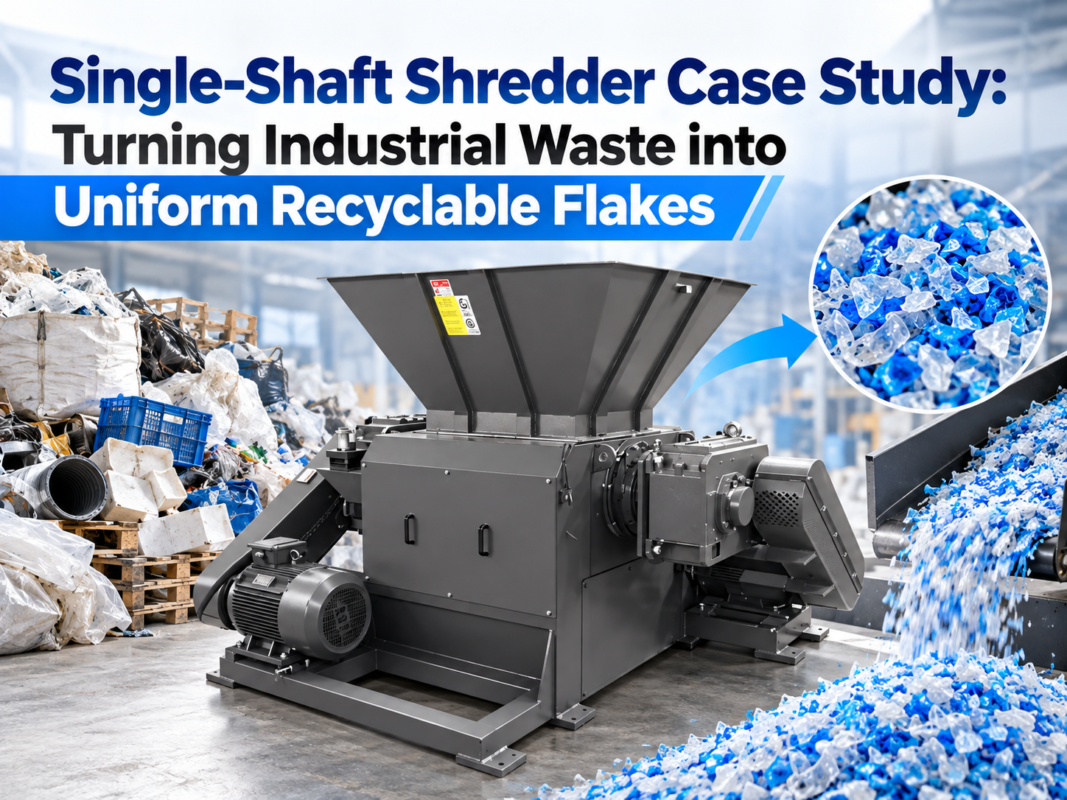
How to Choose a Four-Shaft Shredder Based on Material Type and Throughput

Introduction to Four-Shaft Shredding Technology
In the modern industrial landscape, waste management and material recycling have evolved from secondary concerns to primary operational priorities. Among the various technologies available, the four-shaft shredder stands out as a versatile powerhouse. Unlike single or double-shaft variants, the four-shaft design offers superior material grabbing capabilities and a built-in screening mechanism that ensures a consistent output size. However, the complexity of these machines means that a ‘one-size-fits-all’ approach is impossible. To maximize efficiency, you must choose a four-shaft shredder based on material type and throughput requirements specific to your facility.
HARSLE has pioneered the development of high-torque, low-speed shredding solutions that cater to diverse industries, from automotive recycling to electronic waste processing. The four-shaft shredder utilizes two main cutting shafts and two auxiliary shafts. This configuration allows the machine to pull in bulky materials more effectively than a two-shaft shredder, while the integrated screen underneath the shafts ensures that only material of the desired size passes through. Anything larger is recirculated back to the cutters. This makes it the ideal choice for applications where uniform particle size is non-negotiable.
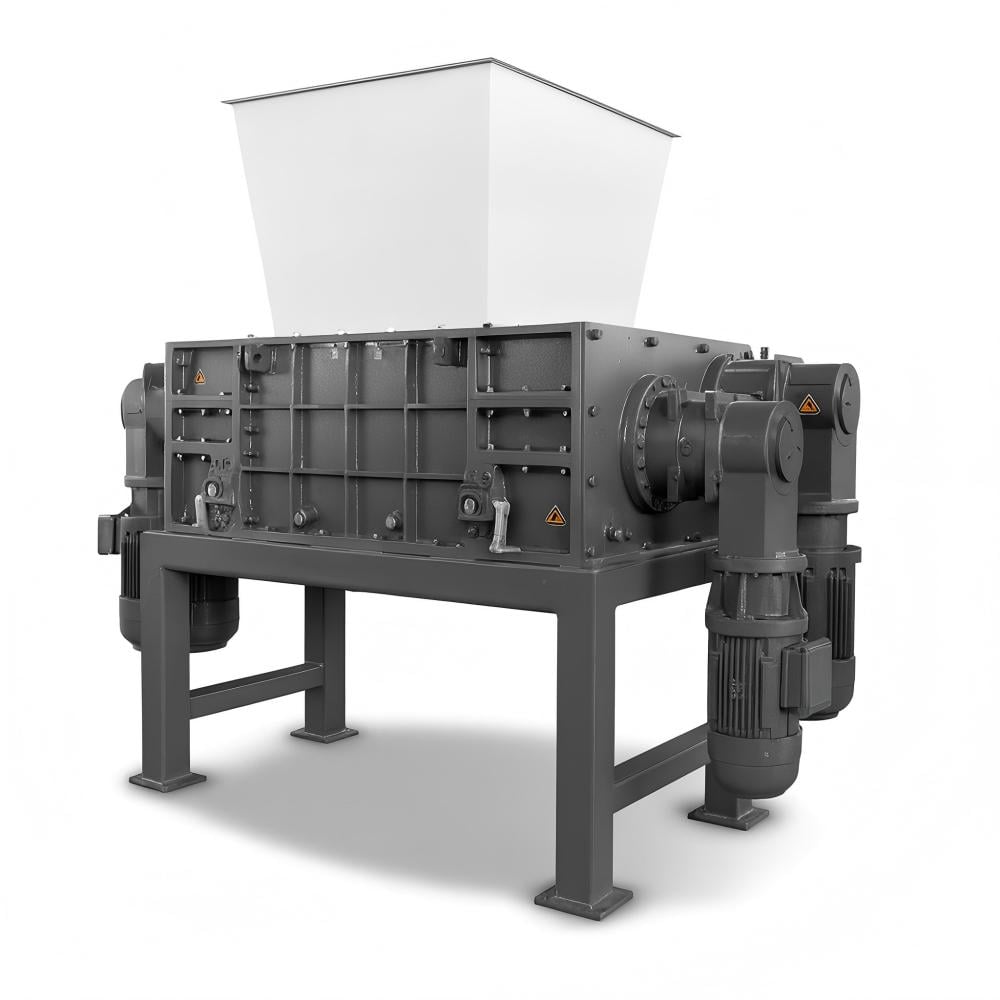
Price Range Overview: What to Expect
When you begin the journey to choose a four-shaft shredder based on material type and throughput, the first question is often regarding the investment. The price of a four-shaft shredder can vary significantly, typically ranging from $25,000 for small-scale units to over $250,000 for high-capacity, heavy-duty industrial systems. This wide range is reflective of the machine’s complexity, the quality of the materials used in its construction, and the level of automation integrated into the control system.
Entry-level models are generally designed for lighter materials like plastics, thin-walled aluminum, or paper. These machines usually feature lower horsepower motors and smaller cutting chambers. Mid-range shredders, priced between $60,000 and $120,000, are the workhorses of the recycling industry. They are capable of handling tougher materials like tires, electronic scrap (e-waste), and light metal scrap. High-end systems are custom-engineered for maximum throughput and extreme durability, often featuring reinforced frames, advanced PLC controls, and specialized alloy blades designed for 24/7 operation in harsh environments.
It is important to note that the purchase price is only the beginning. A lower-priced machine might seem attractive initially, but if it is under-specced for your material type, the costs associated with frequent blade replacements and downtime will quickly eclipse the initial savings. Conversely, over-investing in a machine with more throughput than you need results in wasted energy and capital. Finding the ‘sweet spot’ requires a deep understanding of your specific waste stream.
Main Cost Drivers in Four-Shaft Shredders
Several technical factors dictate the final price and performance of a four-shaft shredder. Understanding these drivers is essential when you choose a four-shaft shredder based on material type and throughput. The most significant cost driver is the motor and drive system. High-torque requirements for shredding metals or thick plastics necessitate powerful electric motors or hydraulic drive systems. Hydraulic drives offer superior shock absorption and variable speed control but come at a higher price point compared to standard electric gear-motor setups.
The second major driver is the metallurgy of the cutting blades. Blades are the primary wear part and are typically made from high-alloy steels like D2, SKD-11, or DC53. For highly abrasive materials like glass-filled plastics or contaminated e-waste, blades may require specialized heat treatments or hard-facing coatings. The number of blades, their thickness, and the complexity of their hook geometry also influence the cost. A four-shaft system has significantly more blades than a two-shaft system, which increases the manufacturing cost but provides the benefit of internal recirculation.
Finally, the control system and structural integrity play a role. A robust HARSLE shredder uses a heavy-duty welded frame to withstand the immense vibrations and stresses of the shredding process. Advanced PLC (Programmable Logic Controller) systems with touch-screen interfaces allow for automated ‘auto-reverse’ functions. This feature detects a jam, reverses the shafts to clear the material, and then resumes shredding, preventing motor burnout and reducing the need for manual intervention. These smart features add to the cost but are vital for high-throughput operations.
Configuration Impact: Material Type vs. Machine Specs
The material you intend to process is the single most important factor in determining the configuration of your shredder. Different materials react differently to the shearing and tearing forces of the blades. For example, shredding flexible plastics or rubber requires a different blade profile than shredding brittle electronic components or rigid metal drums. When you choose a four-shaft shredder based on material type and throughput, you must match the blade geometry to the material’s physical properties.
- Plastics and Polymers: These materials often require sharp, hooked blades to ‘grab’ the material. Because plastics can melt if too much heat is generated, lower shaft speeds are often preferred.
- E-Waste (Circuit Boards and Hard Drives): This material is highly abrasive and contains various metals. It requires high-hardness blades and a specific screen size to ensure that data-bearing components are destroyed and precious metals are liberated for downstream sorting.
- Metal Scrap: Shredding light metals like aluminum extrusions or tin cans requires high torque. The shafts must be built with high-strength alloys to prevent snapping under the sudden load of a non-shreddable object.
- Tires and Rubber: Rubber is elastic and difficult to shear. A four-shaft shredder for tires needs a very tight tolerance between the blades to ensure a clean cut rather than just stretching the material.
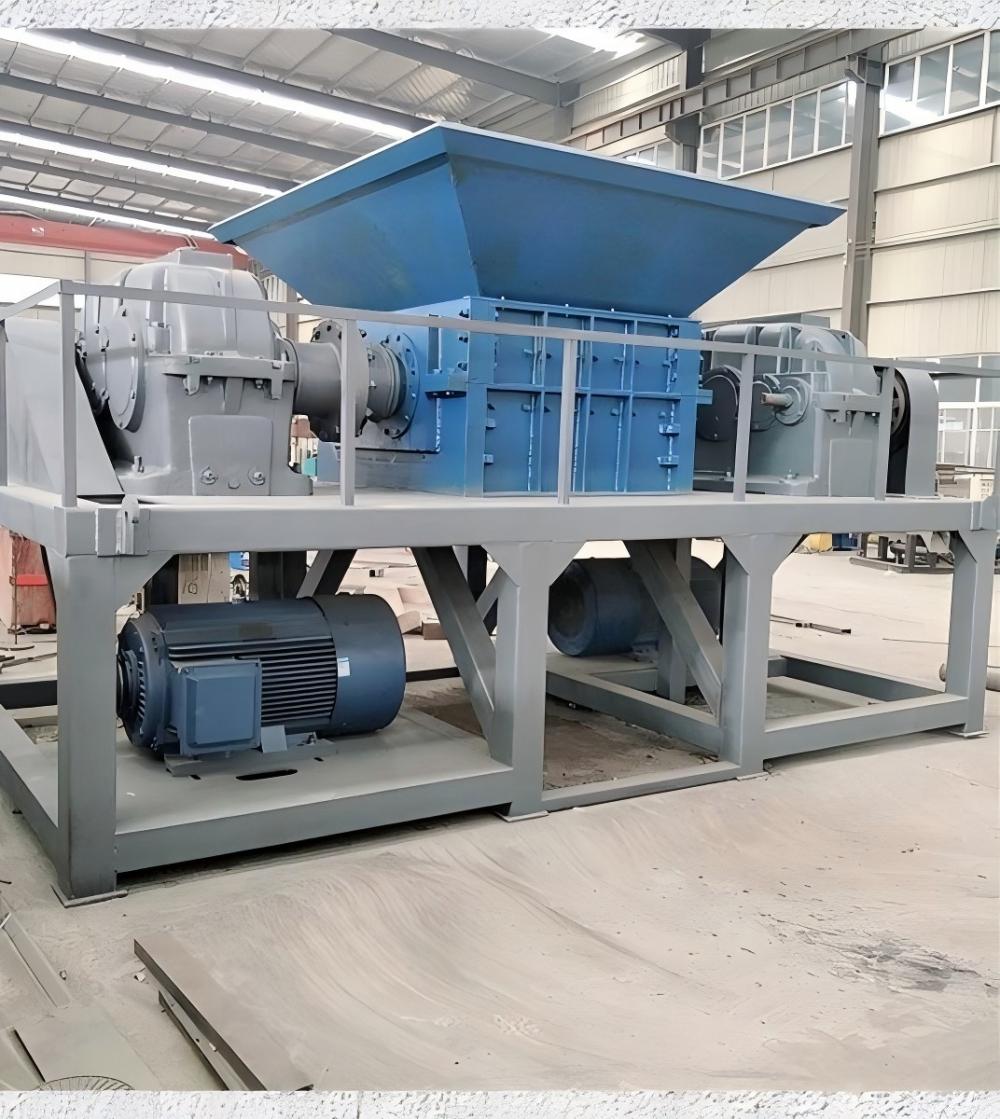
Throughput requirements further refine the configuration. Throughput is measured in kilograms or tons per hour. To achieve high throughput, you need a larger cutting chamber and higher motor power. However, throughput is also affected by the screen size. A smaller screen (e.g., 20mm) will significantly reduce the hourly throughput compared to a larger screen (e.g., 50mm) because the material stays in the chamber longer until it is small enough to pass through. Balancing the desired output size with the required hourly volume is a critical step in the selection process.
Hidden Costs: Maintenance and Operation
Beyond the initial purchase price, several hidden costs can impact the total cost of ownership (TCO). The most prominent is the cost of wear parts. In a four-shaft shredder, the blades, spacers, and screens are subject to constant friction. Depending on the abrasiveness of your material, blades may need to be sharpened or replaced every few hundred to a few thousand hours. HARSLE designs its shredders with ease of maintenance in mind, allowing for relatively quick blade changes, but the cost of the replacement parts themselves must be factored into your budget.
Energy consumption is another significant operational cost. High-horsepower motors consume substantial electricity. If your facility has high peak-demand charges, you might consider a shredder with a VFD (Variable Frequency Drive) to manage power spikes during startup and heavy loading. Additionally, the cost of labor for feeding the machine and managing the output should not be overlooked. Integrating the shredder into a conveyor system can reduce labor costs but increases the initial capital expenditure.
Finally, consider the cost of downtime. If your shredder is a critical link in your production or recycling line, a breakdown can stop your entire operation. Investing in a machine with high-quality components (like NSK bearings or Siemens electronics) and keeping a stock of critical spare parts on-site can mitigate this risk. When you choose a four-shaft shredder based on material type and throughput, always ask the manufacturer about their service response times and the availability of technical support in your region.
ROI Calculation: Is the Investment Worth It?
Calculating the Return on Investment (ROI) for a four-shaft shredder involves looking at both cost savings and potential revenue generation. For many companies, the primary driver is waste volume reduction. By shredding bulky waste, you can significantly reduce the number of trips required for waste hauling, leading to massive savings in logistics and landfill fees. In some cases, shredding can reduce waste volume by up to 80%.
Another factor is the value of the shredded material. In the recycling industry, ‘clean’ shredded material fetches a much higher price than mixed, bulky scrap. For example, shredded and sorted e-waste allows for the recovery of copper, gold, and plastics that can be sold back into the manufacturing supply chain. If you are a manufacturer, shredding your own production scrap allows you to re-introduce that material back into your process (closed-loop recycling), drastically reducing your raw material costs.
To calculate the ROI, estimate your monthly savings on waste disposal and your monthly revenue from recycled material sales. Subtract your monthly operational costs (electricity, labor, maintenance). Divide the total cost of the machine by this monthly net gain to find the payback period in months. Most high-quality HARSLE shredders, when correctly matched to the application, offer a payback period of 12 to 24 months, making them a highly attractive capital investment.
Buying Advice: How to Vet a Supplier
Choosing the right machine is only half the battle; choosing the right partner is equally important. When looking to choose a four-shaft shredder based on material type and throughput, you should look for a manufacturer with a proven track record. Ask for case studies or references from customers who are processing similar materials. A reputable supplier like HARSLE will often offer material testing services, where you can send a sample of your waste to their facility to see exactly how the machine performs and what the resulting output looks like.
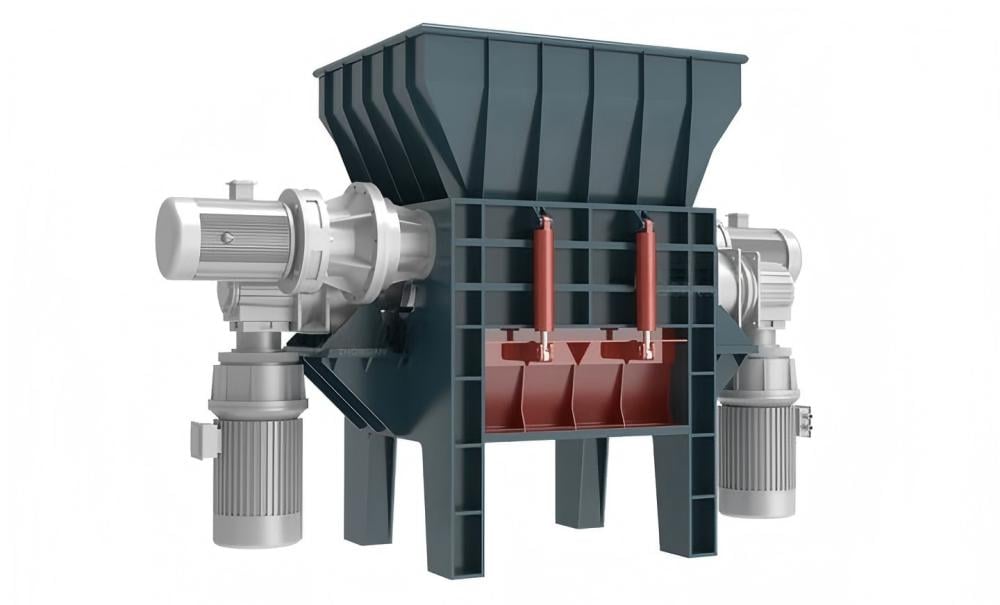
Check the technical specifications carefully. Ensure the motor power, shaft diameter, and blade thickness are appropriate for your toughest material. Don’t just look at the ‘average’ material; look at the ‘worst-case’ material that might enter the shredder. Furthermore, evaluate the after-sales support. Does the manufacturer provide detailed manuals, video tutorials, and a clear warranty policy? A machine is only as good as the support behind it.
Finally, consider the future. Is your waste volume likely to grow? It is often wiser to buy a machine with slightly more capacity than you currently need to allow for future expansion. A machine running at 70% capacity will generally last longer and require less maintenance than a machine constantly pushed to 100% of its limits. By following these guidelines, you can ensure that your investment in a four-shaft shredder provides long-term value and operational excellence.
Frequently Asked Questions (FAQ)
1. Why choose a four-shaft shredder over a two-shaft shredder?
The primary advantage of a four-shaft shredder is its ability to produce a consistent, pre-determined output size in a single pass. The two auxiliary shafts help grab bulky items, while the screen ensures that only material of the correct size leaves the machine. Two-shaft shredders are generally used for volume reduction where size consistency is less critical.
2. Can a four-shaft shredder handle metal?
Yes, but it depends on the configuration. Four-shaft shredders are excellent for light to medium metal scrap, such as aluminum profiles, copper wiring, and thin-walled steel containers. For heavy structural steel or large engine blocks, a heavy-duty pre-shredder or a specialized metal crusher would be required.
3. How often do the blades need sharpening?
This depends entirely on the material. Shredding clean plastic might allow blades to last for 2,000 hours, while shredding contaminated e-waste or glass-filled materials might require sharpening every 500 hours. Regular inspection is key to maintaining throughput and preventing motor strain.
4. What is the typical lead time for a HARSLE four-shaft shredder?
Standard models may be available in 4-6 weeks, while custom-configured machines with specific blade geometries or specialized drive systems typically have a lead time of 8-12 weeks, depending on the complexity and current production schedule.
5. Is a hydraulic drive better than an electric drive?
Hydraulic drives are better for applications with high shock loads and frequent jams, as they can handle sudden stops without damaging the motor. Electric drives are more energy-efficient and easier to maintain for consistent, steady-state shredding of more predictable materials.
6. How do I determine the correct screen size?
The screen size is determined by your downstream requirements. If you are selling the material to a recycler, they will specify a maximum particle size. If you are using the material for energy recovery (RDF), the boiler specifications will dictate the size. Generally, smaller screens result in lower throughput.