What Is the Best Scrap Metal Baler for Heavy-Duty Recycling? A Buyer’s Guide

Introduction to Heavy-Duty Scrap Metal Baling
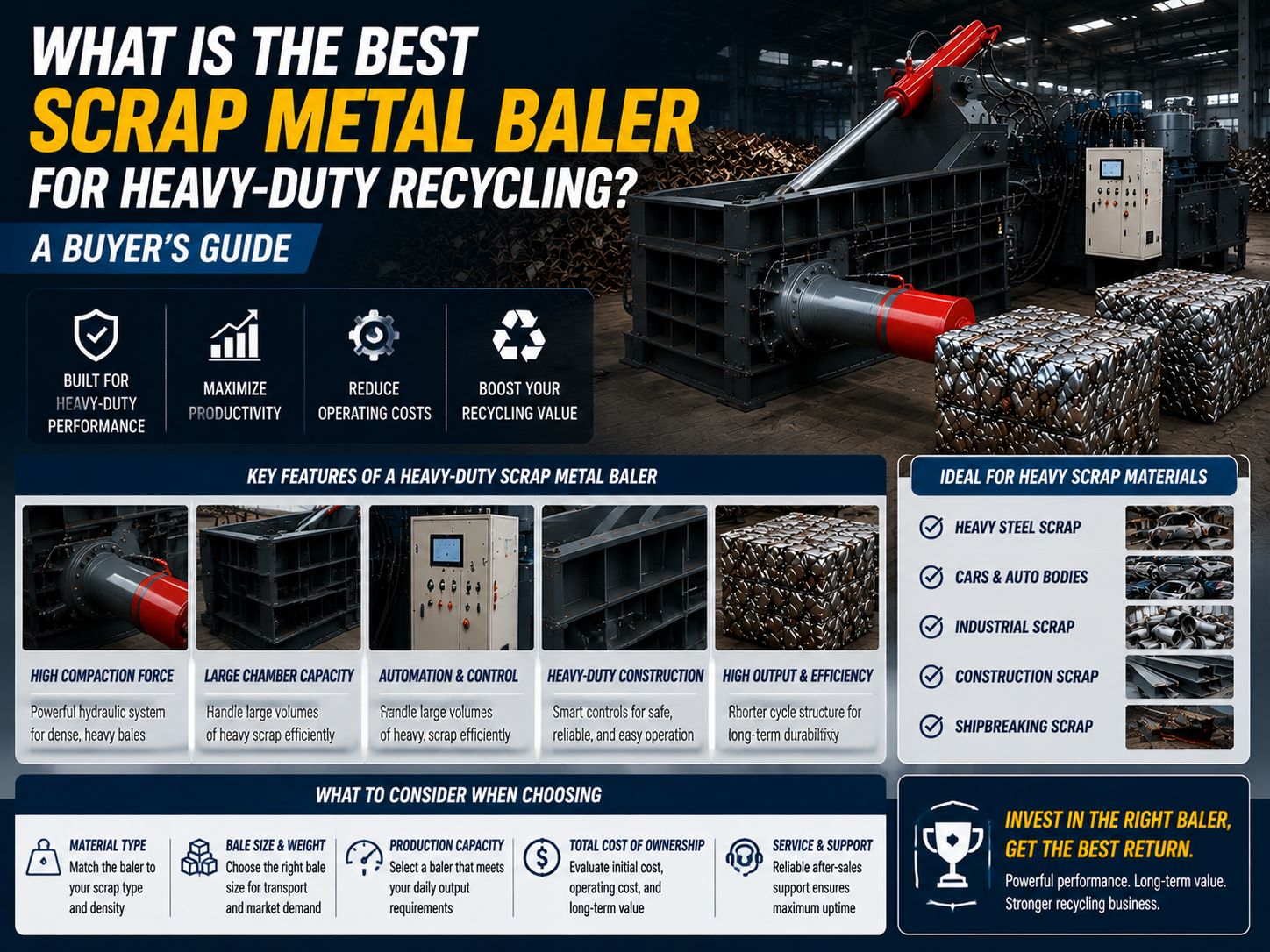
In the rapidly evolving landscape of global manufacturing and waste management, the efficiency of recycling operations has become a cornerstone of profitability. For industrial scrap yards and metal fabrication facilities, the question of ‘Is Best Scrap Metal Baler Heavy-Duty Recycling? A Buyer’s’ journey often begins with understanding how to transform loose, voluminous metal waste into dense, manageable, and high-value bales. A scrap metal baler is not just a piece of machinery; it is a critical investment in logistics optimization and material recovery.
Heavy-duty recycling requires equipment that can withstand the rigors of processing diverse materials, from aluminum extrusions and copper wiring to bulky steel sheets and automotive scrap. The ‘best’ baler is one that balances hydraulic power, cycle speed, and structural durability. As global steel prices fluctuate, the ability to produce high-density bales that meet the strict requirements of smelting furnaces can significantly increase a facility’s bottom line. This guide explores the technical nuances and economic factors that define the industry’s top-performing balers.
Price Range Overview: Investing in Industrial Capacity
When evaluating the market for scrap metal balers, the price range is as broad as the variety of scrap itself. For entry-level, manual-load balers suitable for small recycling centers, prices typically start around $15,000 to $30,000. These machines are often vertical or small horizontal units with limited tonnage, designed for non-ferrous metals like aluminum cans or light copper. While affordable, they lack the throughput required for heavy-duty industrial applications.
Mid-range scrap metal balers, which are the workhorses of most regional recycling yards, fall into the $50,000 to $120,000 bracket. These machines, such as the HARSLE Y81 series, offer hydraulic press forces ranging from 160 to 250 tons. They are capable of processing a wider variety of materials, including light ferrous scrap, and often feature semi-automatic controls. This price point represents the sweet spot for many growing businesses looking to balance capital expenditure with operational capability.
For high-volume, heavy-duty recycling operations, the investment can exceed $250,000. These top-tier machines are characterized by massive hydraulic cylinders (400 to 1000+ tons of force), fully automated PLC-driven cycles, and integrated conveyor systems. These units are designed to run 24/7, producing bales that are perfectly sized for export containers or direct furnace charging. While the initial cost is high, the cost-per-ton of processed material is significantly lower due to high efficiency and low labor requirements.
Main Cost Drivers in Scrap Metal Baler Manufacturing
The cost of a scrap metal baler is primarily driven by the quality of its hydraulic system and the grade of steel used in its construction. The hydraulic pump and valve blocks are the heart of the machine. High-end balers utilize brands like Rexroth or Vickers, which offer superior reliability and faster cycle times. A faster cycle time means more bales per hour, which directly impacts the machine’s long-term value. If a machine saves 10 seconds per cycle, it can process several additional tons of material over a standard shift.
Structural integrity is another major cost driver. Heavy-duty balers must resist the immense internal pressures generated during the compression cycle. This requires thick, high-tensile steel plates and, crucially, replaceable wear liners. Premium balers use Hardox or similar abrasion-resistant steel for the lining of the baling chamber. These liners protect the main structure from the abrasive nature of metal scrap, extending the machine’s lifespan by decades. The inclusion of these materials increases the upfront cost but prevents catastrophic structural failure.
Automation and control systems also play a significant role in pricing. A basic manual valve system is inexpensive but requires a skilled operator and is prone to human error. Modern heavy-duty balers feature Siemens or Schneider PLC systems with touch-screen interfaces. These systems monitor oil temperature, pressure levels, and cycle counts, providing diagnostic data that prevents downtime. The integration of remote monitoring and IoT capabilities is becoming a standard feature in the ‘best’ scrap metal balers, allowing for predictive maintenance and real-time production tracking.
Configuration Impact: Choosing the Right Design for Your Scrap
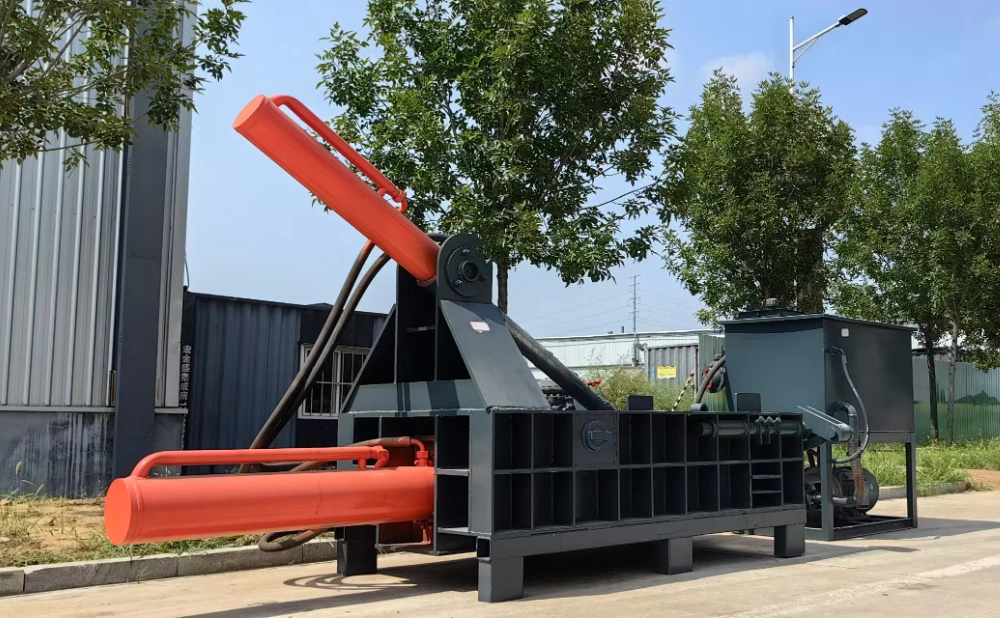
The configuration of a baler—whether it is a side-push, forward-push, or triple-compression model—greatly influences its suitability for specific recycling tasks. Side-push balers are common in the industry because they offer a good balance of speed and bale density. In this design, the main cylinder compresses the material, and a side cylinder pushes the finished bale out. This is ideal for materials like aluminum and light steel where high throughput is the priority.
Forward-push balers, often referred to as ‘bagging’ balers in some contexts, push the bale out through the front of the chamber. These are often used for smaller, denser bales. However, for the most demanding heavy-duty applications, triple-compression balers are the gold standard. These machines compress the scrap from three directions (top, side, and end), resulting in the highest possible bale density. This is essential for processing heavy melting scrap (HMS) where maximizing the weight of a shipping container is critical for export profitability.
Another configuration choice involves the lid design. Many heavy-duty balers feature a ‘clamshell’ or ‘crocodile’ style lid equipped with shearing blades. As the lid closes, it shears off any overhanging scrap, ensuring the chamber is perfectly sealed before the main compression begins. This eliminates the need for pre-cutting large pieces of scrap, saving significant labor costs. When asking ‘Is Best Scrap Metal Baler Heavy-Duty Recycling? A Buyer’s’ choice should always prioritize a configuration that minimizes manual material preparation.
Hidden Costs: What to Budget for Beyond the Purchase Price
The purchase price of a scrap metal baler is only the beginning of the total cost of ownership. One of the most overlooked hidden costs is the hydraulic oil. A large industrial baler can require 1,000 to 3,000 liters of high-grade hydraulic oil. Furthermore, the oil must be kept cool and clean. This necessitates a robust cooling system (either air-cooled or water-cooled) and regular filter changes. In hot climates, an undersized cooling system can lead to frequent shutdowns, costing thousands in lost production.
Installation and site preparation are also significant expenses. A heavy-duty baler can weigh between 10 and 50 tons. It requires a reinforced concrete foundation to prevent the machine from shifting or cracking the floor under the vibration and pressure of operation. Additionally, the electrical infrastructure must be capable of handling the high startup current of large hydraulic motors. Upgrading a facility’s power supply to accommodate a 45kW or 75kW motor can be a substantial hidden cost that must be factored into the initial budget.
Finally, wear parts and maintenance labor must be considered. The shearing blades and chamber liners are consumable items. Depending on the abrasiveness of the scrap being processed, these may need to be rotated or replaced every 6 to 12 months. A buyer should ensure that the manufacturer, like HARSLE, provides easy access to these spare parts and offers comprehensive technical support. Neglecting maintenance on a heavy-duty baler doesn’t just reduce efficiency; it can lead to dangerous mechanical failures.
ROI Calculation: Measuring the Value of Your Baler
Calculating the Return on Investment (ROI) for a scrap metal baler involves more than just looking at the increase in material value. The primary driver of ROI is usually logistics. Loose scrap is expensive to transport because trucks hit their volume limit long before they hit their weight limit. By baling the metal, a facility can increase the weight per load by 300% to 500%. If a recycler currently spends $10,000 a month on trucking, reducing the number of trips by two-thirds can save $80,000 annually, paying for a mid-range baler in less than a year.
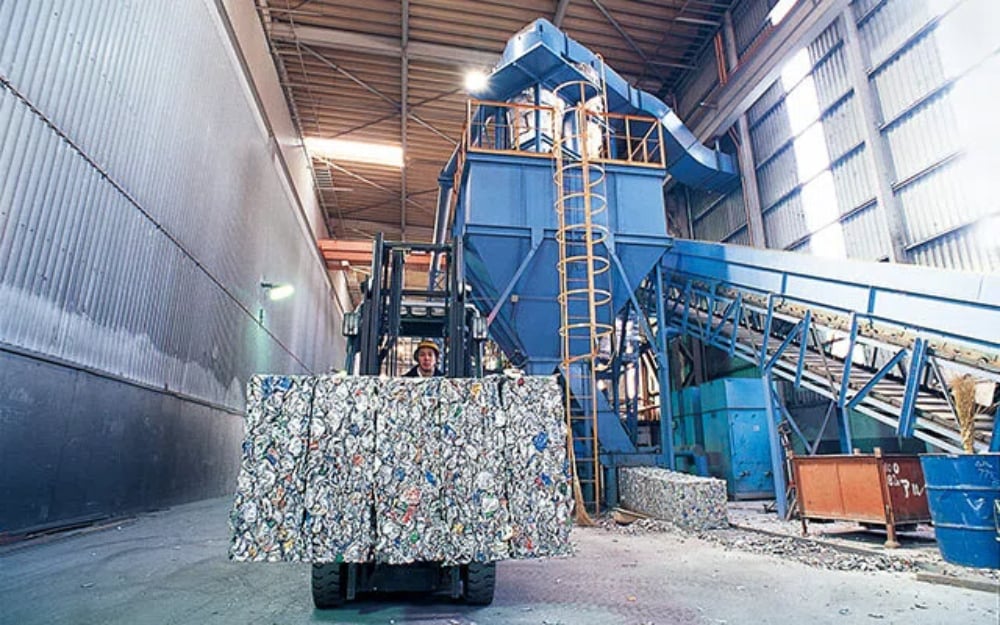
Material value is the second component of ROI. Smelters and foundries pay a premium for ‘furnace-ready’ bales. These bales are easier to handle, melt more efficiently with less oxidation loss, and have a known density. The price difference between loose ‘light’ scrap and dense, clean bales can range from $20 to $50 per ton. For a yard processing 500 tons a month, this represents an additional $10,000 to $25,000 in monthly revenue. When combined with labor savings from automated processing, the ROI on a high-quality HARSLE baler is often achieved within 12 to 18 months.
To perform a precise ROI calculation, use the following formula: ROI = (Annual Freight Savings + Annual Material Premium + Labor Savings) / (Purchase Price + Installation + Annual Maintenance). For heavy-duty operations, the ‘Is Best Scrap Metal Baler Heavy-Duty Recycling? A Buyer’s’ decision is usually justified when the machine is utilized at at least 50% of its rated capacity. High-volume yards will see even faster returns, making the machine a primary engine of business growth.
Buying Advice: How to Select the Best Baler for Your Facility
Selecting the best scrap metal baler requires a cold, hard look at your current and future material flow. The first step is to categorize your scrap. If you are primarily processing aluminum extrusions and stainless steel sinks, a 160-ton to 200-ton baler is sufficient. However, if your stream includes heavy steel plate, rebar, or automotive components, you must look at 400-ton units or higher. Overloading a light-duty baler will lead to frame fatigue and hydraulic failure, while underutilizing a massive baler results in unnecessary energy costs.
Evaluate the manufacturer’s reputation and the availability of local support. HARSLE has built a global reputation for providing robust machinery that balances advanced technology with ease of maintenance. When buying, ask for a detailed specification sheet that includes the cylinder bore size, the motor horsepower, and the specific cycle time for a full compression stroke. Do not rely on ‘nominal’ tonnage ratings; look at the actual pressure (PSI or Bar) the system operates at. A higher operating pressure often indicates a more efficient hydraulic design.
Finally, consider the ‘future-proofing’ of your investment. As environmental regulations tighten, the ability to document your recycling efficiency and energy consumption may become mandatory. Choosing a baler with a modern PLC and data logging capabilities ensures you are ready for the next decade of industrial standards. Always request a video of the machine testing with material similar to your own scrap stream before finalizing the purchase. This ‘factory acceptance test’ is the best way to ensure the machine meets your density and speed requirements.
Summary Checklist for Buyers:
- Material Compatibility: Does the press force match the toughest material in your stream?
- Throughput: Can the cycle time handle your peak daily volume?
- Bale Size: Are the bales optimized for your transport containers or the local foundry?
- Wear Protection: Does the chamber have replaceable Hardox liners?
- Safety Features: Are there emergency stops, safety interlocks, and protective guarding?
- After-Sales: Is there a clear path for obtaining seals, blades, and technical advice?
Frequently Asked Questions (FAQ)
1. How long does a heavy-duty scrap metal baler typically last?
With proper maintenance, a high-quality industrial baler from a reputable manufacturer like HARSLE can last 20 to 30 years. The key to longevity is the regular replacement of hydraulic seals, oil filtration, and the timely rotation of wear liners and shearing blades. The structural steel frame, if properly engineered, should never fail.
2. What is the difference between a side-push and a flip-out baler?
A side-push baler uses a secondary cylinder to push the bale out of the side of the machine, which is generally faster and allows for better integration with conveyor systems. A flip-out (or turn-out) baler tilts the bale out of the chamber. Flip-out models are often simpler and more compact, making them suitable for smaller yards with limited space.
3. Can one baler handle both ferrous and non-ferrous metals?
Yes, most heavy-duty balers are versatile. However, the settings (such as pressure and cycle limits) may need to be adjusted. It is also important to clean the chamber between different material types to prevent contamination, especially when switching from ferrous scrap to high-purity aluminum or copper.
4. What kind of power supply is required for an industrial baler?
Most heavy-duty balers require a 3-phase industrial power supply. The voltage (e.g., 380V, 415V, or 480V) depends on your local grid. The amperage required can be significant, especially during the startup of the hydraulic motors. Soft-start or VFD (Variable Frequency Drive) options are available to reduce the initial power surge.
5. How often should the hydraulic oil be changed?
Hydraulic oil should typically be changed every 2,000 to 4,000 operating hours, or at least once a year. However, it is more important to monitor the oil’s condition through regular sampling. If the oil becomes cloudy or smells burnt, it needs immediate attention. High-quality filtration systems can significantly extend the life of the oil.
6. Is Best Scrap Metal Baler Heavy-Duty Recycling? A Buyer’s Guide Conclusion
In conclusion, the ‘best’ scrap metal baler is the one that aligns most closely with your specific operational volume and material types. By focusing on hydraulic efficiency, structural durability, and long-term ROI, you can transform your scrap management from a cost center into a significant profit driver. HARSLE remains committed to providing the heavy-duty solutions required for the modern circular economy.