Comprehensive Guide: How to Troubleshoot Baler Wire Tying Problems in Recycling Operations

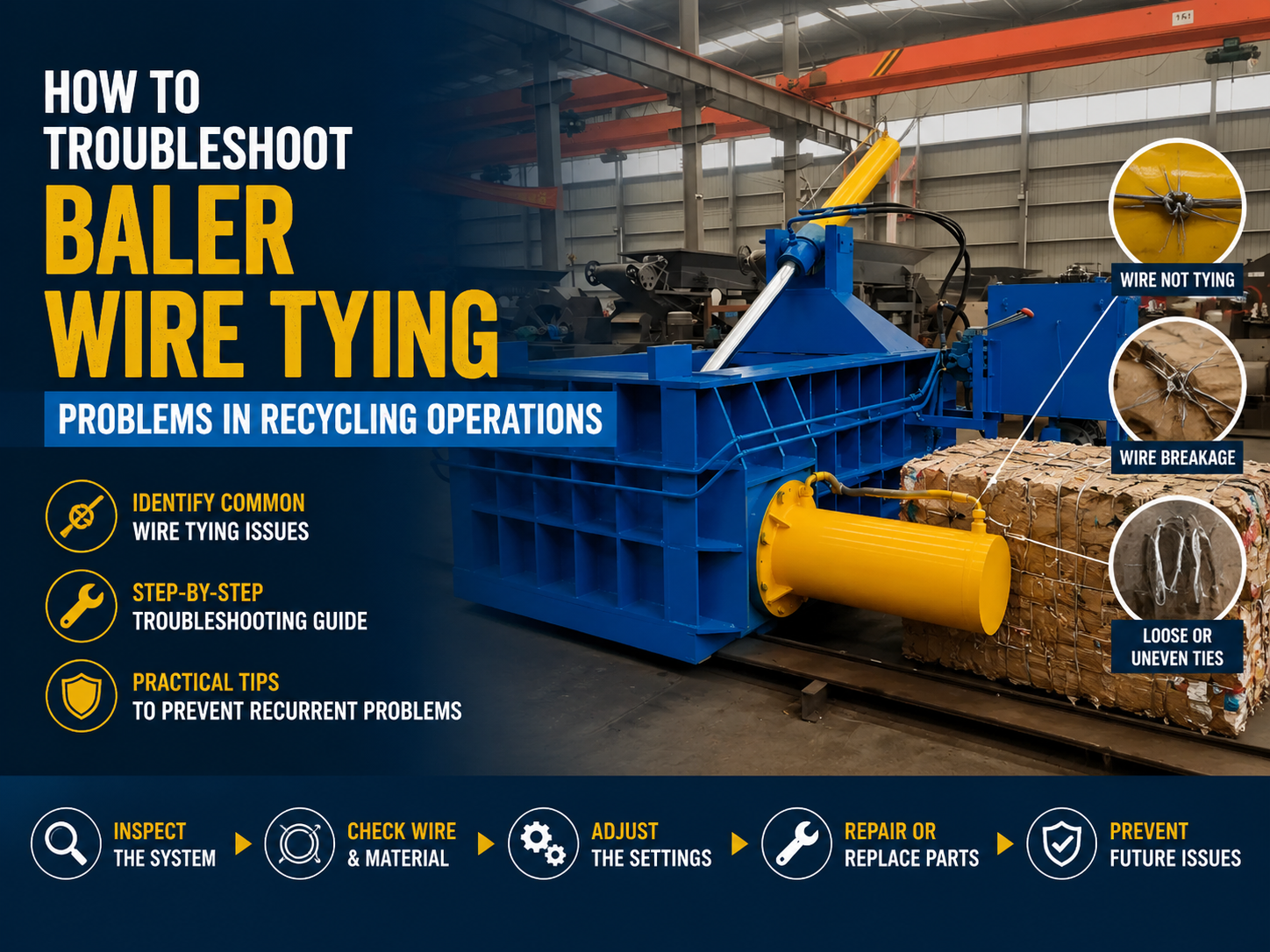
Introduction to Baler Wire Tying Challenges
In the high-stakes environment of modern recycling facilities, the efficiency of a baling operation often hinges on a single, critical component: the automatic wire tying system. Whether you are processing corrugated cardboard (OCC), plastics, or non-ferrous metals, the ability of your baler to consistently secure bales is paramount. When you need to Troubleshoot Baler Wire Tying Problems In Recycling Operations, you are not just fixing a mechanical glitch; you are restoring the throughput of your entire facility. A failure in the tying cycle leads to ‘loose bales,’ which require manual re-work, causing significant downtime and increasing labor costs.
HARSLE understands that industrial balers are the workhorses of the circular economy. These machines exert massive hydraulic force to compress loose materials into dense, transportable blocks. The wire tying mechanism must operate with precision timing, navigating through the compressed material to wrap, twist, and cut the wire. However, the harsh environment of a recycling plant—filled with dust, debris, and varying material densities—creates a perfect storm for mechanical wear and tear. Understanding the nuances of these systems is the first step toward maintaining a seamless operation.
This guide provides a deep dive into the technical aspects of wire tying systems, offering actionable insights for operators and maintenance managers. We will explore the common root causes of tying failures, from metallurgical issues with the wire itself to the intricate timing of the needle assembly. By the end of this article, you will have a comprehensive framework to diagnose and resolve issues, ensuring your HARSLE equipment or any industrial baler remains at peak performance.
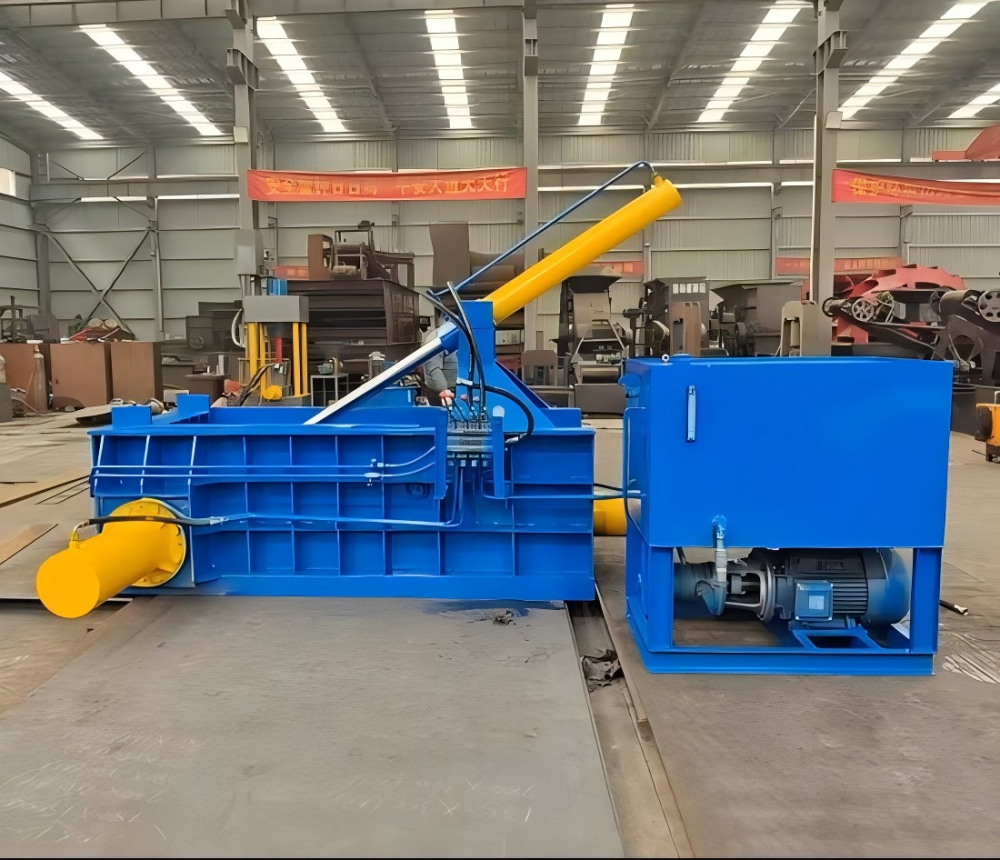
Key Considerations for Reliable Wire Tying
1. Wire Quality and Specification
The most frequent cause of tying failure isn’t the machine, but the consumable: the baling wire. To effectively Troubleshoot Baler Wire Tying Problems In Recycling Operations, one must first audit the wire. Baling wire is typically categorized by its gauge and finish (black annealed, galvanized, or bright). Black annealed wire is the industry standard for most recycling applications because its ductility allows it to stretch slightly under the pressure of the expanding bale without snapping.
If the wire is too brittle, it will break at the twist. If it is too soft, the knot will unravel. Furthermore, the diameter consistency is vital. Variations in wire thickness can cause the wire to jam in the guide tubes or slip in the gripper mechanism. Always ensure that the wire tensile strength matches the specifications provided by the baler manufacturer. Using a wire that is too thin for a high-density bale is a recipe for constant breakage.
2. Material Density and Expansion
The nature of the material being baled significantly impacts the tying process. Materials like PET bottles or high-density plastics have high ‘memory,’ meaning they want to expand forcefully once the hydraulic ram retracts. If the baler is over-packing the chamber, the tension on the wires during the tying cycle can exceed their breaking point. Operators must balance the desire for maximum bale weight with the physical limits of the tying system. Adjusting the pressure settings on the hydraulic system can often resolve what appears to be a mechanical tying issue.
3. Environmental Contamination
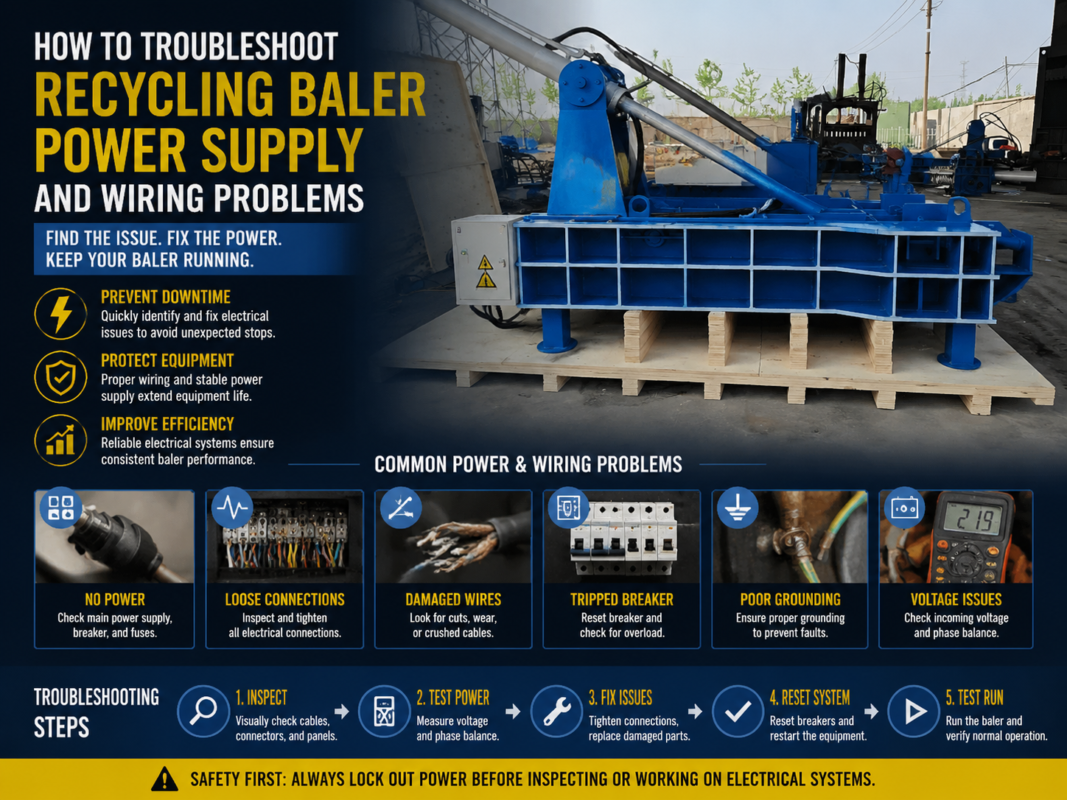
Recycling centers are inherently dirty. Dust from cardboard, glass shards, and plastic film fragments can infiltrate the tying head. This debris acts as an abrasive, wearing down the twister hooks and cutters. More importantly, it can clog the sensors (limit switches or proximity sensors) that tell the PLC (Programmable Logic Controller) where the needles are in the cycle. A regular cleaning schedule using compressed air is the simplest yet most effective way to prevent tying malfunctions.
Technical Details of the Tying Mechanism
The Anatomy of the Tying Cycle
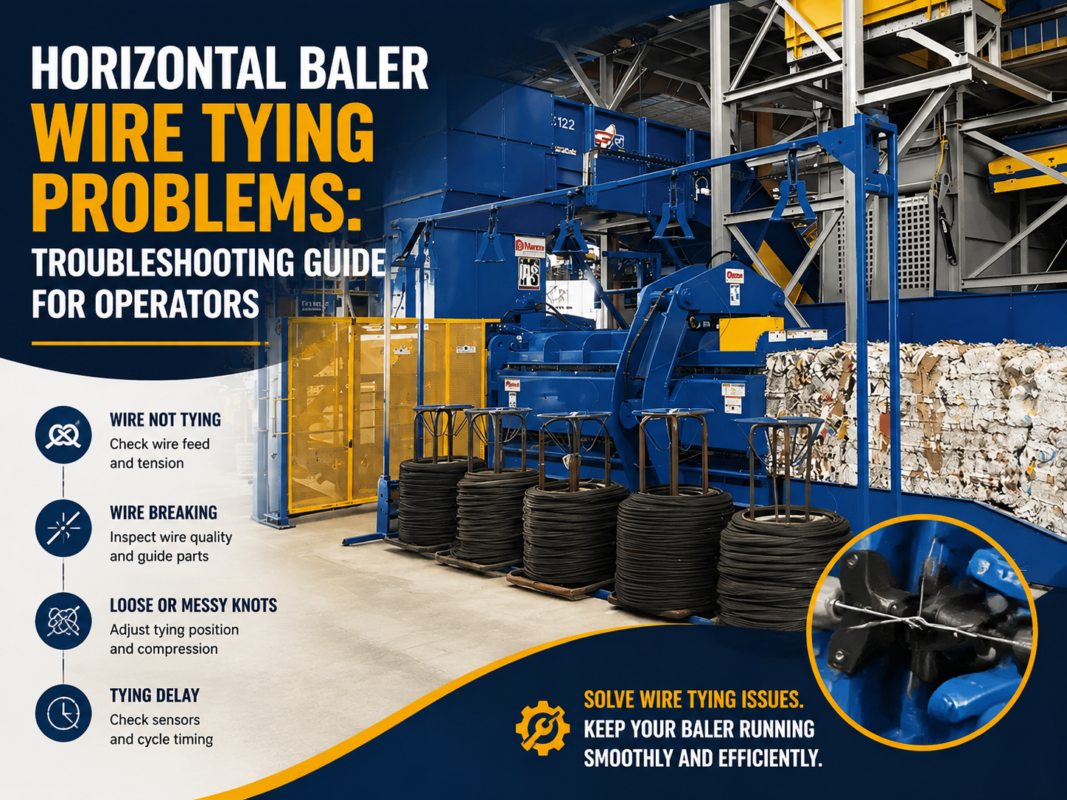
To Troubleshoot Baler Wire Tying Problems In Recycling Operations, you must understand the four stages of the cycle: Feeding, Needle Insertion, Twisting, and Cutting. In a horizontal baler, the wire is usually pre-staged. As the ram pushes the material past the needle slot, the wire is pulled around the bale. Once the bale reaches the desired length, the needles fire, carrying the wire across the chamber to the tying head.
The tying head consists of a ‘twister hook’ or ‘twister star’ that grabs the two ends of the wire. The mechanism rotates a specific number of times to create a secure knot. Finally, a hardened steel blade cuts the wire, and the needles retract to the home position. Any misalignment in this sequence—measured in milliseconds—will result in a failed tie. For instance, if the cutter fires too early, the twist won’t be complete; if it fires too late, the wire may jam the twister hook.
Hydraulic vs. Electric Tying Drives
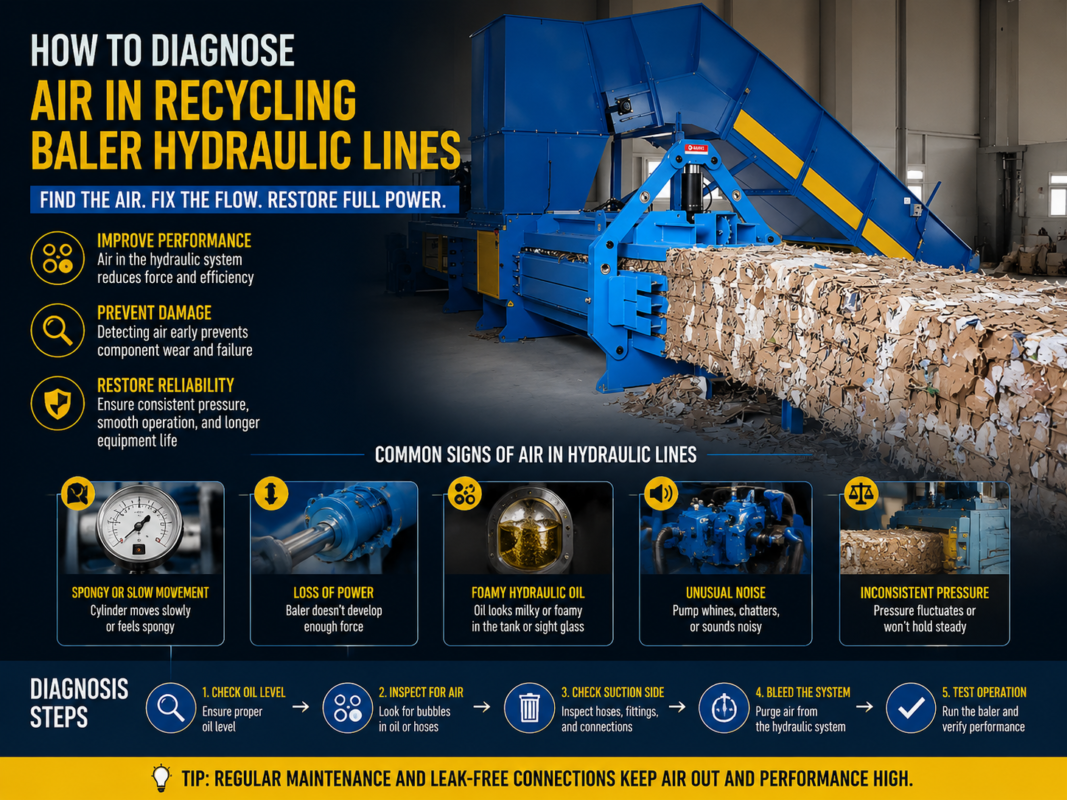
Modern balers utilize either hydraulic motors or electric servo motors to drive the tying head. Hydraulic systems are robust and offer high torque, which is necessary for heavy-gauge wire. However, they are susceptible to fluid temperature changes; cold oil can slow down the tying cycle, leading to timing errors. Electric drives offer more precision and are easier to integrate with digital diagnostic tools, but they require a clean power supply and are sensitive to the vibrations of the baling process. Knowing which system your machine uses is critical for diagnosing power-related failures.
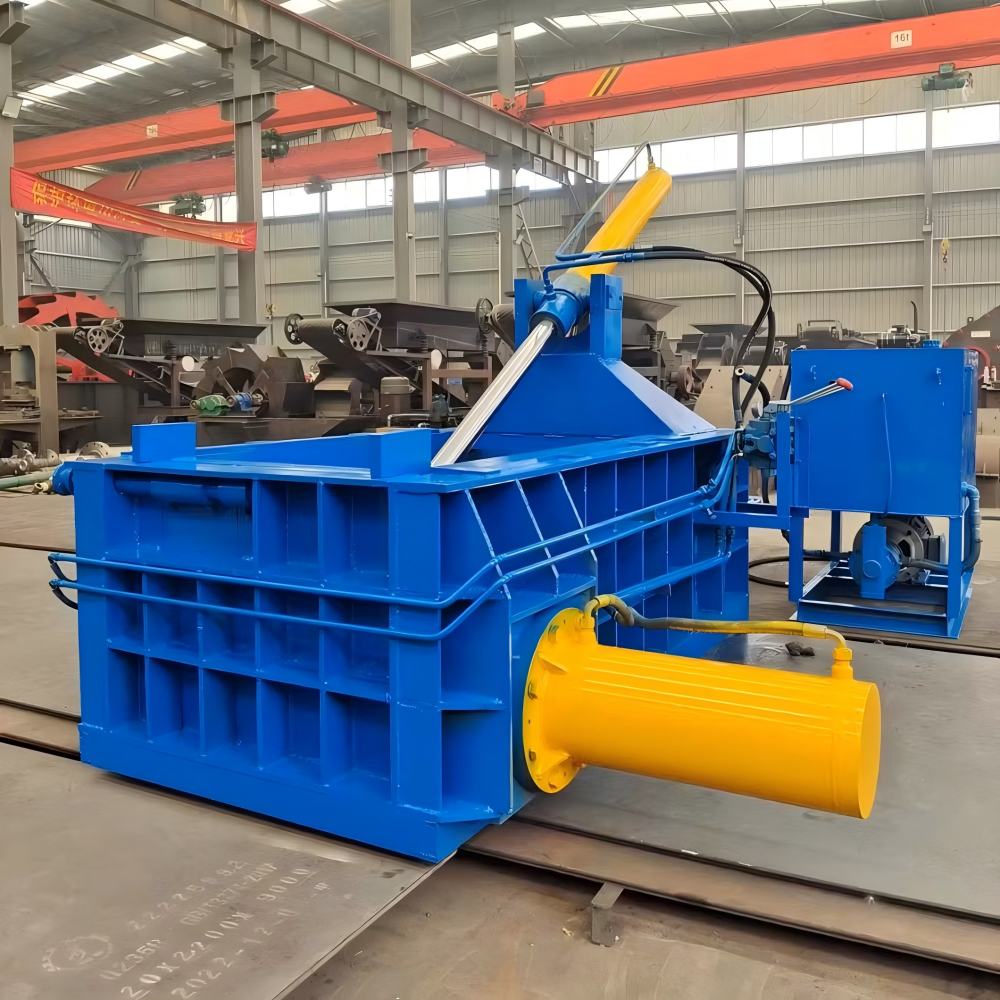
Common Mechanical Failure Points
| Component | Common Issue | Symptom | Fix |
|---|---|---|---|
| Twister Hook | Wear/Grooving | Wire slips or breaks during twist | Replace hook or polish surfaces |
| Needle Tips | Misalignment | Needle misses the tying head | Re-align needle bar and tighten bolts |
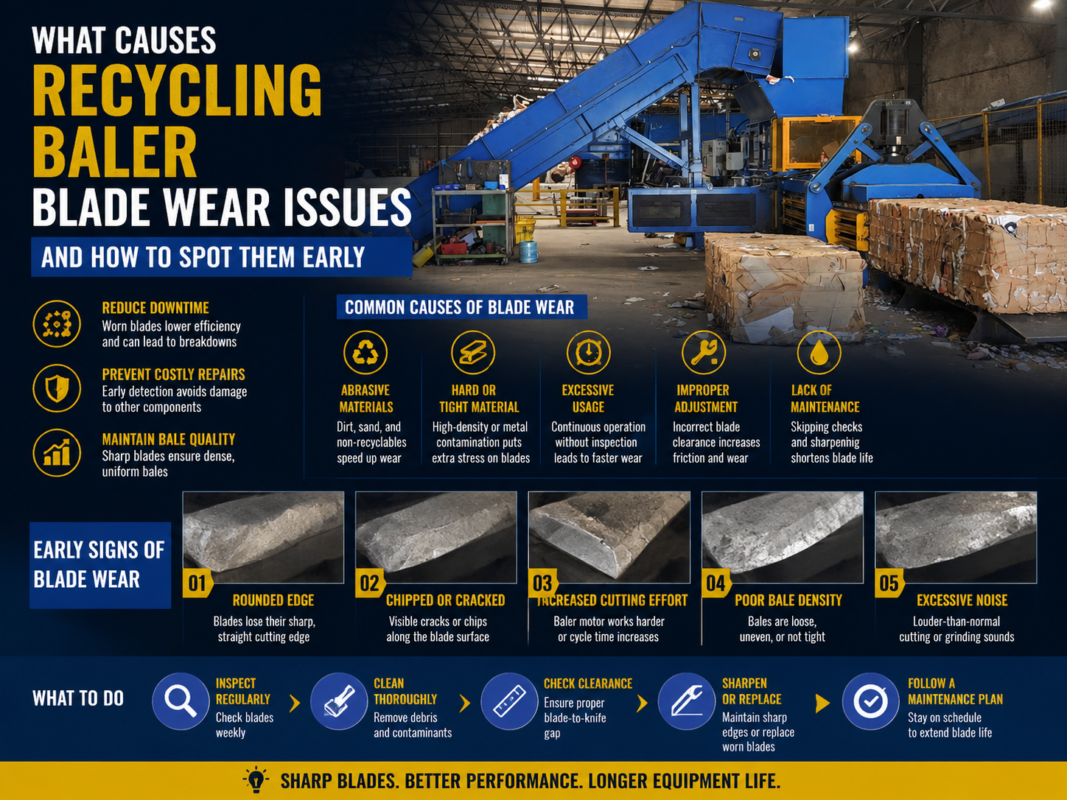
| Wire Cutters | Dullness | Frayed wire ends or uncut wire | Sharpen or rotate the cutting blade |
| Gripper Pads | Debris buildup | Wire pulls out before twisting | Clean with wire brush and adjust tension |
Step-by-Step Troubleshooting Guide
Step 1: Identify the Failure Pattern
Does the failure happen on all wires or just one? If only the far-left wire is failing, the issue is likely localized to that specific tying head or needle. If all wires are failing, the problem is systemic, such as a timing issue in the PLC, a hydraulic pressure drop, or a bad batch of wire. Identifying this pattern saves hours of unnecessary adjustment.
Step 2: Inspect the Wire Path
Trace the wire from the coil to the tying head. Look for ‘snag points.’ Are the ceramic guides cracked? Is the wire rubbing against a sharp metal edge? Even a small nick in the wire can create a weak point that snaps under the tension of a 2,000-pound bale. Ensure the wire tensioners (the spring-loaded rollers) are moving freely and providing consistent resistance.
Step 3: Check Needle Alignment
Manually cycle the needles (following all lockout-tagout safety procedures). As the needles enter the tying head, they should be centered perfectly. If a needle is bent or the needle bar has shifted, it will not deliver the wire to the twister hook. This is often caused by ‘bridging,’ where a piece of scrap material gets stuck in the needle slot, forcing the needle out of alignment during the stroke.
Step 4: Evaluate the Twist Quality
Examine a failed knot. A good twist should have 4 to 6 tight wraps. If the wraps are loose, the twister hook may not be rotating enough times, or the wire is slipping. If the wire is ‘pig-tailing’ (curling tightly), the tension is too high. Adjusting the ‘home’ position of the twister hook can often solve minor knotting issues.
Selection Advice: Choosing the Right Baler for Your Operation
When purchasing a new machine, the tying system should be a primary consideration. Not all balers are created equal. For high-volume municipal recycling centers, an automatic horizontal baler with a multi-wire tying system is essential. These machines are designed for 24/7 operation and feature heavy-duty tying heads that can handle the rigors of diverse waste streams.
For smaller operations or those focusing on specific materials like textiles, a vertical baler might suffice. While many vertical balers require manual tying, some advanced models offer semi-automatic assistance. When selecting a HARSLE baler, consider the following checklist:
- Throughput Requirements: How many tons per hour do you need to process? High throughput requires faster tying cycles.
- Material Type: Are you baling ‘springy’ materials like plastic? Ensure the tying system is rated for high-tensile wire.
- Maintenance Access: Is the tying head easily accessible for cleaning and part replacement? A machine that is hard to service will inevitably suffer more downtime.
- Spare Parts Availability: Ensure that wear parts like cutters and hooks are readily available from the manufacturer to avoid long lead times.
Maintenance Tips to Prevent Tying Problems
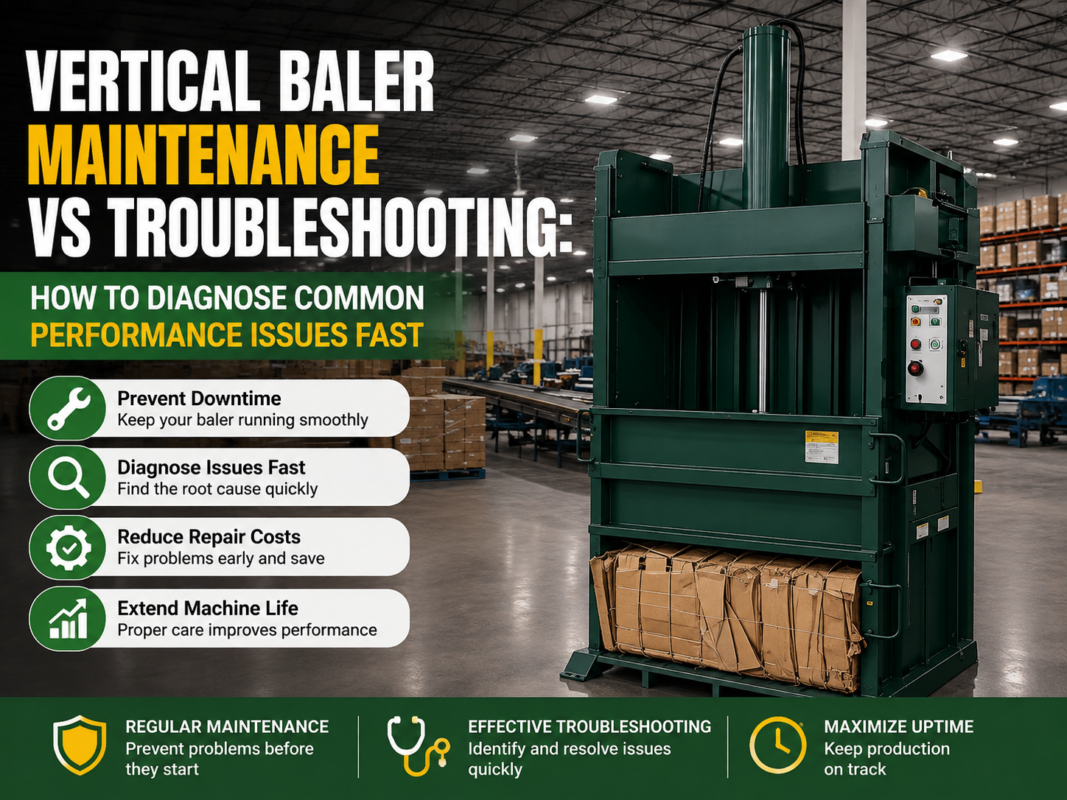
Preventative maintenance is the enemy of downtime. To avoid having to Troubleshoot Baler Wire Tying Problems In Recycling Operations in the middle of a shift, implement the following daily and weekly routines:
Daily: Blow out the tying head with compressed air. Check for any wire scraps that might have become lodged in the gears. Visually inspect the first few bales of the day for knot consistency.
Weekly: Lubricate the needle pivot points and the twister shaft bearings. Use a dry lubricant if possible, as grease can attract dust and create a grinding paste. Check the sharpness of the wire cutters; a dull cutter puts unnecessary strain on the entire drive system.
Monthly: Perform a full ‘dry cycle’ of the tying system without material. This allows you to hear any unusual noises—grinding, clicking, or whining—that indicate bearing failure or motor strain. Check the hydraulic hoses leading to the tying manifold for leaks or abrasions.
Frequently Asked Questions (FAQ)
Why does my baler wire keep snapping?
Wire snapping is usually caused by one of three things: excessive bale density (the material is expanding too hard), poor wire quality (brittle wire), or a mechanical ‘burr’ in the wire path that is nicking the wire. Start by reducing the bale pressure and see if the snapping stops.
How often should I replace the twister hooks?
In a high-volume operation, twister hooks are considered a wear item and may need replacement every 6 to 12 months. If you see deep grooves worn into the metal where the wire sits, it is time to replace them, as these grooves prevent the wire from releasing cleanly after the twist.
Can I use any brand of wire in my HARSLE baler?
While you can use various brands, the wire must meet the specific gauge and tensile strength requirements of the machine. Using sub-standard wire to save money often results in higher costs due to downtime and broken bales.
What is the ‘short-tie’ problem?
A short-tie occurs when the wire is cut before the twist is fully secured. This is usually a timing issue related to the proximity sensors or a slip in the encoder that tracks the tying head’s rotation. Cleaning the sensors is the first step to fixing this.
Conclusion
The ability to Troubleshoot Baler Wire Tying Problems In Recycling Operations is a vital skill for any facility manager looking to optimize their waste processing line. By understanding the synergy between the hydraulic force of the baler, the metallurgy of the wire, and the mechanical precision of the tying head, you can transform a frustrating source of downtime into a reliable, automated process.
HARSLE remains committed to providing robust metal fabrication and recycling equipment designed for longevity and ease of maintenance. Our balers are engineered with the operator in mind, featuring accessible tying mechanisms and intuitive control systems that simplify the troubleshooting process. Remember, a well-maintained baler doesn’t just produce bales; it produces profit by ensuring your recycling stream never stops moving. Stay proactive with your maintenance, choose high-quality consumables, and your tying problems will become a thing of the past.