
What Causes Recycling Baler Hydraulic Cylinder Drift and How to Fix It

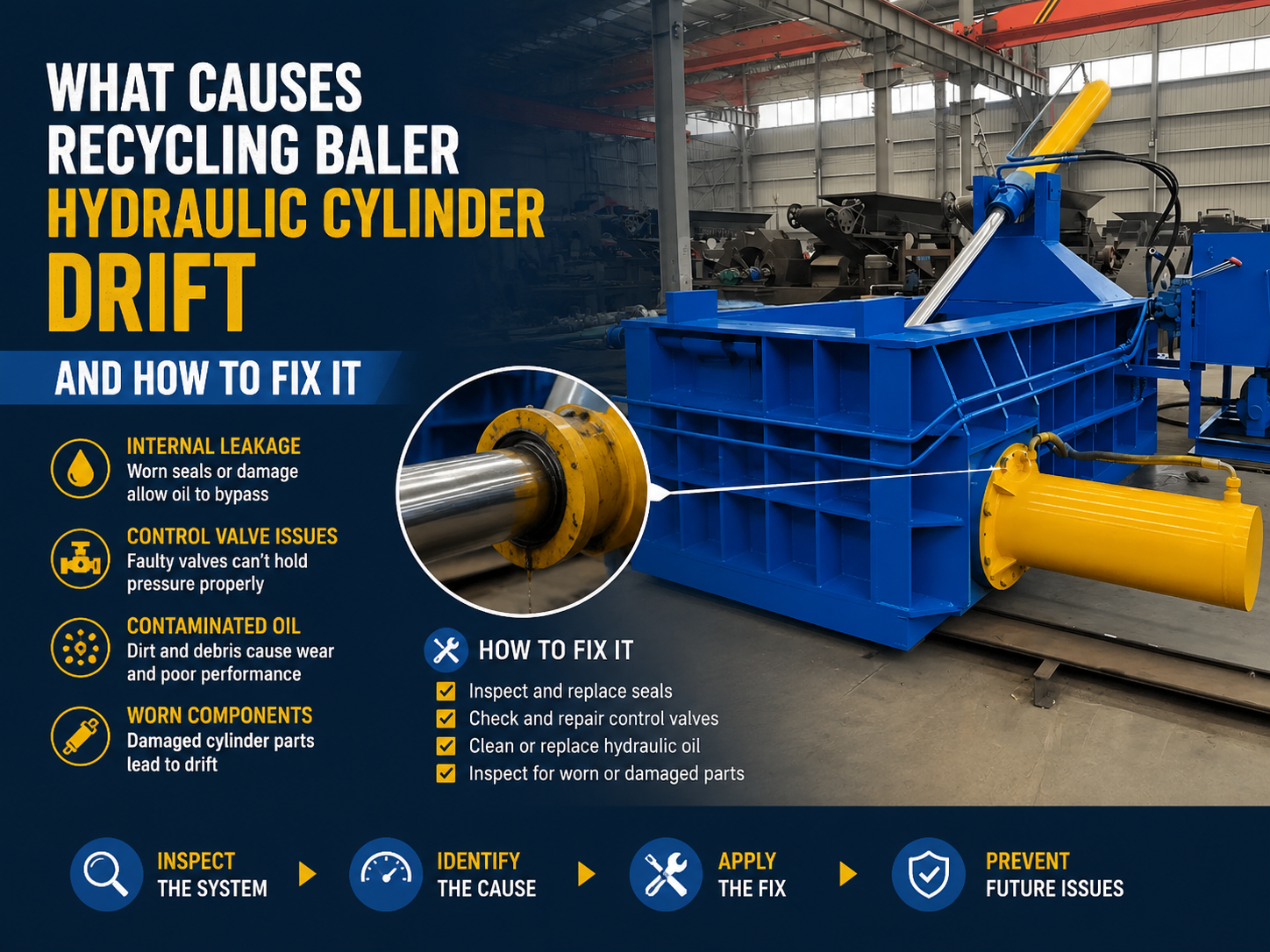
Introduction to Hydraulic Cylinder Drift in Recycling Balers
In the high-intensity world of scrap metal processing and waste management, the recycling baler is the workhorse of the facility. Whether you are compacting aluminum cans, cardboard, or heavy steel scrap, the efficiency of your operation depends entirely on the precision and power of your hydraulic system. However, one of the most common and frustrating issues operators face is “hydraulic cylinder drift.” This phenomenon occurs when the cylinder rod moves unintentionally while the control valve is in the neutral position, leading to inconsistent bale density, safety hazards, and potential mechanical damage.
Understanding the causes recycling baler hydraulic cylinder drift fix it strategies is essential for any facility manager or maintenance technician. Drift is not just a minor annoyance; it is a symptom of underlying system inefficiencies or component failure. If left unaddressed, a drifting cylinder can lead to increased cycle times, higher energy consumption, and even catastrophic failure of the hydraulic pump or structural frame of the baler. At HARSLE, we emphasize the importance of proactive maintenance to ensure that your metal fabrication and recycling equipment remains in peak condition.
This comprehensive guide will delve into the technical reasons behind cylinder drift, provide a step-by-step diagnostic framework, and offer practical solutions to fix the problem. By the end of this article, you will have a professional-grade understanding of how to maintain your recycling baler’s hydraulic integrity, ensuring long-term reliability and safety in your scrap yard or production floor.
Key Considerations: Why Drift Matters in Industrial Balers
Before diving into the technical causes, it is important to understand the impact of cylinder drift on your operations. In a recycling baler, the hydraulic cylinders are responsible for the main compression ram, the door latching mechanism, and the bale ejection system. If any of these cylinders begin to drift, the entire sequence of operation is compromised. For instance, if the main ram drifts during the loading phase, it can obstruct the hopper, leading to material jams and downtime.
Safety is perhaps the most critical consideration. A drifting cylinder indicates that the hydraulic system is unable to hold a load securely. In a vertical baler, a drifting ram could fall unexpectedly during maintenance or loading, posing a severe risk to personnel. In horizontal balers, drift in the door locking mechanism can lead to high-pressure blowouts of material, which is extremely dangerous. Therefore, identifying the causes recycling baler hydraulic cylinder drift fix it methods is a matter of workplace safety as much as it is about operational efficiency.
From an economic perspective, drift leads to “internal leakage,” which generates heat. When hydraulic fluid bypasses seals or valves, the energy is converted into heat rather than mechanical work. This elevates the temperature of the entire hydraulic reservoir, degrading the oil’s viscosity and shortening the lifespan of every component in the system, including the expensive hydraulic pump. Addressing drift early can save thousands of dollars in premature component replacement and oil changes.
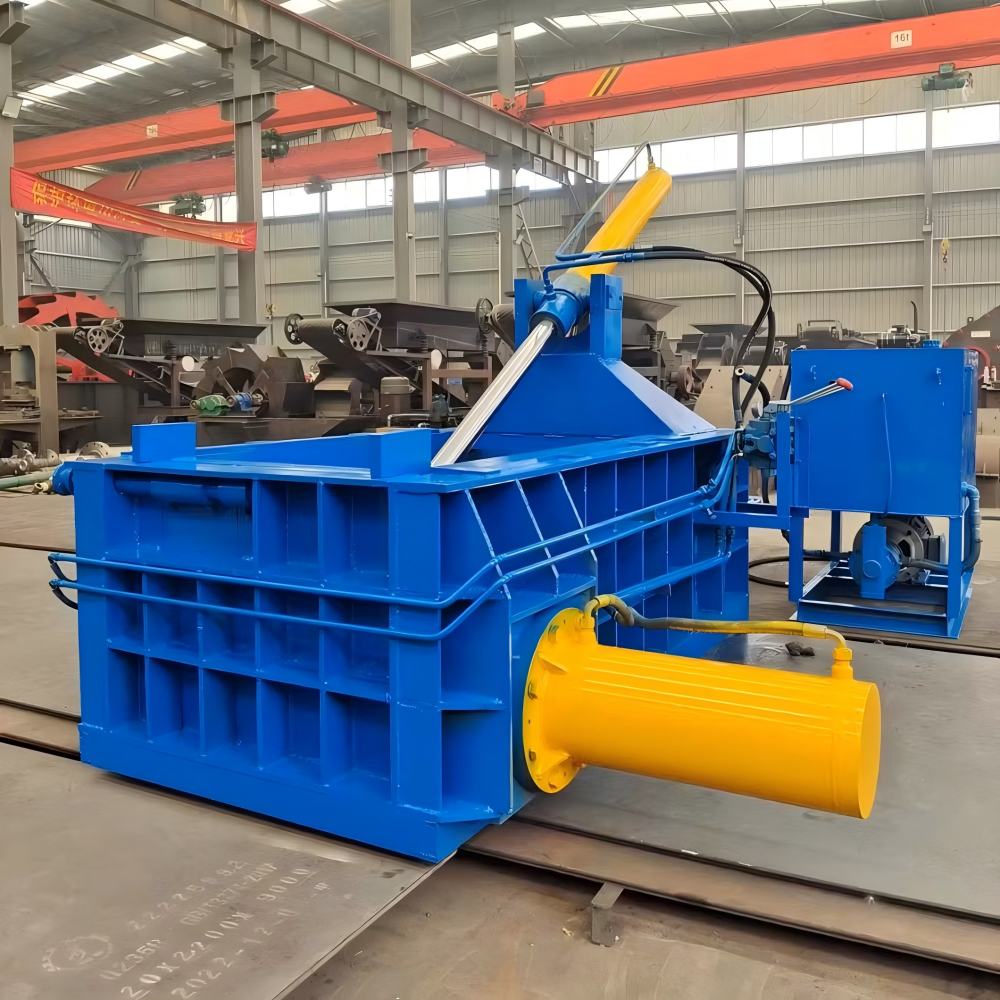
Technical Details: Primary Causes of Hydraulic Cylinder Drift
1. Internal Piston Seal Leakage
The most frequent cause of cylinder drift is the failure of the internal piston seals. In a double-acting cylinder, the piston separates the “cap end” and the “rod end.” When the valve is closed, the fluid should be trapped on both sides, holding the piston in place. If the piston seals are worn, scarred, or hardened due to heat, fluid can leak from the high-pressure side to the low-pressure side. Because the surface area on the cap side is larger than the rod side (due to the rod’s displacement), the pressure imbalance causes the cylinder to extend or retract slowly—this is drift.
2. Control Valve Spool Wear or Centering Issues
The directional control valve is responsible for directing oil flow. If the valve spool is worn or if the centering springs have weakened, the valve may not return to a perfectly neutral position. This allows a small amount of pressurized oil to “weep” into the cylinder lines. Even a microscopic gap in the valve can cause noticeable drift over time. Contamination in the hydraulic fluid is the primary enemy here, as small metal particles can act as an abrasive, scoring the valve body and spool.
3. Faulty Check Valves or Counterbalance Valves
Many recycling balers use load-holding valves, such as pilot-operated check valves or counterbalance valves, to prevent drift. These valves are designed to lock the oil in the cylinder until a specific pilot pressure is applied. If the internal poppet of a check valve is damaged or held open by a piece of debris, the “lock” is broken, and the cylinder will drift. This is often the cause when drift occurs suddenly rather than gradually over several months.
4. External Fluid Leakage
While drift is usually internal, significant external leaks can also contribute. If the rod seals are failing, you will see hydraulic fluid leaking out of the cylinder head. While this is easy to diagnose visually, it is often ignored until the drift becomes severe. External leaks not only cause drift but also introduce air into the system, leading to cavitation and “spongy” cylinder movement.
| Component | Symptom of Failure | Primary Cause |
|---|---|---|
| Piston Seals | Gradual drift under load, heat buildup in cylinder barrel. | Normal wear, contaminated oil, or overheating. |
| Control Valve | Drift in neutral, inconsistent ram positioning. | Spool wear, broken centering springs, or debris. |
| Check Valves | Sudden drift, inability to hold any load. | Contamination on the valve seat or spring failure. |
| Rod Seals | Visible oil on the rod, loss of system pressure. | Rod damage (scratches), age, or improper installation. |
How to Fix It: Step-by-Step Diagnostic and Repair Guide
Step 1: The Cylinder Isolation Test
To determine if the drift is caused by the cylinder or the valve, you must perform an isolation test. Extend the cylinder partially and support the load (if applicable). Shut off the machine and safely disconnect the hydraulic lines from the cylinder ports. Plug the ports with high-pressure steel plugs. If the cylinder still drifts with the ports plugged, the problem is definitely the internal piston seals. If the drift stops, the problem lies further upstream in the control valves or hoses.
Step 2: Inspecting and Replacing Seals
If the isolation test confirms internal leakage, the cylinder must be repacked. This involves disassembling the cylinder, removing the old seals, and inspecting the piston and inner barrel for scratches. If the barrel is scored, simply replacing the seals will not work; the barrel must be honed or replaced. When installing new seals, ensure they are compatible with your hydraulic fluid and use a seal installation tool to avoid nicking the new rubber.
Step 3: Cleaning and Testing Valves
If the valve is the culprit, start by cleaning the valve assembly. Often, a small piece of metal or rubber from a failing hose can get stuck in the valve seat. Disassemble the check valves and counterbalance valves, clean them with a solvent, and inspect the seats for pitting. If the main directional control valve spool is worn beyond tolerance (usually checked with a pressure gauge and flow meter), the entire valve bank may need to be replaced or sent to a specialized hydraulic shop for re-spooling.
Step 4: Fluid Maintenance and Filtration
Fixing the mechanical component is only half the battle. To prevent the drift from returning, you must address the root cause: contamination. Change the hydraulic filters and check the oil for clarity. If the oil looks milky (water contamination) or dark/smells burnt (thermal degradation), it must be replaced. Implementing a regular oil analysis program can help you catch these issues before they cause component drift.
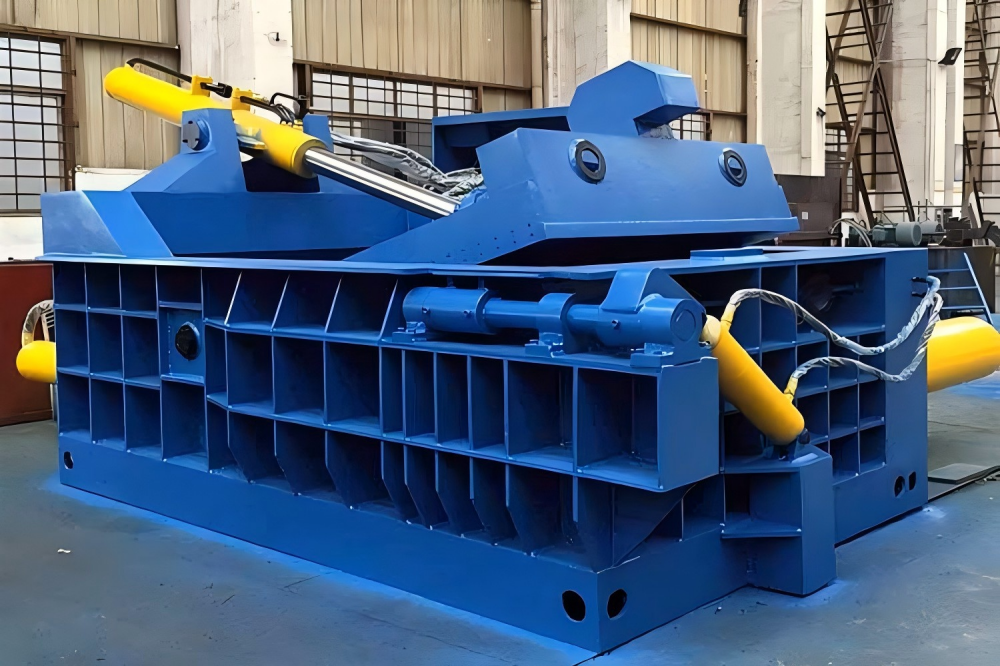
Selection Advice: Choosing a Baler with Superior Hydraulics
When purchasing a new recycling baler, the quality of the hydraulic components is the single most important factor in preventing future drift issues. Not all balers are created equal. At HARSLE, we recommend looking for machines that utilize high-end hydraulic brands like Rexroth, Vickers, or Parker. These manufacturers produce valves with tighter tolerances and more durable spools, which are significantly more resistant to drift over years of heavy use.
Furthermore, consider the cylinder design. Heavy-duty recycling balers should feature cylinders with chrome-plated and induction-hardened rods. This prevents the nicks and scratches that eventually tear through rod seals. Additionally, look for systems that include integrated oil cooling and high-micron filtration. A system that stays cool and clean is a system that will not drift. If you are processing high volumes of abrasive materials, such as glass or sandy scrap metal, ensure the cylinders are equipped with heavy-duty wipers to keep contaminants out of the seal area.
Finally, evaluate the manufacturer’s support and parts availability. Even the best cylinders will eventually need new seals. Choosing a brand like HARSLE ensures that you have access to detailed technical manuals, seal kits, and expert advice to help you causes recycling baler hydraulic cylinder drift fix it quickly and effectively, minimizing your facility’s downtime.
Frequently Asked Questions (FAQ)
Q1: Can air in the hydraulic lines cause cylinder drift?
While air usually causes “spongy” or jerky movement, it can contribute to drift if the air is compressed under load. However, true drift is almost always a result of fluid bypassing a seal or valve. If you suspect air, bleed the system by cycling the cylinders to their full extent several times without a load.
Q2: How often should I check my baler for cylinder drift?
A visual inspection should be part of your daily pre-shift routine. A formal drift test (measuring rod movement over a 10-minute period with the valve in neutral) should be performed quarterly or whenever you notice a decrease in bale density.
Q3: Is it safe to operate a baler that has a slight drift?
It is not recommended. Even a small drift indicates a loss of pressure control. This can lead to uneven bales that are difficult to transport and increases the risk of a sudden mechanical failure. It is always safer and more cost-effective to fix the drift immediately.
Q4: Does the type of hydraulic oil affect drift?
Yes. If the oil viscosity is too low (too thin), it will leak past seals and valve spools more easily, especially as the machine heats up. Always use the oil weight recommended by the manufacturer, typically an ISO 46 or ISO 68 hydraulic oil for most industrial balers.
Conclusion
Maintaining a recycling baler requires a keen eye for detail and a solid understanding of hydraulic principles. Identifying the causes recycling baler hydraulic cylinder drift fix it is a vital skill for ensuring the longevity and safety of your equipment. Whether the issue is a worn piston seal, a contaminated check valve, or degraded hydraulic fluid, addressing the problem promptly will prevent more costly repairs down the road. By following the diagnostic steps outlined in this guide and choosing high-quality machinery from trusted manufacturers like HARSLE, you can keep your recycling operations running smoothly, efficiently, and safely for years to come. Remember, a well-maintained hydraulic system is not just about performance—it is the foundation of a profitable and professional recycling enterprise.












