How to Fix a Recycling Baler That Keeps Jamming During Operation: A Comprehensive Industrial Guide

Introduction to Recycling Baler Jamming Issues
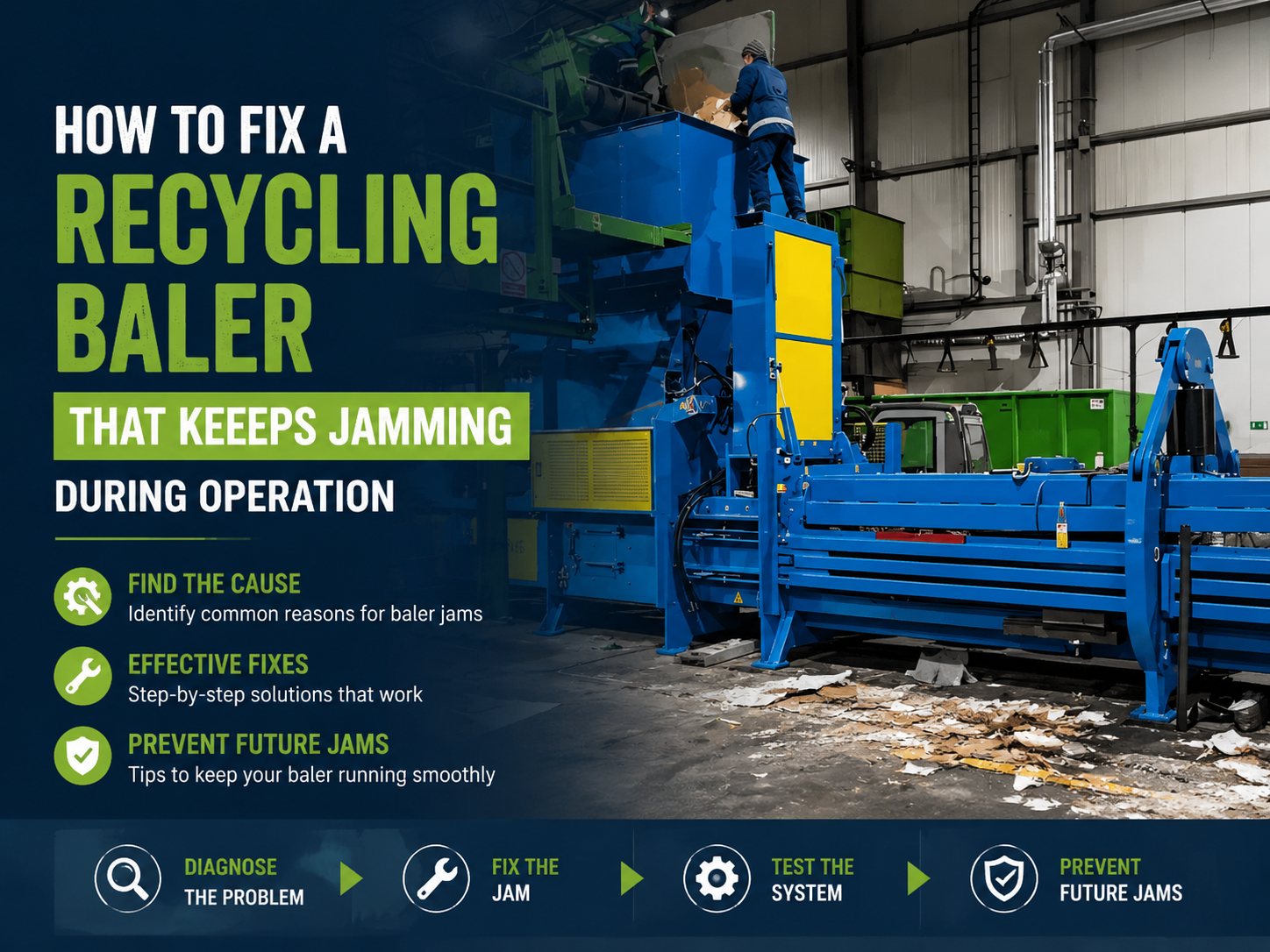
In the fast-paced world of waste management and metal fabrication, efficiency is the cornerstone of profitability. A recycling baler is a workhorse, designed to compress massive volumes of cardboard, plastic, or scrap metal into manageable, transportable units. However, when you encounter the need to fix a recycling baler that keeps jamming during operation, the resulting downtime can ripple through your entire production line. A jammed baler isn’t just a minor inconvenience; it is a safety hazard, a source of mechanical strain, and a significant drain on labor resources.
HARSLE understands that industrial machinery must operate with precision. Jamming typically occurs when the mechanical force of the ram is insufficient to overcome the resistance of the material, or when the material itself interferes with the moving parts of the machine. Whether you are operating a vertical baler for retail waste or a heavy-duty horizontal baler for industrial scrap, understanding the root causes of these interruptions is the first step toward a permanent solution. This guide will delve into the technical nuances of why these machines fail and provide actionable steps to restore your equipment to peak performance.
Frequent jamming is often a symptom of underlying issues ranging from poor material sorting to hydraulic system degradation. By addressing these problems systematically, operators can extend the lifespan of their equipment and ensure a safer working environment. In the following sections, we will explore the key considerations, technical diagnostics, and selection criteria necessary to eliminate jamming and optimize your recycling workflow.
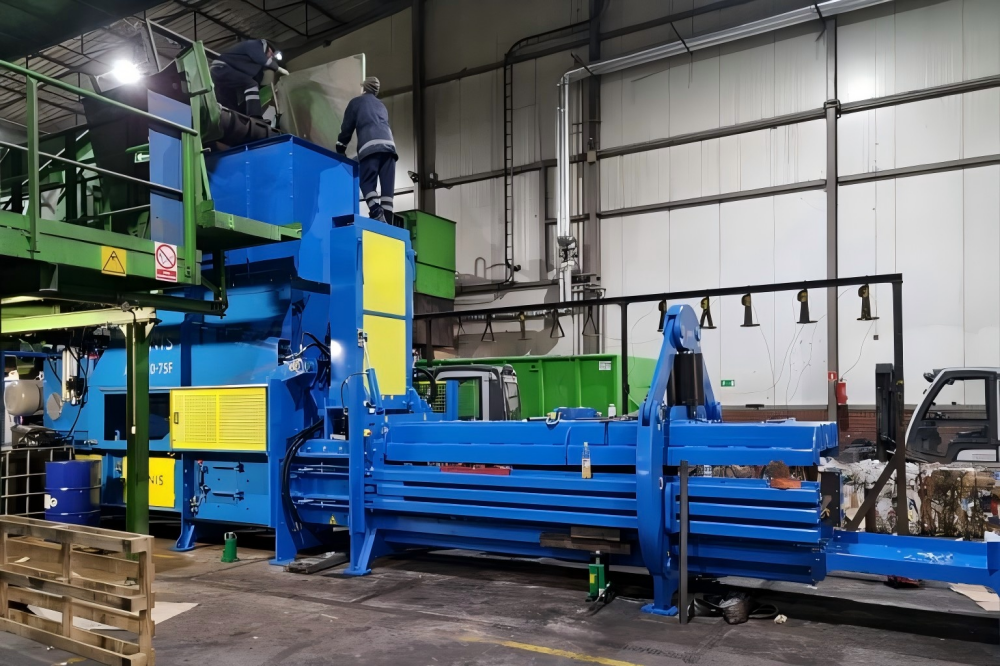
Key Considerations When a Baler Jams
Before diving into the mechanical repairs, it is essential to evaluate the operational environment. Often, the solution to fix a recycling baler that keeps jamming during operation lies in how the machine is being fed rather than a failure of the components themselves. The first consideration is material density and type. Every baler is rated for specific materials. Attempting to process high-density plastics in a machine designed for light cardboard will inevitably lead to a stalled ram or a structural jam.
Another critical factor is moisture content. In the recycling industry, wet materials—particularly cardboard and paper—behave differently under pressure than dry materials. Wet fibers expand and create significantly more friction against the chamber walls. This increased friction can exceed the hydraulic pressure limits of the machine, causing the ram to stop mid-stroke. If your facility stores waste outdoors, ensuring that materials remain dry before baling is a simple yet effective way to prevent frequent jams.
Operator training also plays a pivotal role. Overloading the charging chamber is perhaps the most common cause of jamming. When an operator forces too much material into the hopper, the ram cannot complete its cycle, and the material becomes wedged between the platen and the chamber ceiling. Establishing clear loading protocols and bale size limits is vital. Furthermore, the presence of contaminants—such as heavy metal shards in a plastic baler—can damage the internal liners and create snag points that catch material, leading to a snowball effect of blockages.
Finally, consider the age and maintenance history of the machine. Over time, the structural frame of a baler can experience “bowing” or warping due to repeated high-pressure cycles. If the chamber is no longer perfectly rectangular, the platen may rub against the sides, creating mechanical resistance that the motor cannot overcome. Regular inspections for structural integrity are necessary to ensure that the jamming isn’t a sign of terminal metal fatigue.
Technical Details: Troubleshooting and Mechanical Fixes
Hydraulic System Analysis
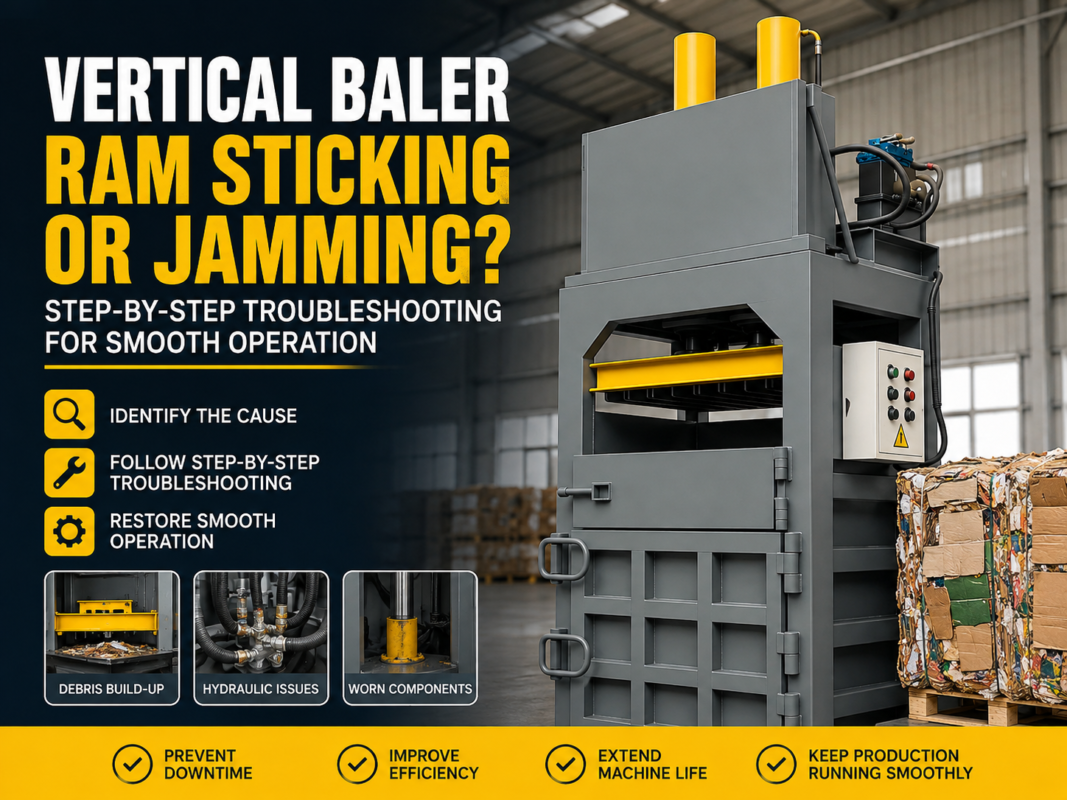
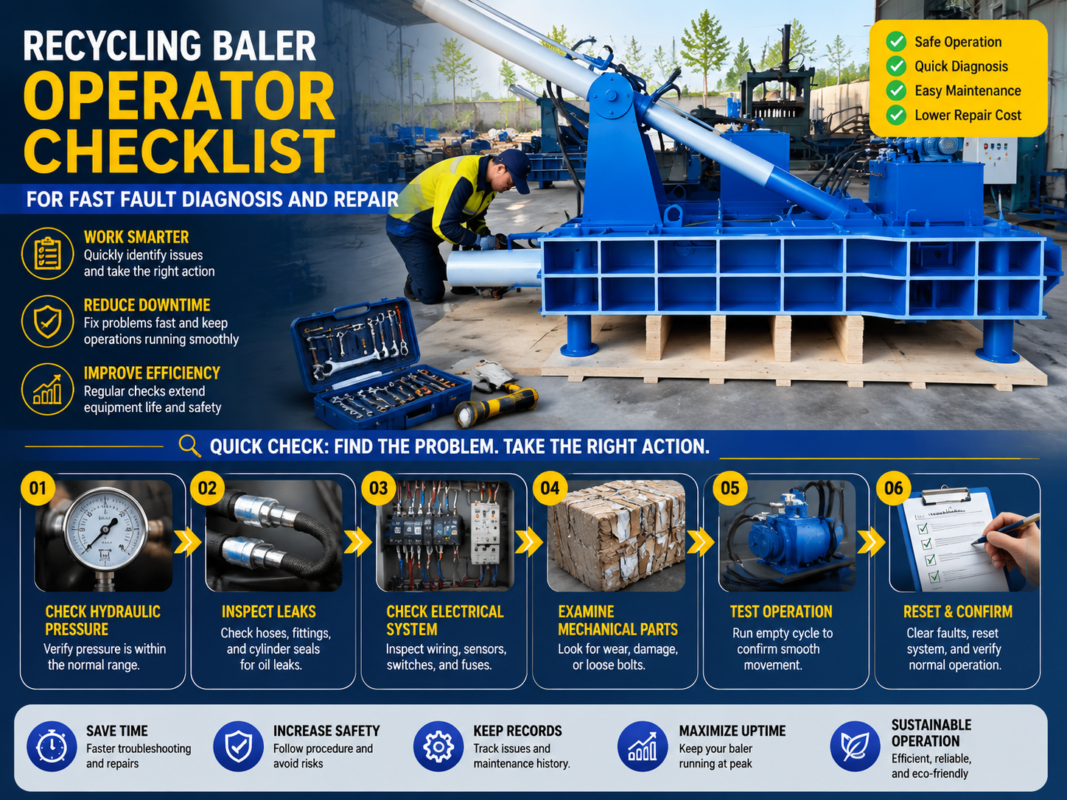
The heart of any recycling baler is its hydraulic system. If you need to fix a recycling baler that keeps jamming during operation, you must start by checking the hydraulic pressure. A drop in pressure often means the ram lacks the force to finish a compression cycle. Start by inspecting the hydraulic fluid levels and the condition of the oil. Contaminated or overheated oil loses its viscosity, leading to pump inefficiency and internal leakage within the valves. If the oil appears milky or dark, a full flush and filter replacement are required.
Check the relief valve settings. The relief valve is a safety mechanism that diverts oil back to the reservoir if the pressure exceeds a certain threshold. If this valve is set too low or has become faulty, it will trigger prematurely, stopping the ram before the bale is fully compressed. Conversely, if the pump is worn out, it may not be able to reach the required PSI (pounds per square inch) to handle dense loads. Using a pressure gauge to test the pump output against the manufacturer’s specifications is a standard diagnostic step.
Shear Blade Alignment and Sharpness
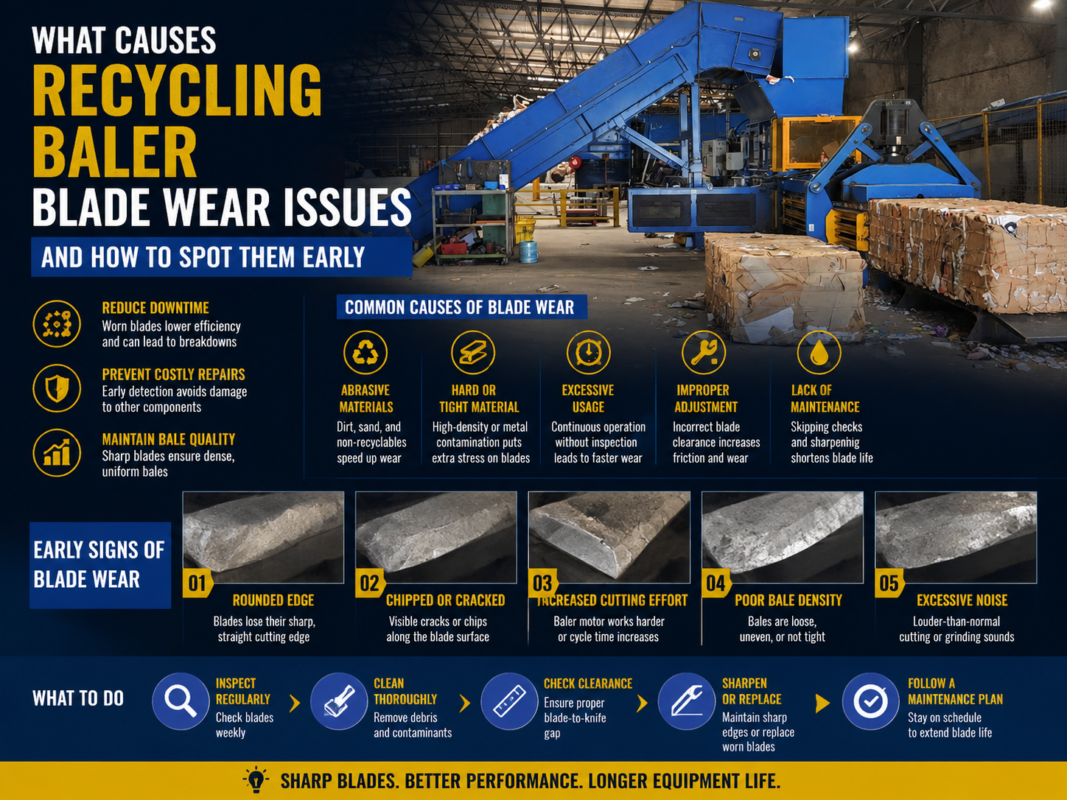
In horizontal balers, shear blades are used to cut off excess material as the ram moves forward. If these blades are dull or the gap between the moving and stationary blade is too wide, the material will not be cut cleanly. Instead, it will get pulled into the gap, wedging the ram firmly in place. This is a classic cause of a “hard jam” that requires manual extraction of the material.
| Component | Common Issue | Recommended Action |
|---|---|---|
| Shear Blades | Dullness or excessive gap | Sharpen blades and adjust clearance to 0.5mm – 1.0mm |
| Hydraulic Cylinders | Seal leakage or rod scoring | Replace seals and polish or replace damaged rods |
| Limit Switches | Misalignment or debris buildup | Clean sensors and recalibrate stop positions |
| Platen Wear Pads | Excessive wear or lack of lubrication | Replace nylon/brass pads and apply industrial grease |
Electrical and Sensor Calibration
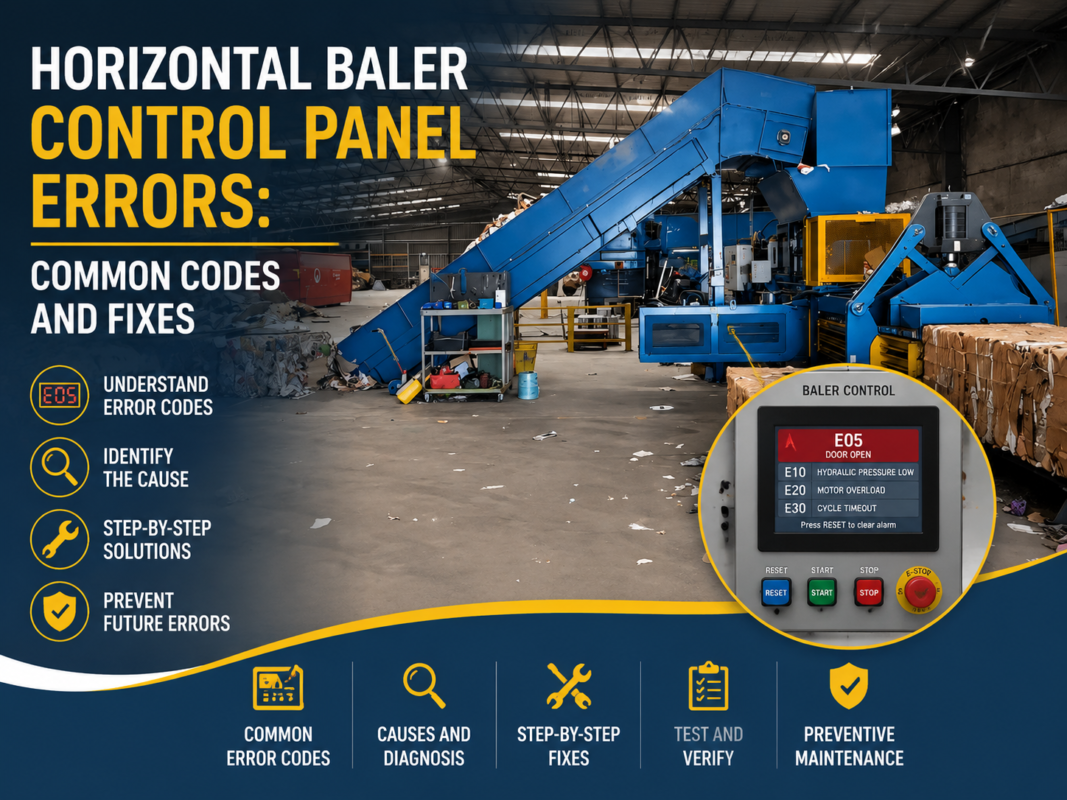
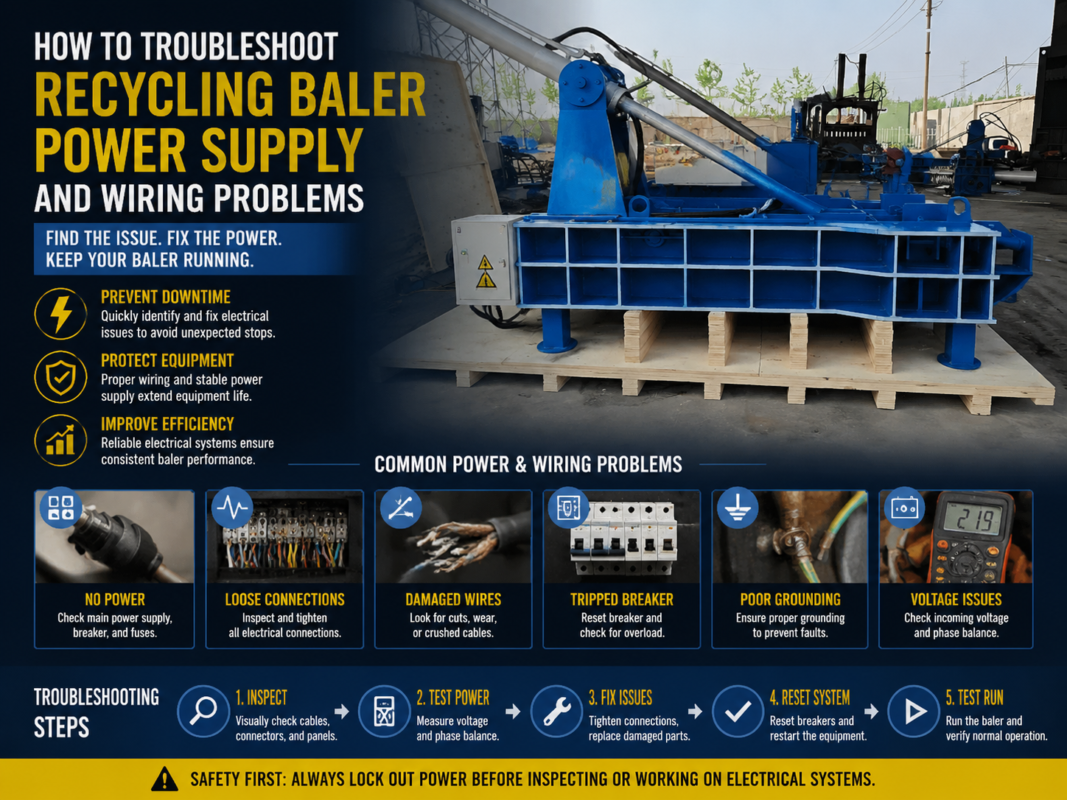
Modern balers rely on a suite of sensors and limit switches to manage the ram’s travel. If a limit switch is caked in dust or has vibrated out of position, the PLC (Programmable Logic Controller) may receive a signal that the ram has reached its limit when it hasn’t, or it may fail to stop the ram, causing it to crash into the end-frame. To fix a recycling baler that keeps jamming during operation, technicians should verify that all proximity sensors are clean and securely mounted. In many cases, a “jam” is actually an electrical fault where the machine’s computer shuts down the cycle as a safety precaution because it cannot verify the ram’s location.
Selection Advice: Choosing the Right Baler to Prevent Jams
Preventing jams often starts at the point of purchase. If you find yourself constantly trying to fix a recycling baler that keeps jamming during operation, it may be that the machine is simply underpowered for your volume. When selecting a baler, consider the “Pressing Force.” For heavy-duty applications like non-ferrous metal recycling or high-volume PET bottling, a baler with at least 50 to 100 tons of pressing force is recommended. HARSLE offers a range of high-pressure models designed specifically to handle these demanding materials without stalling.
Consider the difference between vertical and horizontal configurations. Vertical balers are excellent for space-saving and lower volumes, but they are more prone to jamming if the material isn’t distributed evenly in the chamber. Horizontal balers, while more expensive and larger, offer continuous feeding and automatic shearing, which significantly reduces the likelihood of a jam caused by operator error. If your throughput exceeds 20 tons per month, a horizontal baler is a much more stable investment.
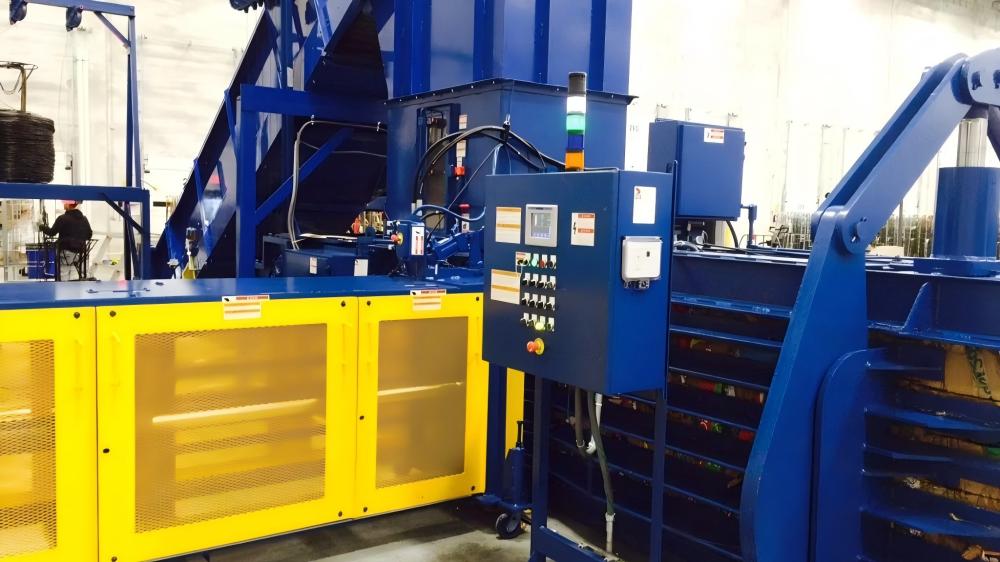
Look for machines with “Anti-Jam” technology. Some modern HARSLE balers include a reverse-logic feature where the ram will automatically retract and attempt a second press if it senses a blockage. This prevents the machine from locking up and allows the material to shift into a more compressible position. Additionally, ensure the machine has high-quality wear liners. Replaceable Hardox liners in the compression chamber prevent the frame from wearing down, maintaining the tight tolerances necessary to prevent material from slipping behind the platen.
Finally, evaluate the motor and pump combination. A common mistake is choosing a machine with a high pressing force but a low-horsepower motor. This results in a very slow cycle time, and the motor may overheat when trying to push through a tough load. A balanced system—where the motor power matches the hydraulic pump’s displacement—ensures that the ram maintains consistent speed and force throughout the entire stroke, minimizing the chances of a mid-cycle stall.
Frequently Asked Questions (FAQ)
1. Why does my baler jam only when it’s nearly full?
This is usually due to the “spring-back” effect of materials like plastic or tires. As the bale reaches maximum density, the material exerts significant outward pressure. If the hydraulic system is slightly under-pressured or the cylinders have internal bypass, the ram cannot overcome this final resistance. It can also be caused by worn-out dogs (the metal teeth that hold material down), allowing material to wedge above the ram.
2. How often should I sharpen the shear blades?
For high-volume operations, shear blades should be inspected weekly and sharpened every 3 to 6 months. If you notice “tails” of material hanging off your bales or if the machine makes a loud banging noise during the shear stroke, the blades are likely dull or misaligned. Keeping these sharp is the best way to fix a recycling baler that keeps jamming during operation.
3. Can I use any hydraulic oil in my HARSLE baler?
No. You must use the oil grade specified in your manual, typically ISO 32, 46, or 68, depending on your ambient operating temperature. Using the wrong viscosity can lead to pump cavitation or sluggish ram movement, both of which contribute to jamming under heavy loads.
4. What is the safest way to clear a jam?
Never enter the baler chamber while the machine is powered. Follow strict Lock-Out/Tag-Out (LOTO) procedures. Use long-handled tools to remove the obstruction. If the ram is stuck forward, you may need to manually bleed the hydraulic pressure to allow it to retract, but this should only be done by a trained technician.
5. Does the bale wire affect jamming?
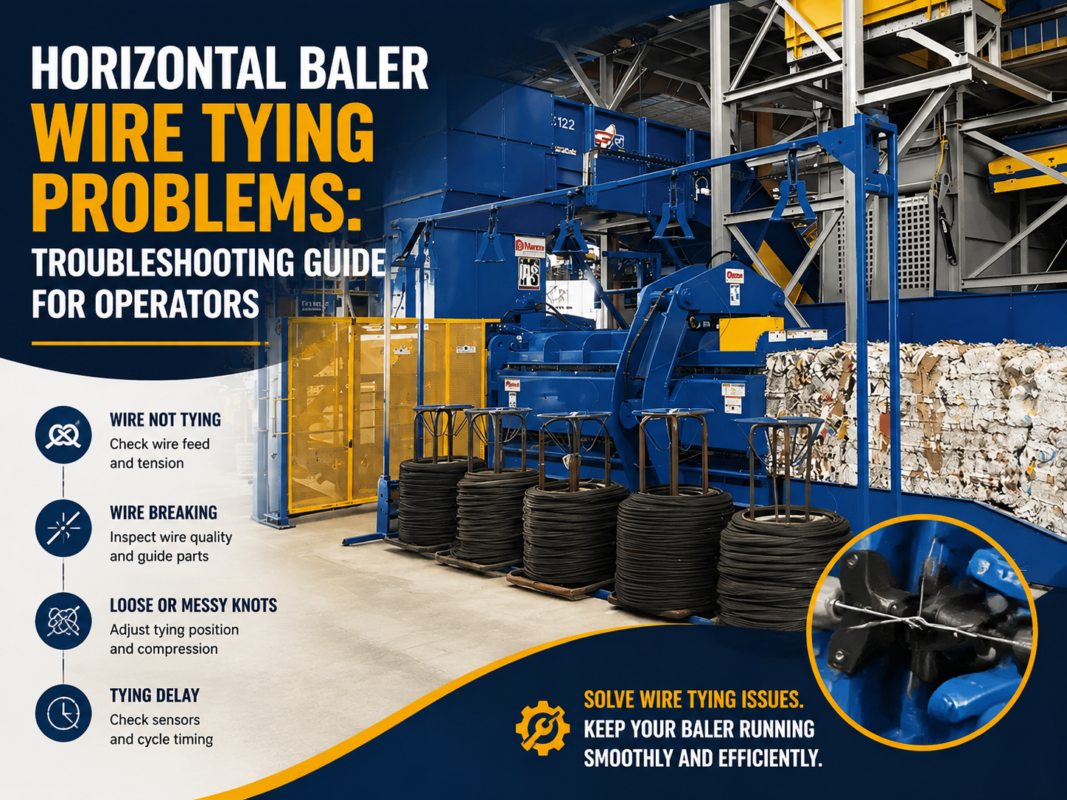
Yes. If the wire-tier system is out of alignment, the wire can snap or become entangled in the ram’s guide tracks. This creates a mechanical obstruction. Ensure the wire paths are clean and the twister hooks are lubricated and timed correctly.
6. How do I know if my pump is failing?
Symptoms of a failing pump include excessive noise (whining or growling), increased cycle times, and the inability to reach the maximum pressure setting on the gauge even when the relief valve is closed. A failing pump is a primary reason why a baler will keep jamming during operation.
Conclusion: Maintaining a Jam-Free Operation
To effectively fix a recycling baler that keeps jamming during operation, one must adopt a proactive rather than a reactive mindset. Jamming is rarely a random occurrence; it is the physical manifestation of a mismatch between the machine’s capabilities and the demands being placed upon it. By focusing on proper material preparation, rigorous hydraulic maintenance, and the correct calibration of mechanical components like shear blades and sensors, you can virtually eliminate unexpected downtime.
Investing in high-quality machinery from HARSLE ensures that you have a robust foundation. Our machines are engineered to withstand the rigors of industrial recycling, featuring reinforced frames and precision-engineered hydraulics. However, even the best machine requires a dedicated maintenance schedule. Daily checks of the chamber for debris, weekly inspections of hydraulic fittings, and monthly audits of the electrical safety systems are the hallmarks of a professional operation.
Ultimately, a jam-free baler is a productive baler. By implementing the technical fixes and selection advice outlined in this guide, you can protect your investment, ensure the safety of your operators, and maintain a steady flow of processed material. Remember, when in doubt, consult your technical manual or contact a HARSLE specialist to ensure your equipment is configured for your specific recycling needs. With the right approach, you can turn a problematic machine into a reliable asset for years to come.