Comprehensive Hydraulic Briquetting Machine Maintenance Guide for Scrap Metal Facilities

The Critical Role of Maintenance in Scrap Metal Briquetting
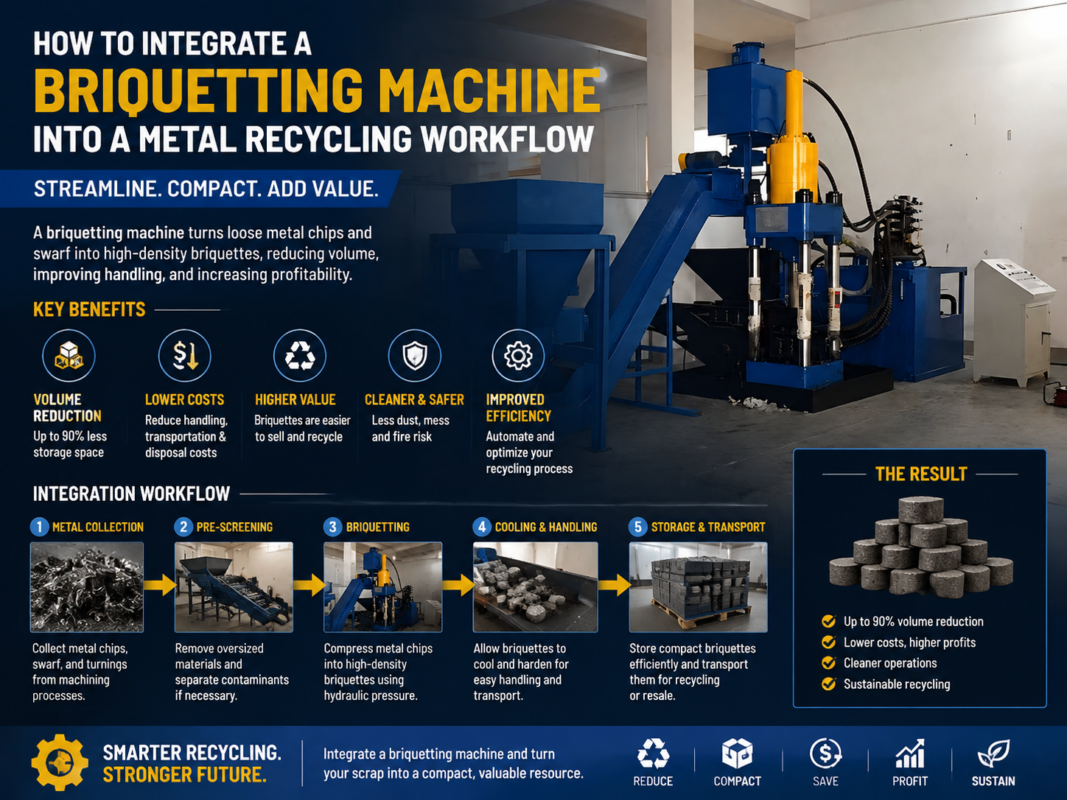
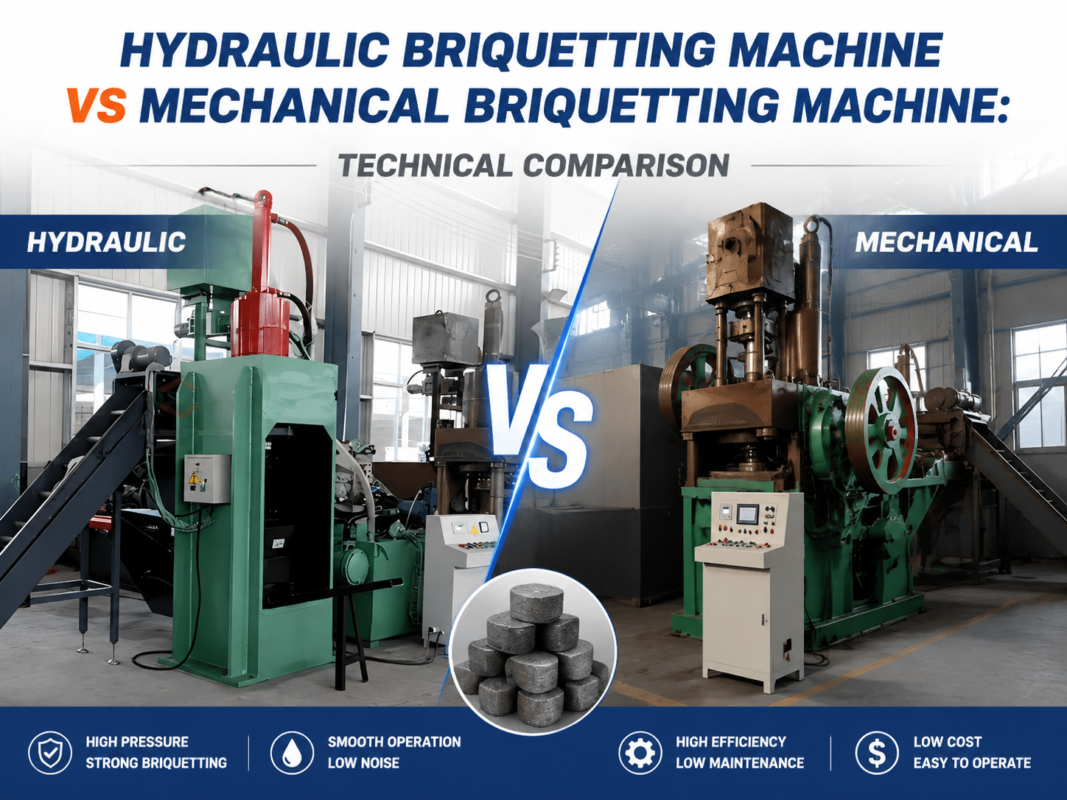
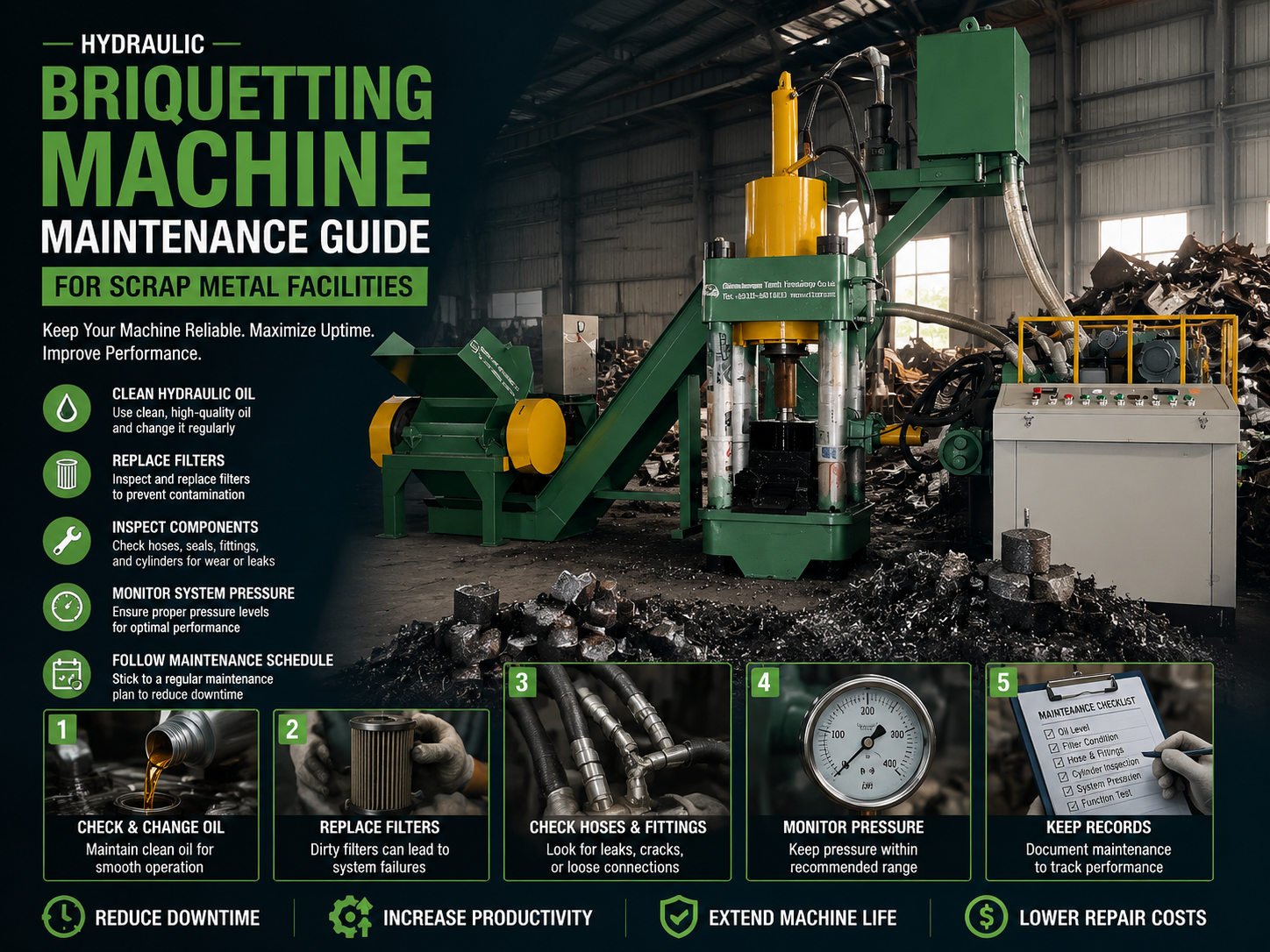
In the high-intensity environment of scrap metal recycling, the hydraulic briquetting machine stands as a cornerstone of efficiency. These machines are designed to compress loose metal chips, turnings, and shavings—whether aluminum, steel, copper, or cast iron—into dense, manageable briquettes. However, the very nature of the materials they process makes them susceptible to significant wear and tear. A robust Hydraulic Briquetting Machine Maintenance Scrap Metal Facilities program is not just a recommendation; it is a necessity for operational continuity and profitability.
Scrap metal facilities operate under harsh conditions where dust, abrasive metal particles, and fluctuating temperatures are the norm. Without a structured maintenance protocol, these factors can lead to premature component failure, hydraulic fluid contamination, and unexpected downtime. For a facility manager, every hour the machine is offline represents lost revenue and a bottleneck in the recycling stream. Therefore, understanding the nuances of maintenance is essential for maximizing the Return on Investment (ROI) of HARSLE equipment.
Effective maintenance goes beyond simple repairs; it involves a proactive approach to preserve the machine’s structural integrity and hydraulic precision. By adhering to a strict schedule, operators can ensure that the briquettes produced maintain consistent density and quality, which is vital for secondary smelting processes. Furthermore, a well-maintained machine operates more safely, reducing the risk of high-pressure leaks or electrical faults that could endanger personnel.
This guide provides a comprehensive framework for maintaining hydraulic briquetting machines specifically within the context of scrap metal facilities. We will explore the daily, weekly, and monthly tasks required to keep your machinery running at peak performance, ensuring that your facility remains competitive and efficient in the global recycling market.
The Importance of a Structured Maintenance Plan
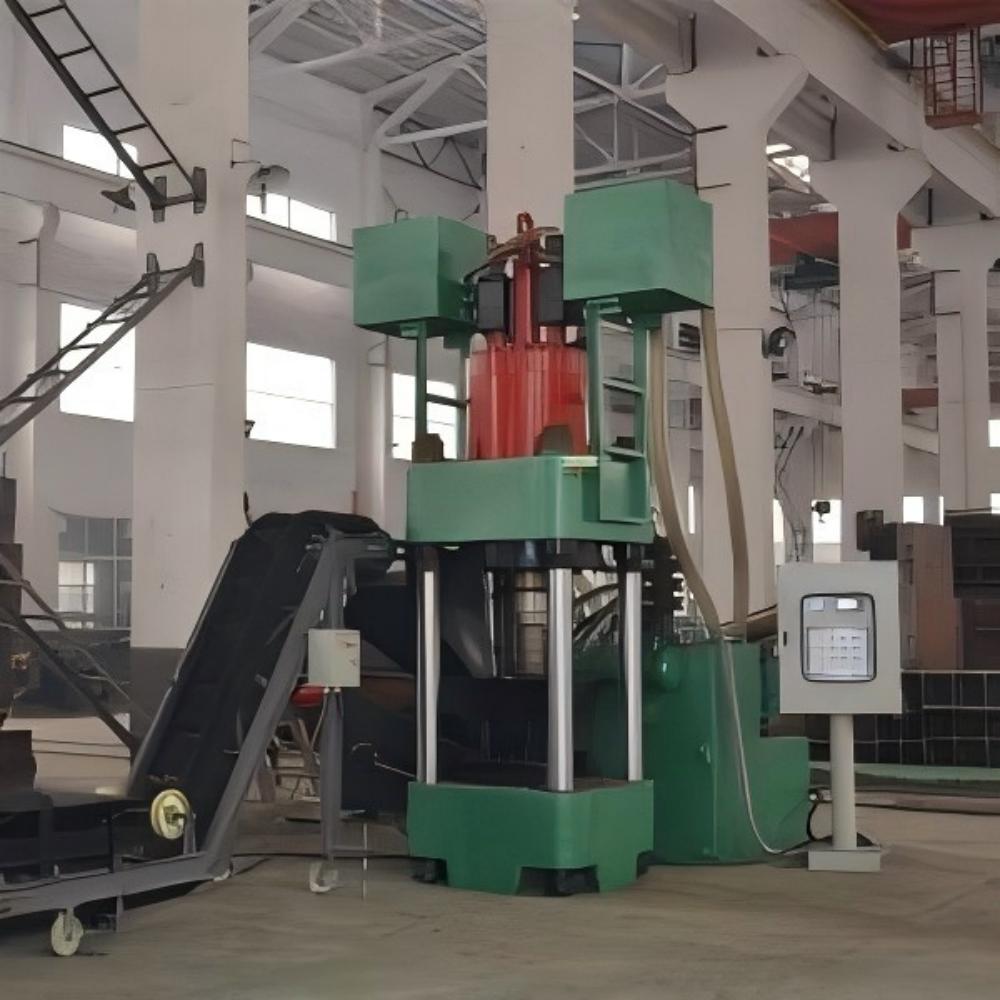
The primary goal of any Hydraulic Briquetting Machine Maintenance Guide For Scrap Metal Facilities is to prevent the transition from “planned maintenance” to “emergency repair.” In the scrap industry, the cost of emergency repairs is often three to four times higher than the cost of routine servicing. This is due to the expedited shipping of parts, emergency technician fees, and the massive opportunity cost of halted production.
Longevity is perhaps the most significant benefit of a structured plan. Hydraulic systems are sensitive to contaminants. In a scrap yard, fine metal dust can easily enter the hydraulic reservoir if seals are not checked or filters are not replaced. Once inside, these particles act as an abrasive, scouring the internal surfaces of pumps and valves. Regular maintenance ensures that these contaminants are filtered out before they can cause catastrophic damage to the heart of the machine.
Efficiency is another critical factor. As hydraulic components wear, internal leakage increases, leading to a drop in pressure and slower cycle times. A machine that once produced 50 briquettes an hour might drop to 40, representing a 20% loss in productivity. Regular checks of the hydraulic pump and pressure relief valves ensure that the machine operates at its designed specifications, maintaining the high throughput required in modern scrap facilities.
Finally, safety cannot be overstated. Hydraulic briquetting machines operate under immense pressure, often exceeding 200 bars. A frayed hose or a loose fitting can lead to a high-velocity fluid injection injury or a fire if the fluid contacts a hot surface. A rigorous maintenance schedule includes the inspection of all high-pressure lines and electrical connections, ensuring a safe working environment for all operators.
Daily Inspection: The First Line of Defense
The daily inspection is a brief but vital ritual that should be performed at the start of every shift. It allows operators to identify potential issues before they escalate into major failures. The first step is a visual sweep of the entire machine. Look for signs of hydraulic fluid on the floor or around the cylinder seals. Even a small damp spot can indicate a seal that is beginning to fail.
Next, check the hydraulic oil level and temperature. Most HARSLE machines are equipped with integrated gauges for this purpose. If the oil level is low, it must be topped up with the correct grade of hydraulic fluid immediately to prevent pump cavitation. If the temperature is unusually high after only a short period of operation, it may indicate a problem with the cooling system or an internal blockage in the hydraulic circuit.
The hopper and feeding mechanism should also be inspected daily. Scrap metal can sometimes contain oversized pieces or foreign objects that can jam the screw feeder or the primary ram. Clearing these obstructions and ensuring the feeding area is clean prevents mechanical strain on the motors and gearboxes. Additionally, check the status of the emergency stop buttons and safety interlocks to ensure they are fully functional.
Finally, listen to the machine during its initial cycles. Experienced operators can often “hear” a problem before they see it. Unusual whining from the pump, banging in the cylinders, or grinding noises from the mechanical linkages are all signals that something is amiss. Documenting these daily checks in a logbook provides a valuable history that can help technicians diagnose recurring issues more effectively.
Hydraulic System Maintenance and Oil Care
The hydraulic system is the lifeblood of the briquetting machine. In the context of Hydraulic Briquetting Machine Maintenance Scrap Metal Facilities, oil care is the single most important factor in system health. Hydraulic oil serves three purposes: it transmits power, lubricates moving parts, and carries heat away from the components. Over time, the oil breaks down due to thermal stress and contamination.
Oil filtration is your primary defense. Most machines utilize a combination of suction filters and return-line filters. These should be checked and replaced according to the manufacturer’s intervals, or sooner if the facility is particularly dusty. Using high-quality filters with the correct micron rating is essential; cheap filters may allow fine particles to pass through, leading to the gradual erosion of the hydraulic pump’s internal vanes or pistons.
Temperature control is equally critical. Hydraulic oil has an optimal operating range, usually between 40°C and 55°C. If the oil becomes too hot, its viscosity drops, leading to poor lubrication and increased wear. Ensure that the air or water-cooled heat exchangers are clean and functioning. In scrap facilities, air coolers often become clogged with dust and lint, significantly reducing their cooling efficiency. Regular cleaning with compressed air can prevent overheating issues.
Periodic oil analysis is a professional-grade maintenance technique that can save thousands of dollars. By sending a small sample of the hydraulic fluid to a lab, you can determine the exact level of contamination, the presence of wear metals (which indicates which components are failing), and the remaining chemical life of the oil. This allows for “condition-based” oil changes rather than simply following a calendar, which can be both more economical and more effective.
Electrical and Mechanical Component Checks
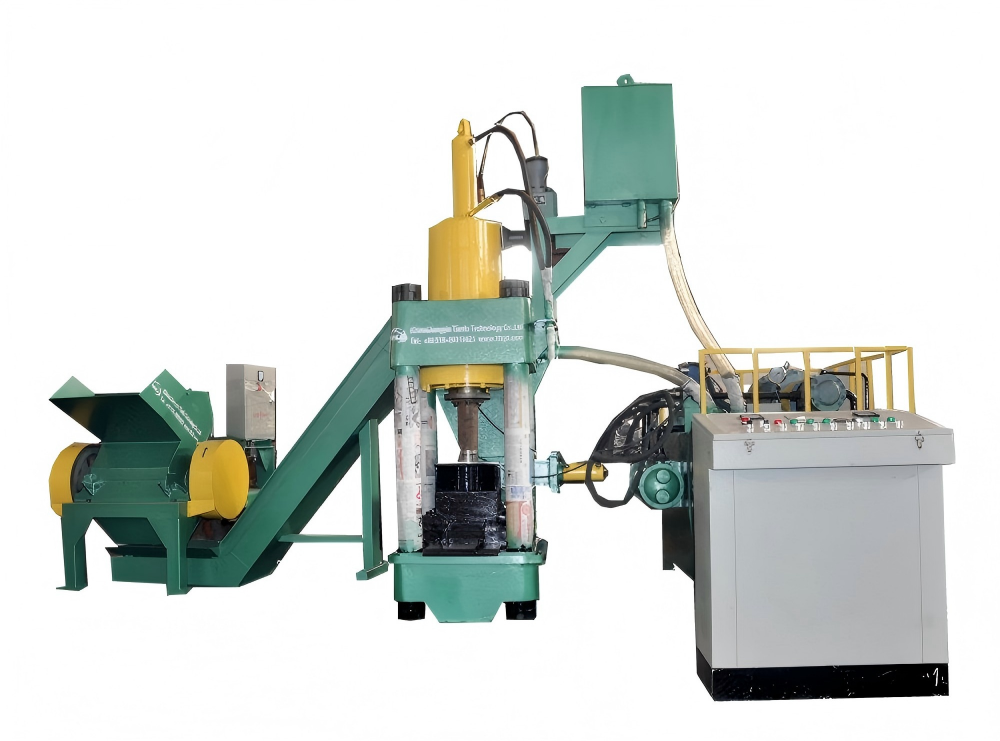
While the hydraulic system provides the power, the electrical system provides the intelligence. Modern briquetting machines rely on Programmable Logic Controllers (PLCs) and a suite of sensors to manage the complex timing of the compression cycle. Maintenance of the electrical cabinet is often overlooked. Ensure the cabinet is sealed against dust and that the cooling fans are operational. Loose wiring connections, caused by the machine’s vibration, can lead to intermittent faults or even electrical fires.
Proximity sensors and limit switches are critical for the machine’s operation. These sensors tell the PLC the position of the rams and the hopper gate. In a scrap metal environment, these sensors can become coated in oily grime or knocked out of alignment by falling debris. Regularly cleaning and checking the mounting tightness of these sensors will prevent cycle errors and potential mechanical collisions.
On the mechanical side, the focus should be on the wear parts. The mold (die) and the punch (ram head) are subject to extreme friction and pressure. Depending on the abrasiveness of the metal being processed—for example, silicon-heavy aluminum alloys—these parts will eventually wear down. Worn molds result in briquettes that are misshapen or lack the necessary density. Inspect these components for scoring, cracking, or excessive clearance, and replace them before they cause damage to the main cylinder.
Bolts and fasteners throughout the machine frame should be checked for tightness. The repetitive, high-pressure cycles of a briquetting press create significant vibration. Over months of operation, even the most robust bolts can begin to back out. A monthly check with a torque wrench on critical structural bolts and hydraulic flange connections is a simple step that prevents major mechanical failures.
Lubrication Plan: Reducing Friction and Wear
A comprehensive Hydraulic Briquetting Machine Maintenance Guide For Scrap Metal Facilities must include a detailed lubrication plan. While the hydraulic oil lubricates the internal components, external moving parts such as the ram guides, hopper hinges, and conveyor bearings require manual or automated greasing. Without proper lubrication, these parts will experience metal-on-metal contact, leading to rapid wear and increased energy consumption.
The choice of lubricant is vital. For scrap metal facilities, a heavy-duty grease with Extreme Pressure (EP) additives is usually required. These additives form a protective film that stays in place even under the massive loads generated during the briquetting process. In environments with high moisture or outdoor exposure, a water-resistant grease should be used to prevent rust and corrosion on exposed shafts and guides.
Frequency is the next consideration. High-wear areas like the main ram guides should be lubricated daily or every shift. Many HARSLE machines feature centralized lubrication systems that simplify this process. If your machine has a manual system, ensure that operators are trained to identify every grease nipple. A missed lubrication point is a failure point waiting to happen.
It is also important not to over-lubricate. Excessive grease can attract metal dust and grit, creating an abrasive paste that actually accelerates wear. Wipe away old, contaminated grease before applying new lubricant, and ensure that seals are not blown out by excessive pressure from a grease gun. A clean, well-lubricated machine runs smoother, quieter, and lasts significantly longer.
Troubleshooting Common Signals and Issues
Even with the best maintenance, issues can arise. Being able to troubleshoot common signals is key to minimizing downtime. One of the most frequent complaints in scrap facilities is “low briquette density.” This is often caused by a drop in hydraulic pressure. Check the pressure gauge during the final compression stage. If it’s below the set point, the issue could be a worn pump, a leaking bypass valve, or simply an incorrectly adjusted pressure relief valve.
Another common signal is excessive noise. A high-pitched squeal often indicates pump cavitation, which occurs when the pump is starved of oil. This could be due to a clogged suction filter or a leak in the suction line allowing air into the system. A “banging” sound, on the other hand, might indicate air trapped in the cylinders or a loose mechanical component. Addressing these noises immediately can prevent the total destruction of the hydraulic pump.
If the machine is cycling slowly, the culprit is usually heat or internal leakage. As oil heats up, it thins, and the pump becomes less efficient. Check the cooling system first. If the temperature is normal but the cycle is still slow, the internal seals of the main cylinder may be bypassing, allowing oil to flow from the high-pressure side to the low-pressure side without doing work.
Electrical issues often manifest as the machine stopping mid-cycle or refusing to start. Check the PLC diagnostic lights; they often provide a code that points to a specific failed sensor or an open safety circuit. In many cases, the “failure” is simply a piece of scrap metal blocking a proximity sensor. Always clear the machine of debris before diving into complex electrical troubleshooting.
Comprehensive Maintenance Schedule Table
To assist facility managers, the following table outlines a standard maintenance schedule for a hydraulic briquetting machine in a scrap metal environment.
| Frequency | Component | Action Required |
|---|---|---|
| Daily | Hydraulic Oil | Check level and temperature; inspect for leaks. |
| Daily | Safety Systems | Test E-stops and interlocks; clear hopper debris. |
| Daily | Ram Guides | Apply grease; wipe away excess metal dust. |
| Weekly | Filters | Inspect suction and return filters; clean or replace if needed. |
| Weekly | Electrical Cabinet | Blow out dust with low-pressure air; check fan operation. |
| Weekly | Fasteners | Visual check for loose bolts on the frame and cylinders. |
| Monthly | Hydraulic Hoses | Inspect for fraying, bulging, or weeping at fittings. |
| Monthly | Molds & Punches | Measure wear; check for cracks or deformation. |
| Quarterly | Oil Analysis | Send sample to lab for contamination and viscosity testing. |
| Annually | Full System Flush | Drain oil, clean reservoir, and replace all hydraulic fluid. |
| Annually | Structural Integrity | Professional inspection of welds and main frame stress points. |
Frequently Asked Questions (FAQ)
1. How often should I change the hydraulic oil in my briquetting machine?
In a typical scrap metal facility, hydraulic oil should be changed every 2,000 to 4,000 hours of operation. However, this can vary based on the environment. We highly recommend performing oil analysis every six months to determine the actual condition of the oil, as this can extend the interval or warn you of early degradation.
2. Why are my metal briquettes falling apart?
Briquettes usually crumble due to insufficient pressure or contaminated material. Check your hydraulic pressure settings first. If the pressure is correct, ensure the scrap metal is not too oily or wet, as excessive moisture or lubricants can prevent the metal particles from interlocking properly during compression.
3. Can I process different types of metal in the same machine?
Yes, most HARSLE hydraulic briquetting machines can handle various metals like aluminum, copper, and steel. However, you may need to adjust the pressure settings and the feeding speed for each material. It is also vital to clean the machine thoroughly between different metals to avoid cross-contamination for recycling purposes.
4. What is the most common cause of pump failure?
Contamination is the leading cause of hydraulic pump failure. Small metal particles from the scrap being processed can enter the system if filters are bypassed or not maintained. These particles cause rapid internal wear, leading to loss of pressure and eventual total pump seizure.
5. How do I know when the mold needs to be replaced?
You should replace the mold when the briquettes start to show a “flange” or “burr” around the edges, or when the diameter of the briquette increases beyond the allowed tolerance. Visible scoring or pitting on the internal surface of the mold is also a clear sign that it has reached the end of its service life.
Conclusion: Maximizing ROI through Diligence
Maintaining a hydraulic briquetting machine in a scrap metal facility is a demanding but rewarding task. By following this Hydraulic Briquetting Machine Maintenance Scrap Metal Facilities guide, you ensure that your equipment remains a reliable asset rather than a liability. The combination of daily vigilance, systematic hydraulic care, and a proactive lubrication plan forms the foundation of a successful recycling operation.
At HARSLE, we understand that our machines are the heartbeat of your facility. By investing time in routine maintenance, you are not only protecting your machinery but also ensuring the safety of your workforce and the quality of your output. Remember, a clean, well-oiled, and regularly inspected machine is the most profitable tool in any scrap metal yard. Stay ahead of the wear, and your briquetting press will provide decades of productive service.