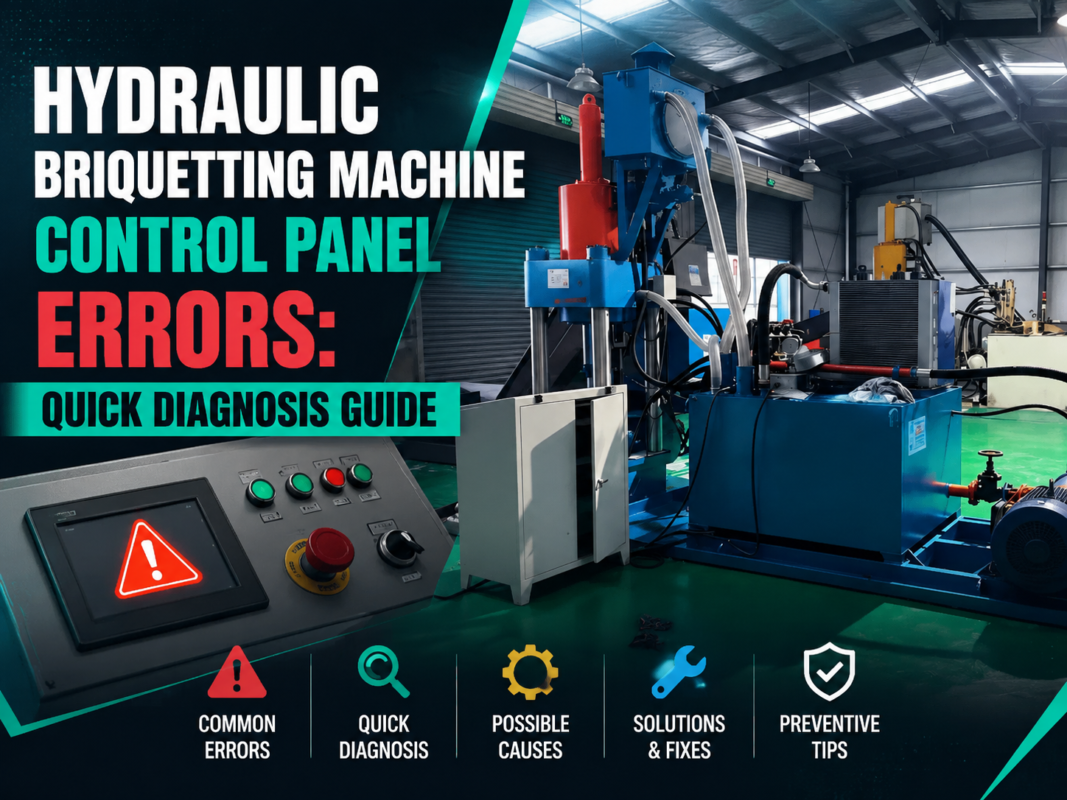
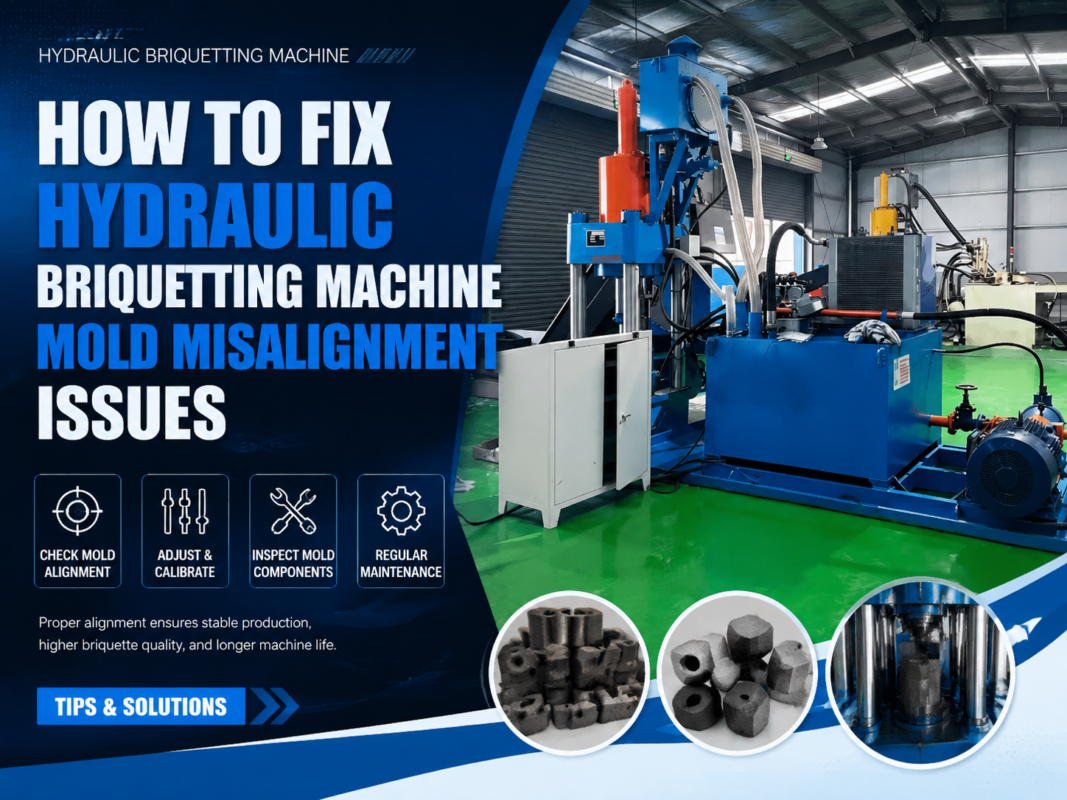
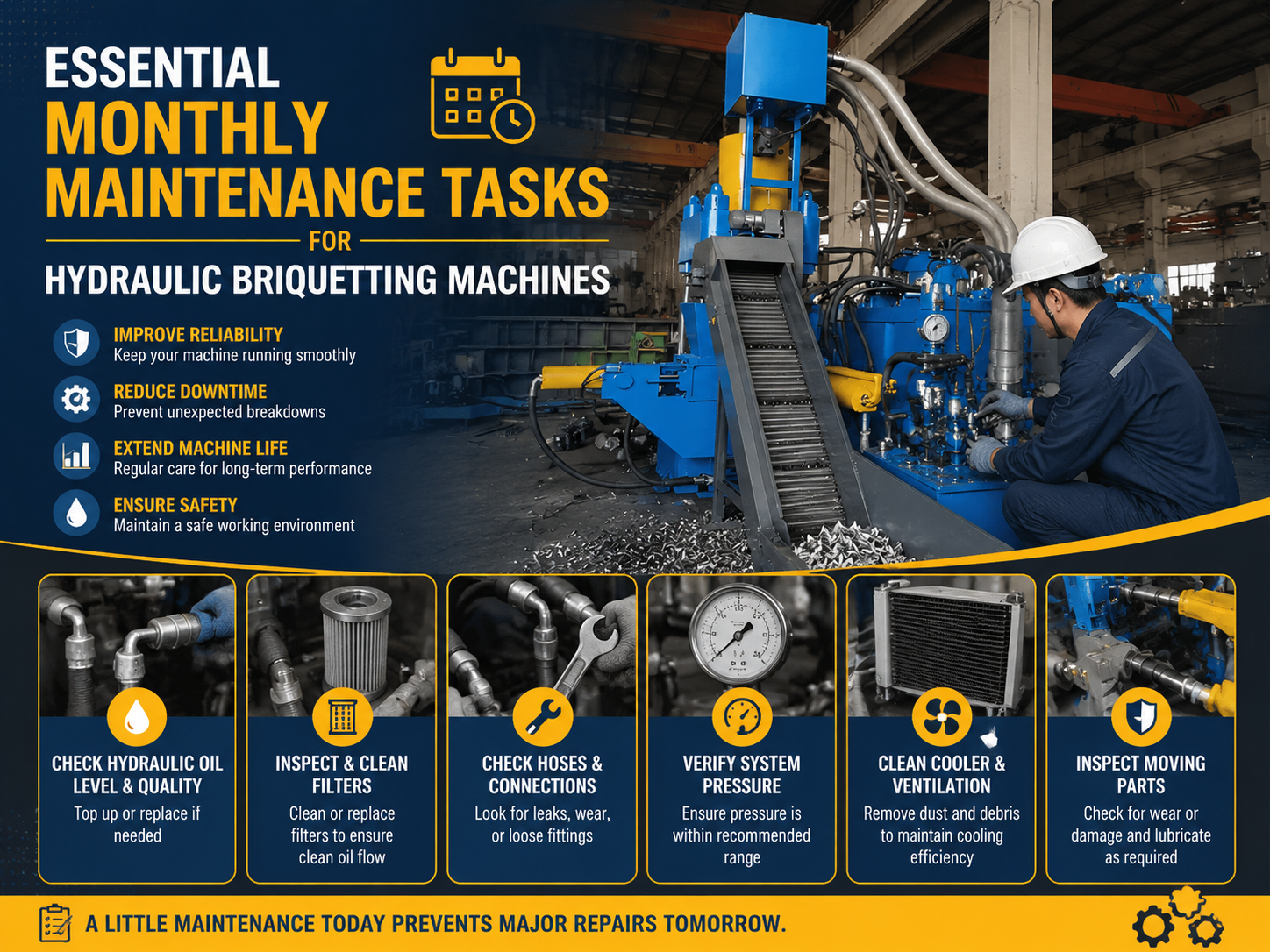
Essential Monthly Maintenance Tasks for Hydraulic Briquetting Machines: A Comprehensive Guide

The Critical Importance of Maintenance for Hydraulic Briquetting Machines
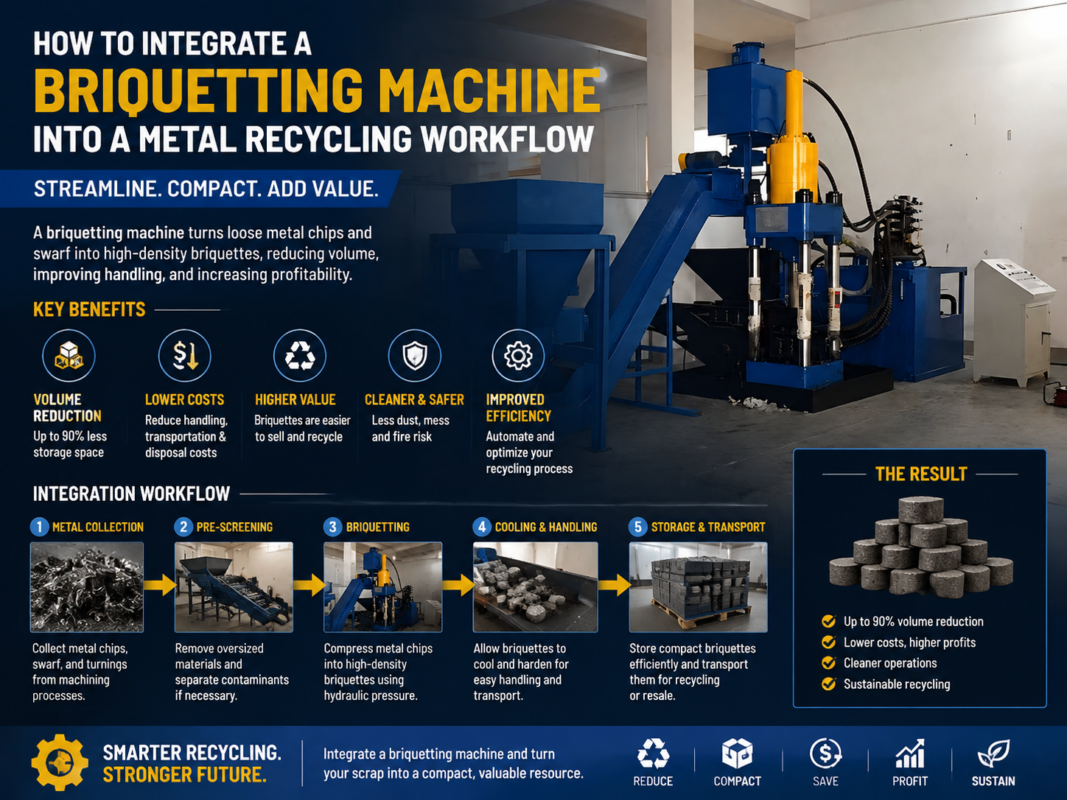
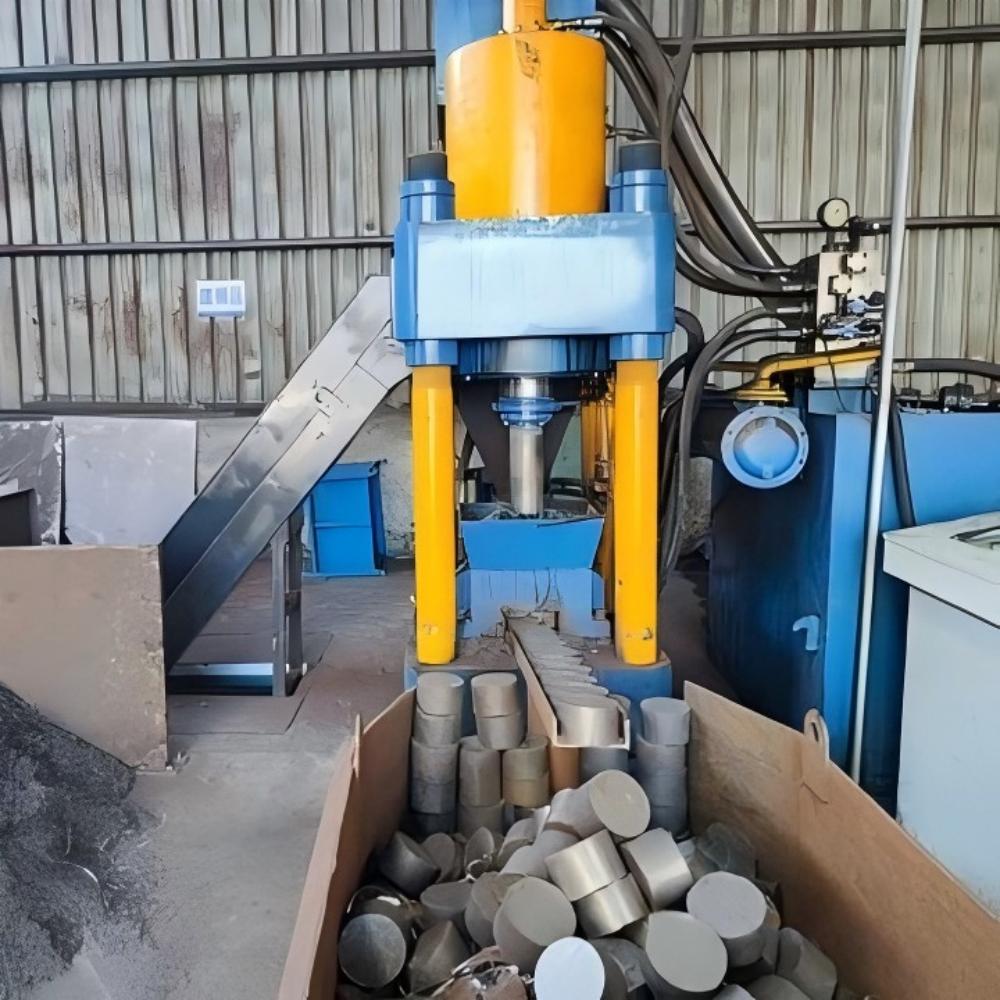
In the high-stakes world of metal fabrication and scrap recycling, the hydraulic briquetting machine stands as a cornerstone of efficiency. These machines are designed to compress metal chips, turnings, and shavings into dense, manageable briquettes, significantly reducing volume and increasing the value of scrap material. However, the extreme pressures and abrasive environments in which these machines operate necessitate a rigorous maintenance regimen. Understanding the essential monthly maintenance tasks for hydraulic briquetting machines is not just about keeping the machine running; it is about protecting a significant capital investment and ensuring the safety of the operators.
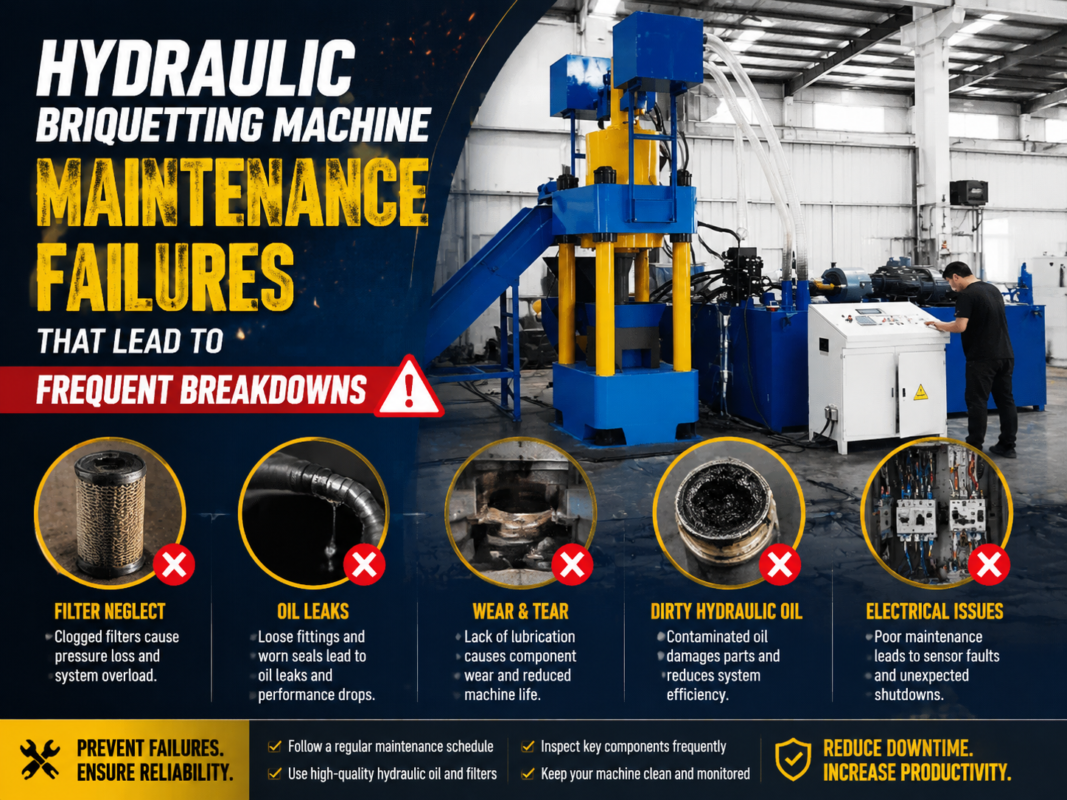
Neglecting maintenance leads to a cascade of failures. What begins as a minor hydraulic leak can escalate into pump cavitation, valve failure, and eventually, a complete system shutdown. In an industrial setting, downtime is the ultimate enemy of profitability. By implementing a structured monthly maintenance plan, facilities can transition from reactive repairs—which are often costly and time-consuming—to a proactive strategy that identifies potential issues before they manifest as mechanical failures. This guide provides a deep dive into the technical requirements of maintaining HARSLE-grade briquetting equipment.
Furthermore, consistent maintenance directly impacts the quality of the output. A poorly maintained machine may produce briquettes that lack the necessary density or structural integrity, leading to crumbling during transport or melting. For companies looking to maximize their ROI on scrap metal, the consistency of the briquette is paramount. High-density briquettes retain more metal during the smelting process, reducing oxidation losses. Therefore, maintenance is as much a quality control measure as it is a mechanical necessity.
Finally, safety cannot be overstated. Hydraulic systems operate under immense pressure, often exceeding 250 bars. A ruptured hose or a failing seal can result in high-velocity fluid injection injuries or fire hazards. Monthly inspections ensure that all safety valves, pressure gauges, and structural components are within their operational tolerances, providing peace of mind for the entire production team.
Daily Inspection: The Foundation of Machine Longevity
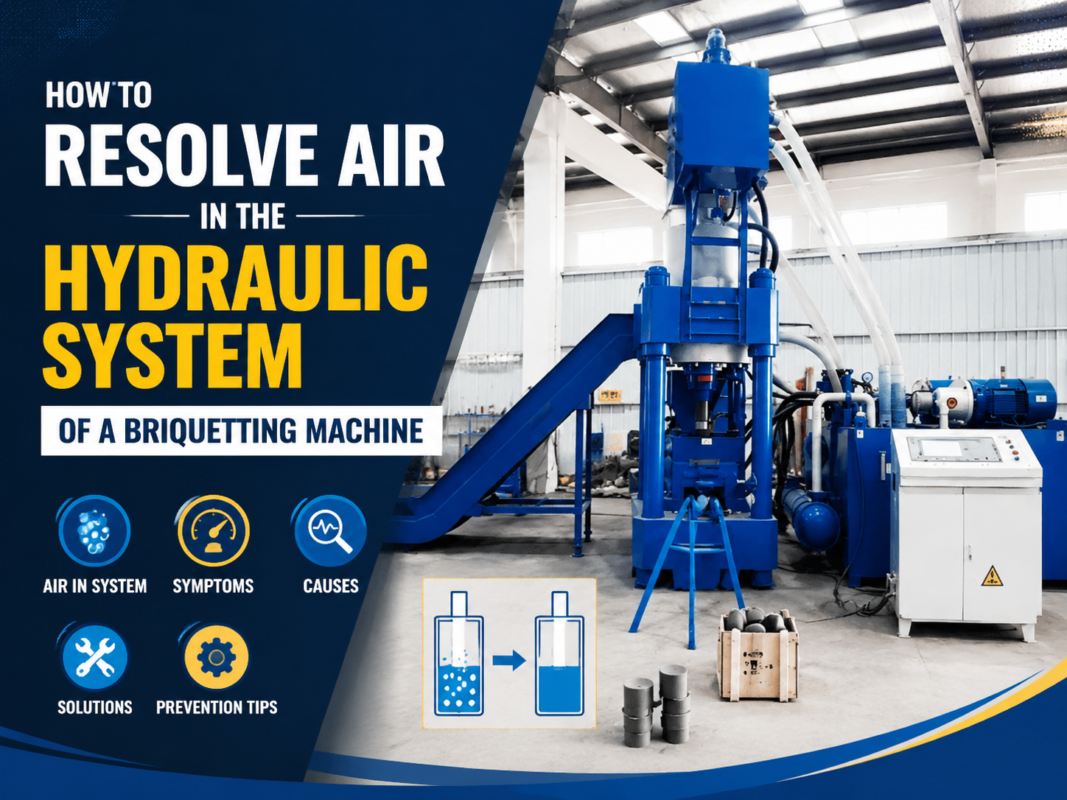
Before diving into the monthly specifics, it is vital to acknowledge that monthly success is built upon daily diligence. A daily inspection routine acts as an early warning system. Operators should begin every shift by checking the hydraulic oil level. If the oil level is consistently dropping, it indicates a leak that must be addressed immediately. Low oil levels can lead to air being sucked into the pump, causing cavitation—a phenomenon that can destroy a hydraulic pump in a matter of hours.
Visual inspections for leaks are the next step. Check all hose connections, cylinder seals, and valve blocks. Even a small ‘weep’ of oil can attract metal dust, creating an abrasive paste that wears down moving parts. Operators should also listen for unusual noises. A healthy hydraulic system has a consistent hum; high-pitched whining or rhythmic knocking usually indicates air in the system or mechanical misalignment. Cleaning the machine at the end of each shift is also crucial, as removing metal debris prevents it from entering the sensitive internal components of the press.
Hydraulic System: The Heart of the Briquetting Press
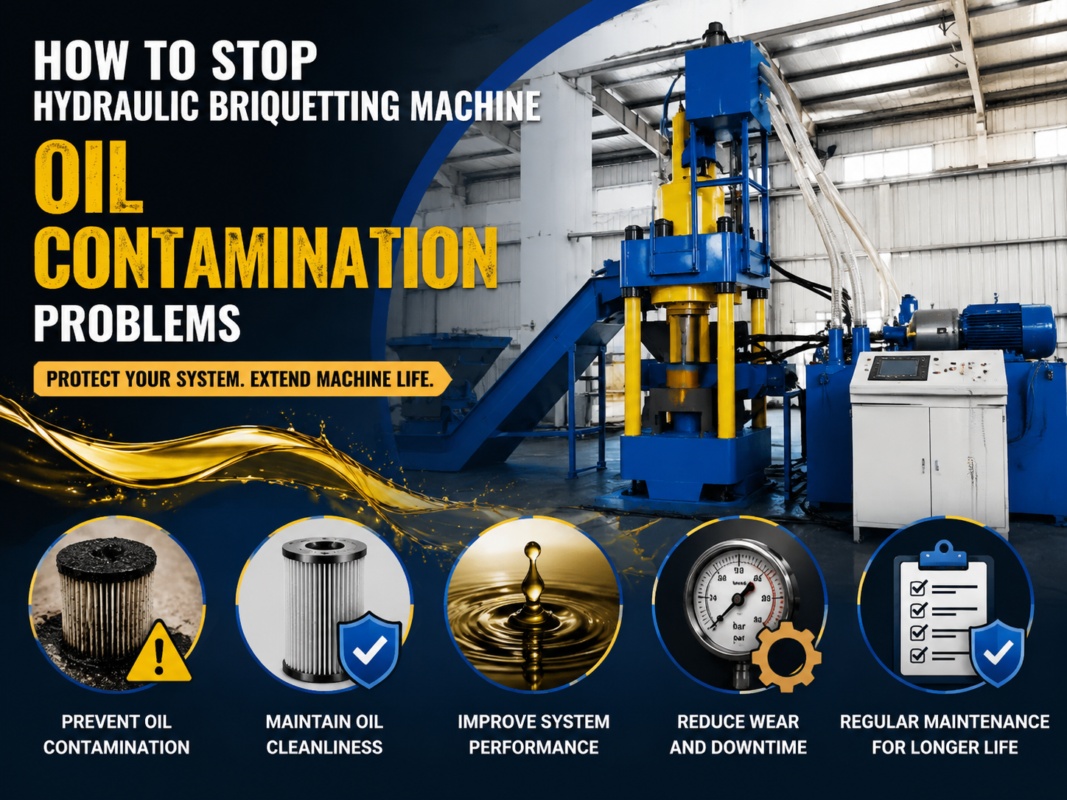
The hydraulic system is the most complex and critical part of the machine. Monthly maintenance must focus heavily on fluid health and pressure regulation. Hydraulic oil is not just a lubricant; it is the medium through which power is transmitted. Over time, this oil degrades due to heat, oxidation, and contamination. During your monthly check, take an oil sample. If the oil appears cloudy, it likely contains water; if it smells burnt or looks significantly darker than new oil, it has undergone thermal breakdown and needs replacement.
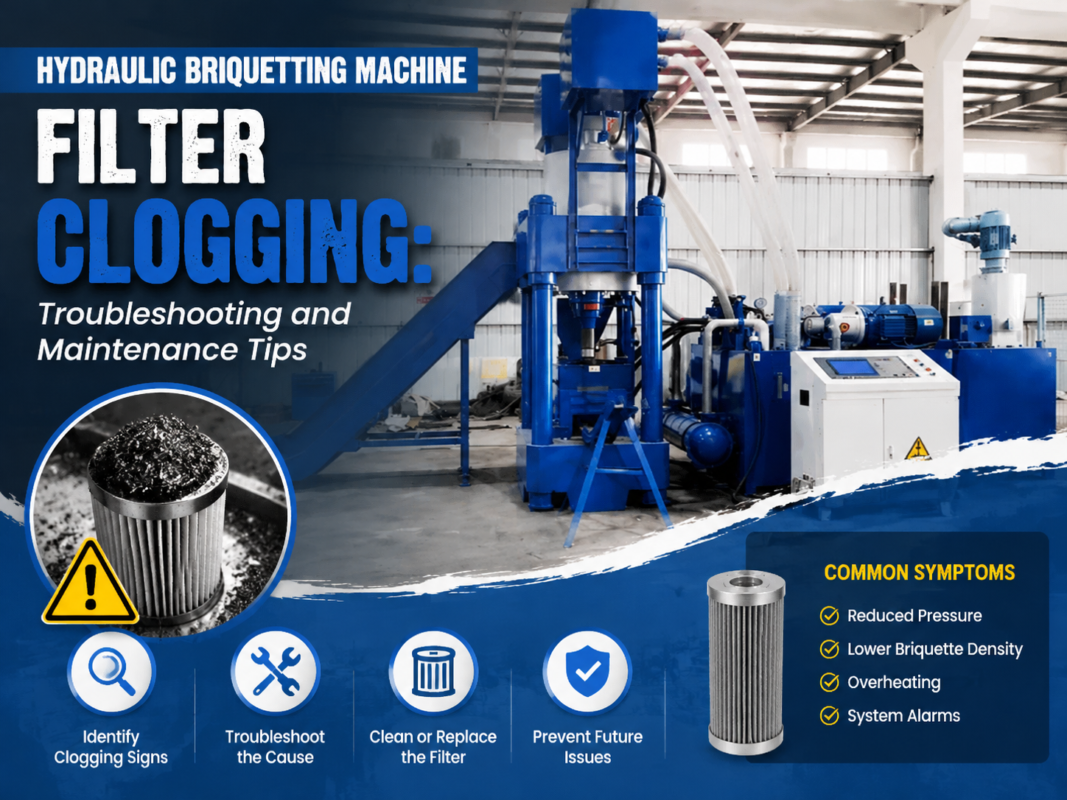
Filter replacement is a non-negotiable monthly task. Most modern briquetting machines are equipped with suction filters and return-line filters. These filters trap microscopic metal particles that are shed during normal operation. If these filters become clogged, the system may bypass them to prevent starvation, allowing contaminated oil to circulate through the sensitive valves and pumps. Replacing filters monthly, or according to the pressure differential gauge, is the cheapest insurance policy you can buy for your machine.
Additionally, the cooling system must be inspected. Briquetting generates significant heat. If the heat exchanger (whether air-cooled or water-cooled) is clogged with dust or scale, the oil temperature will rise. High temperatures thin the oil, reducing its lubricating properties and damaging seals. Clean the cooling fins with compressed air and ensure that water flow (if applicable) is unobstructed. Maintaining an optimal operating temperature (usually between 40°C and 55°C) is essential for the longevity of the hydraulic components.
Electrical System and Control Logic Checks
The electrical system acts as the brain of the hydraulic briquetting machine. In a monthly maintenance cycle, the focus should be on the integrity of connections and the functionality of sensors. Industrial environments are prone to vibration, which can loosen terminal screws in the control cabinet. A loose wire can cause intermittent faults that are notoriously difficult to diagnose. Ensure the power is locked out, then systematically check and tighten all electrical connections.
Sensors, including limit switches, proximity sensors, and pressure transducers, are vital for the automated cycle of the press. Metal dust is often magnetic or conductive; if it accumulates on sensors, it can cause false readings or prevent the machine from completing its cycle. Wipe down all sensors with a clean, dry cloth. Verify that the emergency stop buttons and safety interlocks are functioning perfectly. A failure in the safety circuit is a critical risk that must be rectified before the machine returns to service.
Furthermore, inspect the PLC (Programmable Logic Controller) cabinet for signs of overheating. Ensure that the cooling fans for the electrical cabinet are spinning freely and that the filters are clean. Excessive heat inside the cabinet can shorten the lifespan of electronic components and lead to unexpected software glitches. If your machine uses a touch-screen HMI (Human Machine Interface), clean the screen with an appropriate electronic cleaner to ensure clear visibility and responsive touch control.
Mechanical Components and Structural Integrity
The mechanical frame and moving parts of a briquetting machine endure massive stress. Monthly, you must inspect the main ram and the mold assembly. The mold and the punch are wear items; as they compress abrasive metal chips, they gradually lose their dimensions. Check for excessive clearance between the punch and the mold. If the gap becomes too wide, metal chips will ‘flash’ or squeeze out the sides, leading to poor briquette quality and increased wear on the cylinder seals.
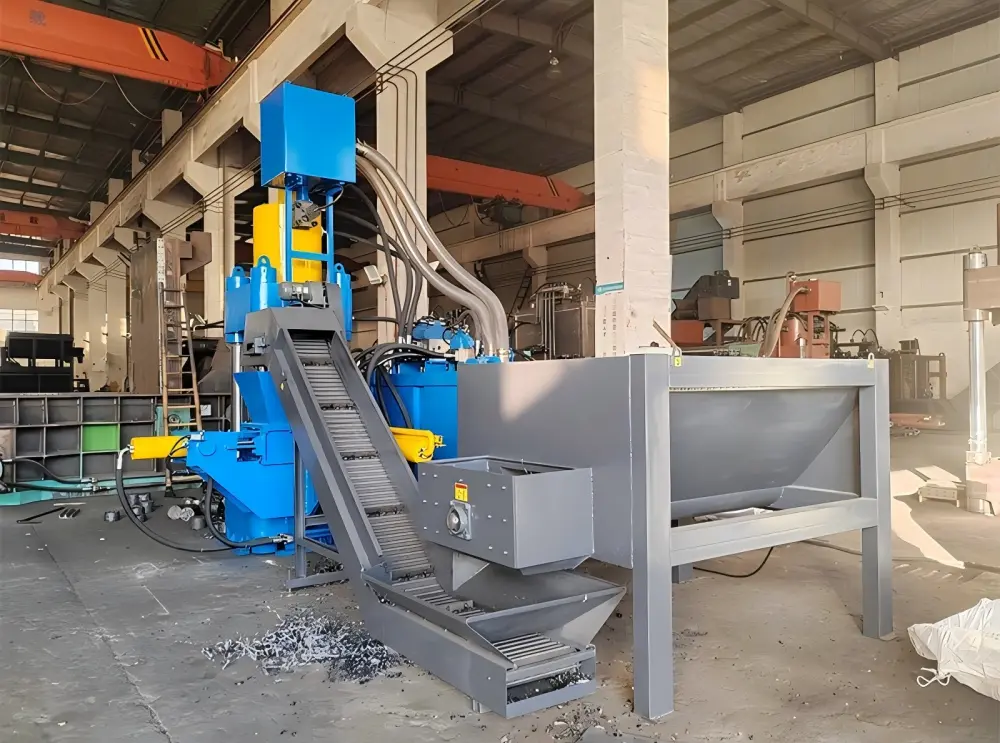
Check the structural bolts of the machine frame. The repetitive cycling of the press can cause bolts to stretch or loosen. Use a torque wrench to verify that the main tie-rods and foundation bolts are tightened to the manufacturer’s specifications. Any movement in the frame during a press cycle is a sign of structural instability that can lead to catastrophic frame failure if left unaddressed.
The feeding mechanism—whether it is a screw conveyor or a vibrating hopper—also requires attention. Inspect the auger for wear and ensure the motor drive chain or belt is properly tensioned. A slipping belt in the feeding system will lead to inconsistent material delivery, resulting in ‘short’ briquettes that do not meet density requirements. Lubricate the bearings of the feeding system to prevent seizing and reduce energy consumption.
Comprehensive Lubrication Plan
While the hydraulic oil handles the internal lubrication of the pump and valves, external moving parts require manual lubrication. A monthly lubrication plan should identify every grease nipple on the machine. This typically includes the pivot points of the cylinders, the guide rails for the ram, and the bearings on the feeding system. Use a high-quality lithium-based grease or a specialized extreme-pressure (EP) lubricant as recommended by HARSLE.
When applying grease, always wipe the grease fitting clean first. Pushing dirt into a bearing with a grease gun is a common mistake that accelerates wear. Pump grease until you see a small amount of fresh grease exiting the seal; this ensures that old, contaminated grease has been purged. For machines with automatic lubrication systems, check the reservoir level and verify that grease is actually reaching the distribution blocks. Blocked lines in an ‘auto-lube’ system are common and can lead to dry bearings despite the reservoir being full.
Troubleshooting Signals: What to Watch For
Effective maintenance involves being an ‘industrial detective.’ During your monthly review, look for these troubleshooting signals:
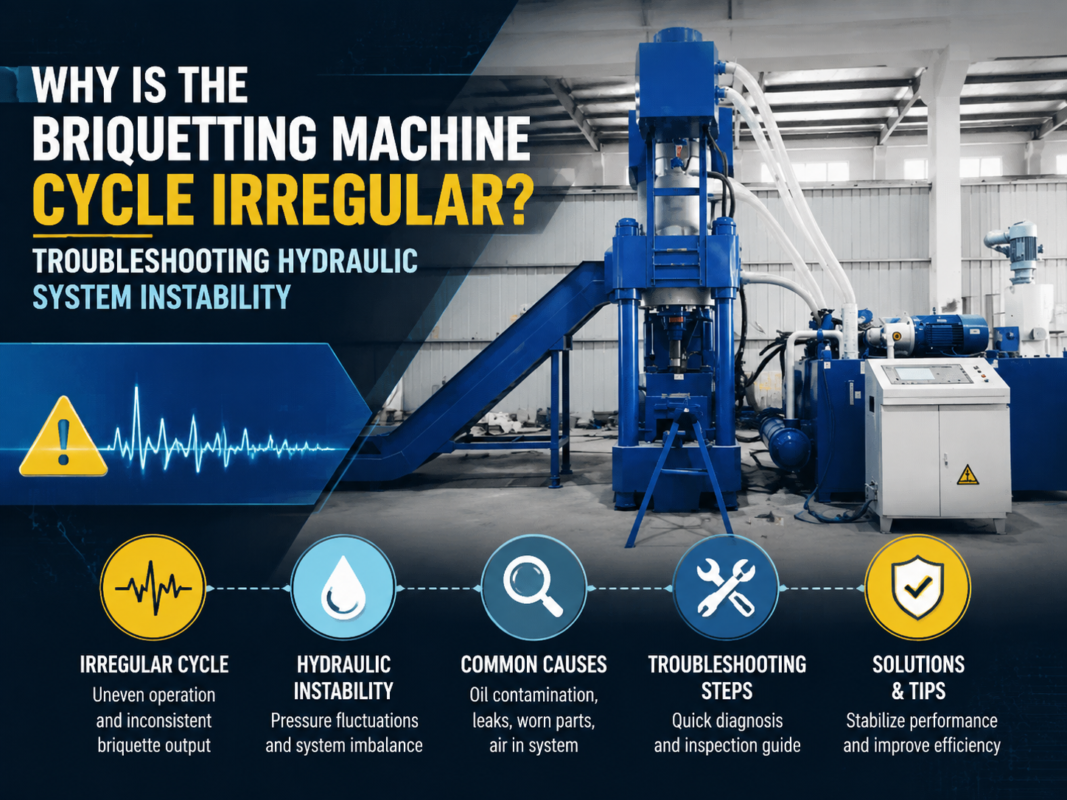
- Increased Cycle Time: If the machine is taking longer to produce a briquette than it did last month, it usually indicates a drop in hydraulic efficiency, possibly due to an internal leak in the cylinder or a worn pump.
- Excessive Vibration: Vibration is the enemy of precision. It can be caused by air in the hydraulics, a failing bearing, or an unbalanced motor.
- Oil Discoloration: As mentioned, dark or milky oil is a sign of chemical failure or water contamination.
- Unusual Heat: Use an infrared thermometer to check the temperature of the hydraulic pump and the main cylinder. A ‘hot spot’ often indicates internal friction or a bypassing valve.
- Erratic Pressure Readings: If the pressure gauge needles are flickering or failing to reach the set point, the pressure relief valve may need adjustment or replacement.
Monthly Maintenance Schedule Table
To help your maintenance team stay organized, use the following table as a checklist for your monthly routine.
| Component | Task Description | Frequency | Required Tools |
|---|---|---|---|
| Hydraulic Oil | Check level, color, and clarity; take sample for analysis. | Monthly | Sampling kit |
| Hydraulic Filters | Replace suction and return-line filter elements. | Monthly | Filter wrench |
| Heat Exchanger | Clean cooling fins and check for leaks or blockages. | Monthly | Compressed air |
| Electrical Cabinet | Tighten terminals and clean cooling fan filters. | Monthly | Screwdriver set |
| Sensors/Interlocks | Clean and test functionality of all safety switches. | Monthly | Cleaning cloth |
| Main Ram & Mold | Inspect for wear, scoring, and proper clearance. | Monthly | Feeler gauges |
| Structural Bolts | Check torque on tie-rods and foundation bolts. | Monthly | Torque wrench |
| Lubrication Points | Grease all bearings, pivots, and guide rails. | Monthly | Grease gun |
| Feeding System | Check auger wear and drive belt tension. | Monthly | Wrench set |
Frequently Asked Questions (FAQ)
1. How often should I change the hydraulic oil completely?
While monthly checks are essential, a full oil change is typically required every 2,000 to 4,000 operating hours, or once a year. However, if your monthly oil analysis shows high acidity or heavy contamination, you should change it immediately regardless of the hours logged.
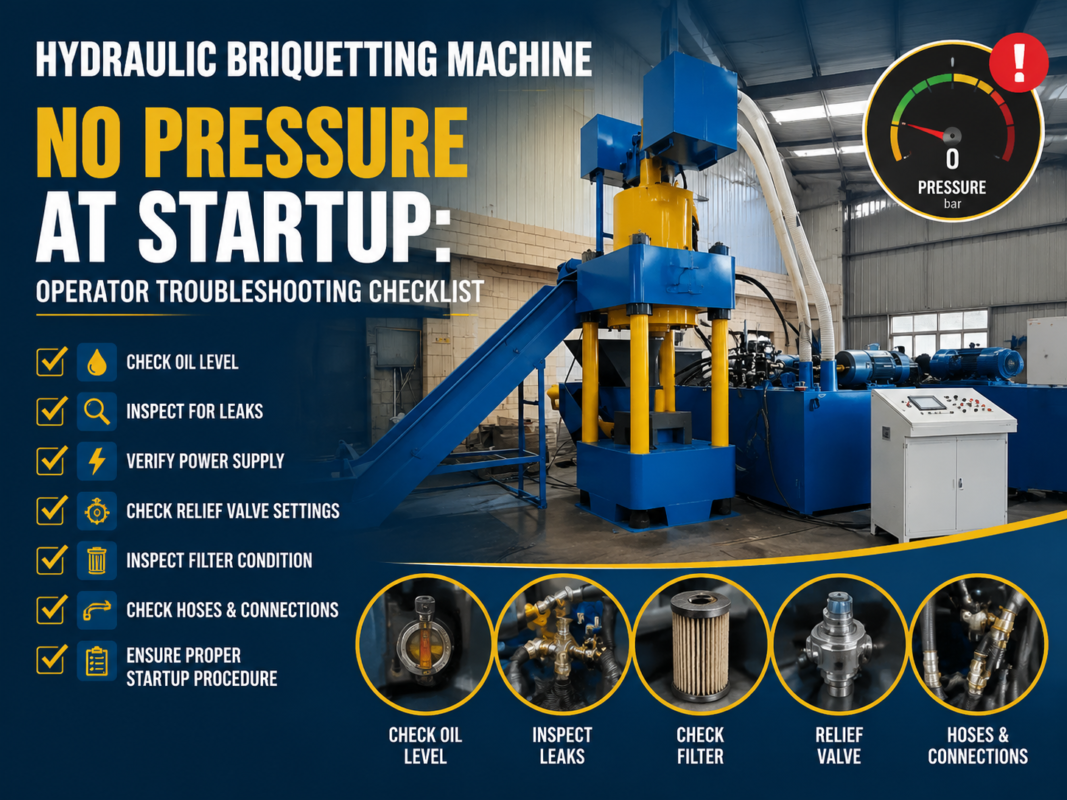
2. Why is my briquetting machine losing pressure?
Pressure loss is usually caused by one of three things: a worn hydraulic pump, a leaking seal in the main cylinder (internal bypass), or a malfunctioning pressure relief valve. Start by checking the relief valve, as it is the easiest to service.
3. Can I use any hydraulic oil in my HARSLE machine?
No. You must use the viscosity grade specified in the manual, typically ISO VG 46 or 68. Using the wrong viscosity can lead to overheating (if too thick) or poor lubrication and leakage (if too thin).
4. What is the most common cause of mechanical failure?
The most common cause is contamination. Metal dust entering the hydraulic system or the guide rails acts like sandpaper, rapidly wearing down precision-machined surfaces. Keeping the machine clean is the best preventative measure.
5. How do I know if my mold needs replacing?
If the briquettes are becoming irregular in shape, show signs of ‘flashing’ at the edges, or if the machine requires significantly more pressure to achieve the same density, the mold and punch are likely worn beyond their tolerances.
Conclusion
Performing essential monthly maintenance tasks for hydraulic briquetting machines is a fundamental responsibility for any metal fabrication facility. By focusing on the hydraulic health, electrical integrity, and mechanical precision of the equipment, you ensure that your HARSLE machine continues to deliver high-density briquettes and maximum scrap value for years to come. A well-maintained machine is a safe, productive, and profitable machine. Don’t wait for a breakdown to give your equipment the attention it deserves; start your proactive maintenance journey today.