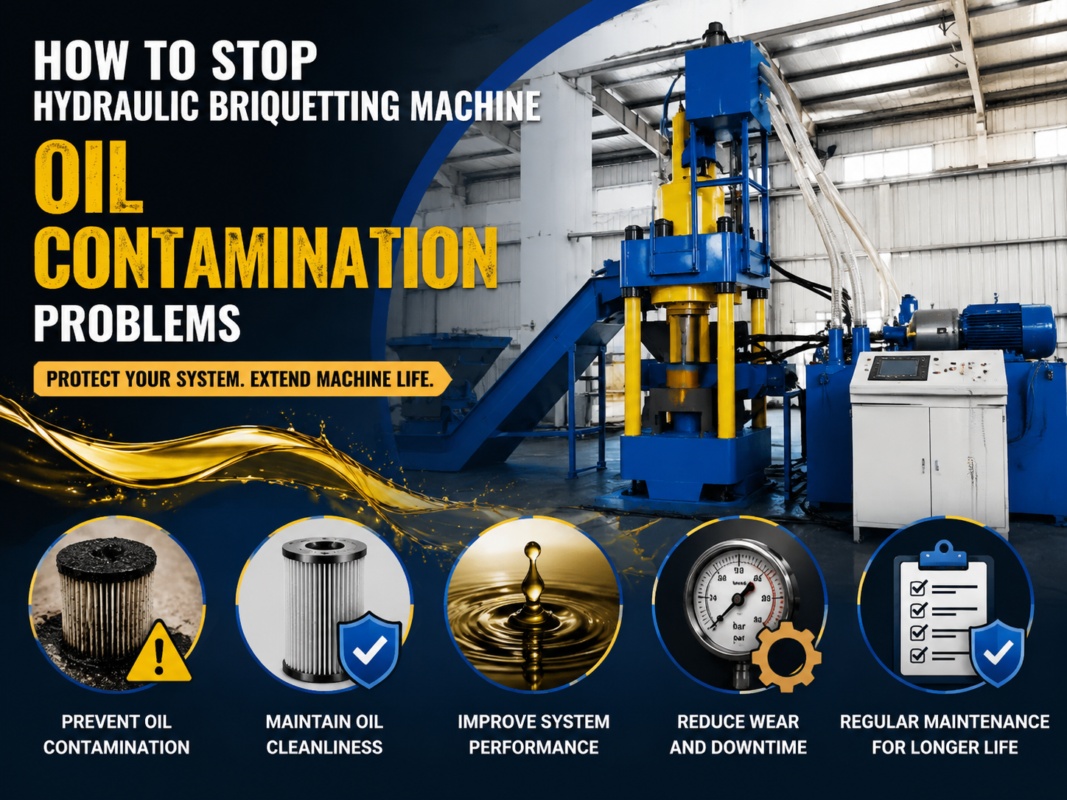
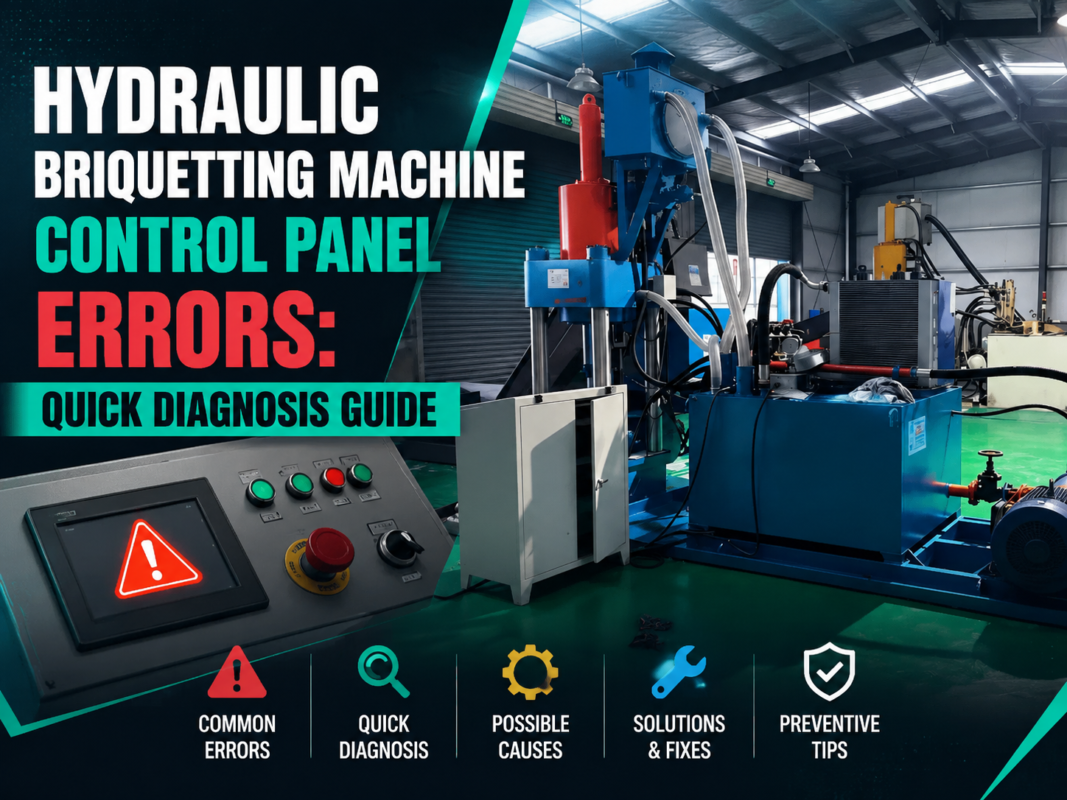
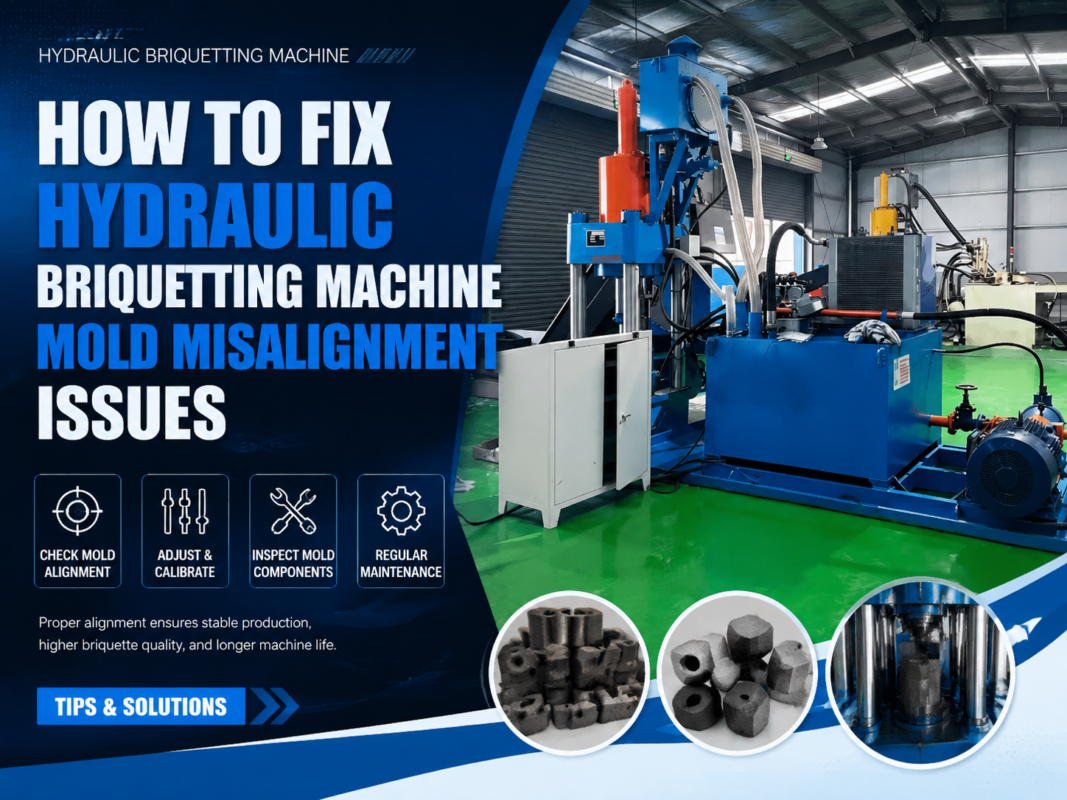
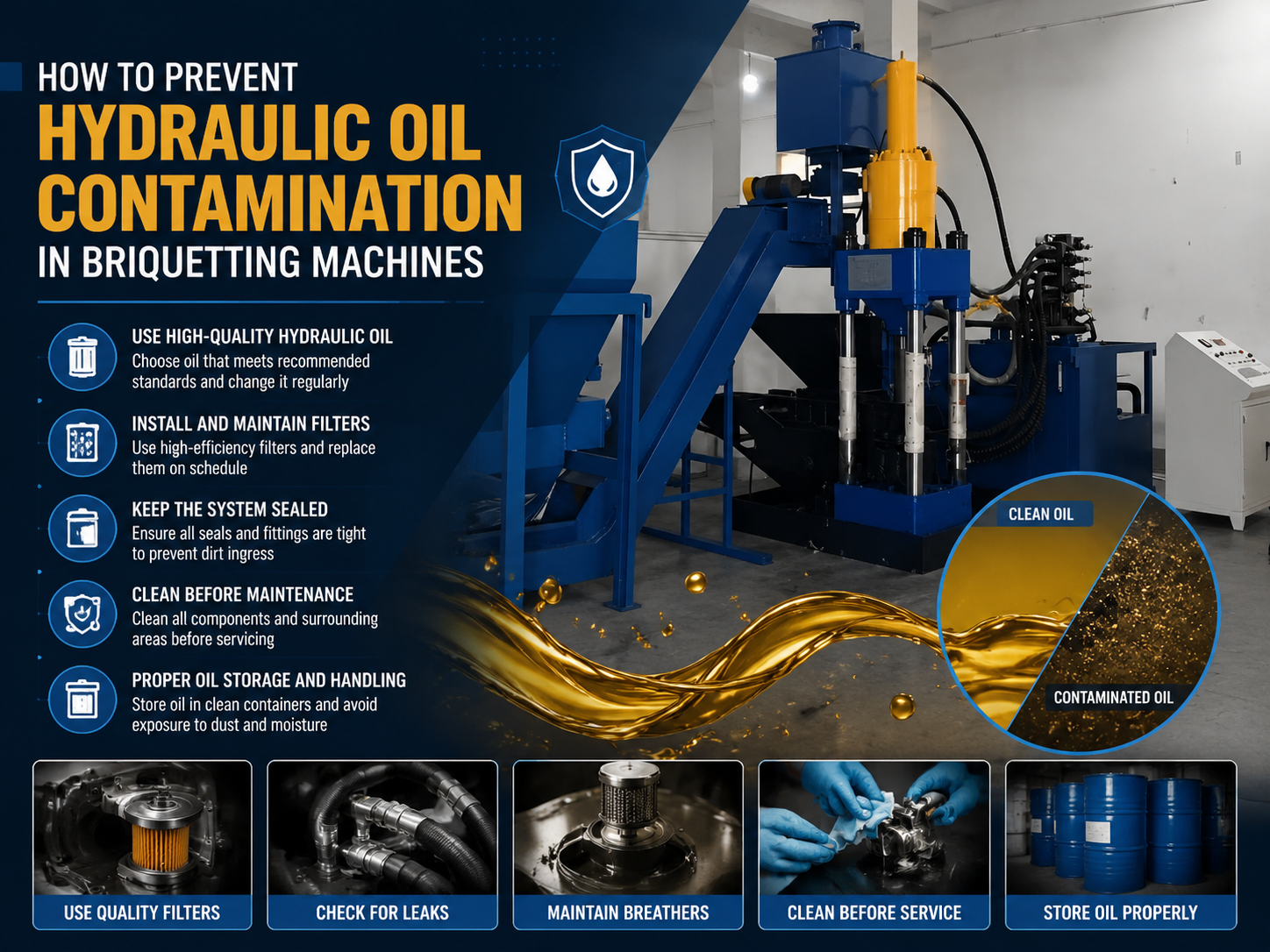
How to Prevent Hydraulic Oil Contamination in Briquetting Machines

The Critical Role of Hydraulic Oil in Briquetting Operations
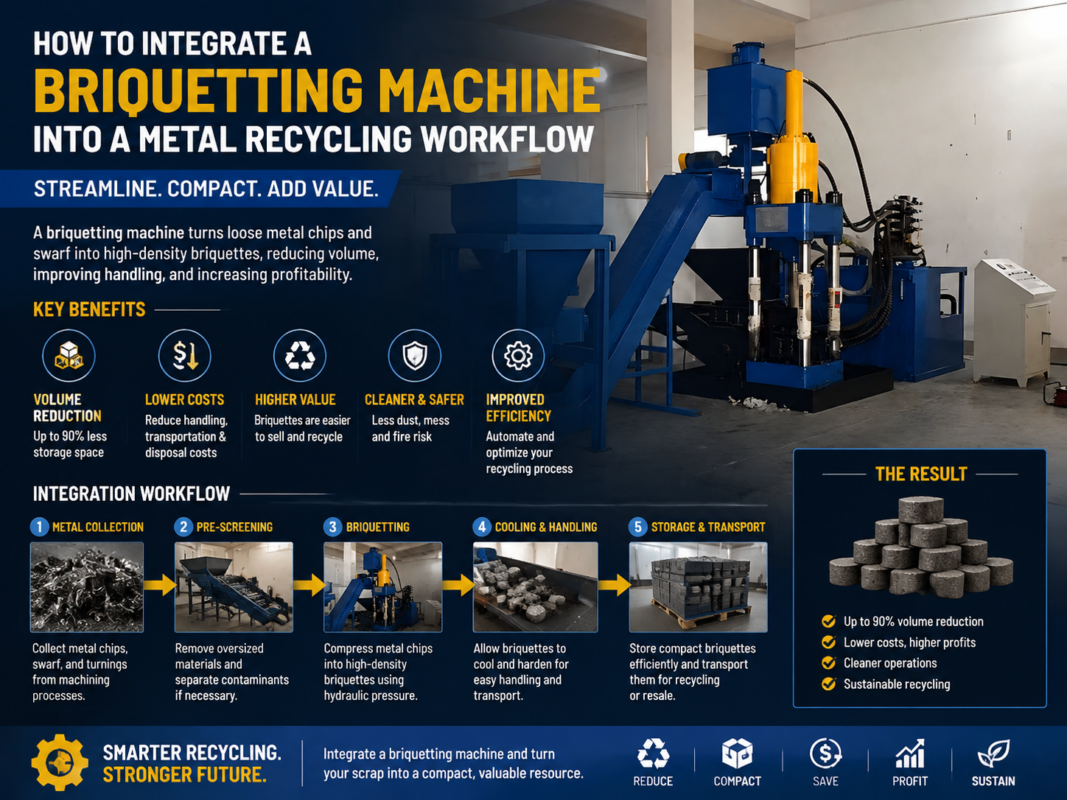
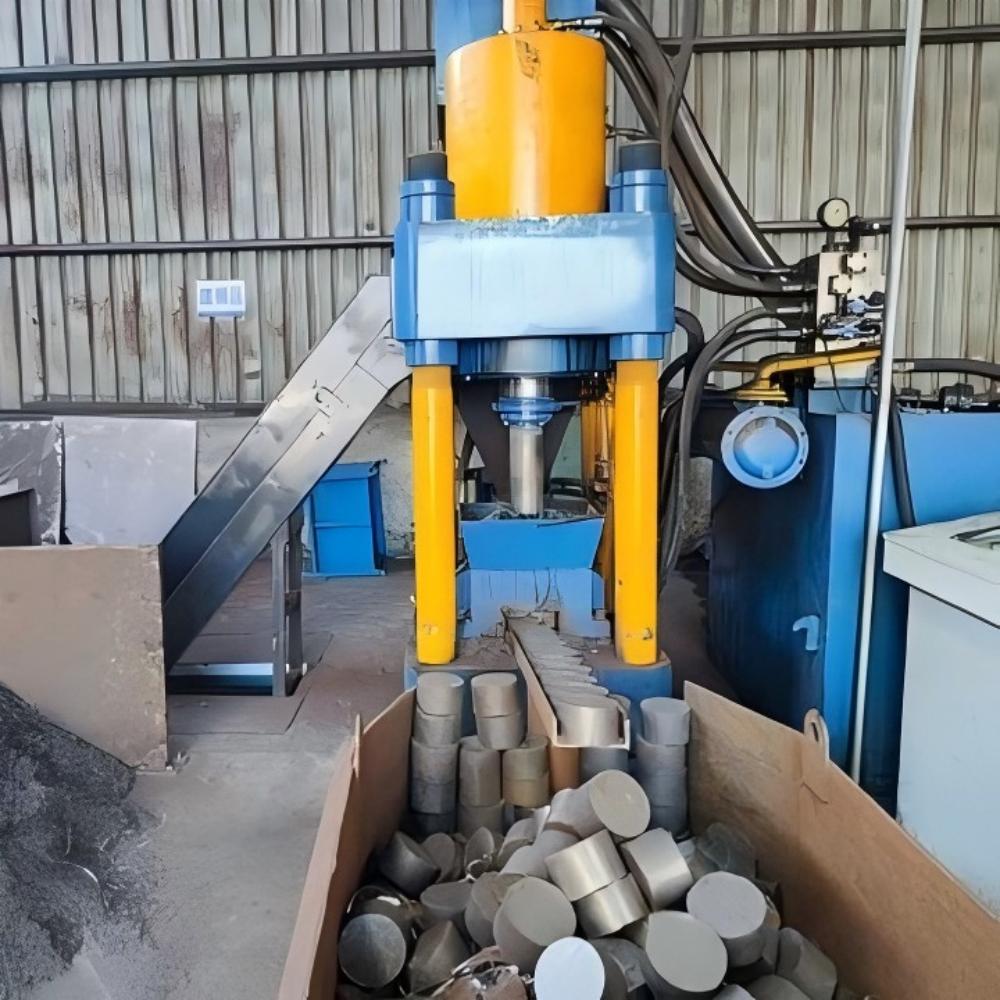
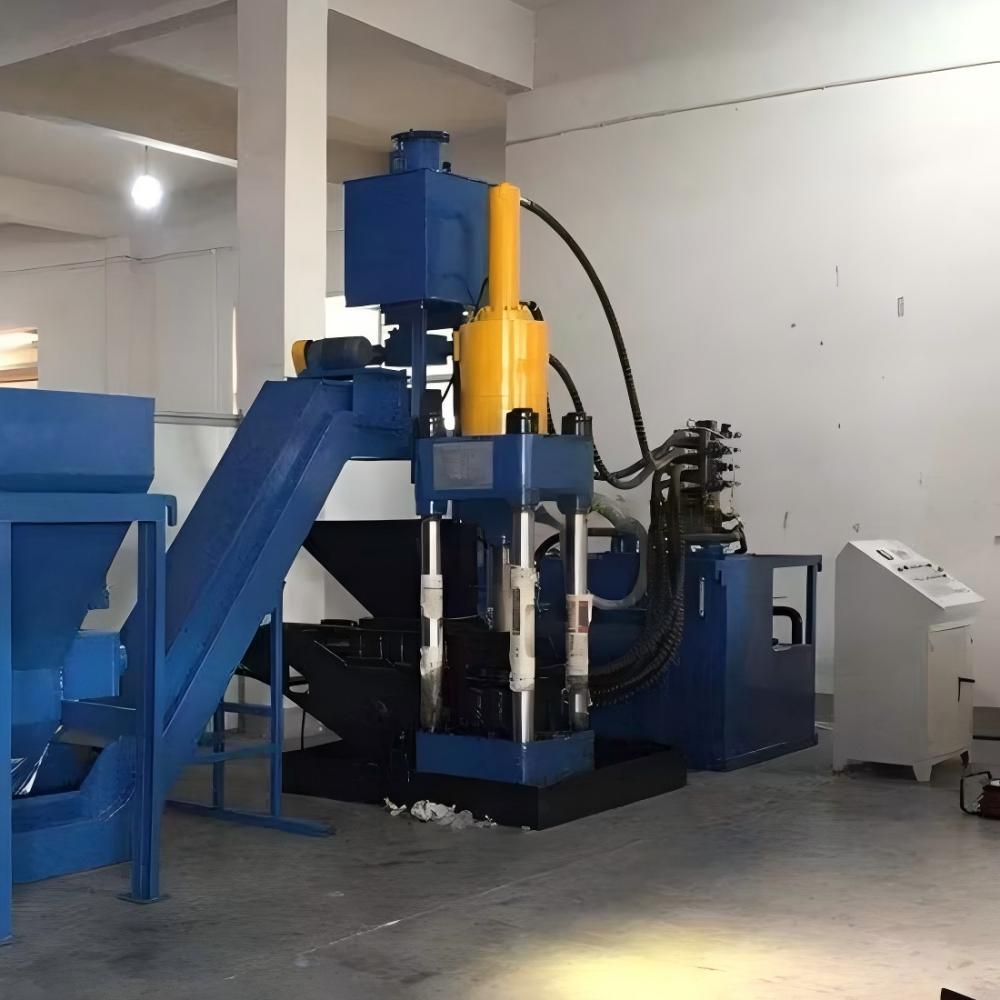
In the world of metal fabrication and waste management, the hydraulic briquetting machine stands as a cornerstone of efficiency. These machines are designed to compress metal chips, shavings, and turnings into dense, manageable briquettes, significantly reducing volume and increasing the value of scrap material. However, the heart of this powerful equipment is its hydraulic system. The hydraulic oil serves not just as a medium for power transmission, but also as a lubricant, a heat transfer fluid, and a sealant. When this oil becomes contaminated, the entire operation is at risk.
Understanding how to prevent hydraulic oil contamination in briquetting machines is not merely a suggestion; it is a fundamental requirement for any facility looking to maximize ROI and minimize downtime. Contamination is often referred to as the ‘silent killer’ of hydraulic systems because it can cause significant internal damage long before any outward symptoms appear. By the time a machine starts to lose pressure or exhibit sluggish behavior, the internal components may already be beyond simple repair.
HARSLE, a leader in metal fabrication machinery, emphasizes that proactive oil management is the most cost-effective strategy for maintaining a briquetting press. In this comprehensive guide, we will explore the various types of contaminants, their sources, and the rigorous maintenance protocols required to keep your hydraulic system pristine. From daily inspections to advanced filtration techniques, we will cover everything you need to know to ensure your briquetting machine operates at peak performance for years to come.
The Importance of Maintenance in Preventing Contamination
Maintenance is the first line of defense against hydraulic oil contamination. In a briquetting environment, the air is often filled with fine metal dust, coolant mist, and other particulates that are eager to find their way into the hydraulic reservoir. Without a strict maintenance schedule, these contaminants will inevitably infiltrate the system, leading to a cascade of mechanical failures.
The economic impact of contaminated oil is staggering. Studies in industrial hydraulics suggest that up to 80% of all hydraulic system failures are directly or indirectly caused by oil contamination. These failures result in expensive replacement parts, such as high-pressure pumps and precision valves, as well as the lost revenue associated with production downtime. Furthermore, contaminated oil loses its lubricating properties, leading to increased friction, higher operating temperatures, and accelerated wear on all moving parts.
Beyond the mechanical risks, there is also the issue of energy efficiency. A clean hydraulic system operates with minimal internal leakage and friction, meaning the motor uses less electricity to achieve the required briquetting pressure. When oil is thick with sludge or particulates, the pump must work harder, increasing energy consumption and putting unnecessary strain on the electrical components. Therefore, a robust maintenance plan is an investment in both the longevity of the machine and the operational efficiency of the plant.
Finally, maintaining oil cleanliness is essential for achieving consistent briquette quality. The density and integrity of a briquette depend on the precise application of hydraulic force. If the control valves are sticking due to varnish or silt, the pressure cycles may become inconsistent, resulting in crumbly or undersized briquettes that are difficult to transport and less valuable to recyclers. Consistent maintenance ensures that every cycle is as powerful and precise as the first.
Daily Inspection Protocols for Briquetting Machines
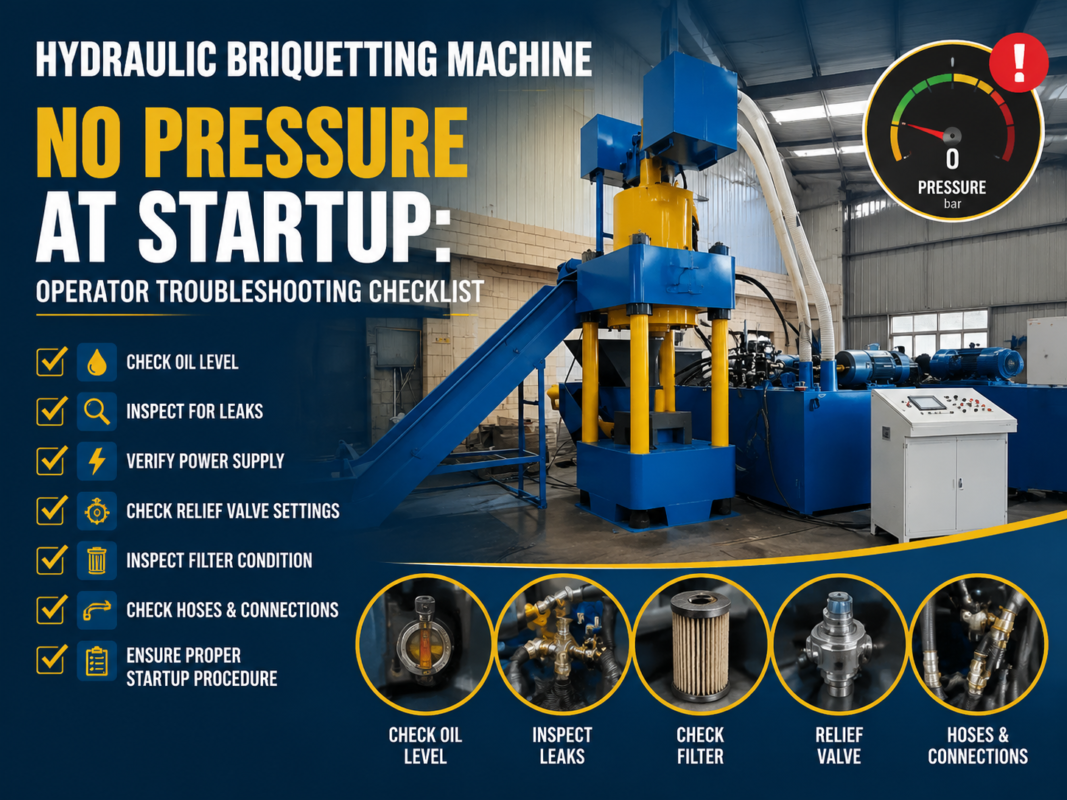
A successful strategy to prevent hydraulic oil contamination in briquetting machines begins with a daily inspection routine. These checks are designed to catch potential issues before they escalate into system-wide contamination. Operators should be trained to use their senses—sight, sound, and touch—to evaluate the health of the hydraulic system every morning before production begins.
The first step in a daily inspection is checking the oil level and clarity through the reservoir sight glass. The oil should be clear and bright. If the oil appears cloudy or milky, it is a clear indication of water contamination. If it appears dark or has a burnt smell, it suggests thermal degradation or oxidation. Any change in the visual appearance of the oil should be investigated immediately. Additionally, the oil level must be maintained within the specified range; low oil levels can lead to aeration and cavitation, which introduce air and metallic wear particles into the system.
Next, operators should inspect all hydraulic hoses, fittings, and cylinder seals for signs of leakage. A leak is not just a way for oil to get out; it is a pathway for contaminants to get in. In the dusty environment of a scrap yard or machine shop, a weeping seal will attract metal dust, which is then pulled back into the cylinder during the retraction stroke. Wiping down the piston rods and ensuring the scrapers are in good condition is a vital daily task to prevent ‘ingressed’ contamination.
Monitoring the operating temperature is another critical daily task. Most hydraulic systems are designed to operate between 40°C and 60°C. If the temperature exceeds these limits, the oil’s viscosity drops, and the protective film between moving parts thins out, leading to increased wear. High temperatures also accelerate the chemical breakdown of the oil, forming varnish and sludge that can clog fine orifices in the valves. If the machine is running hot, check the cooling system and the cleanliness of the heat exchanger fins.
Hydraulic, Electrical, and Mechanical System Checks
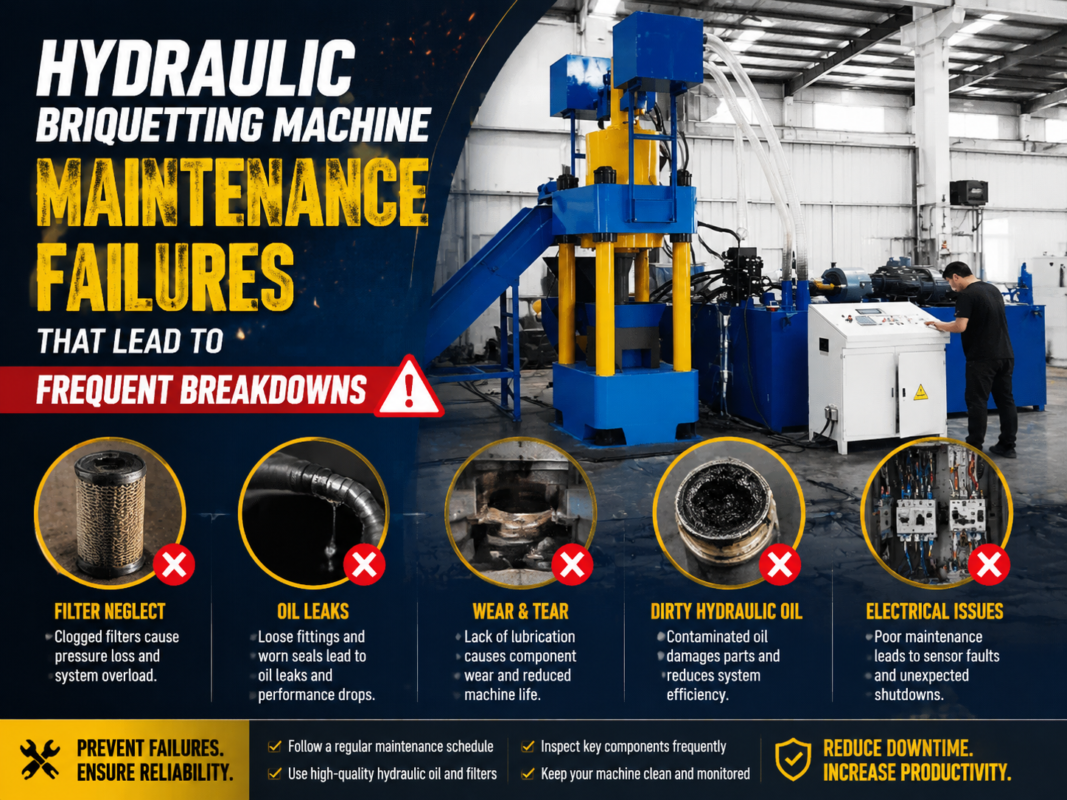
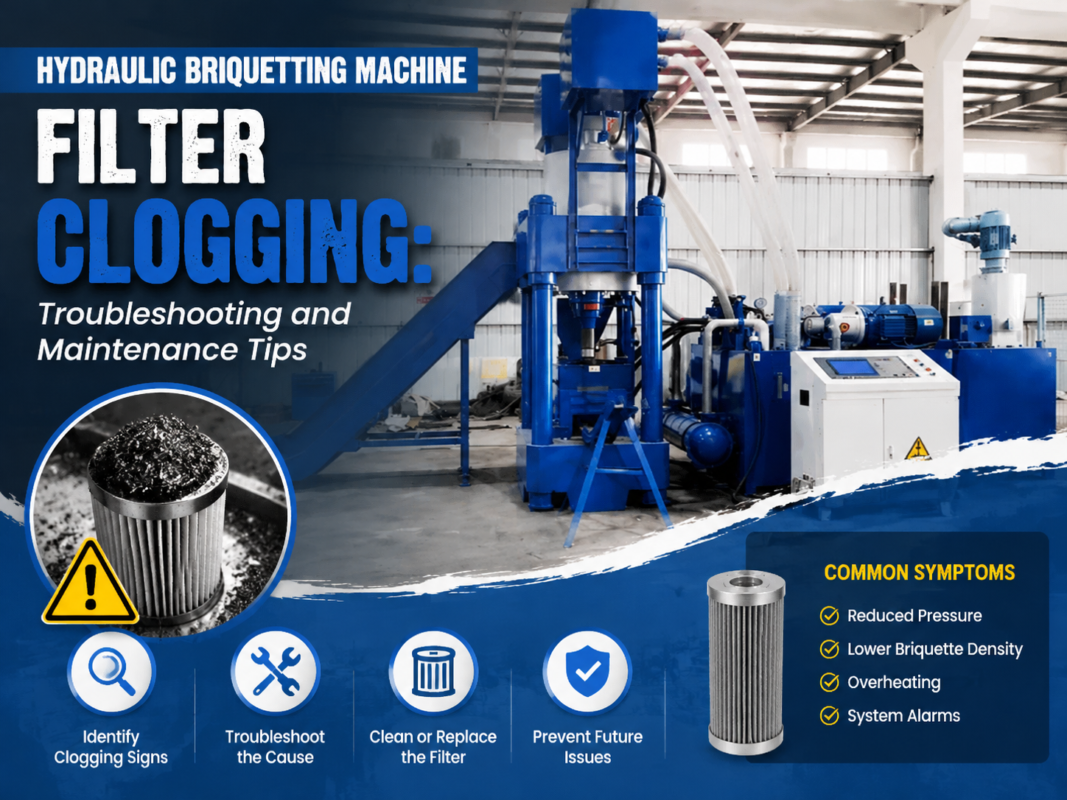
To truly prevent hydraulic oil contamination in briquetting machines, one must look beyond the oil itself and examine the systems that interact with it. The hydraulic system’s filtration unit is the most important component in this regard. Modern briquetting presses often feature multi-stage filtration, including suction strainers, pressure line filters, and return line filters. These filters must be checked for pressure drops. Many HARSLE machines are equipped with visual or electrical clogging indicators that signal when a filter element needs replacement. Ignoring these signals allows the system to go into ‘bypass mode,’ where unfiltered oil circulates freely through the sensitive components.
The electrical system also plays a role in contamination control. Sensors and transducers provide real-time data on pressure and temperature. If these sensors are not calibrated correctly, the machine might operate outside its safe parameters, leading to oil overheating or excessive pressure spikes that can damage seals. Ensure that the PLC (Programmable Logic Controller) is not displaying any warning codes related to the hydraulic circuit. Electrical connections to the solenoid valves should be tight and free of corrosion to ensure crisp, clean valve actuation, which prevents ‘hunting’ and unnecessary heat generation.
Mechanically, the structural integrity of the briquetting press affects the hydraulic system. If the main frame or the guiding pillars are misaligned, the hydraulic cylinders will experience side-loading. This side-loading causes uneven wear on the cylinder bushings and seals, creating metallic wear debris that enters the oil stream. Regularly checking the tightness of mounting bolts and the alignment of the pressing ram can prevent this ‘generated’ contamination. Furthermore, the air breather on the hydraulic reservoir is a mechanical component that is often overlooked. It should be a high-quality desiccant breather capable of filtering out both fine dust and moisture from the air that enters the tank as the oil level fluctuates.
Developing a Comprehensive Lubrication Plan
While the hydraulic oil is the primary lubricant, a briquetting machine has many other moving parts that require a dedicated lubrication plan. This includes the pivot points of the charging hopper, the sliding ways of the ram, and the bearings of the conveyor system. A proper lubrication plan ensures that these mechanical parts do not wear prematurely and contribute to the overall debris load in the work environment.
The first step in a lubrication plan is selecting the correct lubricants. Not all greases and oils are compatible. Using the wrong type of grease on the ram guides can lead to a sticky residue that traps metal chips, which then find their way toward the hydraulic seals. HARSLE recommends using high-pressure (EP) greases for the mechanical joints and high-quality anti-wear (AW) hydraulic oil for the main system. Always refer to the manufacturer’s manual for the specific ISO viscosity grade required for your climate and workload.
Frequency is the next pillar of the plan. Some points may require daily greasing, while others may only need attention weekly or monthly. An automated lubrication system can be a wise investment for high-volume operations, as it delivers precise amounts of lubricant at regular intervals, reducing the risk of human error. If manual lubrication is performed, it is essential to clean the grease nipples before attaching the grease gun to avoid injecting dirt directly into the bearing.
Finally, documentation is key. A lubrication log should be kept near the machine, noting the date, the type of lubricant used, and the name of the technician. This log helps in identifying patterns; for example, if a particular bearing is consuming an unusual amount of grease, it may indicate a failing seal or an alignment issue. By managing mechanical lubrication effectively, you reduce the overall ‘dirt load’ around the machine, indirectly helping to prevent hydraulic oil contamination in briquetting machines.
Troubleshooting Signals: Identifying Contamination Early
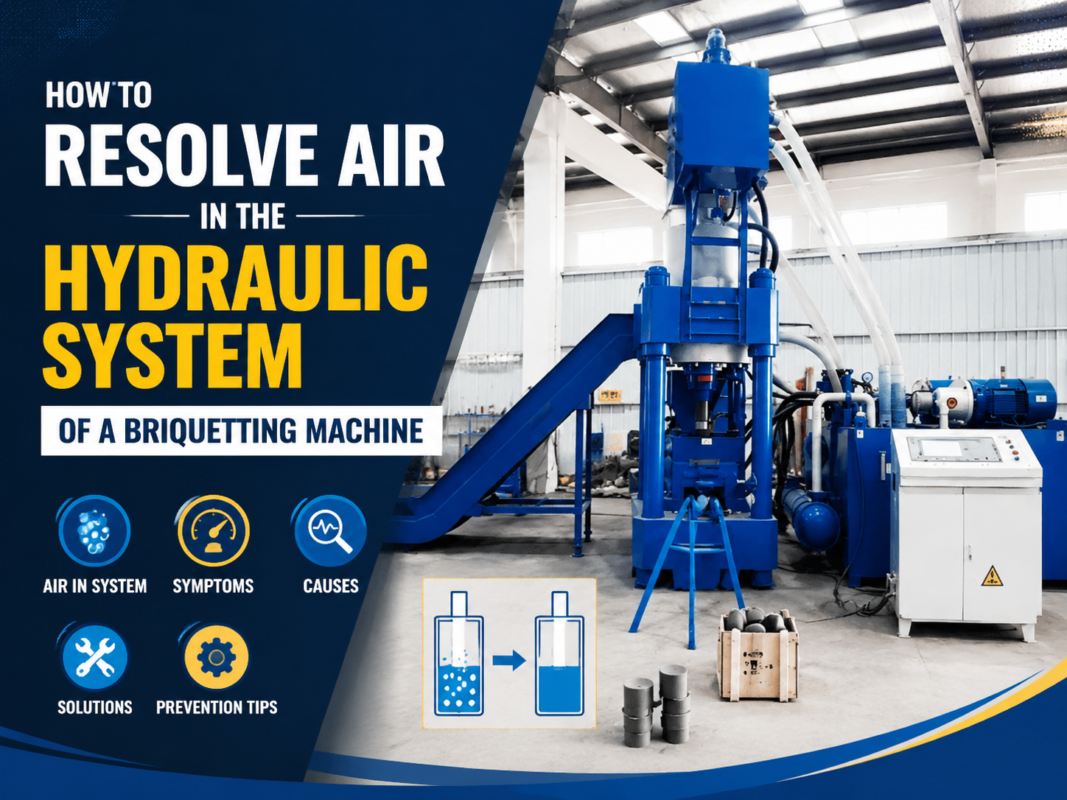
Even with the best maintenance, contamination can still occur. Being able to recognize the early warning signs can save a hydraulic pump from total destruction. One of the most common signals is unusual noise. A high-pitched whining or growling sound from the pump often indicates cavitation or aeration. Cavitation is caused by restricted suction (often a clogged strainer), while aeration is caused by air entering the system through a leak or low oil level. Both conditions create tiny bubbles that implode with immense force, pitting the metal surfaces of the pump and releasing metallic particles into the oil.
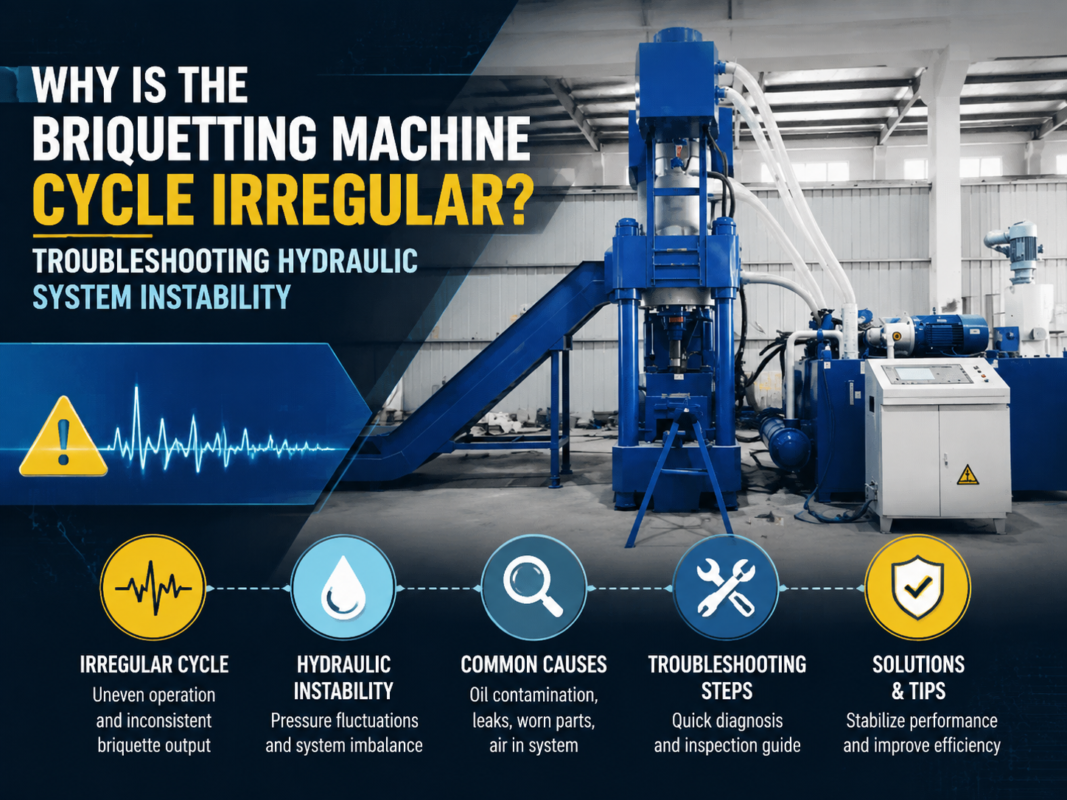
Another signal is sluggish or erratic movement of the pressing ram. If the ram moves slower than usual or ‘stutters’ during its stroke, it is likely that a control valve is being hampered by silt or varnish. Silt is a collection of very fine particles (less than 5 microns) that settle in the tight clearances of spool valves. Varnish is a sticky byproduct of oil oxidation that acts like glue. If you notice these symptoms, a simple oil change might not be enough; the system may require a professional flush and valve cleaning.
Increased operating temperature is a lagging indicator of contamination. As parts wear due to particulates, internal leakage increases. This ‘slip’ allows high-pressure oil to escape back to the low-pressure side without doing work, and the energy is converted into heat. If your machine is running 10-15 degrees hotter than it did six months ago under the same load, your oil is likely contaminated and the system is losing efficiency. Regular oil analysis (sending a sample to a lab) is the only definitive way to identify these issues before they cause a breakdown.
Comprehensive Maintenance Schedule Table
To effectively prevent hydraulic oil contamination in briquetting machines, follow this structured maintenance schedule. This table provides a baseline for standard industrial operations.
| Frequency | Component | Action Required | Objective |
|---|---|---|---|
| Daily | Oil Sight Glass | Visual check for level and clarity | Detect leaks or water/air ingress |
| Daily | Piston Rods | Wipe clean and check for scoring | Prevent dust from entering cylinders |
| Daily | Filter Indicators | Check visual/electrical gauges | Ensure filters are not in bypass mode |
| Weekly | Air Breather | Inspect and clean/replace if dirty | Prevent airborne dust from entering tank |
| Weekly | Hydraulic Fittings | Check for ‘weeping’ or loose joints | Eliminate pathways for contaminants |
| Monthly | Heat Exchanger | Clean cooling fins or flush water lines | Maintain optimal oil temperature |
| Quarterly | Oil Analysis | Send sample to a certified laboratory | Identify microscopic wear and chemical health |
| Bi-Annually | Filter Elements | Replace all pressure and return filters | Maintain system cleanliness (ISO 4406) |
| Annually | Hydraulic Reservoir | Drain, clean internal walls, and refill | Remove settled sludge and heavy particles |
Frequently Asked Questions (FAQ)
1. How often should I change the hydraulic oil in my briquetting machine?
There is no one-size-fits-all answer, but generally, hydraulic oil should be changed every 2,000 to 4,000 hours of operation. However, the best practice is to base the change on oil analysis results. If the analysis shows the additive package is still active and the particle count is low, you can extend the life of the oil. Conversely, if the oil is oxidized or heavily contaminated, it must be changed immediately regardless of the hours.
2. Can I mix different brands of hydraulic oil?
It is strongly discouraged to mix different brands or types of oil. Even if they have the same ISO viscosity grade, different manufacturers use different additive packages. These chemicals can sometimes react with each other, leading to the formation of precipitates or ‘floc,’ which can clog filters and damage valves. Always stick to one brand or perform a compatibility test before mixing.
3. What is the most common source of contamination?
The most common source is ‘ingressed’ contamination from the external environment. In briquetting, this usually means fine metal dust and moisture. This enters through faulty cylinder seals, open reservoir lids, or inefficient air breathers. The second most common source is ‘built-in’ contamination—debris left over from the manufacturing or repair process, such as welding slag or lint from rags.
4. Why is water in hydraulic oil so dangerous?
Water is destructive for several reasons. It reduces the oil’s lubricity, leading to metal-to-metal contact. It promotes the formation of rust on internal steel surfaces, which then flakes off and becomes particulate contamination. Water also reacts with oil additives to form acids and sludge, and it can cause ‘vaporous cavitation’ in the pump, leading to rapid mechanical failure.
5. How do I know if my filters are working?
The only way to be sure is to monitor the pressure differential across the filter. Most modern HARSLE machines have gauges or sensors for this. If the pressure drop is too low, the filter might be ruptured or the wrong size. If it is too high, the filter is clogged. Regular oil analysis will also confirm if the filters are successfully maintaining the target ISO cleanliness code.
6. What is an ISO Cleanliness Code?
The ISO 4406 code is a standard way of expressing the level of particulate contamination in oil. it consists of three numbers (e.g., 18/16/13) representing the number of particles larger than 4, 6, and 14 microns per milliliter of oil. For a high-pressure briquetting machine, you should aim for a code like 17/15/12 or better to ensure the longevity of the piston pumps and proportional valves.