How to Maintain Hydraulic Briquetting Machine Pressure for Consistent Briquette Quality

Introduction to Hydraulic Briquetting Pressure Management
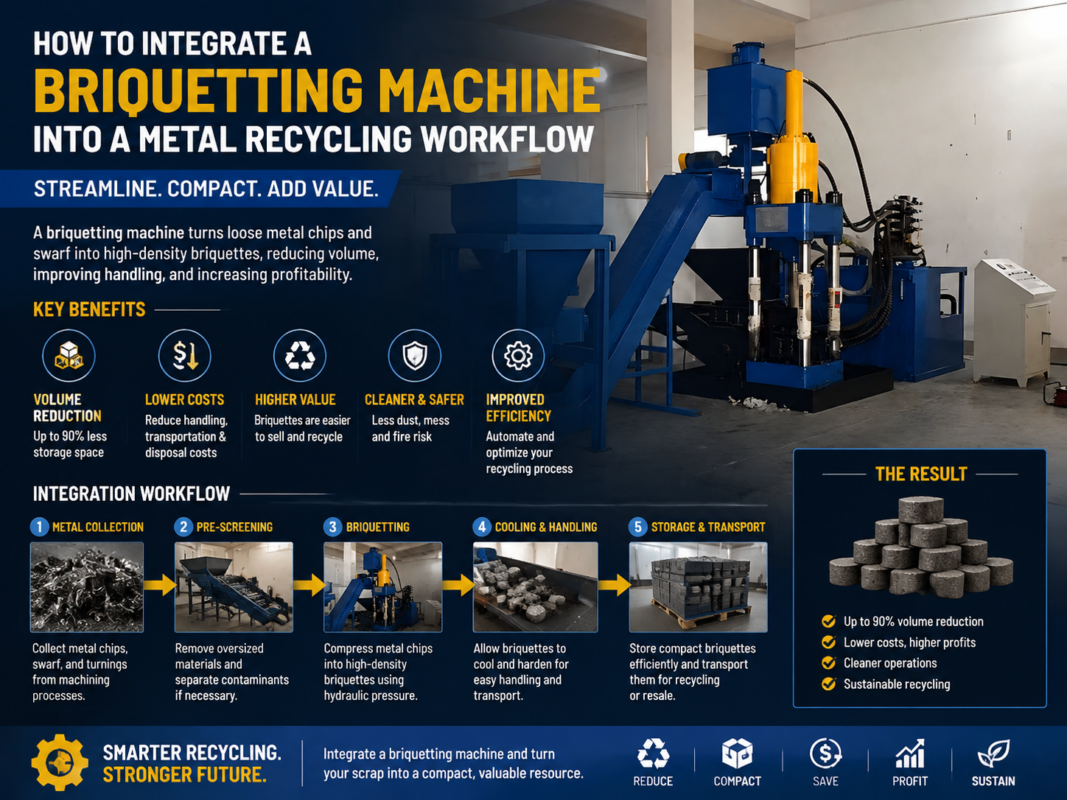
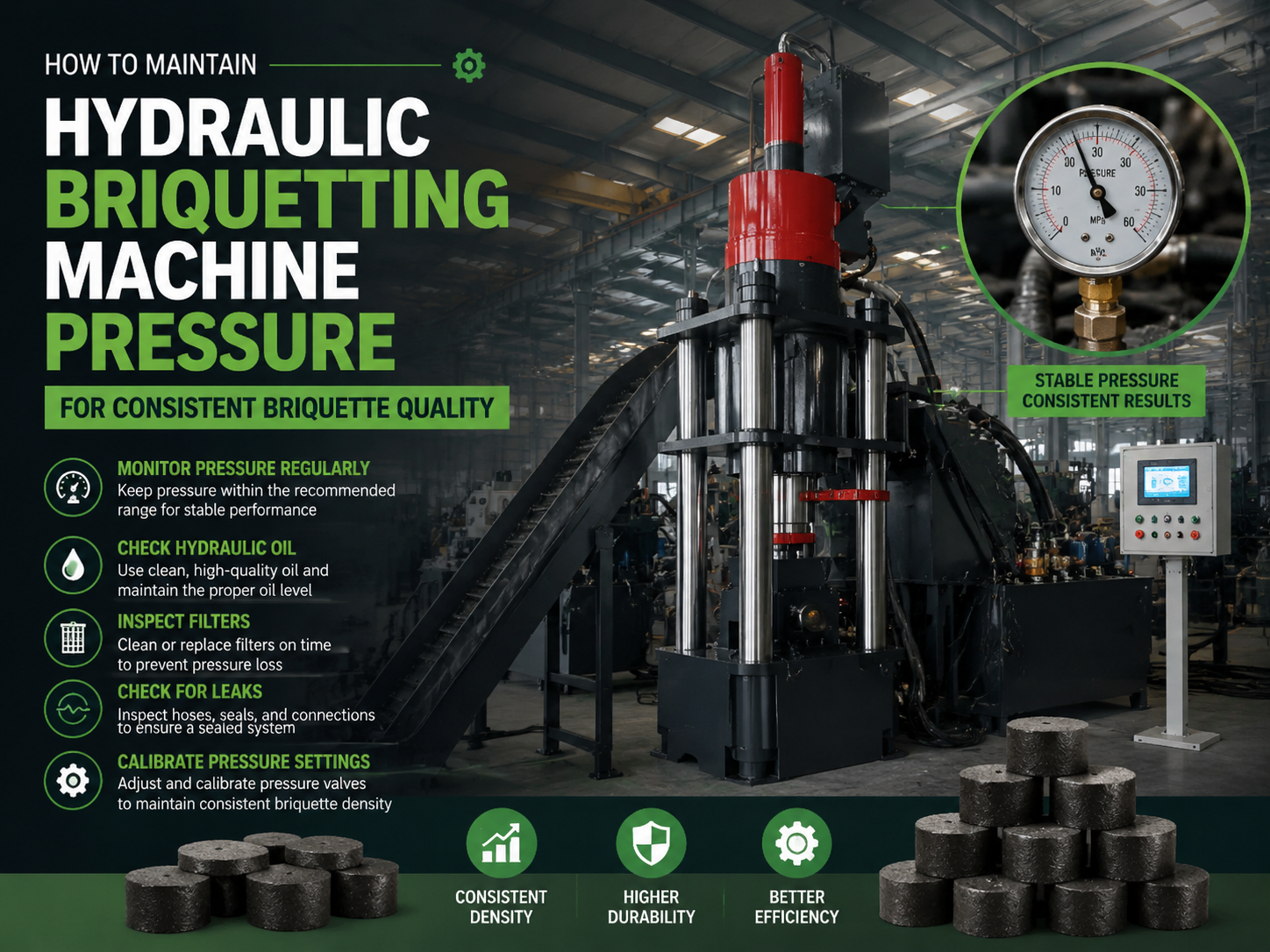
In the world of metal recycling and industrial waste management, the hydraulic briquetting machine stands as a cornerstone of efficiency. By compressing loose metal chips, turnings, and filings into dense, manageable blocks, these machines significantly reduce storage space and increase the melt yield in furnaces. However, the effectiveness of this process hinges on one critical factor: consistent hydraulic pressure. When you maintain hydraulic briquetting machine pressure consistent briquette quality follows naturally, ensuring that every block produced meets the required density and structural integrity for transport and smelting.
HARSLE understands that industrial environments are demanding. Dust, temperature fluctuations, and continuous operation can all take a toll on the hydraulic system. If the pressure fluctuates, the resulting briquettes may be too soft, leading to crumbling during handling, or the machine may consume excessive energy without achieving the desired results. This comprehensive guide is designed to provide operators and maintenance teams with the technical knowledge required to keep their hydraulic briquetting machines running at peak performance, focusing specifically on pressure stability and component longevity.
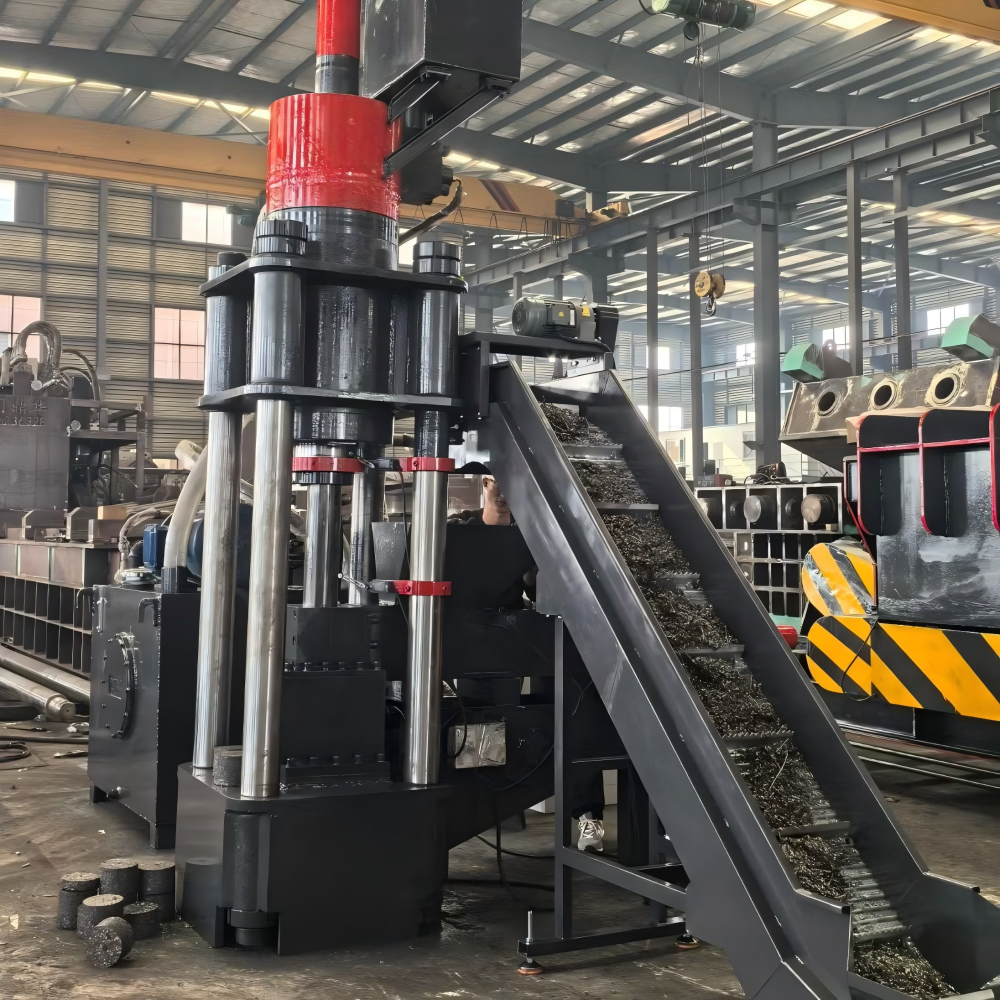
The Critical Importance of Consistent Pressure Maintenance
Maintaining consistent pressure is not merely about machine health; it is directly tied to the economic output of your recycling operation. High-density briquettes are more valuable because they contain less trapped air and moisture, which reduces oxidation during the melting process. If the pressure drops even by 10%, the density of the briquette can decrease significantly, leading to material loss and lower resale value. Furthermore, inconsistent pressure often indicates an underlying issue within the hydraulic circuit that, if left unaddressed, could lead to catastrophic component failure.
From a mechanical perspective, pressure spikes or drops put undue stress on the machine’s frame and cylinders. A stable pressure profile ensures that the force is distributed evenly across the mold and the metal chips. This prevents uneven wear on the die and punch, which are expensive consumables. By prioritizing a rigorous maintenance schedule, facilities can extend the life of their equipment by years, ensuring a much higher return on investment (ROI) and reducing the total cost of ownership.
Daily Inspection Routine for Pressure Stability
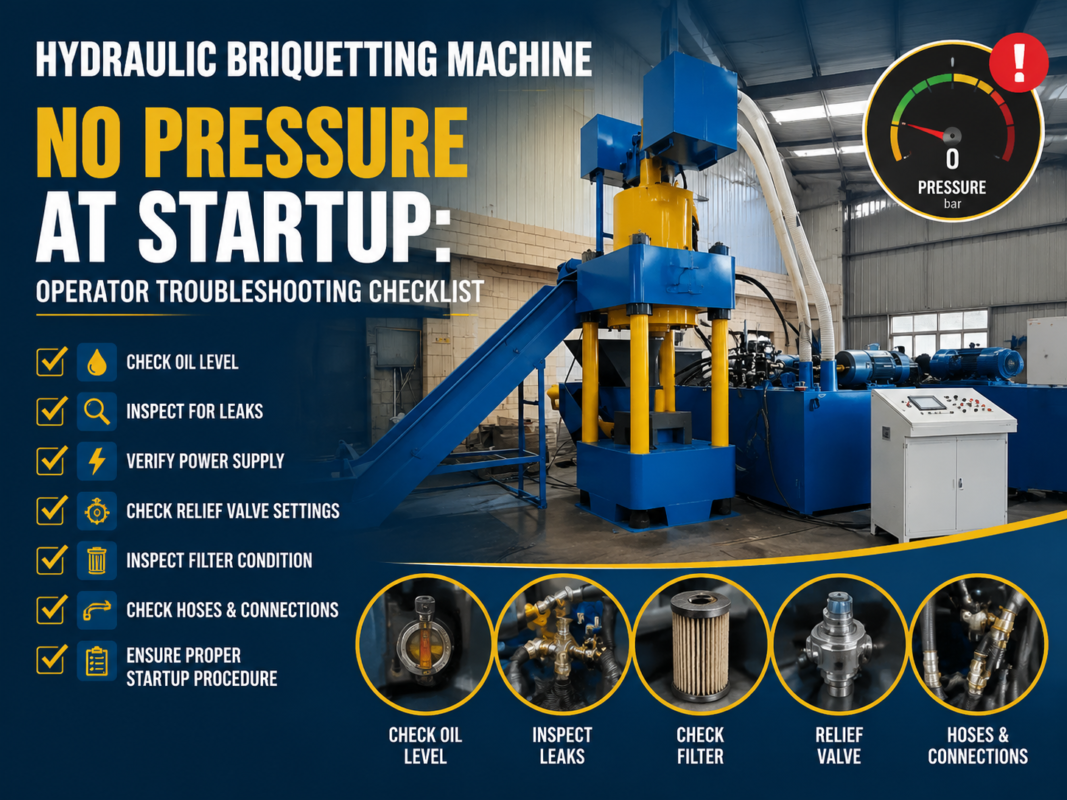
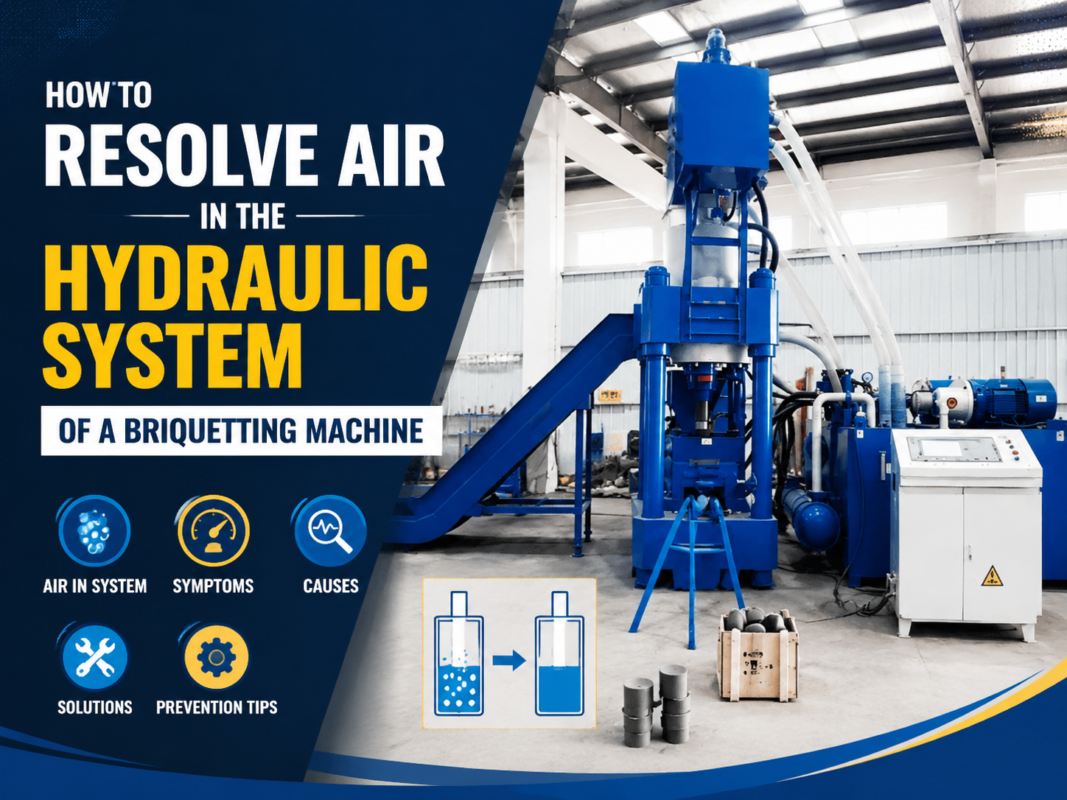
The first line of defense in maintaining pressure is the daily inspection. Before the start of every shift, operators should perform a visual and auditory sweep of the machine. Start by checking the hydraulic oil level in the reservoir. Low oil levels can lead to aeration, where air bubbles are sucked into the pump. Air is compressible, unlike hydraulic fluid, and its presence will cause the pressure to fluctuate wildly, leading to ‘spongy’ briquettes and a noisy pump.
Next, inspect all visible hoses and connections for signs of weeping or leaks. Even a small pinhole leak can cause a significant drop in system pressure over time. Listen for unusual sounds; a high-pitched whining often indicates pump cavitation, while a rhythmic knocking might suggest a mechanical loose part or a failing valve. Finally, observe the pressure gauge during a few test cycles. The needle should rise smoothly to the target PSI and hold steady during the compression phase before releasing. Any flickering or failure to reach the set point should be logged and investigated immediately.
Hydraulic System Checks: The Heart of the Machine
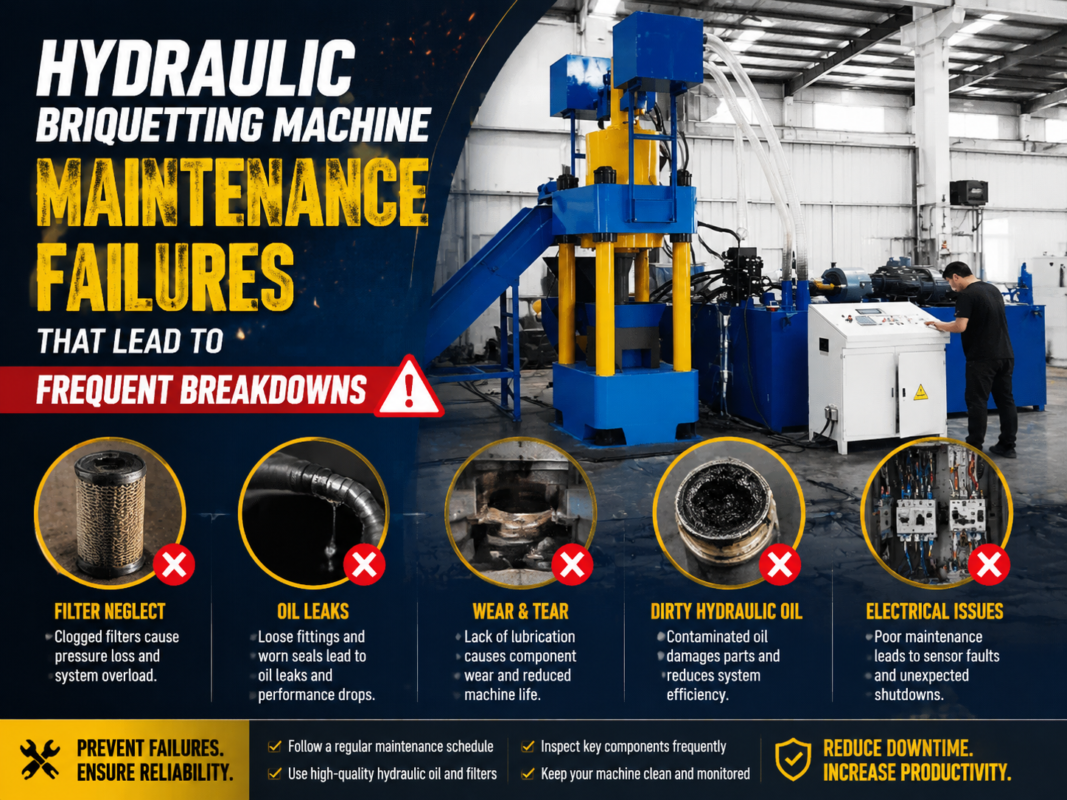
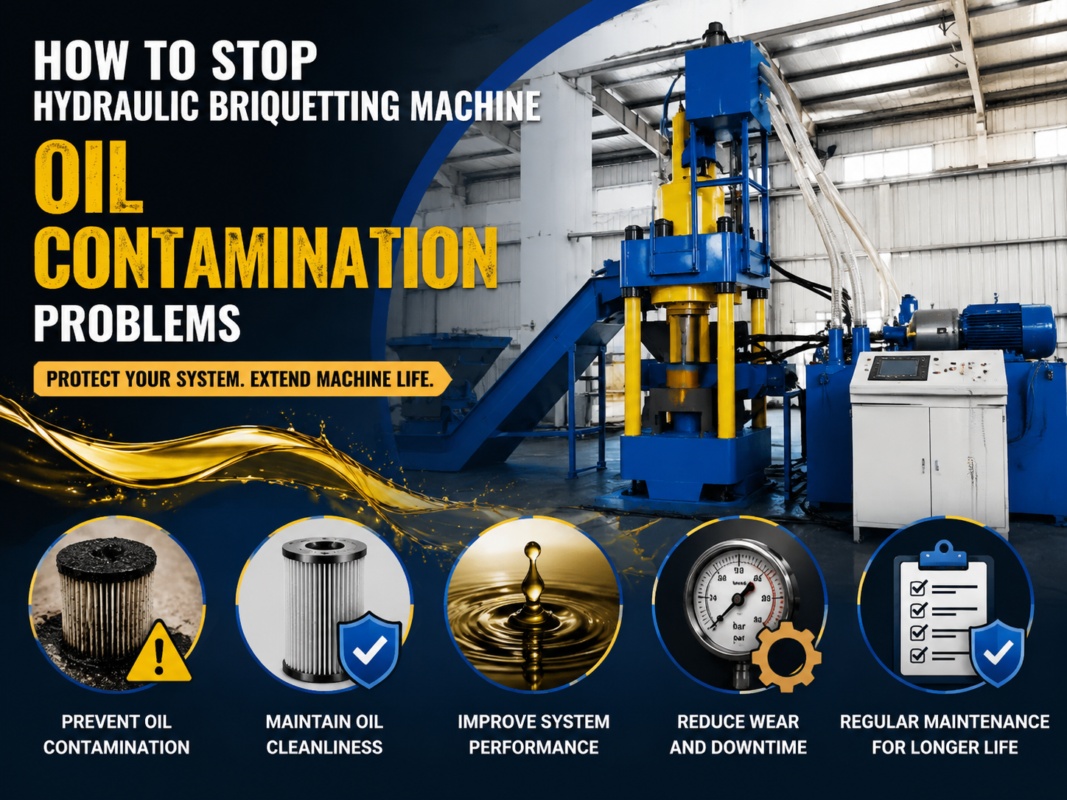
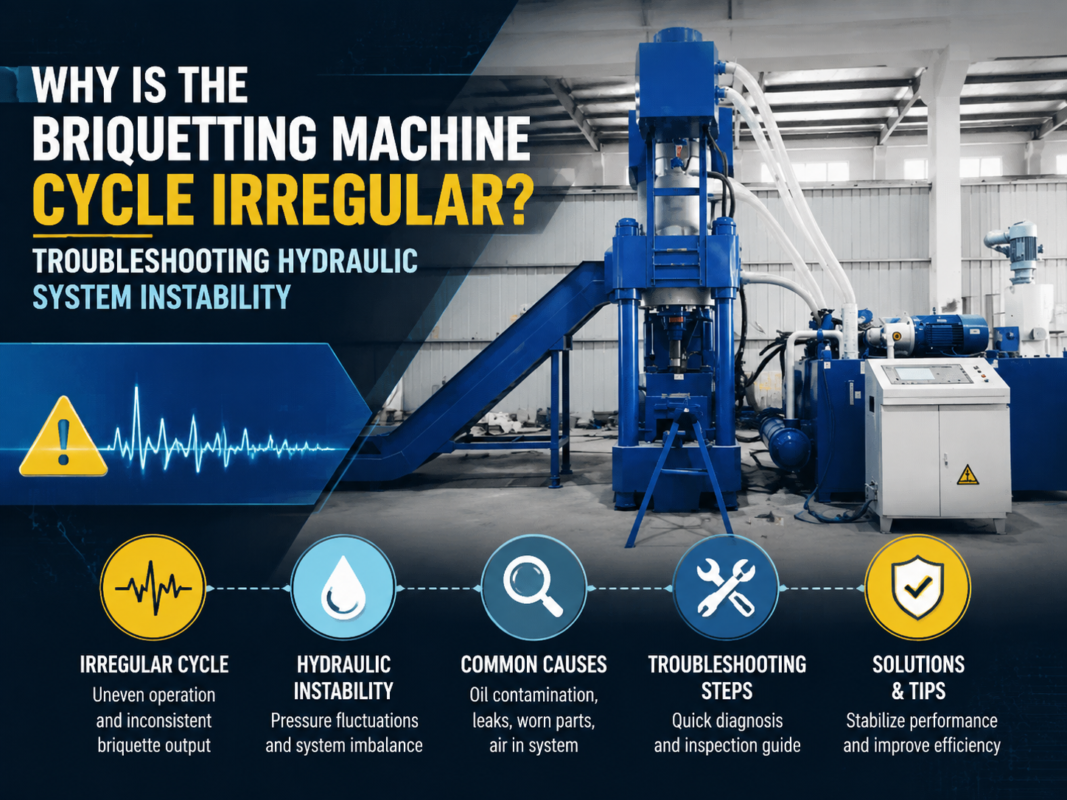
The hydraulic system is the most complex aspect of the briquetting machine. To maintain hydraulic briquetting machine pressure consistent briquette quality, one must focus on the quality and temperature of the hydraulic oil. Over time, hydraulic oil breaks down due to heat and shear forces. It is essential to use the correct grade of oil, typically ISO VG 46 or 68, depending on your ambient environment. Contaminated oil is the leading cause of valve sticking and pump wear. Implementing a regular oil analysis program can help detect microscopic metal particles or water ingress before they cause a breakdown.
The relief valve and the pressure control valves must be checked monthly. These components regulate the maximum force the machine can exert. If the relief valve is set too low, the machine will never reach the density required for high-quality briquettes. If it is stuck partially open, fluid will bypass the cylinder, causing heat buildup and pressure loss. Additionally, check the hydraulic cylinders for ‘internal bypassing.’ This occurs when the internal seals are worn, allowing high-pressure fluid to leak into the low-pressure side of the piston, effectively neutralizing the force of the stroke.
Electrical and Control System Integration
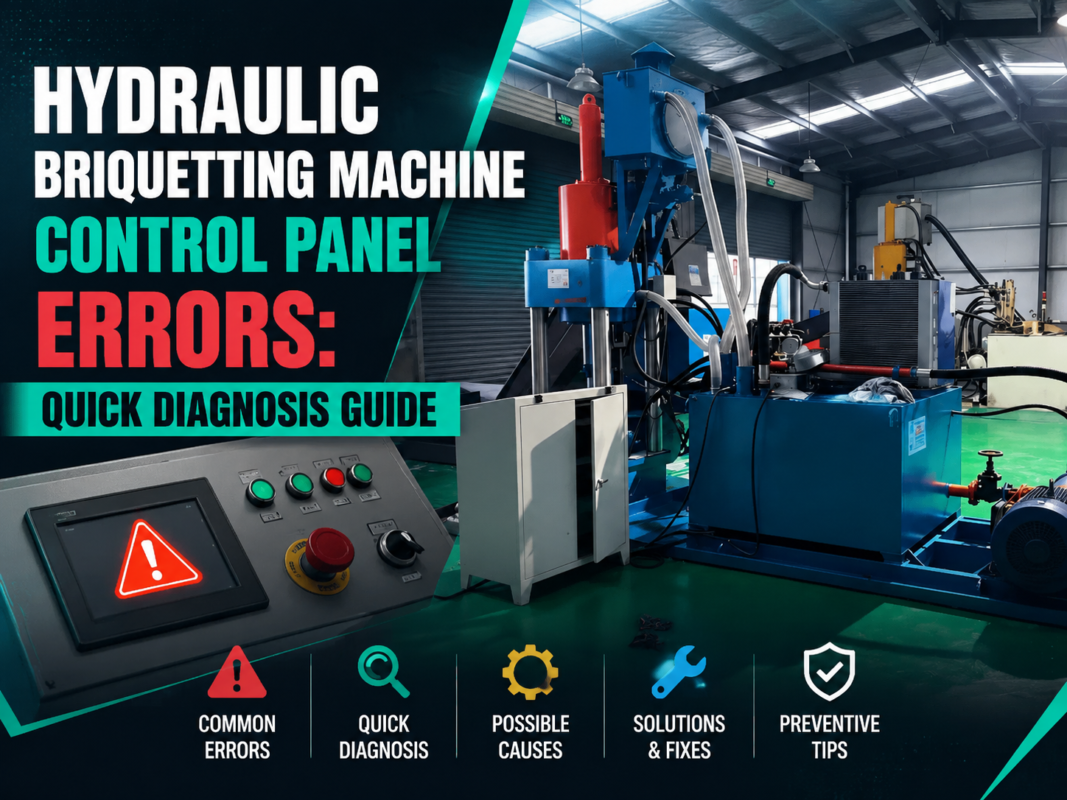
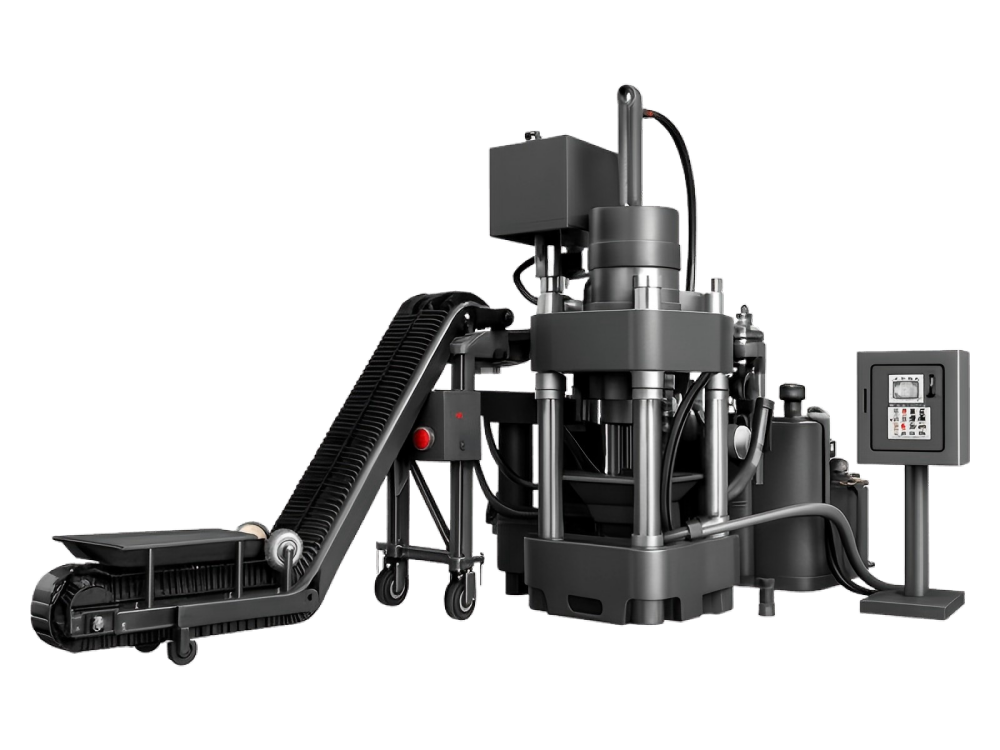
Modern briquetting machines rely heavily on PLC (Programmable Logic Controller) systems and sensors to manage the compression cycle. If a pressure transducer or a proximity sensor is misaligned or failing, the PLC may receive incorrect data, causing it to terminate the compression cycle prematurely. This results in under-compressed briquettes. Ensure that all electrical connections are tight and free from vibration-induced loosening. Dust and metal shavings are conductive; if they enter the electrical cabinet, they can cause short circuits or erratic signal behavior.
Calibration is another vital aspect. At least once a year, the digital pressure readouts on the control panel should be calibrated against a certified master gauge. This ensures that when the operator sets the machine to 250 bar, it is actually delivering 250 bar. Furthermore, check the cooling system’s electrical components. If the oil cooler fan or pump fails, the oil temperature will rise, its viscosity will drop, and the system will lose the ability to maintain high pressure during continuous operation.
Mechanical Integrity and Die Maintenance
While the hydraulics provide the force, the mechanical components provide the form. The die and punch are subject to immense friction and pressure. As these parts wear down, the clearance between the punch and the die wall increases. This allows fine metal particles to escape or ‘flash’ around the edges, which can cause the pressure to dissipate and result in a briquette with ragged edges. Regularly measuring the internal diameter of the die and the outer diameter of the punch is necessary to ensure they remain within the manufacturer’s specified tolerances.
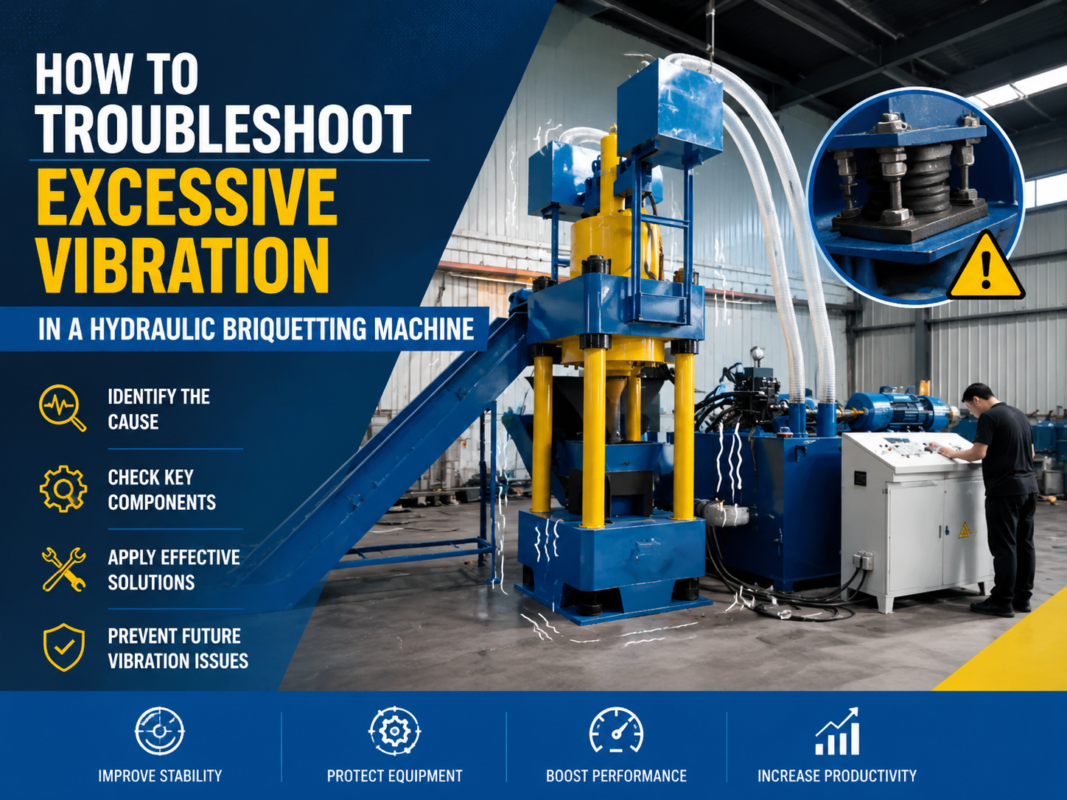
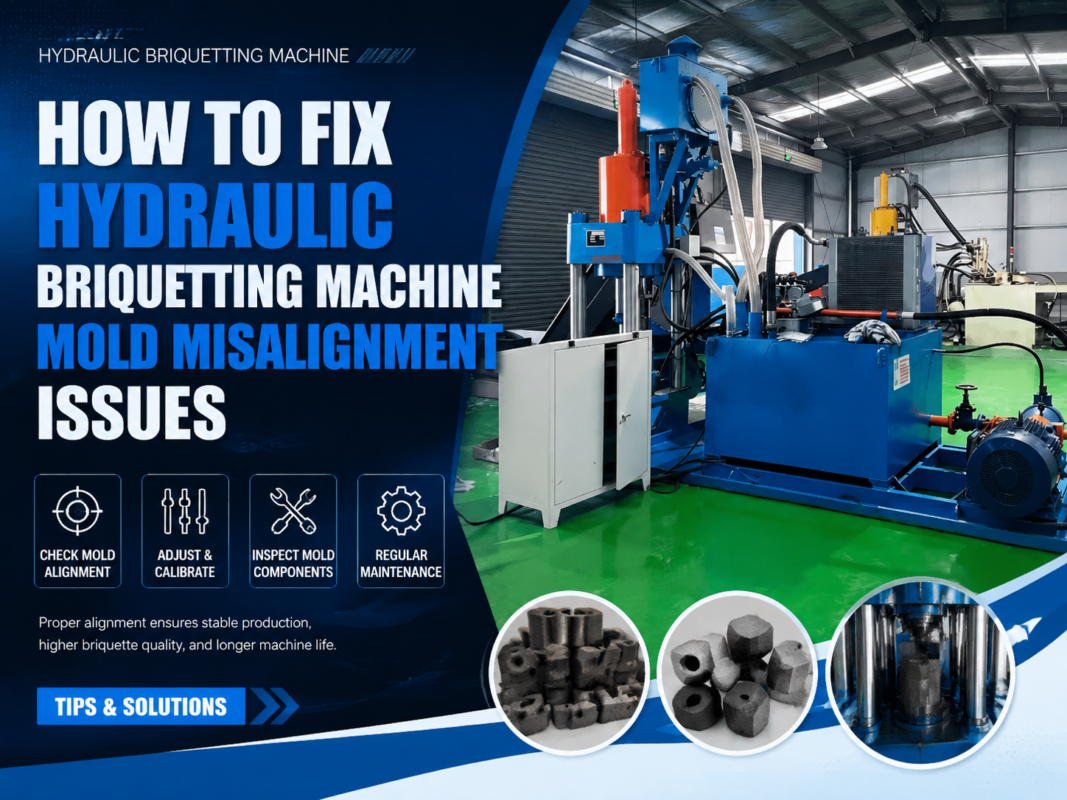
Alignment is equally important. If the main ram is not perfectly centered with the die, the pressure will be applied unevenly. This not only produces poor-quality briquettes but also side-loads the hydraulic cylinder, leading to premature seal failure and potential scoring of the cylinder rod. Check the mounting bolts of the main frame and the die holder regularly. The vibration inherent in briquetting can loosen even the most heavy-duty fasteners, leading to structural shifts that compromise pressure delivery.
Comprehensive Lubrication Plan
A robust lubrication plan is essential for reducing friction and preventing the mechanical binding that can interfere with pressure application. While the hydraulic oil lubricates the internal pump and valve components, external moving parts such as the feeder mechanism, the gate discharge, and the ram guides require manual or automated greasing. Use a high-pressure lithium-based grease that can withstand the heat and load of a recycling environment.
Establish a schedule based on operating hours. For example, the ram guides should be lubricated every 8 hours of operation, while the pivot points on the charging hopper might only need attention weekly. Over-lubrication can be just as detrimental as under-lubrication, as excess grease can attract metal dust, creating an abrasive paste that accelerates wear. Always wipe away old grease and contaminants before applying fresh lubricant to ensure a clean interface between moving surfaces.
Troubleshooting Common Pressure Signals
Recognizing the early warning signs of pressure loss can save thousands of dollars in repairs. If you notice the machine is taking longer to complete a cycle, it is a classic sign of declining pump efficiency or an internal leak. If the briquettes are coming out with different lengths but the same weight, the pressure is likely inconsistent, causing varying levels of compaction. Another signal is the ‘shuddering’ of hoses during the high-pressure stage, which often points to air in the system or a failing accumulator.
Overheating is perhaps the most common symptom of pressure-related issues. When hydraulic fluid is forced through a small orifice (like a leaking seal or a partially blocked valve) at high pressure, it generates intense heat. If the hydraulic tank feels excessively hot to the touch (above 60°C), the system is working too hard to maintain pressure. This heat further thins the oil, creating a vicious cycle of declining performance. Immediate intervention to find the source of the heat is required to protect the pump and seals.
Maintenance Schedule Table
| Frequency | Component | Action Required |
|---|---|---|
| Daily | Oil Level & Temp | Check reservoir level and monitor operating temperature. |
| Daily | Hoses & Fittings | Visual inspection for leaks, cracks, or abrasions. |
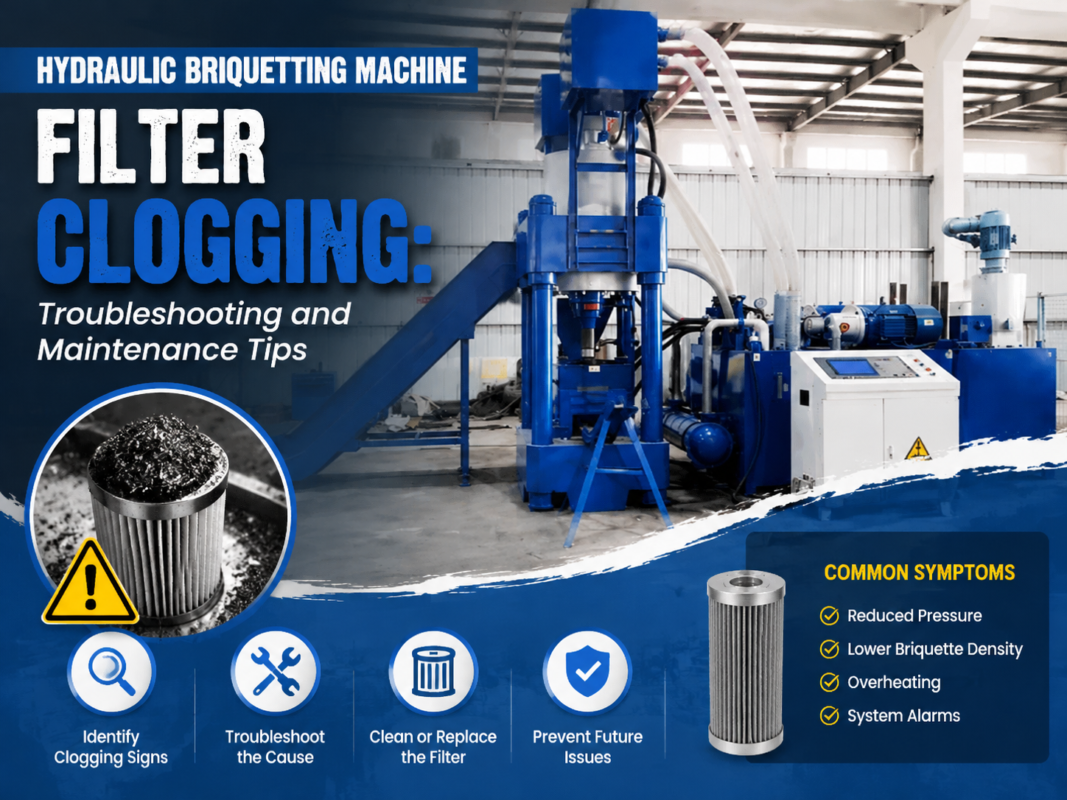
| Weekly | Filters | Check pressure drop indicators on suction and return filters. |
| Weekly | Ram Guides | Clean and apply fresh high-pressure grease. |
| Monthly | Die & Punch | Inspect for wear, scoring, and measure clearances. |
| Monthly | Electrical Cabinet | Vacuum dust and check for loose wire terminations. |
| Quarterly | Hydraulic Oil | Perform oil analysis for contamination and viscosity. |
| Annually | System Calibration | Calibrate pressure sensors and relief valves against master gauge. |
Frequently Asked Questions (FAQ)
1. Why are my briquettes falling apart even though the pressure gauge shows the correct PSI?
This is often due to the material’s moisture or oil content. If the metal chips are too wet or oily, they won’t bond correctly regardless of pressure. Alternatively, check for air trapped in the material or a worn die that allows the pressure to ‘leak’ around the sides of the briquette during compression.
2. How often should I change the hydraulic oil in my briquetting machine?
Generally, hydraulic oil should be changed every 2,000 to 4,000 operating hours. However, this depends on the environment. In dusty or hot conditions, more frequent changes or a high-quality filtration system are necessary. Always rely on oil analysis results to make the final decision.
3. What is the ideal operating temperature for a hydraulic briquetting machine?
The ideal temperature range is typically between 40°C and 55°C (104°F to 131°F). If the temperature exceeds 60°C, the oil’s viscosity drops, leading to internal leakage and reduced pressure. Ensure your cooling system is functioning and the heat exchanger is clean.
4. Can I use the same pressure settings for different types of metal?
No. Different metals have different compression ratios. For example, aluminum requires less pressure to form a solid briquette compared to steel or cast iron turnings. You should adjust the PLC settings or relief valves based on the specific material density requirements to avoid unnecessary wear on the machine.
5. What causes the hydraulic pump to make a loud banging noise?
Banging or heavy vibration is usually a sign of cavitation (air in the oil) or aeration (suction line leak). It could also indicate that the pump’s internal bearings or pistons are failing. Shut down the machine immediately to prevent the pump from disintegrating and sending metal shards throughout the hydraulic circuit.
6. How do I know if the hydraulic seals need replacing?
External leaks around the cylinder rod are an obvious sign. Internal seal failure is harder to spot but is characterized by the cylinder ‘drifting’ under load or the machine failing to maintain peak pressure during the hold cycle. If the cylinder body feels significantly hotter than the hoses, internal bypassing is likely occurring.