How to Inspect Hydraulic Cylinders in a Briquetting Machine: A Comprehensive Maintenance Guide

The Critical Role of Hydraulic Cylinders in Metal Briquetting
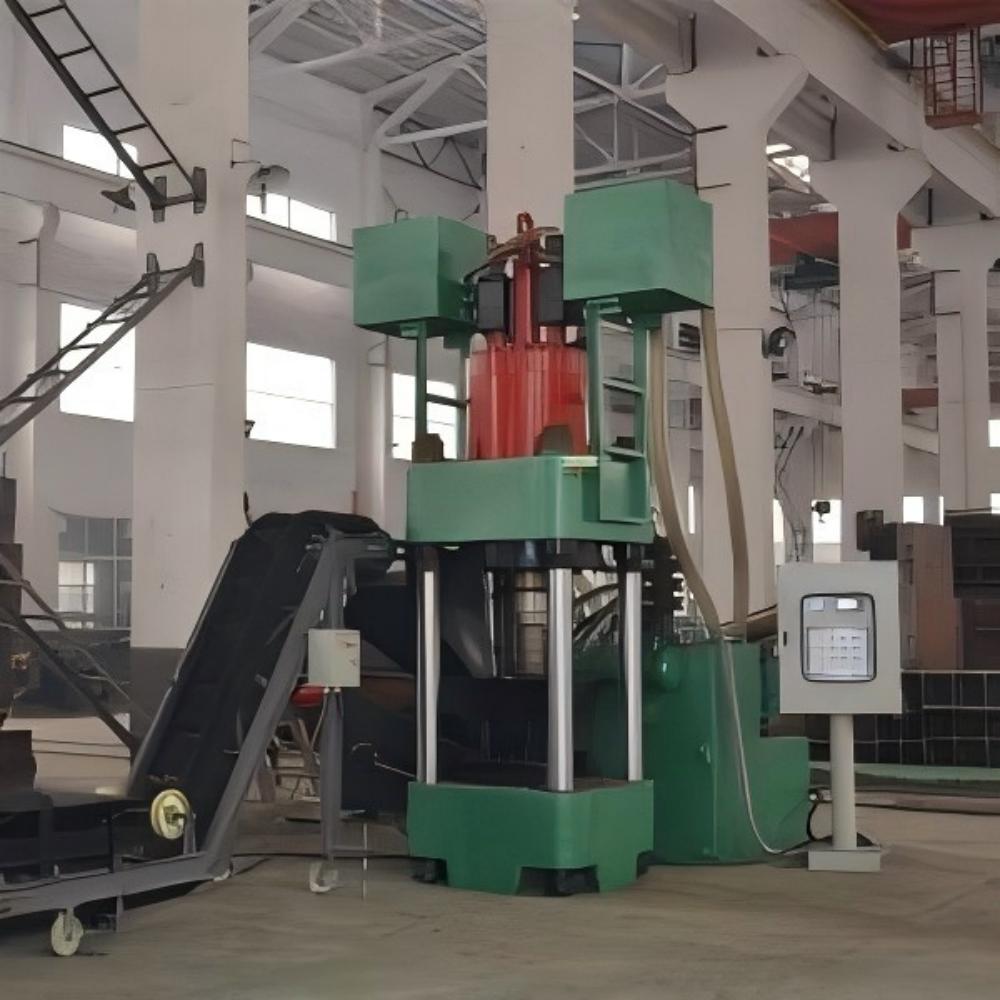
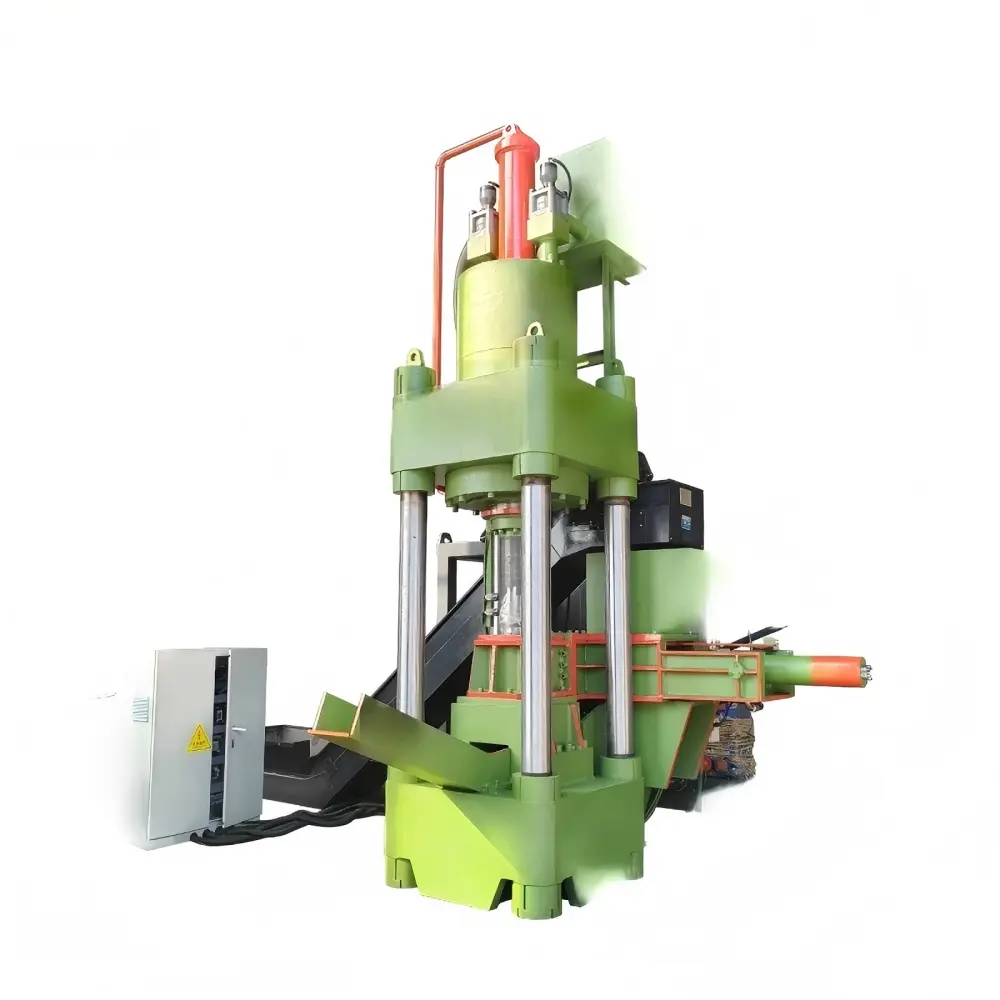
In the world of metal recycling and fabrication, the hydraulic briquetting machine stands as a cornerstone of efficiency. These machines are designed to compress metal chips, shavings, and turnings into dense, manageable briquettes. At the heart of this powerful operation lies the hydraulic cylinder. The cylinder provides the necessary force to transform loose scrap into solid blocks, significantly reducing volume and increasing the value of the waste material. However, because these components operate under extreme pressure and in often harsh environments filled with metal dust and cooling fluids, they are subject to significant wear and tear.
Understanding how to Inspect Hydraulic Cylinders In A Briquetting Machine is not just a matter of routine; it is a vital practice for ensuring operational safety and longevity. A failure in a hydraulic cylinder can lead to catastrophic machine downtime, expensive repair bills, and potential safety hazards for operators. HARSLE, a leader in metal fabrication machinery, emphasizes that a well-maintained cylinder is the difference between a profitable recycling operation and a logistical nightmare. By implementing a rigorous inspection protocol, facility managers can detect minor issues before they escalate into major mechanical failures.
The inspection process involves more than just a quick glance at the machine. It requires a systematic approach that covers visual, physical, and functional assessments. Because briquetting machines often run for multiple shifts, the cumulative stress on the seals, rods, and barrels of the cylinders is immense. This guide provides a deep dive into the technicalities of cylinder inspection, offering actionable insights for maintenance teams and machine operators alike.
Why Maintenance and Inspection are Paramount
The importance of maintaining a hydraulic briquetting machine cannot be overstated. These machines exert hundreds of tons of pressure to compact materials like aluminum, steel, and cast iron. If a cylinder is not functioning at 100% efficiency, the density of the briquettes will suffer, leading to lower resale value and higher transport costs. Furthermore, internal leaks within the cylinder can cause the machine to consume more energy while producing less force, directly impacting the bottom line.
Regular inspections also play a crucial role in workplace safety. Hydraulic systems operate under high pressure; a pinhole leak in a hose or a compromised seal can result in high-velocity fluid injection injuries or fires if the hydraulic oil contacts hot surfaces. By prioritizing the task to Inspect Hydraulic Cylinders In A Briquetting Machine, companies demonstrate a commitment to the safety of their workforce. Moreover, consistent maintenance records are often required for insurance compliance and to uphold the manufacturer’s warranty provided by companies like HARSLE.
From a mechanical perspective, the cylinder is part of a closed-loop system. Contaminants that enter through a worn rod seal can travel through the entire hydraulic circuit, damaging the pump, valves, and heat exchangers. Therefore, the cylinder acts as both a powerhouse and a potential entry point for system-wide failure. Preventive maintenance is always more cost-effective than reactive repair. Replacing a $50 seal during a scheduled stop is infinitely better than replacing a $5,000 pump after a system-wide contamination event.
Daily Inspection Routine for Operators
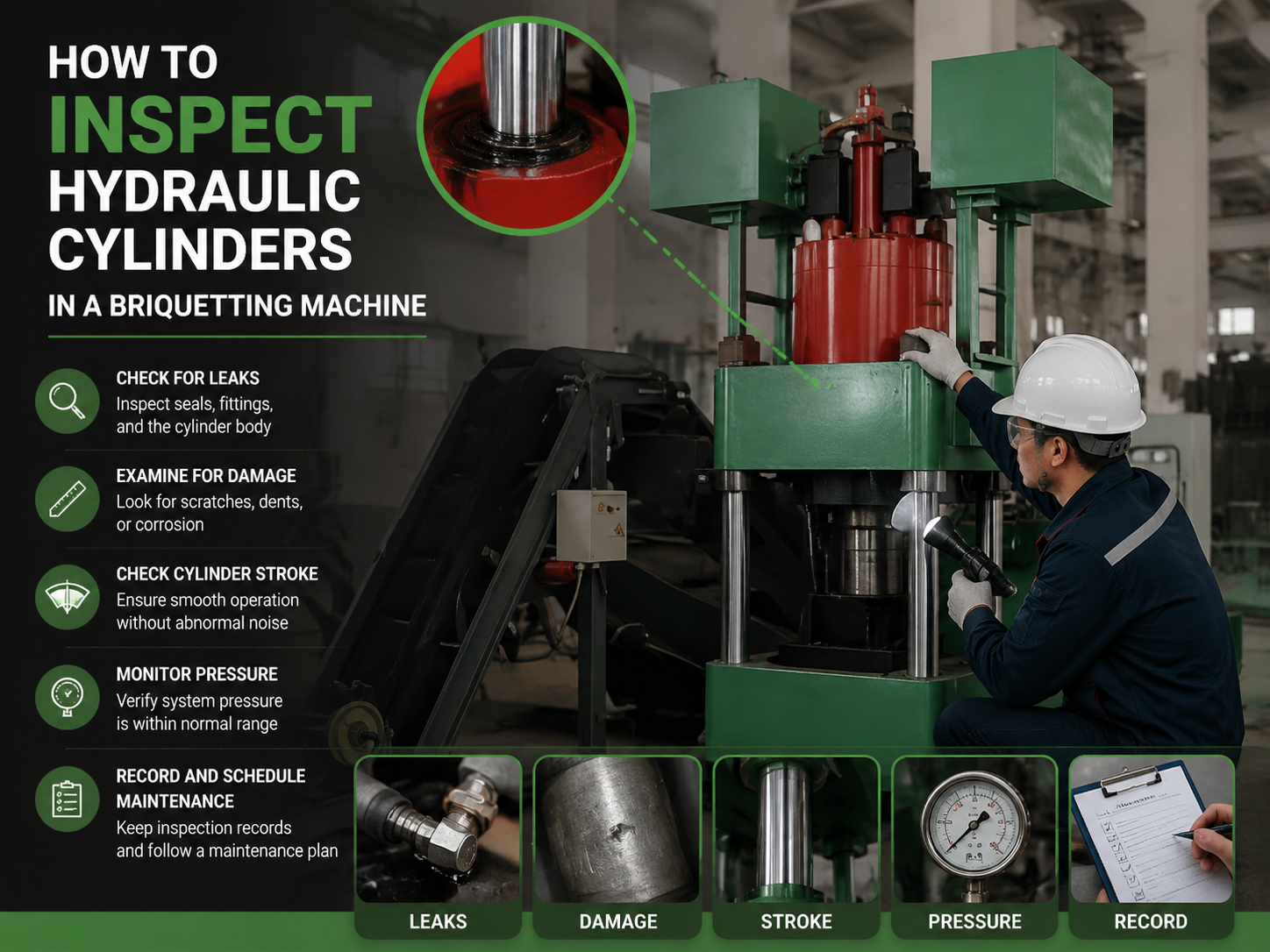
The first line of defense against machinery failure is the daily inspection. This should be performed at the start of every shift before the machine is powered up. Operators should begin with a visual walk-around, looking for any obvious signs of trouble. The most common indicator of a problem is the presence of hydraulic fluid on the floor or on the machine frame. Even a small “weeping” seal should be noted, as it indicates that the seal’s integrity has been compromised and it will eventually fail completely.
Next, the operator should examine the piston rod. The rod should be clean, smooth, and free of any deep scratches, pitting, or discoloration. Scratches on the rod act like a file, grinding away at the rod seal every time the cylinder cycles. If the rod appears “dry” or has patches of rust, it may indicate that the internal lubrication is failing or that the machine has been sitting idle in a corrosive environment. Conversely, an excessively oily rod suggests that the primary seal is leaking fluid past the wiper.
During the initial warm-up phase, the operator should listen for unusual noises. A healthy hydraulic cylinder operates with a consistent, rhythmic hum. Hissing sounds can indicate high-pressure fluid bypassing a seal internally, while banging or clunking sounds might suggest mechanical looseness in the mounting pins or clevis. Checking the oil level in the reservoir and the temperature of the hydraulic fluid is also part of the daily routine. Overheating is a primary killer of hydraulic seals, often caused by internal friction or a failing cooling system.
In-Depth Hydraulic, Electrical, and Mechanical Checks
Hydraulic System Integrity
To properly Inspect Hydraulic Cylinders In A Briquetting Machine, one must look beyond the surface. This involves checking the hydraulic hoses and fittings connected to the cylinder. Look for signs of bulging, cracking, or abrasion on the hoses. In a briquetting environment, sharp metal shards can often fly off the hopper and strike the hoses. If a hose shows any sign of the wire reinforcement layer, it must be replaced immediately. Ensure all fittings are tight, but avoid over-tightening, which can crack the housings.
Electrical and Sensor Calibration
Modern briquetting machines rely on sensors to tell the PLC (Programmable Logic Controller) the position of the cylinder. Inspect the limit switches or linear transducers mounted on or near the cylinder. If these sensors are loose or coated in grime, the machine may not complete its cycle correctly, leading to “short-stroking” or the cylinder hitting its mechanical limits with too much force. Ensure that all electrical conduits are intact and that there is no oil ingress into the sensor housings, which can cause short circuits and erratic behavior.
Mechanical Mounting and Alignment
The cylinder must be perfectly aligned with the compression chamber. Check the mounting bolts and the pivot pins. Over time, the immense vibration of the briquetting process can loosen even the strongest bolts. Use a torque wrench to verify that all fasteners meet the manufacturer’s specifications. Inspect the bushings for excessive play. If the cylinder is allowed to move laterally (side-to-side), it will put side-load pressure on the piston rod, leading to uneven seal wear and potential bending of the rod itself.
Developing a Comprehensive Lubrication Plan
Lubrication is the lifeblood of any heavy-duty machinery. While the internal parts of the hydraulic cylinder are lubricated by the hydraulic fluid itself, the external moving parts require manual intervention. This includes the clevis pins, trunnion mounts, and any linkage arms associated with the briquetting press. Using the wrong type of grease or neglecting lubrication can lead to metal-on-metal contact, resulting in galling and eventual seizure of the joints.
A proper lubrication plan should specify the type of lubricant to be used—typically a high-pressure lithium-based grease for most industrial applications. The frequency of lubrication depends on the duty cycle of the machine. For a machine running 24/7, daily lubrication of pivot points is necessary. It is also important to clean the grease nipples before applying the grease gun to prevent pushing dirt and metal dust into the bearing surfaces. Over-lubrication should also be avoided, as excess grease can attract abrasive metal dust, creating a grinding paste that accelerates wear.
Furthermore, the quality of the hydraulic fluid itself must be monitored. Over time, hydraulic oil breaks down and loses its lubricating properties and viscosity. It also accumulates microscopic metal particles and moisture. Regular oil analysis is recommended for large-scale briquetting operations. This involves sending a sample of the oil to a lab to check for contamination levels and additive depletion. If the oil is dark or smells burnt, it is a clear sign that the system is running too hot and the oil needs to be changed.
Troubleshooting Signals: When to Call a Technician
Even with the best inspection routine, components will eventually wear out. Recognizing the early warning signs of failure can save thousands of dollars. One of the most common signals is “drifting.” If the cylinder cannot hold its position when the valves are closed, it indicates an internal leak across the piston seals. This means fluid is escaping from the high-pressure side to the low-pressure side, causing the cylinder to slowly retract or extend under the weight of the platen.
Another red flag is erratic or “jerky” movement. This is often caused by air trapped in the hydraulic system or by “stiction” (static friction) where the seals are sticking to the rod. Air in the system can make the cylinder act like a spring, which is dangerous in a high-pressure briquetting application. Bleeding the air from the system is a necessary step if the pump has recently been serviced or if the oil level dropped too low. If the cylinder is running excessively hot compared to the rest of the hydraulic system, it usually points to an internal bypass where energy is being converted into heat instead of mechanical force.
Finally, pay attention to the cycle time. If the machine is taking longer to produce a briquette than it used to, and the pump pressure is within specs, the cylinder is likely losing efficiency. This slow degradation is often overlooked until it significantly impacts production quotas. When these signals appear, it is time to perform a pressure test or pull the cylinder for a bench teardown and seal replacement.
Maintenance Schedule Table
To effectively Inspect Hydraulic Cylinders In A Briquetting Machine, follow this structured maintenance schedule to ensure no component is overlooked.
| Frequency | Component | Action Required |
|---|---|---|
| Daily | Piston Rod | Check for scratches, dents, and cleanliness. |
| Daily | Seals/Fittings | Visual check for oil leaks or weeping. |
| Daily | Hydraulic Oil | Check level and temperature in the reservoir. |
| Weekly | Mounting Bolts | Verify tightness and structural integrity. |
| Weekly | Pivot Pins | Apply high-pressure grease to all lubrication points. |
| Monthly | Hoses/Lines | Inspect for cracks, bulges, or signs of rubbing. |
| Monthly | Filters | Check pressure gauges on filters; replace if clogged. |
| Quarterly | Oil Analysis | Send sample to lab to check for contamination. |
| Annually | Full System | Comprehensive pressure test and valve calibration. |
Frequently Asked Questions (FAQ)
1. How often should I replace the seals in my briquetting machine cylinder?
There is no fixed timeframe, as it depends on the environment and usage. However, in high-production environments, many facilities choose to proactively replace seals every 12 to 18 months to prevent unexpected failures. Always replace seals if you notice external leaking or internal drifting.
2. What causes the piston rod to get scratched?
Scratches are usually caused by metal contaminants in the environment or by a failed wiper seal that allows dust to enter the cylinder. In briquetting, sharp metal chips can also strike the rod if the machine guarding is insufficient. Ensuring the rod is clean and the wiper seal is intact is the best prevention.
3. Can I use any hydraulic oil in my HARSLE briquetting machine?
No, you should always use the oil viscosity and type recommended in the HARSLE user manual. Using the wrong oil can lead to poor lubrication, seal swelling, or overheating. Most machines use an ISO VG 46 or 68 anti-wear hydraulic oil.
4. Why is my hydraulic cylinder moving slowly?
Slow movement can be caused by several factors: a failing pump, a clogged suction filter, a restricted hose, or internal leaking within the cylinder itself. Start by checking the filters and the pump pressure before dismantling the cylinder.
5. Is it safe to tighten a leaking fitting while the machine is running?
Absolutely not. Never attempt to tighten fittings or work on the hydraulic system while it is under pressure. Even if the machine is off, the accumulators or the weight of the components can hold residual pressure. Always follow proper Lock-Out Tag-Out (LOTO) procedures and bleed off pressure before maintenance.
Conclusion
Mastering the ability to Inspect Hydraulic Cylinders In A Briquetting Machine is an essential skill for any industrial operator. By combining daily visual checks with a rigorous weekly and monthly maintenance schedule, you can ensure that your HARSLE equipment remains a productive asset for years to come. Remember that the hydraulic system is a precision instrument; treat it with the care it deserves, and it will reward you with consistent performance and high-quality briquettes. For more technical guides and high-quality metal fabrication machinery, stay tuned to our industrial blog and resource center.