
Comprehensive Guide: Common Hydraulic Briquetting Machine Problems and How to Fix Them

The Critical Role of Maintenance in Hydraulic Briquetting
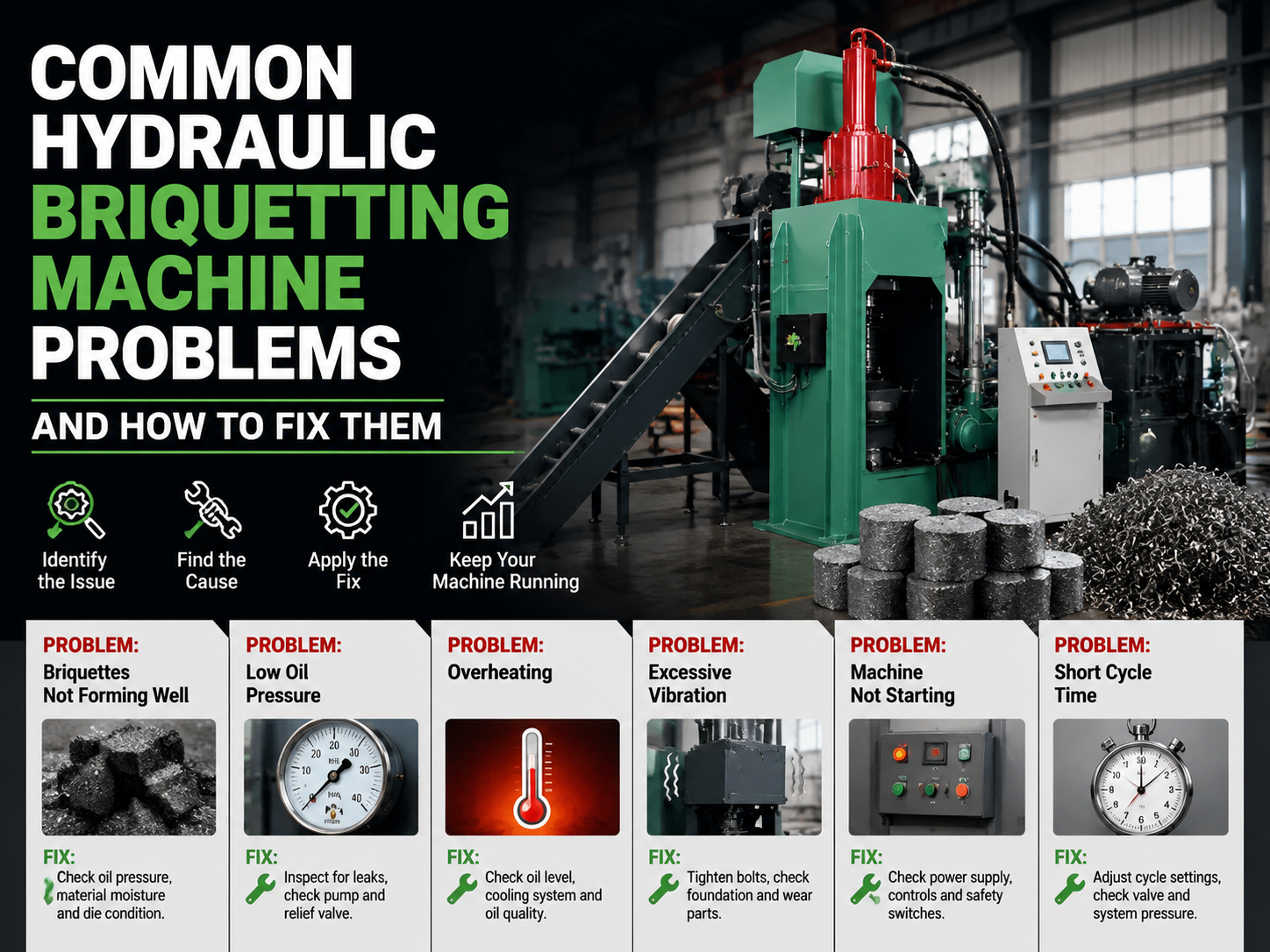
In the modern metal fabrication and recycling industry, the hydraulic briquetting machine stands as a cornerstone of efficiency. By compressing loose metal chips, turnings, and swarf into dense, manageable blocks, these machines significantly reduce storage space and increase the melt value of scrap materials. However, like any heavy-duty industrial equipment, they are subject to wear and tear. Understanding Common Hydraulic Briquetting Machine Problems Fix Them is essential for any facility manager looking to minimize downtime and maximize return on investment. Proactive maintenance is not merely a suggestion; it is a financial necessity that prevents catastrophic failures and ensures the safety of the operating personnel.
When a briquetting machine fails, the entire production line can come to a standstill. The accumulation of loose scrap creates a hazardous work environment and complicates logistics. By implementing a rigorous maintenance strategy, companies can extend the lifespan of their HARSLE machinery by years. This guide provides a deep dive into the technical aspects of troubleshooting, offering actionable solutions for the most frequent issues encountered in the field. From hydraulic fluid contamination to electrical logic errors, we cover the spectrum of challenges faced by operators today.
The complexity of hydraulic systems requires a systematic approach to diagnosis. Often, a symptom in one area—such as a slow cycle time—may be caused by a failure in a completely different subsystem, like a clogged suction filter or a failing solenoid valve. Therefore, a holistic understanding of the machine’s mechanics, hydraulics, and electronics is required. This article serves as a comprehensive manual for identifying these issues early and applying the correct fixes before they escalate into expensive repairs.
Ultimately, the goal of this guide is to empower operators with the knowledge to perform first-line troubleshooting. While some complex repairs require factory-trained technicians, many Common Hydraulic Briquetting Machine Problems Fix Them can be resolved on-site with basic tools and a clear understanding of the machine’s operation. By following the protocols outlined here, you can ensure your HARSLE briquetting machine remains a reliable asset in your metal processing workflow.
Daily Inspection: The First Line of Defense
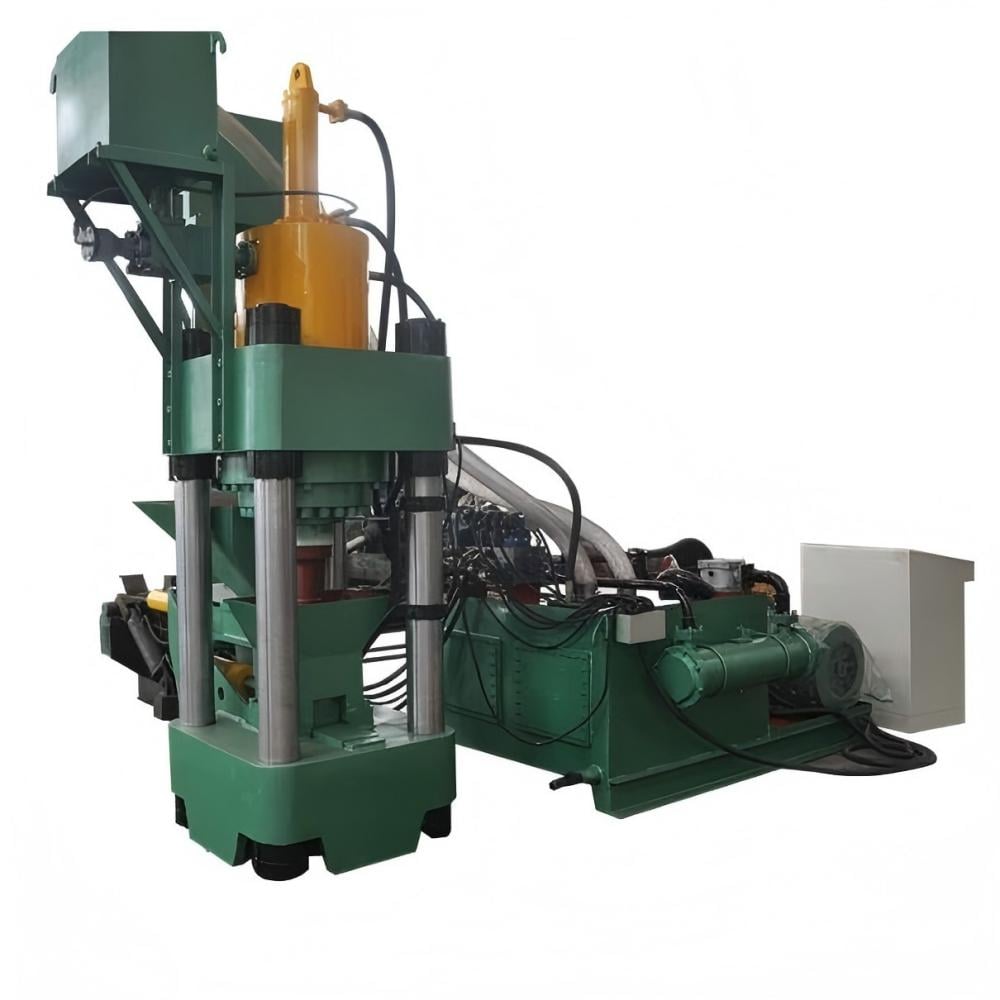
The most effective way to handle Common Hydraulic Briquetting Machine Problems Fix Them is to prevent them from occurring in the first place. A daily inspection routine is the most powerful tool in an operator’s arsenal. Before the machine is even powered on, a visual sweep should be conducted to identify obvious signs of trouble. This includes checking for oil puddles on the floor, which indicate seal failures or loose fittings, and inspecting the feeding hopper for any foreign objects that could jam the mechanism.
During the daily check, operators must pay close attention to the hydraulic oil level and its clarity. Oil that appears milky or cloudy often indicates water contamination, while dark, burnt-smelling oil suggests overheating. Neither condition should be ignored. Furthermore, checking the tightness of mounting bolts on the main cylinders and the mold assembly is crucial. The high-pressure environment of a briquetting press generates significant vibration, which can gradually loosen even the most secure fasteners over time.
Safety features must also be tested daily. This includes emergency stop buttons, light curtains, and interlock switches on access doors. A machine that operates perfectly but lacks functional safety systems is a liability. By documenting these daily checks in a logbook, maintenance teams can track patterns of wear and predict when components like seals or filters will need replacement, moving from reactive to predictive maintenance.
Finally, the cleanliness of the machine itself cannot be overstated. Metal dust and fine chips can migrate into electrical cabinets or settle on hydraulic cylinder rods, causing premature wear on wipers and seals. A quick wipe-down at the end of every shift prevents this abrasive material from causing long-term damage. This simple habit is often the difference between a machine that lasts ten years and one that requires a complete overhaul after five.
Hydraulic System Troubleshooting: Pressure and Flow
The hydraulic system is the heart of the briquetting machine, and it is where the majority of performance issues originate. One of the most Common Hydraulic Briquetting Machine Problems Fix Them is the loss of system pressure. If the machine fails to reach the required tonnage to form a solid briquette, the culprit is often a malfunctioning relief valve or a worn-out hydraulic pump. Operators should first check the pressure gauge settings; if the pump is screaming or making a high-pitched whining noise, it may be experiencing cavitation due to a clogged suction strainer.
Another frequent issue is excessive oil temperature. Hydraulic systems generate heat naturally, but if the temperature exceeds 60°C (140°F), the oil’s viscosity drops, leading to increased internal leakage and accelerated wear on components. This is often caused by a failing cooling system—either a clogged air-cooled heat exchanger or a lack of water flow in a water-cooled system. Cleaning the cooling fins or checking the thermostat settings can usually resolve this. If the heat persists, it may indicate that a valve is stuck in a partially open position, forcing the pump to work against constant resistance.
Cylinder bypass is a more subtle problem where oil leaks past the internal piston seals. This results in a “drifting” cylinder or a loss of holding power. To diagnose this, a technician can extend the cylinder fully and check if it retracts under load without any command. Replacing piston seals is a standard maintenance task that restores the machine’s original pressing force. It is also vital to ensure that the hydraulic fluid used meets the manufacturer’s specifications, as incorrect viscosity can lead to sluggish performance in cold weather or excessive thinning in hot environments.
Lastly, air entrainment in the hydraulic lines can cause jerky movements and inconsistent briquette density. This usually happens if there is a leak in the suction line or if the oil level in the reservoir is too low, allowing the pump to suck in air. Bleeding the system and tightening all suction-side fittings will typically fix the “spongy” feel of the machine’s operation. Regular oil analysis is recommended to detect microscopic metal particles that signal internal component failure before a total breakdown occurs.
Electrical and Control System Checks
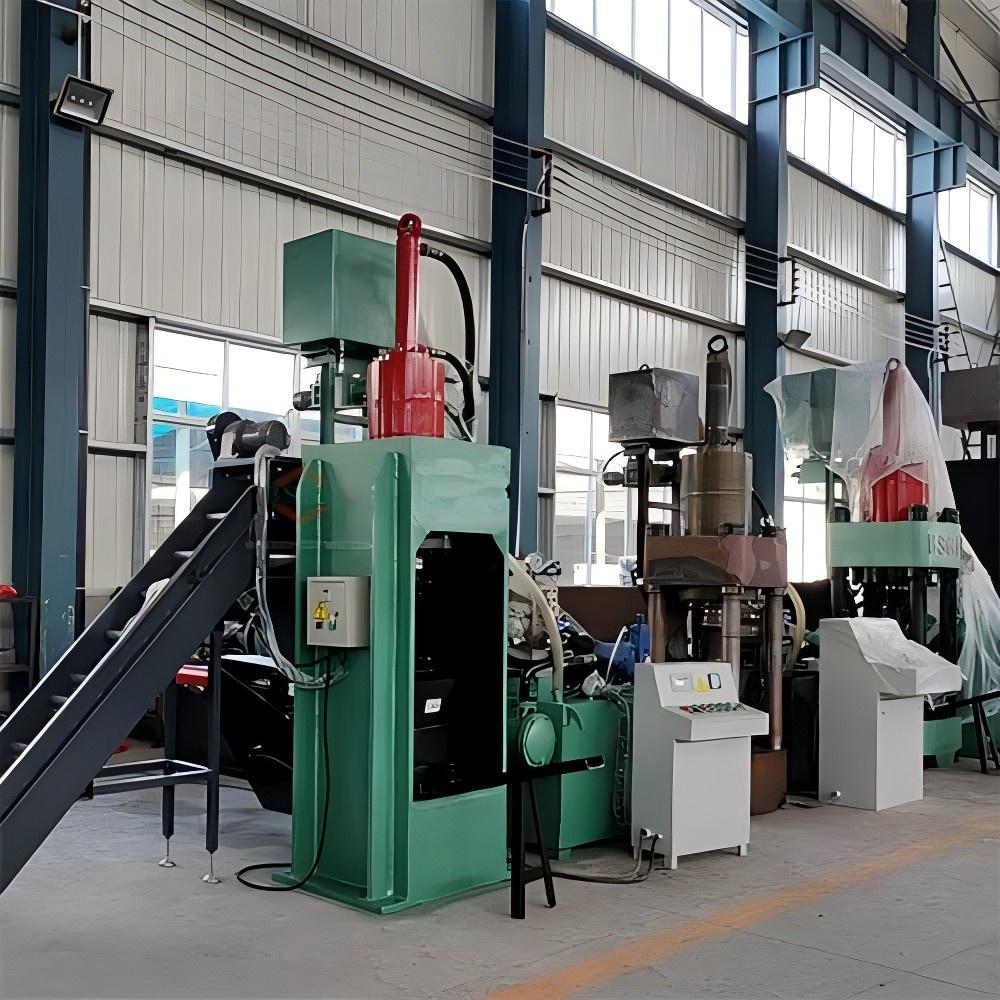
Modern HARSLE briquetting machines rely on Programmable Logic Controllers (PLCs) and a network of sensors to manage the complex sequence of feeding, pressing, and ejecting. When the machine stops mid-cycle or refuses to start, the problem is often electrical. The first step in Common Hydraulic Briquetting Machine Problems Fix Them regarding electronics is to check the PLC input/output (I/O) status lights. These lights provide a direct map of what the machine “thinks” is happening. If a limit switch is stuck or a proximity sensor is covered in metal dust, the PLC will hold the cycle for safety.
Wiring integrity is another critical area. In a high-vibration environment, wires can vibrate loose from terminal blocks, or insulation can rub through against sharp metal edges, causing intermittent shorts. Periodically tightening all screw terminals in the control cabinet can prevent mysterious “ghost” faults that are difficult to replicate. Additionally, ensure that the power supply is stable. Voltage fluctuations can cause the PLC to reboot or sensors to give false readings, which is why many industrial setups include a dedicated voltage stabilizer.
The solenoid valves, which bridge the gap between electrical signals and hydraulic action, are common failure points. If the PLC sends a signal but the cylinder doesn’t move, the solenoid coil may be burnt out, or the valve spool may be jammed by a tiny piece of debris. Testing the coil with a multimeter or manually overriding the valve with a small pin can help isolate the problem. If the manual override works but the electrical signal doesn’t, the issue lies in the wiring or the PLC output module.
Software and logic errors are rare but can occur if parameters are changed incorrectly by unauthorized personnel. Always keep a backup of the PLC program and ensure that only trained technicians have access to the machine’s deep settings. If the machine features a Human-Machine Interface (HMI) touch screen, keep it clean and avoid using sharp objects to press buttons, as damage to the resistive layer can render the machine unoperable. Regular electrical audits help identify overheating components like contactors or relays before they fail and cause a fire hazard.
Mechanical Integrity and Wear Parts
The mechanical structure of a briquetting machine is built to withstand immense forces, but the parts in direct contact with the scrap metal—the molds and punches—are sacrificial. Wear on these components is one of the most Common Hydraulic Briquetting Machine Problems Fix Them. As the mold cavity enlarges due to abrasion, the briquettes will become less dense and may start to crumble. Regularly measuring the dimensions of the mold and comparing them to factory specs is necessary to determine when a replacement is due.
The feeding mechanism, whether it is a screw feeder or a secondary hydraulic ram, is also prone to mechanical issues. If the scrap metal contains oversized pieces or heavy tramp metal (like a discarded tool), the feeder can jam or bend. Most machines include a shear pin or an electronic torque limit to protect the motor, but the physical blockage must still be cleared manually. Ensuring that the scrap is pre-sorted and shredded to a consistent size will greatly reduce the strain on the mechanical feeding components.
Alignment is another critical mechanical factor. If the main pressing ram is not perfectly centered with the mold, it will create uneven side-loading. This not only produces lopsided briquettes but also puts immense stress on the cylinder rod and the main frame of the machine. Signs of misalignment include uneven wear patterns on the punch face or “scoring” marks on the cylinder rod. Re-aligning the machine requires precision tools and should be done whenever the mold or cylinder is serviced.
Finally, the structural bolts and welds of the machine frame should be inspected annually. While HARSLE machines are engineered for durability, the constant cycling of high pressure can eventually lead to fatigue cracks in the steel. Early detection of a hairline crack allows for a simple weld repair, whereas ignoring it could lead to a catastrophic frame failure. Keeping the machine level on a solid concrete foundation is the best way to ensure that mechanical stresses are distributed evenly throughout the structure.
The Essential Lubrication Plan
Lubrication is the lifeblood of mechanical movement. Without a proper lubrication plan, the Common Hydraulic Briquetting Machine Problems Fix Them will shift from simple adjustments to expensive part replacements. Most briquetting machines have several grease points, including the pivot pins for the cylinders, the guide rails for the pressing ram, and the bearings for the feeding screw. These points should be lubricated according to the manufacturer’s schedule—usually every 40 to 80 hours of operation.
Using the correct type of lubricant is just as important as the frequency. High-pressure grease with molybdenum disulfide (Moly) is often recommended for the heavy-load areas of a briquetting press because it maintains a protective film even under extreme squeezing forces. For the hydraulic system, always use a high-quality anti-wear (AW) hydraulic oil. Mixing different brands or grades of oil can lead to chemical reactions that create sludge, which clogs filters and damages sensitive valve components.
Automatic lubrication systems are a popular upgrade for HARSLE machines. These systems deliver small, precise amounts of grease to all critical points at set intervals, eliminating the risk of human error or oversight. However, even an automatic system needs maintenance; the reservoir must be kept full, and the delivery lines must be checked for breaks or blockages. A dry bearing can seize in a matter of hours, leading to a breakdown that costs far more than a year’s supply of grease.
In addition to grease and oil, consider the environment. In dusty scrap yards, grease can act as a magnet for abrasive particles, creating a “grinding paste” that accelerates wear. In such cases, it is better to lubricate more frequently with smaller amounts to flush out the contaminants. Keeping the lubrication points clean and using caps on grease nipples are small details that pay huge dividends in machine longevity and performance consistency.
Troubleshooting Signals: Listening to Your Machine
An experienced operator can often diagnose Common Hydraulic Briquetting Machine Problems Fix Them just by listening to the machine. Every industrial machine has a “signature” sound during normal operation. A change in this sound is usually the first warning of an impending failure. For example, a rhythmic knocking sound often points to a loose mechanical connection or a failing bearing in the motor. A high-pitched squeal, as mentioned earlier, usually indicates a hydraulic restriction or pump cavitation.
Vibration is another key signal. While some vibration is normal during the compression stroke, excessive or unusual shaking can indicate that the machine is not properly anchored or that there is an internal imbalance in the pump. Using a handheld vibration meter can help maintenance teams quantify these changes over time. If vibration levels spike, it is time to shut down and investigate before a component literally shakes itself apart.
Heat is the third major signal. Beyond the hydraulic oil temperature, operators should be aware of the temperature of the electric motors and the main bearings. An infrared thermometer is an invaluable tool for this. If one bearing is significantly hotter than its counterpart, it is likely under-lubricated or failing. Similarly, an overheating motor might be struggling against a mechanical jam or suffering from a phase imbalance in the electrical supply. Monitoring these signals allows for “just-in-time” maintenance that prevents the machine from reaching a failure state.
Finally, pay attention to the product itself. The briquettes are the ultimate indicator of machine health. If they suddenly change in length, density, or surface finish, something has changed in the machine’s settings or physical condition. Inconsistent briquette length often points to a problem with the feeding timer or the proximity sensors that detect the ram’s position. By treating the briquettes as a diagnostic tool, you can catch subtle shifts in performance before they become major Common Hydraulic Briquetting Machine Problems Fix Them.
Maintenance Schedule Table
| Frequency | Task Description | Component | Objective |
|---|---|---|---|
| Daily | Check oil level and temperature | Hydraulic Reservoir | Prevent pump damage and overheating |
| Daily | Visual inspection for leaks | Hoses and Fittings | Identify seal failures early |
| Weekly | Grease all pivot points | Mechanical Linkages | Reduce friction and wear |
| Weekly | Clean air filters/coolers | Cooling System | Maintain optimal operating temp |
| Monthly | Inspect mold and punch wear | Compression Chamber | Ensure briquette quality |
| Monthly | Check electrical connections | Control Cabinet | Prevent intermittent logic faults |
| 6 Months | Hydraulic oil analysis | Hydraulic Fluid | Detect internal component wear |
| Yearly | Replace hydraulic oil and filters | Full System | Maintain system cleanliness |
Frequently Asked Questions (FAQ)
1. Why is my briquetting machine producing soft or crumbling briquettes?
Soft briquettes are usually caused by insufficient hydraulic pressure or worn-out molds. First, check the pressure gauge to ensure the system is reaching its target PSI. If the pressure is correct, inspect the mold and punch for wear; if the gap between them is too large, the material won’t compress properly. Additionally, ensure the moisture content of the scrap material is within the recommended range, as excessively dry or oily material may not bind well.
2. What should I do if the hydraulic pump is making a loud whining noise?
A loud whining noise is a classic sign of cavitation. This happens when the pump is starved of oil. Check the suction filter for clogs and ensure the intake valve is fully open. Also, verify that the hydraulic oil is at the correct level and that the viscosity is appropriate for your operating temperature. If the noise persists after cleaning the filters, the pump may have internal damage and require professional servicing.
3. How often should I change the hydraulic oil?
For most HARSLE briquetting machines, a full oil change is recommended every 2,000 to 4,000 operating hours, or at least once a year. However, this can vary based on your environment. If the machine operates in a very dusty or hot area, more frequent changes may be necessary. Always perform an oil analysis before a scheduled change to see if the oil can be filtered and reused or if it must be replaced entirely.
4. The machine stops mid-cycle without an error code. What’s wrong?
This is often an electrical issue related to a sensor or a limit switch. If a sensor flickers due to vibration or a loose wire, the PLC may pause the cycle for safety without triggering a permanent fault code. Check the proximity sensors for proper alignment and cleanliness. Also, inspect the emergency stop circuit for any loose connections that might be momentarily breaking the circuit.
5. Can I process different types of metal in the same machine?
Yes, most hydraulic briquetting machines can handle various metals like aluminum, copper, steel, and cast iron. However, you may need to adjust the pressure settings and the feeding speed for each material. Denser metals like steel require more force than aluminum. It is also vital to clean the machine thoroughly between different metals to prevent cross-contamination, especially if the briquettes are being sold for high-purity recycling.
6. Why is the hydraulic oil overheating so quickly?
Overheating is typically caused by a failure in the cooling system or internal leakage. Check if the cooling fan is working and if the heat exchanger fins are blocked by dust. If the cooling system is fine, a relief valve might be set too low or stuck open, causing the oil to circulate constantly under pressure and generate heat. Excessive wear in the pump or cylinders can also cause internal friction that raises the oil temperature.












