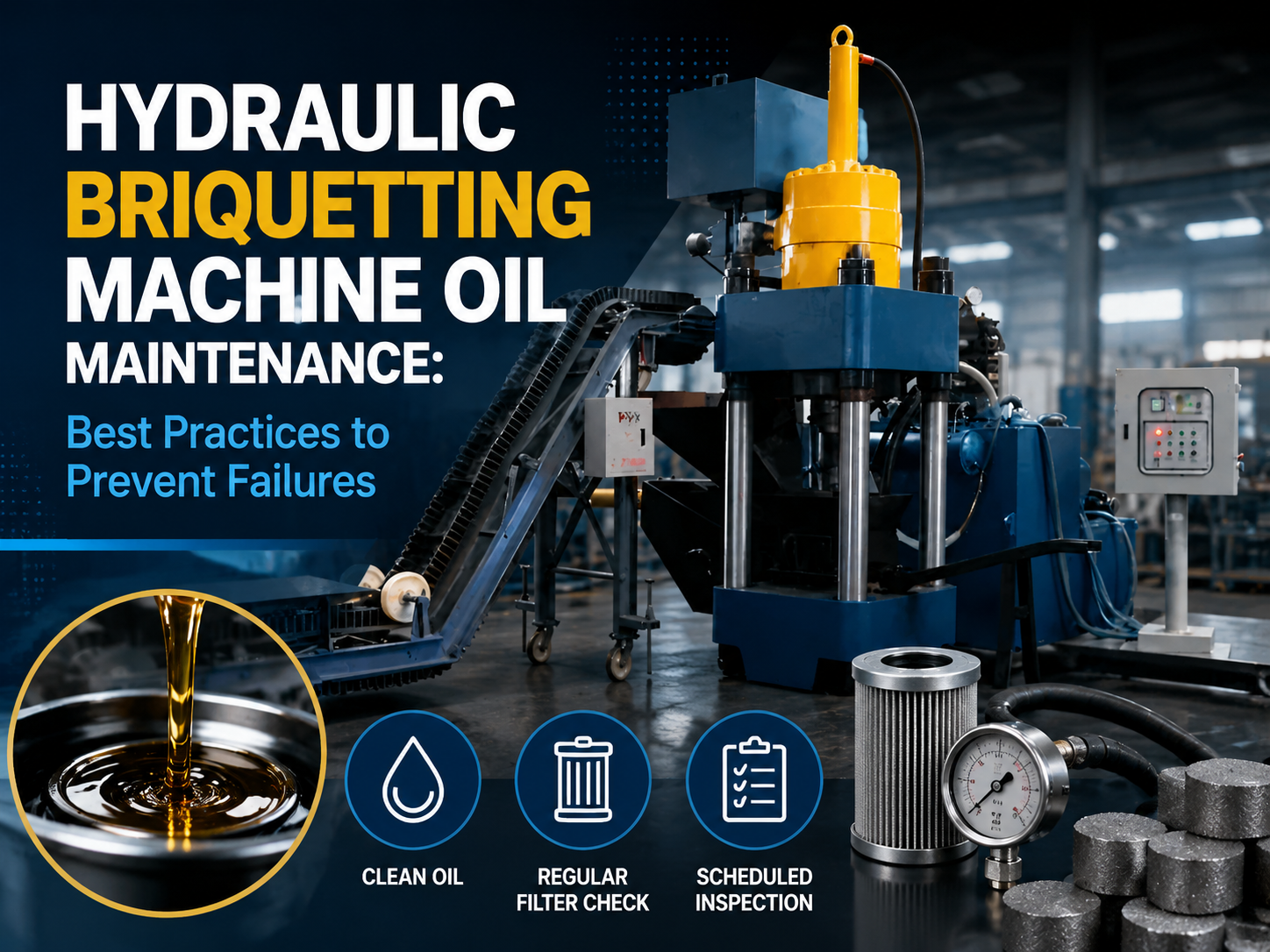
Hydraulic Briquetting Machine Oil Maintenance: Best Practices to Prevent Failures

The Critical Role of Oil Maintenance in Hydraulic Briquetting Machines
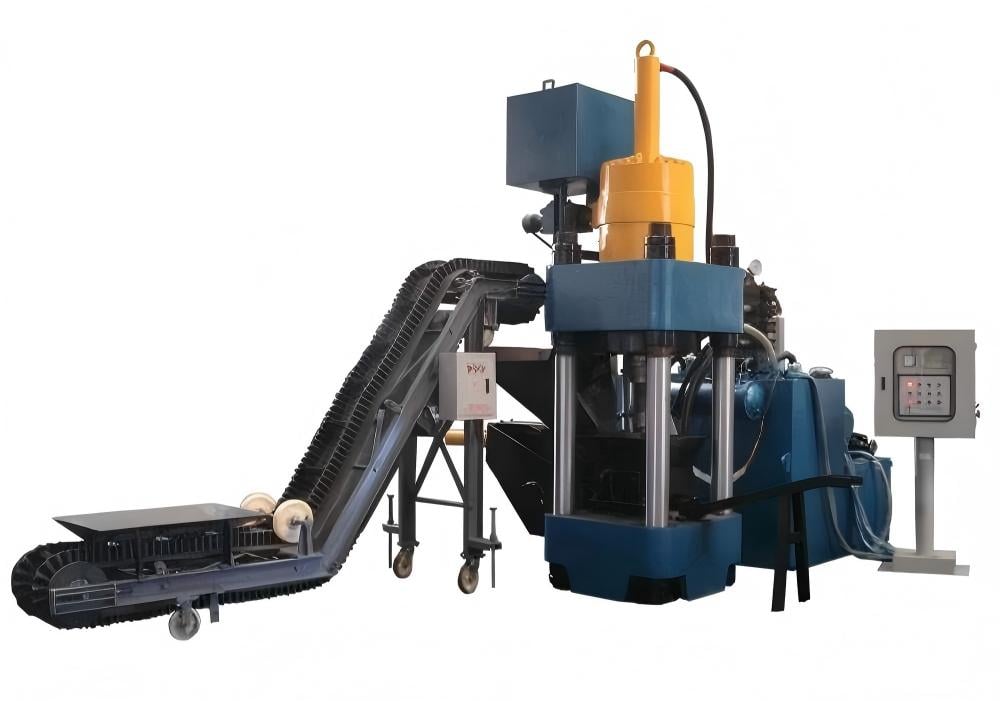
In the world of metal recycling and scrap management, the hydraulic briquetting machine stands as a cornerstone of efficiency. By compressing loose metal chips, turnings, and filings into dense, manageable briquettes, these machines significantly reduce storage volume and increase the melt-yield of the material. However, the heart of this powerful equipment is its hydraulic system, and the lifeblood of that system is hydraulic oil. Proper Hydraulic Briquetting Machine Oil Maintenance: Best Practices Prevent Failures is not merely a suggestion; it is a fundamental requirement for any facility looking to maximize ROI and minimize downtime.
HARSLE, a leader in metal fabrication machinery, understands that even the most robustly engineered briquetting press can succumb to premature wear if the hydraulic fluid is neglected. Hydraulic oil serves multiple purposes: it transmits power, lubricates moving parts, dissipates heat, and carries away microscopic contaminants to the filtration system. When the oil degrades or becomes contaminated, the entire system suffers, leading to sluggish performance, increased energy consumption, and eventually, catastrophic component failure.
Maintaining hydraulic oil involves more than just checking the level on a dipstick. It requires a holistic approach that encompasses selection, filtration, temperature management, and regular chemical analysis. In this comprehensive guide, we will explore the best practices for maintaining your hydraulic briquetting machine’s oil to ensure it operates at peak performance for years to come. By following these protocols, operators can prevent the most common causes of hydraulic failure, such as pump cavitation, valve sticking, and internal leakage.
The harsh environment of a metalworking shop—filled with abrasive dust, moisture, and fluctuating temperatures—poses a constant threat to hydraulic integrity. Without a rigorous maintenance schedule, the oil can quickly become a slurry of metallic particles and oxidized sludge. This guide serves as a roadmap for maintenance managers and machine operators to implement a world-class preventative maintenance program focused on hydraulic health.
Why Oil Maintenance is the Key to Longevity
The primary reason for hydraulic system failure is contamination. Research indicates that up to 80% of hydraulic failures are directly related to oil condition. In a briquetting machine, which operates under extreme pressures to compress materials like aluminum, steel, or cast iron, the hydraulic oil is subjected to intense shear forces. These forces can break down the molecular structure of the oil over time, reducing its viscosity and lubricating properties.
Furthermore, the process of briquetting often generates significant heat. If the oil’s temperature is not properly regulated, it can undergo thermal degradation. This leads to the formation of varnish and sludge, which can clog the fine orifices of solenoid valves and cause the machine to behave erratically. Consistent oil maintenance ensures that the fluid remains within its optimal operating parameters, protecting expensive components like high-pressure pumps and precision cylinders.
Beyond component protection, clean oil contributes to energy efficiency. A system with degraded oil often requires more power to achieve the same pressing force due to internal friction and leakage. By maintaining high-quality oil, you ensure that the machine operates with maximum volumetric efficiency, reducing your facility’s overall energy footprint and operational costs. In the long run, the cost of high-quality oil and regular testing is a fraction of the cost of replacing a main hydraulic pump or rebuilding a damaged cylinder.
Daily Inspection: The First Line of Defense
Effective maintenance begins with daily vigilance. Before the start of every shift, operators should perform a visual inspection of the hydraulic system. This “walk-around” is crucial for catching small issues before they escalate into major repairs. The first check should always be the oil level. Ensure the oil is at the correct level as indicated on the sight glass. Low oil levels can lead to air being drawn into the pump (aeration), which causes cavitation and rapid pump destruction.
Next, observe the color and clarity of the oil. Fresh hydraulic oil is typically clear with a golden hue. If the oil appears milky, it is a clear sign of water contamination. If it appears dark or smells burnt, it has likely been overheated or oxidized. Any change in the physical appearance of the oil should be investigated immediately. Additionally, check for any visible leaks around hose fittings, cylinder seals, and valve blocks. Even a small drip can lead to significant oil loss over time and creates a slip hazard in the workplace.
Temperature monitoring is another critical daily task. Most modern HARSLE briquetting machines are equipped with temperature sensors. The ideal operating temperature for hydraulic oil is generally between 40°C and 55°C (104°F to 131°F). If the oil consistently exceeds 60°C, the cooling system may be failing, or the oil may be bypassing internally. High temperatures accelerate oil aging and damage seals, leading to a vicious cycle of degradation and leakage.
Hydraulic, Electrical, and Mechanical System Checks
Hydraulic System Deep-Dive
Beyond daily checks, a deeper dive into the hydraulic system is required weekly. This involves inspecting the filtration system. Most briquetting machines utilize a return-line filter and sometimes a suction strainer. Check the filter clogging indicator; if it’s in the red zone, replace the element immediately. Never bypass a filter, as this allows contaminants to circulate freely through the sensitive components of the press.
It is also essential to inspect the hydraulic hoses for signs of wear, such as fraying, kinking, or bulging. Hoses are wear items and have a finite lifespan. In a high-vibration environment like a briquetting press, hoses can rub against the frame, leading to external abrasion. Ensure all clamps are tight and that hoses are routed correctly to prevent unnecessary stress during the machine’s cycle.
Electrical and Control Systems
The electrical system controls the timing and pressure of the hydraulic strokes. Ensure that all solenoid valve connections are secure and free from oil mist, which can cause short circuits. Check the PLC (Programmable Logic Controller) for any error codes related to pressure transducers or temperature sensors. A malfunctioning sensor can provide false readings, leading the system to operate outside of safe oil parameters.
Mechanical Integrity
The mechanical structure of the briquetting machine must be aligned to prevent side-loading on the hydraulic cylinders. Side-loading causes uneven wear on the cylinder seals and rods, which can introduce metal shavings directly into the hydraulic oil. Inspect the guide rails and the pressing ram for proper lubrication and alignment. A well-maintained mechanical system reduces the workload on the hydraulic system, thereby extending the life of the oil.
Comprehensive Lubrication Plan
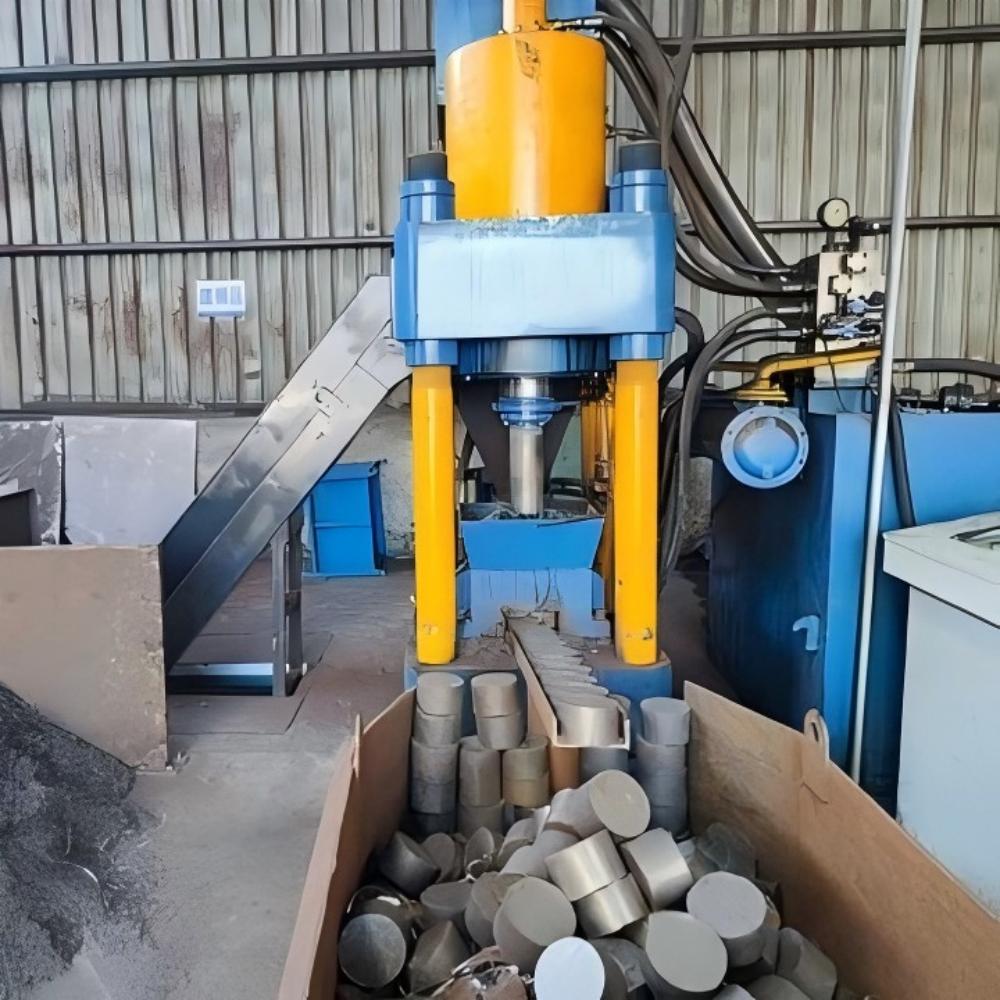
While the hydraulic oil is the primary focus, a complete Hydraulic Briquetting Machine Oil Maintenance: Best Practices Prevent Failures strategy must include the lubrication of all moving mechanical parts. This includes the pins, bushings, and sliding surfaces of the charging hopper and the briquette discharge mechanism. These areas often require high-pressure grease rather than hydraulic oil.
A centralized lubrication system, if equipped, should be checked daily to ensure the reservoir is full and the pump is functioning. If the machine requires manual greasing, follow the manufacturer’s intervals—usually every 8 to 24 hours of operation. Using the correct type of grease is vital; typically, a lithium-based EP2 grease is recommended for its water resistance and load-bearing capabilities. Proper lubrication of these external parts prevents mechanical binding, which would otherwise put additional strain on the hydraulic system.
When adding or changing hydraulic oil, always use a transfer pump with a built-in filter. Never pour oil directly from a drum into the reservoir, as “new” oil is often not clean enough for high-pressure hydraulic systems. The transfer pump ensures that any contaminants present in the drum are captured before they enter the machine’s tank. This practice alone can significantly extend the life of your hydraulic components.
Troubleshooting Signals: What Your Machine is Telling You
A hydraulic briquetting machine will often provide warning signs before a total failure occurs. Recognizing these signals is key to preventative maintenance. One of the most common signs is unusual noise. A high-pitched whining or screaming sound often indicates pump cavitation, usually caused by a clogged suction strainer or low oil levels. A banging or knocking sound may indicate air in the system or a loose mechanical component.
Slow or erratic movement of the pressing ram is another red flag. This can be caused by internal leakage in the cylinder or a malfunctioning valve, both of which are often the result of contaminated oil. If the machine requires more time to complete a cycle than it did previously, it is likely that the hydraulic efficiency is dropping. This is the time to perform an oil analysis to check for viscosity loss or high particle counts.
Excessive heat is perhaps the most dangerous signal. If the oil reservoir feels hot to the touch (above 60°C), the system is working too hard. This could be due to a failing cooler, an incorrectly set relief valve, or internal wear in the pump. Ignoring heat will lead to the rapid destruction of all rubber seals and the chemical breakdown of the oil, necessitating a full system flush and expensive repairs.
Maintenance Schedule Table
To ensure consistency, every facility should adhere to a structured maintenance schedule. Below is a recommended timeline for HARSLE hydraulic briquetting machines.
| Frequency | Task | Description |
|---|---|---|
| Daily | Oil Level Check | Ensure oil is at the mid-to-high mark on the sight glass. |
| Daily | Visual Leak Inspection | Check all hoses, fittings, and cylinders for oil weeping. |
| Daily | Temperature Monitoring | Verify oil temperature is within the 40°C – 55°C range. |
| Weekly | Filter Inspection | Check clogging indicators on return and pressure filters. |
| Weekly | Mechanical Lubrication | Grease all pivot points and guide rails manually or via auto-lube. |
| Monthly | Oil Sampling | Send a sample to a lab for particle count and chemical analysis. |
| Quarterly | Cooling System Cleaning | Clean air-cooled heat exchanger fins or check water-cooled heat exchanger for scale. |
| Annually | Full Oil Change | Drain, clean reservoir, and refill with filtered new oil (or based on lab results). |
| Annually | Accumulator Check | Verify pre-charge pressure in the hydraulic accumulator (if equipped). |
Choosing the Right Hydraulic Oil
Not all hydraulic oils are created equal. For a HARSLE briquetting machine, the choice of oil depends on the ambient environment and the intensity of the work cycle. Generally, an anti-wear (AW) hydraulic oil with an ISO viscosity grade of 46 or 68 is recommended. ISO 46 is suitable for moderate climates, while ISO 68 provides better protection in hotter environments or for machines running 24/7.
Look for oils that meet or exceed the DIN 51524 Part 2 standard. These oils contain additives that prevent oxidation, foaming, and rust, while providing the necessary film strength to protect high-pressure pumps. If your facility operates in extremely cold conditions, you may need a high-viscosity index (HVI) oil, which maintains its flow characteristics across a wider temperature range, preventing pump starvation during cold starts.
Avoid mixing different brands or types of oil. Different additive packages can react with one another, leading to the formation of precipitates or reducing the oil’s effectiveness. When switching to a new brand, it is best to perform a complete drain and flush of the system to ensure compatibility and performance.
FAQ: Frequently Asked Questions
1. How often should I change the hydraulic oil in my briquetting machine?
While a general rule is every 2,000 to 4,000 operating hours, the best practice is to base the change on oil analysis. If the oil is clean and the additive package is still active, you may extend the interval. Conversely, in dusty or high-heat environments, you may need to change it more frequently.
2. What happens if I use the wrong viscosity oil?
Using oil that is too thin (low viscosity) will result in poor lubrication and increased internal leakage, leading to heat and wear. Oil that is too thick (high viscosity) can cause sluggish movement, increased energy consumption, and pump cavitation during startup.
3. Can I just filter my old oil instead of replacing it?
Yes, “kidney loop” filtration can remove particles and some moisture, extending oil life. However, filtration cannot restore the chemical additives that prevent oxidation and wear. Eventually, the oil will need to be replaced when its chemical properties degrade.
4. Why is my hydraulic oil turning white/milky?
Milky oil is a sign of water contamination. This can happen due to condensation in the tank or a leak in a water-cooled heat exchanger. Water reduces lubricity and can cause rust and pump damage. The source of the water must be found and the oil replaced or dehydrated.
5. How do I know if my pump is cavitating?
Cavitation produces a distinct metallic “marbles in a blender” sound. It occurs when the pump cannot get enough oil, creating vacuum bubbles that implode with great force, pitting the internal metal surfaces of the pump. Check for clogged suction filters or low oil levels immediately.
Conclusion
Implementing a rigorous Hydraulic Briquetting Machine Oil Maintenance: Best Practices Prevent Failures program is the most effective way to ensure the reliability and efficiency of your metal recycling operations. By focusing on cleanliness, temperature control, and regular inspections, you protect your investment and ensure that your HARSLE machinery continues to deliver high-density briquettes day after day. Remember, the cost of prevention is always lower than the cost of repair. Treat your hydraulic oil as a critical component of the machine, and it will reward you with years of trouble-free service.