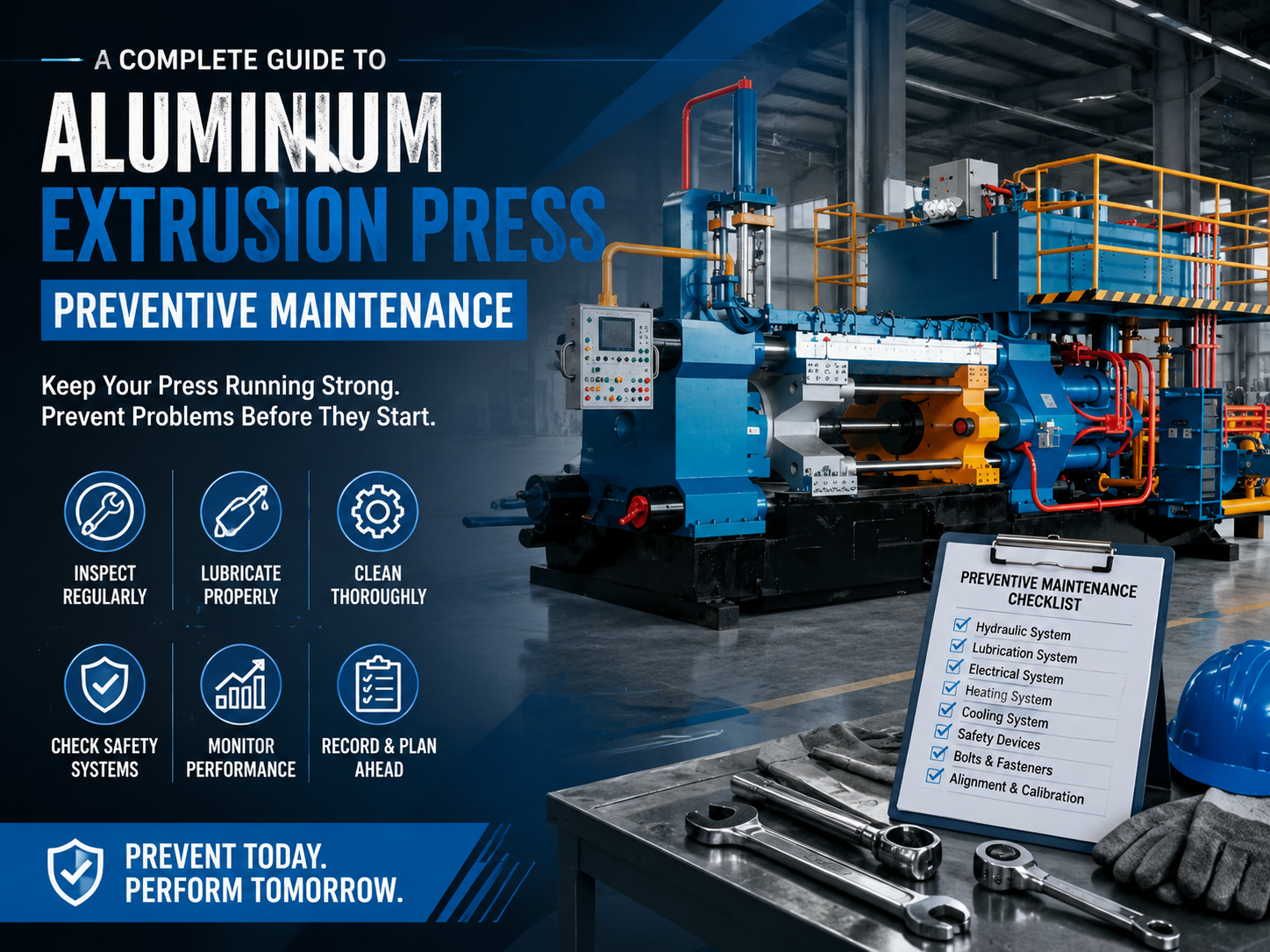
A Complete Guide to Aluminium Extrusion Press Preventive Maintenance

The Critical Role of Preventive Maintenance in Aluminium Extrusion
In the high-stakes world of metal fabrication, the aluminium extrusion press stands as a cornerstone of production. Whether you are producing architectural profiles, automotive components, or aerospace parts, the reliability of your press directly dictates your bottom line. Implementing A Complete Aluminium Extrusion Press Preventive Maintenance program is not merely a suggestion; it is a strategic necessity. Without a rigorous maintenance schedule, even the most robust HARSLE machinery can succumb to the stresses of high-pressure cycles, extreme temperatures, and continuous operation.
Preventive maintenance (PM) is the practice of performing regularly scheduled inspections and servicing to prevent unexpected equipment failure. For an aluminium extrusion press, this involves a multi-faceted approach covering hydraulic, mechanical, and electrical systems. The primary goal is to identify wear and tear before it escalates into a catastrophic breakdown. When a press goes offline unexpectedly, the costs are multifaceted: lost production time, wasted raw materials (billets), potential damage to expensive dies, and the high cost of emergency repairs.
Furthermore, a well-maintained press ensures consistent product quality. Issues such as misalignment or fluctuating hydraulic pressure can lead to dimensional inaccuracies, poor surface finishes, and structural weaknesses in the extruded profiles. By following a comprehensive guide, operators can ensure that every cycle is as precise as the first. This article serves as a definitive resource for plant managers and maintenance technicians looking to optimize their extrusion operations through disciplined care.
Finally, safety cannot be overlooked. An extrusion press operates under immense hydraulic pressure and high temperatures. Component failures, such as a ruptured high-pressure hose or a failing safety interlock, pose significant risks to personnel. A dedicated preventive maintenance plan creates a safer working environment, ensuring that all safety systems are functional and that the structural integrity of the machine remains uncompromised over years of service.
The Foundation: Daily Inspection Routines
The first line of defense in A Complete Aluminium Extrusion Press Preventive Maintenance is the daily inspection. These are the tasks performed by the operator at the start of every shift. While they may seem repetitive, these checks are vital for catching early warning signs of trouble. A daily walk-around allows the operator to become intimately familiar with the ‘normal’ state of the machine, making it easier to spot anomalies such as new leaks, unusual vibrations, or strange odors.
Operators should begin by checking the cleanliness of the machine. Aluminium dust, scale, and excess lubricant can accumulate quickly, potentially fouling sensors or creating fire hazards. Cleaning the area around the container, the die slide, and the billet loader is essential. Next, a visual inspection of all hydraulic lines and connections is required. Even a small ‘weep’ of hydraulic fluid can indicate a loose fitting or a degrading seal that could lead to a major leak under full extrusion pressure.
Monitoring temperatures and pressures during the initial warm-up cycles is another critical daily task. The operator should verify that the hydraulic oil temperature is within the optimal range (typically 40°C to 55°C) and that the container heaters are functioning correctly. Inconsistent heating can lead to ‘cold spots’ in the billet, which increases the pressure required for extrusion and puts unnecessary strain on the press stem and main cylinder.
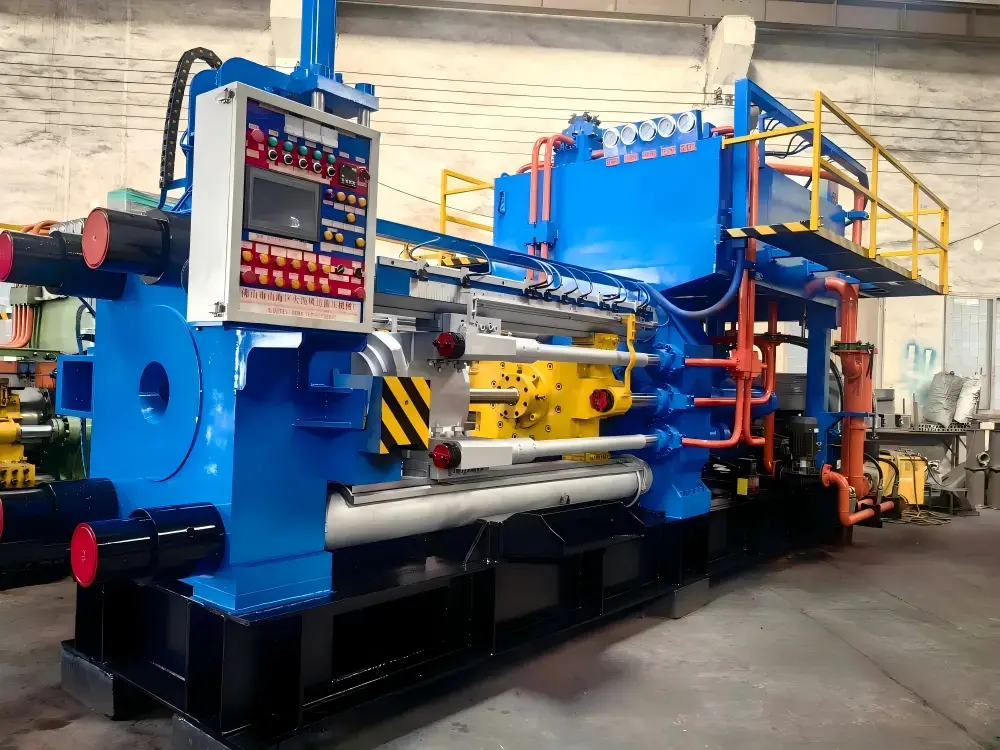
Lastly, the daily routine must include a check of the safety systems. This includes testing the emergency stop buttons, light curtains, and gate interlocks. If any safety device is bypassed or malfunctioning, the machine must be locked out immediately. Documenting these daily checks in a logbook provides a historical record that can be invaluable for identifying long-term trends in machine performance.
Hydraulic System Integrity and Oil Management
The hydraulic system is the heart of the aluminium extrusion press. It provides the massive force required to push a solid aluminium billet through a die. Consequently, hydraulic maintenance is the most critical aspect of A Complete Aluminium Extrusion Press Preventive Maintenance. The primary enemy of any hydraulic system is contamination. Microscopic particles of metal, dust, or moisture can cause abrasive wear on pump pistons, score valve spools, and degrade seal performance.
Regular oil analysis is the gold standard for hydraulic maintenance. At least once every quarter, a sample of the hydraulic fluid should be sent to a laboratory for testing. This analysis reveals the presence of contaminants, the level of oxidation, and the remaining additive package. If the oil shows signs of ‘varnishing,’ it can lead to sticky valves and erratic ram movement. Replacing filters according to the manufacturer’s schedule—or sooner if the differential pressure indicators suggest—is non-negotiable.
Beyond oil quality, the physical components of the hydraulic circuit require attention. The main pumps should be monitored for noise and vibration; an increase in either often precedes a pump failure. Accumulators, which store energy for rapid movements, must have their nitrogen pre-charge levels checked regularly. If the pre-charge is too low, the press may experience sluggish cycle times or ‘water hammer’ effects that can damage piping and joints.
Heat exchangers also play a vital role. If the cooling system is fouled with scale or debris, the hydraulic oil will overheat, leading to a rapid breakdown of the fluid’s viscosity. This results in poor lubrication and increased internal leakage within the pumps and valves. Cleaning the heat exchanger and ensuring adequate water flow (or airflow for air-cooled systems) is a key preventive step that prevents expensive component replacements.
Electrical Systems and Control Calibration
Modern aluminium extrusion presses rely on sophisticated PLC (Programmable Logic Controller) systems and HMI (Human Machine Interface) panels to manage the complex sequence of operations. Electrical maintenance focuses on ensuring signal integrity and preventing component failure due to environmental factors. Dust, heat, and vibration are the primary threats to the electrical cabinet.
Monthly inspections of the electrical cabinet should include checking for loose wiring connections. Vibration from the press can cause terminal screws to back out over time, leading to intermittent faults or even electrical fires due to arcing. Using an infrared thermography camera to scan the cabinet while the press is under load can quickly identify ‘hot spots’—components or wires that are overheating due to poor contact or internal failure.
Sensors and limit switches are the ‘eyes’ of the press. In the harsh environment of an extrusion plant, these components can become misaligned or coated in grime. Regular cleaning and calibration of pressure transducers, linear transducers (which track ram position), and thermocouples are essential for maintaining the precision of the extrusion process. If a transducer provides inaccurate data, the PLC may apply too much pressure or stop the stroke prematurely, leading to scrap or machine damage.
Software and backups are often overlooked in maintenance plans. It is vital to keep a current backup of the PLC program and HMI configurations. In the event of a lightning strike or a major electrical surge that wipes a controller’s memory, having a backup can mean the difference between a few hours of downtime and weeks of waiting for a manufacturer’s technician to arrive and reprogram the system from scratch.
Mechanical Alignment and Wear Components
The mechanical structure of an extrusion press must withstand millions of pounds of force while maintaining precise alignment. The ‘centerline’ of the press—the alignment between the main ram, the stem, the container, and the die—is critical. If these components are out of alignment, the stem will apply uneven pressure to the billet, leading to ‘banana’ shaped extrusions, excessive wear on the container liner, and potential breakage of the extrusion stem.
Checking the alignment should be performed at least twice a year or after any major component replacement. This often involves using laser alignment tools to ensure that the container moves perfectly parallel to the press axis. Additionally, the tie rods, which hold the press together under tension, must be inspected for cracks and checked for even tension. Uneven tension in the tie rods can cause the press frame to twist, leading to catastrophic structural failure over time.
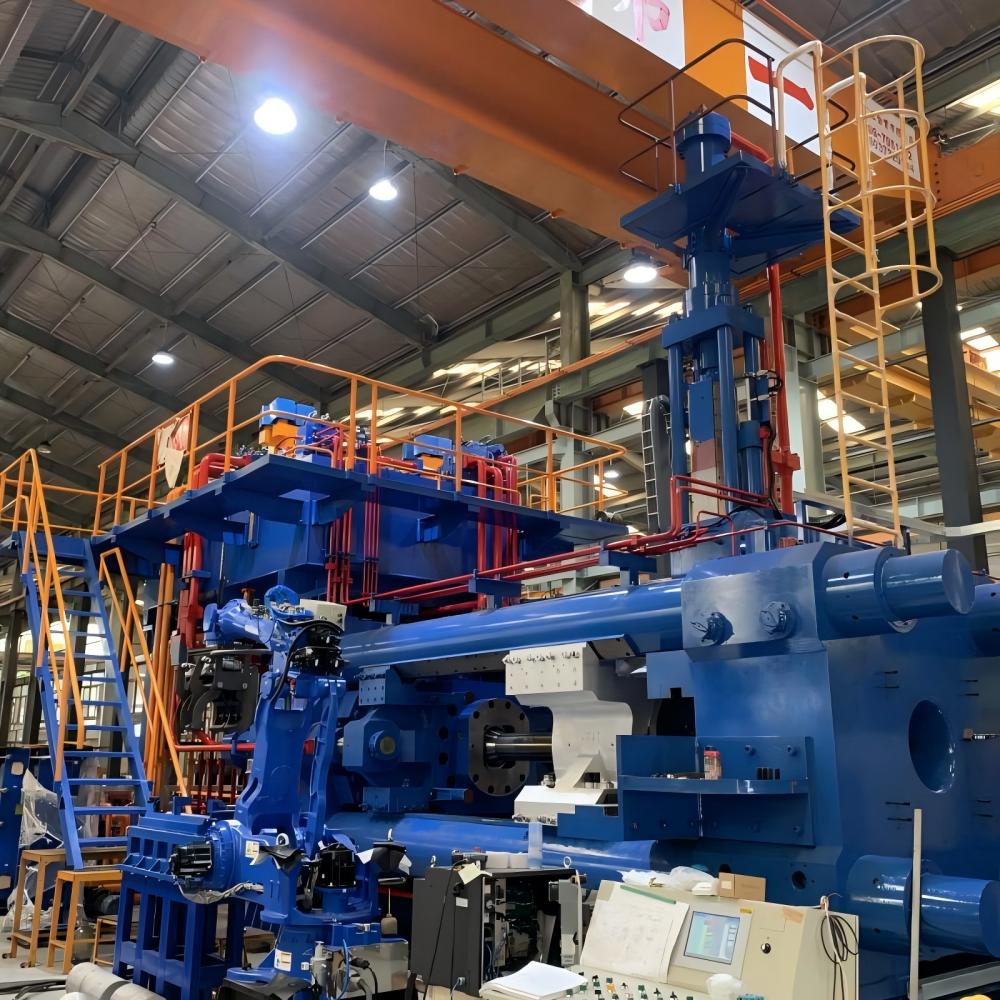
Wear components, such as the container liner, the pressure plates, and the wear strips on the moving crosshead, require regular measurement. These parts are designed to be sacrificial, protecting the more expensive structural elements of the press. By tracking the wear rate of the container liner, maintenance teams can predict when it will need to be replaced or relined, allowing for scheduled downtime rather than an emergency stoppage during a peak production run.
The shear blade and the billet loader mechanism also require mechanical attention. The shear must be sharp and properly gapped to ensure a clean cut of the ‘butt’ end of the extrusion. A dull shear can pull the profile out of the die or leave debris that contaminates the next billet. Lubricating the pivot points and checking the hydraulic cylinders that power these auxiliary movements ensures the entire cycle remains fluid and efficient.
Comprehensive Lubrication Plan
Lubrication is the simplest yet most frequently botched aspect of industrial maintenance. For an aluminium extrusion press, a lubrication plan must specify the type of lubricant, the location of the grease points, and the frequency of application. Using the wrong grease can be as damaging as using no grease at all, as incompatible thickeners can react and harden, blocking the lubrication lines entirely.
Key areas requiring regular lubrication include the main ram (which often uses a specific oil film), the container slide ways, the die slide tracks, and the various pivot pins on the loader and shear. Many modern HARSLE presses are equipped with automated lubrication systems. While these systems reduce the manual labor involved, they also require maintenance. The reservoir must be kept full, and the distribution blocks must be checked to ensure that grease is actually reaching every point.
In addition to the machine’s moving parts, the extrusion process itself requires lubrication. The face of the die and the dummy block often require a release agent (like boron nitride or graphite) to prevent the hot aluminium from sticking. While this is an operational task, the maintenance team should ensure that the application systems—whether manual sprays or automated applicators—are functioning correctly to prevent ‘pick-up’ on the profiles and damage to the tooling.
Troubleshooting Signals: Listening to the Machine
Even with a perfect PM plan, components will eventually wear out. The key to A Complete Aluminium Extrusion Press Preventive Maintenance is the ability to recognize ‘troubleshooting signals’ before they lead to failure. These signals are often subtle changes in the machine’s behavior. For example, an increase in the ‘cycle time’—the time it takes to load a billet, extrude, and reset—often indicates internal leakage in the hydraulic pumps or valves.
Vibration is another major indicator. A new vibration in the main motor or pump assembly could suggest bearing wear or misalignment. Similarly, if the press starts making a high-pitched ‘whining’ sound, it may be a sign of pump cavitation, which will quickly destroy the pump’s internal components if not addressed. Operators should be trained to report these changes immediately rather than ‘working around’ them.
Pressure drops are also telling. If the press struggles to reach its maximum tonnage, or if the pressure fluctuates wildly during the extrusion stroke, there may be an issue with the main relief valve or the piston seals in the main cylinder. Monitoring the ‘dead cycle’ time—the time when the press is moving but not extruding—can reveal issues with the auxiliary pumps or the logic of the hydraulic valves. By treating these signals as early warnings, maintenance teams can move from ‘reactive’ to ‘proactive’ care.
Maintenance Schedule Table
To implement A Complete Aluminium Extrusion Press Preventive Maintenance effectively, use the following table as a baseline for your facility. Adjust frequencies based on your specific shift patterns and environmental conditions.
| Frequency | System | Task Description |
|---|---|---|
| Daily | General | Clean machine area, check for leaks, verify safety E-stops. |
| Daily | Hydraulic | Check oil level, monitor oil temperature and system pressure. |
| Weekly | Mechanical | Inspect shear blade condition, lubricate manual grease points. |
| Weekly | Electrical | Check HMI for active alarms, inspect sensor cables for damage. |
| Monthly | Hydraulic | Inspect all hoses for abrasion, check accumulator nitrogen charge. |
| Monthly | Electrical | Clean electrical cabinet filters, check for loose terminal connections. |
| Quarterly | Hydraulic | Perform laboratory oil analysis, replace return-line filters. |
| Quarterly | Mechanical | Measure wear on container liners and crosshead wear strips. |
| Bi-Annually | Mechanical | Perform full laser alignment check of the press centerline. |
| Annually | General | Calibrate all pressure and temperature sensors, perform tie-rod NDT. |
Frequently Asked Questions (FAQ)
How often should I change the hydraulic oil in my extrusion press?
There is no fixed timeframe for oil changes. Instead, rely on quarterly oil analysis. If the analysis shows that the oil’s viscosity, additive levels, and cleanliness are within specification, the oil can continue to be used. However, filters should be changed regularly regardless of oil condition to prevent contaminant buildup.
What causes the extrusion stem to break?
Stem breakage is usually caused by misalignment between the stem and the container or by ‘cold’ billets that require excessive pressure. Regular alignment checks and ensuring the billet heating system is accurate are the best ways to prevent this expensive failure.
Why is my press losing tonnage during the stroke?
Loss of tonnage is typically a hydraulic issue. It could be caused by a failing main pump, a leaking main cylinder seal, or a malfunctioning pressure relief valve. Check for internal heat generation in the hydraulic circuit, which often points to the location of an internal leak.
Can I use any grease for the automatic lubrication system?
No. You must use a grease that is compatible with the existing lubricant and suitable for high-temperature environments. Consult your HARSLE manual for the specific NLGI grade and thickener type required for your machine’s auto-lube system.
How do I know if my tie rods are failing?
Tie rod failure often starts with microscopic stress cracks. The best way to detect these is through Non-Destructive Testing (NDT), such as ultrasonic testing, performed annually. Also, monitor for any signs of the nuts loosening or the press frame ‘gaping’ under load.
What is the most common cause of downtime?
Statistically, hydraulic leaks and electrical sensor failures are the most common causes of minor downtime. However, mechanical misalignment and pump failures cause the longest and most expensive periods of downtime. A balanced PM program addresses all three areas.