Comprehensive Safety Inspection Guide for Aluminium Extrusion Press Maintenance


The Critical Importance of Aluminium Extrusion Press Maintenance
In the high-stakes world of metal fabrication, the aluminium extrusion press stands as a cornerstone of production. These massive machines exert thousands of tons of pressure to transform raw aluminium billets into intricate profiles used in everything from aerospace components to window frames. However, the sheer power and complexity of these machines necessitate a rigorous approach to safety and maintenance. Implementing a comprehensive Safety Inspection Aluminium Extrusion Press Maintenance routine is not merely a recommendation; it is a fundamental requirement for operational longevity and worker safety.
Neglecting maintenance on an extrusion press can lead to catastrophic failures. Given the high pressures involved—often exceeding 200 bars in the hydraulic systems—a minor leak or a hairline crack in a component can quickly escalate into a high-velocity fluid injection hazard or a structural collapse. Beyond the immediate physical dangers, unplanned downtime in an extrusion line can cost facilities thousands of dollars per hour in lost productivity and wasted energy. Therefore, a proactive maintenance strategy is the most cost-effective way to manage a HARSLE extrusion press or any industrial metal fabrication equipment.
Furthermore, consistent maintenance ensures the quality of the final product. An extrusion press that is out of alignment or suffering from inconsistent hydraulic pressure will produce profiles with dimensional inaccuracies, surface defects, or poor structural integrity. By adhering to a strict safety inspection guide, manufacturers can guarantee that their output meets the stringent tolerances required by modern engineering standards. This guide serves as a roadmap for technicians to identify, mitigate, and prevent potential issues before they manifest as accidents or defects.
Finally, the evolution of industrial safety regulations, such as OSHA in the United States or CE standards in Europe, places a heavy burden of responsibility on the employer to maintain equipment in safe working order. A documented maintenance log, resulting from regular safety inspections, provides a legal and operational paper trail that proves a company’s commitment to safety. This documentation is invaluable during audits, insurance assessments, and internal reviews, reinforcing a culture of safety within the fabrication shop.
Daily Inspection Protocols: The First Line of Defense
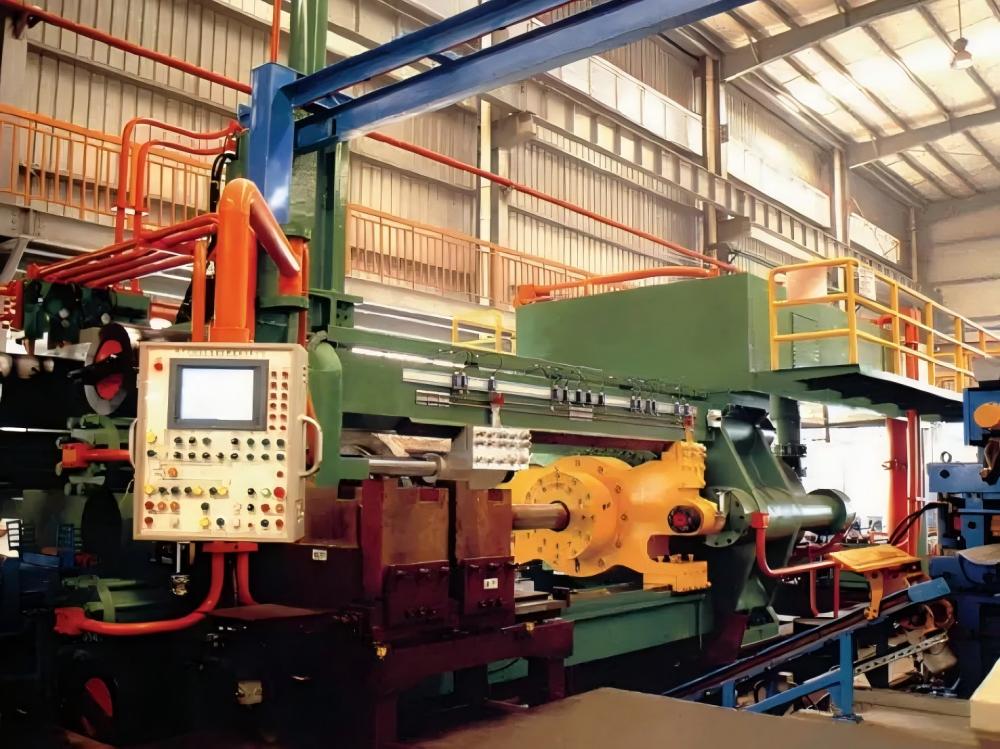
The daily inspection is the most frequent and arguably the most important part of any Safety Inspection Aluminium Extrusion Press Maintenance program. This routine should be performed at the start of every shift by the operator or a designated maintenance technician. The goal is to identify obvious signs of wear, leaks, or malfunctions that occurred during the previous shift or while the machine was idle. A thorough walk-around of the machine is the first step, looking for any unusual debris, oil spots on the floor, or loose components.
Operators must check the hydraulic fluid levels and the temperature of the oil. If the oil level is low, it indicates a leak that must be located immediately. If the temperature is too high, it suggests a failure in the cooling system or excessive friction within the pumps. Additionally, the condition of the billet heater and the delivery system should be inspected. Any misalignment in the billet loader can lead to improper seating in the container, causing “flash” or damaging the dummy block and container liner during the extrusion stroke.
Visual checks of the tie rods and the main cylinder are also essential. Technicians should look for any signs of weeping around the main ram seals. While a slight film of oil is often necessary for lubrication, any dripping or pooling is a sign that the seals are reaching the end of their service life. The operator should also verify that all safety light curtains, emergency stop buttons, and interlock switches are functioning correctly. A single faulty E-stop can turn a minor mechanical glitch into a life-threatening emergency.
Lastly, the daily routine should include a check of the extrusion die and the die slide mechanism. Ensure that the die is properly pre-heated and that the locking mechanism is secure. Any movement in the die during the extrusion process can result in profile distortion and potential damage to the press platen. By catching these small issues daily, the facility prevents the “snowball effect” where minor wear leads to major component failure.
Hydraulic System Checks: Managing High-Pressure Energy
The hydraulic system is the heart of the aluminium extrusion press, providing the force necessary to push metal through the die. Because it operates under extreme pressure, it requires specialized attention during maintenance. The first priority is oil cleanliness. Contaminated oil is the leading cause of hydraulic component failure. Maintenance teams should regularly sample the oil for particulate matter, water content, and chemical breakdown. Using high-quality filtration systems and replacing filters according to the manufacturer’s schedule is non-negotiable.
Pumps and valves must be monitored for noise and vibration. A whining sound from the main pump often indicates cavitation, which can destroy the pump’s internal components in a matter of hours. Cavitation is usually caused by a restricted suction line or air entering the system. During the Safety Inspection Aluminium Extrusion Press Maintenance, technicians should use ultrasonic leak detectors or infrared cameras to spot internal valve leakage that might not be visible to the naked eye but manifests as localized heat buildup.
Hoses and piping require meticulous inspection. Over time, the constant pressure cycles cause hydraulic hoses to fatigue. Look for signs of bulging, cracking, or abrasion against the machine frame. Any hose that shows the wire reinforcement layer must be replaced immediately. It is also vital to check the integrity of the pipe supports. Excessive vibration in the hydraulic lines can lead to fatigue cracks in the steel piping, resulting in high-pressure leaks that are extremely dangerous to personnel.
Accumulators, which store hydraulic energy, also require periodic safety checks. The nitrogen pre-charge pressure must be verified to ensure the system responds correctly to peak load demands. If the pre-charge is too low, the pumps will work harder, leading to overheating and premature wear. Maintenance personnel must follow strict lockout/tagout (LOTO) procedures when servicing the hydraulic system to ensure that all stored pressure is safely bled off before any fittings are loosened.
Electrical and Control System Audits
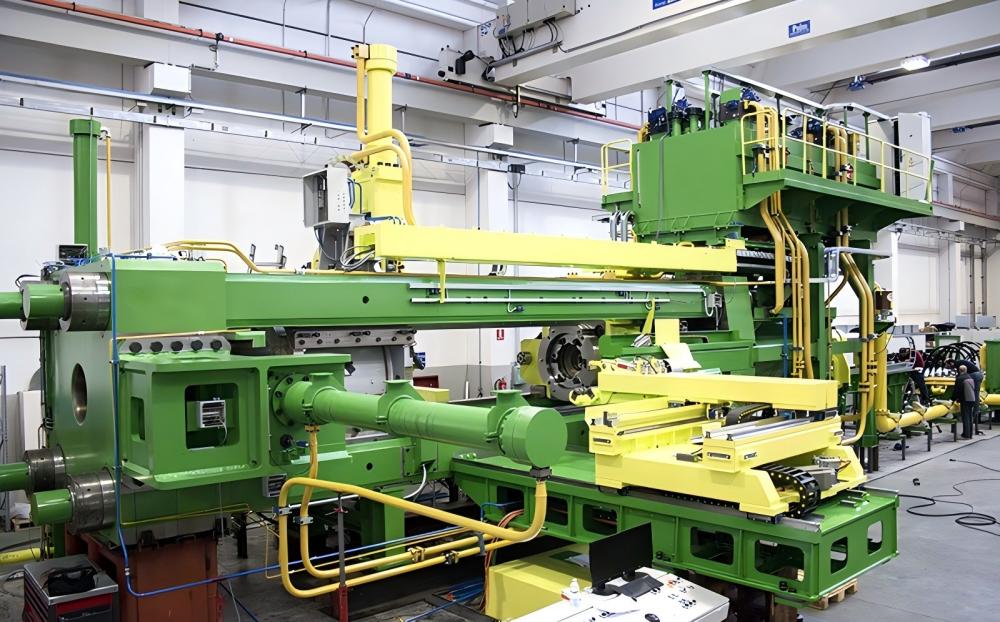
Modern aluminium extrusion presses rely heavily on sophisticated PLC (Programmable Logic Controller) systems and sensors to manage the complex sequence of movements. An electrical failure can cause the press to behave erratically, posing a significant safety risk. During a safety inspection, the control cabinet should be opened and inspected for dust accumulation, which can cause overheating and short circuits. Using compressed air or a vacuum to clean the cabinet is a simple but effective preventative measure.
Wiring and terminals should be checked for tightness. Thermal cycling and machine vibration can loosen screw terminals over time, leading to intermittent signals or electrical fires. Technicians should look for signs of charred insulation or discolored wires, which indicate overheating. It is also important to verify that all grounding wires are securely connected to prevent electrical shocks and to ensure the stability of sensitive electronic signals.
Sensors, including limit switches, pressure transducers, and linear encoders, must be calibrated and tested. If a linear encoder provides inaccurate data regarding the position of the ram, the PLC might not slow the ram down at the end of the stroke, leading to a violent mechanical impact. Similarly, pressure transducers must be accurate to ensure the press does not exceed its rated tonnage. Testing these components involves simulating various operating conditions and verifying that the control system responds according to the safety logic programmed into the software.
Software backups are another critical, though often overlooked, part of electrical maintenance. In the event of a PLC failure or a power surge that wipes the memory, having an up-to-date backup of the machine’s parameters and logic can save days of downtime. Furthermore, the human-machine interface (HMI) should be checked for clarity and responsiveness. Any “ghost touches” or unresponsive buttons on the touch screen should be addressed to ensure the operator always has full control over the machine’s functions.
Mechanical Component Integrity and Alignment
The mechanical structure of an extrusion press must withstand immense stresses. The tie rods, which hold the front and rear platens together, are under constant tension. During a Safety Inspection Aluminium Extrusion Press Maintenance, the tension in these rods should be checked using ultrasonic stretching measurements or hydraulic tensioning tools. Uneven tension among the four tie rods can cause the platens to tilt, leading to premature wear on the ram guides and potential cracking of the main cylinder.
The container and the stem (ram) must be perfectly aligned. Misalignment causes the stem to rub against the container liner, generating excessive heat and causing the metal to “gall” or weld itself to the tools. This not only ruins the tools but can also cause the stem to snap under pressure. Maintenance teams should use laser alignment tools to ensure that the centerlines of the main cylinder, the container, and the die are all perfectly coaxial. Any deviation must be corrected by adjusting the wear plates or the container housing supports.
Wear plates and bronze bushings are sacrificial components designed to protect the main castings of the press. These should be inspected for thickness and surface condition. If the wear plates become too thin, the moving parts of the press will begin to vibrate, leading to poor surface finish on the extruded profiles. Replacing these plates before they are completely worn out is a key part of preventative maintenance. Additionally, the die slide and shear mechanism should be checked for smooth operation. The shear blade must be sharp and properly gapped to ensure a clean cut of the “butt” end of the billet.
Finally, the foundation and mounting bolts of the press should be inspected. The massive forces involved in extrusion can actually cause the press to shift or the foundation bolts to stretch. Any movement in the base of the machine will throw off the alignment of the entire extrusion line, including the run-out table and the cooling system. Ensuring the press is securely anchored to a stable, level foundation is essential for long-term mechanical health.
Lubrication Plan: Reducing Friction and Wear
Effective lubrication is the simplest way to extend the life of an aluminium extrusion press. However, because these machines operate in high-temperature environments, standard lubricants are often insufficient. A specialized lubrication plan must be developed, specifying the type of grease or oil for each component and the frequency of application. For example, the container guides and the die slide require high-temperature, molybdenum-disulfide based greases that won’t break down or carbonize under the heat of the billet.
Automatic lubrication systems are common on modern HARSLE presses, but they are not “set and forget” systems. The lubrication lines can become clogged with hardened grease or damaged by flying debris. During the safety inspection, technicians must verify that grease is actually reaching the lubrication points. This is often done by observing a small amount of fresh grease being purged from the bearings or slides. If a point appears dry, the line must be cleared immediately to prevent catastrophic bearing failure.
The main ram and the container shifting cylinders also require lubrication, typically provided by the hydraulic oil itself or a dedicated oiler. The condition of the wipers on these cylinders is crucial; they must prevent dust and aluminium scale from entering the seal area. If the wipers are damaged, abrasive particles will quickly score the highly polished surface of the ram, leading to permanent leaks and expensive repairs.
Consistency is key in any lubrication program. Over-lubrication can be just as harmful as under-lubrication, as excess grease can trap abrasive dust and create a grinding paste that accelerates wear. It can also create a fire hazard if excess grease drips onto hot billets or the die heater. A well-documented lubrication schedule, integrated into the overall Safety Inspection Aluminium Extrusion Press Maintenance plan, ensures that every pivot point, slide, and bearing receives the exact amount of lubricant it needs at the right time.
Troubleshooting Signals: Identifying Early Warnings
Experienced operators and maintenance technicians develop an “ear” for the machine. Unusual sounds are often the first sign of an impending failure. A high-pitched squeal might indicate a bearing running dry, while a deep thumping sound could suggest a loose mounting bolt or a crack in a structural component. During the Safety Inspection Aluminium Extrusion Press Maintenance, any deviation from the normal operating sound profile should be investigated immediately. Vibration analysis tools can be used to pinpoint the source of the noise before it leads to a breakdown.
Heat is another major indicator of trouble. Using an infrared thermometer, technicians can scan hydraulic pumps, motors, and electrical connections. A “hot spot” on a motor housing might indicate an internal winding fault or an overloaded condition. Similarly, a hot hydraulic valve suggests internal leakage, where high-pressure oil is being forced through a small gap, generating heat through friction. Monitoring the temperature of the cooling water return line also provides insight into the efficiency of the heat exchangers.
Changes in cycle time or pressure readings are also critical troubleshooting signals. If the press takes longer than usual to complete a cycle, it could indicate a declining pump, a leaking cylinder seal, or a restriction in the hydraulic filters. If the pressure required to extrude a standard profile suddenly increases, it might suggest that the container heaters are failing, causing the billet to be too cold and harder to push. Keeping a log of these operational parameters allows maintenance teams to spot trends and perform “predictive” maintenance.
Finally, the quality of the extruded profile itself is a diagnostic tool. “Pick-up” on the surface of the aluminium often indicates a problem with the die or the container temperature. Dimensional variations can point to platen misalignment or worn guides. By correlating product defects with machine performance, the maintenance team can focus their inspection efforts on the most likely culprits, reducing the time required for troubleshooting and repair.
Comprehensive Maintenance Schedule Table
To ensure no part of the Safety Inspection Aluminium Extrusion Press Maintenance is overlooked, a structured schedule is essential. Below is a recommended maintenance frequency for key components.
| Frequency | Component / System | Action Required |
|---|---|---|
| Daily | Safety Systems | Test E-stops, light curtains, and interlocks. |
| Daily | Hydraulic Levels | Check oil level and temperature; inspect for leaks. |
| Daily | Billet Loader | Check alignment and lubrication of the loader arm. |
| Weekly | Hydraulic Filters | Inspect pressure gauges on filters; replace if necessary. |
| Weekly | Tie Rods | Visual inspection for cracks or loose nuts. |
| Monthly | Electrical Cabinet | Clean dust, check for loose terminals and hot spots. |
| Monthly | Alignment | Check stem-to-container alignment using a gauge. |
| Quarterly | Oil Analysis | Send oil sample to lab for particulate and chemical testing. |
| Quarterly | Wear Plates | Measure thickness and check for scoring. |
| Yearly | Main Cylinder | Full seal inspection and pressure testing. |
| Yearly | Foundation | Check and torque all anchor bolts. |
Frequently Asked Questions (FAQ)
1. How often should hydraulic oil be changed in an extrusion press?
Hydraulic oil does not necessarily need to be changed on a fixed calendar basis. Instead, it should be changed based on the results of quarterly oil analysis. If the oil remains clean, dry, and chemically stable through high-quality filtration, it can last for several years. However, if the analysis shows high oxidation or metal particulate levels, it must be replaced immediately to protect the pumps and valves.
2. What is the most common cause of tie rod failure?
The most common cause of tie rod failure is uneven tensioning. If one rod is tighter than the others, it carries a disproportionate share of the load, leading to fatigue and eventual snapping. Regular ultrasonic testing of the rod stretch is the best way to ensure even loading and prevent this catastrophic failure.
3. Can I use standard grease for the container guides?
No. Standard grease will melt and run out of the guides due to the high temperatures (often above 400°C) near the container. You must use a specialized high-temperature lubricant, typically containing graphite or molybdenum, which maintains its lubricating properties and stays in place even under extreme heat.
4. Why is my extrusion press vibrating excessively during the stroke?
Excessive vibration is usually caused by either air in the hydraulic system (cavitation) or mechanical misalignment. Check the hydraulic suction lines for leaks and verify the alignment of the stem and container. Worn wear plates on the moving crosshead can also allow for lateral movement that manifests as vibration.
5. How do I know if my PLC needs a software update?
Software updates for the PLC are typically issued by the manufacturer (like HARSLE) to improve safety logic, optimize cycle times, or fix known bugs. You should consult with the manufacturer’s technical support team annually to see if any critical updates are recommended for your specific machine model and serial number.