
Essential Daily Checks for Aluminium Extrusion Press Operation: A Comprehensive Guide

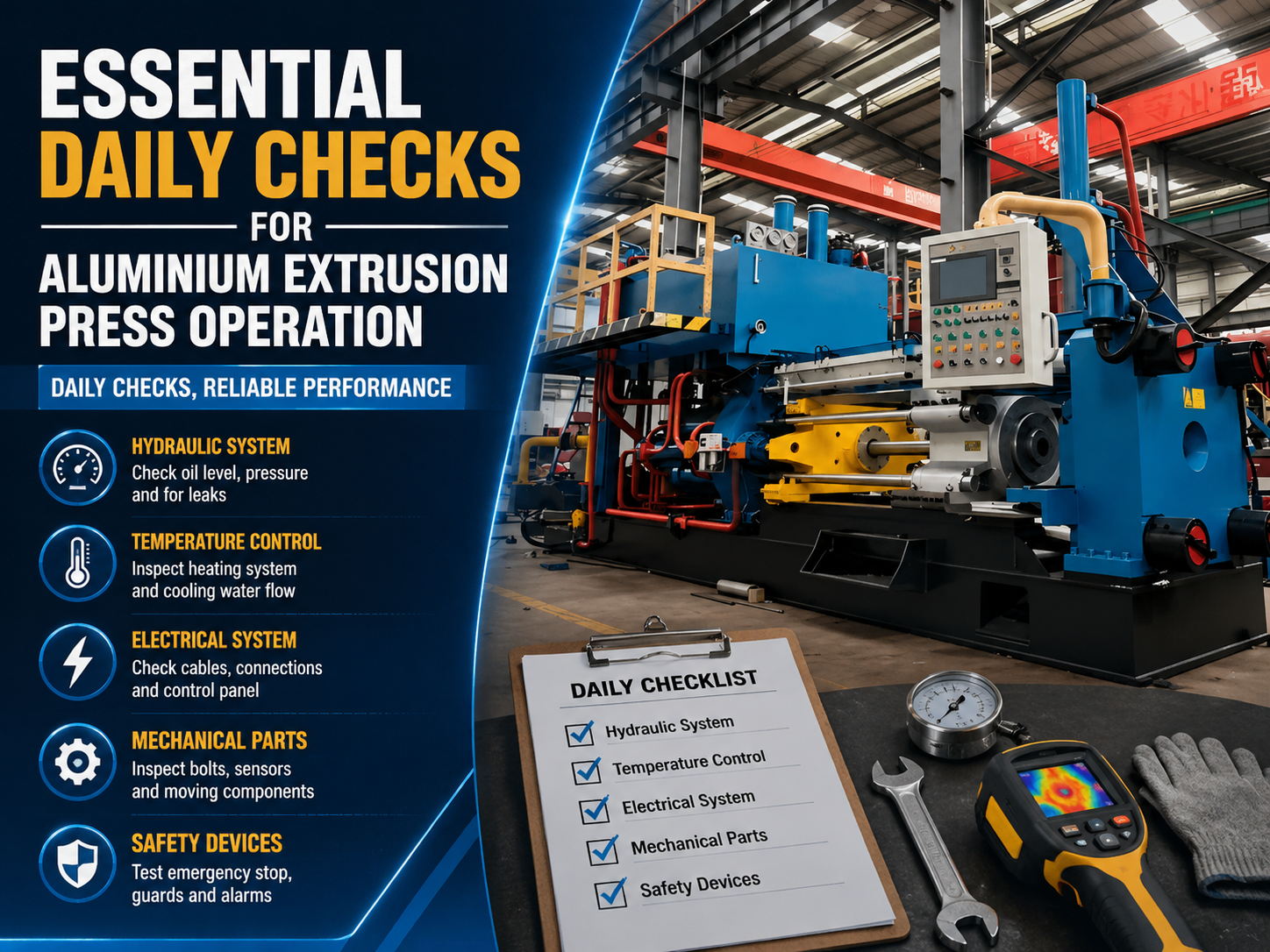
The Importance of Maintenance in Aluminium Extrusion
In the high-stakes world of metal fabrication, the aluminium extrusion press stands as a cornerstone of production. These massive machines, capable of exerting thousands of tons of pressure, transform raw aluminium billets into intricate profiles used in everything from aerospace components to window frames. However, the sheer force and heat involved in the process mean that wear and tear are inevitable. This is why understanding the essential daily checks for aluminium extrusion press operation is not just a recommendation—it is a necessity for any facility aiming for peak efficiency and safety.
HARSLE, a leader in industrial machinery, recognizes that the longevity of an extrusion press is directly proportional to the quality of its daily upkeep. Neglecting these checks can lead to catastrophic failures, expensive downtime, and safety hazards for operators. By implementing a rigorous daily inspection routine, manufacturers can identify minor issues before they escalate into major repairs. This proactive approach ensures that the machine operates within its designed parameters, maintaining the tight tolerances required for high-quality aluminium profiles.
Beyond mechanical longevity, consistent maintenance impacts the bottom line. An extrusion press that is well-maintained operates more efficiently, consuming less energy and producing fewer scrap pieces. In an industry where margins can be thin, the cost-saving benefits of a 15-minute daily check-up are immense. Furthermore, a documented maintenance history increases the resale value of the equipment and ensures compliance with international safety standards.
Finally, the psychological impact on the workforce cannot be overlooked. Operators who work with well-maintained equipment feel safer and more confident. When a machine is clean, lubricated, and functioning correctly, it fosters a culture of excellence and precision. This guide will detail the specific steps required to keep your HARSLE aluminium extrusion press in top-tier condition, focusing on hydraulic, electrical, and mechanical systems.
Daily Inspection: The Pre-Start Routine
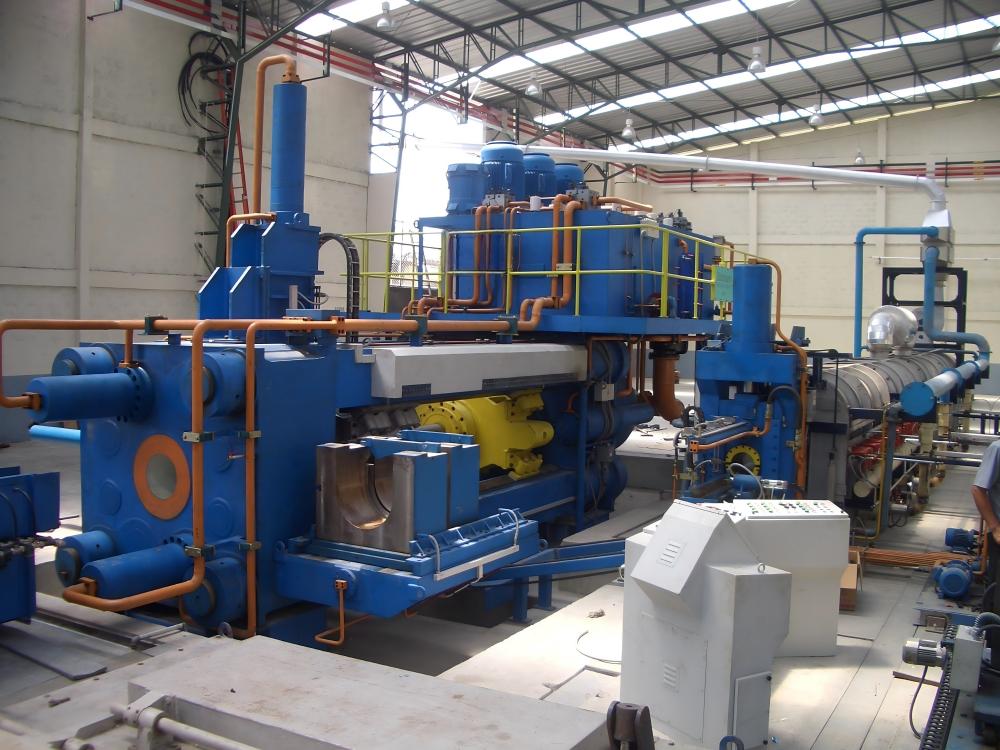
Before the first billet is loaded and the main pumps are engaged, a comprehensive visual inspection must be conducted. This “walk-around” allows the operator to assess the general state of the machine and its surroundings. The first step in the essential daily checks for aluminium extrusion press operation is ensuring the work area is clean and free of obstructions. Debris, old extrusion butts, or spilled oil can pose tripping hazards and interfere with the machine’s moving parts.
Operators should begin by checking the billet heater and the log shear area. Ensure that the billets are properly aligned and that the shear blade is sharp and free of cracks. Any buildup of aluminium oxide or lubricant on the loading mechanism should be cleared. Moving to the press itself, inspect the container and the die slide. These areas are subject to extreme heat and pressure; look for signs of thermal fatigue or misalignment that might have occurred during the previous shift.
Another critical aspect of the pre-start routine is checking the safety systems. This includes verifying that all emergency stop buttons are functional and that light curtains or safety gates are properly aligned. If a safety sensor is bypassed or malfunctioning, the press must not be operated. Safety is the foundation of industrial productivity, and these checks ensure that the operator is protected throughout the production cycle.
Lastly, check the cooling systems. Aluminium extrusion generates significant heat, and the press relies on water or air cooling to maintain the integrity of the hydraulic oil and the mechanical components. Ensure that cooling towers are operational and that there are no visible leaks in the hoses or heat exchangers. A quick check of the gauges will confirm if the system is ready to handle the thermal load of a full production day.
Hydraulic System Checks: The Lifeblood of the Press
The hydraulic system is the heart of the aluminium extrusion press, providing the force necessary to push metal through a die. Consequently, hydraulic maintenance is a primary focus of the essential daily checks for aluminium extrusion press operation. The first priority is the hydraulic oil level. Check the sight glass on the main reservoir; the oil should be at the recommended level and appear clear. Cloudy or milky oil indicates water contamination, while dark, burnt-smelling oil suggests overheating or oxidation.
Next, inspect all hydraulic lines, fittings, and manifolds for leaks. Even a small “weep” can lead to significant oil loss over time and creates a fire hazard in the high-temperature environment of an extrusion plant. Pay close attention to the high-pressure hoses connected to the main cylinder and the container shifting cylinders. If any hose shows signs of fraying or bulging, it must be replaced immediately to prevent a high-pressure burst.
Monitoring the hydraulic pressure and temperature gauges during the initial warm-up phase is also vital. The oil temperature should ideally stay between 40°C and 55°C. If the temperature rises too quickly or exceeds these limits, the cooling system may be failing, or a pump might be experiencing internal bypass. Listen for unusual noises from the pumps, such as cavitation (a high-pitched whining or “marbles in a can” sound), which indicates air is entering the system or the suction filters are clogged.
Finally, check the condition of the hydraulic filters. Most modern HARSLE presses are equipped with differential pressure indicators on the filter housings. If the indicator shows that a filter is nearing bypass mode, it should be cleaned or replaced. Clean oil is essential for protecting the precision valves and pumps from abrasive wear, ensuring the press maintains its tonnage and speed throughout the day.
Electrical and Control System Verification
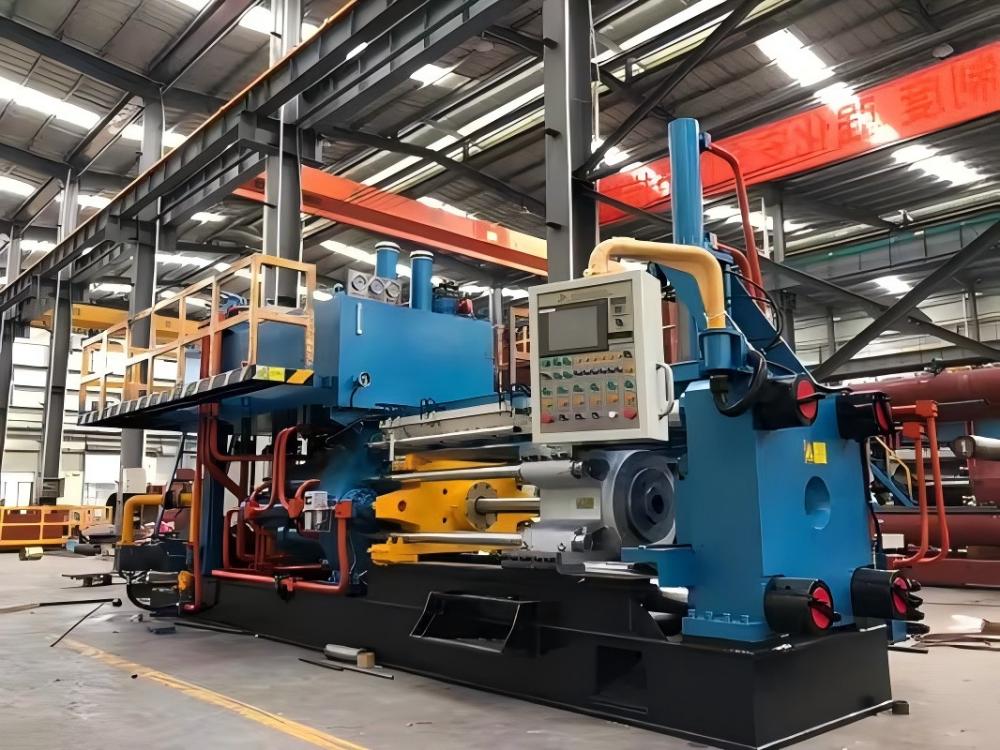
Modern aluminium extrusion presses are highly automated, relying on sophisticated PLC (Programmable Logic Controller) systems and sensors to manage the extrusion cycle. As part of the essential daily checks for aluminium extrusion press operation, the electrical system requires careful monitoring. Start by checking the control panel for any active fault codes or warnings. HARSLE machines feature intuitive interfaces that provide real-time diagnostics; these should be reviewed before starting production.
Inspect the wiring and conduits around the press, especially in areas exposed to heat or moving parts. Vibration can loosen electrical connections over time, leading to intermittent faults or sensor failures. Ensure that all limit switches and proximity sensors are securely mounted and free of metal shavings or grease buildup. These sensors control the positioning of the stem, container, and die slide; if they provide inaccurate data, the machine could suffer a mechanical collision.
The heating elements for the container and the die oven also fall under electrical checks. Verify that all heating zones are reaching their target temperatures and that the thermocouples are providing steady readings. Uneven heating in the container can lead to “banana” shaped extrusions or excessive wear on the liner. If a heating element is burnt out, it will cause temperature fluctuations that compromise the quality of the aluminium profile.
Lastly, ensure that the HMI (Human Machine Interface) is responsive and that all manual override switches work as intended. In the event of an automated system glitch, the operator must be able to take manual control of the press safely. Regular software backups and checking the integrity of the communication cables between the PLC and the field devices are also recommended practices for long-term reliability.
Mechanical System and Alignment Checks
The mechanical integrity of the press determines the precision of the finished product. One of the most critical essential daily checks for aluminium extrusion press operation is the alignment of the extrusion stem with the container. If the stem is off-center, it will apply uneven pressure to the billet, leading to premature wear of the container liner and potential damage to the stem itself. Use the machine’s built-in alignment tools or a manual check to ensure the stem enters the container perfectly centered.
Inspect the container’s “seal” against the die stack. During the extrusion cycle, the container must hold a tight seal against the die to prevent metal from leaking out (known as “flash”). Check the faces of the container and the die holder for any debris or damage that could prevent a flush fit. If flash occurs, it not only wastes material but can also damage the press’s internal components and create a significant cleaning task.
The die slide and the butt shear mechanism also require daily attention. The die slide should move smoothly without jerking or sticking. Lubricate the ways if necessary, but avoid over-lubrication which can attract dust. For the butt shear, check the blade’s clearance and ensure it is cutting the discard cleanly. A dull or misaligned shear can pull the die out of place or leave excess metal that interferes with the next cycle.
Finally, examine the main tie rods and nuts. While these are massive steel components, they are under immense tension. Look for any signs of cracking or loosening of the large nuts. While tie rod failure is rare, it is catastrophic. Ensuring the structural frame of the press is sound is a fundamental part of the daily mechanical audit.
Lubrication Plan: Reducing Friction and Wear
Lubrication is the primary defense against friction-induced wear in an aluminium extrusion press. A proper lubrication plan is a core component of the essential daily checks for aluminium extrusion press operation. Different parts of the press require different types of lubricants. For example, the sliding ways of the container and the die slide usually require a high-temperature grease or a specialized oil-mist system.
Check the automatic lubrication system’s reservoir. Most HARSLE presses utilize an automated system that delivers precise amounts of lubricant to critical points at set intervals. Ensure the pump is working and that the distribution blocks are not clogged. If the system is manual, follow the manufacturer’s chart to grease all nipples, paying close attention to the pivot points of the shear and the loader arms.
The lubrication of the extrusion die and the billet end is also vital. Many operations use a boron nitride spray or a graphite-based lubricant to prevent the aluminium from sticking to the die or the dummy block. Ensure the application system (whether manual or automatic) is providing an even coating. Excessive lubricant can cause inclusions in the finished profile, while too little can lead to “pick-up” and surface defects.
It is also important to monitor the type of lubricant used. Using a low-quality or incorrect grade of oil can lead to gumming or rapid breakdown under heat. Always stick to the specifications provided in the HARSLE manual. Keeping a log of lubricant consumption can also help identify leaks or malfunctions in the automatic system before they cause mechanical damage.
Troubleshooting Signals: What to Watch and Listen For
Experienced operators often “sense” when a press is not running correctly. Part of the essential daily checks for aluminium extrusion press operation involves being attuned to troubleshooting signals. Unusual noises are often the first sign of trouble. A grinding sound might indicate a lack of lubrication on a slide, while a rhythmic thumping could suggest a problem with a hydraulic pump piston. If the machine sounds different than it did the day before, it warrants an immediate investigation.
Vibration is another key indicator. While some vibration is normal during the high-pressure phase of extrusion, excessive shaking can indicate misalignment, loose mounting bolts, or air trapped in the hydraulic cylinders. Use your hand (safely) to feel for unusual heat buildup on motor housings or bearing blocks. Overheating is a clear sign of internal friction or electrical overload.
Observe the quality of the extruded profiles. Surface scratches, dimensions that drift out of tolerance, or inconsistent wall thickness are often symptoms of press issues. For example, if the profile consistently shows a mark in the same spot, the die might be damaged or the container might be misaligned. Monitoring the “butt” (the leftover piece of the billet) can also reveal if the shear is working correctly or if the dummy block is worn.
Lastly, watch the cycle times. If the press is taking longer to complete a cycle than usual, it could indicate a drop in hydraulic efficiency, a slow-acting valve, or a problem with the billet loading sequence. Tracking these small changes in performance allows for predictive maintenance, where parts are replaced during scheduled downtime rather than after a failure occurs.
Maintenance Schedule Table
To simplify the essential daily checks for aluminium extrusion press operation, use the following table as a quick reference for your maintenance team.
| Frequency | Component | Action Required |
|---|---|---|
| Daily | Hydraulic Oil | Check level, temperature, and clarity. |
| Daily | Safety Systems | Test E-stops and light curtains. |
| Daily | Lubrication | Check reservoirs and auto-lube function. |
| Daily | Stem Alignment | Verify centering with the container. |
| Weekly | Hydraulic Filters | Inspect indicators and replace if necessary. |
| Weekly | Electrical Connections | Check for loose wires in high-vibration areas. |
| Monthly | Oil Analysis | Send sample for laboratory contamination testing. |
| Monthly | Tie Rod Tension | Inspect for signs of fatigue or nut loosening. |
Frequently Asked Questions (FAQ)
1. Why is hydraulic oil temperature so critical?
Hydraulic oil is designed to operate within a specific viscosity range. If the oil gets too hot, it becomes too thin, leading to increased internal leakage in pumps and valves, which reduces the press’s power. Overheated oil also oxidizes faster, forming sludge that can clog small orifices and damage expensive components.
2. How often should I align the extrusion stem?
While a quick visual check should be part of the essential daily checks for aluminium extrusion press operation, a precision alignment should be performed whenever the container or stem is replaced, or if you notice uneven wear on the dummy block or container liner. Consistent alignment is key to preventing major mechanical failures.
3. What should I do if I find a small hydraulic leak?
Never ignore a hydraulic leak. Even a small drip can indicate a failing seal or a cracked fitting. Clean the area, identify the source, and tighten or replace the component as soon as possible. Remember that hydraulic fluid under pressure can penetrate the skin, so always de-pressurize the system before attempting repairs.
4. Can I use any grease for the die slide?
No. The die slide operates near the heated container and die oven, where temperatures are very high. You must use a high-temperature, extreme-pressure (EP) grease that won’t melt or carbonize. Consult your HARSLE manual for the specific lubricant grades recommended for your machine model.
5. Why are my extrusion profiles coming out with surface defects?
Surface defects can be caused by several factors, including contaminated billets, a damaged die, or improper lubrication. However, from a press maintenance perspective, check the container’s cleanliness and the alignment of the stem. If the container liner is scratched or the dummy block is not sealing correctly, it can trap air or debris, leading to surface imperfections.
Conclusion
Performing essential daily checks for aluminium extrusion press operation is the most effective way to protect your investment and ensure the success of your fabrication business. By focusing on the hydraulic, electrical, and mechanical systems, and maintaining a strict lubrication schedule, you can enjoy the full performance capabilities of your HARSLE equipment. Remember, a few minutes of diligence every morning can save days of downtime and thousands of dollars in repairs. Stay proactive, stay safe, and keep your production lines moving with precision.


