Troubleshooting Temperature Issues in Aluminium Extrusion Press Maintenance

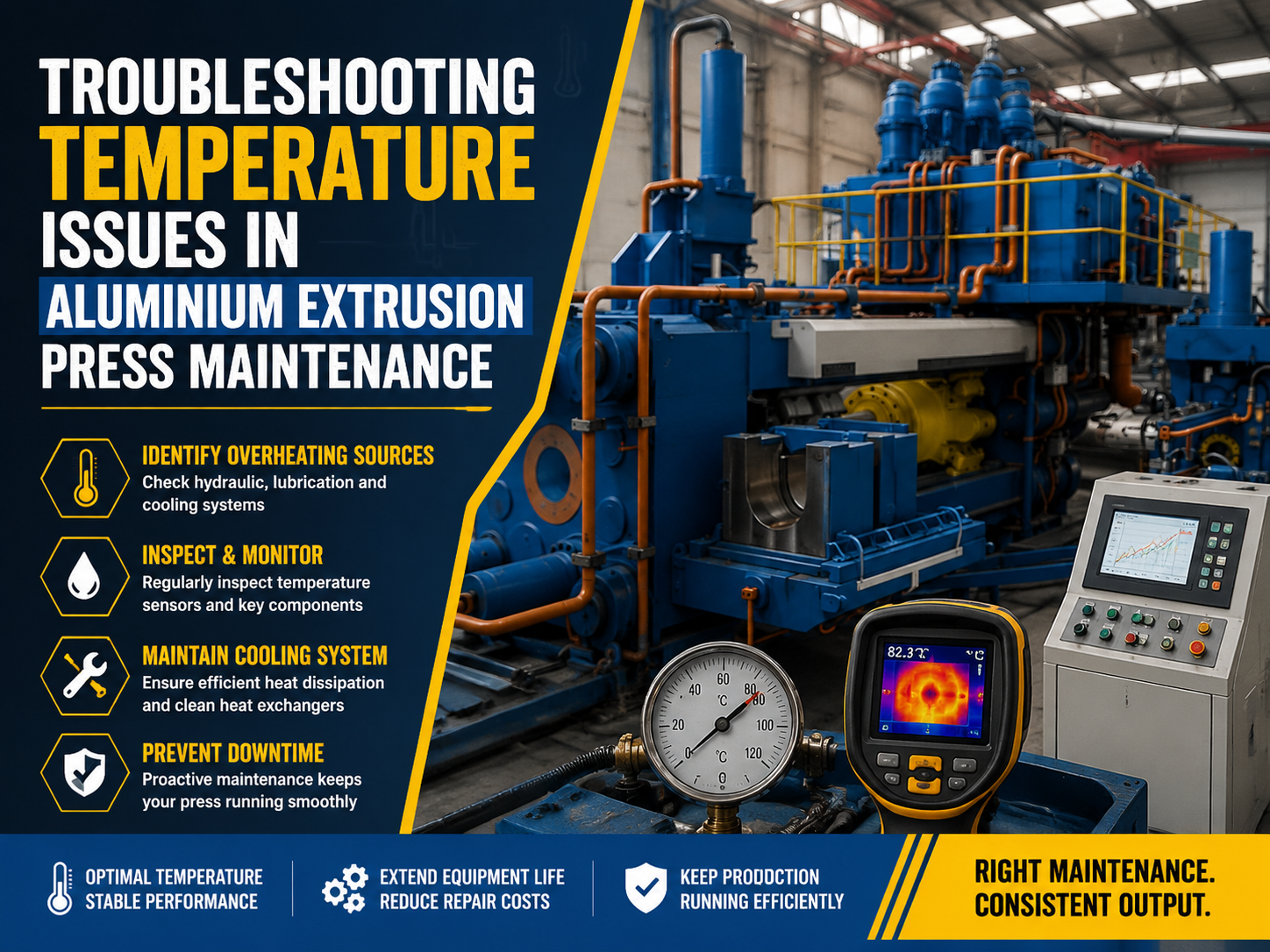
The Critical Role of Temperature Control in Aluminium Extrusion
In the world of metal fabrication, the aluminium extrusion press stands as a cornerstone of production. However, the success of the extrusion process is inextricably linked to thermal management. Troubleshooting Temperature Issues In Aluminium Extrusion Press Maintenance is not merely a secondary task; it is a fundamental requirement for ensuring the structural integrity of the profiles produced and the longevity of the machinery itself. When temperatures fluctuate outside of the narrow optimal window—typically between 400°C and 500°C for most architectural alloys—the results can range from surface defects and dimensional inaccuracies to catastrophic machine failure.
Effective maintenance strategies must prioritize the thermal equilibrium of the entire system. This includes the billet heating furnace, the container, the die, and the hydraulic oil that powers the ram. If any of these components deviate from their set points, the resulting thermal stress can lead to premature wear of expensive components like the container liner or the extrusion stem. By understanding the nuances of heat distribution and dissipation, maintenance teams can transition from reactive repairs to proactive optimization, ensuring that the HARSLE extrusion press operates at peak efficiency.
Furthermore, temperature issues often manifest as subtle changes in the extrusion speed or the pressure required to push the billet. A technician who is well-versed in Troubleshooting Temperature Issues In Aluminium Extrusion Press Maintenance will recognize that an unexplained rise in extrusion pressure might actually be caused by a cooling container rather than a mechanical blockage. This guide provides a deep dive into the systematic approach required to identify, diagnose, and rectify thermal inconsistencies in industrial extrusion environments.
Finally, we must consider the economic impact. Energy consumption in extrusion is heavily influenced by thermal efficiency. A press that struggles with temperature regulation wastes significant amounts of electricity and gas, driving up the cost per kilogram of the finished product. Therefore, mastering temperature troubleshooting is as much a financial imperative as it is a technical one.
The Importance of Proactive Thermal Maintenance
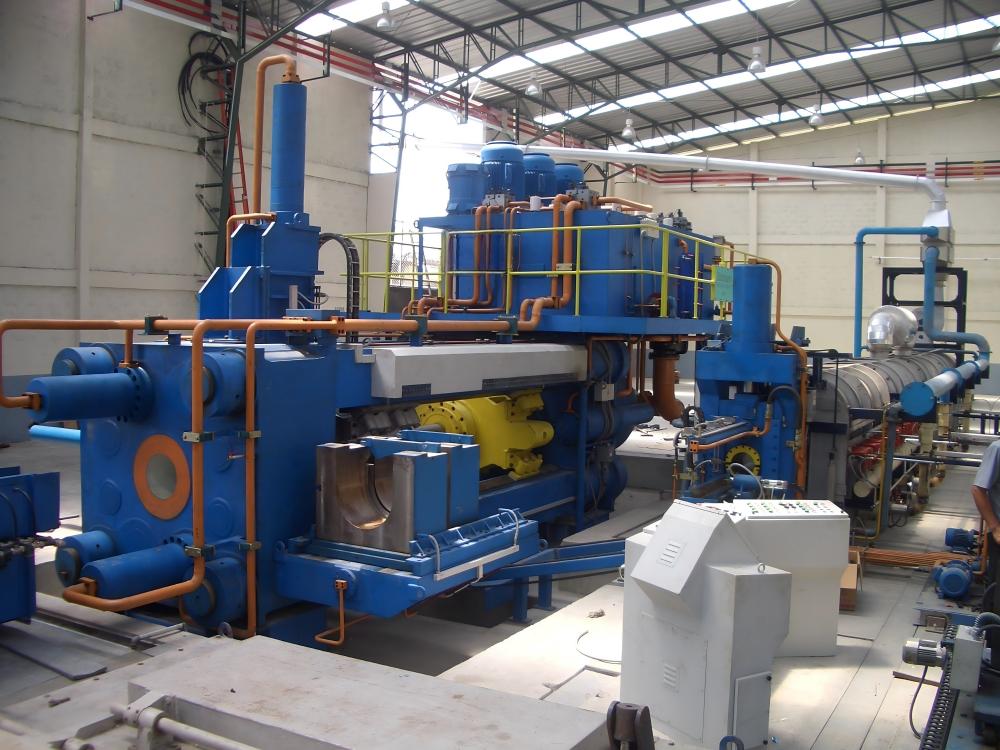
Proactive maintenance is the first line of defense against the erratic behavior of high-temperature industrial systems. In an aluminium extrusion press, the container is subjected to immense pressure while simultaneously being heated to near-melting temperatures of the metal it holds. Without a robust maintenance plan, the heating elements within the container can fail unevenly, leading to “cold spots.” These cold spots cause the aluminium billet to flow non-uniformly, resulting in profiles that are warped or have inconsistent wall thicknesses.
Moreover, the hydraulic system of the press is highly sensitive to temperature. Hydraulic oil is designed to operate within a specific viscosity range. If the cooling system fails and the oil temperature exceeds 60°C (140°F), the oil begins to break down chemically, losing its lubricity and causing internal seals to harden and leak. Troubleshooting Temperature Issues In Aluminium Extrusion Press Maintenance involves regular checks of the heat exchangers and cooling towers to ensure that the hydraulic fluid remains within its safe operating zone, thereby protecting the expensive pumps and valves from cavitation and excessive wear.
Another critical aspect is the thermal expansion of the machine’s structural components. The tie rods and main cylinder of a large press expand significantly when heated. If the temperature is not controlled or if the cooling is uneven, the press can become misaligned. This misalignment leads to eccentric loading on the ram, which can cause the stem to snap or the container to gall. Regular thermal imaging and sensor calibration are essential tools in the maintenance kit to prevent these high-cost disasters.
Lastly, the quality of the final product is the ultimate metric of thermal stability. Issues like “pick-up” (small particles of aluminium welding to the die) or “die lines” are often the result of the die temperature being too high or the billet temperature being inconsistent. By maintaining strict control over the thermal environment, manufacturers can reduce scrap rates and improve the surface finish of their extruded products, meeting the high standards required in industries like aerospace and automotive manufacturing.
Daily Inspection Routine for Temperature Stability
A successful maintenance program begins with a disciplined daily inspection routine. Before the first billet of the shift is loaded, operators and maintenance staff should perform a visual and digital sweep of the machine’s thermal indicators. Start by checking the HMI (Human Machine Interface) for any active alarms or warnings related to heater zones. Modern HARSLE presses provide real-time data on multiple heating zones within the container; any deviation of more than ±5°C from the set point should be investigated immediately.
Next, inspect the physical condition of the thermocouples and their wiring. In the harsh environment of an extrusion shop, wires can become frayed or disconnected due to vibration and heat. A loose thermocouple will provide erratic readings, causing the PID controller to cycle the heaters unnecessarily, which can lead to premature heater burnout. Ensure that the sensors are seated deeply within their wells to get an accurate core temperature reading rather than an ambient surface reading.
The cooling system requires daily attention as well. Check the water flow meters and pressure gauges on the hydraulic oil cooling circuit. If the press is air-cooled, ensure that the fan intakes are free of dust and debris, which are common in metalworking facilities. A blocked filter can quickly lead to a spike in oil temperature during peak production hours. Additionally, observe the color and clarity of the hydraulic oil through the sight glass; dark or cloudy oil can be a sign of thermal degradation.
Finally, perform a “touch test” (using appropriate safety gear or infrared thermometers) on the main pump housings and motor casings. While these components will naturally be warm, excessive heat can indicate internal friction or electrical overload. Documenting these daily findings in a maintenance log allows for trend analysis, making it easier to spot a failing component before it causes a complete system shutdown.
Hydraulic, Electrical, and Mechanical Temperature Checks
Hydraulic System Thermal Integrity
The hydraulic system is the lifeblood of the extrusion press, and its temperature is a direct indicator of system health. When Troubleshooting Temperature Issues In Aluminium Extrusion Press Maintenance, the heat exchanger is the primary focus. Whether it is a plate-and-frame or a shell-and-tube design, internal scaling from hard water can significantly reduce heat transfer efficiency. Maintenance teams should monitor the temperature differential between the inlet and outlet water; a narrowing gap often suggests that the exchanger needs descaling or cleaning.
Furthermore, internal leakage in hydraulic valves can generate localized heat. When high-pressure oil is forced through a small orifice (like a worn valve seat) without doing work, the energy is converted entirely into heat. Using an infrared camera to scan the valve manifold can reveal these “hot valves,” allowing for targeted repairs. This not only keeps the oil cool but also restores the volumetric efficiency of the hydraulic circuit.
Electrical and Control System Accuracy
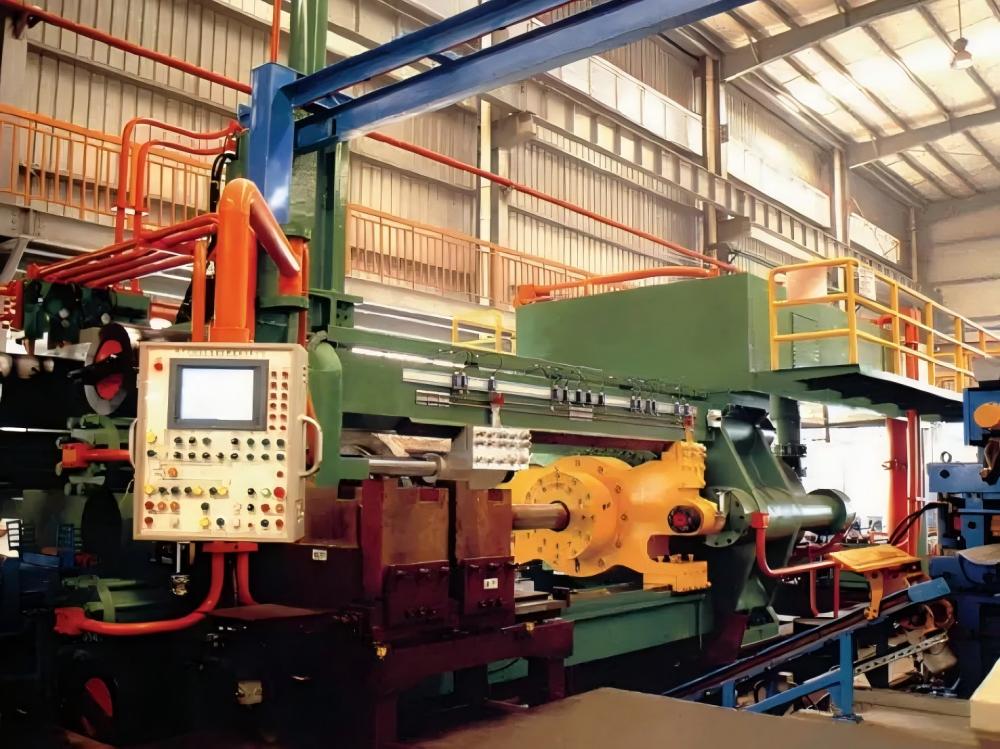
The electrical system’s role in temperature management is centered on the heating elements and the control logic. Container heaters are typically high-wattage resistance elements. Over time, these elements can develop high-resistance spots or open circuits. An ammeter check on each heating zone is the most effective way to verify that all elements are drawing the correct current. If one zone is drawing significantly less current than the others, it indicates a partial heater failure, which will cause uneven container heating.
The PID (Proportional-Integral-Derivative) controllers must also be tuned correctly. If the “P” gain is too high, the temperature will overshoot the set point; if it is too low, the system will be sluggish to respond to the cooling effect of a new billet. Periodic calibration of the temperature control loops ensures that the digital reading on the screen matches the actual physical temperature of the metal and the machine components.
Mechanical Friction and Alignment
Mechanical issues often manifest as heat through friction. The extrusion stem must be perfectly aligned with the container. If the stem rubs against the container wall, it generates intense localized heat that can soften the tool steel, leading to deformation. During maintenance, check the wear plates and guide rails for signs of uneven wear. Proper alignment ensures that the energy of the press is used for extrusion rather than overcoming mechanical resistance.
The container sealing surfaces are another area of concern. If the container does not seal perfectly against the die slide, hot aluminium can leak (flash). This flashing not only creates a safety hazard but also transfers excessive heat to the die slide and the press frame, leading to thermal expansion issues in the front platen. Ensuring the mechanical clamping force is sufficient and the surfaces are clean is vital for thermal containment.
Comprehensive Lubrication Plan for Heat Reduction
Lubrication in an aluminium extrusion press serves two purposes: reducing wear and managing heat. In the high-temperature environment of the container and die, standard greases will simply melt and carbonize, creating a sticky residue that interferes with the process. A specialized lubrication plan using high-temperature lubricants, such as boron nitride or graphite-based compounds, is essential for Troubleshooting Temperature Issues In Aluminium Extrusion Press Maintenance.
The extrusion die itself requires careful lubrication to prevent the aluminium from sticking to the bearing surfaces. This “sticking” increases friction, which in turn raises the temperature of the die and the profile. By applying a consistent, thin layer of high-temp lubricant, the friction is minimized, allowing for cooler, faster extrusion. However, over-lubrication must be avoided as it can lead to surface contamination and internal defects in the aluminium profile.
The moving parts of the press, such as the crosshead guides and the container shifting cylinders, also require regular lubrication. These components operate near the hot zone and are susceptible to thermal expansion that can tighten tolerances. A high-quality synthetic lubricant with a high viscosity index will maintain its protective film even as temperatures rise, preventing the “stiction” that can cause jerky movements and mechanical overheating.
Finally, the lubrication system itself must be maintained. Automatic lubrication pumps should be checked for proper timing and dosage. If a line becomes blocked by charred lubricant, the associated bearing will quickly overheat and fail. A monthly purge and inspection of the lubrication lines ensure that the life-saving grease reaches the critical friction points of the HARSLE press.
Troubleshooting Signals: Identifying Thermal Deviations
Recognizing the early warning signs of temperature issues can save a facility thousands of dollars in downtime. One of the most common signals is a change in the “breakout pressure”—the initial pressure required to start the extrusion. If the breakout pressure is higher than usual, it often indicates that the billet or the die is too cold. Conversely, if the pressure is unusually low but the profile is tearing, the system is likely running too hot.
Visual cues on the extruded profile are also diagnostic. A “cloudy” or matte finish on a normally shiny alloy often points to an over-temperature condition at the die land. If the profile shows “speed cracks” (transverse cracks along the edges), the combination of extrusion speed and temperature has exceeded the alloy’s solidus point. Troubleshooting Temperature Issues In Aluminium Extrusion Press Maintenance requires the operator to correlate these visual defects with the temperature data from the press sensors.
Listen for changes in the hydraulic system’s sound. A high-pitched whine from the pumps often accompanies overheated oil, as the reduced viscosity leads to aeration and cavitation. If the cooling fans are running constantly without cycling off, it is a sign that the heat load is exceeding the cooling capacity, possibly due to a fouled heat exchanger or an internal hydraulic leak. Monitoring these signals allows for a rapid response before the machine’s safety interlocks trigger an emergency stop.
Maintenance Schedule Table
| Frequency | Component | Maintenance Task | Objective |
|---|---|---|---|
| Daily | HMI / Control Panel | Check for temperature alarms and zone deviations. | Ensure thermal set-points are maintained. |
| Daily | Hydraulic Cooling | Check oil temperature and cooling water flow. | Prevent oil degradation and seal failure. |
| Weekly | Thermocouples | Inspect wiring and seating of all sensors. | Ensure accurate temperature feedback. |
| Weekly | Heating Elements | Perform ammeter check on container heater zones. | Identify failing or dead heater elements. |
| Monthly | Heat Exchanger | Inspect for leaks and check delta-T (temp difference). | Maintain cooling efficiency. |
| Monthly | Lubrication System | Check pump operation and clear blocked nozzles. | Reduce friction-induced heat. |
| Quarterly | PID Controllers | Calibrate control loops and verify sensor accuracy. | Optimize thermal response and stability. |
| Yearly | Hydraulic Oil | Perform laboratory oil analysis for thermal breakdown. | Determine if oil replacement is necessary. |
Frequently Asked Questions (FAQ)
1. Why is my aluminium profile tearing even though the billet temperature is correct?
Tearing is often caused by the “exit temperature” being too high. Even if the billet starts at the correct temperature, the friction of the extrusion process generates additional heat. If your die is too hot or your extrusion speed is too fast, the total heat can exceed the alloy’s limits. Troubleshooting Temperature Issues In Aluminium Extrusion Press Maintenance should include checking the die heating oven and the press speed settings.
2. How often should I replace the thermocouples in my extrusion press?
Thermocouples do not have a fixed expiration date, but they do “drift” over time due to thermal cycling. It is recommended to calibrate them every six months and replace them if they show a deviation of more than 2-3 degrees compared to a certified master probe. In high-vibration areas, they may need more frequent replacement.
3. What is the ideal operating temperature for hydraulic oil in a HARSLE press?
For most industrial hydraulic systems, the ideal operating range is between 40°C and 50°C (104°F – 122°F). You should never allow the oil to exceed 60°C (140°F), as this significantly accelerates the oxidation of the oil and damages the hydraulic seals.
4. Can ambient shop temperature affect my extrusion press performance?
Yes, significantly. In extreme summer heat, air-cooled systems may struggle to dissipate heat, leading to higher oil temperatures. Conversely, in very cold winters, the hydraulic oil may be too thick at startup, requiring a pre-heating cycle to prevent pump cavitation. Modern presses often include oil heaters for this reason.
5. Why does one side of my container always seem cooler than the other?
This is usually a sign of a failed heating element or a blown fuse in one of the heating zones. It could also be caused by a thermocouple that is not making proper contact with the container wall. Uneven heating is a major cause of container warping and should be addressed immediately by checking the electrical current to each zone.