How to Maintain an Industrial Shredder for Longer Service Life: The Ultimate Guide

The Critical Importance of Industrial Shredder Maintenance
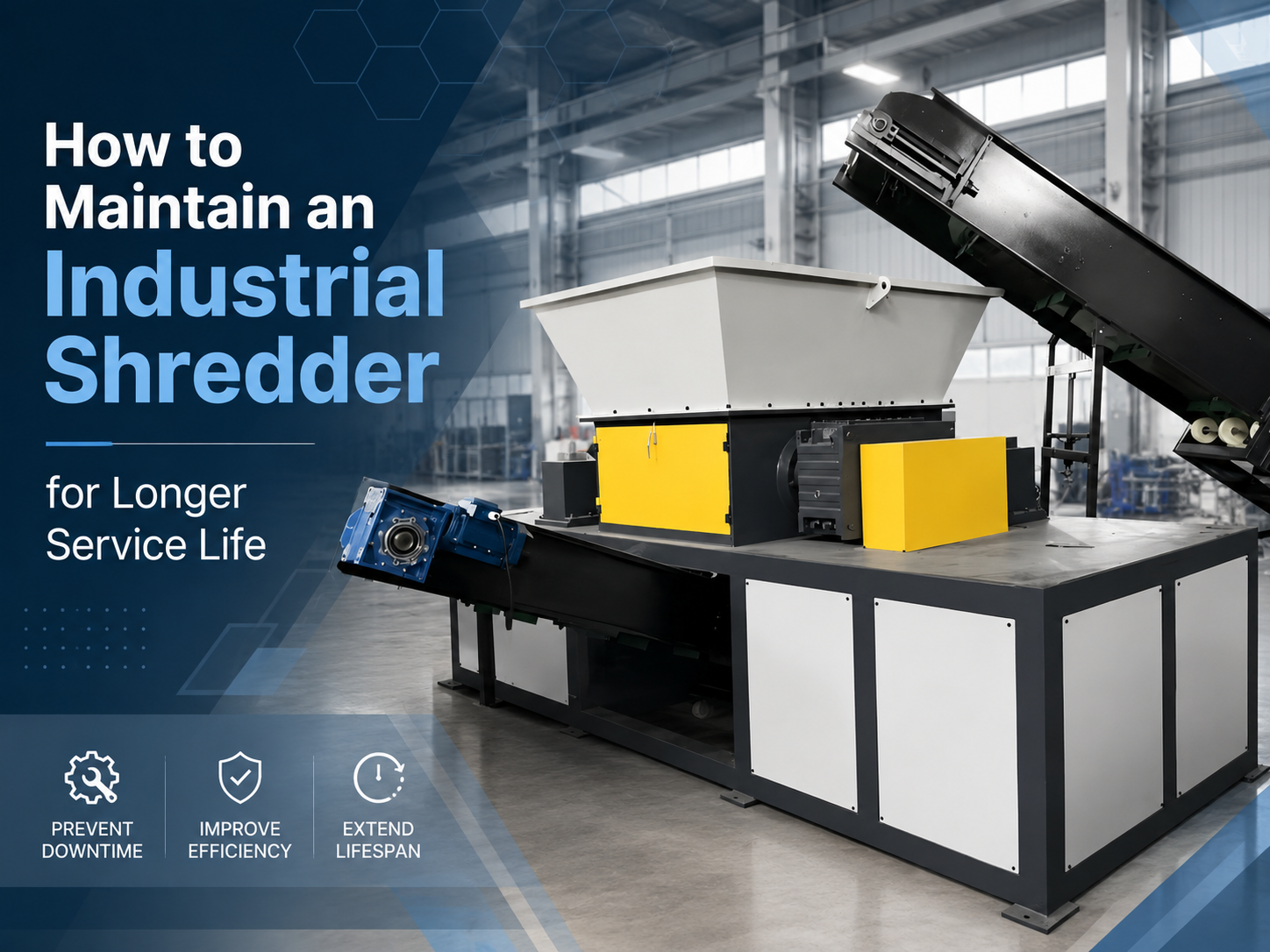
In the world of metal fabrication and waste management, the industrial shredder stands as a cornerstone of efficiency. Whether you are processing scrap metal, plastics, or industrial waste, these machines are subjected to extreme mechanical stresses, high torque, and abrasive environments. To maintain an industrial shredder longer service life, a proactive maintenance strategy is not just a recommendation—it is a financial necessity. A well-maintained shredder ensures consistent throughput, minimizes unexpected downtime, and protects your capital investment from premature wear.
Neglecting maintenance often leads to a domino effect of mechanical failures. For instance, a slightly dull blade increases the load on the motor, which in turn generates excess heat in the electrical system and puts undue strain on the gearbox and bearings. By the time a visible failure occurs, the internal damage may already be extensive. HARSLE emphasizes that the goal of maintenance is to keep the machine in its ‘as-new’ operating condition for as long as possible, ensuring that every component functions within its designed parameters.
Furthermore, safety is a paramount concern. Industrial shredders are powerful machines capable of exerting massive force. Components that are worn or improperly secured can become projectiles or cause catastrophic structural failure, endangering operators. A rigorous maintenance schedule ensures that safety guards, emergency stops, and structural integrity are never compromised. In this guide, we will explore the comprehensive steps required to maximize the longevity and performance of your industrial shredding equipment.
Daily Inspection: The First Line of Defense
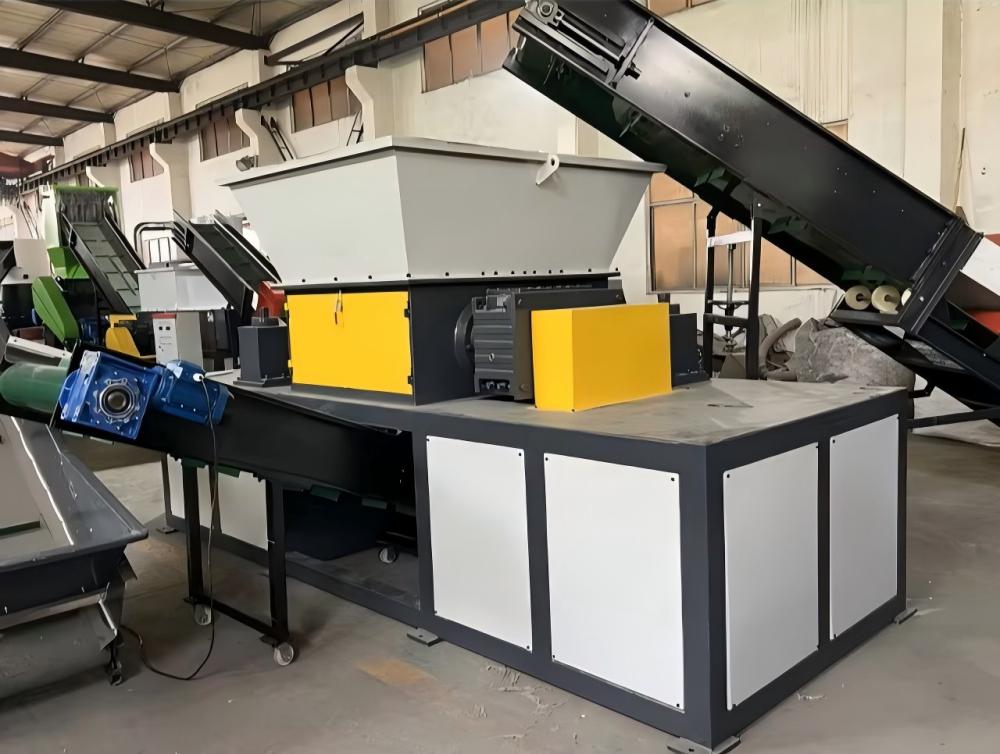
The most effective way to maintain an industrial shredder longer service life is through consistent daily inspections. These checks should be performed at the start of every shift to identify potential issues before they escalate into costly repairs. Operators should begin with a visual sweep of the entire machine, looking for loose bolts, oil leaks, or signs of structural fatigue in the hopper and frame.
During operation, the ‘listen and feel’ method is invaluable. Experienced operators can often detect a failing bearing or a loose blade by the sound of the machine. Any unusual grinding, squealing, or rhythmic thumping should be investigated immediately. Additionally, monitoring the vibration levels of the machine can provide early warnings of rotor imbalance or mechanical misalignment. If the shredder vibrates excessively, it can lead to the loosening of critical fasteners and the cracking of weldments over time.
Another vital daily task is the inspection of the feed material. While shredders are robust, they are designed for specific material types and densities. Introducing ‘unshreddable’ items—such as massive solid steel shafts into a light-duty scrap shredder—can cause immediate damage to the knives and shafts. Ensuring that the input material is free from contaminants that exceed the machine’s specifications is a simple yet highly effective maintenance practice.
Hydraulic System Checks and Fluid Management
Many industrial shredders utilize hydraulic systems for driving the rotors or operating the ram feeders. The hydraulic system is the lifeblood of the machine, and its health is directly tied to the shredder’s performance. To maintain an industrial shredder longer service life, you must prioritize hydraulic oil quality. Contaminated oil is the leading cause of hydraulic component failure, including pumps, valves, and cylinders.
Daily checks should include monitoring the oil level and the oil temperature. If the oil is running too hot, it loses its lubricating properties and can damage seals, leading to internal and external leaks. Ensure that the cooling system—whether air-cooled or water-cooled—is functioning correctly and that the heat exchanger fins are clean. Furthermore, the hydraulic filters should be replaced according to the manufacturer’s schedule or whenever the bypass indicator signals a blockage.
Annual or semi-annual oil analysis is highly recommended for large-scale industrial shredders. By sending a sample of the hydraulic fluid to a lab, you can detect microscopic metal particles that indicate internal wear of the pump or motor. This allows for scheduled repairs during planned downtime rather than reacting to a sudden, catastrophic failure in the middle of a production run.
Electrical System Integrity and Motor Care
The electrical system of an industrial shredder is often overlooked until a fault occurs. However, maintaining the electrical components is essential for both performance and safety. Start by ensuring that the control cabinet is kept clean and free of dust. In many industrial environments, metallic dust can accumulate inside electrical panels, leading to short circuits or overheating of sensitive PLC components and contactors.
Check the integrity of all wiring and connections. Vibration from the shredding process can cause terminals to loosen over time, leading to increased resistance, heat buildup, and potential fire hazards. Regularly tighten all electrical connections and inspect cable insulation for signs of wear or damage from pests. The main drive motor also requires attention; ensure that the cooling fans are clear of debris and that the motor is not being consistently overloaded beyond its rated amperage.
Modern HARSLE shredders often feature advanced monitoring systems that track motor load and temperature. Operators should be trained to understand these readings. If the motor is consistently drawing high current, it may indicate that the blades are dull or that the material being processed is too tough for the current machine settings. Adjusting the feed rate or sharpening the knives can alleviate this stress and extend the motor’s life.
Mechanical Components: Blades, Shafts, and Bearings
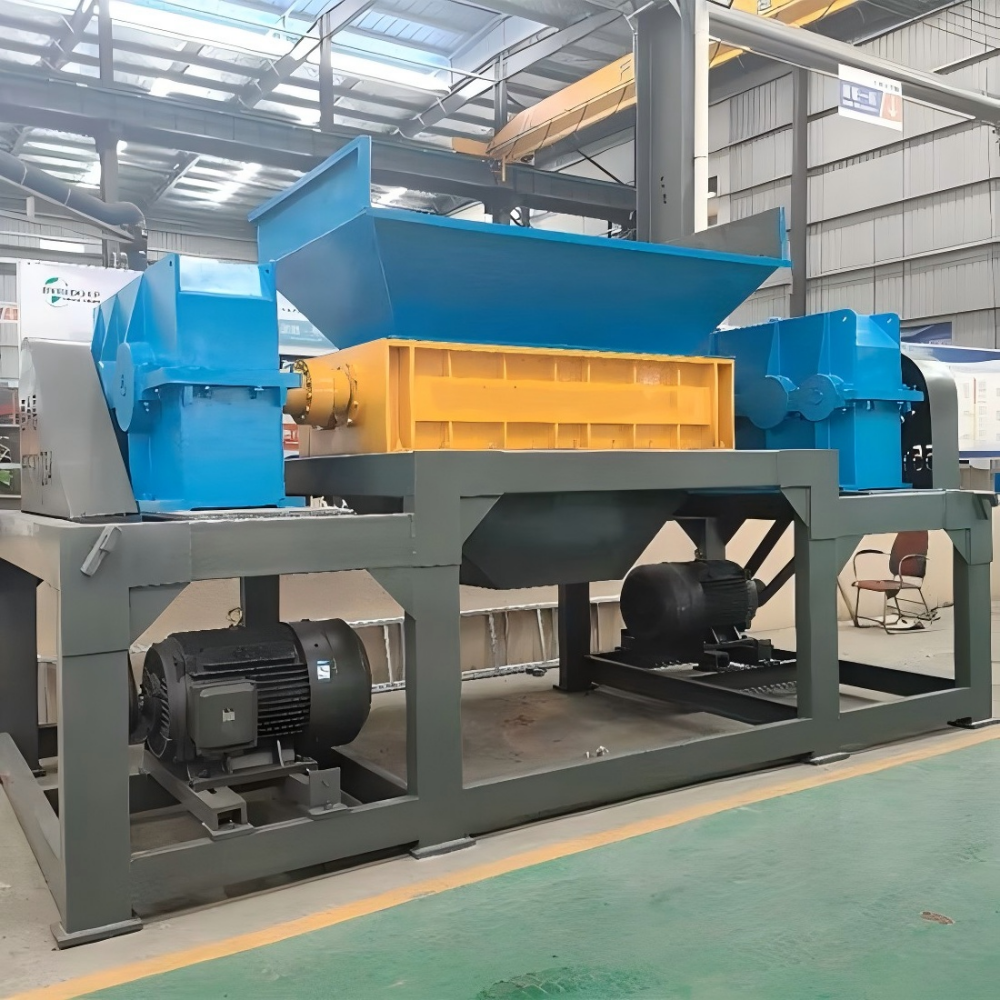
The mechanical heart of the shredder consists of the rotor, the blades (or knives), and the bearings. These components do the heavy lifting and are subject to the most significant wear. To maintain an industrial shredder longer service life, the condition of the blades must be monitored religiously. Dull blades do not cut efficiently; they tear and crush, which requires significantly more energy and places higher stress on the entire drivetrain.
Blade maintenance involves regular sharpening or replacement. Depending on the design, some blades can be hard-faced with welding material to restore their cutting edge, while others must be rotated or replaced entirely. Maintaining the correct clearance between the rotor blades and the counter-knives (stators) is also critical. If the gap is too wide, material will wedge between the blades, causing high friction and potential shaft deflection. If the gap is too narrow, the blades may strike each other, causing catastrophic damage.
Bearings are another high-priority area. Industrial shredder bearings are designed to handle massive radial and axial loads, but they must be kept clean and well-lubricated. Inspect the bearing housings for signs of overheating or grease leakage. If a bearing begins to fail, it will often produce heat and noise before it seizes. Replacing a bearing early is a relatively simple task compared to the cost of repairing a damaged shaft or housing caused by a seized bearing.
Comprehensive Lubrication Plan
Lubrication is the simplest yet most effective way to reduce friction and wear. A comprehensive lubrication plan should specify the type of lubricant to be used, the location of all grease points, and the frequency of application. Using the wrong type of grease can be as damaging as using no grease at all, as different additives are required for high-pressure, high-temperature, or high-speed applications.
For industrial shredders, automatic lubrication systems are often the best choice. These systems deliver small, precise amounts of grease to critical points—such as bearings and gear couplings—at regular intervals while the machine is running. This ensures that the components are always protected and flushes out contaminants. If your machine relies on manual lubrication, ensure that the maintenance staff follows a strict schedule and that they clean the grease nipples before applying the grease gun to prevent pushing dirt into the bearing.
The gearbox also requires specific attention. The gear oil should be checked for level and clarity. During the initial ‘break-in’ period of a new shredder, the gear oil should be changed early to remove any metallic particles from the initial meshing of the gears. Subsequently, follow the manufacturer’s intervals for oil changes, and always use the recommended gear oil viscosity to ensure proper film strength between the gear teeth.
Troubleshooting Signals: What Your Shredder is Telling You
Learning to interpret the signals your machine sends can prevent major breakdowns. One of the most common signals is a change in the output material size or quality. If the shredded pieces are becoming larger or more irregular, it is a clear sign that the blades are worn or the blade gap has shifted. Ignoring this will lead to decreased efficiency and increased power consumption.
Overheating is another critical signal. This could manifest as hot hydraulic oil, a hot motor, or even hot bearing housings. Overheating is always a symptom of an underlying issue, such as lack of lubrication, excessive load, or a failing component. Use an infrared thermometer to take regular temperature readings of key components during operation to establish a baseline and identify ‘hot spots’ early.
Finally, pay attention to the frequency of ‘reversals.’ Most modern shredders have an auto-reverse function to clear jams. If the machine is reversing more frequently than usual while processing the same material, it indicates that the cutting efficiency has dropped. This is often the first sign that it is time to inspect the knives or check for a blockage in the screen or discharge conveyor.
Industrial Shredder Maintenance Schedule Table
| Frequency | Component | Action Required |
|---|---|---|
| Daily | Visual Inspection | Check for leaks, loose bolts, and structural cracks. |
| Daily | Safety Systems | Test emergency stops and interlocks. |
| Daily | Hopper/Feed Area | Clear any debris or ‘unshreddable’ contaminants. |
| Weekly | Blades/Knives | Inspect for wear, chipping, and proper clearance. |
| Weekly | Lubrication | Grease all manual points (bearings, pivots). |
| Weekly | Hydraulic System | Check oil level, temperature, and filter indicators. |
| Monthly | Electrical Cabinet | Clean dust, check for loose connections and wire wear. |
| Monthly | Drive Belts/Chains | Check tension and alignment; adjust as necessary. |
| Quarterly | Gearbox | Check oil quality and inspect for unusual noise. |
| Quarterly | Fasteners | Torque-check all critical structural and mounting bolts. |
| Annually | Hydraulic Oil | Perform oil analysis and replace fluid if necessary. |
| Annually | Full Calibration | Verify sensor accuracy and PLC program performance. |
Frequently Asked Questions (FAQ)
1. How often should I sharpen my industrial shredder blades?
The frequency of sharpening depends entirely on the material being processed. Shredding abrasive materials like glass-filled plastics or contaminated scrap metal will require more frequent sharpening (perhaps every few hundred hours) compared to cleaner materials. Monitor the output quality and motor load; when throughput drops or power consumption spikes, it is time to sharpen.
2. Can I use any high-pressure grease for the bearings?
No. You should always use the specific grade of lubricant recommended by the manufacturer. Industrial shredder bearings often require grease with specific EP (Extreme Pressure) additives and a certain NLGI consistency to handle the high shock loads. Using the wrong grease can lead to premature bearing failure.
3. Why is my shredder overheating even with new oil?
Overheating can be caused by several factors beyond oil quality. Check if the cooling system is blocked, if the pump is worn and losing efficiency (causing internal friction), or if the machine is being consistently overloaded. Also, ensure the relief valve is set correctly; if it’s set too low, oil may be constantly bypassing, generating heat.
4. How do I know if a bearing is about to fail?
Early signs of bearing failure include an increase in operating temperature, unusual noise (grinding or humming), and increased vibration. Using a vibration pen or an infrared thermometer can help you track these changes over time. If you see metallic flakes in the grease when purging the bearing, failure is imminent.
5. Is it necessary to clean the shredder daily?
Yes. Accumulation of dust and debris can hide leaks, clog cooling fans, and even pose a fire risk. Keeping the machine clean allows for better visual inspections and ensures that heat can dissipate properly from the motor and hydraulic components.
6. What is the average lifespan of an industrial shredder?
With excellent maintenance, a high-quality HARSLE industrial shredder can last 15-20 years or more. However, without proper care, major components can fail within 3-5 years. The key to a longer service life is the consistency of the maintenance routines described in this guide.