How to Keep an Industrial Shredder Running Efficiently in Harsh Conditions

The Critical Role of Maintenance in Harsh Industrial Environments
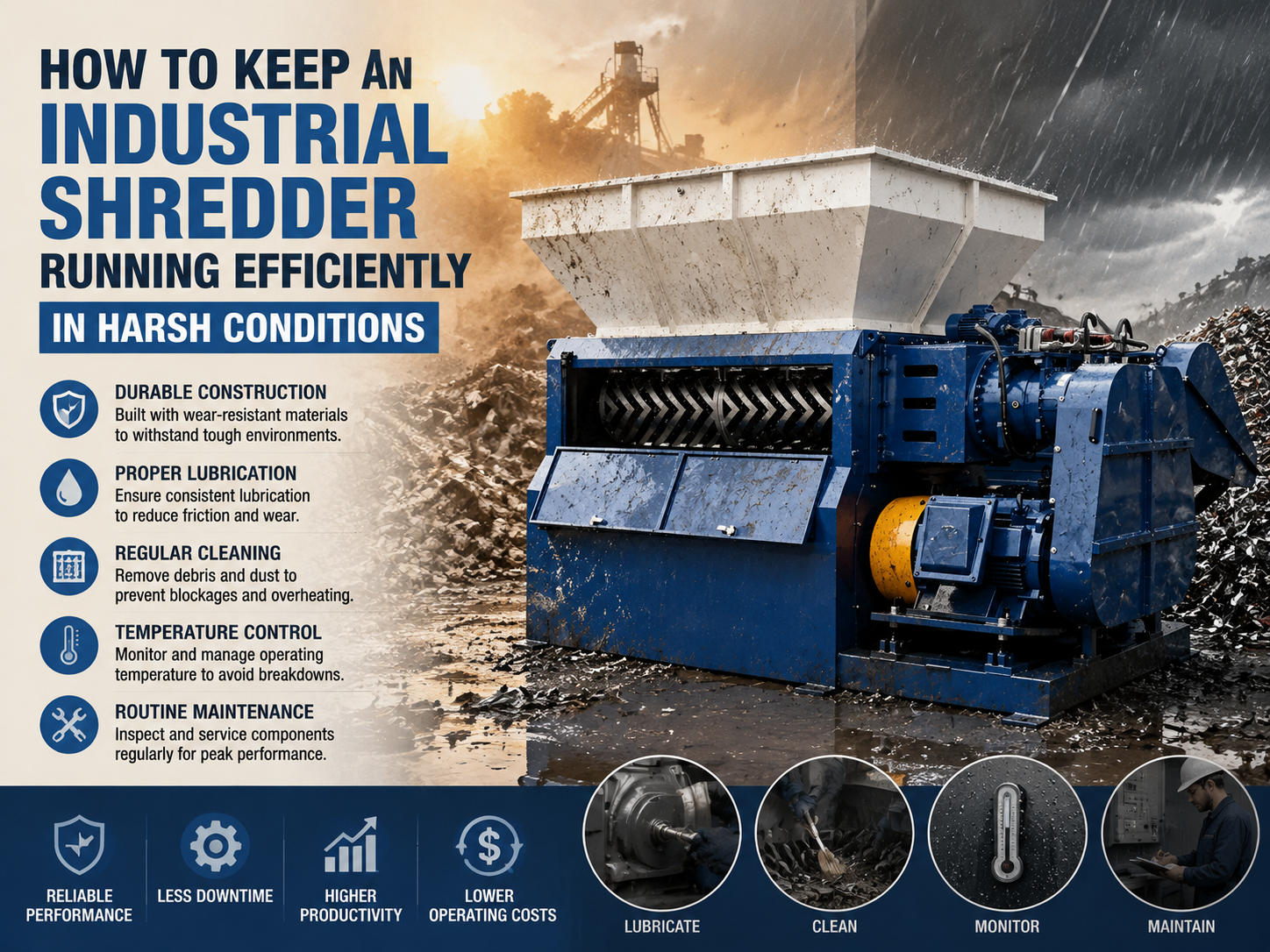
Industrial shredders are the workhorses of the recycling and waste management industries. Whether they are processing scrap metal, plastics, wood, or electronic waste, these machines are often subjected to some of the most demanding environments imaginable. To keep an industrial shredder running efficiently in harsh conditions, operators must move beyond reactive repairs and embrace a culture of proactive, preventative maintenance. Harsh conditions—characterized by extreme temperatures, high dust concentrations, moisture, and abrasive materials—can rapidly accelerate the wear and tear on even the most robust HARSLE machinery.
The cost of neglecting maintenance in these environments is staggering. Beyond the immediate expense of replacement parts, unplanned downtime can halt entire production lines, leading to missed deadlines and lost revenue. Furthermore, a poorly maintained shredder consumes more energy and produces lower-quality output, directly impacting the bottom line. By understanding the specific stressors placed on the machine, facility managers can implement strategies that extend the equipment’s lifespan and ensure consistent performance.
Efficiency in harsh conditions is not just about the machine’s power; it is about the integrity of its components. Dust can infiltrate electrical cabinets, moisture can degrade hydraulic fluids, and abrasive particles can grind down bearings. This guide provides a comprehensive roadmap for maintaining peak operational efficiency, ensuring that your industrial shredder remains a reliable asset regardless of the environment it operates in.
Daily Inspection Protocols: The First Line of Defense
The most effective way to keep an industrial shredder running efficiently in harsh conditions is through a rigorous daily inspection routine. This process should begin before the machine is even powered on. A visual walk-around allows operators to identify obvious issues such as loose bolts, fluid leaks, or structural damage that may have occurred during the previous shift. In dusty environments, checking for debris buildup around the motor cooling fans and ventilation ports is essential to prevent overheating.
During operation, the inspection continues through sensory monitoring. Operators should be trained to listen for unusual rhythmic thumping, high-pitched squeals, or grinding noises, which often signal bearing failure or blade misalignment. Observing the material flow is equally important; if the shredder is struggling to pull material in or if the output size has become inconsistent, it may indicate that the cutting gap needs adjustment or the blades are dulling prematurely due to abrasive feedstocks.
Safety features must also be tested daily. This includes emergency stop buttons, interlock switches on access doors, and fire suppression systems if the machine is processing flammable materials. In harsh conditions, sensors can become coated in grime, leading to false readings or failure to trigger during a genuine emergency. Cleaning these sensors daily ensures that the machine’s safety and automation systems function as intended.
Hydraulic System Maintenance: Managing Pressure and Temperature
Many industrial shredders rely on sophisticated hydraulic systems to drive the rotors or operate the ram feeders. In harsh conditions, the hydraulic system is particularly vulnerable. High ambient temperatures can cause hydraulic oil to thin, reducing its lubricating properties and leading to increased wear on pumps and valves. Conversely, in extremely cold environments, the oil can become too viscous, causing cavitation and sluggish performance. To keep an industrial shredder running efficiently in harsh conditions, monitoring oil quality and temperature is paramount.
Regular fluid analysis is recommended for machines operating in high-stress environments. This analysis can detect the presence of water, metal shavings, or chemical degradation before they cause catastrophic failure. Filters should be changed more frequently than the standard manufacturer’s recommendation if the air is thick with dust or metallic particles. A clogged filter can lead to pressure drops and force the pump to work harder, increasing energy consumption and heat generation.
Leaks are another critical concern. In a harsh environment, a small leak can quickly become a major problem as dust and grit stick to the escaped fluid, creating an abrasive paste that wears down seals and rods. Ensuring that all hoses are properly routed and protected from flying debris with sleeves or guards will prevent premature ruptures. If the shredder is equipped with an oil cooler, the heat exchanger fins must be kept clean to ensure efficient thermal transfer.
Electrical System Integrity: Protecting the Brain of the Machine
The electrical system, including the PLC (Programmable Logic Controller) and VFD (Variable Frequency Drive), is the “brain” of the industrial shredder. Harsh conditions, particularly those involving metallic dust or high humidity, pose a significant threat to these components. Conductive dust can settle on circuit boards, leading to short circuits and expensive controller failures. To keep an industrial shredder running efficiently in harsh conditions, the electrical cabinet must remain sealed and, if necessary, climate-controlled.
Regularly inspecting the seals on electrical enclosures is vital. If the environment is particularly hot, internal cabinet fans or air conditioning units must be checked for functionality. Overheating is one of the leading causes of VFD failure, which can result in weeks of downtime while waiting for specialized parts. Furthermore, all wiring should be inspected for signs of vibration-induced wear or rodent damage, which is common in outdoor or warehouse settings.
Grounding is another often-overlooked aspect of electrical maintenance. In heavy-duty shredding, static electricity can build up, especially when processing plastics or dry wood. Proper grounding protects the sensitive electronics from static discharge and ensures the safety of the operators. Periodic infrared thermography of the electrical panels can also identify “hot spots”—loose connections or failing components that are generating excess heat before they fail completely.
Mechanical Components and Blade Care
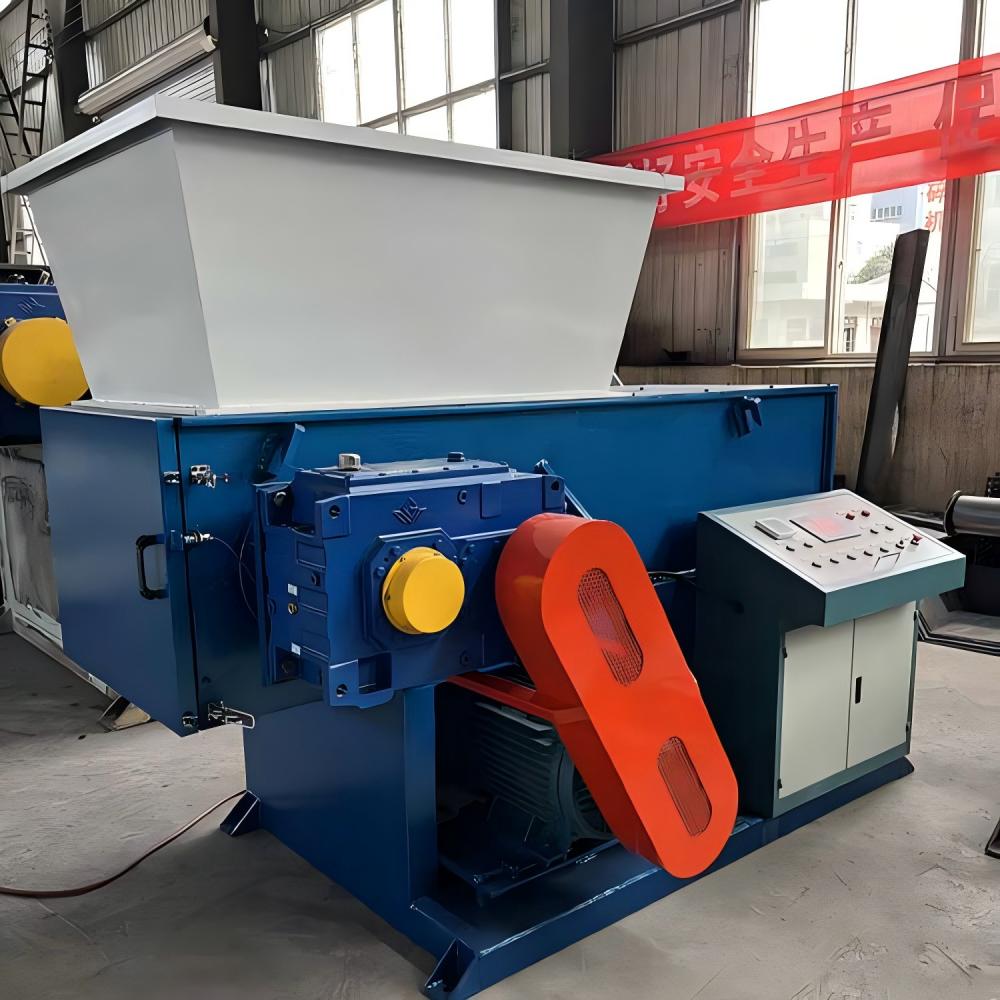
The heart of the shredder is the cutting chamber. The blades (or knives), counter-knives, and the rotor itself are subjected to immense mechanical stress. In harsh conditions, such as shredding contaminated construction waste or high-tensile metals, the blades will dull faster. To keep an industrial shredder running efficiently in harsh conditions, a strict blade rotation and sharpening schedule must be followed. Using dull blades forces the motor to use more torque, increasing strain on the gearbox and bearings.
The gap between the rotor blades and the counter-knives (the bed blades) must be checked and adjusted regularly. As the blades wear, this gap increases, leading to “shredder bypass” where material is simply pushed through without being cut. This not only reduces efficiency but can also cause material to wrap around the shaft, leading to heat buildup and potential bearing damage. HARSLE machines often feature adjustable or reversible knives to maximize the life of each cutting edge.
Bearings and gearboxes require special attention in harsh environments. Bearings should be monitored for temperature and vibration. If a bearing is running hot, it may be a sign of over-greasing, under-greasing, or contamination. The gearbox oil should be changed according to the load intensity rather than just the calendar. In high-vibration applications, checking the tightness of the motor mounts and the alignment of the coupling between the motor and the gearbox is essential to prevent premature drive-train failure.
Comprehensive Lubrication Plan
Lubrication is the lifeblood of mechanical longevity. However, in harsh conditions, simply “applying grease” is not enough. The type of lubricant used must be matched to the environmental challenges. For example, in high-temperature environments, a synthetic grease with a high dropping point is necessary. In wet or humid conditions, lubricants with strong anti-corrosion additives and water-washout resistance are required to keep an industrial shredder running efficiently in harsh conditions.
An effective lubrication plan specifies the exact points to be lubricated, the type of lubricant to be used, the quantity, and the frequency. Over-lubrication can be just as damaging as under-lubrication, as it can blow out seals and attract more dust and grit to the bearing surfaces. Many modern HARSLE shredders can be fitted with automated lubrication systems. These systems deliver small, precise amounts of grease at frequent intervals, which is far more effective than a large manual application once a week.
Operators should also maintain a lubrication log. This log helps track consumption and can reveal underlying issues. For instance, if one bearing is consuming significantly more grease than others, it may indicate a failing seal. In harsh environments, the grease fittings (zerks) themselves should be cleaned before every application to prevent pushing dirt and contaminants directly into the bearing race.
Troubleshooting Signals: Identifying Problems Early
Even with the best maintenance, problems can arise. The key to maintaining efficiency is early detection. One of the most common signals of trouble is a drop in throughput. If the machine is processing fewer tons per hour than usual, it is often a sign of dull blades or a slipping drive belt. Another signal is increased vibration. While shredders naturally vibrate, a change in the frequency or intensity of vibration can point to a cracked rotor, a loose counter-knife, or an unbalanced shaft.
Temperature spikes are another critical warning sign. Using a handheld infrared thermometer to check the temperature of motors, bearings, and hydraulic blocks can help identify issues before they trigger an automatic shutdown. If a motor is running consistently near its thermal limit, it may be overloaded, or the cooling system may be compromised by dust. Monitoring the amperage draw of the motor via the control panel is also a great way to keep an industrial shredder running efficiently in harsh conditions; a steady increase in amperage for the same material load suggests internal friction or mechanical resistance.
Finally, the quality of the output material is a primary indicator of machine health. If the shredded pieces are larger than specified, or if there are many “longs” (un-shredded strips), the screen may be damaged or the cutting tolerances may be out of alignment. Regularly inspecting the discharge screen for holes or excessive wear is a simple task that prevents the need for re-processing material, which is a major efficiency killer.
Industrial Shredder Maintenance Schedule Table
| Frequency | Component | Action Required |
|---|---|---|
| Daily | Visual Walk-around | Check for leaks, loose bolts, and debris buildup. |
| Daily | Safety Systems | Test E-stops and interlocks; clean sensors. |
| Daily | Cutting Chamber | Inspect for material wrapping and blade damage. |
| Weekly | Hydraulic System | Check fluid levels and inspect hoses for wear. |
| Weekly | Lubrication | Grease main bearings and pivot points (if manual). |
| Weekly | Electrical Cabinet | Check seals and clean/replace air filters. |
| Monthly | Blades/Knives | Check cutting gap; rotate or sharpen as needed. |
| Monthly | Drive Belts/Chains | Check tension and look for signs of fraying or wear. |
| Quarterly | Gearbox | Inspect oil quality and check for unusual noise/heat. |
| Quarterly | Structural Integrity | Inspect hopper and frame for stress cracks. |
| Annually | Full System Audit | Comprehensive fluid change and professional calibration. |
Frequently Asked Questions (FAQ)
1. How often should I sharpen the blades on my industrial shredder?
The frequency of sharpening depends entirely on the material being processed. For abrasive materials like glass-filled plastics or contaminated scrap, blades may need attention every few hundred hours. For cleaner materials, they may last much longer. The best indicator is a drop in throughput or an increase in motor amperage.
2. What is the best way to protect the shredder from dust?
To keep an industrial shredder running efficiently in harsh conditions involving dust, ensure all electrical cabinets are NEMA 4 or 12 rated and kept closed. Use compressed air to blow out motor cooling fins daily and consider installing a dust extraction system at the hopper and discharge points.
3. Why is my shredder overheating in the summer?
Overheating is usually caused by a combination of high ambient temperatures and restricted airflow. Check that the motor fans are clean and that the hydraulic oil cooler (if equipped) is not clogged with debris. Also, ensure the hydraulic oil is of the correct viscosity for high-temperature operation.
4. Can I use any type of grease for the bearings?
No. You should always use the lubricant specified by HARSLE. Using the wrong grease can lead to chemical incompatibility, which can cause the lubricant to harden or run out of the bearing, leading to rapid failure, especially in harsh environments.
5. How do I know if my hydraulic fluid needs changing?
While color change can be an indicator, the only certain way is through fluid analysis. Look for signs of cloudiness (indicating water) or a burnt smell (indicating overheating). Regular sampling helps you change the oil based on its actual condition rather than just hours of use.
6. What should I do if the shredder experiences high vibration?
Immediately stop the machine and inspect the cutting chamber. High vibration is often caused by a foreign object (like a large piece of tramp metal) stuck in the rotor, or by missing/broken teeth. If the chamber is clear, check the motor alignment and the condition of the main bearings.