Scrap Metal Shear Blade Maintenance Tips for Cleaner Cuts | HARSLE Industrial Guide

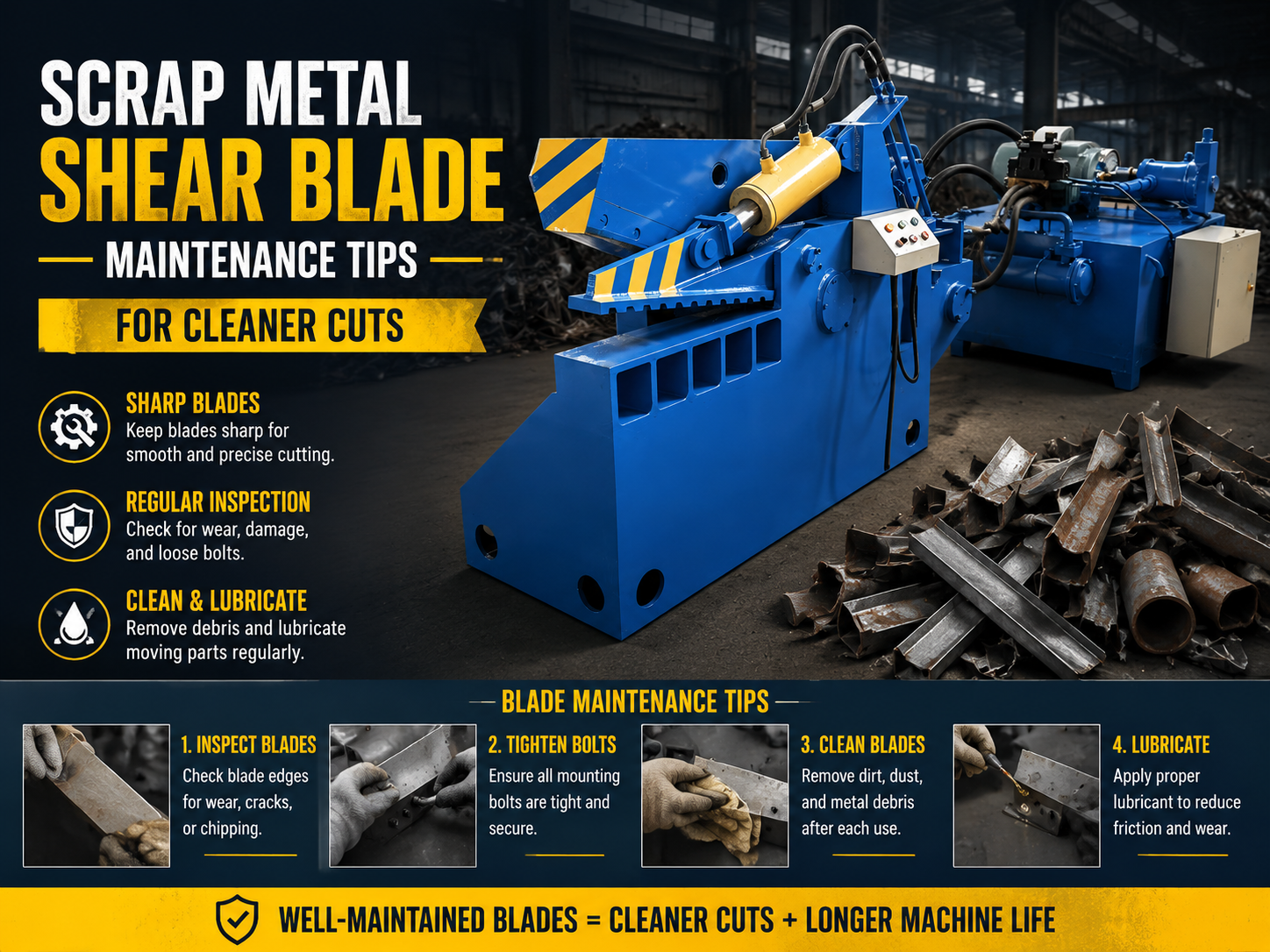
The Critical Importance of Scrap Metal Shear Blade Maintenance
In the high-stakes world of metal recycling and industrial fabrication, the efficiency of your equipment directly dictates your profit margins. Scrap metal shears are the workhorses of the yard, processing tons of material daily. However, the sheer force required to cut through heavy-duty steel, aluminum, and copper takes a significant toll on the machinery. Implementing Scrap Metal Shear Blade Maintenance Tips for Cleaner Cuts is not just about keeping the machine running; it is about ensuring precision, reducing energy consumption, and extending the lifespan of your investment. HARSLE understands that a well-maintained shear is the difference between a profitable operation and one plagued by downtime and expensive repairs.
When blades become dull or misaligned, the machine must work harder to achieve the same result. This leads to increased hydraulic pressure, higher temperatures, and excessive wear on the motor and pump. Furthermore, poor maintenance results in “ragged” or “burred” cuts, which can decrease the value of the processed scrap and pose safety risks to workers handling the material. By following a rigorous maintenance protocol, operators can ensure that every cut is clean, efficient, and safe.
Maintenance also plays a pivotal role in safety. A shear that is not properly maintained is a hazard. Loose bolts can lead to catastrophic blade failure, while contaminated hydraulic fluid can cause unpredictable machine movements. This guide provides a comprehensive deep dive into the essential maintenance practices required to keep your HARSLE scrap metal shear performing at its peak, focusing specifically on achieving those elusive cleaner cuts through meticulous blade care.
Finally, the economic impact of maintenance cannot be overstated. The cost of a few hours of scheduled downtime for inspection and lubrication is a fraction of the cost of replacing a shattered blade or a blown hydraulic cylinder. In the following sections, we will break down the daily, weekly, and monthly tasks that constitute a world-class maintenance program for scrap metal shears.
Daily Inspection Routine: The First Line of Defense
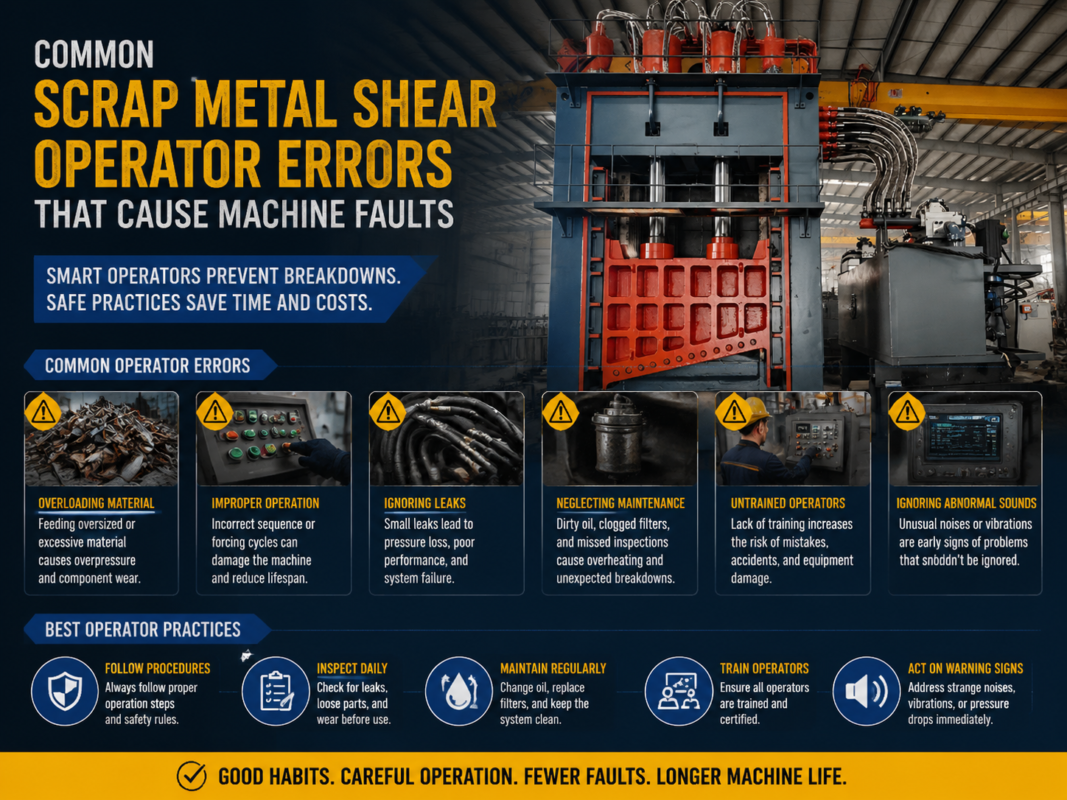
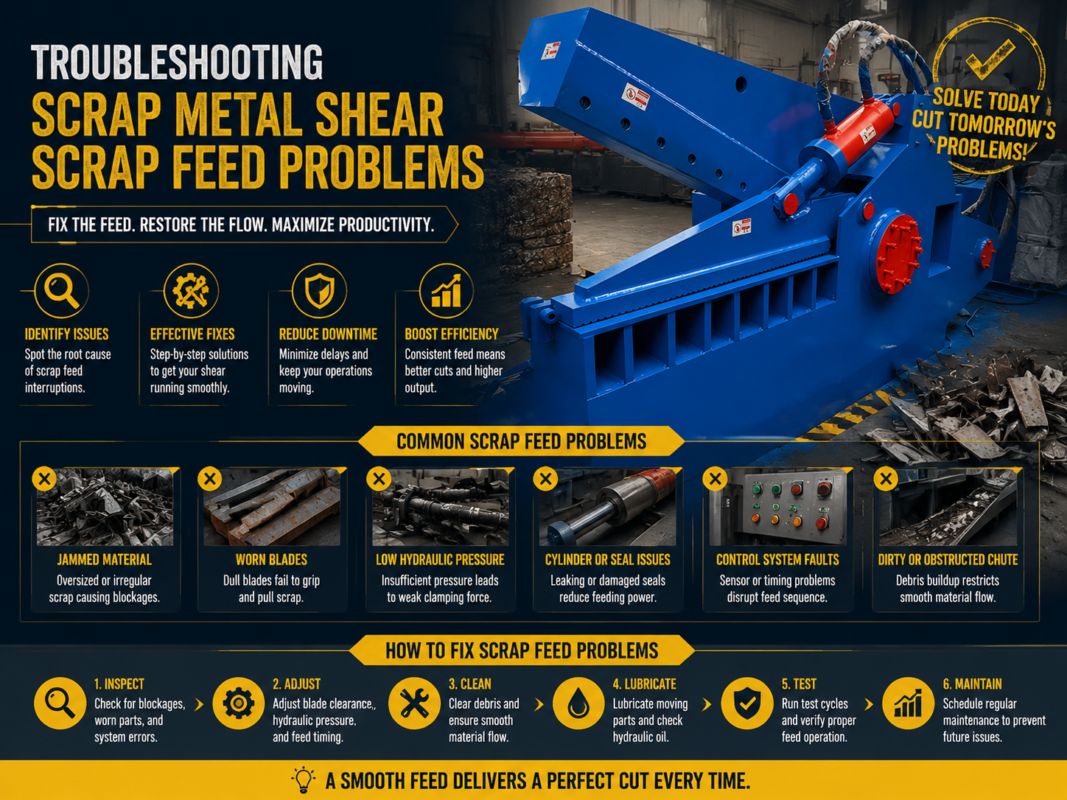
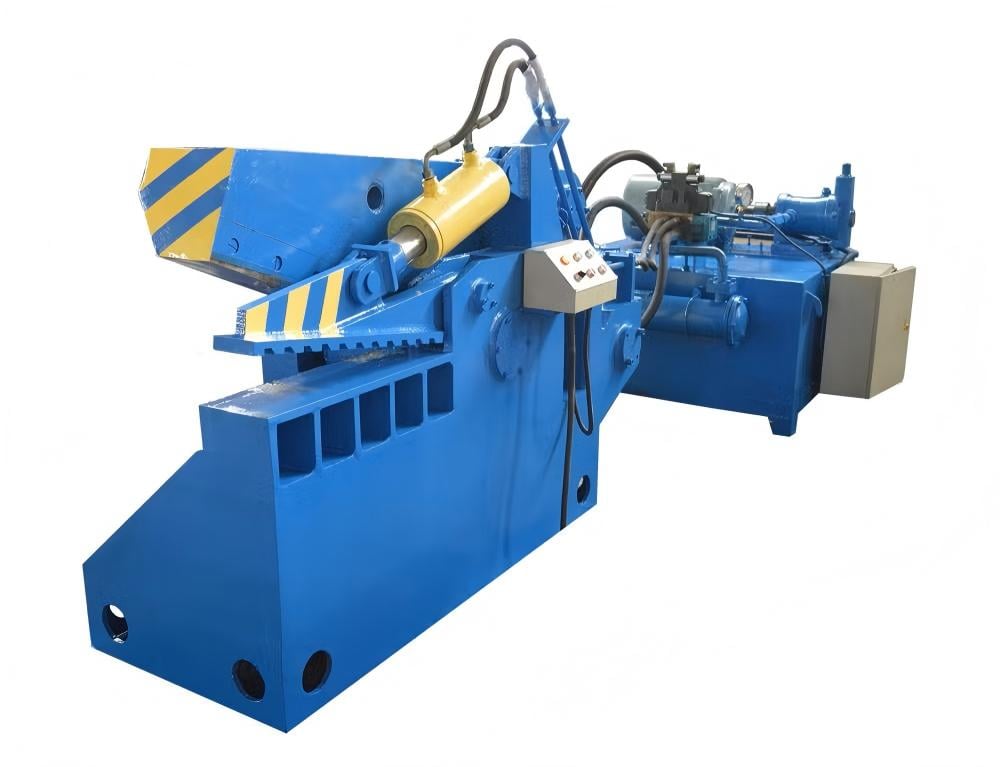
The foundation of any successful maintenance program is the daily inspection. Before the first piece of scrap is loaded into the hopper, the operator must perform a thorough visual and physical check of the machine. This routine identifies potential issues before they escalate into major failures. Start by clearing any debris from the cutting area. Small shards of metal can wedge themselves between the blade and the frame, causing unnecessary friction and heat during operation.
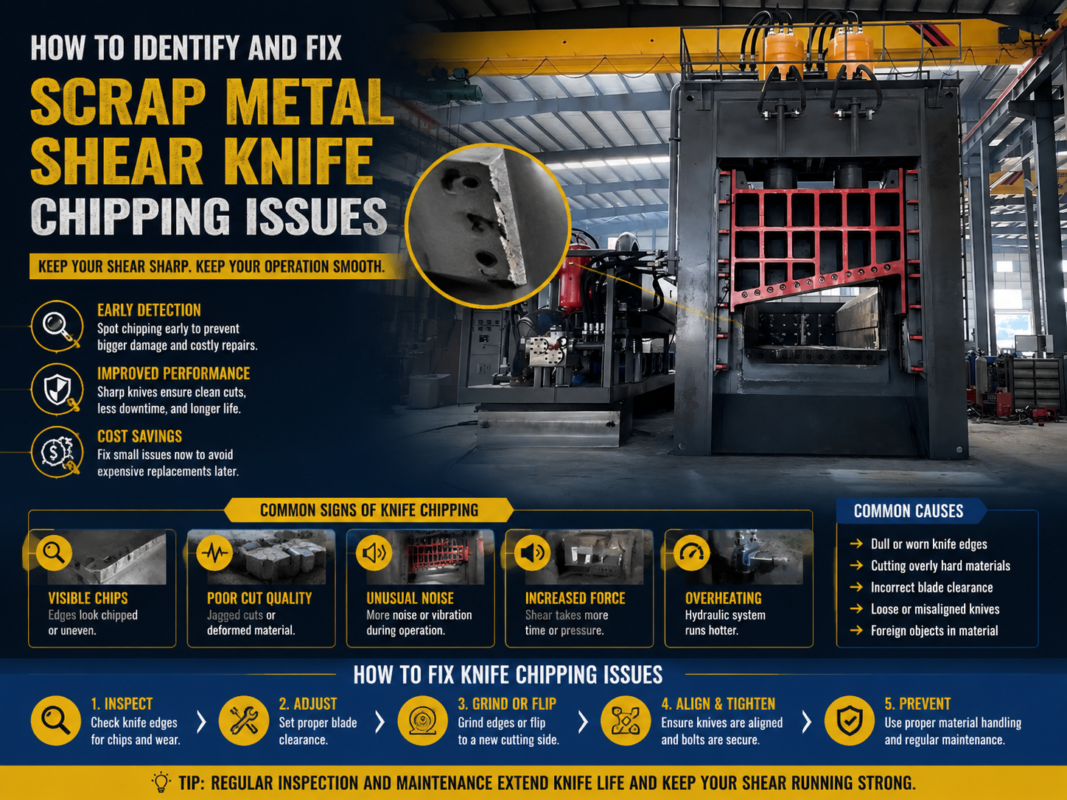
Next, inspect the blades themselves. Look for visible chips, cracks, or excessive rounding of the cutting edges. Even a small chip can act as a stress concentrator, leading to a larger fracture under the immense pressure of a hydraulic stroke. If the blades appear dull, it may be time to rotate them or schedule a sharpening session. Most HARSLE shears feature multi-sided blades that can be flipped to provide a fresh cutting edge, effectively doubling or quadrupling the life of the component before replacement is necessary.
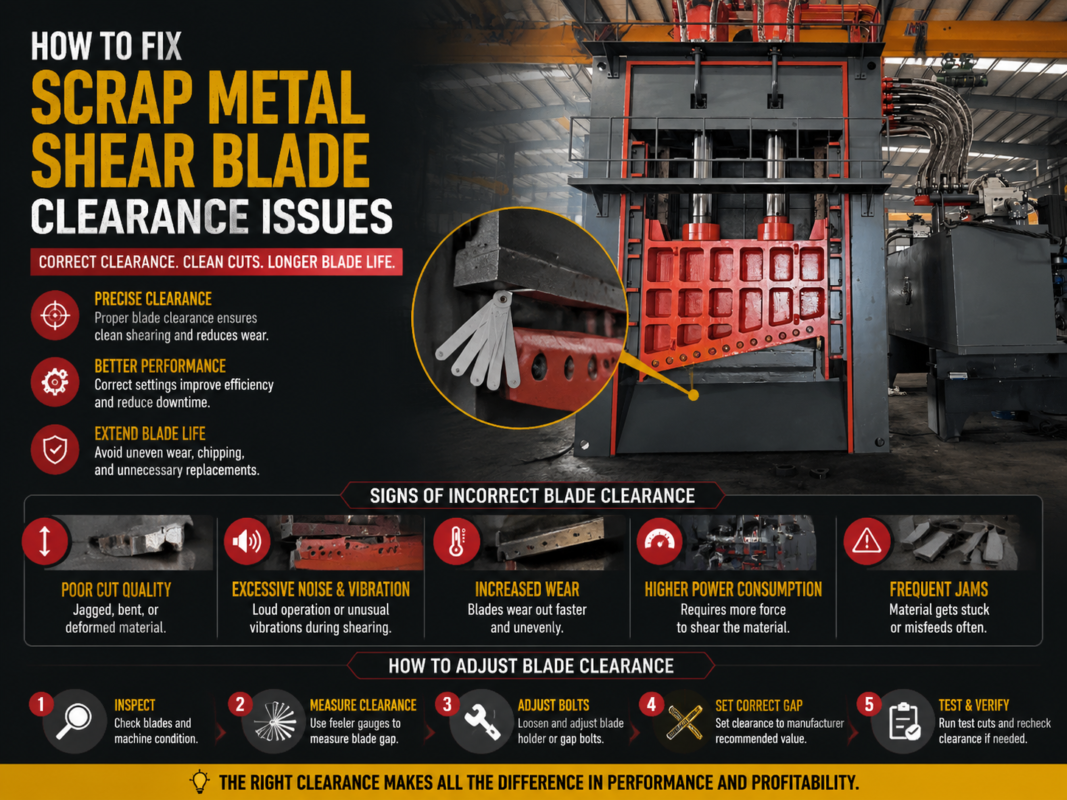
Check the blade gap, also known as the clearance. This is perhaps the most critical factor in achieving cleaner cuts. If the gap is too wide, the metal will bend or tear rather than shear cleanly. If it is too tight, the blades may rub against each other, causing rapid wear and potential damage to the blade seats. Use a feeler gauge to ensure the clearance meets the manufacturer’s specifications for the thickness of the material being processed.
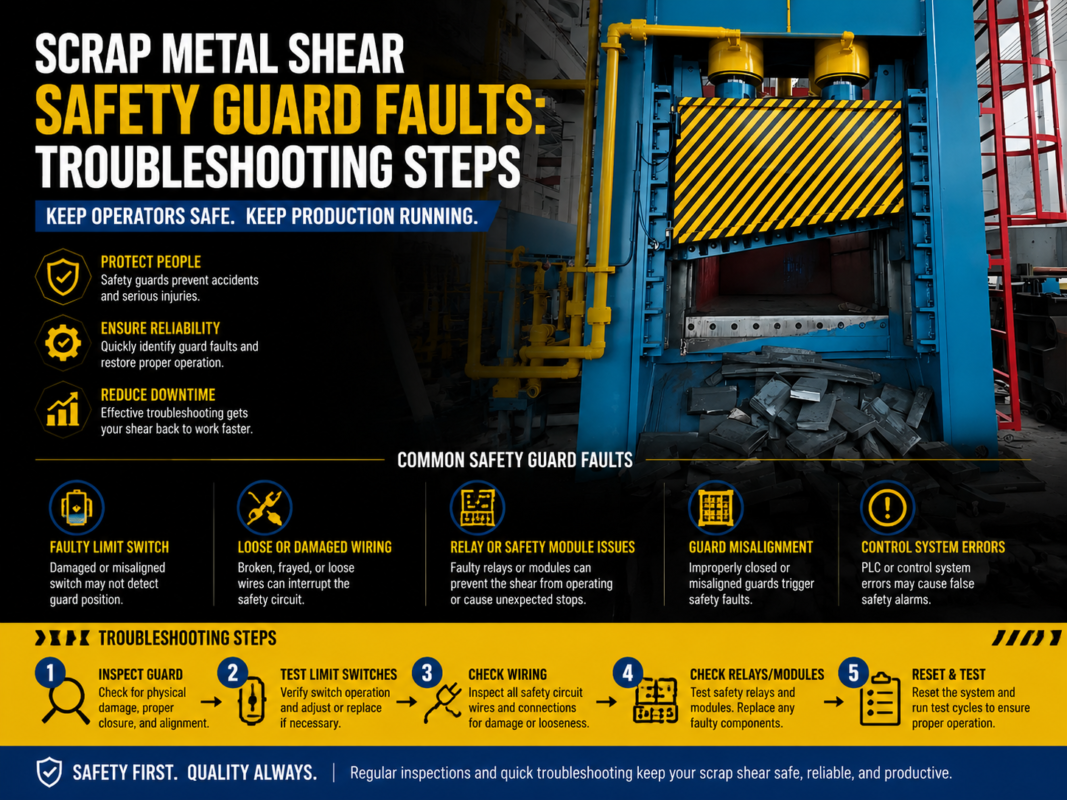
Finally, verify the integrity of all safety guards and emergency stop buttons. A machine that cannot be stopped instantly in an emergency is a liability. Ensure that all hydraulic hoses are free of leaks and that there are no signs of weeping around the cylinder seals. A small leak today is a precursor to a major hydraulic failure tomorrow.
Hydraulic, Electrical, and Mechanical System Checks
Hydraulic System Integrity
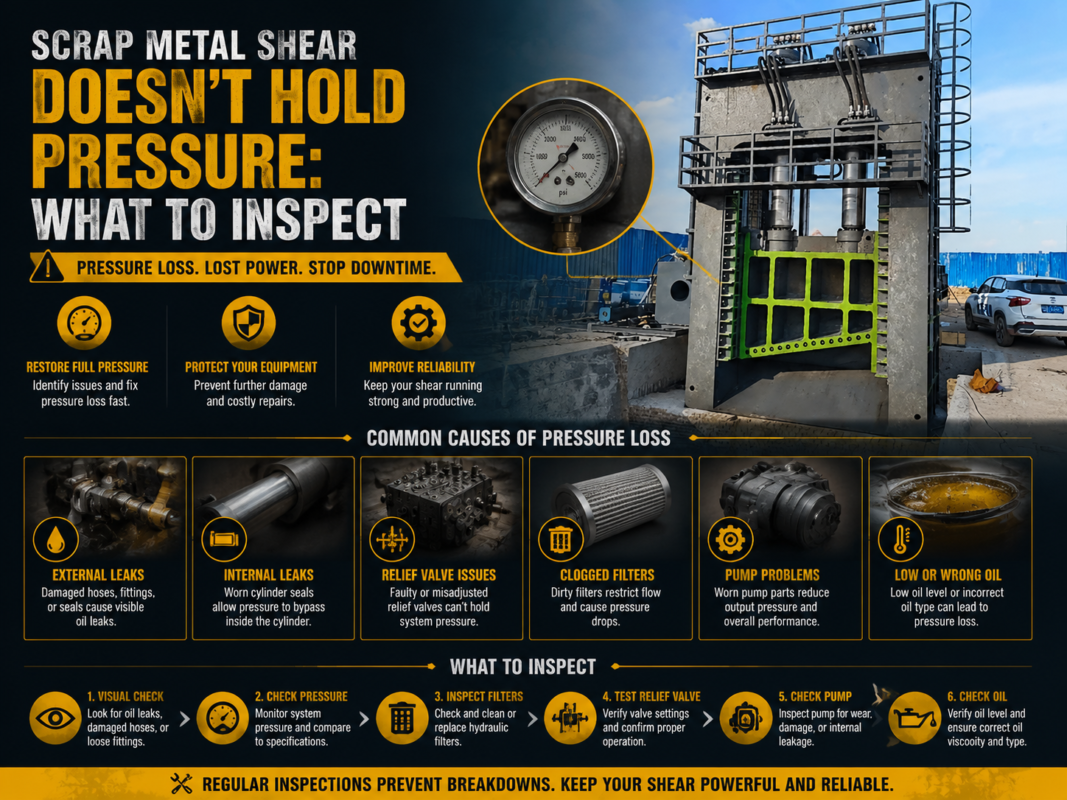
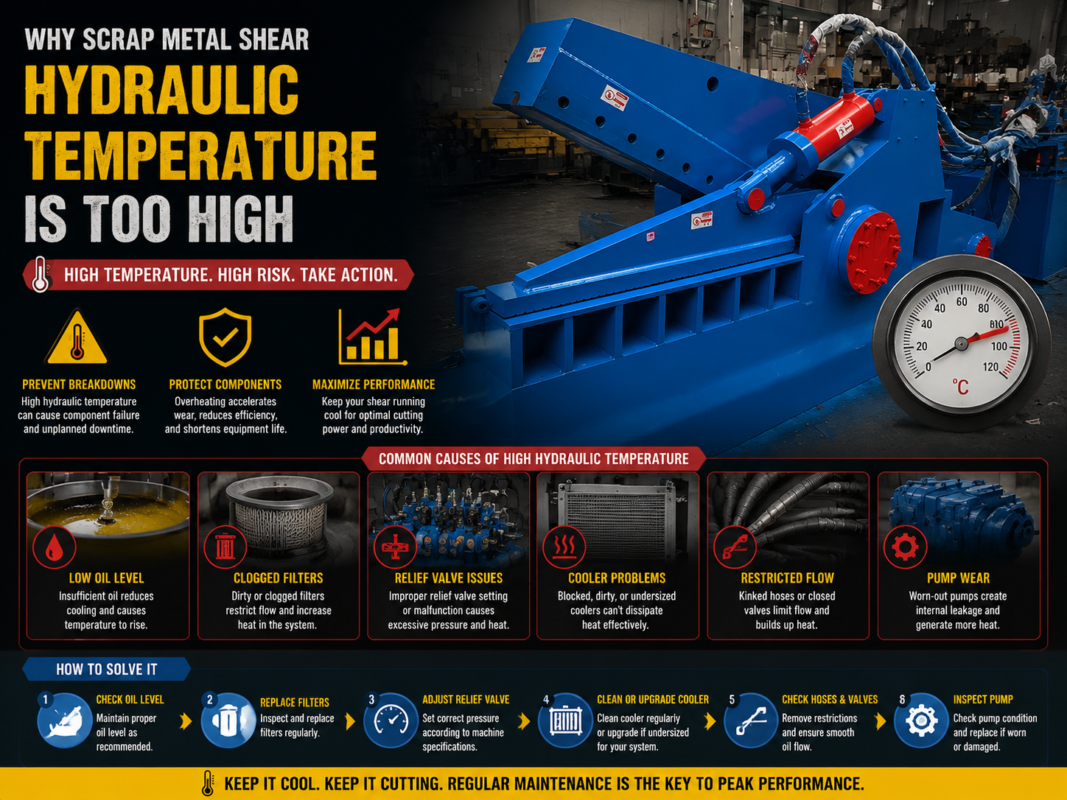
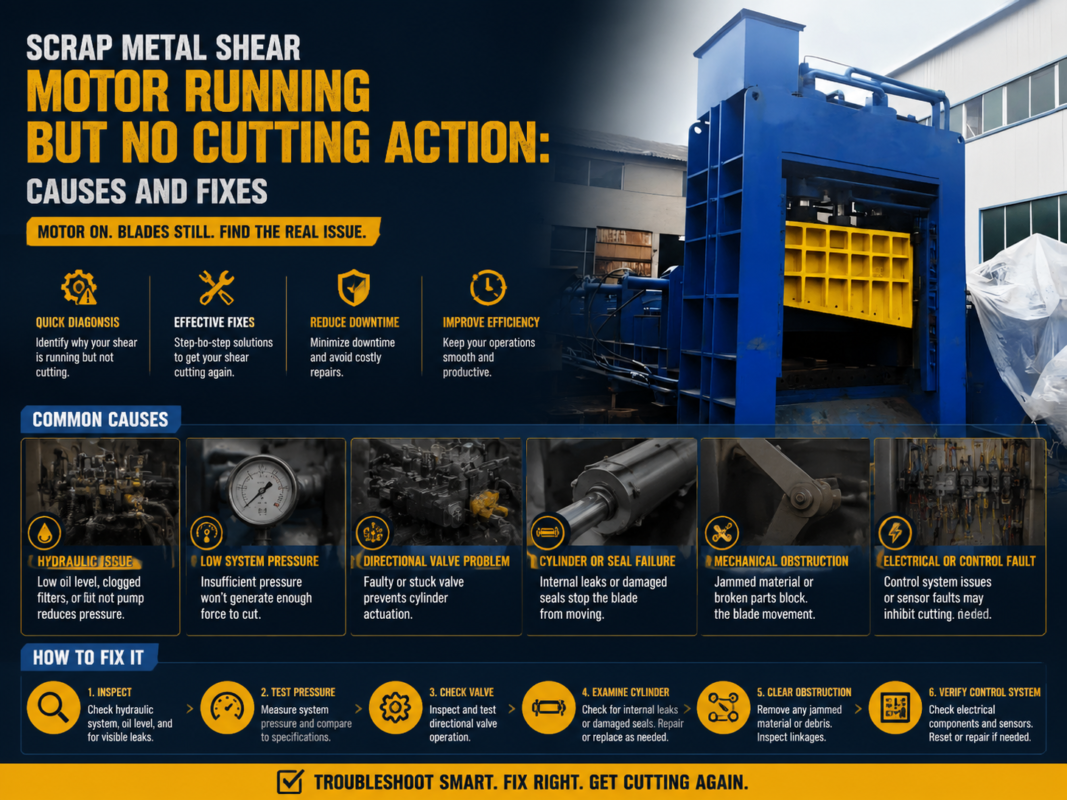
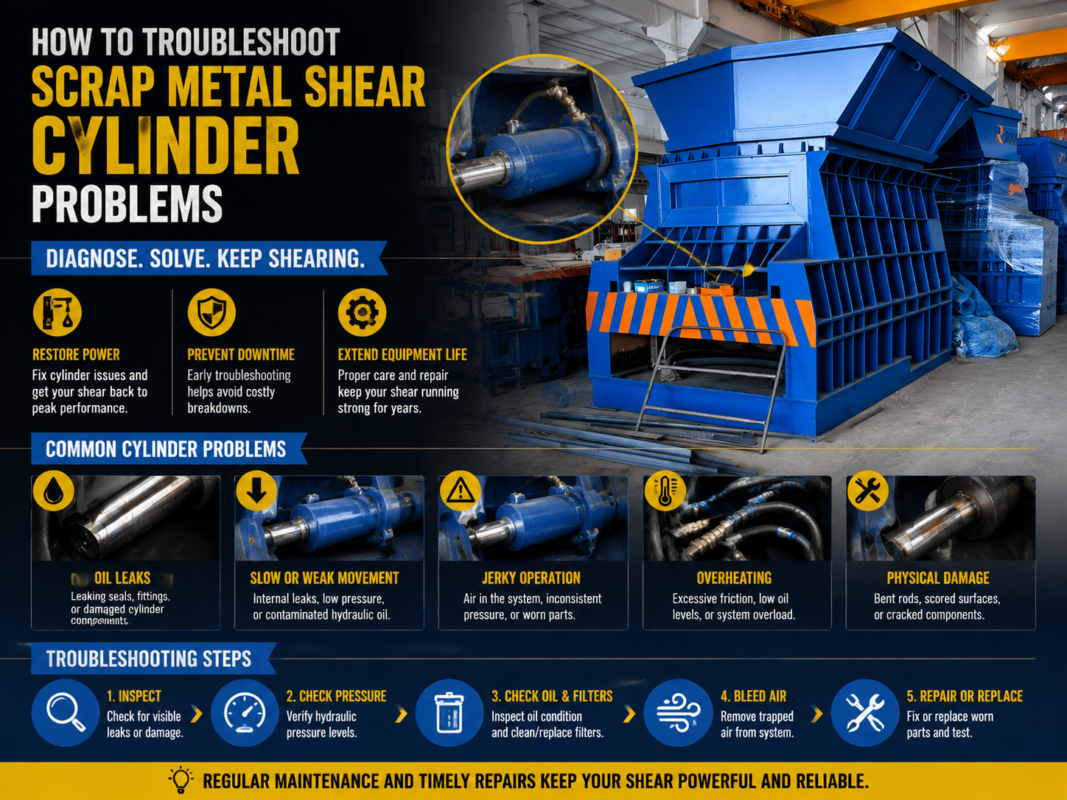
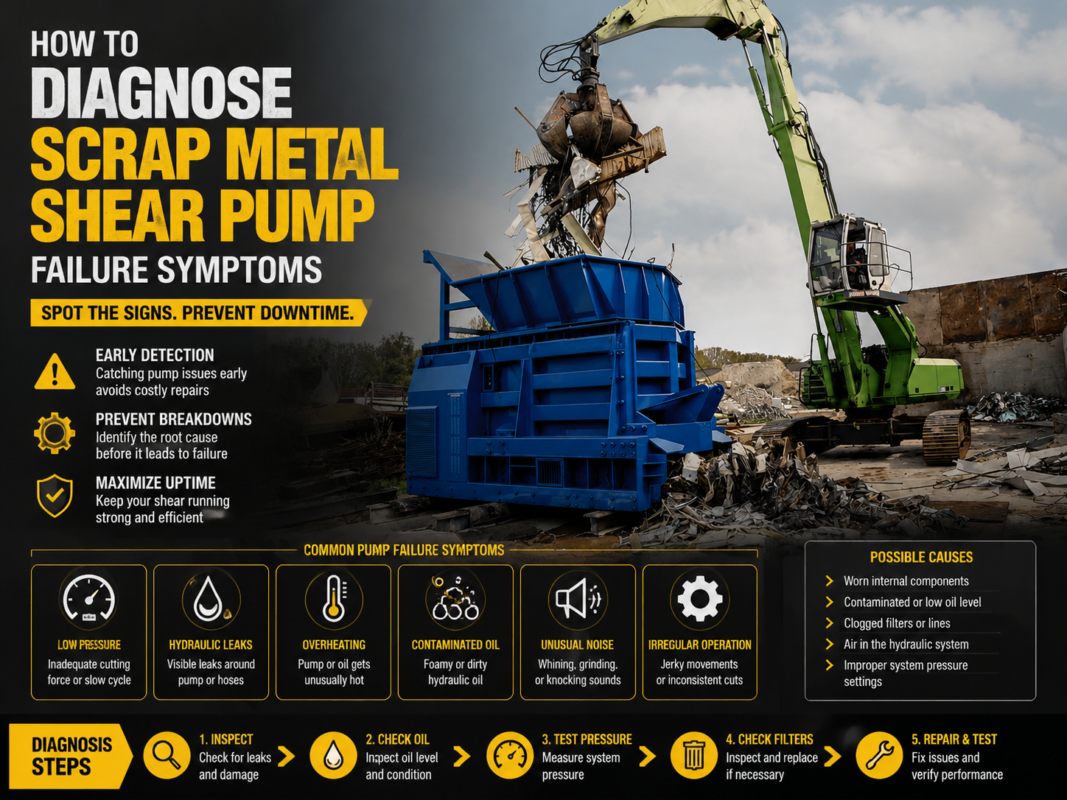
The hydraulic system is the heart of the scrap metal shear. Without consistent pressure and flow, the blades cannot deliver the force required for clean cuts. Daily checks should include monitoring the oil level and temperature. Overheated oil loses its viscosity, leading to poor lubrication of internal pump components and sluggish machine performance. Ensure the cooling system—whether air-cooled or water-cooled—is functioning correctly and that the heat exchanger fins are clean.
On a weekly basis, inspect the hydraulic filters. Contamination is the number one killer of hydraulic systems. Metal particles, dust, and moisture can degrade the oil and damage sensitive valves. If your HARSLE shear is equipped with a pressure gauge, monitor the operating pressure during a cut. If the pressure is fluctuating or failing to reach the set point, it may indicate a worn pump or a leaking internal seal. Regular oil analysis by a professional lab can also provide early warning signs of component wear.
Electrical and Control Systems
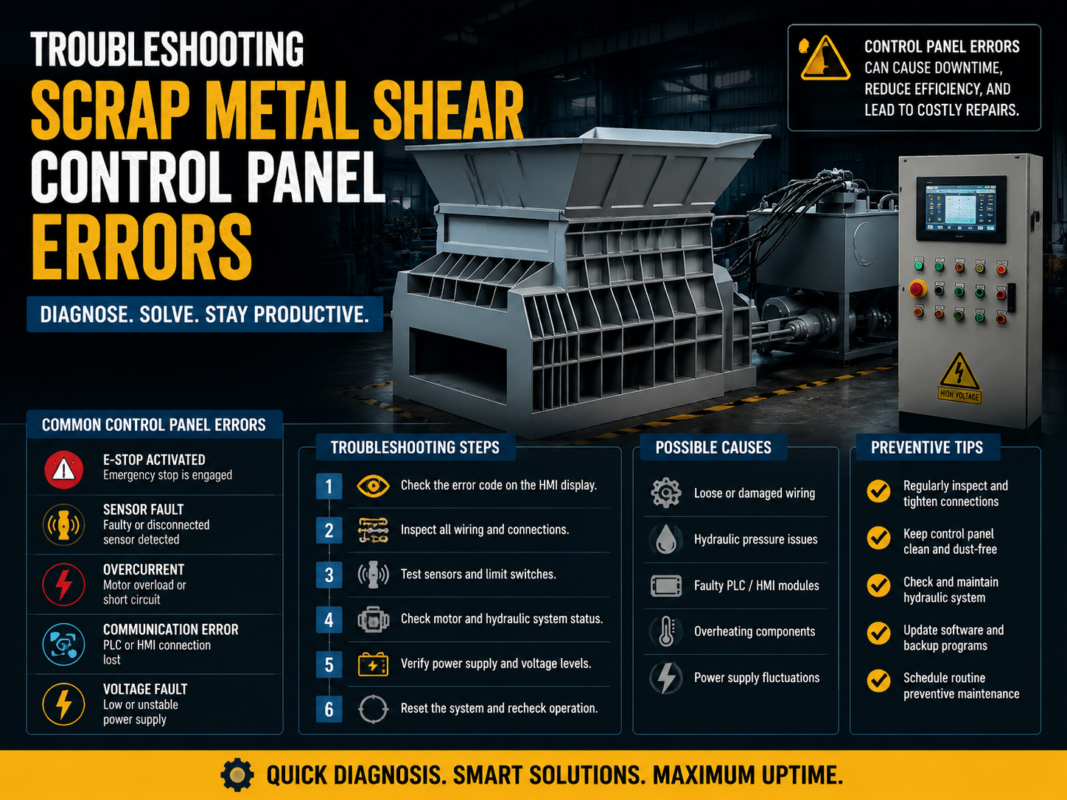
Modern scrap metal shears rely on sophisticated electrical systems to manage the timing and force of the cutting cycle. Inspect the control cabinet for signs of dust accumulation or overheating. Loose wiring connections, caused by the constant vibration of the machine, can lead to intermittent faults or even electrical fires. Ensure that all sensors—such as proximity switches that detect the position of the ram—are clean and properly aligned.
The PLC (Programmable Logic Controller) should be checked for any error codes. If the machine is equipped with a touchscreen interface, ensure it is responsive and that the software is up to date. Electrical maintenance also involves checking the motor’s amperage draw; a motor that is pulling more current than usual may be struggling against a mechanical obstruction or a dull blade.
Mechanical Structure and Fasteners
The mechanical frame of a shear is subjected to massive torsional forces. Over time, the bolts that secure the blades and the main pivot pins can loosen. Use a torque wrench to verify that all critical fasteners are tightened to the manufacturer’s specifications. Pay particular attention to the blade bolts; if these are loose, the blade can shift during a cut, leading to catastrophic damage to both the blade and the blade holder.
Inspect the guide slides or wear plates. These components ensure that the ram moves in a perfectly straight line. If the wear plates are worn down, the ram may tilt slightly, throwing off the blade alignment and resulting in jagged cuts. Most HARSLE machines allow for the adjustment or replacement of these wear plates to maintain factory-level precision throughout the life of the machine.
Comprehensive Lubrication Plan
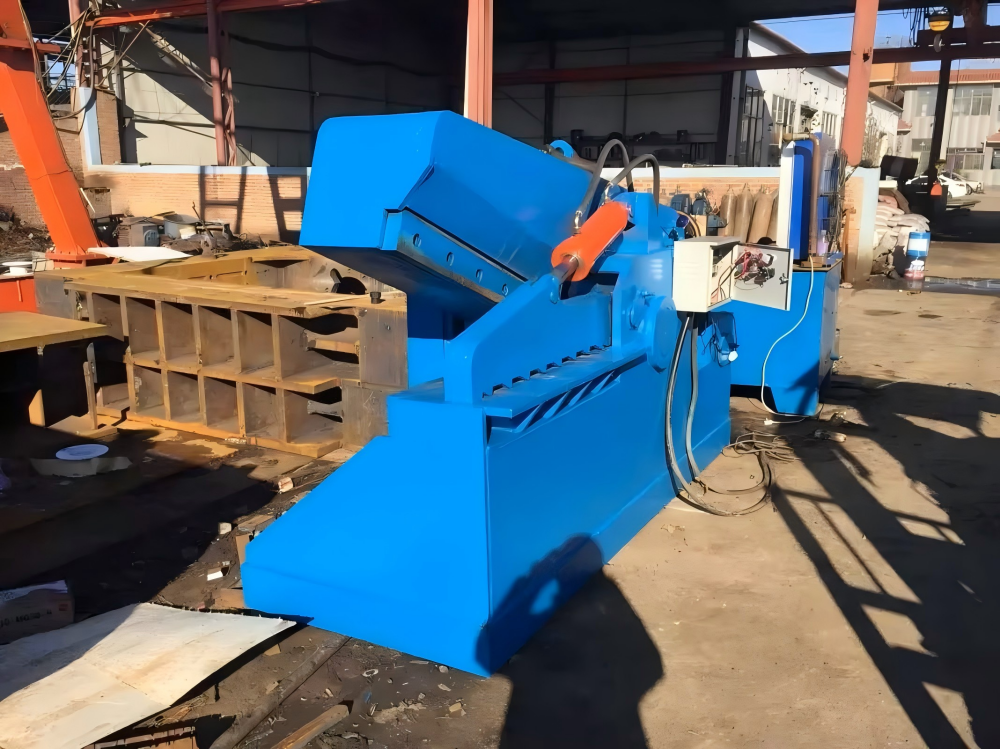
Lubrication is the lifeblood of mechanical longevity. In a scrap metal shear, numerous moving parts operate under extreme pressure, making a robust lubrication plan essential. Without proper grease, friction will quickly lead to galling, heat buildup, and eventual seizure of pivot pins and bushings. A comprehensive plan should specify the type of lubricant to be used, the frequency of application, and the specific points that require attention.
Most industrial shears require a high-pressure, lithium-based grease with molybdenum disulfide (moly) additives. This type of grease is designed to stay in place even under heavy shock loads. Key lubrication points include the main pivot pin, the cylinder clevis pins, and the ram guide rails. If your machine is equipped with an automatic lubrication system, your primary task is to ensure the reservoir is full and that the distribution lines are not blocked or broken.
For manual lubrication systems, consistency is key. It is often better to apply a small amount of grease frequently (e.g., every 4-8 hours of operation) than a large amount once a week. This ensures that fresh grease is always present to flush out contaminants like dust and metal fines. When greasing, continue to pump until you see a small amount of clean grease exiting the seals; this confirms that the old, contaminated grease has been displaced.
Don’t forget the secondary components. Hinges on safety doors, adjustment bolts for the blade gap, and even the motor bearings (if not sealed) require periodic lubrication. Keeping a detailed log of lubrication activities helps ensure that no point is missed and provides a record for warranty purposes or resale value.
Troubleshooting Signals: Identifying Issues Early
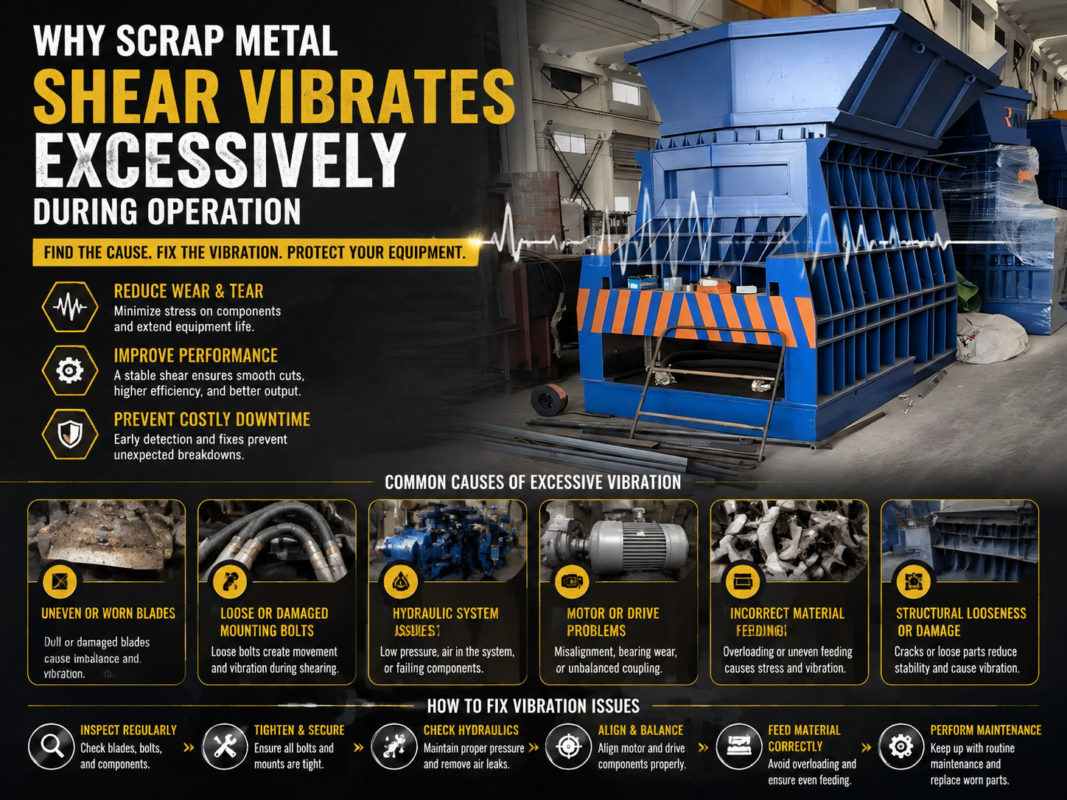
Even with the best maintenance, components will eventually wear out. The key to minimizing downtime is recognizing the early warning signs of trouble. One of the most common signals is a change in the sound of the machine. A high-pitched squeal might indicate a hydraulic cavitation issue or a failing bearing, while a heavy thud or clunk during the cutting stroke could suggest loose blades or a worn pivot pin.
The quality of the cut is another major indicator. If you notice that the scrap metal is being “folded” rather than cut, or if there are significant burrs on the edges, your blades are likely dull or the gap is too wide. Another sign is “stalling,” where the shear fails to complete a cut on material it previously handled with ease. This usually points to a drop in hydraulic pressure or a significant loss of blade sharpness.
Watch for excessive vibration. While scrap shearing is inherently a high-vibration activity, an increase in the intensity or a change in the frequency of vibration can signal mechanical misalignment. Finally, monitor the temperature of the hydraulic oil and the motor. If the machine is running hotter than usual, it is working too hard, likely due to internal friction or a dull cutting edge. Addressing these signals immediately can prevent a minor adjustment from turning into a major overhaul.
Maintenance Schedule Table
To keep your HARSLE scrap metal shear in top condition, follow this structured maintenance schedule. Note that these intervals are based on standard single-shift operations; if you run multiple shifts, increase the frequency accordingly.
| Frequency | Task Category | Action Items |
|---|---|---|
| Daily | Visual & Safety | Check for debris, inspect blade edges, verify E-stops, check oil levels. |
| Daily | Lubrication | Grease main pivot pins and ram guides (if manual). Check auto-lube reservoir. |
| Weekly | Mechanical | Check blade bolt torque, inspect blade gap/clearance, check for hydraulic leaks. |
| Weekly | Hydraulic | Clean heat exchanger, inspect hoses for abrasion, check filter indicators. |
| Monthly | Electrical | Inspect control cabinet, tighten electrical terminals, test all sensors. |
| Monthly | Mechanical | Inspect wear plates/slides, check for structural cracks in the frame. |
| 6 Months | Hydraulic | Perform hydraulic oil analysis, replace filters, check pump performance. |
| Yearly | Comprehensive | Change hydraulic oil, calibrate pressure settings, professional blade sharpening/rotation. |
Frequently Asked Questions (FAQ)
1. How often should I sharpen my scrap metal shear blades?
The frequency of sharpening depends entirely on the volume and type of material you are processing. For heavy-duty steel recycling, you might need to rotate or sharpen blades every 200-500 hours of operation. If you notice a decrease in cut quality or an increase in hydraulic pressure, it is time to service the blades. Always follow the Scrap Metal Shear Blade Maintenance Tips for Cleaner Cuts to maximize the time between sharpenings.
2. Can I sharpen the blades myself?
While minor touch-ups can be done with a hand grinder to remove small burrs, professional sharpening is highly recommended. Shear blades require precise angles and a perfectly flat surface to function correctly. Professional grinding services use specialized equipment to maintain the metallurgy and geometry of the blade, ensuring it performs like new.
3. What is the ideal blade gap for a scrap shear?
The ideal gap typically ranges from 5% to 10% of the thickness of the material being cut. However, for scrap shears processing varied materials, a standard setting is usually provided by HARSLE in the operator’s manual. Maintaining this gap is crucial for achieving cleaner cuts and preventing blade damage.
4. Why is my shear making a loud banging noise?
A loud banging noise often indicates that the blade bolts are loose or that the blade gap is too wide, causing the material to “snap” rather than shear. It could also indicate a problem with the hydraulic relief valve. Stop the machine immediately and inspect the mechanical fasteners and blade alignment.
5. What type of hydraulic oil should I use?
Most HARSLE scrap shears use an ISO VG 46 or 68 anti-wear hydraulic oil. The specific grade depends on your local climate and operating environment. Always consult your manual, as using the wrong oil can lead to pump failure and poor cutting performance.
6. How do I know when to replace the blades entirely?
Blades should be replaced when they have been sharpened down past their minimum usable width (as specified by the manufacturer) or if they develop deep cracks that cannot be ground out. Using a blade that is too thin can lead to it shattering under pressure, which is extremely dangerous.
7. Does the type of scrap metal affect maintenance frequency?
Yes, absolutely. Processing abrasive materials like stainless steel or high-carbon alloys will wear down blades and hydraulic components much faster than processing soft aluminum or copper. If you are shearing tougher materials, you should increase the frequency of your inspections and lubrication.