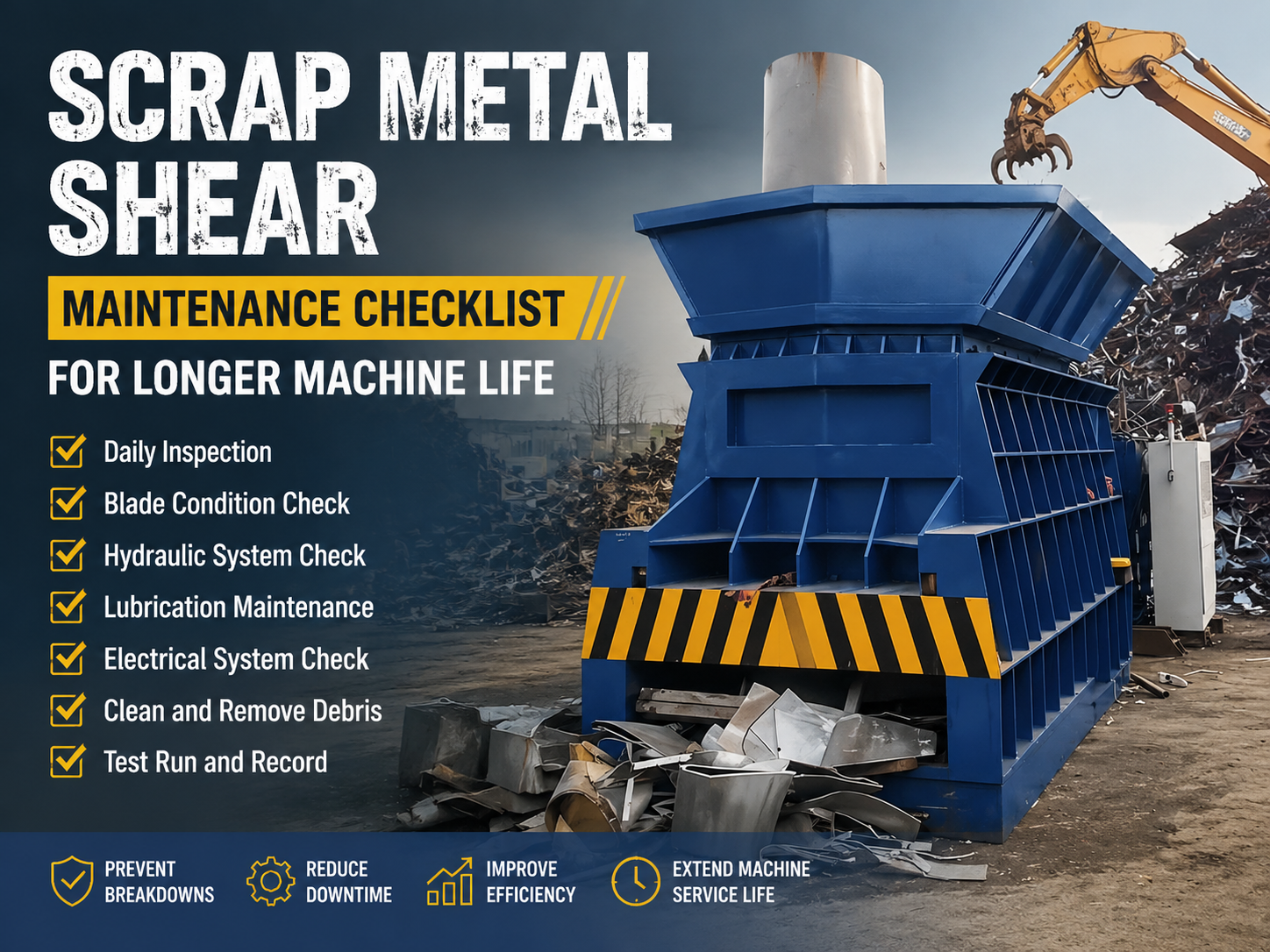
Scrap Metal Shear Maintenance Checklist for Longer Machine Life

The Critical Role of Maintenance in Scrap Metal Processing
In the high-intensity world of metal recycling, the scrap metal shear stands as the workhorse of the yard. These machines are designed to exert hundreds of tons of force to slice through heavy structural steel, automotive frames, and industrial piping. However, the very nature of this work—processing abrasive, heavy, and often unpredictable materials—puts immense strain on every component of the machine. Implementing a Scrap Metal Shear Maintenance Checklist for Longer Machine Life is not just a recommendation; it is a financial necessity for any operation looking to protect its capital investment and ensure consistent throughput.
Effective maintenance goes beyond simple repairs when something breaks. It is a proactive philosophy that identifies wear and tear before it leads to catastrophic failure. For HARSLE machinery, which is engineered for precision and durability, following a structured maintenance protocol ensures that the hydraulic systems, mechanical linkages, and cutting edges perform at their peak efficiency. A well-maintained shear operates faster, uses less energy, and produces cleaner cuts, which in turn increases the value of the processed scrap.
Furthermore, the safety implications of neglecting maintenance cannot be overstated. High-pressure hydraulic systems and massive moving parts pose significant risks if not properly monitored. A loose bolt or a frayed hydraulic hose can lead to dangerous accidents. By adhering to a comprehensive Scrap Metal Shear Maintenance Checklist for Longer Machine Life, facility managers can create a safer working environment while simultaneously reducing the Total Cost of Ownership (TCO) of their equipment. In the following sections, we will break down the essential steps required to keep your scrap shear in top-tier condition for decades.
Daily Inspection: The First Line of Defense
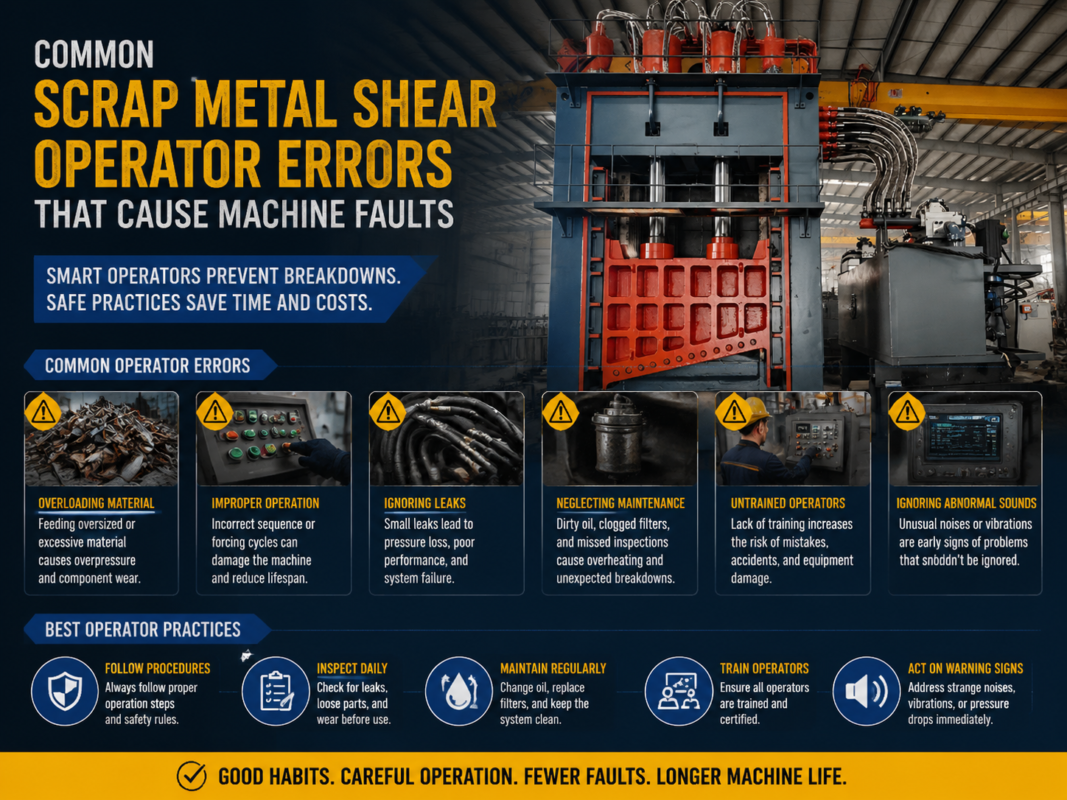
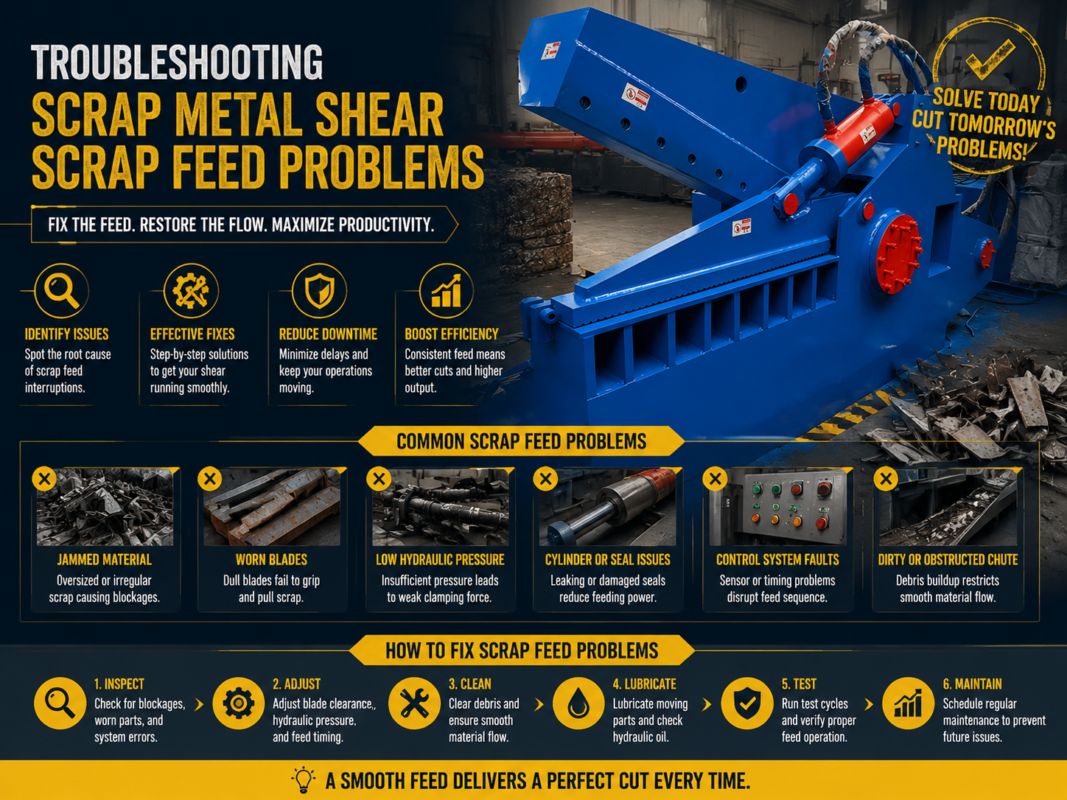
The daily inspection is the most critical part of any maintenance routine. It should be performed at the start of every shift before the machine is powered on. This routine allows operators to catch minor issues that could escalate into major repairs by midday. Start with a visual sweep of the entire machine. Look for any signs of hydraulic fluid leaks on the floor or around the cylinder seals. Even a small drip can indicate a failing seal or a loose fitting that could lead to a sudden loss of pressure during operation.
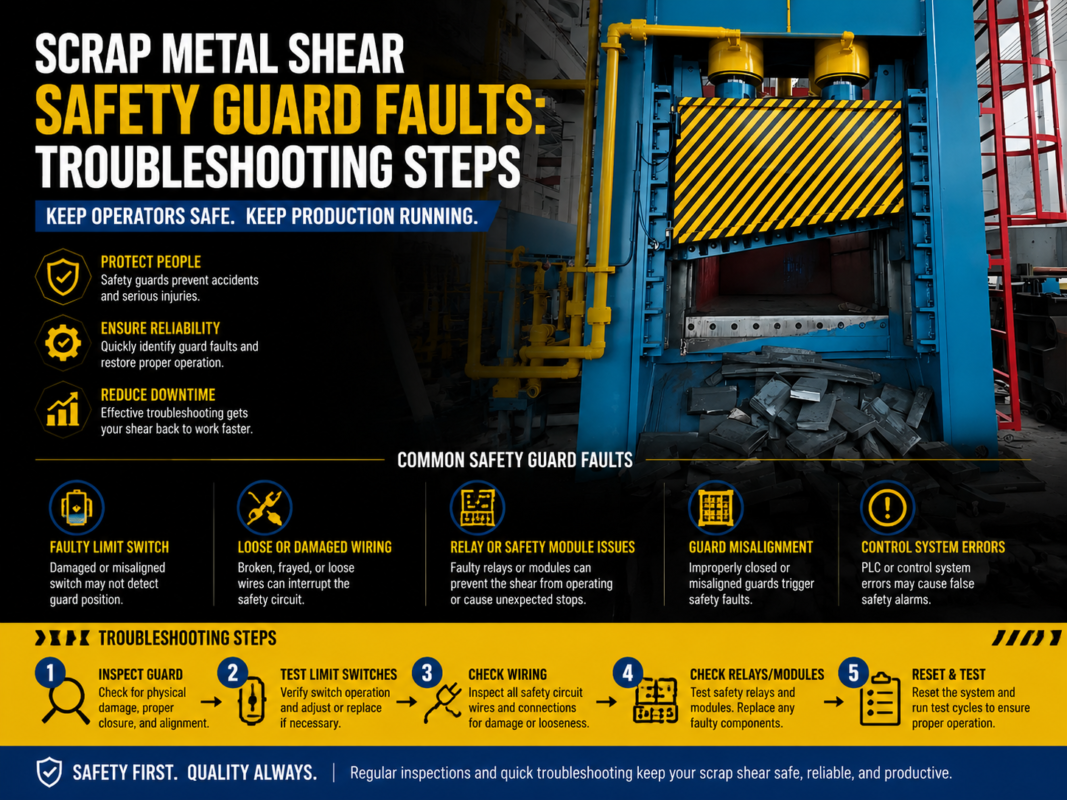
Next, inspect the cutting area. Scrap metal is notoriously dirty and abrasive. Check for any debris, such as small metal shards or wire, that may have become lodged in the guide rails or near the blade seats. This debris can act as an abrasive, grinding down precision-machined surfaces. Ensure that the safety guards are securely in place and that the emergency stop buttons are functional. Testing the E-stop every morning is a non-negotiable safety standard in industrial metal fabrication.
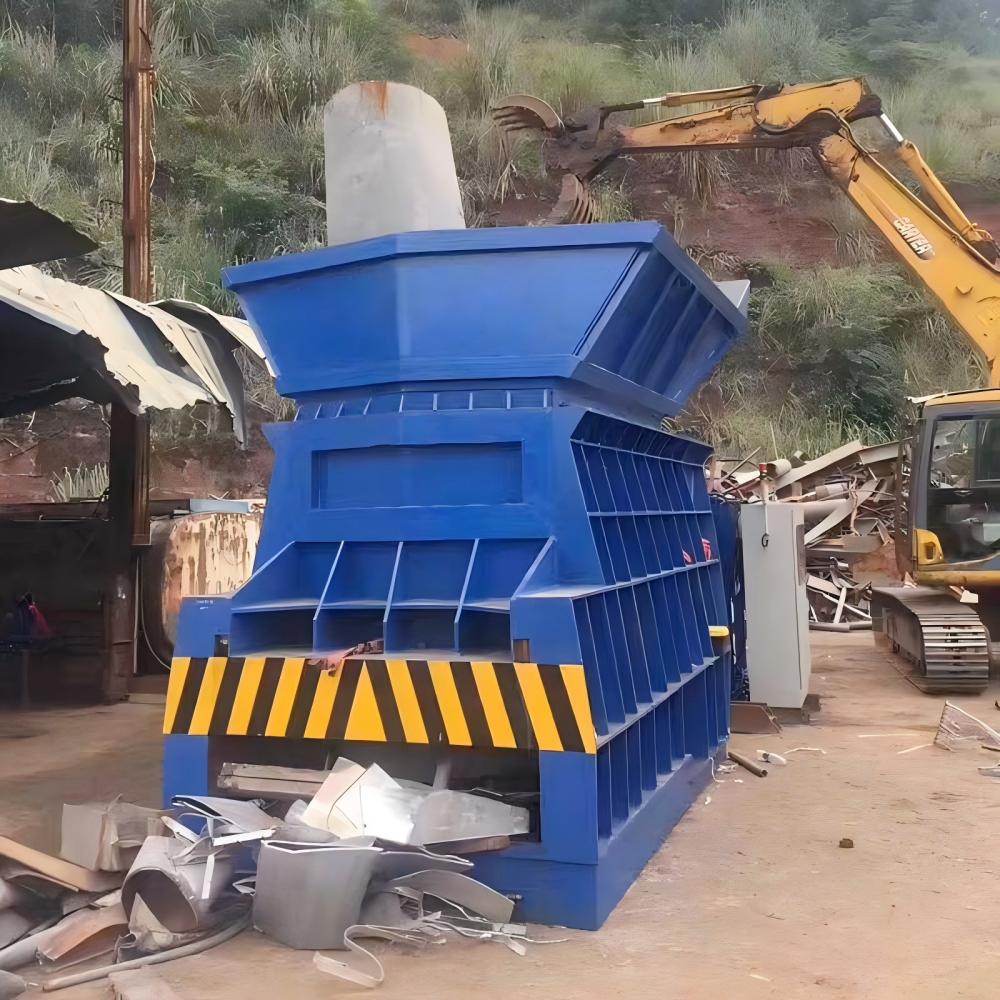
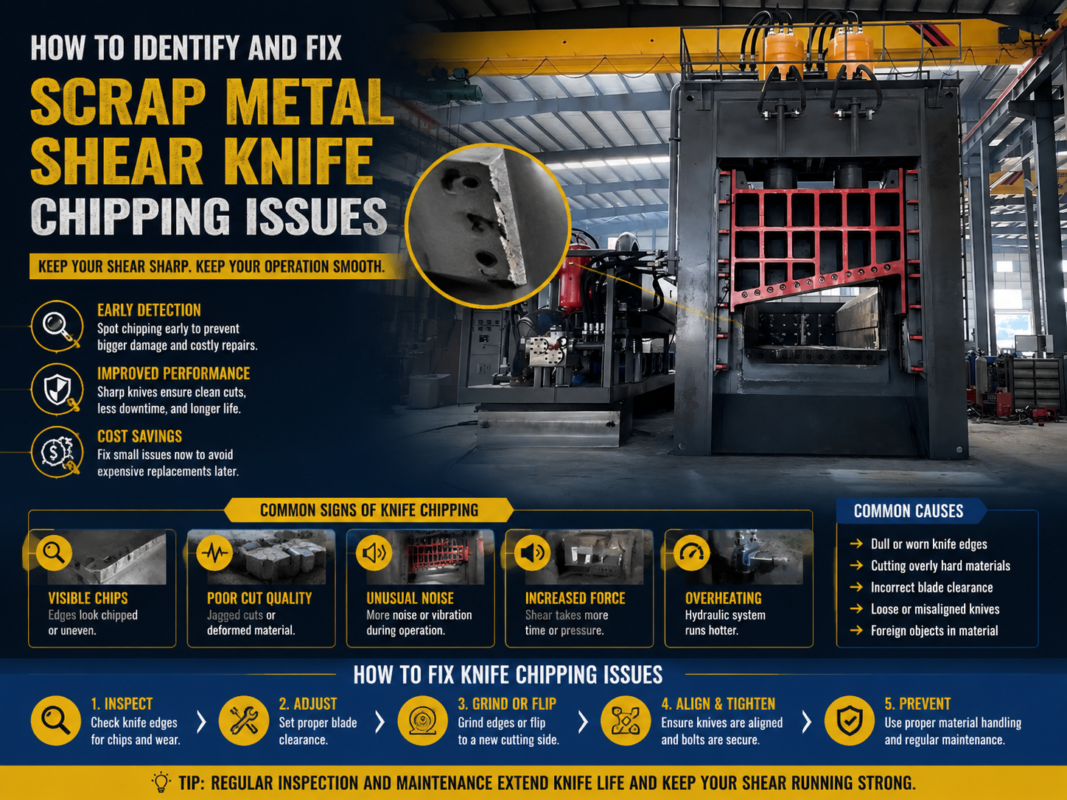
Check the fluid levels in the hydraulic reservoir. Operating a shear with low oil levels can lead to pump cavitation, which causes permanent internal damage to the hydraulic pump. Additionally, observe the condition of the blades. Are there any visible chips or excessive rounding of the edges? While blades don’t need to be changed daily, knowing their current state helps in planning for future downtime. Finally, listen to the machine during its initial warm-up cycles. Any unusual whining, grinding, or banging sounds should be investigated immediately before processing the first load of scrap.
Hydraulic System Checks: The Heart of the Machine
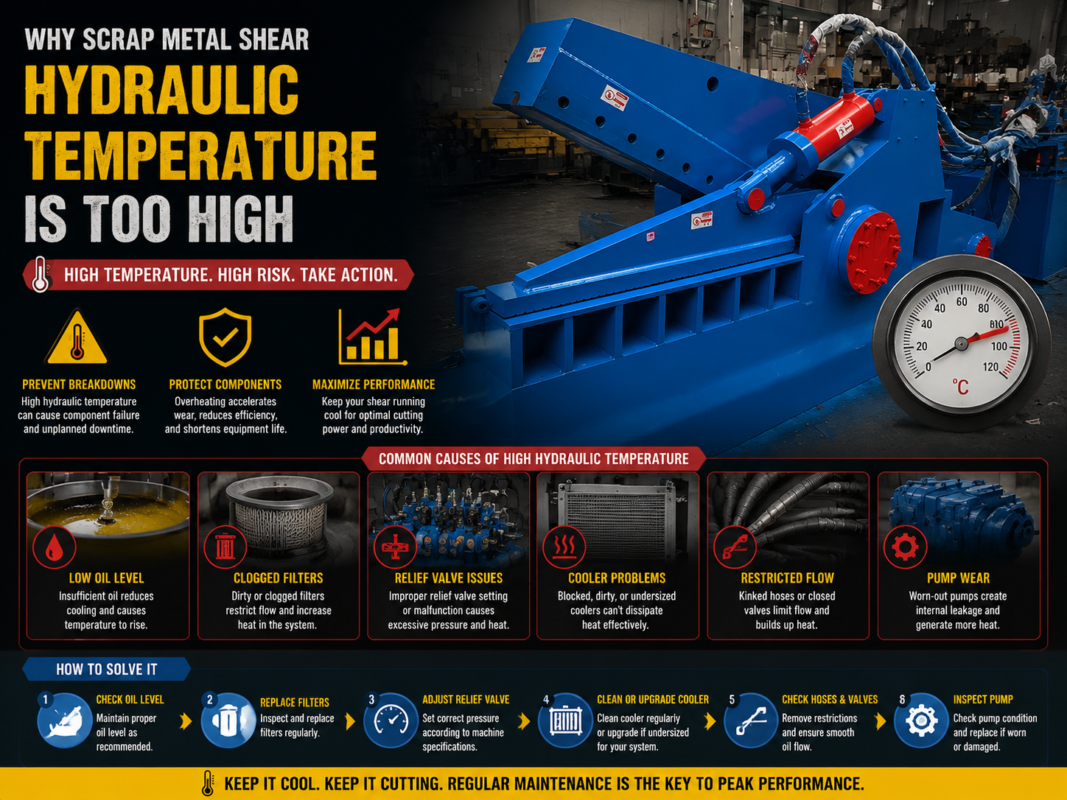
The hydraulic system is the lifeblood of a scrap metal shear. It converts electrical energy into the massive mechanical force required to cut steel. Maintaining this system requires a focus on two main factors: oil cleanliness and temperature management. Hydraulic oil should be clear and free of contaminants. Over time, the high-pressure environment causes the oil to break down, losing its lubricating properties and ability to resist foaming. Regularly sampling the oil for laboratory analysis can provide deep insights into the internal health of the pumps and valves.
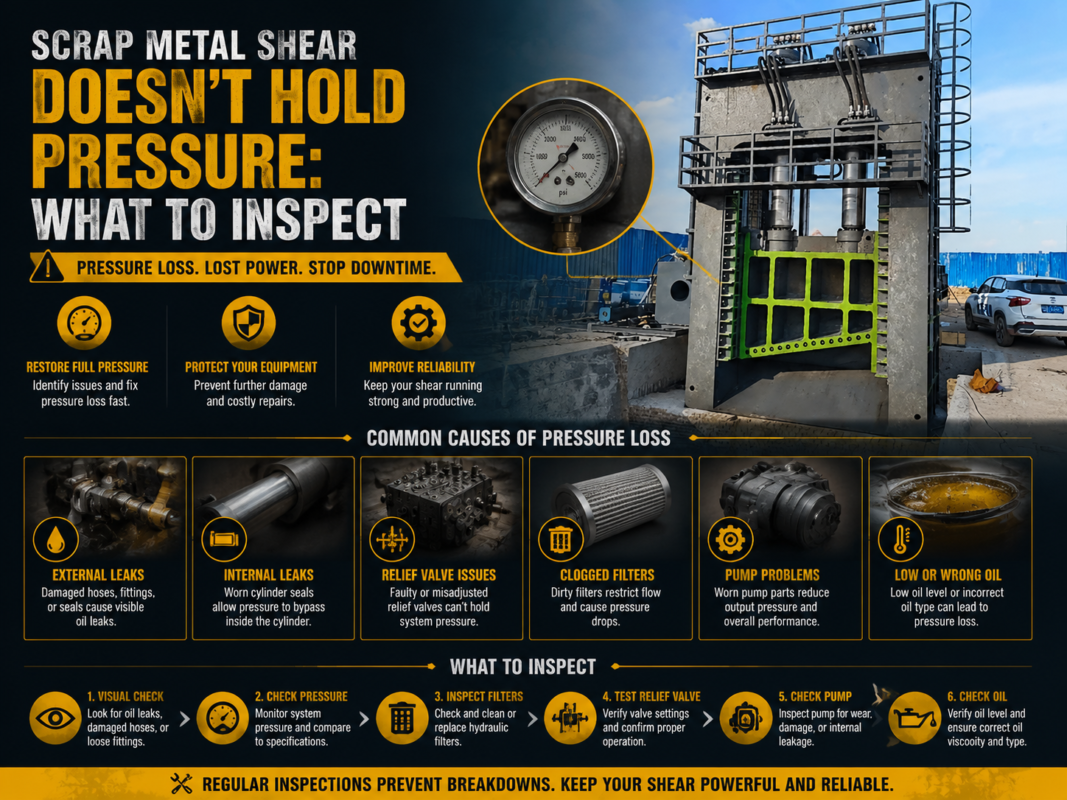
Filters are your primary defense against contamination. A Scrap Metal Shear Maintenance Checklist for Longer Machine Life must include the regular replacement of suction and return-line filters. If a filter becomes bypassed due to clogging, contaminants will circulate through the sensitive valves, leading to erratic behavior or total system failure. It is also vital to monitor the hydraulic oil temperature. Most systems are designed to operate between 40°C and 60°C. If the oil exceeds 65°C, its viscosity drops significantly, leading to increased wear and potential seal damage. Ensure that the cooling fans and heat exchangers are clean and functioning correctly.
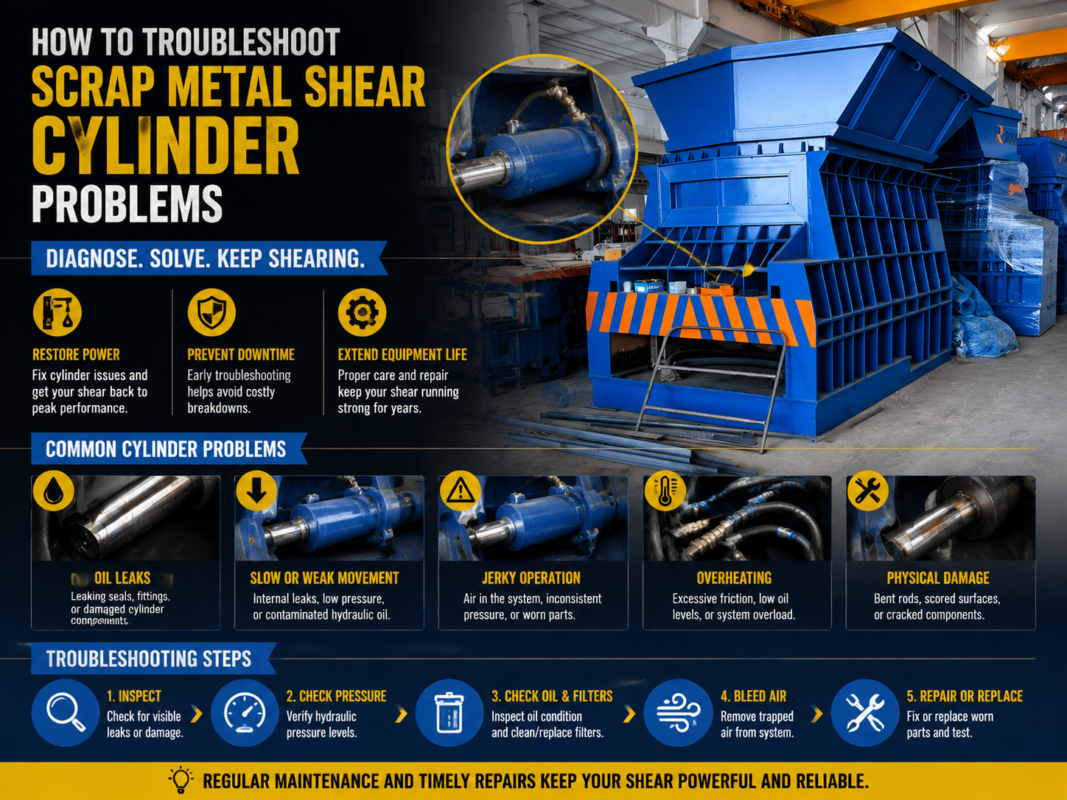
Check the hydraulic hoses for signs of aging, such as cracking, bulging, or “sweating.” Hoses in a scrap yard environment are often exposed to falling debris and extreme weather, which accelerates their degradation. It is a best practice to replace high-pressure hoses every two to three years, regardless of their visual appearance, to prevent high-pressure bursts. Lastly, inspect the cylinder rods for scoring or pitting. A damaged rod will quickly destroy the cylinder seals, leading to costly leaks and loss of cutting power.
Electrical and Control System Maintenance
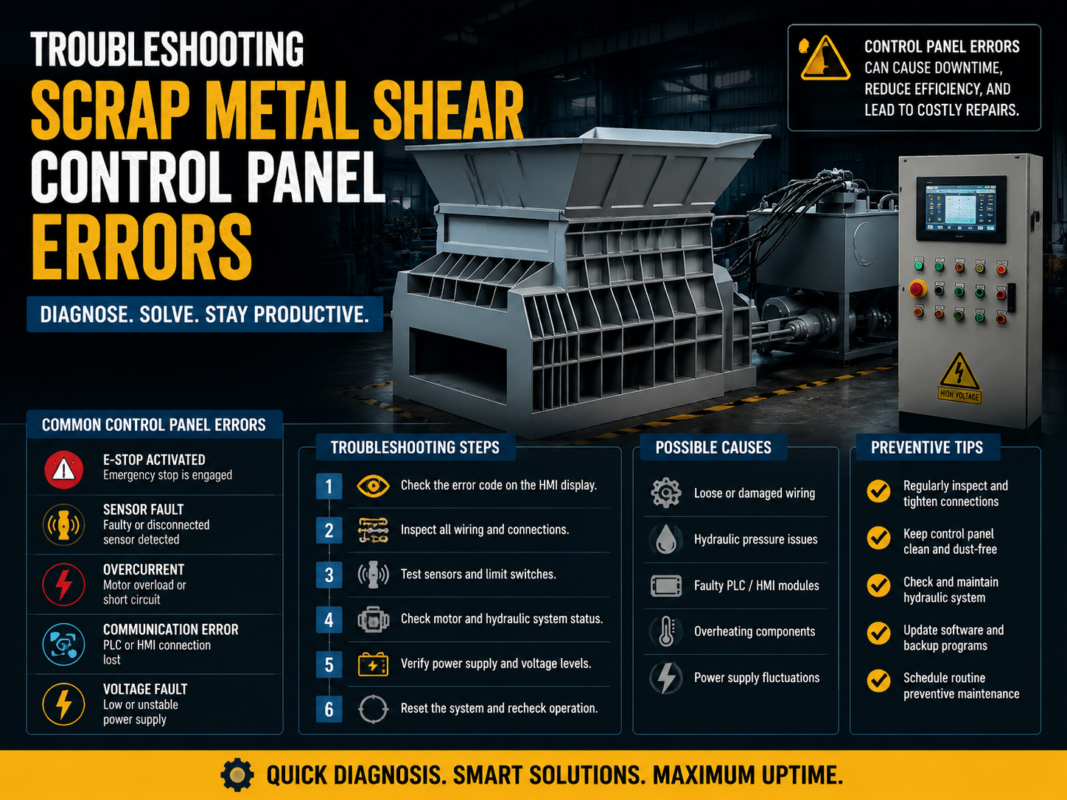
Modern scrap shears, like those manufactured by HARSLE, rely on sophisticated PLC (Programmable Logic Controller) systems and electrical components to manage cycle times and safety interlocks. The electrical cabinet should be kept clean and dry. Dust, especially metallic dust common in scrap yards, can cause short circuits if it enters the control panel. Periodically use compressed air (at low pressure) or a vacuum to clean the interior of the electrical cabinet, ensuring the power is disconnected first.
Check all electrical connections for tightness. Vibration from the shearing process can cause terminal screws to loosen over time, leading to intermittent faults or overheating of the wires. Inspect the sensors and limit switches that control the stroke of the shear. If a limit switch is misaligned or caked with grease and dirt, the shear may not complete its cycle correctly, or worse, it could over-travel and cause mechanical damage. Ensure that all cables are protected by conduit and that there are no exposed wires that could be snagged by moving scrap.
Mechanical Integrity and Blade Management
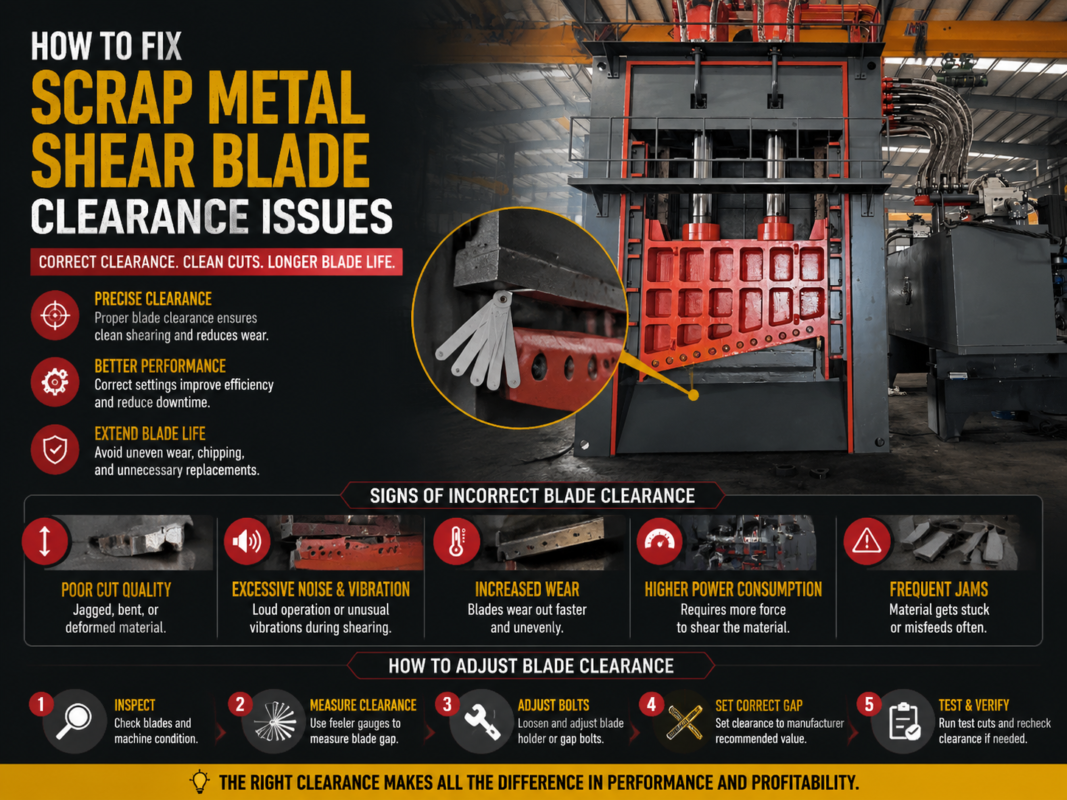
The mechanical structure of the shear—the frame, the slide, and the blade seats—must remain rigid to ensure precision. One of the most important mechanical checks is the blade gap (clearance). As the machine operates, the heat and force can cause slight shifts in the alignment. If the gap between the upper and lower blades becomes too wide, the shear will “fold” the metal rather than cut it, which puts immense lateral stress on the bearings and the frame. Use feeler gauges to check the blade gap according to the manufacturer’s specifications, typically around 10% of the material thickness being cut.
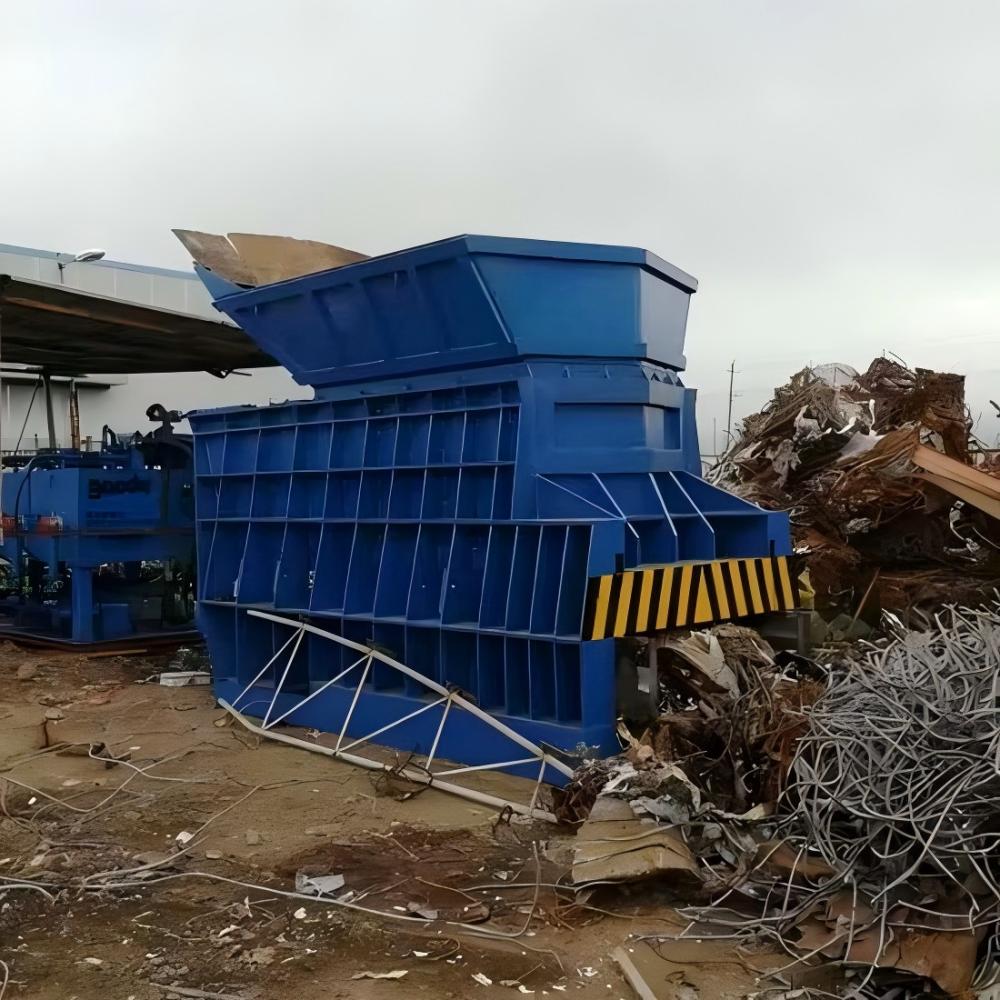
Blade rotation and replacement are inevitable parts of the Scrap Metal Shear Maintenance Checklist for Longer Machine Life. Most HARSLE blades are four-sided, meaning they can be rotated three times before needing to be reground or replaced. Do not wait until the blades are completely rounded to rotate them. Dull blades require significantly more hydraulic pressure to cut, which increases the load on the entire machine. When changing blades, ensure the blade seats are perfectly clean and flat. Any debris behind a blade can cause it to crack when the bolts are torqued down.
Inspect the main pivot pins and bushings. These components carry the full load of the shearing force. Look for signs of excessive play or lack of lubrication. If the bushings wear out, the pin will begin to eat into the frame of the machine, leading to a repair that can cost tens of thousands of dollars. Regularly checking the torque on the foundation bolts is also necessary; a machine that shifts on its foundation will eventually suffer from frame cracking due to uneven stress distribution.
Comprehensive Lubrication Plan
Lubrication is the simplest yet most frequently neglected aspect of industrial maintenance. A scrap metal shear has numerous moving parts that operate under extreme pressure. Without a consistent film of grease, metal-on-metal contact will lead to rapid galling and failure. Your Scrap Metal Shear Maintenance Checklist for Longer Machine Life should specify the exact type of lubricant required for each point. High-pressure, molybdenum-disulfide grease is often recommended for the heavy-load pivot points.
If your machine is equipped with an automatic lubrication system, verify its operation daily. Check the grease reservoir level and ensure that grease is actually reaching the distribution blocks. It is common for a single line in an auto-lube system to become blocked; while the pump appears to be working, one critical bearing may be running dry. For manual lubrication points, establish a strict schedule—usually every 4 to 8 hours of operation for high-wear areas like the slide guides. Always wipe grease nipples clean before applying the grease gun to avoid injecting dirt into the bearing.
Troubleshooting Signals: What to Watch For
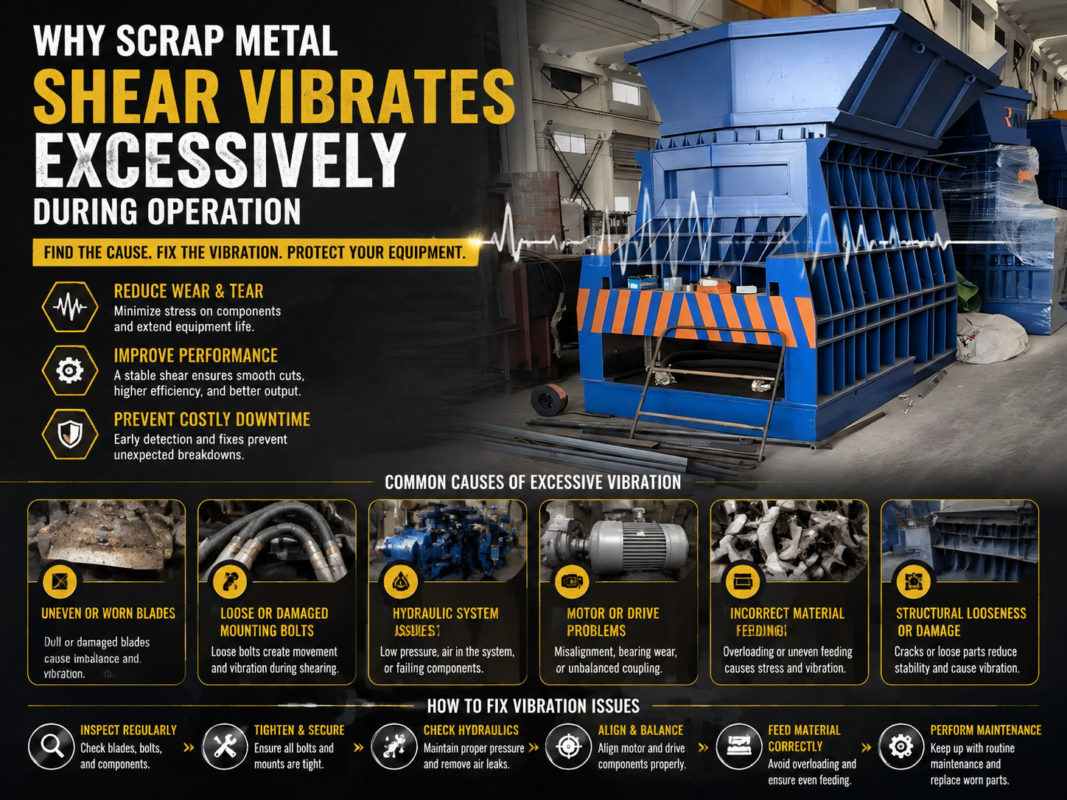
Operators should be trained to recognize the early warning signs of machine distress. These signals are the machine’s way of communicating that a component is reaching its limit. Vibration is a major red flag. While some vibration is normal during a cut, excessive or new vibrations often indicate a loose mechanical component or a failing hydraulic pump. Heat is another indicator. If the hydraulic tank or a specific valve block feels unusually hot to the touch, there may be internal leakage or a restriction in the flow.
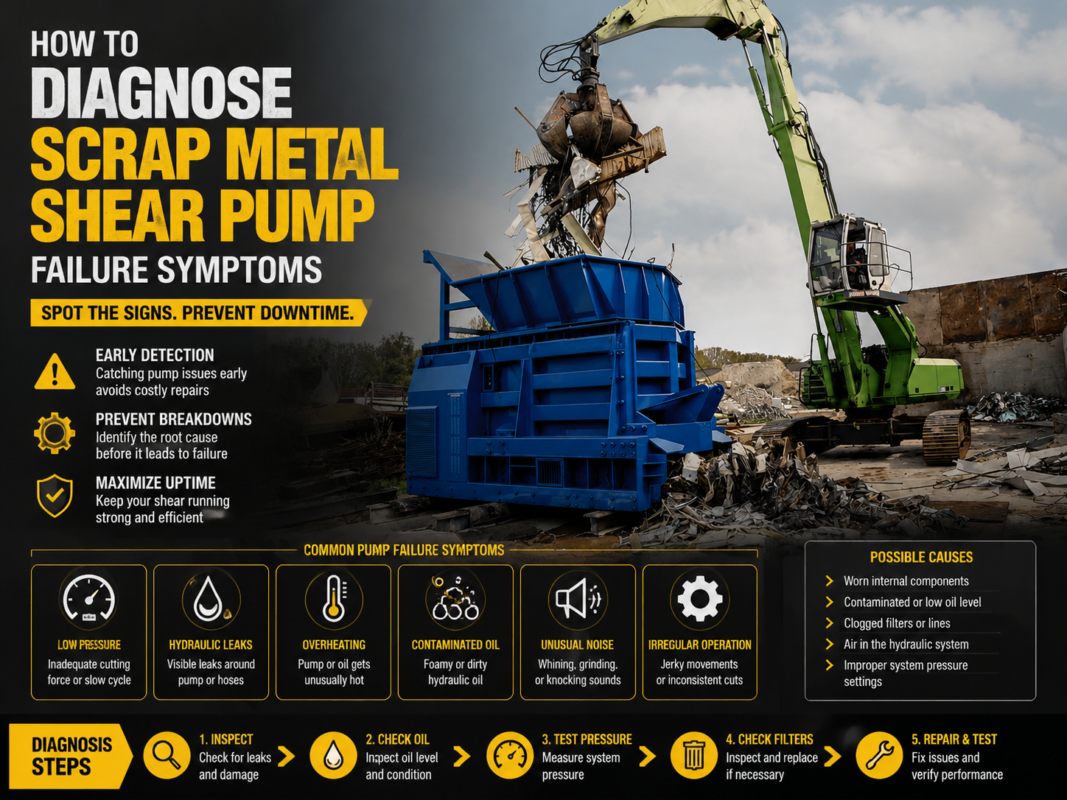
Slow cycle times often point to a declining hydraulic pump or a clogged suction filter. If the shear takes longer to return to the up position than it used to, the nitrogen accumulator (if equipped) may need recharging. Unusual noises, such as a high-pitched squeal, usually indicate aeration in the hydraulic oil or a bearing that is about to seize. By catching these signals early, you can schedule maintenance during a planned shift change rather than dealing with an emergency breakdown in the middle of a busy production day.
Comprehensive Maintenance Schedule Table
To ensure nothing is missed, use the following table as a template for your facility’s maintenance program. Adjust the frequencies based on your specific shift patterns and the intensity of your scrap processing.
| Frequency | Component | Action Required |
|---|---|---|
| Daily | Hydraulic Oil | Check level and temperature; inspect for leaks. |
| Daily | Blades & Area | Clear debris; inspect for chips or cracks. |
| Daily | Safety Systems | Test E-stops and light curtains; check guards. |
| Weekly | Lubrication | Check auto-lube reservoir; manually grease secondary points. |
| Weekly | Blade Gap | Measure clearance with feeler gauges; adjust if necessary. |
| Monthly | Filters | Inspect and replace hydraulic return and suction filters. |
| Monthly | Electrical | Clean control cabinet; check for loose wire terminals. |
| Quarterly | Hydraulic Hoses | Detailed inspection for wear, abrasion, or leaks. |
| Quarterly | Structure | Check torque on foundation and blade bolts. |
| Bi-Annually | Oil Analysis | Send hydraulic oil sample to lab for contamination testing. |
| Annually | Hydraulic System | Flush system; replace oil; test pump pressure and flow. |
| Annually | Accumulator | Check and recharge nitrogen pressure. |
Frequently Asked Questions (FAQ)
1. How often should I rotate the blades on my scrap shear?
Blade rotation frequency depends heavily on the type of scrap you are processing. For clean, structural steel, you may get 200-300 hours per edge. For abrasive or dirty scrap, this could drop to 100 hours. The best practice is to monitor the cut quality; if the shear begins to struggle or the metal shows signs of tearing rather than cutting, it is time to rotate the blades.
2. What type of hydraulic oil is best for HARSLE scrap shears?
Most industrial scrap shears require a high-quality anti-wear hydraulic oil, typically ISO VG 46 or 68, depending on your local climate. In colder environments, a lower viscosity (46) helps with start-up, while in hot climates, a higher viscosity (68) provides better protection at operating temperatures. Always consult your HARSLE manual for specific grade recommendations.
3. Why is my shear losing cutting power?
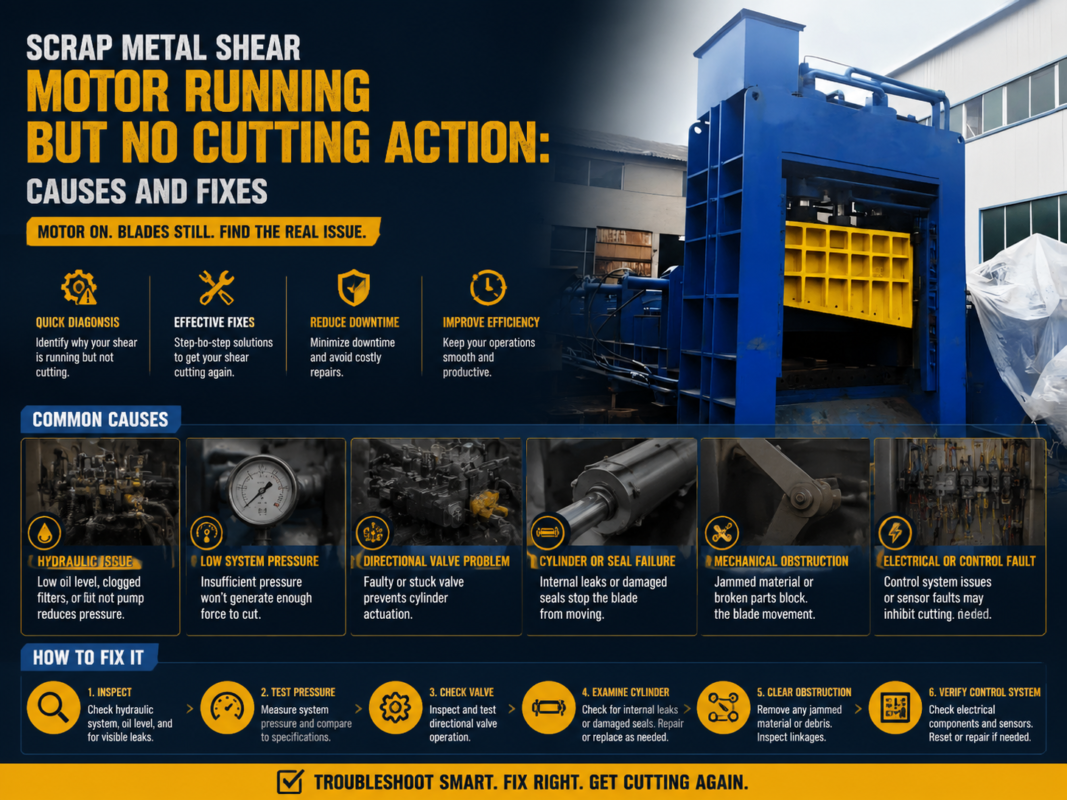
Loss of power is usually caused by one of three things: a worn hydraulic pump that can no longer reach maximum pressure, internal leakage in the main cylinder (bypassing the seals), or an incorrect blade gap. Start by checking the system pressure with a manual gauge during a cut to see if it reaches the manufacturer’s specification.
4. Can I sharpen my own blades?
While some facilities have the equipment to grind blades, it is generally recommended to have them professionally ground by a specialist. Scrap shear blades are made of hardened tool steel, and improper grinding can generate too much heat, ruining the temper of the metal and making the blade brittle or soft.
5. How do I prevent the hydraulic system from overheating?
Ensure the heat exchanger (radiator) is not clogged with dust or debris. Check that the cooling fan is rotating in the correct direction. Additionally, ensure the relief valves are set correctly; if a valve is set too low, it may be constantly bypassing oil, which generates significant heat.
Conclusion: Investing in Longevity
A Scrap Metal Shear Maintenance Checklist for Longer Machine Life is more than just a list of chores; it is a strategic approach to asset management. By dedicating time to daily inspections, maintaining hydraulic purity, and ensuring mechanical precision, you transform your scrap shear from a potential liability into a reliable profit center. HARSLE machines are built to withstand the toughest environments, but even the best engineering requires human oversight to reach its full potential. Start implementing these steps today to ensure your equipment serves your business for years to come.