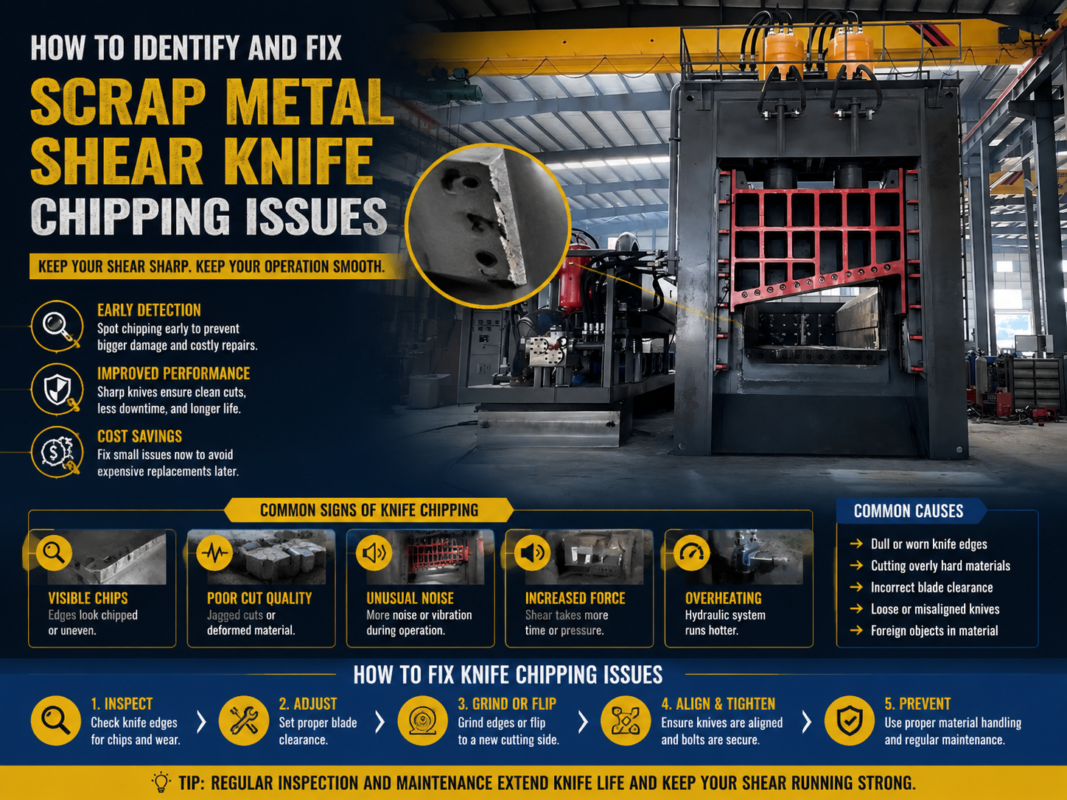
Scrap Metal Shear Maintenance Tips for Reliable Industrial Cutting

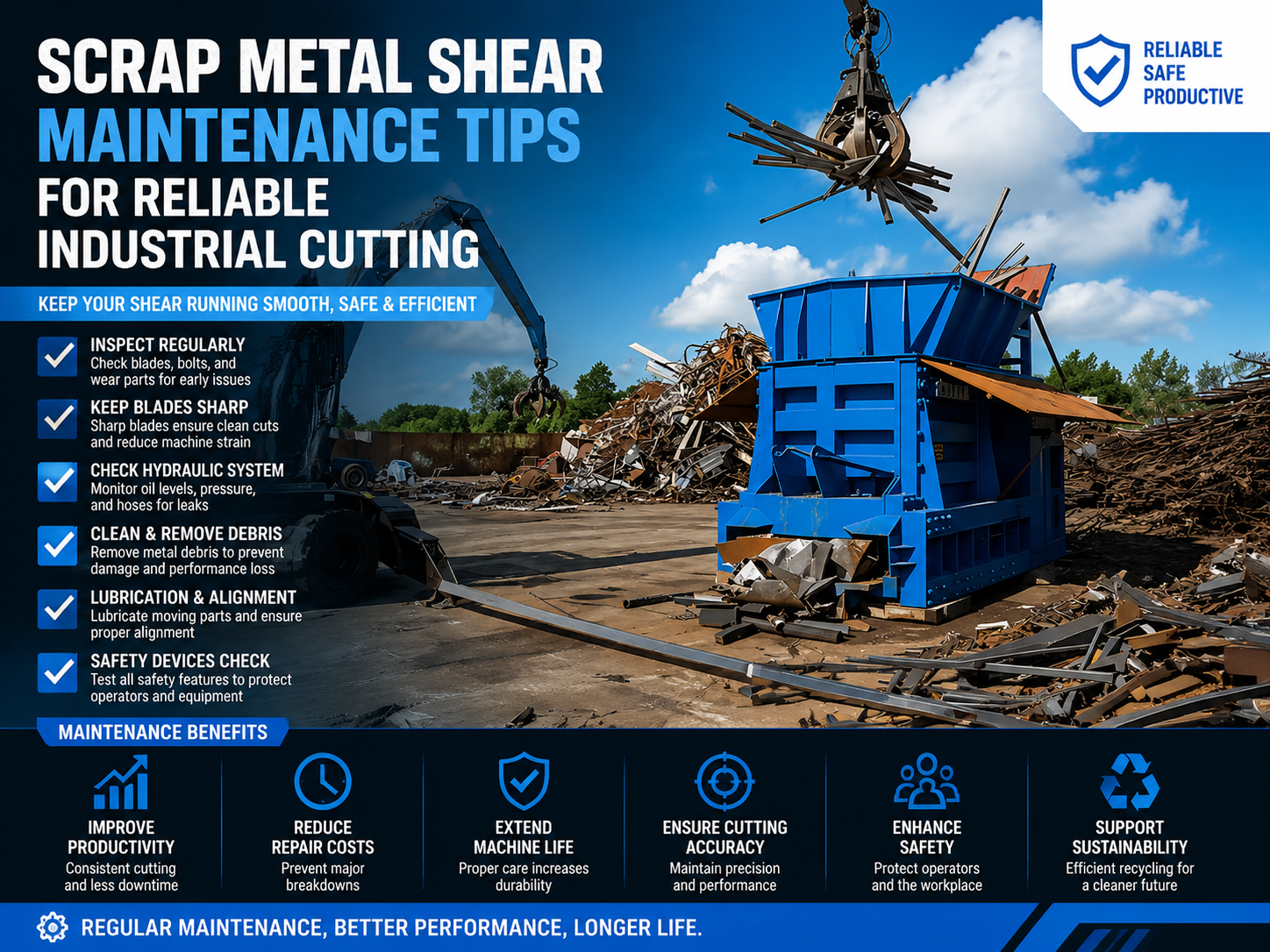
Introduction to Scrap Metal Shear Maintenance
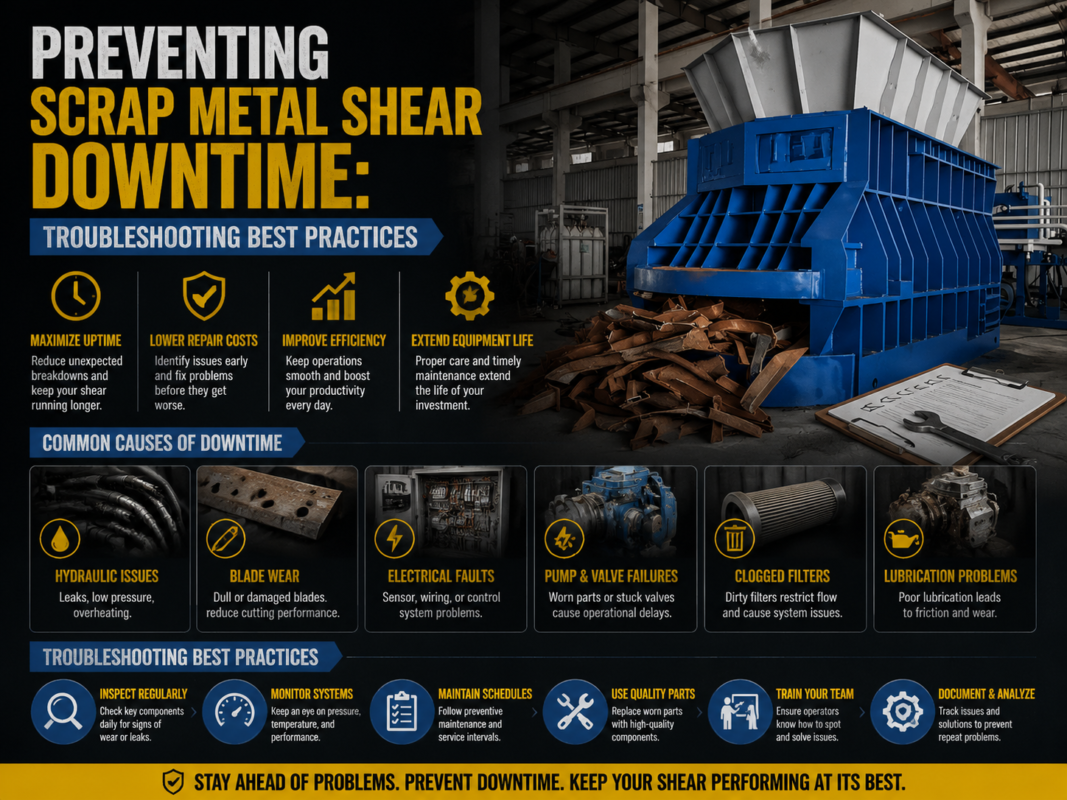
In the high-stakes world of metal recycling and industrial fabrication, the scrap metal shear stands as a cornerstone of productivity. These massive machines are designed to exert hundreds of tons of force to slice through structural steel, decommissioned vehicles, and industrial waste. However, the sheer intensity of these operations means that wear and tear are inevitable. To ensure long-term profitability and operational safety, implementing Scrap Metal Shear Maintenance Tips Reliable Industrial Cutting is not just a recommendation—it is a necessity. At HARSLE, we understand that a machine is only as good as the care it receives. This comprehensive guide explores the intricate details of maintaining your scrap shear to ensure it remains a reliable asset in your facility.
Reliable industrial cutting depends on the harmonious interaction of hydraulic power, mechanical precision, and electrical control. When one of these systems falters, the entire production line can grind to a halt. Maintenance is the proactive shield against such disruptions. By following a structured maintenance regimen, operators can identify minor issues before they escalate into catastrophic failures, thereby extending the machine’s lifespan and maintaining the high-quality cut standards required in the scrap industry. Whether you are operating a container shear, a guillotine shear, or a horizontal scrap shear, the principles of maintenance remain consistent: clean, lubricate, inspect, and adjust.
The Critical Importance of Regular Maintenance
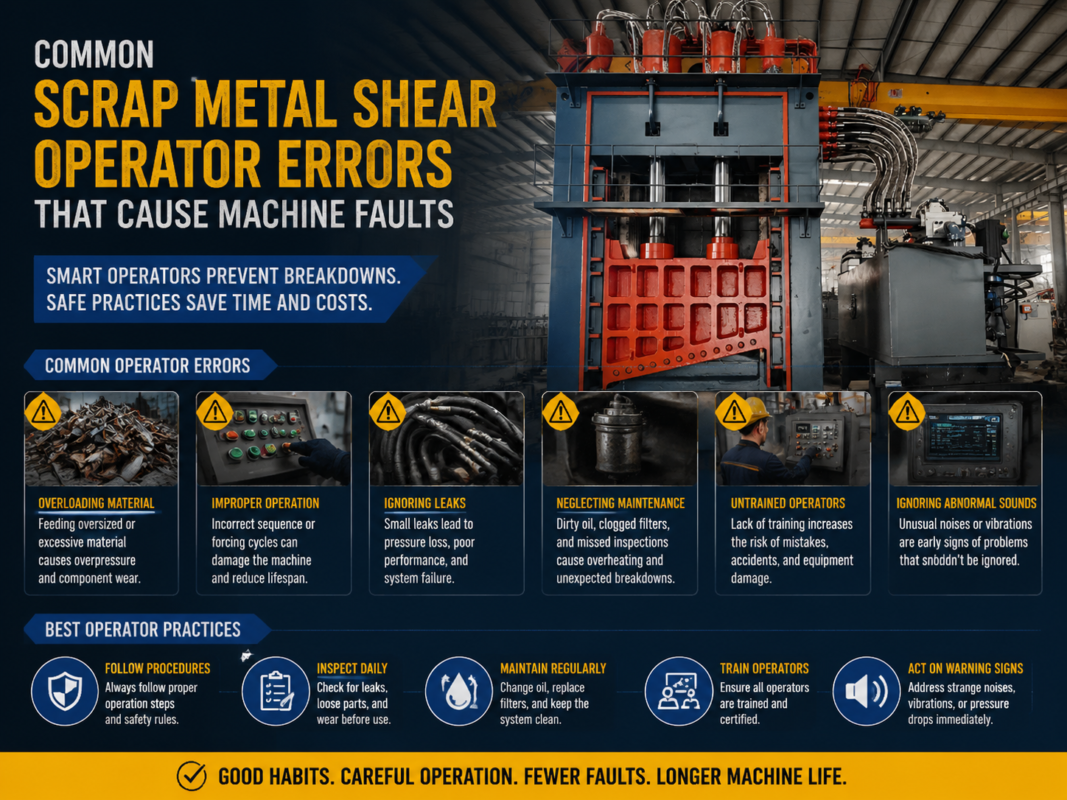
The primary reason for prioritizing Scrap Metal Shear Maintenance Tips Reliable Industrial Cutting is the preservation of capital investment. A scrap metal shear is a significant financial commitment. Neglecting its upkeep leads to premature component failure, which can cost tens of thousands of dollars in replacement parts and lost labor. Beyond the financial aspect, maintenance is directly linked to safety. A poorly maintained shear is a hazard; loose bolts, leaking high-pressure hydraulic lines, or dull blades can lead to unpredictable machine behavior, putting operators at risk of severe injury.
Furthermore, maintenance impacts the quality of the output. In the scrap industry, the size and cleanliness of the cut determine the value of the processed material. Dull blades or improper blade clearance result in ‘tearing’ rather than ‘shearing,’ which increases the energy consumption of the machine and produces inferior scrap. By maintaining sharp blades and precise tolerances, you ensure that every cycle is as efficient as the first. This efficiency translates to lower electricity or fuel costs and a higher throughput of material, directly boosting your bottom line.
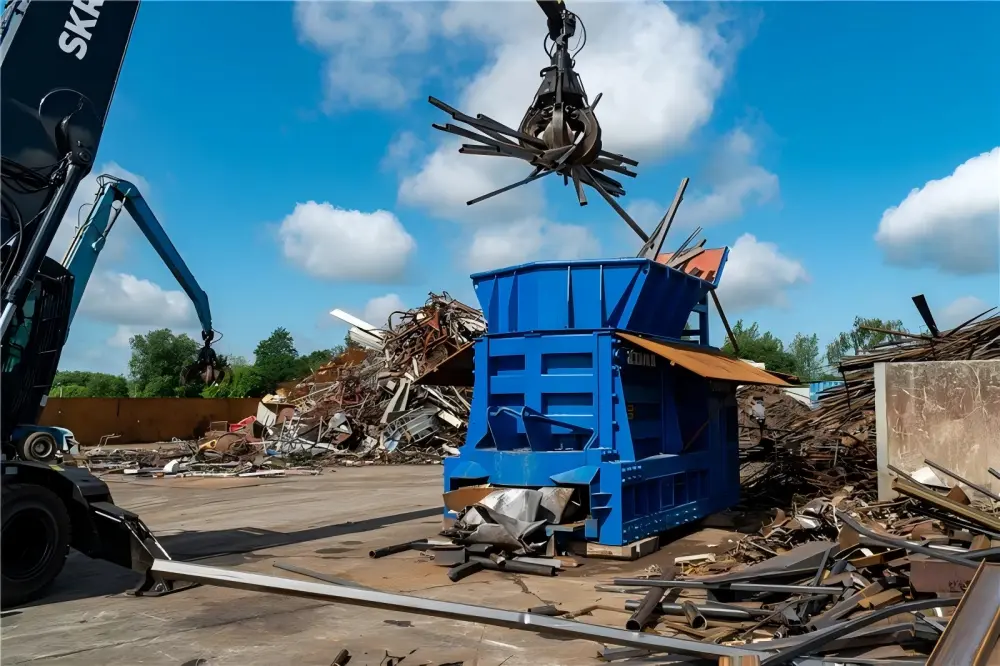
Daily Inspection: The First Line of Defense
The most effective maintenance strategy begins with a daily walk-around inspection. This should be performed at the start of every shift before the machine is powered on. Operators should look for visible signs of trouble, such as oil puddles under the machine, which indicate hydraulic leaks. Even a small drip can lead to a significant loss of fluid over time and may signal a failing seal or a loose fitting. Checking the hydraulic oil level via the sight glass is a mandatory step; running a pump with low oil can cause cavitation, leading to permanent internal damage.
Another critical daily task is inspecting the shear box and the blade area. Scrap processing is inherently messy, and debris such as small metal shards, dirt, or wire can become lodged in the moving parts of the shear. This debris can act as an abrasive, wearing down wear plates and seals. Operators should clear any obstructions and ensure that the lubrication points are not blocked. Additionally, checking the tightness of the blade bolts is essential. The vibration and impact forces of shearing can loosen even the most robust fasteners. A loose blade can shift during a cut, causing catastrophic damage to the blade seats and the shear head.
Visual and Sensory Checks
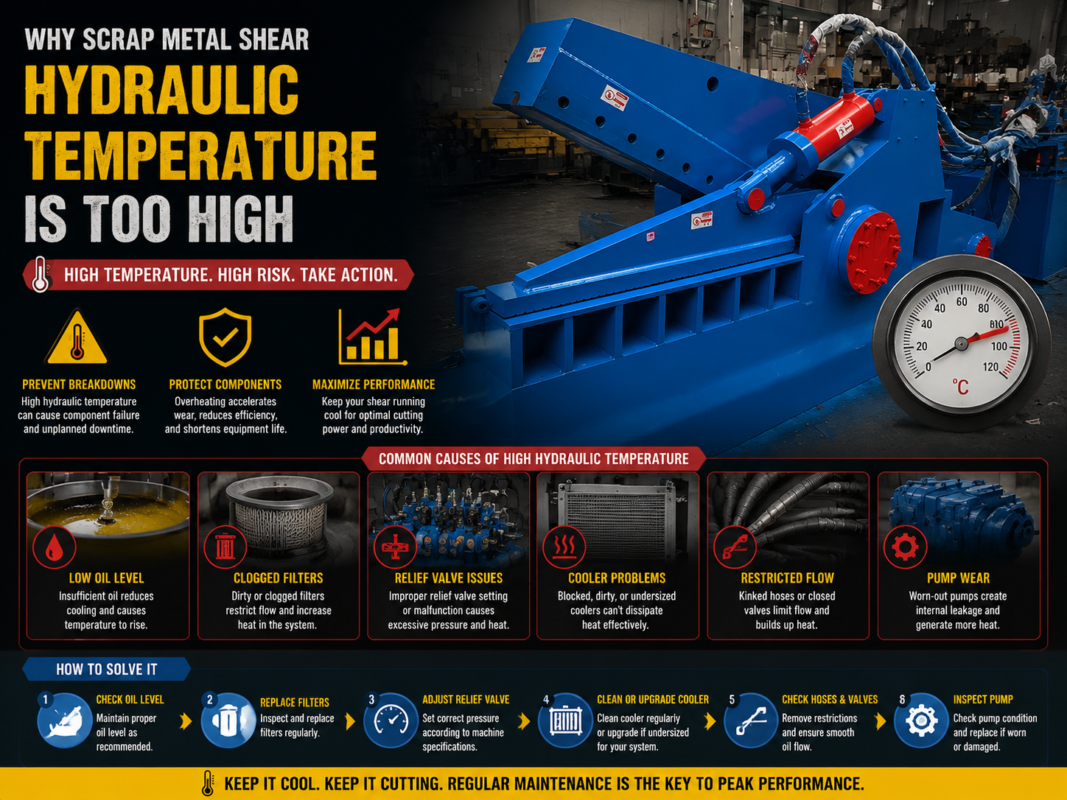
Operators should also be trained to use their senses during the daily startup. Listen for unusual noises, such as high-pitched whining from the hydraulic pump or clunking sounds during the shear stroke. These are often the first indicators of mechanical or hydraulic distress. Smell is also a factor; the scent of burnt oil suggests that the system is overheating, possibly due to a clogged cooler or a malfunctioning relief valve. By catching these signals early, the maintenance team can intervene before the machine suffers a total breakdown.
Hydraulic System Maintenance and Oil Health
The hydraulic system is the heart of the scrap metal shear. It converts electrical or engine power into the massive force required to cut steel. Therefore, maintaining hydraulic health is paramount for Scrap Metal Shear Maintenance Tips Reliable Industrial Cutting. The most common cause of hydraulic failure is contamination. Microscopic particles of metal, dust, and water can degrade the oil’s lubricating properties and score the precision-machined surfaces of valves and cylinders. Regular oil analysis is recommended to monitor the levels of contaminants and the remaining additive life of the fluid.
Filters play a vital role in keeping the system clean. Most modern shears, including those from HARSLE, feature high-efficiency suction and return-line filters. These should be replaced according to the manufacturer’s schedule or whenever the filter bypass indicator activates. It is a mistake to wait for a total blockage; by then, contaminants have likely already bypassed the filter and entered the sensitive components of the system. Additionally, the hydraulic tank’s breather cap should be inspected. If the breather is clogged, it can create a vacuum in the tank, starving the pump of oil and causing it to fail.
Temperature Regulation and Pressure Settings
Hydraulic oil performs best within a specific temperature range, typically between 40°C and 55°C. If the oil becomes too hot, its viscosity drops, leading to increased internal leakage and reduced cutting force. Ensure that the oil cooling system—whether air-cooled or water-cooled—is functioning correctly. Clean the radiator fins of air coolers regularly, as they often become clogged with dust in scrap yard environments. Conversely, in cold climates, the oil must be preheated before the machine is put under full load to prevent pump damage due to high viscosity.
Electrical System and Control Logic
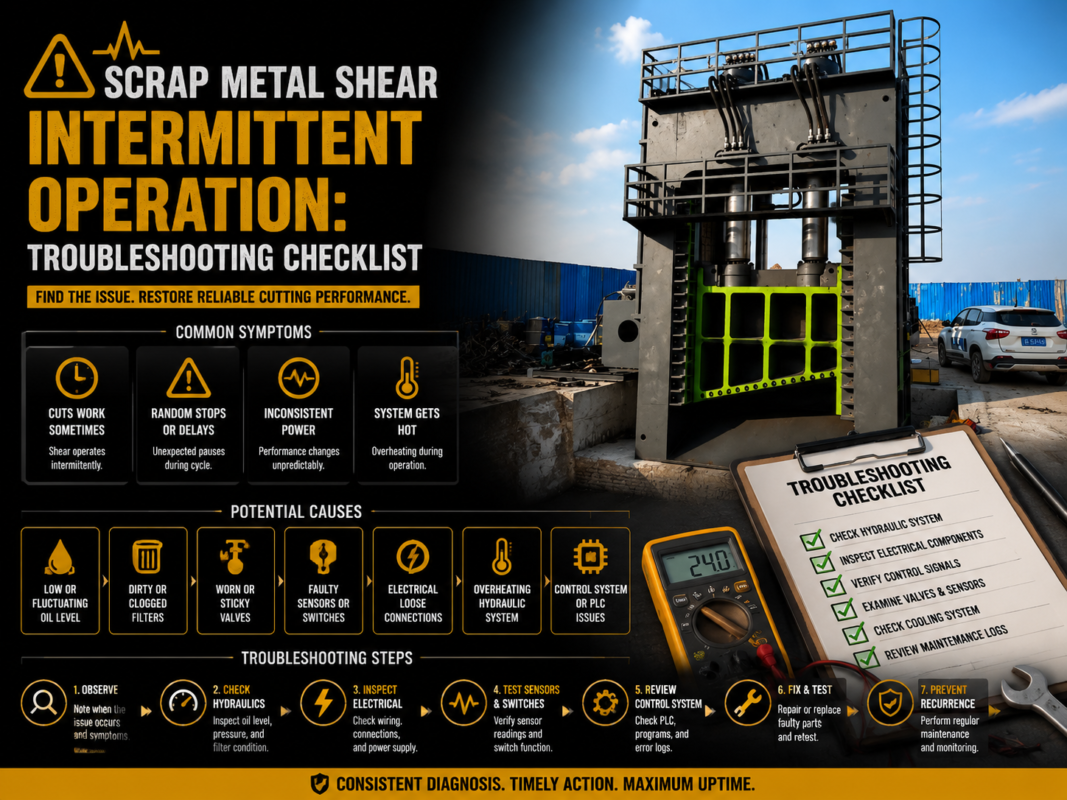
While the mechanical and hydraulic systems do the heavy lifting, the electrical system provides the intelligence. Modern scrap shears rely on Programmable Logic Controllers (PLCs) and a network of sensors to manage the cutting cycle. Maintenance of the electrical cabinet is often overlooked but is critical for reliability. Ensure that the cabinet is sealed against dust and moisture. Periodically check all wiring connections for tightness; vibrations from the shearing process can cause wires to vibrate loose from their terminals, leading to intermittent faults that are difficult to diagnose.
Sensors, such as limit switches and pressure transducers, must be kept clean and properly aligned. If a limit switch is knocked out of position by falling scrap, the machine may fail to complete its cycle or, worse, over-travel and cause mechanical damage. Regularly test the emergency stop buttons and safety interlocks to ensure they are fully functional. In the context of Scrap Metal Shear Maintenance Tips Reliable Industrial Cutting, electrical safety is just as important as mechanical performance. A malfunctioning sensor can lead to improper sequencing, which puts unnecessary stress on the hydraulic components.
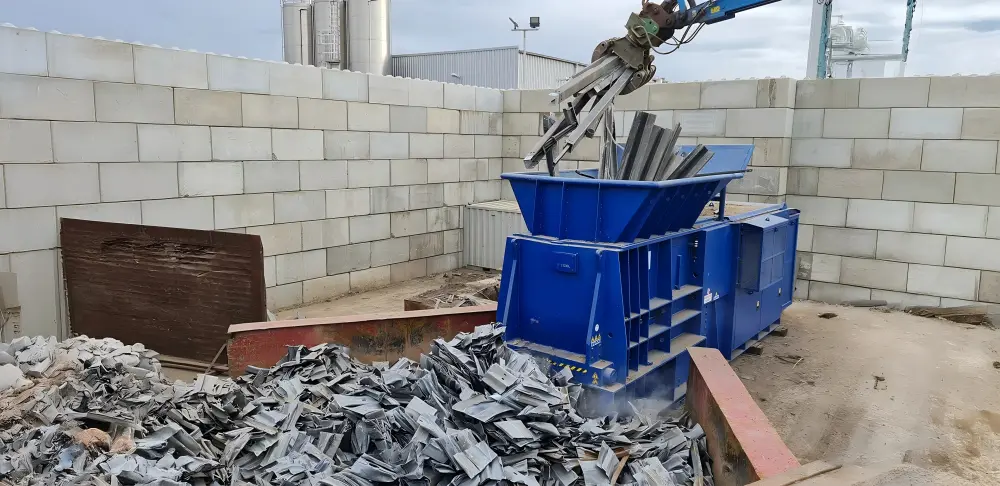
Mechanical Integrity: Blades and Wear Plates
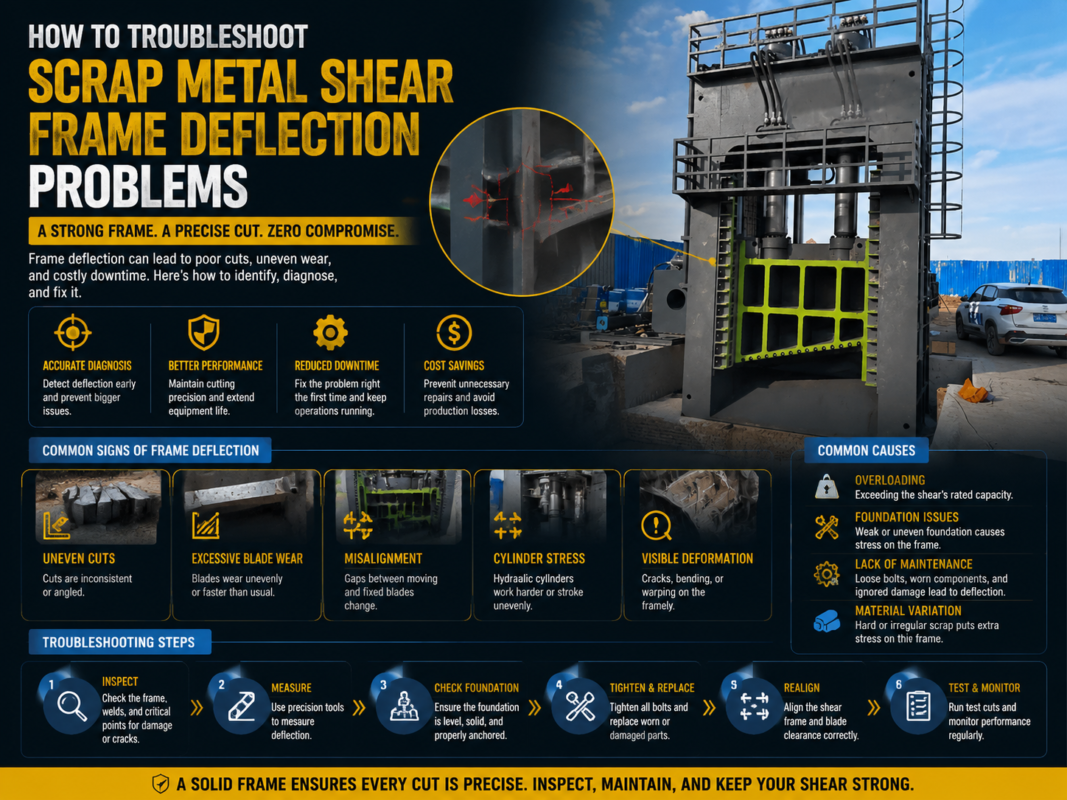
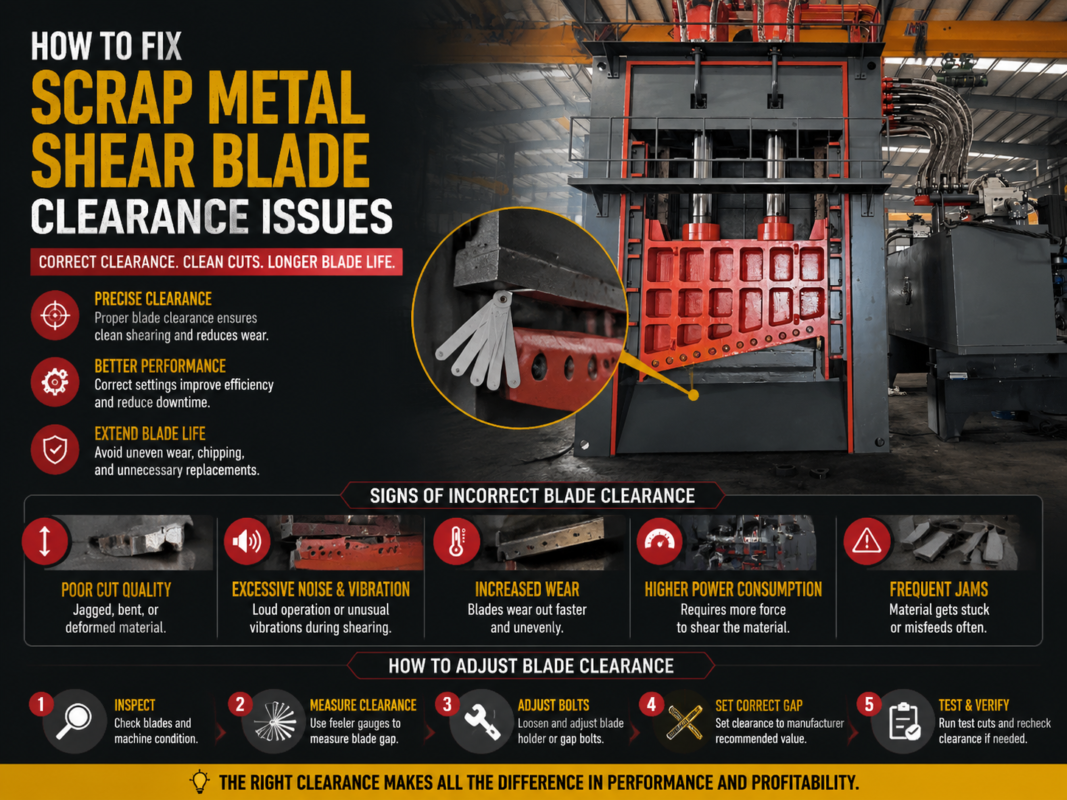
The blades are the primary wear components of any scrap shear. To maintain Scrap Metal Shear Maintenance Tips Reliable Industrial Cutting, a strict blade management program is required. Blades should be rotated or flipped according to the manufacturer’s guidelines. Most shear blades have four cutting edges; once one edge becomes rounded or chipped, the blade should be turned to a fresh edge. Using dull blades increases the pressure required to cut, which stresses the hydraulic system and can lead to structural cracking in the shear frame.
Blade clearance—the gap between the moving blade and the stationary blade—is a critical setting. If the gap is too wide, the metal will fold rather than cut, leading to ‘jamming.’ If the gap is too narrow, the blades may rub against each other, causing rapid wear and potential breakage. This clearance must be checked and adjusted regularly using feeler gauges. Furthermore, the wear plates that guide the shear ram must be lubricated and inspected for excessive play. If the ram has too much lateral movement, it becomes impossible to maintain the correct blade clearance, leading to poor cutting performance.
Comprehensive Lubrication Plan
Lubrication is the simplest yet most frequently neglected aspect of machine maintenance. A scrap metal shear has numerous pivot points, slides, and bearings that operate under extreme pressure. Without a consistent film of grease, these metal-on-metal surfaces will weld together or gall, leading to expensive repairs. A robust lubrication plan should specify the type of lubricant to be used (typically an Extreme Pressure or EP2 grease) and the frequency of application for each point.
Many high-end shears feature automatic lubrication systems. While these systems reduce the manual labor involved, they are not ‘set and forget.’ Operators must regularly check the grease reservoir level and ensure that all distribution lines are intact. It is common for a grease line to be severed by a piece of flying scrap; if this goes unnoticed, the corresponding bearing will quickly fail. For machines requiring manual lubrication, a checklist should be used to ensure no grease nipple is missed. Remember: it is better to lubricate lightly and frequently than to apply a large amount of grease once a month.
Troubleshooting Common Signals
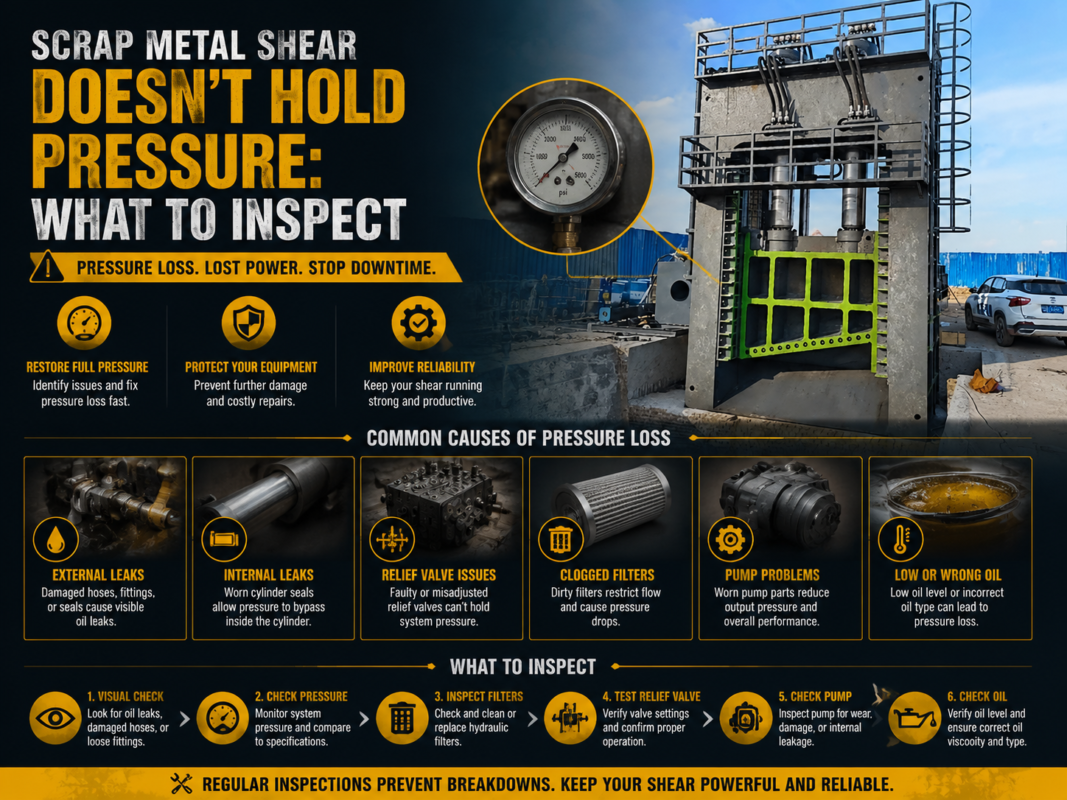
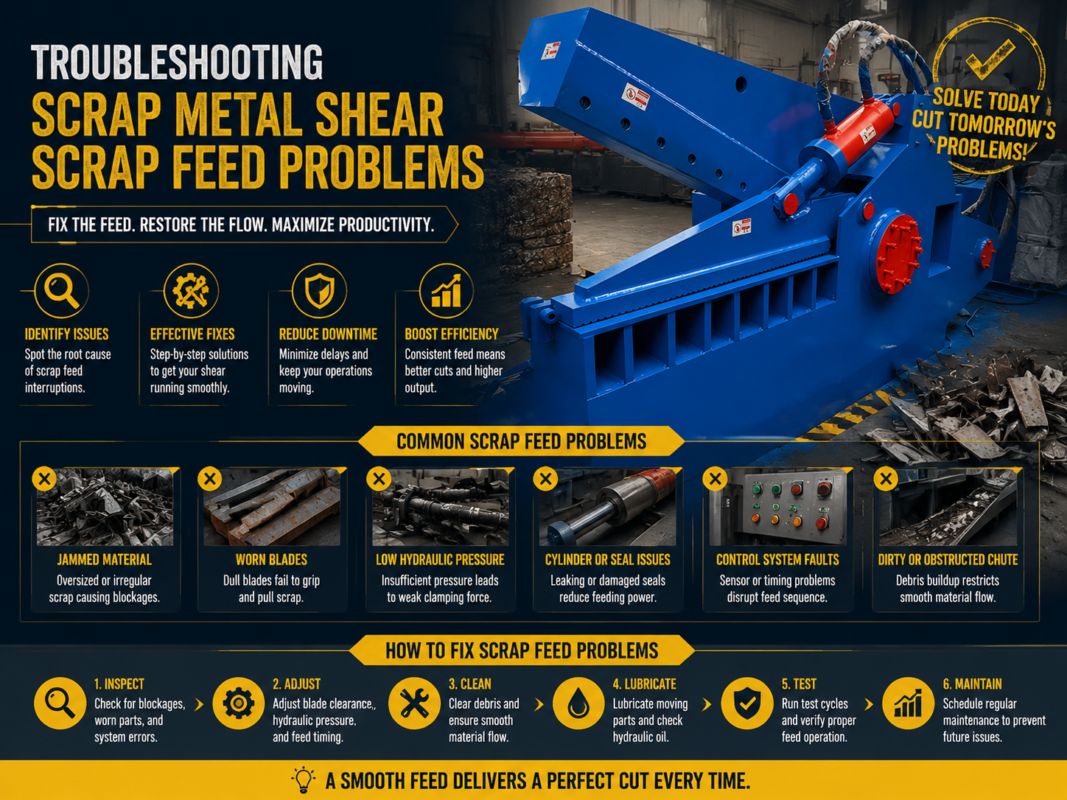
Even with the best maintenance, issues can arise. Recognizing the signals of trouble is key to Scrap Metal Shear Maintenance Tips Reliable Industrial Cutting. If the machine’s cycle time begins to slow down, it often points to a loss of hydraulic efficiency, such as a worn pump or an internal leak in a cylinder. If the shear fails to reach its maximum cutting pressure, the relief valve may be stuck open or improperly adjusted.
Another common signal is ‘spongy’ operation, where the machine’s movements feel jerky or hesitant. This is usually caused by air trapped in the hydraulic system. Bleeding the air and checking for leaks on the suction side of the pump can resolve this. If the machine vibrates excessively during the cut, check for loose foundation bolts or imbalanced blades. By documenting these symptoms and the subsequent repairs in a maintenance log, you can build a knowledge base that helps speed up future troubleshooting efforts.
Maintenance Schedule Table
To help you stay organized, here is a recommended maintenance schedule for a standard industrial scrap metal shear.
| Frequency | Task Description | System |
|---|---|---|
| Daily | Check hydraulic oil level and temperature | Hydraulic |
| Daily | Inspect blades for chips, cracks, or dullness | Mechanical |
| Daily | Clean debris from shear box and guide rails | Mechanical |
| Daily | Check for hydraulic leaks and loose fittings | Hydraulic |
| Weekly | Check and tighten blade bolts and foundation bolts | Mechanical |
| Weekly | Inspect electrical cables and limit switch alignment | Electrical |
| Weekly | Check grease levels in auto-lube system | Lubrication |
| Monthly | Check blade clearance with feeler gauges | Mechanical |
| Monthly | Inspect hydraulic filters and replace if necessary | Hydraulic |
| Quarterly | Perform hydraulic oil analysis | Hydraulic |
| Quarterly | Inspect wear plates for excessive play | Mechanical |
| Annually | Drain and clean hydraulic tank; replace all oil | Hydraulic |
| Annually | Inspect structural welds for stress cracks | Mechanical |
Frequently Asked Questions (FAQ)
1. How often should I sharpen my scrap shear blades?
Blade sharpening frequency depends entirely on the volume and type of material you are cutting. However, as a general rule for Scrap Metal Shear Maintenance Tips Reliable Industrial Cutting, blades should be inspected daily and rotated as soon as the cutting edge shows a radius of more than 2-3mm. Most blades can be ground and reused several times before they need to be replaced entirely.
2. What type of hydraulic oil is best for scrap shears?
Most industrial shears require a high-quality anti-wear (AW) hydraulic oil, typically ISO VG 46 or 68, depending on your ambient operating temperature. Always consult your HARSLE manual for the specific grade recommended for your machine to ensure compatibility with seals and pump components.
3. Why is my shear losing cutting power?
Loss of cutting power is usually attributed to three things: internal hydraulic leakage (bypassing seals in the cylinder), a malfunctioning relief valve that is opening at too low a pressure, or a worn-out hydraulic pump that can no longer generate the required flow and pressure. Dull blades also make it seem like the machine has less power because they require more force to penetrate the material.
4. Can I use any grease for the lubrication points?
No. Scrap shears operate under extreme boundary lubrication conditions. You should use a grease specifically rated for “Extreme Pressure” (EP), usually containing molybdenum disulfide (moly) or other additives that prevent the lubricant from being squeezed out of the bearing surfaces under high loads.
5. How do I know if my hydraulic filters need changing?
Most modern shears are equipped with pressure gauges or electrical indicators on the filter housing. When the needle enters the ‘red’ zone or the PLC throws a ‘filter clogged’ warning, it must be changed immediately. If your machine lacks these, a good rule of thumb is to change filters every 500 to 1,000 operating hours.
Conclusion
Maintaining a scrap metal shear is a continuous commitment that pays dividends in the form of reliability, safety, and productivity. By integrating these Scrap Metal Shear Maintenance Tips Reliable Industrial Cutting into your daily operations, you protect your investment and ensure that your facility remains competitive in a demanding industry. From the precision of the blade gap to the cleanliness of the hydraulic oil, every detail matters. At HARSLE, we are dedicated to providing not only the highest quality machinery but also the knowledge you need to keep that machinery running at peak performance for decades to come. Remember, a well-maintained machine is the hallmark of a professional and profitable operation.