Operator Guide to Scrap Metal Shear Maintenance and Inspection

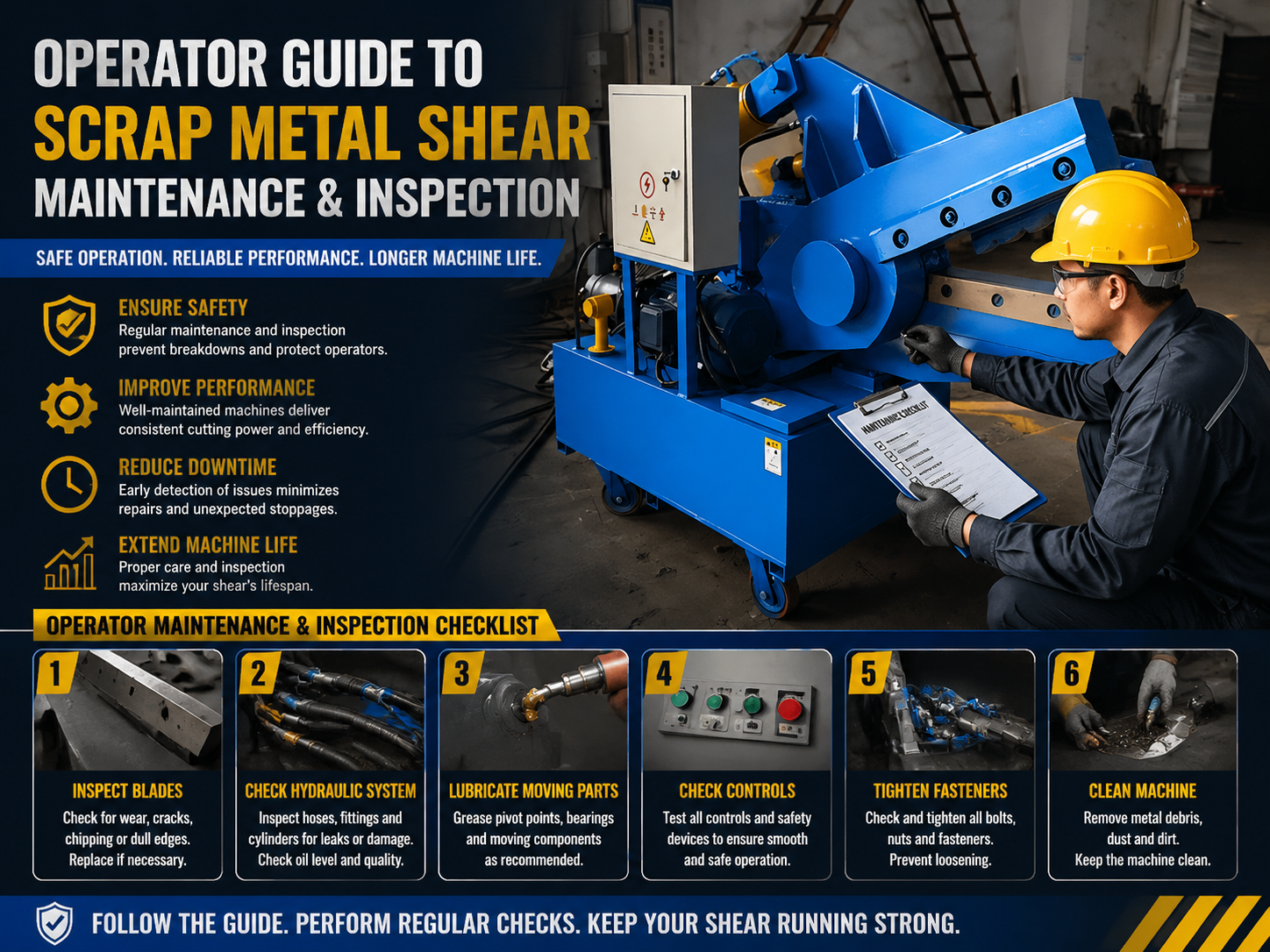
The Critical Role of Maintenance in Scrap Metal Shear Operations
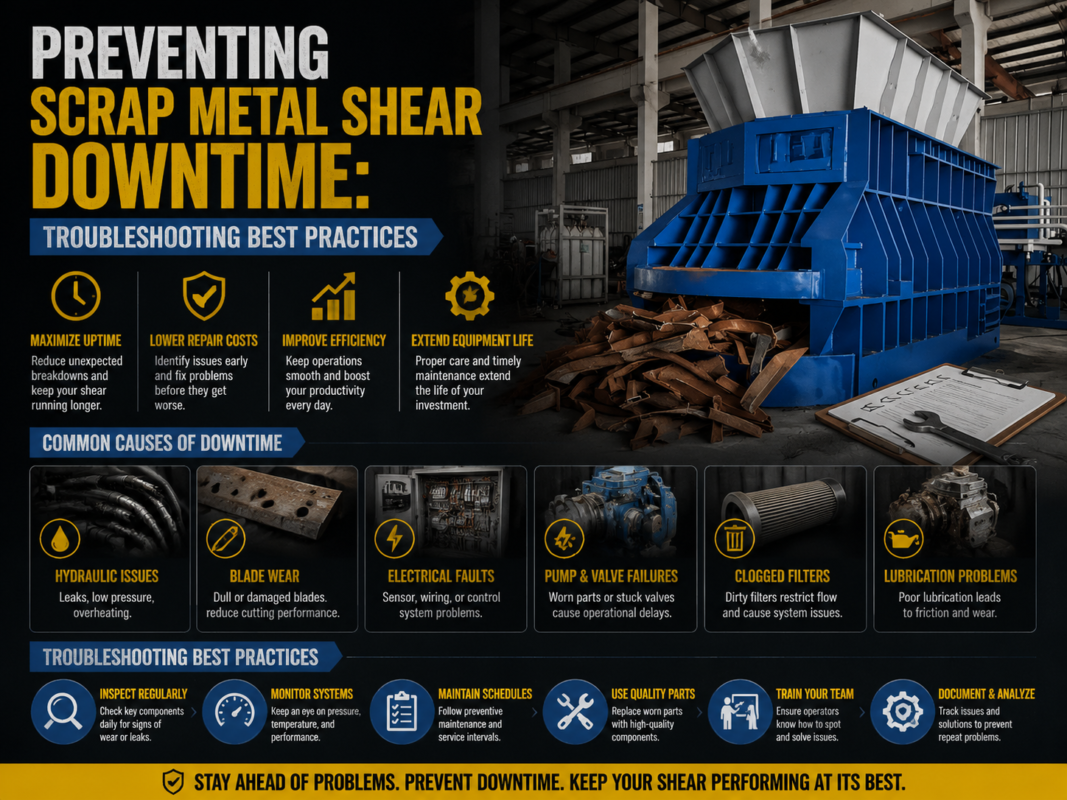
In the high-intensity environment of a scrap metal processing facility, the scrap metal shear stands as a cornerstone of productivity. These machines are engineered to exert massive force, often cutting through hardened steel, heavy-duty pipes, and mixed industrial waste. However, the very nature of this work subjects the machine to extreme mechanical stress, thermal fluctuations, and abrasive wear. Implementing a rigorous Operator Scrap Metal Shear Maintenance Inspection routine is not merely a recommendation; it is a fundamental requirement for ensuring operational safety, maximizing machine lifespan, and maintaining a high return on investment.
Neglecting maintenance leads to a cascade of failures. What begins as a minor hydraulic leak can quickly escalate into a pump failure, resulting in thousands of dollars in repair costs and days of unplanned downtime. Furthermore, a poorly maintained shear poses a significant safety risk to operators. Dull blades or loose fasteners can cause material to kick back or the machine to cycle unpredictably. At HARSLE, we emphasize that a well-maintained machine is a safe machine. By following a structured maintenance protocol, operators can identify potential issues before they manifest as catastrophic failures.
Beyond safety and repair costs, maintenance directly impacts the quality of the output. A shear with properly gapped and sharpened blades produces cleaner cuts, which is often a requirement for high-grade scrap recycling. When the mechanical tolerances of the shear drift due to lack of inspection, the machine consumes more energy to perform the same task, increasing utility costs and putting unnecessary strain on the motor and hydraulic system. This guide provides a comprehensive framework for operators to manage their equipment effectively.
Finally, documented maintenance is essential for warranty compliance and resale value. Should a major component fail within the warranty period, manufacturers often require proof of regular maintenance. Similarly, when it comes time to upgrade your facility, a machine with a detailed service log will command a much higher price on the secondary market. This article serves as a definitive resource for operators to master the nuances of scrap metal shear upkeep.
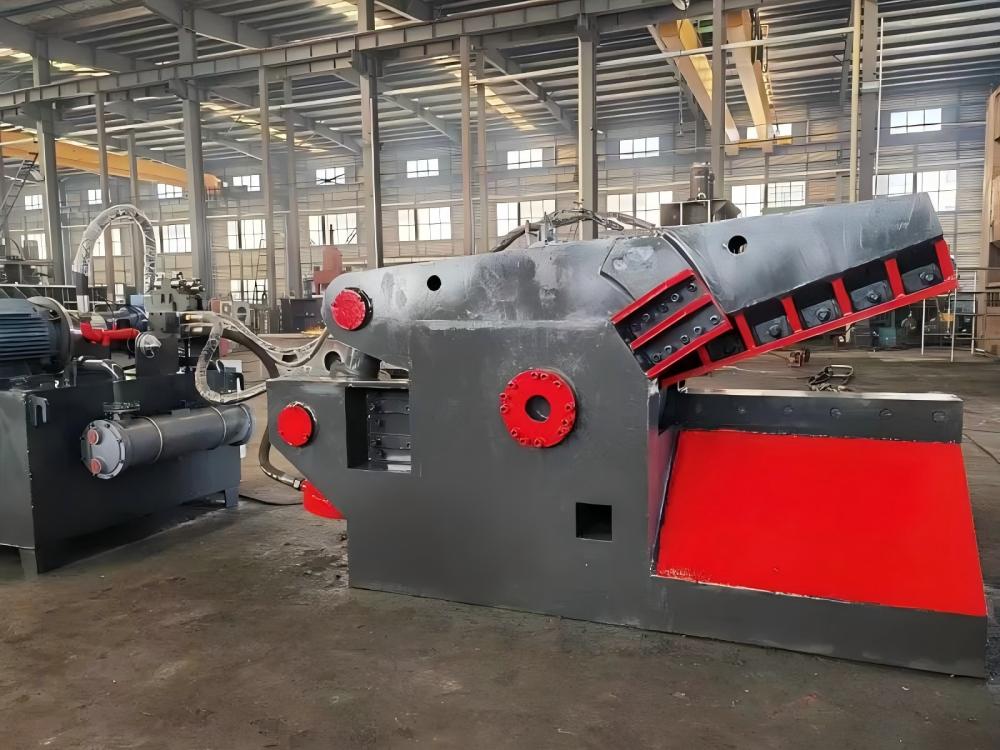
Daily Inspection: The Operator’s First Line of Defense
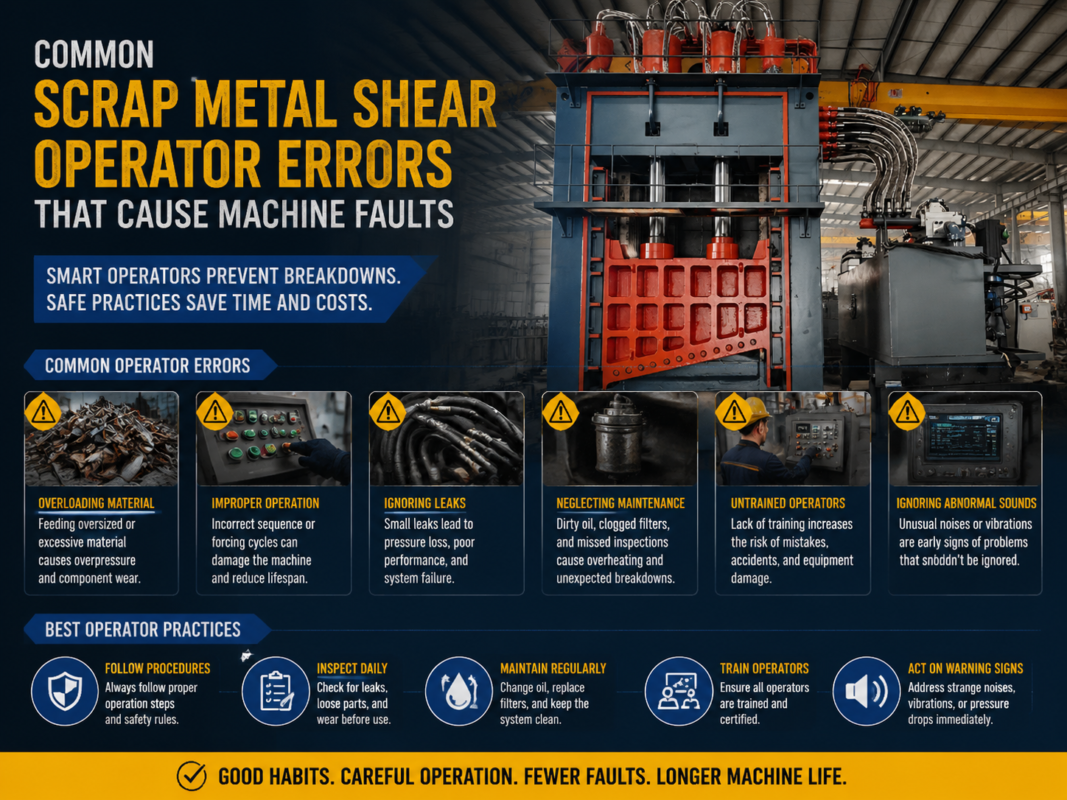
The daily inspection, often referred to as a “pre-flight check,” is the most critical part of an operator’s routine. This process should take approximately 15 to 20 minutes at the start of every shift. The goal is to verify that the machine is in a safe and functional state before power is applied. Operators should begin with a visual sweep of the entire machine, looking for any obvious signs of damage, such as cracked welds, bent structural members, or loose hydraulic hoses.
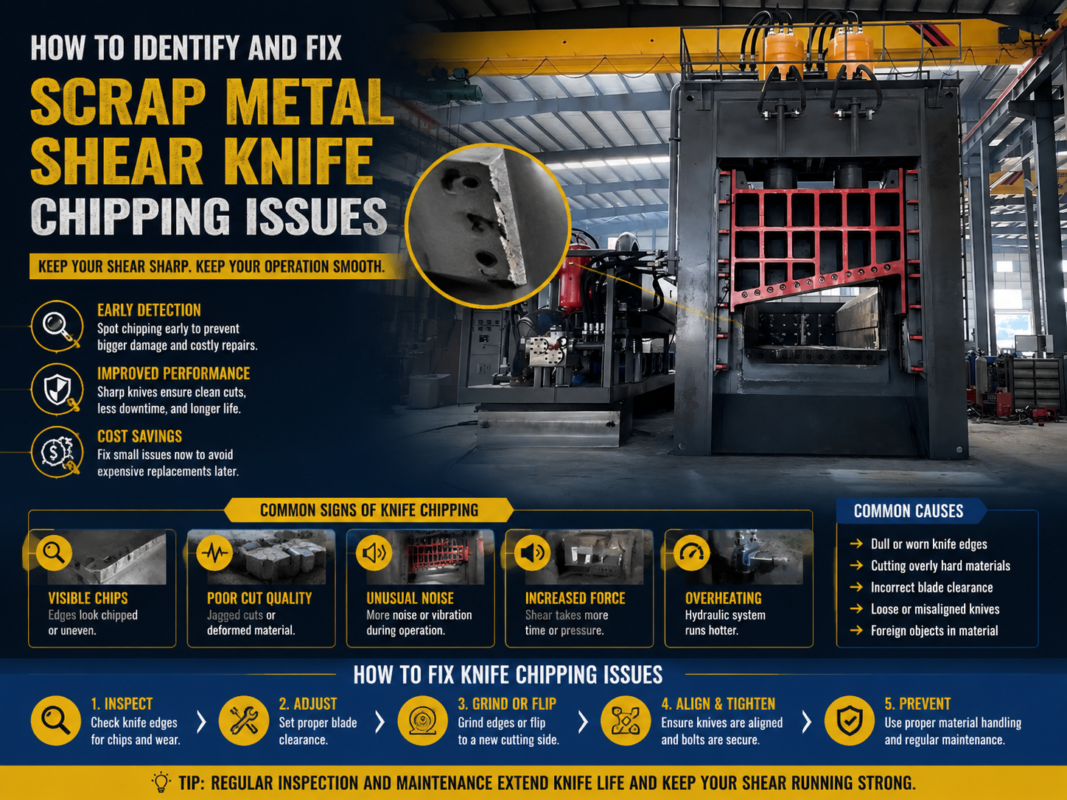
One of the primary focuses of the daily check is the cutting area. Operators must clear any debris, metal shards, or dust that may have accumulated around the blades or the pivot points. Debris buildup can interfere with the shear’s movement and lead to premature wear of the wear plates. While the machine is powered off and locked out, the operator should visually inspect the blades for chips or excessive rounding of the edges. If the blades appear dull, they will require more force to cut, which stresses the entire hydraulic circuit.
Fluid levels are another non-negotiable daily check. The hydraulic oil level should be within the designated range on the sight glass. Low oil levels can lead to pump cavitation, where air bubbles form and collapse within the pump, causing internal erosion. Additionally, operators should check for any fresh oil spots on the floor, which indicate a developing leak. Even a small drip can lead to significant fluid loss over an eight-hour shift and creates a slip hazard in the workspace.
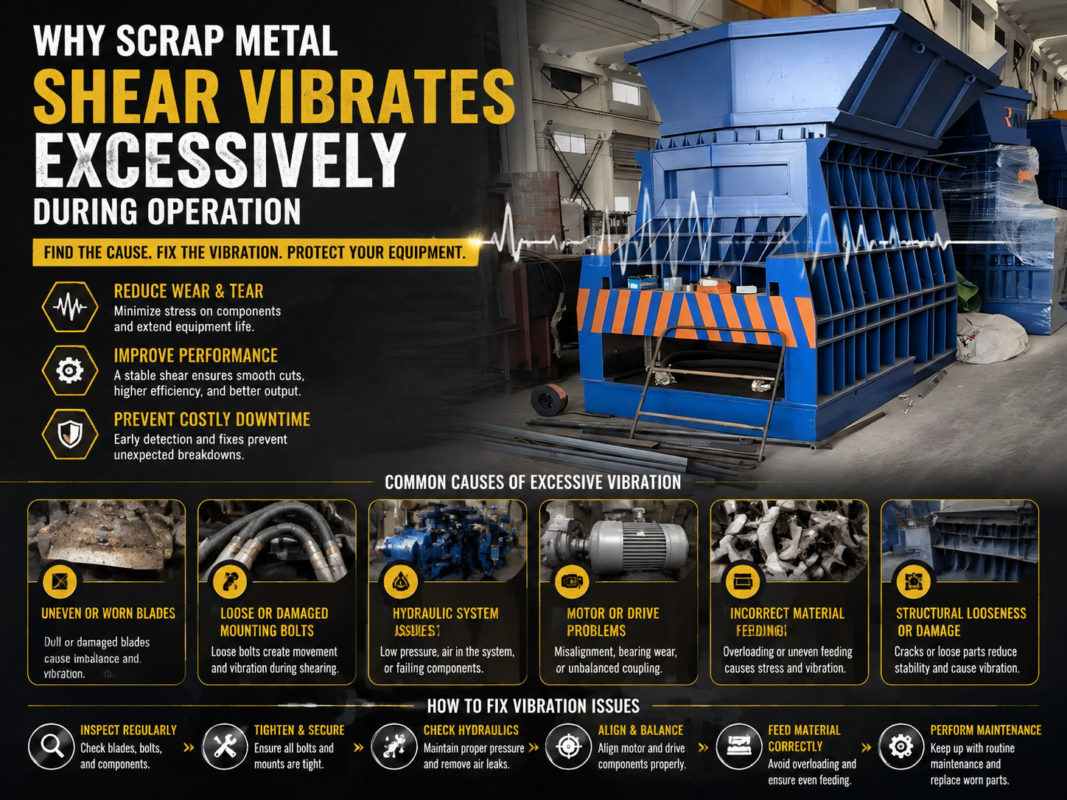
Safety devices must be tested daily without exception. This includes emergency stop buttons, light curtains (if equipped), and interlock switches on access panels. An E-stop that fails to cut power instantly is a critical safety violation. Operators should also listen for unusual sounds during the initial warm-up cycle. High-pitched squealing, rhythmic knocking, or excessive vibration are all indicators that something is amiss within the motor or the hydraulic pump. Addressing these sounds immediately can prevent a total system breakdown.
Deep Dive: Hydraulic System Maintenance
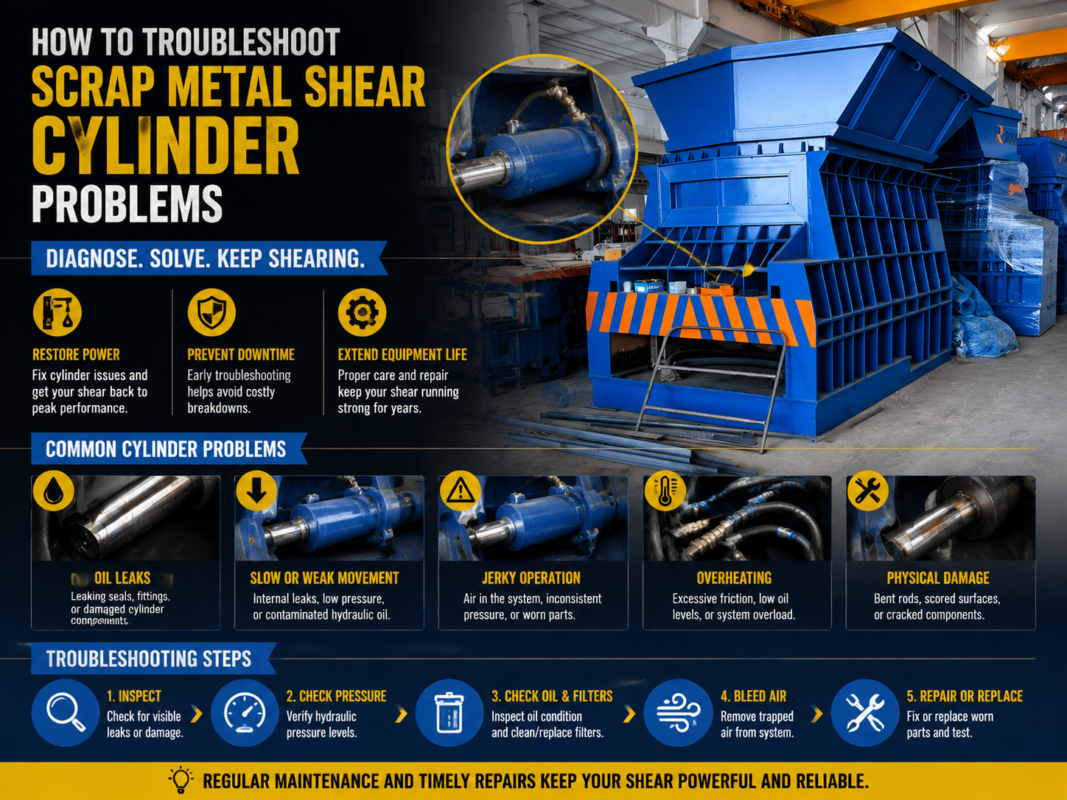
The hydraulic system is the heart of the scrap metal shear. It converts electrical energy into the massive mechanical force required to slice through metal. Maintaining this system requires a focus on three main areas: oil quality, pressure regulation, and component integrity. Hydraulic oil is not just a lubricant; it is the medium for power transmission. Over time, this oil can become contaminated with microscopic metal particles, moisture, and heat-degraded chemicals.
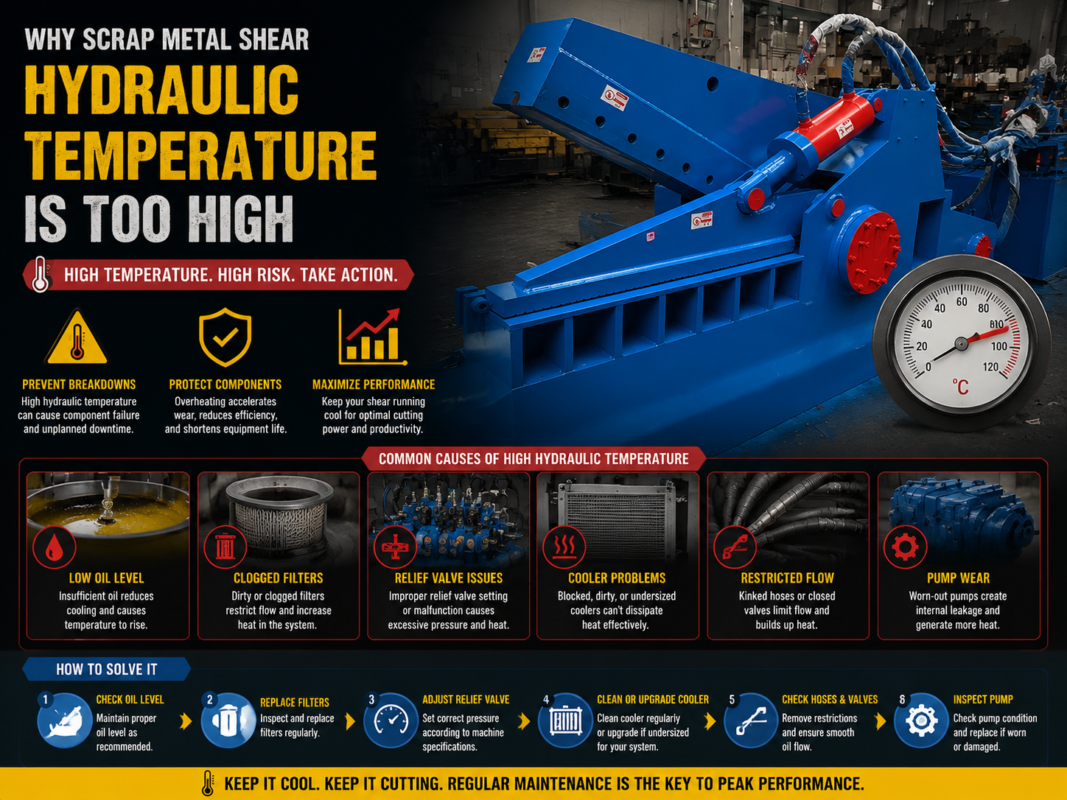
Operators must monitor the hydraulic oil temperature during operation. Most modern shears, like those from HARSLE, include a temperature gauge. If the oil exceeds 60°C (140°F), its viscosity drops, leading to poor lubrication and potential damage to seals and valves. Overheating is often caused by a clogged oil cooler or a relief valve that is stuck open. Regular cleaning of the cooling fins on the heat exchanger is a simple but vital task that prevents the system from running hot.
Filter replacement is another cornerstone of hydraulic health. Most systems feature a suction filter and a return-line filter. These should be replaced according to the manufacturer’s hourly schedule, or sooner if the filter bypass indicator is triggered. Using high-quality, OEM-spec filters is essential; cheap alternatives may not capture the fine particles that can score the precision-ground surfaces of directional control valves and cylinders.
Finally, the hydraulic cylinders themselves require inspection. Look for “weeping” at the rod seals. A small amount of oil film on the rod is normal for lubrication, but a steady drip indicates the seal is failing. Check the cylinder rods for any nicks or scratches. Even a tiny burr on the rod can tear a new seal instantly. If scratches are found, they should be carefully polished out by a technician to prevent ongoing seal damage. Ensuring the hydraulic system is clean and cool is the best way to guarantee the longevity of the shear.
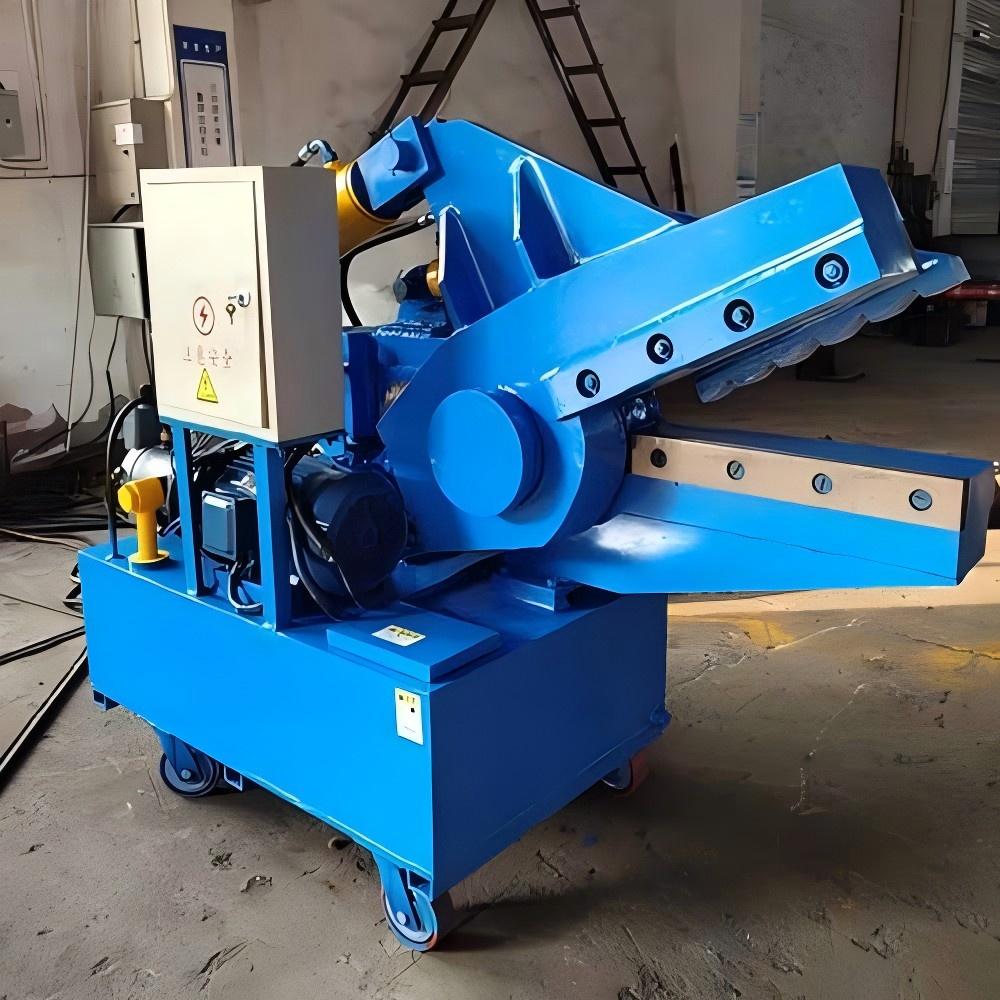
Electrical and Mechanical System Integrity
While the hydraulics provide the power, the electrical system provides the control, and the mechanical structure provides the stability. In the Operator Scrap Metal Shear Maintenance Inspection, the electrical cabinet should be checked periodically for dust accumulation. Metal dust is conductive; if it enters the electrical cabinet, it can cause short circuits or fire. Ensure that all cabinet doors are sealed tightly and that cooling fans are operational.
Wiring and conduits should be inspected for physical damage. In a scrap yard, it is common for falling metal or moving machinery to strike the shear. If a conduit is crushed or a wire is frayed, it can lead to intermittent faults that are notoriously difficult to diagnose. Operators should also verify that all terminal screws are tight, as vibration from the shearing process can loosen electrical connections over time, leading to arcing and component failure.
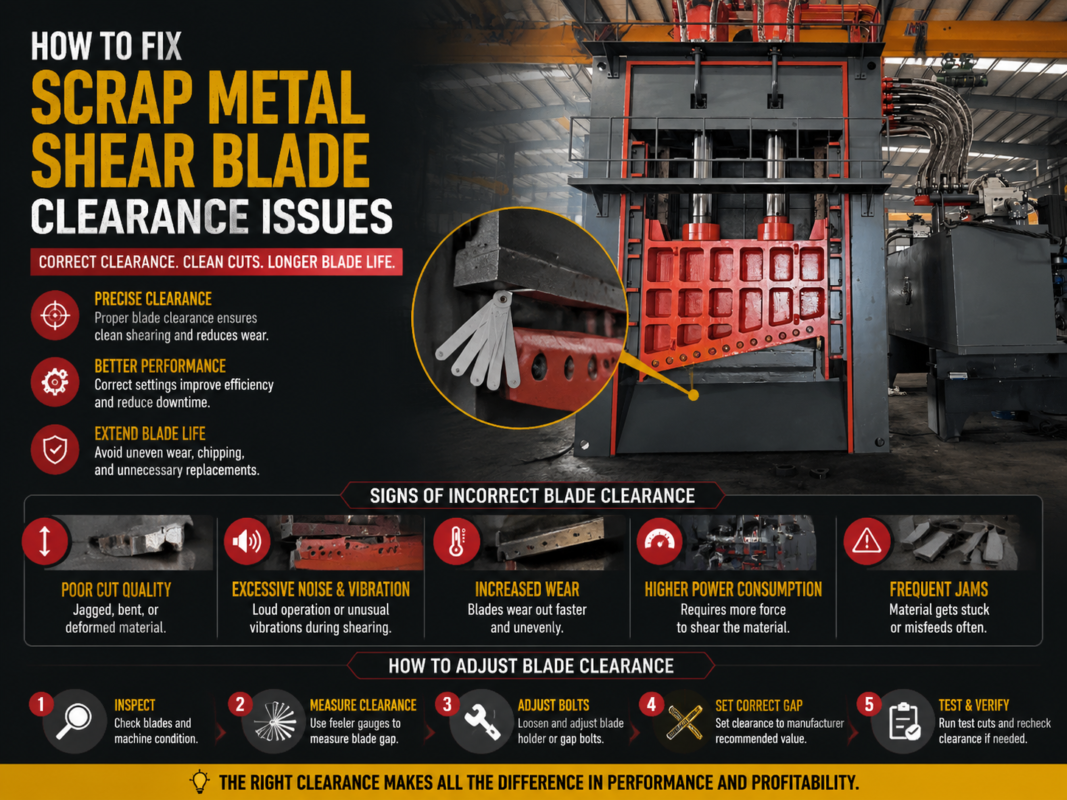
Mechanically, the blade gap (or clearance) is the most critical measurement. As the shear operates, the lateral forces can cause the blade seats to shift slightly. If the gap becomes too wide, the metal will “fold” between the blades rather than being cut, which can jam the machine and damage the pivot pin. Conversely, if the gap is too tight, the blades may rub against each other, causing extreme heat and rapid dulling. Operators should use feeler gauges to check the gap at multiple points along the blade length according to the HARSLE manual.
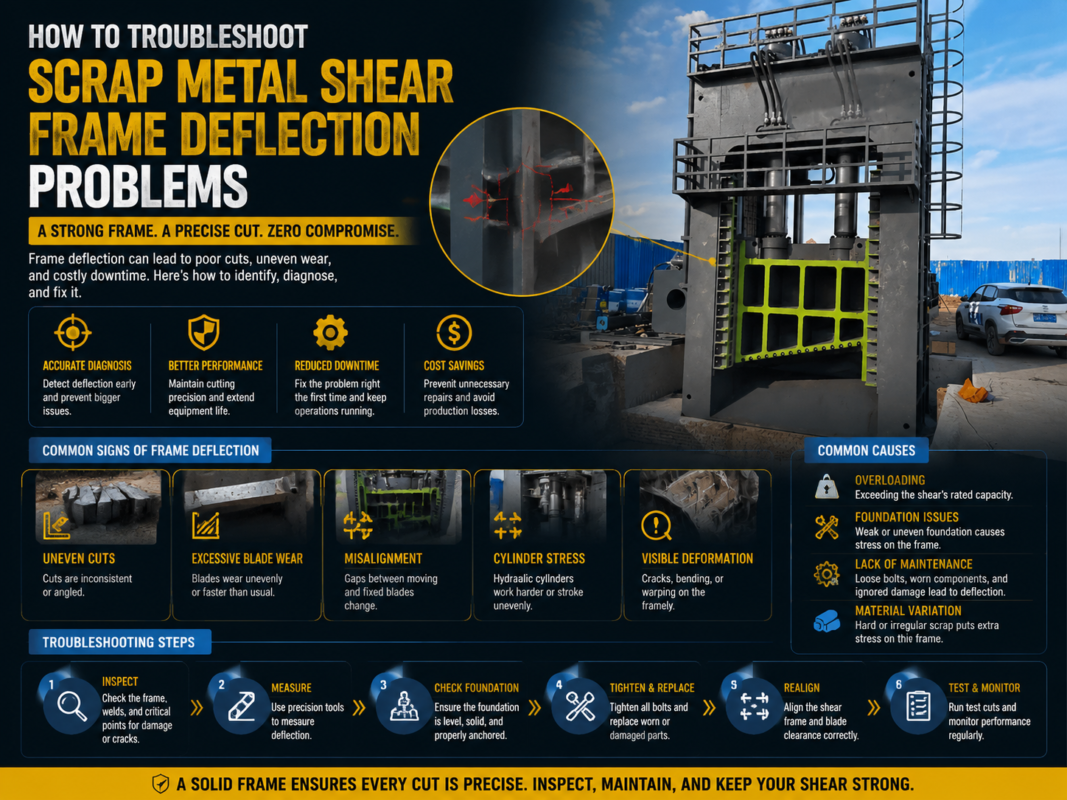
Structural fasteners, particularly the large bolts holding the blades and the main pivot pin housing, must be checked for tightness. These bolts are subjected to immense shock loads. A loose blade bolt can cause the blade to shatter during a cut, sending high-velocity shrapnel into the work area. Using a torque wrench to verify these fasteners meet the manufacturer’s specifications is a vital monthly task. Additionally, inspect the main frame for any signs of stress cracking, particularly near the cylinder mounts and the pivot points.
The Lubrication Plan: Reducing Friction and Wear
Lubrication is the simplest yet most frequently overlooked aspect of shear maintenance. A scrap metal shear has several high-pressure pivot points and sliding surfaces that require constant lubrication to prevent metal-to-metal contact. Without a proper grease film, these components will gall and seize, leading to expensive structural repairs. A comprehensive lubrication plan identifies every grease nipple and specifies the type of lubricant and the frequency of application.
The main pivot pin is the most heavily loaded bearing in the machine. It should typically be greased every 4 to 8 hours of operation. When applying grease, the operator should continue pumping until clean grease is seen exiting the seals. This “purging” action ensures that any contaminants or metal fines that have worked their way into the bearing are flushed out. Using an automated lubrication system can simplify this process, but the operator must still check the reservoir daily to ensure it is not empty.
Sliding guides or wear plates also require attention. These surfaces guide the moving jaw and maintain the blade alignment. They should be coated with a heavy-duty, extreme-pressure (EP) grease that can withstand the wiping action of the jaw. If the shear is used in an outdoor environment, the lubricant must also have good water-resistance properties to prevent it from being washed away by rain.
It is important to use the correct grade of grease as specified by HARSLE. Using a general-purpose grease in a high-pressure application like a scrap shear will result in the lubricant being squeezed out of the bearing, leaving the metal surfaces unprotected. Operators should also keep the grease gun and the grease nipples clean; pumping dirt into a bearing along with the grease is a sure way to accelerate wear. A clean rag should be used to wipe each nipple before the grease gun is attached.
Troubleshooting Signals: Identifying Problems Early
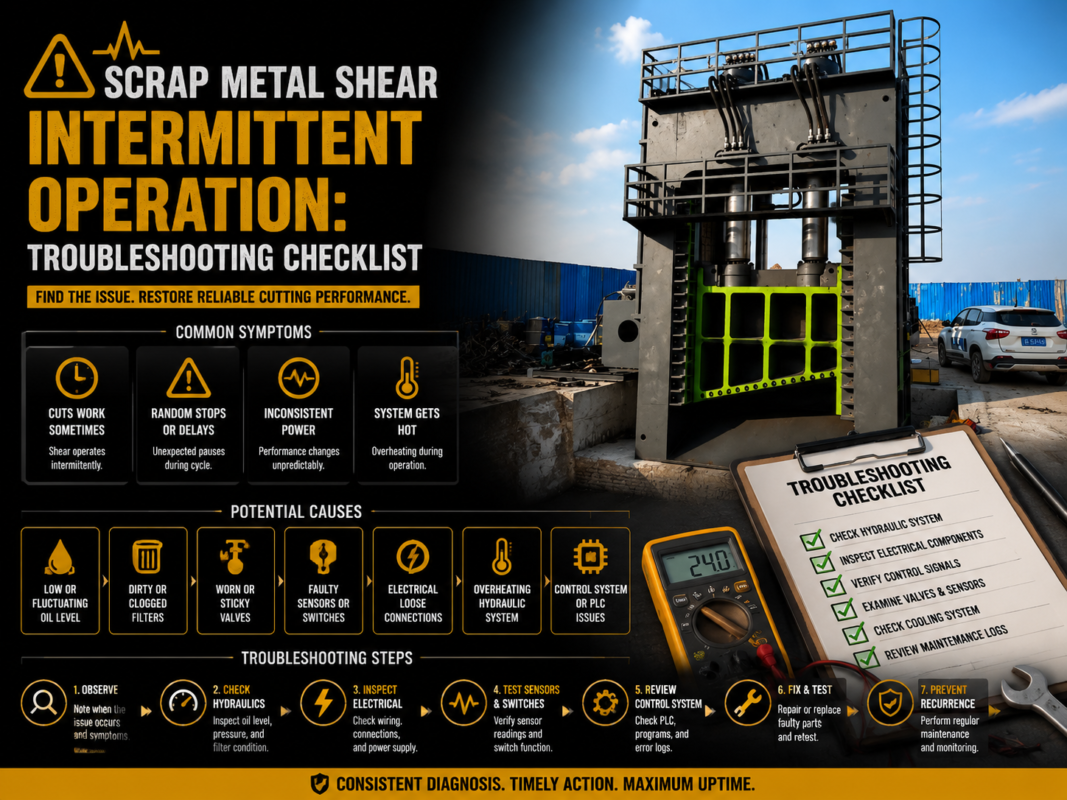
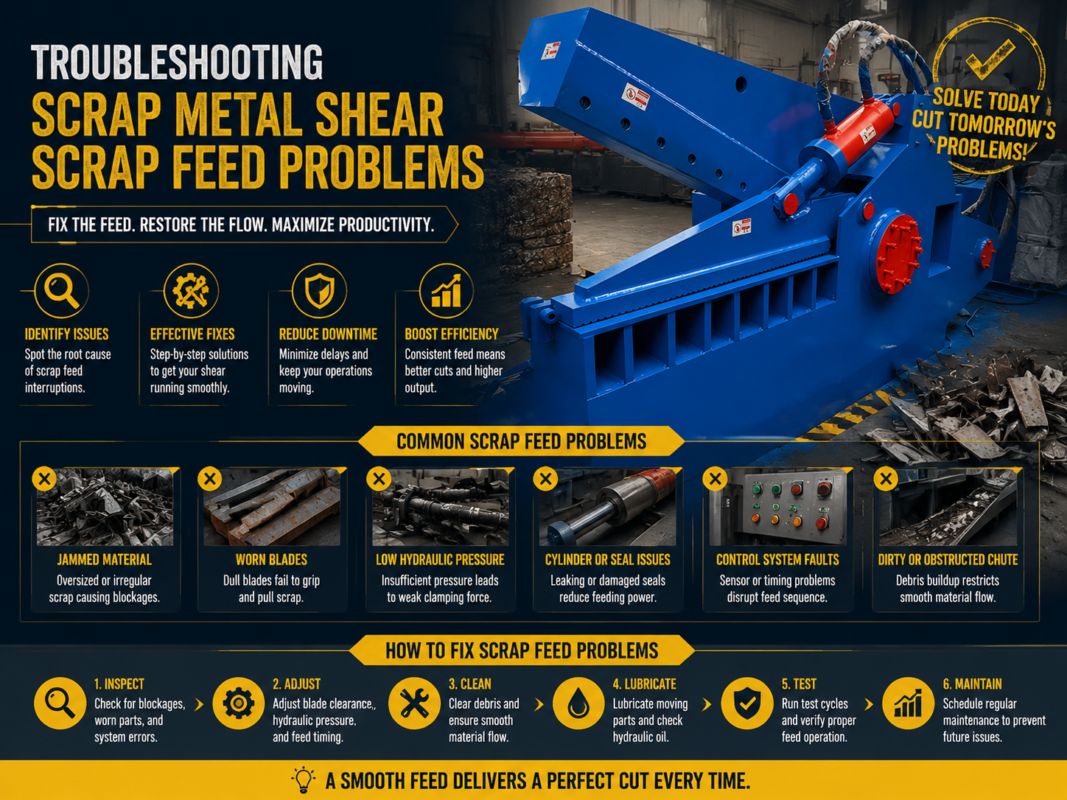
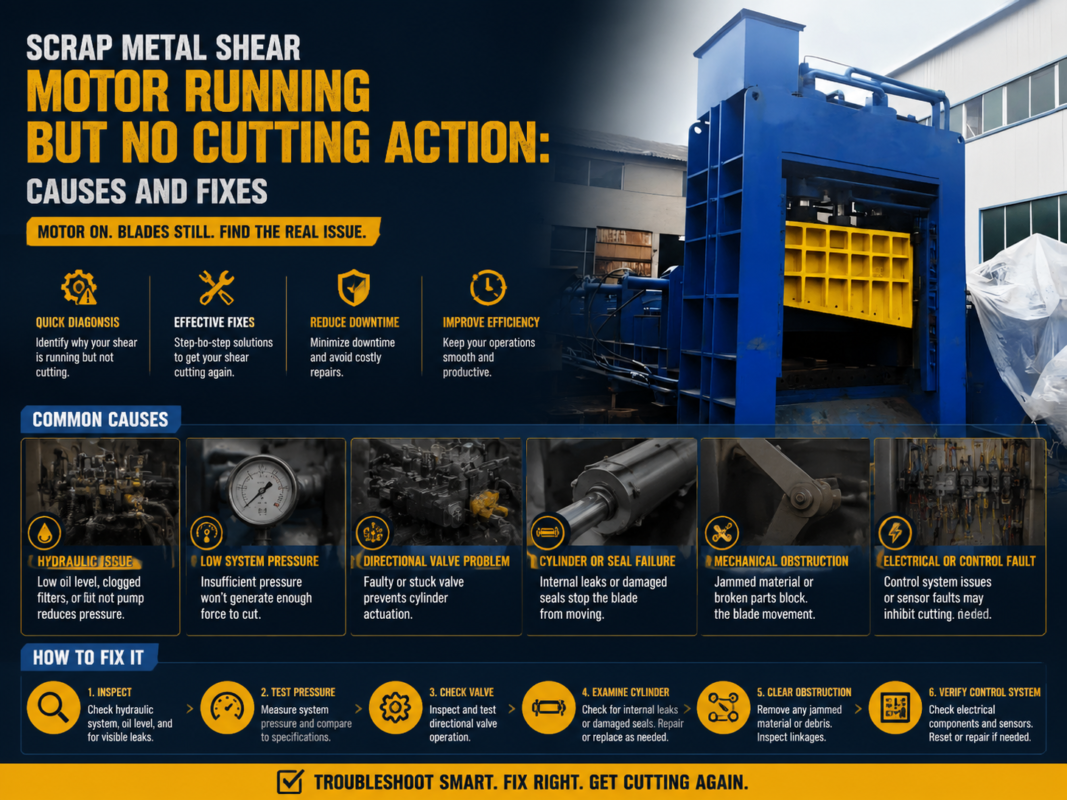
An experienced operator develops an intuition for the machine, noticing subtle changes in its behavior. These changes are often the first signals of an underlying problem. For instance, if the cycle time of the shear begins to slow down, it may indicate a failing hydraulic pump, a clogged filter, or an internal leak in the cylinder. Monitoring the time it takes for a full stroke can help identify these trends before they become critical.
Unusual noises are another key diagnostic tool. A “chattering” sound during the cutting stroke often suggests that the air has entered the hydraulic system or that the blade gap is incorrect. A loud humming from the electric motor might indicate a phase imbalance or a bearing failure within the motor itself. If the machine makes a banging sound at the end of the stroke, the hydraulic cushions or limit switches may need adjustment to prevent the cylinder from bottoming out with too much force.
The appearance of the cut metal also provides clues. If the cut is jagged or shows signs of heavy burring, the blades are likely dull or the clearance is too wide. If the metal appears to be torn rather than sheared, it could indicate that the machine is not reaching its full operating pressure. Operators should also watch for “spongy” controls. If the machine feels less responsive to lever or button inputs, there may be air in the pilot lines or a problem with the solenoid valves.
Heat is a final, critical signal. Operators should occasionally (and safely) check the temperature of the hydraulic components. A specific valve that is significantly hotter than the rest of the manifold may be leaking internally. Similarly, a hot bearing housing on the motor or the main pivot indicates a lack of lubrication or an impending failure. By paying attention to these signals, operators can transition from reactive maintenance to proactive care, significantly increasing the machine’s uptime.
Comprehensive Maintenance Schedule Table
To assist operators in managing these tasks, the following table outlines a standard maintenance schedule for a HARSLE scrap metal shear. Note that these intervals may need to be shortened for machines operating in multi-shift or extremely dusty environments.
| Frequency | Component | Action Required |
|---|---|---|
| Daily | Hydraulic Oil | Check level and temperature; inspect for leaks. |
| Daily | Blades & Area | Clear debris; visually inspect for chips or dullness. |
| Daily | Safety Systems | Test E-stops, light curtains, and interlocks. |
| Every 8 Hours | Pivot Pins | Apply EP grease until purged. |
| Weekly | Blade Gap | Measure with feeler gauges; adjust if necessary. |
| Weekly | Fasteners | Check torque on blade bolts and structural pins. |
| Monthly | Hydraulic Filters | Inspect indicators; replace if necessary. |
| Monthly | Electrical Cabinet | Clean dust; check for loose connections. |
| 6 Months | Hydraulic Oil | Perform oil analysis; replace if contaminated. |
| Yearly | Full System Audit | Comprehensive inspection by a certified technician. |
Frequently Asked Questions (FAQ)
1. How often should I flip or rotate the shear blades?
Most scrap metal shear blades are designed with multiple cutting edges (usually 2 or 4). You should rotate the blades when the cutting edge becomes rounded or chipped, or when you notice a decrease in cutting efficiency. For most high-volume operations, this occurs every 200 to 500 hours of operation, depending on the material being processed.
2. What type of hydraulic oil is best for my shear?
You should always refer to your HARSLE operator manual, but generally, an ISO VG 46 or 68 anti-wear hydraulic oil is used. In extremely cold climates, a lower viscosity oil may be required for winter operations to ensure proper flow during startup.
3. Why is my shear losing cutting power?
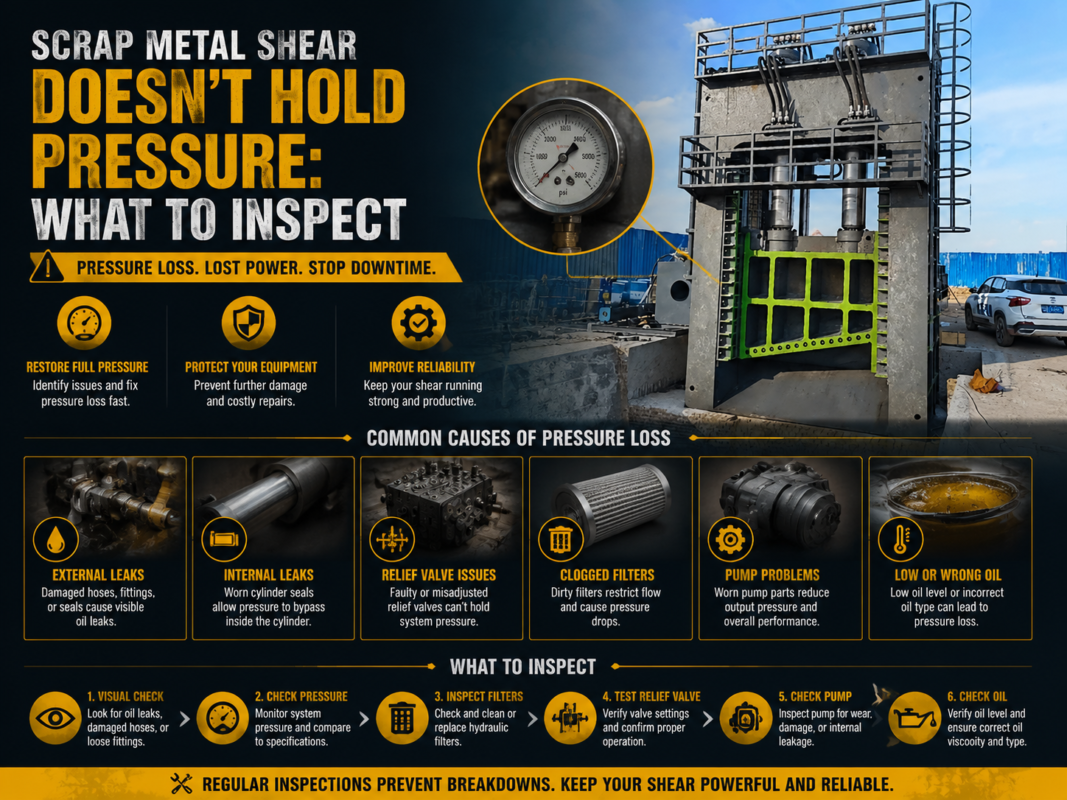
Loss of power is usually attributed to one of three things: a worn hydraulic pump that can no longer maintain pressure, an internal leak in the main cylinder (bypassing the piston seal), or a relief valve that is set too low or is stuck open. Check your pressure gauge during a cut to see if the system is reaching its rated PSI.
4. Can I weld on the shear frame to repair cracks?
Welding on the structural frame of a shear should only be done by a certified professional welder using the correct electrodes and pre-heating procedures. The frame is made of high-strength steel, and improper welding can create brittle zones that lead to catastrophic structural failure under load.
5. How do I know if my hydraulic oil is contaminated?
The best way is through professional oil analysis. However, visual signs include the oil appearing milky (water contamination), dark and smelling burnt (thermal degradation), or having a visible shimmer (metal particle contamination). If any of these are present, the oil and filters should be changed immediately.
6. What is the correct blade gap for scrap shears?
The ideal blade gap typically ranges between 0.2mm and 0.5mm, but this varies based on the thickness and type of metal you are cutting. Consult your specific model’s manual. A gap that is too large is the leading cause of “folding” and machine jams.