
Scrap Metal Shear Maintenance Checklist for Maximum Cutting Performance


The Critical Role of Maintenance in Scrap Metal Processing
In the high-stakes world of metal recycling, the scrap metal shear stands as the workhorse of the yard. These massive machines are designed to exert hundreds of tons of force to slice through structural steel, automotive frames, and industrial piping. However, the very nature of this work—processing abrasive, heavy, and unpredictable materials—puts immense strain on every component of the machine. Implementing a Scrap Metal Shear Maintenance Checklist Maximum Cutting Performance is not just a recommendation; it is a necessity for any facility looking to protect its investment and ensure operational continuity.
HARSLE understands that downtime in a scrap yard translates directly to lost revenue. When a shear is sidelined due to a preventable mechanical failure, the entire processing chain grinds to a halt. Beyond the immediate loss of production, poor maintenance leads to decreased cutting precision, which can result in ‘folded’ metal rather than clean cuts. This increases the load on the hydraulic system and accelerates the wear on expensive shear blades. By following a rigorous maintenance protocol, operators can extend the lifespan of their equipment by years, if not decades.
Maximum cutting performance is achieved when the machine operates at its peak design specifications. This means the hydraulic pressure is consistent, the blade gap is perfectly calibrated, and the structural integrity of the frame is uncompromised. A well-maintained shear requires less energy to perform the same amount of work, reducing electricity or fuel costs. Furthermore, a disciplined approach to maintenance fosters a culture of safety, as technicians are more likely to spot potential hazards like frayed hoses or loose bolts before they lead to catastrophic accidents.
This guide provides a comprehensive breakdown of the essential maintenance tasks required for industrial scrap shears. From the smallest sensor to the largest hydraulic cylinder, every part plays a role in the machine’s overall efficiency. By integrating these checks into your daily routine, you ensure that your HARSLE equipment remains a reliable asset in your recycling arsenal.
Daily Inspection: The First Line of Defense
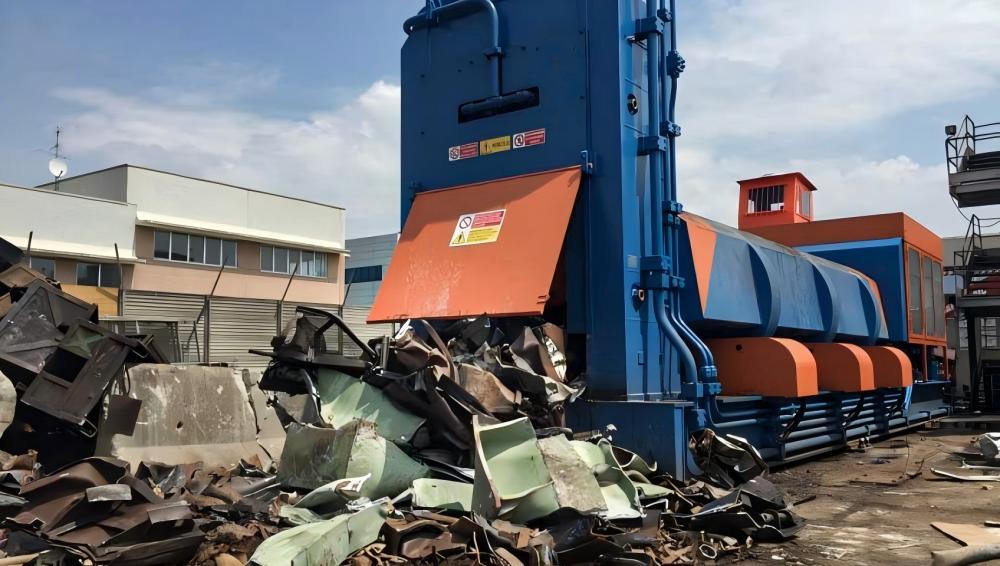
The daily inspection is the most critical component of the Scrap Metal Shear Maintenance Checklist Maximum Cutting Performance. It should be performed at the start of every shift before the machine is powered on. The goal is to identify any obvious signs of wear, damage, or leakage that occurred during the previous shift. Operators should begin with a visual walk-around, looking for any debris that may have become lodged in the shear head or the charging box. Metal shards can often find their way into sensitive areas, causing friction or blocking movement.
Checking for hydraulic leaks is a top priority. Even a small puddle of oil under a fitting can indicate a seal that is about to fail. Hydraulic fluid is the lifeblood of the shear; a significant leak not only poses an environmental and fire hazard but also leads to a drop in system pressure, which directly impacts cutting force. Operators should also inspect all hydraulic hoses for signs of bulging, cracking, or abrasion. In the harsh environment of a scrap yard, hoses are often subjected to flying debris, making them susceptible to external damage.
The condition of the shear blades must be assessed daily. Look for chips, cracks, or excessive rounding of the cutting edges. If the blades are dull, the machine will struggle to cut, leading to increased vibration and heat generation. Additionally, check the blade bolts to ensure they are torqued to the manufacturer’s specifications. Loose blades are extremely dangerous and can cause catastrophic damage to the shear head. Finally, verify that all safety guards are in place and that the emergency stop buttons are functional and unobstructed.
Lastly, the daily routine should include a check of the lubrication levels. Most modern HARSLE shears feature centralized lubrication systems, but it is still necessary to verify that the reservoir is full and that the grease is reaching the intended points. A dry pivot pin or slide way can seize within hours under the high loads typical of scrap processing. Taking fifteen minutes every morning for these checks can save hours of unplanned downtime later in the day.
Hydraulic System Maintenance and Fluid Management
The hydraulic system is the heart of the scrap metal shear, providing the immense force required to process heavy materials. Maintaining this system is paramount for achieving Maximum Cutting Performance. The first step in hydraulic maintenance is monitoring the quality and temperature of the hydraulic oil. Over time, hydraulic oil breaks down due to heat and pressure, losing its lubricating properties and ability to protect against corrosion. Furthermore, contamination from dust and metal particles can act as an abrasive, wearing down pumps and valves from the inside out.
Regular oil analysis is highly recommended for industrial shears. By sending a sample of the oil to a lab, you can detect microscopic metal particles that indicate internal component wear before a failure occurs. It also tells you if the oil’s additive package is still effective. In addition to oil quality, the filtration system must be maintained. Filters should be replaced according to the manufacturer’s schedule, or sooner if the filter bypass indicator is triggered. A clogged filter allows contaminated oil to circulate through the system, causing rapid wear on the high-precision components of the hydraulic pump.
Temperature management is another critical factor. Scrap shears generate a significant amount of heat during continuous operation. If the oil becomes too hot, its viscosity drops, leading to internal leakage in the pump and cylinders, which reduces cutting speed and force. Ensure that the oil coolers are clean and that the cooling fans are operating correctly. In many cases, dust and debris from the scrap yard can clog the cooling fins, leading to overheating. A simple cleaning with compressed air can often resolve this issue.
Finally, the hydraulic cylinders themselves require attention. Inspect the cylinder rods for any scratches or pitting, as these can damage the rod seals and lead to external leaks. The mounting bushings of the cylinders should also be checked for play. If the bushings are worn, the cylinder may not apply force in a perfectly straight line, leading to side-loading and premature seal failure. Proper hydraulic maintenance ensures that the shear delivers its full rated tonnage every time the cycle is initiated.
Electrical and Control System Integrity
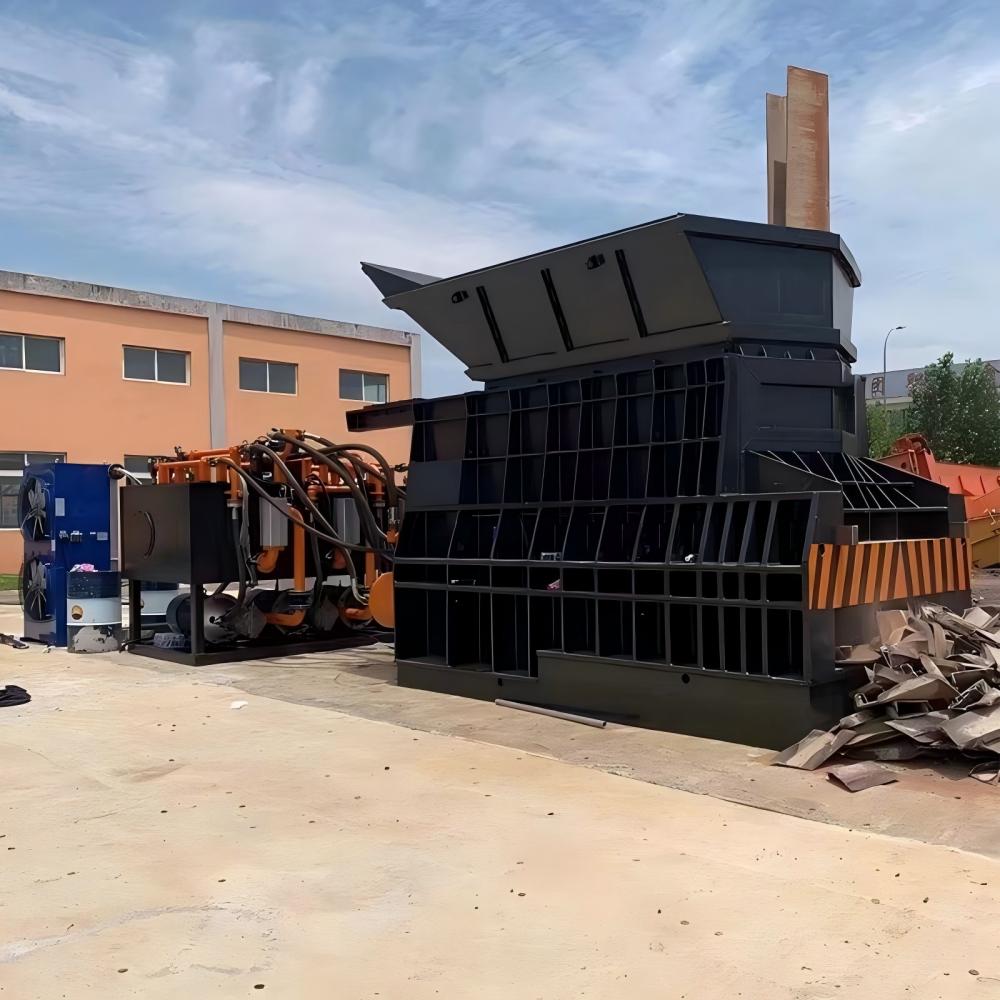
While the mechanical and hydraulic systems do the heavy lifting, the electrical system is the brain of the scrap metal shear. Modern HARSLE shears utilize sophisticated Programmable Logic Controllers (PLCs) and sensors to coordinate the complex movements of the charging box, the stamper, and the shear head. Maintaining the integrity of this system is essential for both performance and safety. The primary enemy of electrical systems in a scrap yard is vibration. Constant pounding can loosen terminal connections, leading to intermittent faults that are notoriously difficult to diagnose.
Every month, a qualified technician should open the electrical cabinets and check for loose wiring. They should also look for signs of overheating on contactors and relays, which can indicate a failing component or an overloaded circuit. Dust is another major concern. Fine metallic dust can be conductive; if it accumulates on circuit boards or terminals, it can cause short circuits. Using clean, dry compressed air to blow out the electrical cabinets is a simple but effective preventative measure.
Sensors and limit switches play a vital role in the machine’s operation. These components tell the PLC the exact position of the various moving parts. If a sensor is misaligned or coated in grease and dirt, it may send incorrect signals, causing the machine to stop mid-cycle or, worse, allowing components to collide. Regularly clean all sensors and check their mounting brackets for stability. In the Scrap Metal Shear Maintenance Checklist Maximum Cutting Performance, ensuring that the ‘home’ and ‘end’ positions are accurately sensed is key to maintaining a fast and smooth cycle time.
The control panel and operator interface should also be inspected. Ensure that all buttons, joysticks, and touchscreens are responsive and free from damage. A cracked screen or a sticky button can lead to operator errors. Furthermore, check the integrity of the cables running from the control station to the machine. These cables are often exposed and can be damaged by falling scrap or mobile equipment. Protecting these communication lines with heavy-duty conduit or routing them away from high-traffic areas is a wise long-term investment.
Mechanical Components and Blade Gap Calibration
The mechanical structure of the shear is built to withstand incredible stress, but it is not invincible. The most critical mechanical adjustment on any scrap shear is the blade gap—the distance between the moving blade and the fixed blade. If the gap is too wide, the metal will ‘fold’ or ‘smear’ between the blades rather than being cut. This places immense lateral stress on the shear head and the guide rails. If the gap is too narrow, the blades may clash, leading to immediate and expensive damage.
Blade gap should be checked weekly and adjusted as necessary. As the blades wear and the machine’s components settle, the gap will naturally change. HARSLE shears are designed with adjustment mechanisms to make this process as straightforward as possible, but it still requires precision. Use feeler gauges to check the gap at multiple points along the length of the blades. Consistent gap settings ensure that the cutting force is applied evenly, which is fundamental to the Scrap Metal Shear Maintenance Checklist Maximum Cutting Performance.
Beyond the blades, the guide system for the shear head must be inspected. The shear head moves within a set of wear plates or slides. These plates are designed to be replaced as they wear down, protecting the main frame of the machine. If the wear plates become too thin, the shear head will develop ‘play,’ leading to inaccurate cuts and increased vibration. Check the clearance between the shear head and the guides and replace the wear plates before they reach the manufacturer’s minimum thickness limit.
Structural integrity is the final mechanical check. Periodically inspect the main frame, the charging box, and the foundation bolts for any signs of cracking or fatigue. The repetitive high-pressure cycles can eventually lead to stress cracks in the steel. Early detection through visual inspection or non-destructive testing (such as dye penetrant testing) can allow for a simple weld repair before the crack propagates and threatens the entire machine. A solid, rigid frame is the foundation upon which all cutting performance is built.
Comprehensive Lubrication Plan
Lubrication is the most cost-effective way to prevent premature wear on a scrap metal shear. Without a proper film of grease or oil, metal-on-metal contact will quickly destroy pins, bushings, and slides. A Scrap Metal Shear Maintenance Checklist Maximum Cutting Performance must include a detailed lubrication plan that specifies the type of lubricant to be used, the location of every grease point, and the frequency of application. Using the wrong type of grease can be just as damaging as using no grease at all, as some lubricants are not designed to withstand the extreme pressures found in shear components.
For machines with manual lubrication points, a schedule should be posted near the machine to ensure no points are missed. Critical areas include the main pivot pins for the shear head and the charging box lids, the cylinder clevis pins, and the guide slides. These areas should be greased daily or even every few hours during heavy use. When applying grease, look for the ‘old’ grease to be pushed out; this ensures that the entire cavity is filled and that any contaminants are being flushed out of the joint.
Automatic lubrication systems are common on HARSLE shears and significantly reduce the labor required for maintenance. However, these systems are not ‘set and forget.’ The operator must check the grease reservoir daily and ensure the pump is functioning. It is also important to periodically inspect the distribution lines. A broken line will leave a critical component without lubrication while the rest of the machine appears fine. Look for ‘dry’ spots or signs of rust on pins as an indicator that a lubrication line may be blocked or broken.
In addition to grease, some components may require specialized lubricants. For example, the gears in a rotary shear or the chains in a conveyor system may need specific oils. Always refer to the HARSLE manual for the exact specifications. Proper lubrication not only reduces wear but also helps to seal out moisture and dust, providing an extra layer of protection for the machine’s internal surfaces. A well-lubricated machine runs quieter, cooler, and more efficiently.
Troubleshooting Signals: Listening to Your Machine
Experienced operators can often tell if a shear is having problems just by the way it sounds or feels. Recognizing these troubleshooting signals early is a key part of the Scrap Metal Shear Maintenance Checklist Maximum Cutting Performance. One of the most common signs of trouble is a change in the machine’s acoustic profile. A high-pitched squeal might indicate a hydraulic pump cavitation issue or a failing bearing. A heavy thud or clunking sound during the cutting stroke could suggest a loose blade or a worn-out bushing.
Vibration is another important indicator. While some vibration is normal during a heavy cut, excessive or unusual shaking can point to structural issues, loose foundation bolts, or an imbalanced hydraulic system. If the machine starts to vibrate more than usual, it is time to stop and perform a thorough inspection. Ignoring vibration can lead to the loosening of electrical connections and the cracking of hydraulic lines, creating a snowball effect of mechanical failures.
Slow cycle times are a clear sign that the machine is not performing at its peak. If the shear head is moving slower than usual, the problem could be a clogged hydraulic filter, a failing pump, or internal leakage in a cylinder. It could also be an electrical issue where a sensor is not triggering the next stage of the cycle promptly. Monitoring cycle times allows you to quantify the machine’s performance and identify gradual declines that might otherwise go unnoticed. If the machine is struggling to cut material that it previously handled with ease, the blades are likely dull or the blade gap has widened.
Finally, pay attention to the hydraulic oil temperature gauge. If the machine is consistently running hotter than normal, it is a sign that the system is working too hard. This could be due to dull blades, a malfunctioning cooling system, or internal friction. Heat is the enemy of hydraulic components, so identifying the cause of overheating is a top priority. By being proactive and responding to these signals, you can prevent minor issues from turning into major repairs.
Maintenance Schedule Table
To maintain Maximum Cutting Performance, follow this structured maintenance schedule. This table serves as a quick reference for your maintenance team.
| Frequency | Task Category | Action Items |
|---|---|---|
| Daily | Visual & Safety | Check for leaks, inspect blades, verify safety guards, check oil levels, and test E-stops. |
| Weekly | Mechanical | Measure and adjust blade gap, check blade bolt torque, and inspect guide slide clearance. |
| Monthly | Electrical & Hydraulic | Clean electrical cabinets, check for loose wires, inspect hydraulic filters, and check hose condition. |
| Quarterly | Structural | Inspect frame for cracks, check foundation bolts, and perform a detailed oil analysis. |
| Annually | System Overhaul | Change hydraulic oil (if needed), replace all filters, calibrate pressure settings, and inspect pump performance. |
Frequently Asked Questions (FAQ)
How often should I flip or change my scrap shear blades?
The frequency of blade changes depends entirely on the volume and type of material you are processing. However, as part of a Scrap Metal Shear Maintenance Checklist Maximum Cutting Performance, you should inspect them daily. Most HARSLE blades are four-sided, meaning you can flip them three times before needing a full replacement or professional regrinding. If you notice a significant drop in cutting quality or an increase in hydraulic pressure, it is time to flip the blades.
What is the most common cause of hydraulic pump failure in shears?
Contamination is the leading cause of pump failure. Small particles of metal or dirt act like sandpaper inside the pump, wearing down the tight tolerances required to generate high pressure. Regular filter changes and oil analysis are the best ways to prevent this. Overheating is the second most common cause, as it thins the oil and reduces lubrication, leading to metal-on-metal contact within the pump.
Can I use any hydraulic oil in my HARSLE shear?
No, you must use the oil grade specified in your HARSLE operator’s manual. The viscosity of the oil is carefully chosen to match the operating temperature and pressure of the machine. Using an oil that is too thin will lead to internal leaks and poor performance, while oil that is too thick can cause cavitation in the pump, especially in cold weather. Always use a high-quality anti-wear (AW) hydraulic oil.
Why is the blade gap so important for cutting performance?
The blade gap determines how the metal is sheared. A correct gap ensures that the material is cut cleanly with minimum force. If the gap is too large, the metal will bend into the gap, which requires significantly more force and puts lateral stress on the shear head. This can lead to broken blades, damaged guides, and even cracked frames. Maintaining the correct gap is the single most important adjustment for Maximum Cutting Performance.
How do I know if my automatic lubrication system is working?
Check the grease reservoir daily to ensure the level is dropping over time. You should also look for fresh grease around the pins and slides. If a specific point looks dry or shows signs of rust, the line to that point may be blocked or broken. Most automatic systems also have a pressure gauge or a cycle indicator; if the pressure is too high, it indicates a blockage, and if it’s too low, it indicates a leak in the distribution lines.












