Comprehensive Guide to Hydraulic Briquetting Machine Uses In Automotive Aerospace Metal Fabrication

Introduction to Hydraulic Briquetting in High-Precision Industries
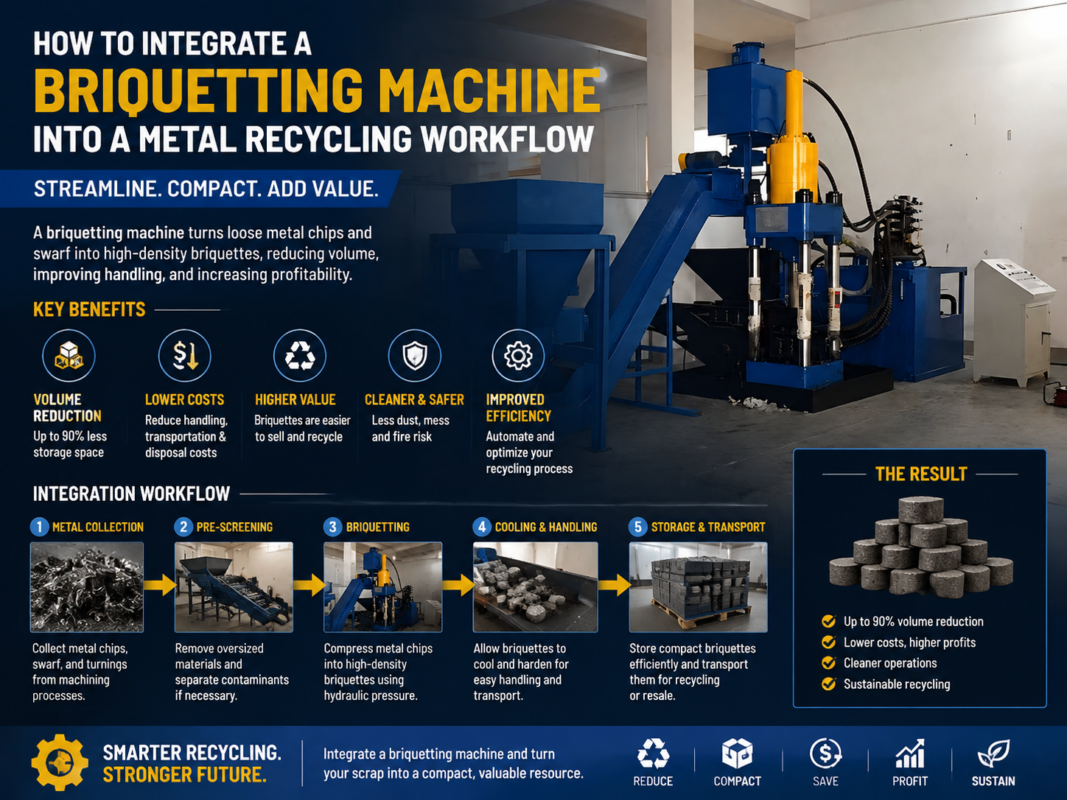
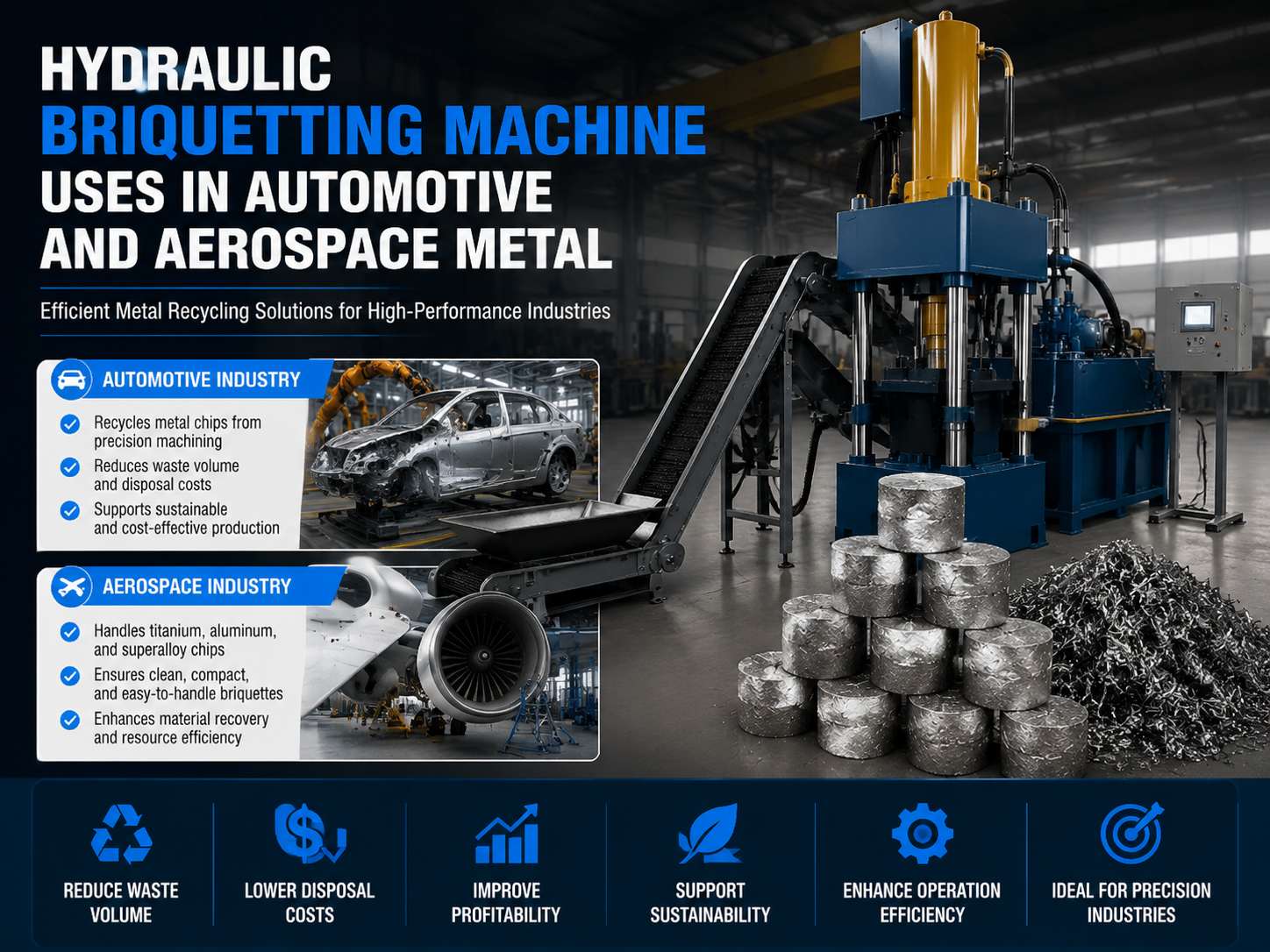
In the modern industrial landscape, the efficiency of metal fabrication is no longer measured solely by the quality of the finished part, but also by the management of the waste generated during production. For sectors like automotive and aerospace, where high-value alloys and massive production volumes are the norm, the Hydraulic Briquetting Machine Uses In Automotive Aerospace Metal Fabrication have become a cornerstone of sustainable and profitable operations. These machines are designed to transform loose metal chips, turnings, and swarf into dense, manageable blocks known as briquettes.
The automotive industry, characterized by its high-speed machining of engine components and structural frames, generates tons of aluminum and cast iron scrap daily. Similarly, the aerospace sector deals with exotic and expensive materials like titanium and high-grade stainless steel. Without proper processing, this scrap is bulky, difficult to transport, and often contaminated with cutting fluids. A hydraulic briquetting machine addresses these challenges by applying immense pressure to the scrap, squeezing out fluids and creating a product that is ready for direct melting in a furnace.
HARSLE has been at the forefront of developing advanced hydraulic solutions that cater specifically to these demanding environments. By integrating a briquetting system into a production line, manufacturers can reclaim up to 95% of their cutting oils and significantly increase the market value of their scrap. This article explores the technical nuances, strategic advantages, and selection criteria for utilizing hydraulic briquetting technology in the automotive and aerospace sectors.
Key Considerations for Implementing Briquetting Systems
1. Material Value and Recovery
The primary driver for adopting Hydraulic Briquetting Machine Uses In Automotive Aerospace Metal Fabrication is the recovery of material value. In aerospace, titanium swarf is incredibly valuable, but its high surface-area-to-volume ratio makes it prone to oxidation during melting if left as loose chips. Briquetting reduces this surface area, leading to a much higher yield during the smelting process. For automotive manufacturers, the sheer volume of aluminum chips means that even a small percentage increase in scrap value translates to millions of dollars in annual savings.
2. Environmental Compliance and Coolant Reclamation
Environmental regulations are becoming increasingly stringent. Loose metal chips are typically saturated with hazardous cutting fluids and coolants. Transporting “wet” scrap is not only messy but often illegal or subject to heavy surcharges due to the risk of leaks. A hydraulic briquetting press acts as a secondary extraction unit, pressing out the fluids which can then be filtered and reused in the CNC machines. This closed-loop system reduces the need for new coolant purchases and eliminates the environmental liability of transporting hazardous waste.
3. Logistics and Storage Optimization
Space is a premium in any fabrication facility. Loose metal turnings are notoriously voluminous; a single bin of loose chips might only weigh a few hundred pounds but take up significant floor space. Briquetting can reduce the volume of metal scrap by a ratio of up to 20:1. This means fewer trips for forklifts, fewer storage bins, and significantly lower transportation costs when shipping the scrap to a recycler. For large-scale automotive plants, this logistics optimization streamlines the entire shop floor workflow.
4. Furnace Efficiency and Safety
When loose, wet chips are thrown into a melting furnace, the residual moisture can cause explosive “splashes” or steam explosions, posing a massive safety risk to operators. Furthermore, loose chips tend to float on top of the molten bath and burn away (oxidize) rather than melting. Briquettes, being dense, sink into the melt, ensuring a more efficient heat transfer and reducing the “burn loss” significantly. This is particularly critical for aerospace alloys where chemical purity is paramount.
Technical Details of Hydraulic Briquetting Machines
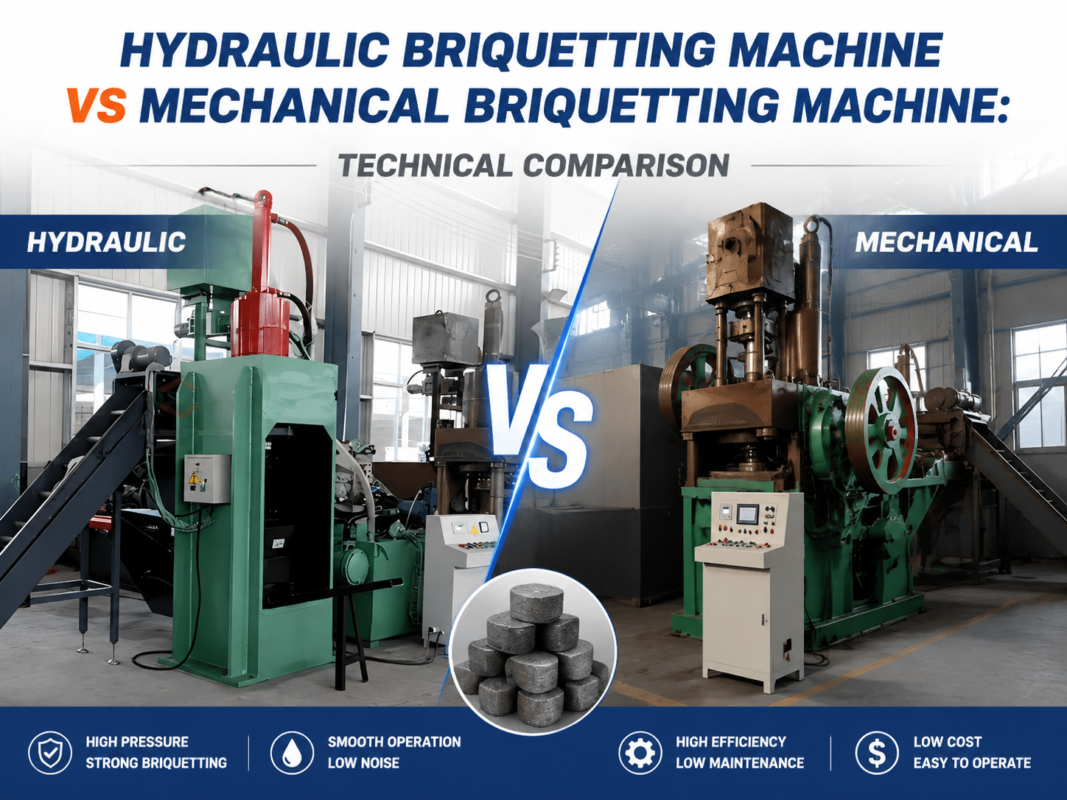
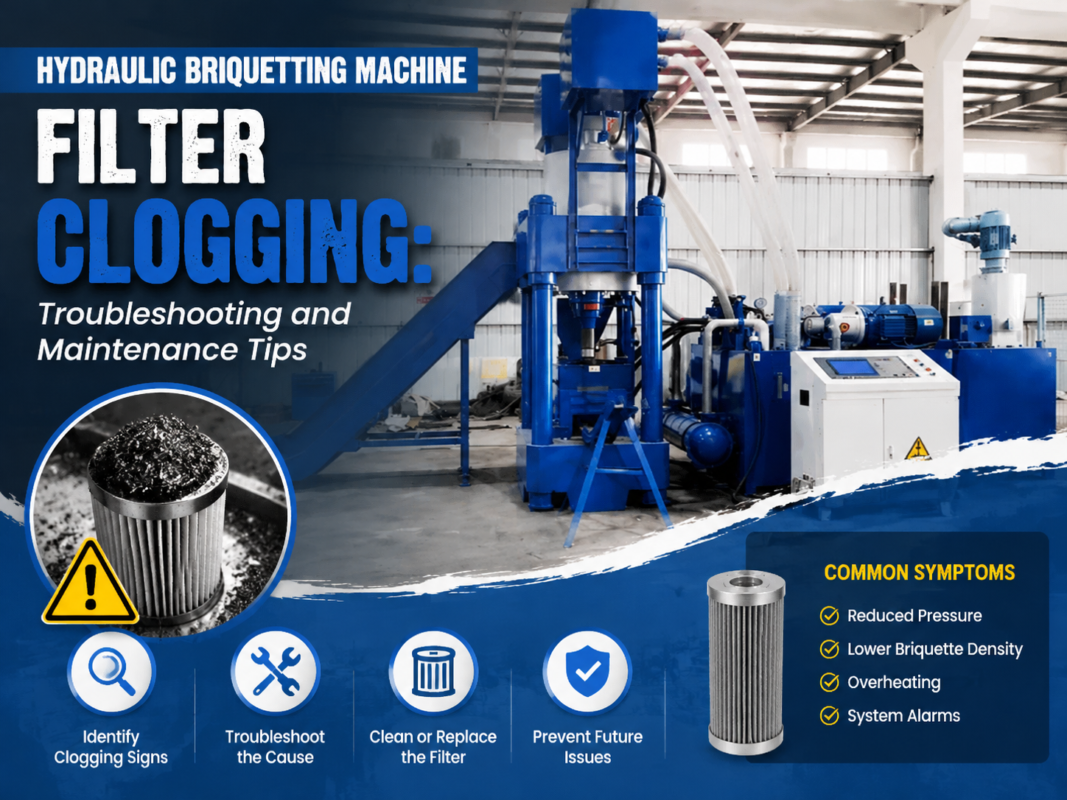
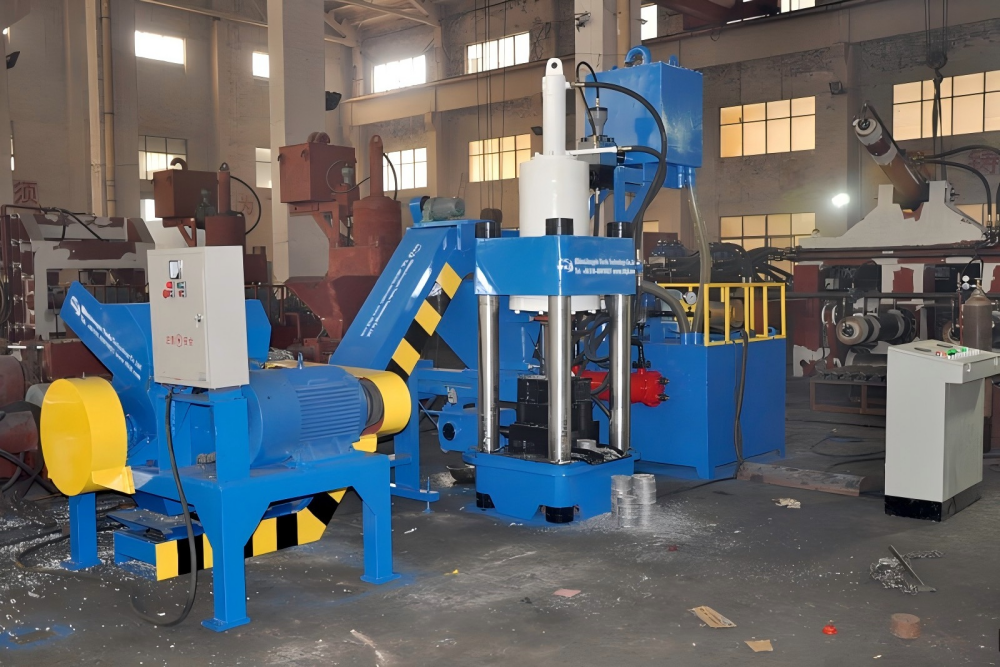
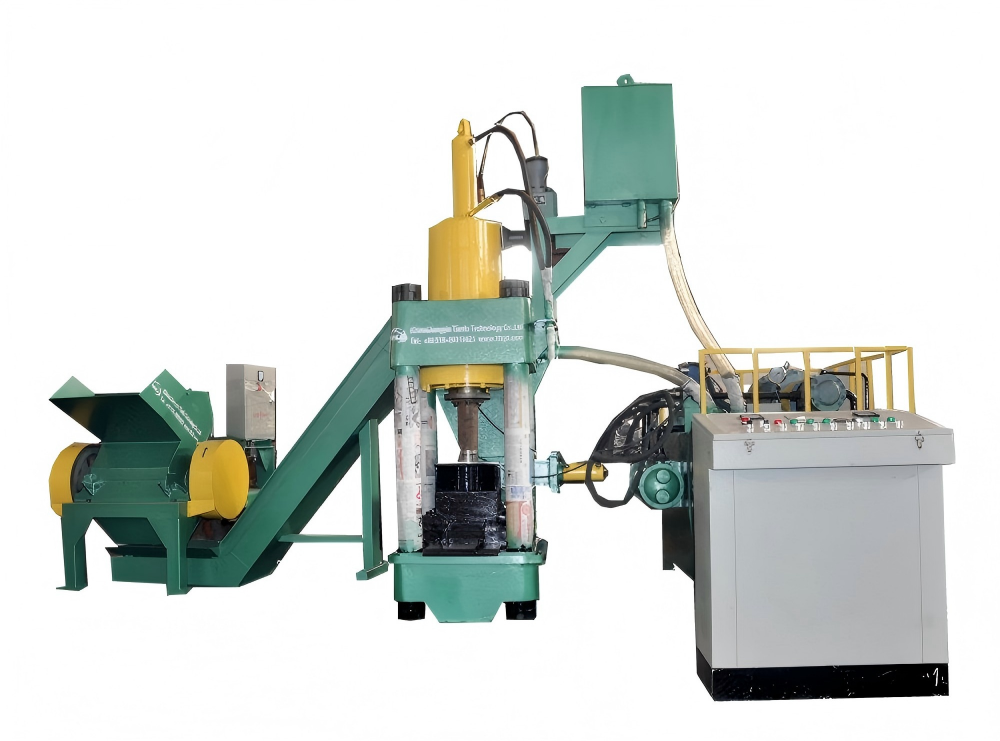
Understanding the technical specifications of these machines is essential for matching the equipment to the specific needs of automotive and aerospace fabrication. A standard HARSLE hydraulic briquetting machine consists of several key components: the hopper and feeding system, the compression chamber, the hydraulic power unit, and the PLC control system.
Compression Ratios and Tonnage
The “tonnage” of a briquetting machine refers to the force the hydraulic cylinder applies to the material. For soft metals like aluminum, a lower tonnage might suffice, but for tough aerospace materials like Inconel or Titanium, high-pressure systems are required to achieve the necessary density. The compression ratio determines how much the volume is reduced. A high-quality machine will produce briquettes with a density approaching 80-90% of the solid metal’s density.
Hydraulic System Sophistication
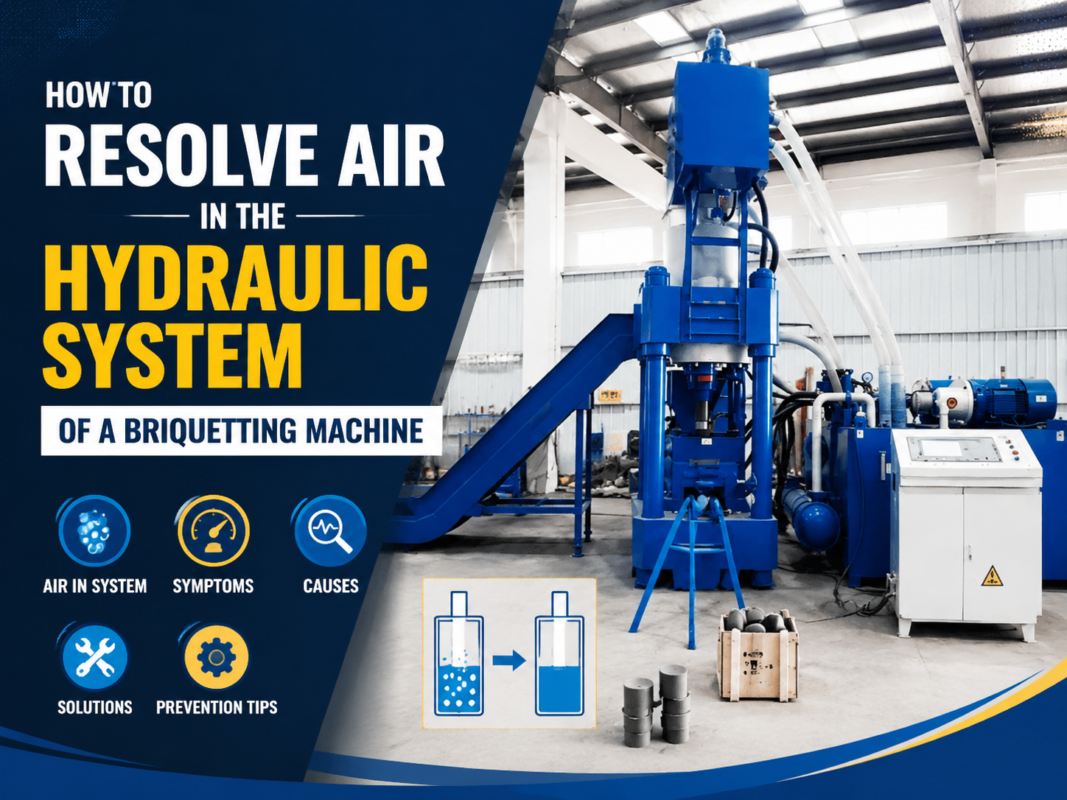
Modern machines utilize variable displacement pumps and high-pressure valves to optimize the pressing cycle. The cycle usually involves a pre-compression stage to remove air and initial fluids, followed by a high-pressure stage to solidify the block. HARSLE machines often feature cooling systems for the hydraulic oil to ensure 24/7 operation in hot factory environments, which is common in automotive casting plants.
| Feature | Automotive Application | Aerospace Application |
|---|---|---|
| Primary Materials | Aluminum, Cast Iron, Steel | Titanium, Stainless Steel, Superalloys |
| Volume Requirement | Very High (Continuous) | Moderate to High |
| Coolant Recovery | Essential for cost saving | Critical for material purity |
| Briquette Density | Standard (for transport) | High (for vacuum melting) |
| Automation Level | Fully integrated with CNC lines | Often batch-processed with tracking |
PLC and Automation Integration
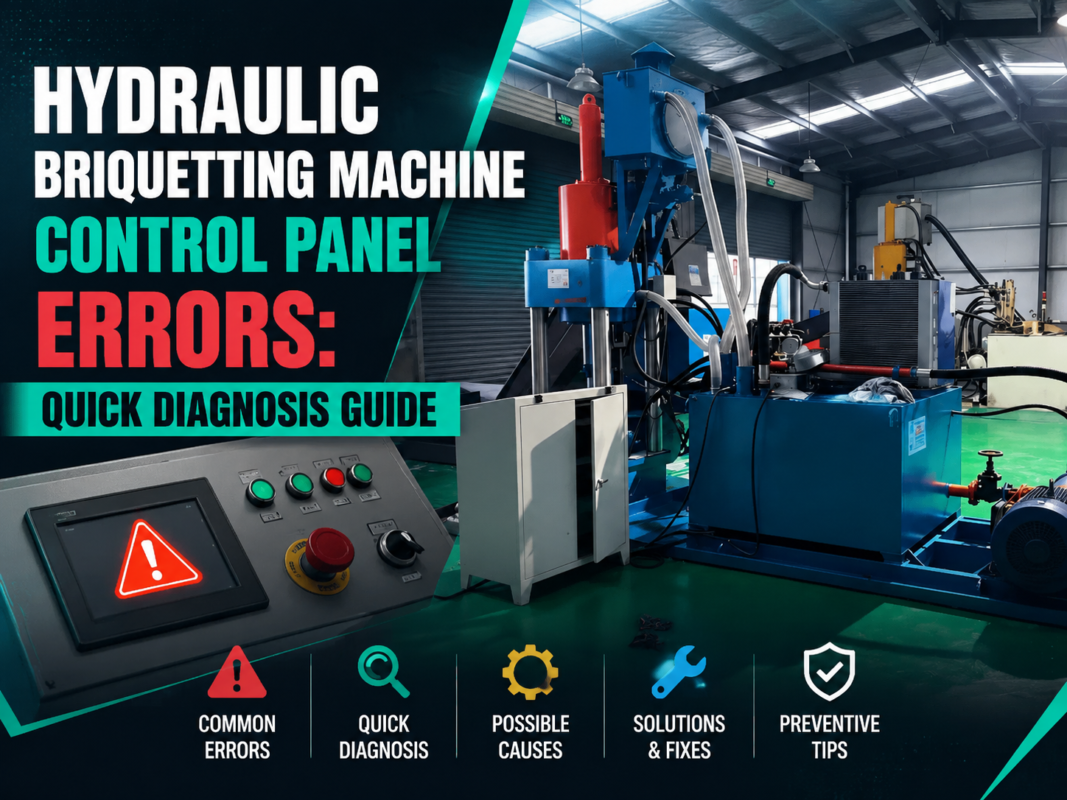
In the context of Industry 4.0, Hydraulic Briquetting Machine Uses In Automotive Aerospace Metal Fabrication involve deep integration with the factory’s central management system. Sensors monitor the weight of the incoming scrap, the pressure applied, and the moisture content of the resulting briquette. If the machine detects a foreign object (like a dropped tool), it can automatically pause to prevent damage to the die. This level of automation is vital for automotive lines that operate with minimal human intervention.
Selection Advice for Industrial Buyers
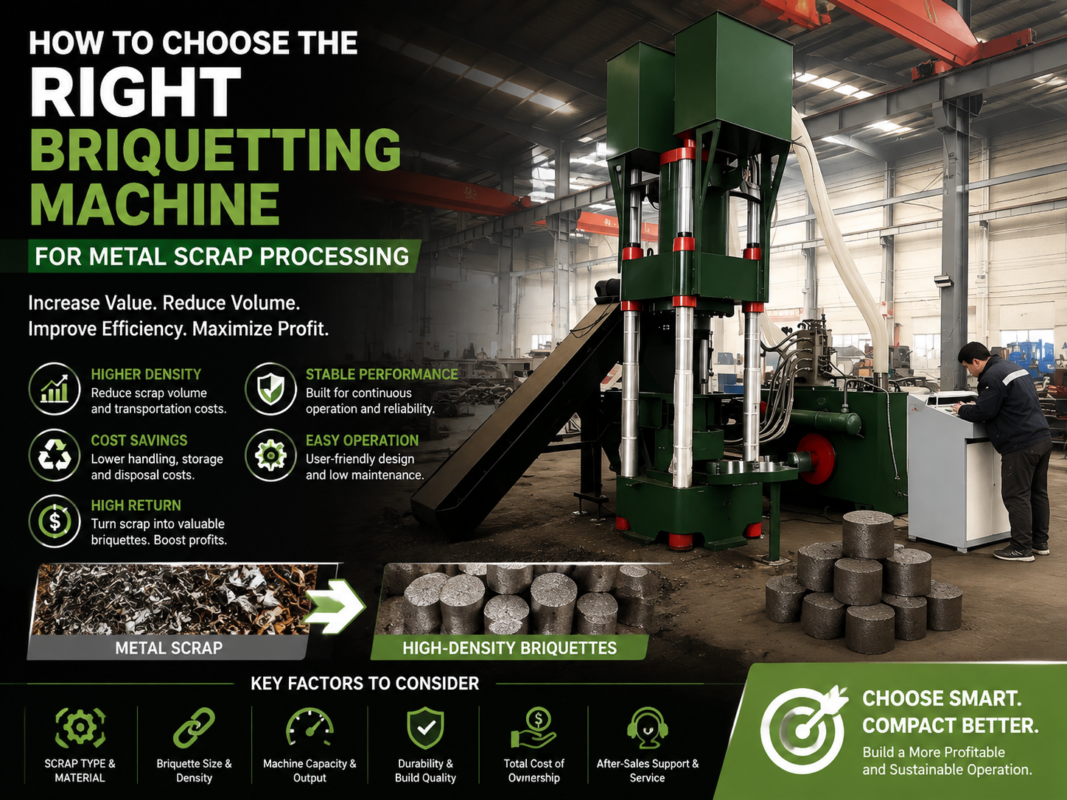
Choosing the right machine requires a thorough analysis of your production waste. Here are the steps HARSLE recommends for selecting a hydraulic briquetting machine:
1. Analyze Your Material Type and Form
Not all scrap is created equal. Long, stringy turnings from a lathe require a different feeding mechanism than fine chips from a milling center. Some materials may require a “shredder” or “crusher” unit before they enter the briquetting machine. For aerospace applications, ensure the machine’s contact parts are made of materials that won’t contaminate the high-purity scrap.
2. Determine Required Throughput
Calculate the weight of scrap generated per hour during peak production. It is always advisable to select a machine with a capacity 20-30% higher than your average output to handle surges and prevent bottlenecks. HARSLE offers various models ranging from small units for job shops to massive systems for Tier-1 automotive suppliers.
3. Evaluate Space and Layout
Consider where the machine will be placed. Will it be at the end of a single large production line, or will it be a centralized unit where scrap from multiple departments is brought? The footprint of the machine, including the conveyor systems and fluid collection tanks, must be factored into the shop floor layout.
4. Check for Maintenance Accessibility
Hydraulic machines operate under extreme pressure, which inevitably leads to wear. Look for machines with easily replaceable wear plates and accessible hydraulic filters. A machine that is easy to maintain will have a much lower total cost of ownership over its 10-15 year lifespan.
5. ROI Calculation
Before purchasing, perform a detailed ROI analysis. Factor in:
- The increase in scrap sale price (loose vs. briquetted).
- The value of reclaimed coolant.
- Reduction in waste hauling fees.
- Labor savings from automated scrap handling.
Most automotive plants find that a HARSLE briquetting machine pays for itself within 12 to 18 months.
Frequently Asked Questions (FAQ)
Can one machine handle different types of metal?
Yes, most hydraulic briquetting machines can handle various metals, but settings like pressure and cycle time may need to be adjusted via the PLC. However, to maintain high scrap value, it is crucial not to mix different metals (e.g., don’t mix aluminum with steel) as this contaminates the briquette and lowers its recycling value.
How much moisture is left in the briquette?
Depending on the material and the pressure applied, a HARSLE machine can typically reduce moisture content to less than 2-3%. This is dry enough for most secondary smelters and significantly safer for furnace charging than loose, wet chips.
What is the typical lifespan of a HARSLE briquetting machine?
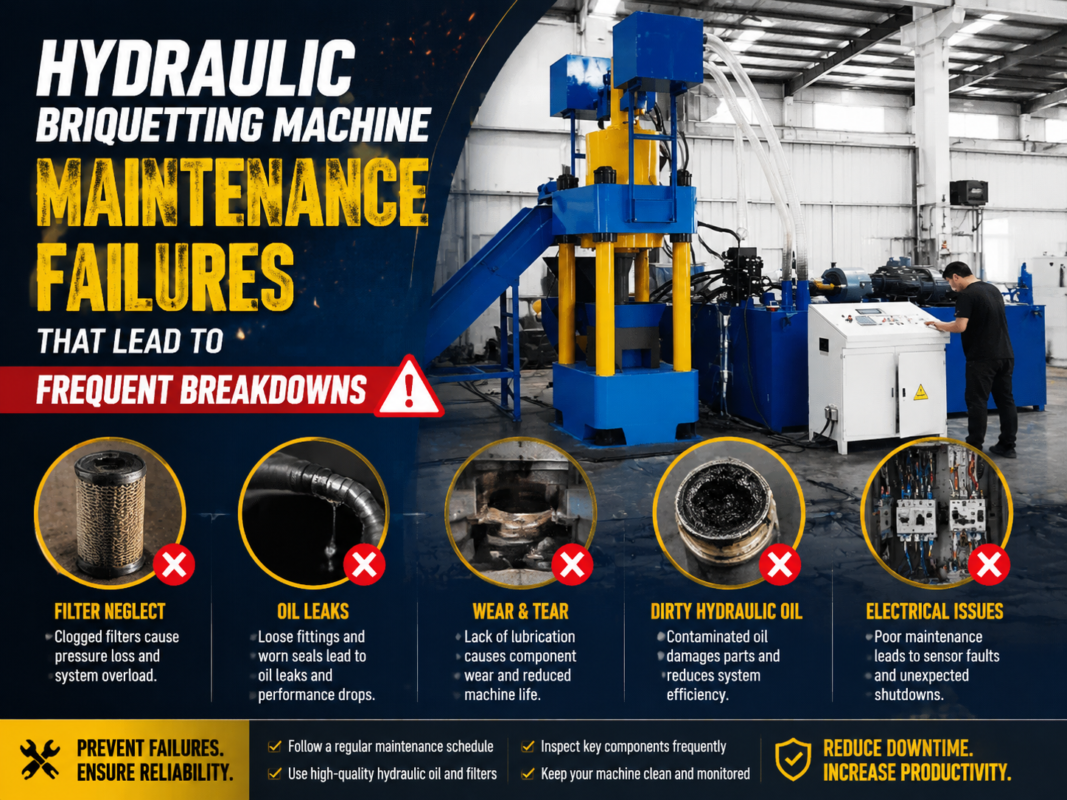
With proper maintenance—such as regular oil changes, seal replacements, and monitoring of wear plates—these machines are built for industrial longevity, often lasting 15 years or more in a heavy-duty environment.
Does the machine require a specialized operator?
No. Modern machines are designed for “set and forget” operation. Once the parameters are programmed into the PLC, the machine can run automatically, triggered by sensors in the feed hopper. Only basic training is needed for daily checks and routine maintenance.
Is it possible to briquette grinding sludge?
Yes, but grinding sludge (a mix of fine metal particles and oil/water) requires a specific type of briquetting press designed to handle very fine particulates. These machines often use different filtration systems to manage the very fine “fines” that can escape standard presses.
Conclusion: The Future of Metal Fabrication Scrap Management
The Hydraulic Briquetting Machine Uses In Automotive Aerospace Metal Fabrication represent a vital shift toward more sustainable and economically sound manufacturing practices. As the automotive industry moves toward electric vehicles and the aerospace sector pushes the boundaries of material science, the need for efficient scrap recovery will only grow. A briquetting machine is no longer just an “add-on” piece of equipment; it is a strategic asset that protects profit margins, ensures environmental compliance, and improves workplace safety.
By choosing a HARSLE hydraulic briquetting machine, manufacturers invest in a legacy of engineering excellence. Whether it is reclaiming expensive titanium in a specialized aerospace facility or managing high-volume aluminum scrap in a massive automotive plant, the benefits of densification are clear. As we look toward a future of circular manufacturing, the humble briquette stands as a symbol of industrial efficiency, turning what was once considered waste into a valuable resource for the next generation of high-performance machines.
In summary, the integration of these machines allows for a cleaner shop floor, a significantly reduced carbon footprint, and a healthier bottom line. For any serious player in the automotive or aerospace metal fabrication space, the question is no longer whether to implement briquetting technology, but rather how quickly it can be integrated into their existing production ecosystem.