Comprehensive Guide to Hydraulic Briquetting Machine Applications for Oil-Soaked Metal Chips

Introduction to Hydraulic Briquetting Machine Applications for Oil-Soaked Metal Chips
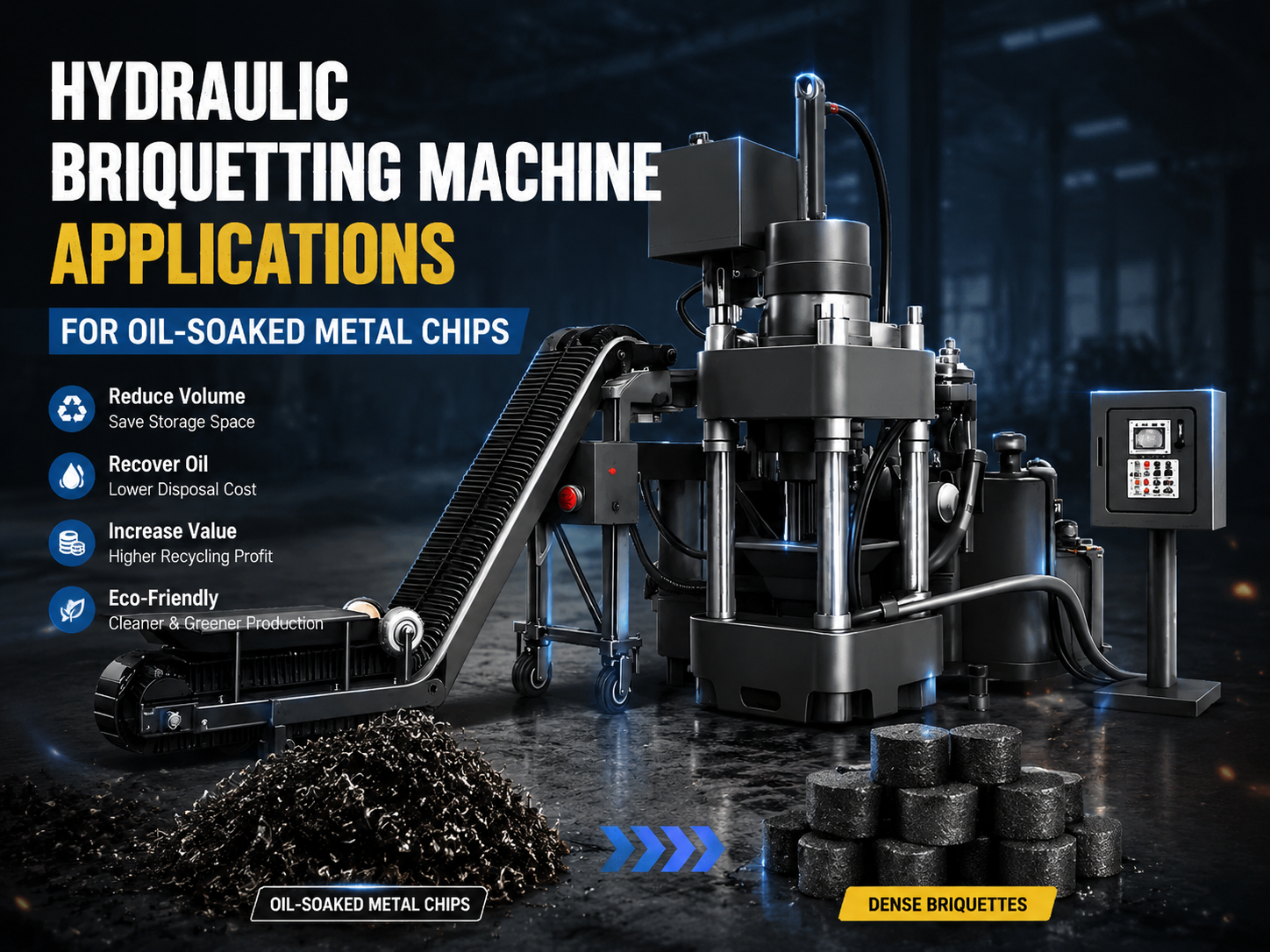
In the modern landscape of high-precision metal fabrication and CNC machining, the management of waste materials has evolved from a secondary logistical concern to a primary operational priority. Among the most challenging waste streams are oil-soaked metal chips—byproducts of milling, turning, and drilling processes that utilize high volumes of cutting fluids and coolants. These chips, often saturated with expensive synthetic or mineral-based oils, present significant environmental risks and logistical headaches if left untreated. This is where the Hydraulic Briquetting Machine Applications Oil-Soaked Metal Chips become indispensable for forward-thinking manufacturers.
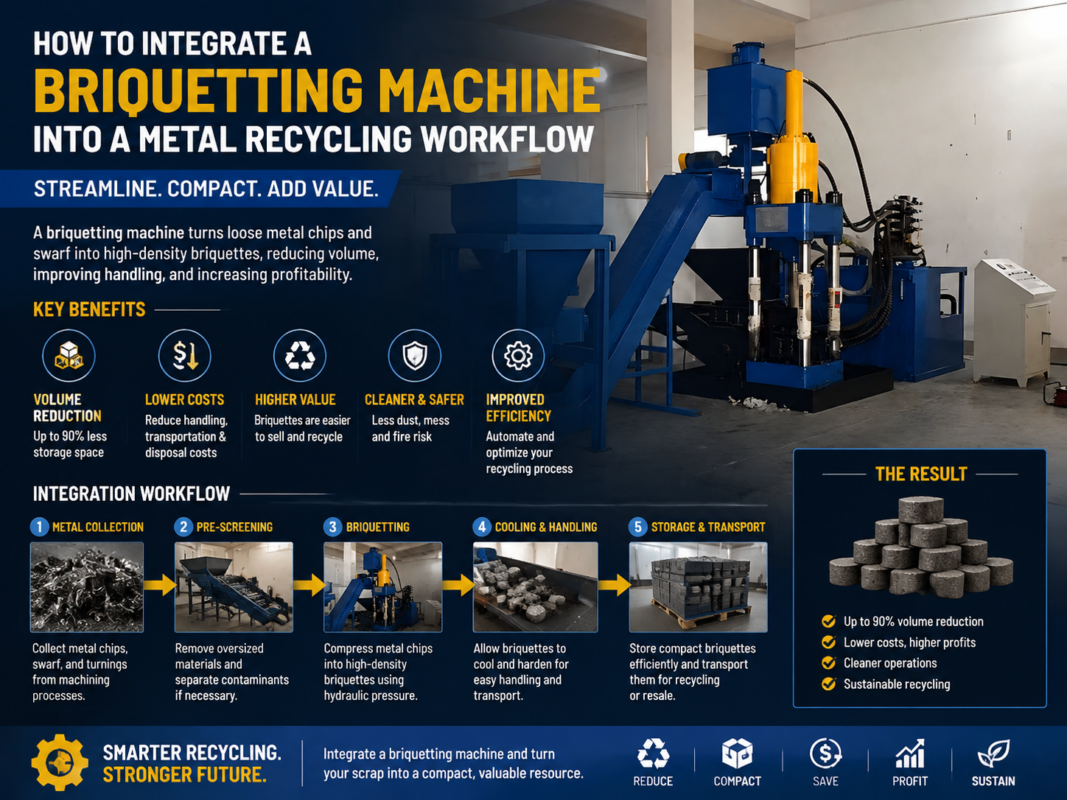
A hydraulic briquetting machine is engineered to compress loose metal swarf, turnings, and chips into dense, manageable blocks or ‘briquettes.’ When dealing with oil-soaked materials, the machine serves a dual purpose: it significantly reduces the volume of the waste for easier transport and storage, and it mechanically extracts the residual cutting fluids. This process, often referred to as ‘dewatering’ or ‘deoiling,’ allows for the reclamation of expensive coolants, which can then be filtered and reused in the production cycle. For companies like HARSLE, providing robust machinery that handles these demanding conditions is at the core of industrial efficiency.
The economic incentives for adopting hydraulic briquetting technology are substantial. Loose, oily chips are often classified as hazardous waste in many jurisdictions, leading to high disposal fees and strict transportation regulations. By converting these chips into dry, high-density briquettes, manufacturers can reclassify their waste as high-quality scrap metal. Smelters and foundries prefer briquettes over loose chips because they offer better melt yields and lower oxidation rates, resulting in a significantly higher market price per ton. Furthermore, the recovered oil represents a direct reduction in raw material procurement costs, often paying for the machine’s investment within a short period.
As we delve deeper into the technicalities and applications of these machines, it becomes clear that they are not merely ‘trash compactors’ for metal. They are sophisticated pieces of industrial equipment that integrate hydraulic power, precision control systems, and specialized drainage engineering to solve one of the most persistent problems in the metalworking industry. Whether you are processing aluminum, steel, cast iron, or copper, understanding the nuances of hydraulic briquetting is essential for optimizing your facility’s sustainability and profitability.
Key Considerations for Processing Oil-Soaked Metal Chips
When implementing a hydraulic briquetting solution specifically for oil-soaked metal chips, several critical factors must be considered to ensure long-term reliability and maximum ROI. The presence of fluids introduces unique challenges that are not found in dry metal processing. The first consideration is the chemical compatibility of the machine’s seals and hydraulic components with the specific cutting oils being used. Some synthetic coolants can be corrosive or cause standard rubber seals to swell and fail. High-quality machines, such as those produced by HARSLE, utilize specialized Viton or reinforced seals to withstand the chemical profile of industrial lubricants.
Another vital consideration is the ‘chip geometry.’ Metal chips come in various shapes—from fine dust and short needles to long, stringy turnings. Oil-soaked chips tend to clump together, which can affect the feeding mechanism of the briquetting machine. A well-designed system must include a robust hopper and potentially a pre-shredder or crusher if the chips are too long. This ensures a consistent flow of material into the compression chamber, which is necessary for maintaining uniform briquette density and optimal oil extraction rates.
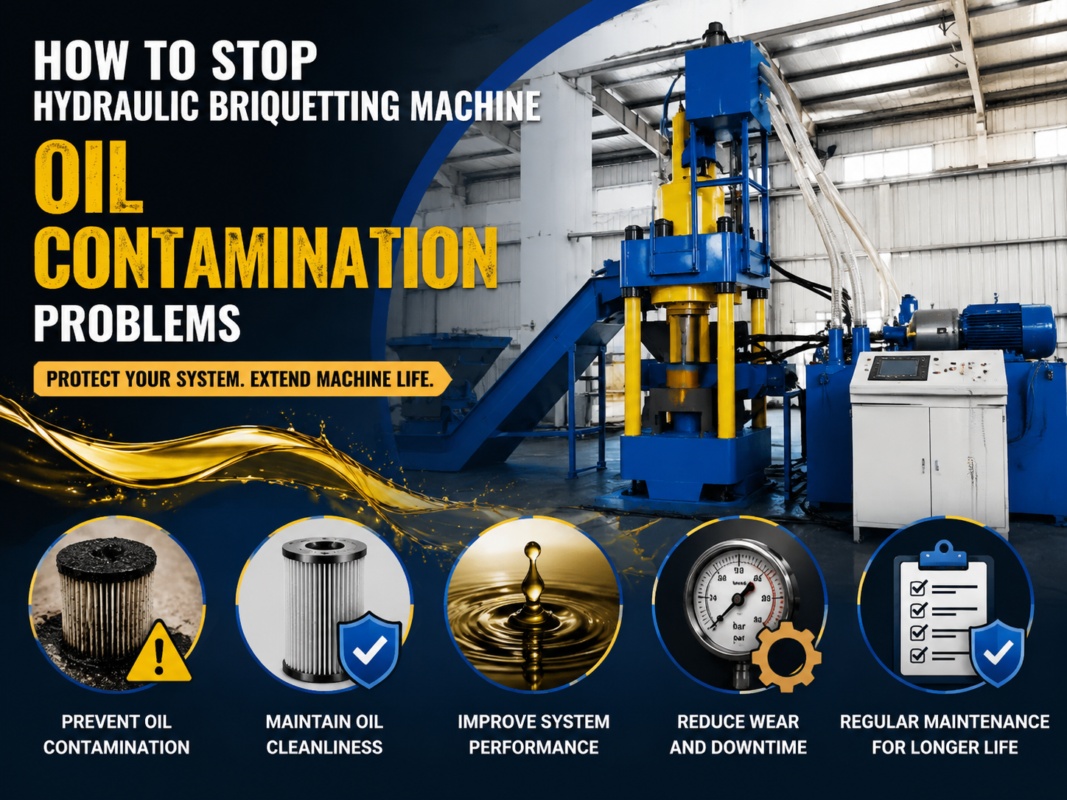
Environmental compliance and workplace safety are also paramount. Processing oily chips creates a risk of leaks and spills. Therefore, the briquetting machine must be equipped with an integrated fluid collection system. This typically involves a stainless steel tray or a specialized drainage base that captures the squeezed-out oil and directs it to a central collection point or a filtration unit. Without a proper drainage design, the area around the machine can become a slip hazard and a source of environmental contamination, negating the benefits of the recycling process.
Finally, the volume of material processed dictates the scale of the hydraulic system required. For high-volume operations, continuous-duty cycles are necessary. This means the machine must have an efficient cooling system for the hydraulic oil itself. As the machine works to compress the metal, heat is generated both in the metal and in the hydraulic fluid. If the hydraulic oil overheats, the machine’s efficiency drops, and the lifespan of the pumps and valves is significantly reduced. Selecting a machine with an appropriately sized heat exchanger or air-cooling system is a key consideration for 24/7 industrial environments.
Technical Details of Hydraulic Briquetting Systems
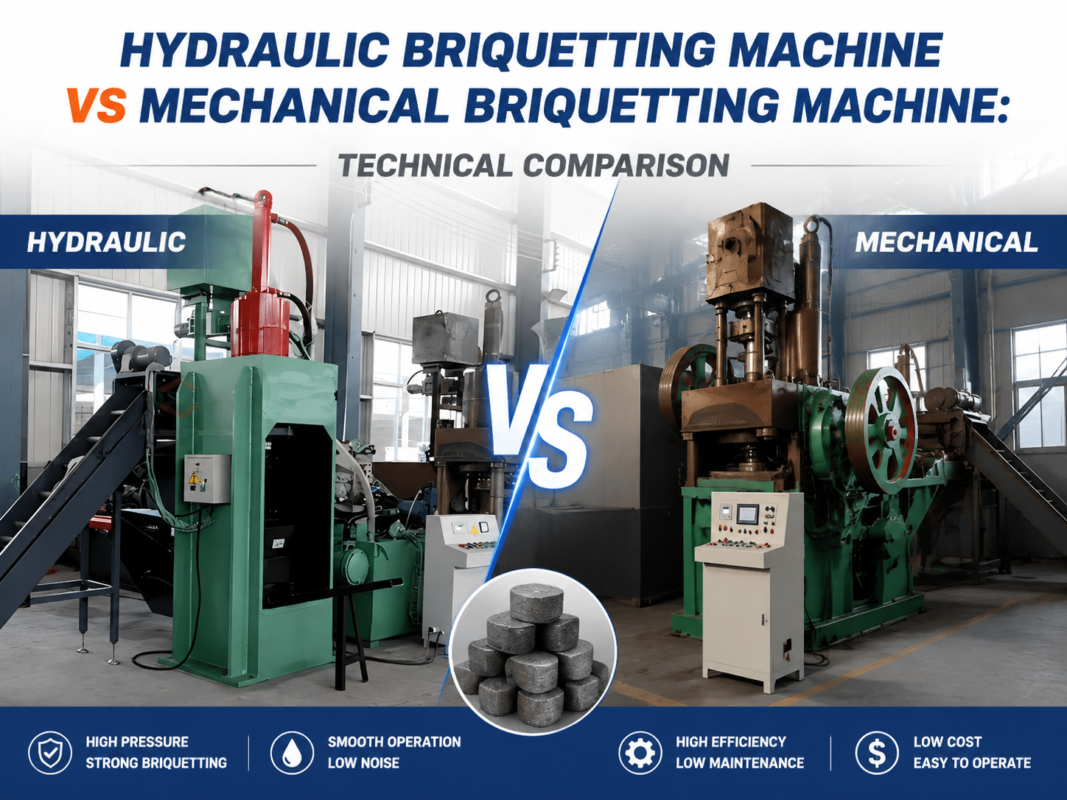
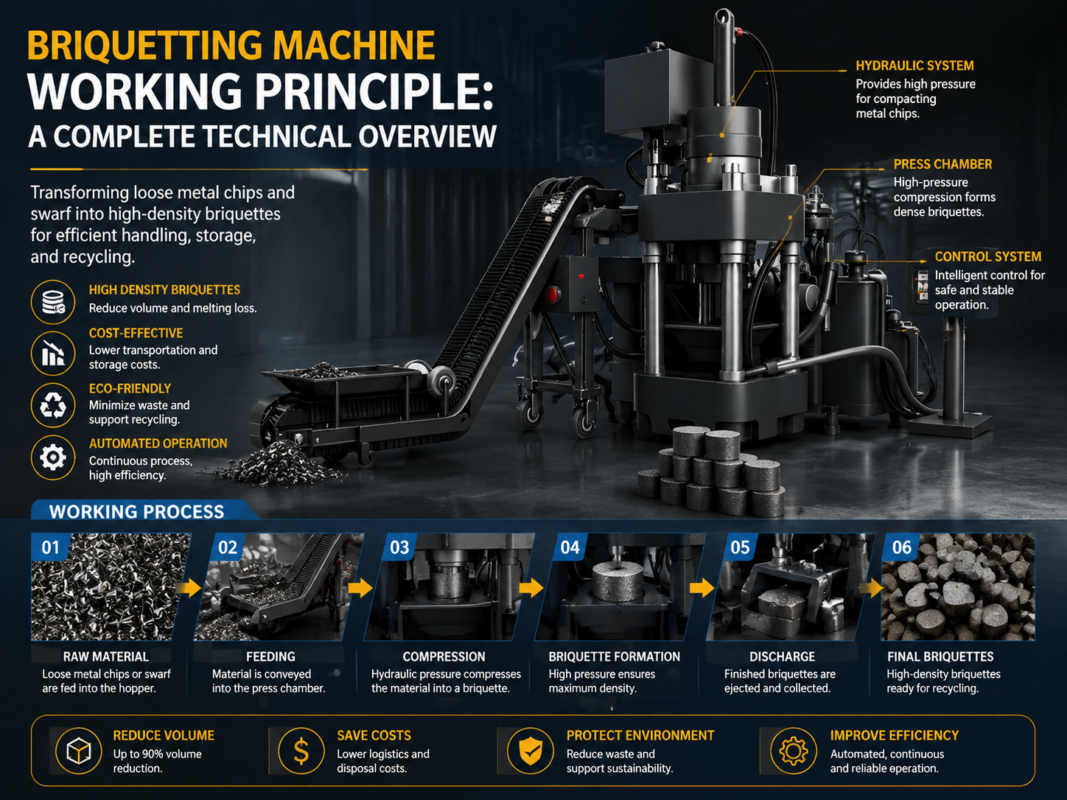
The engineering behind a hydraulic briquetting machine is a study in controlled force. The primary objective is to apply enough pressure to overcome the elastic limit of the metal chips, causing them to deform and interlock into a solid mass. For oil-soaked chips, this pressure also serves to rupture the surface tension of the oil film coating each chip, forcing the liquid out of the interstitial spaces. Most industrial briquetters operate at pressures ranging from 200 to 600 MPa (megapascals) within the compression chamber.
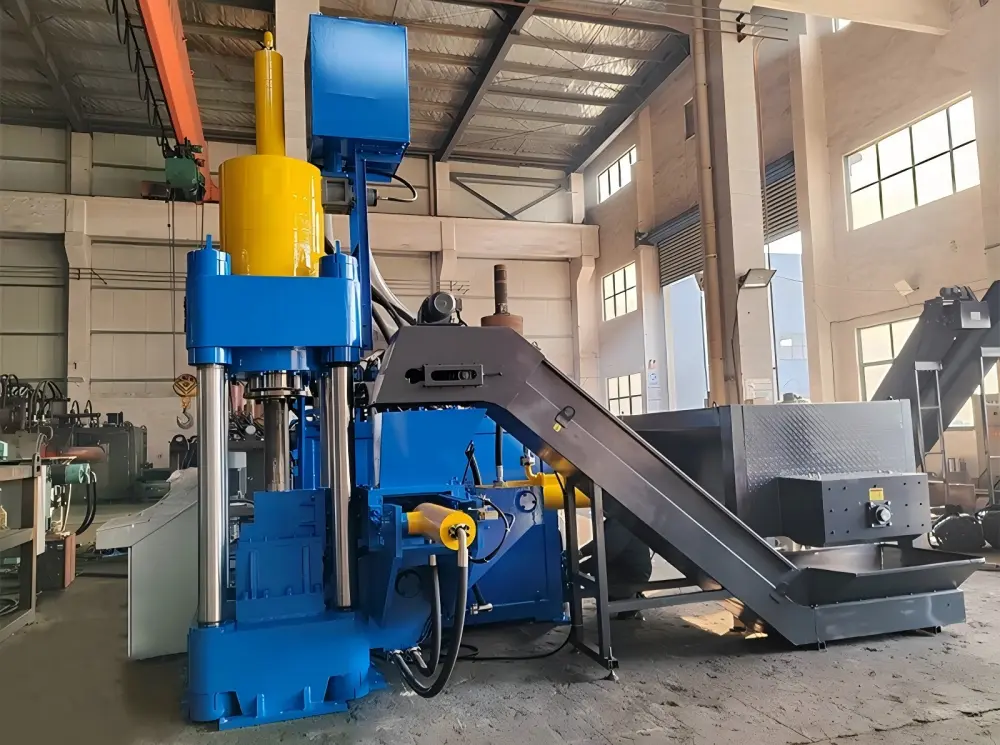
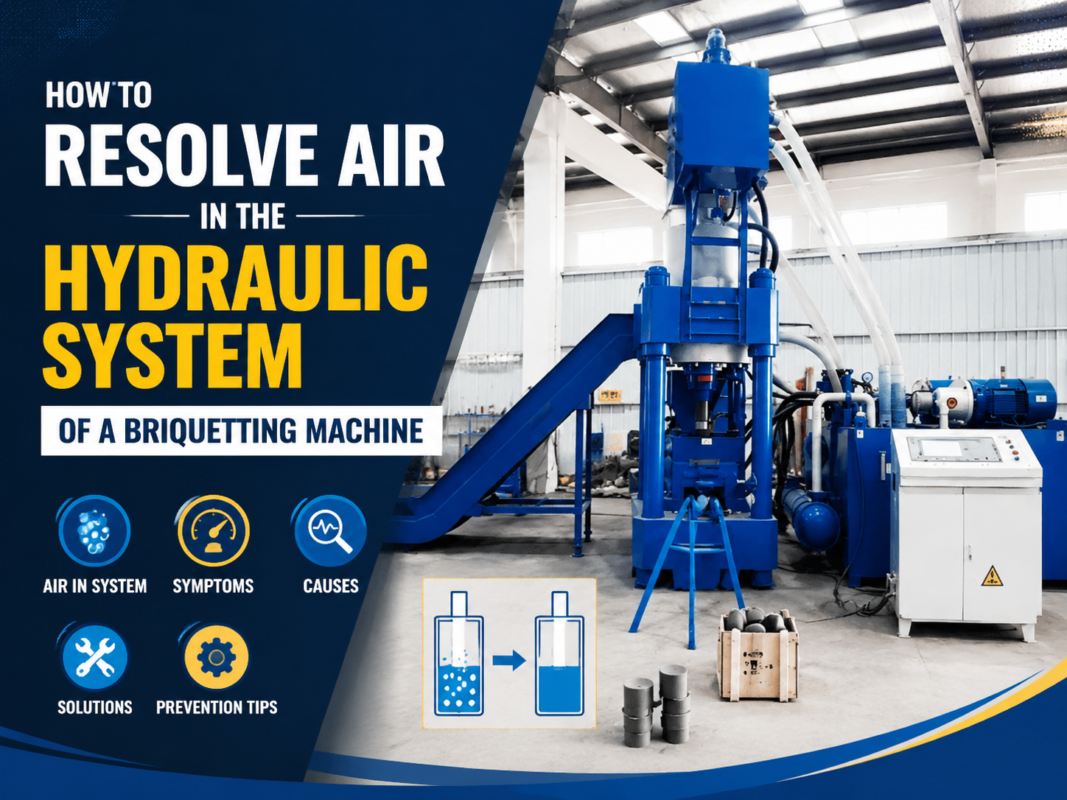
The cycle typically begins with the material being fed into a pre-compression chamber via a screw conveyor or a hydraulic pusher. Once the chamber is full, the main hydraulic cylinder extends. This cylinder is the heart of the machine, often featuring a chrome-plated piston rod for wear resistance. As the piston moves forward, it compresses the chips against a fixed die or a secondary counter-piston. During this phase, the oil is squeezed out and passes through specialized slots or perforated plates in the chamber walls. These slots are precision-machined to be small enough to retain the metal particles while allowing the liquid to escape freely.
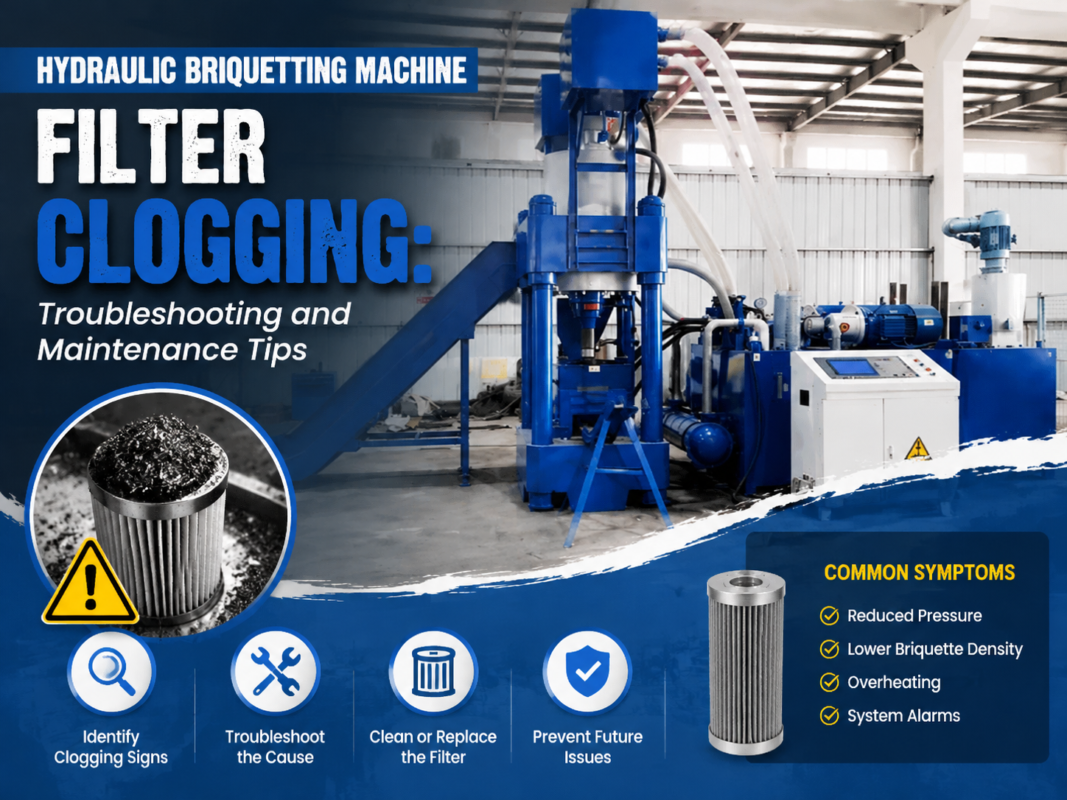
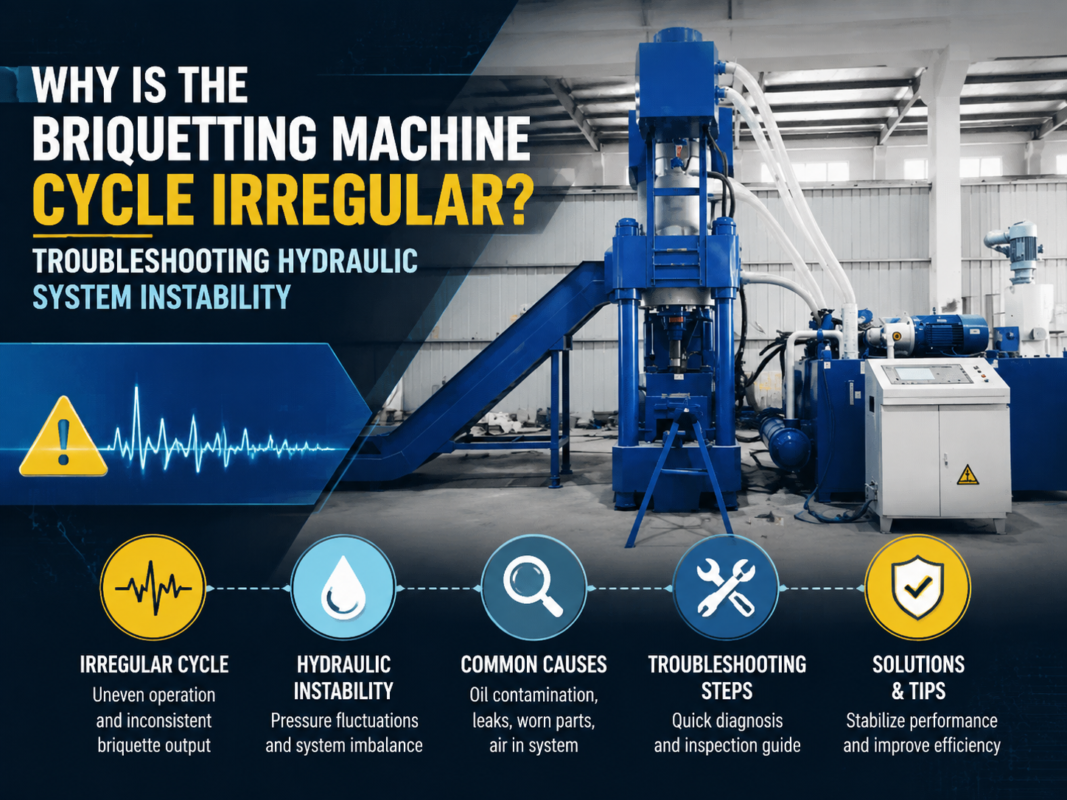
Modern machines utilize PLC (Programmable Logic Controller) systems to manage the compression cycle. These controllers allow operators to adjust parameters such as ‘dwell time’—the amount of time the maximum pressure is held. For oil-soaked chips, a longer dwell time is often beneficial as it allows more oil to migrate out of the briquette. The PLC also monitors system health, including oil temperature, filter status, and cycle counts, providing real-time data that can be integrated into a factory’s broader IoT (Internet of Things) network for predictive maintenance.
The density of the resulting briquette is a key technical metric. For steel and cast iron, a density of 5.0 to 6.5 g/cm³ is typically targeted, which is approximately 70-80% of the density of the solid parent metal. Achieving this density ensures that the briquette will not crumble during transport and will sink through the slag layer in a melting furnace, rather than floating on top and burning away. The technical excellence of HARSLE machines lies in their ability to achieve these high densities consistently while maintaining a fast cycle time, ensuring that the machine can keep up with the output of multiple CNC centers.
Selection Advice for Industrial Briquetting Equipment
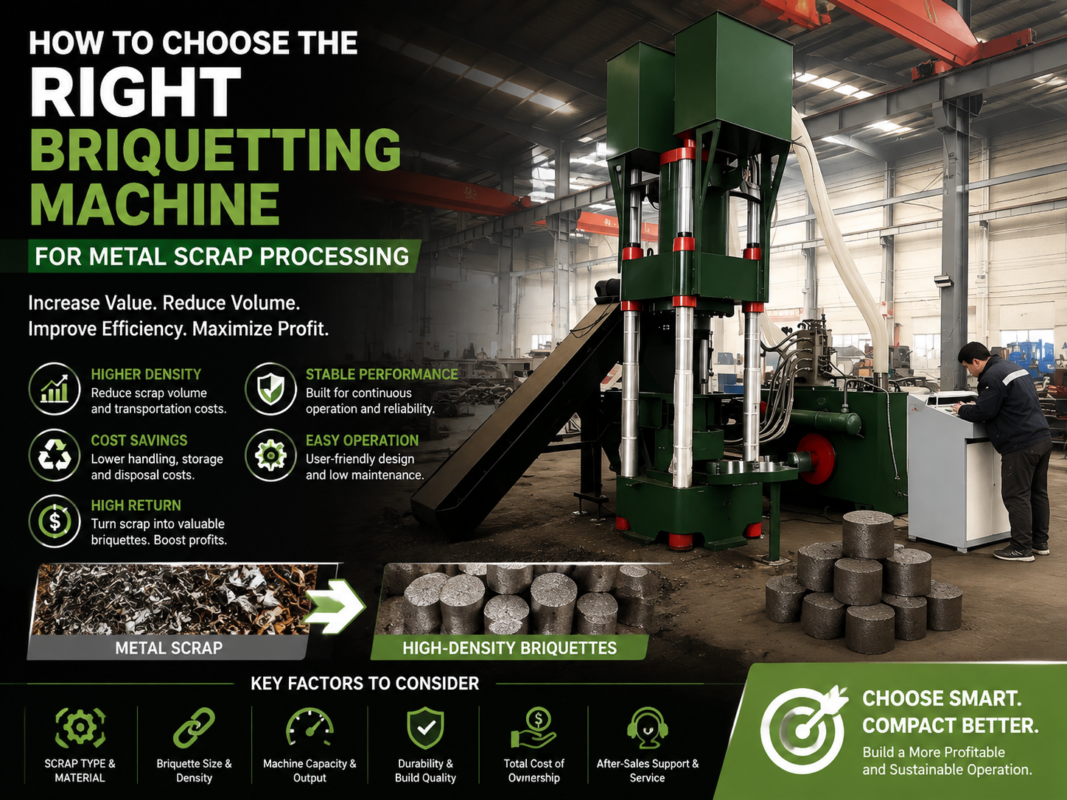
Choosing the right machine for Hydraulic Briquetting Machine Applications Oil-Soaked Metal Chips requires a thorough analysis of your specific production environment. The first step in the selection process is a material audit. You must identify the primary metals you are processing. For example, aluminum chips are much lighter and more voluminous than steel chips, requiring a larger hopper and a different compression ratio. If you process multiple types of metal, you may need a machine with programmable recipes that can quickly switch between pressure settings to avoid cross-contamination and optimize density for each material.
Capacity is the next major factor. Machines are generally rated by their hourly output (e.g., 500kg/h, 1000kg/h, or 2000kg/h). It is a common mistake to buy a machine that exactly matches your current waste output. Industrial experts recommend selecting a machine with roughly 20-30% more capacity than your current needs. This provides a buffer for production spikes and ensures the machine isn’t constantly running at its absolute limit, which extends the service life of the hydraulic pumps and motors.
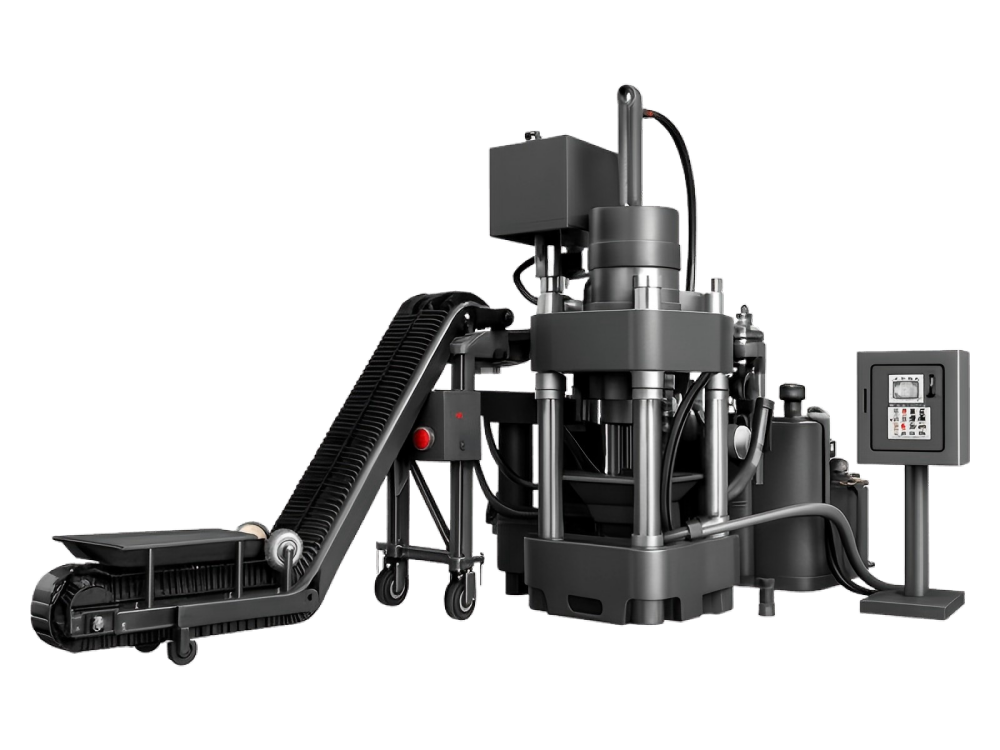
Consider the level of automation required. A standalone briquetting machine requires manual loading, which may be suitable for smaller shops. However, for large-scale manufacturing, a fully integrated system is preferred. This includes automated conveyors that transport chips directly from the CNC machines to the briquetter, and a secondary conveyor to move the finished briquettes into a shipping container. Look for machines that offer ‘plug-and-play’ integration with existing chip management systems. HARSLE offers various configurations that can be tailored to the floor plan of your facility, whether you need a vertical or horizontal orientation.
Finally, evaluate the total cost of ownership (TCO), not just the initial purchase price. TCO includes energy consumption, maintenance costs, and the availability of spare parts. A machine with high-efficiency motors and a regenerative hydraulic circuit can save thousands of dollars in electricity over its lifespan. Additionally, ensure the manufacturer provides comprehensive technical support and has a reliable supply chain for wear parts like seals, dies, and filters. Investing in a reputable brand like HARSLE ensures that you have access to the expertise needed to keep your recycling operation running smoothly.
Economic and Environmental Impact of Briquetting
The implementation of hydraulic briquetting for oil-soaked chips is a cornerstone of the ‘Circular Economy’ in metalworking. From an environmental perspective, the benefits are clear. By extracting and reusing cutting fluids, a facility can reduce its hazardous waste output by up to 90%. This significantly lowers the risk of soil and groundwater contamination. Furthermore, the energy required to melt a briquette in a furnace is much lower than the energy required to melt loose chips, as the higher density leads to better thermal conductivity and less material loss through oxidation (burn-off). This reduces the overall carbon footprint of the metal recycling chain.
Economically, the ROI (Return on Investment) is driven by three main factors: oil recovery, scrap value increase, and logistical savings. In many cases, the recovered oil can be reused after simple centrifugal filtration, saving the company the cost of buying new coolant. In terms of scrap value, loose oily chips might sell for only 30-50% of the value of solid scrap, whereas clean, dry briquettes can fetch 80-90% of the solid scrap price. When you multiply this price difference by hundreds of tons of waste per year, the financial gains are massive.
Logistically, briquetting reduces the volume of metal waste by a ratio of up to 20:1. This means that instead of twenty truckloads of loose chips leaving your facility, you only need one truckload of briquettes. This drastically reduces transportation costs and the labor required for material handling. For facilities with limited floor space, the ability to store more waste in a smaller footprint is an additional operational advantage that is often overlooked during the initial planning phases.
Frequently Asked Questions (FAQ)
| Question | Answer |
|---|---|
| Can the machine handle different types of oil? | Yes, most machines can handle mineral oils, synthetic coolants, and water-based emulsions. However, ensure the seals are compatible with the specific chemistry of your fluid. |
| How much oil can be recovered? | Depending on the material and the initial saturation, a hydraulic briquetter can typically recover 95% to 98% of the free-standing oil on the chips. |
| Do the briquettes need to be cleaned after pressing? | Generally, no. The pressure is high enough that the resulting briquettes are ‘dry to the touch’ and ready for direct sale to foundries or smelters. |
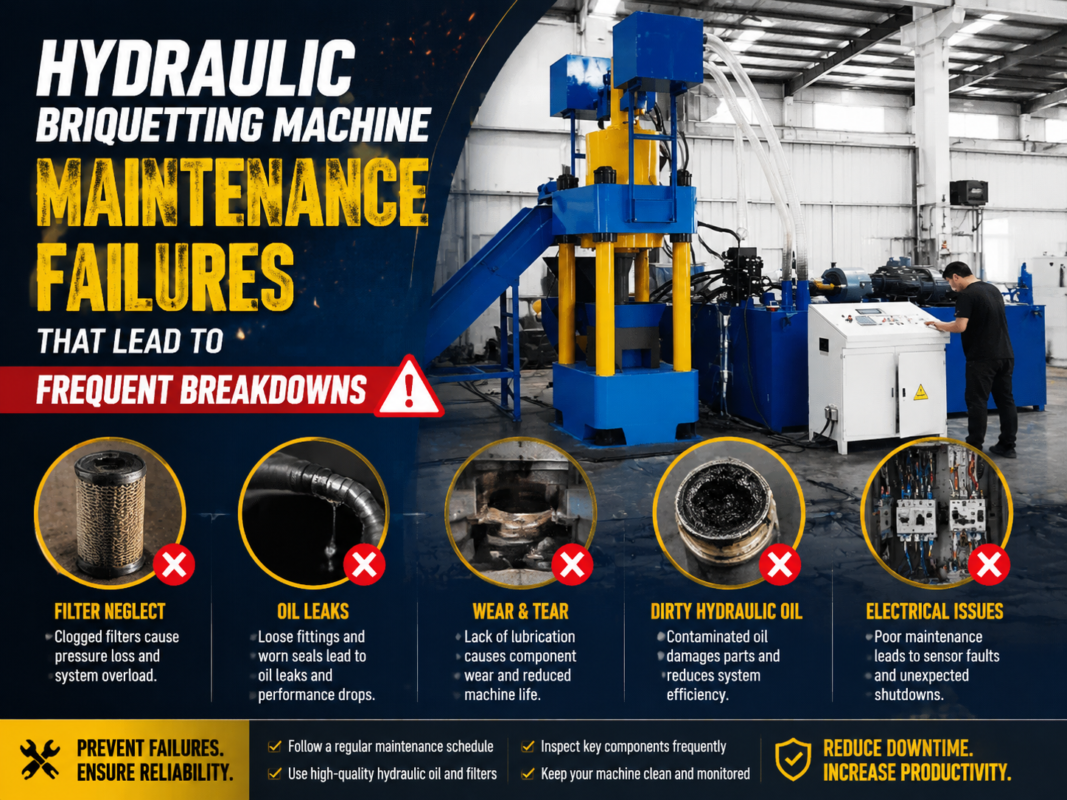
| What is the typical lifespan of a HARSLE briquetting machine? | With proper maintenance, including regular oil changes and seal inspections, these machines are designed for 10-15 years of heavy industrial use. |
| Is a shredder always necessary? | A shredder is necessary if your process produces long, ‘bird-nest’ style turnings. For short chips or fines, a standard hopper feed is usually sufficient. |
Conclusion: The Future of Metal Waste Management
The application of hydraulic briquetting machines for oil-soaked metal chips represents a significant leap forward in industrial efficiency. As environmental regulations tighten and the cost of raw materials continues to rise, the ability to transform a hazardous waste product into a valuable resource is no longer a luxury—it is a necessity. By integrating high-pressure compaction with advanced oil recovery systems, manufacturers can achieve a cleaner workspace, a smaller environmental footprint, and a much healthier bottom line.
HARSLE remains at the forefront of this technology, providing robust, reliable, and highly efficient briquetting solutions tailored to the needs of the modern machine shop. Whether you are a small job shop looking to reduce disposal fees or a large-scale automotive manufacturer aiming for zero-waste goals, the right hydraulic briquetting system is the key to unlocking the hidden value in your metal scrap. Investing in this technology today ensures that your facility remains competitive, compliant, and sustainable in the years to come.