Comprehensive Guide to Hydraulic Briquetting Machine Applications in Metal Chip Recycling

Introduction to Hydraulic Briquetting in Modern Manufacturing
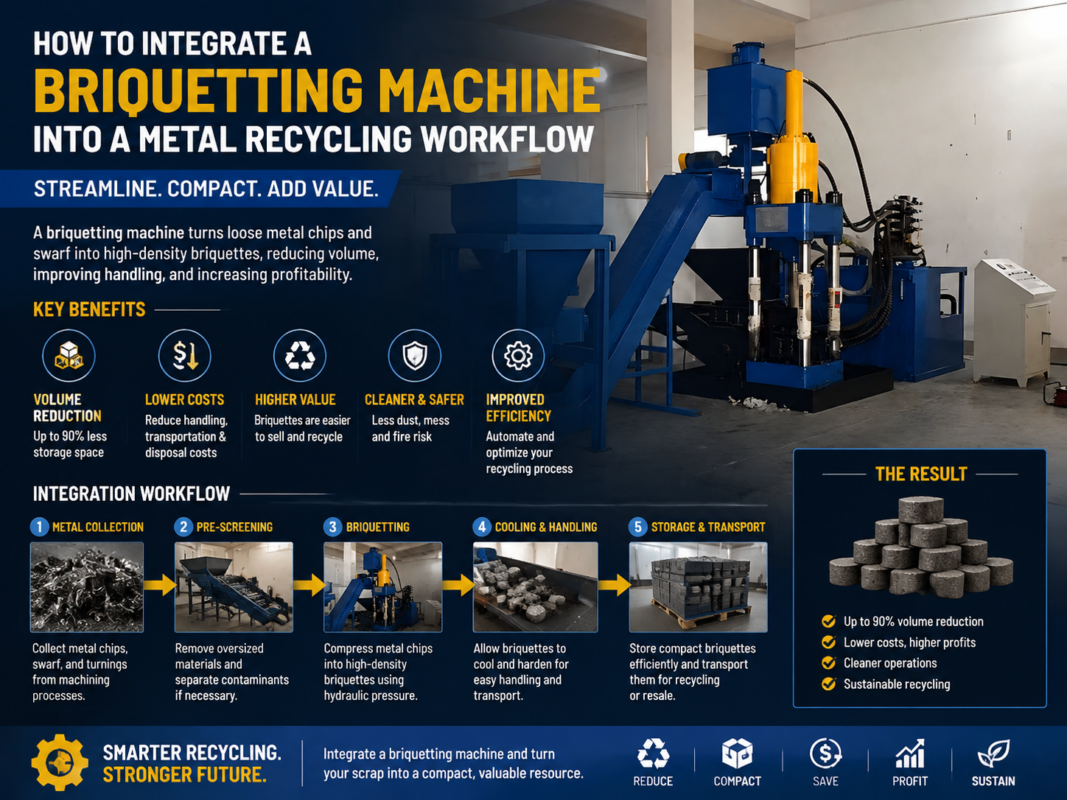
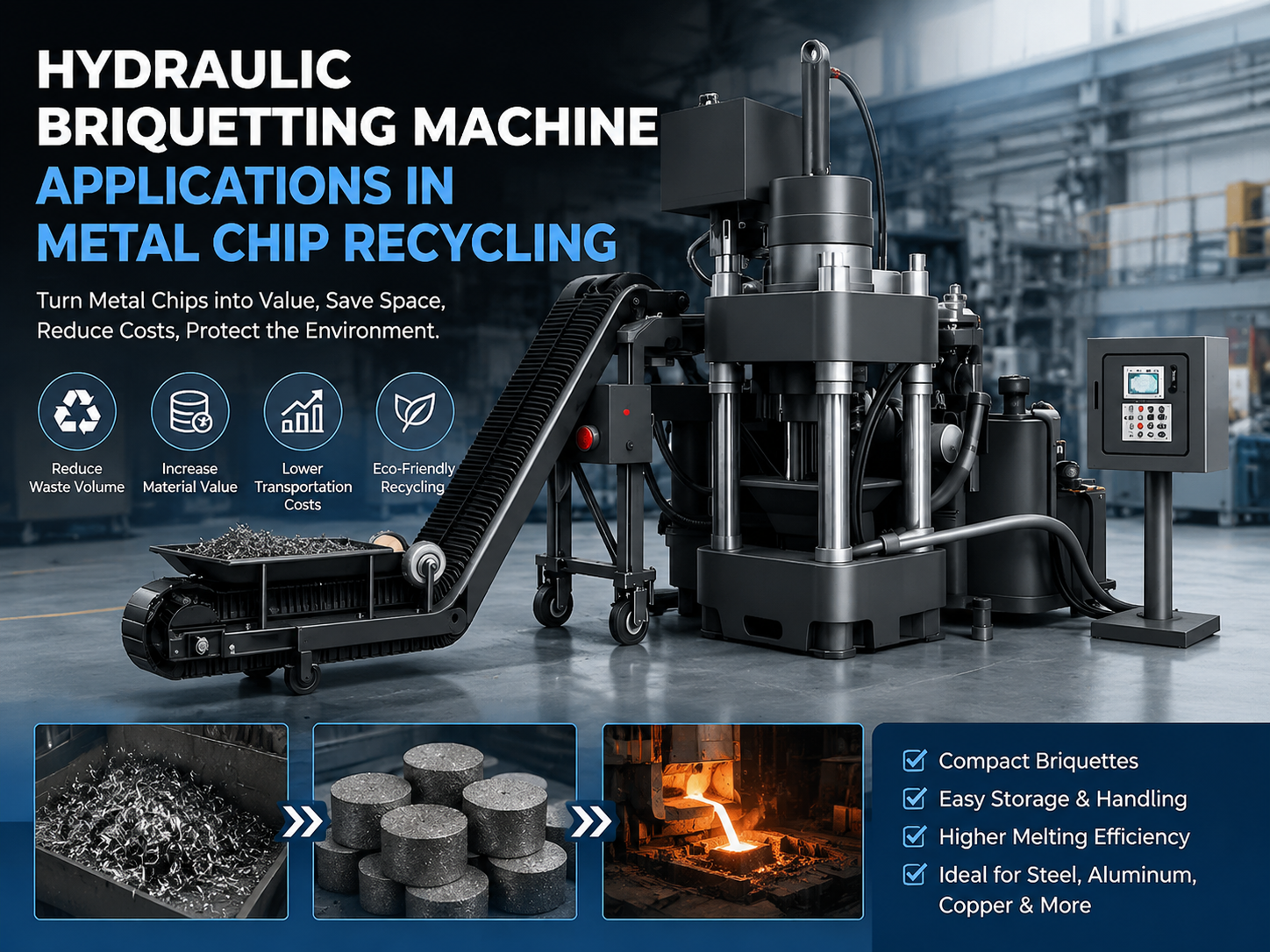
In the contemporary industrial landscape, the management of metal waste has evolved from a secondary logistical concern into a primary driver of operational efficiency and environmental sustainability. As machining processes—such as milling, turning, and drilling—continue to produce vast quantities of metal chips, swarf, and turnings, the need for advanced processing technology has never been greater. This is where the Hydraulic Briquetting Machine Applications In Metal Chip Recycling become indispensable. These machines are engineered to transform loose, voluminous metal debris into dense, manageable blocks known as briquettes.
HARSLE, a leader in metal fabrication machinery, provides high-performance hydraulic briquetting presses designed to meet the rigorous demands of modern foundries and machining centers. By applying immense hydraulic pressure, these machines compress metal waste without the need for binders, significantly reducing the volume of the material. This process not only simplifies storage and transport but also prepares the metal for more efficient melting in furnaces. In an era where raw material costs are volatile and environmental regulations are tightening, briquetting offers a clear path to maximizing the value of every kilogram of metal scrap.
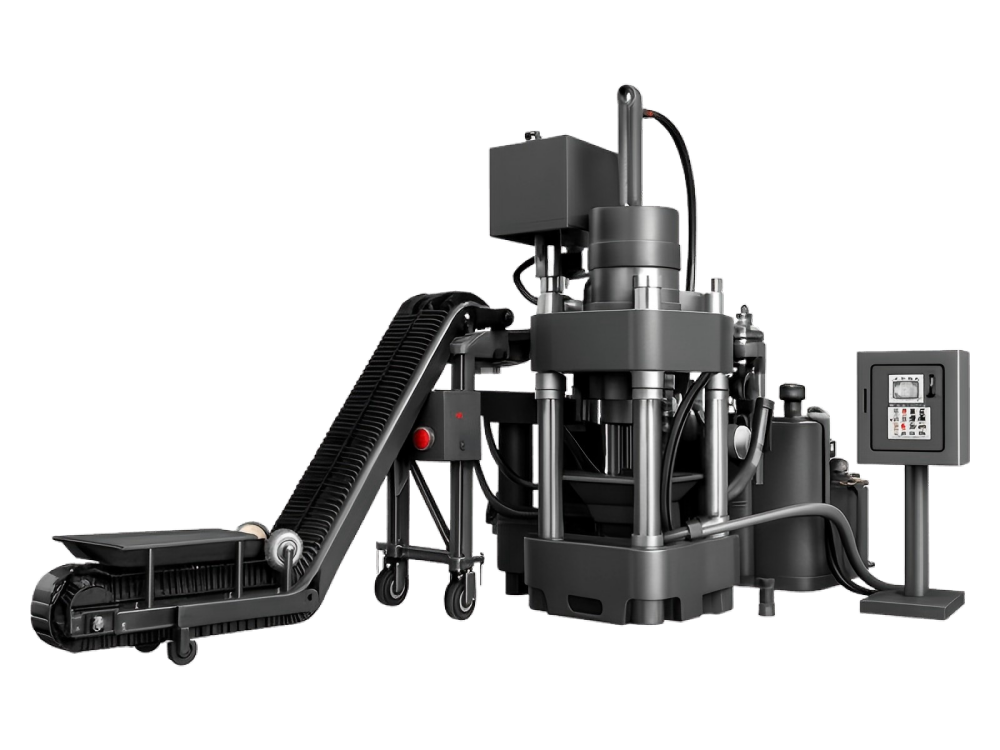
The application of this technology spans various sectors, from automotive and aerospace to general mechanical engineering. Whether dealing with aluminum, steel, cast iron, or copper, the hydraulic briquetting press serves as a bridge between waste generation and resource recovery. By integrating these machines into a production line, manufacturers can transition from a linear ‘take-make-dispose’ model to a circular economy approach, where metal waste is treated as a valuable secondary raw material rather than a burdensome byproduct.
Key Considerations for Metal Chip Recycling
When implementing Hydraulic Briquetting Machine Applications In Metal Chip Recycling, several critical factors must be evaluated to ensure the system delivers maximum ROI. The first consideration is the economic impact of volume reduction. Loose metal chips can take up to ten times more space than compressed briquettes. This reduction directly translates to lower warehouse costs and significantly reduced transportation expenses. For companies that ship scrap to external recyclers, the ability to load more weight into a single truck can lead to substantial annual savings.
Another vital consideration is the recovery of cutting fluids and coolants. During the machining process, metal chips are often saturated with expensive oils or water-based emulsions. When these chips are compressed in a hydraulic briquetting press, the fluids are squeezed out and collected in a dedicated drainage system. This allows manufacturers to filter and reuse the coolants, which can represent a significant portion of operational costs. Furthermore, removing these fluids makes the metal scrap ‘cleaner,’ which is a requirement for many high-end recycling processes and helps avoid environmental fines related to hazardous waste leakage during transport.
The melting efficiency in the foundry is perhaps the most significant technical advantage of briquetting. Loose chips have a very high surface-area-to-volume ratio. When thrown into a furnace, they tend to oxidize or ‘burn off’ before they can melt, leading to high material loss (burn-loss). Briquettes, being dense and compact, sink directly into the melt pool, minimizing oxidation and increasing the yield of usable metal. For high-value materials like aluminum or brass, even a 5% increase in melting yield can pay for the machine within a few months of operation.
Finally, safety and workplace cleanliness should not be overlooked. Loose metal swarf is sharp, oily, and difficult to handle, posing risks to workers and creating slip hazards. By automating the collection and briquetting process, factories can maintain a cleaner environment, reduce manual handling of dangerous scrap, and improve overall shop floor safety. HARSLE machines are designed with these safety protocols in mind, featuring enclosed systems and automated feeding mechanisms to minimize human contact with raw scrap.
Technical Details of Hydraulic Briquetting Machines
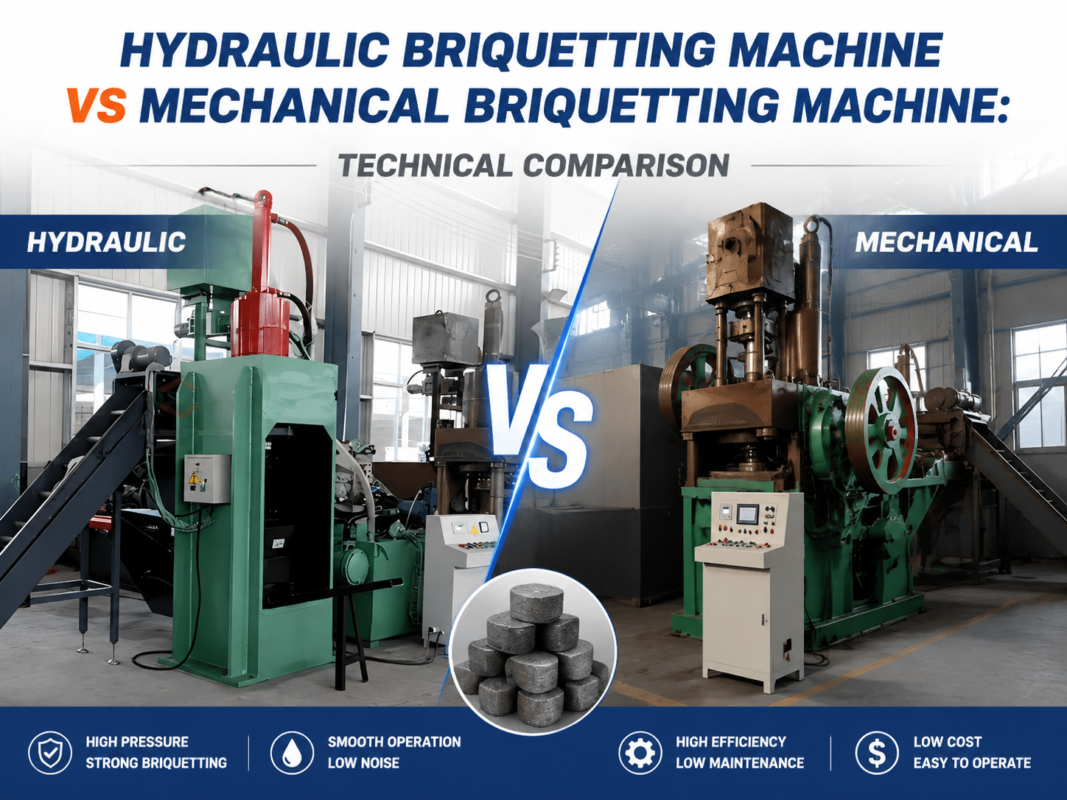
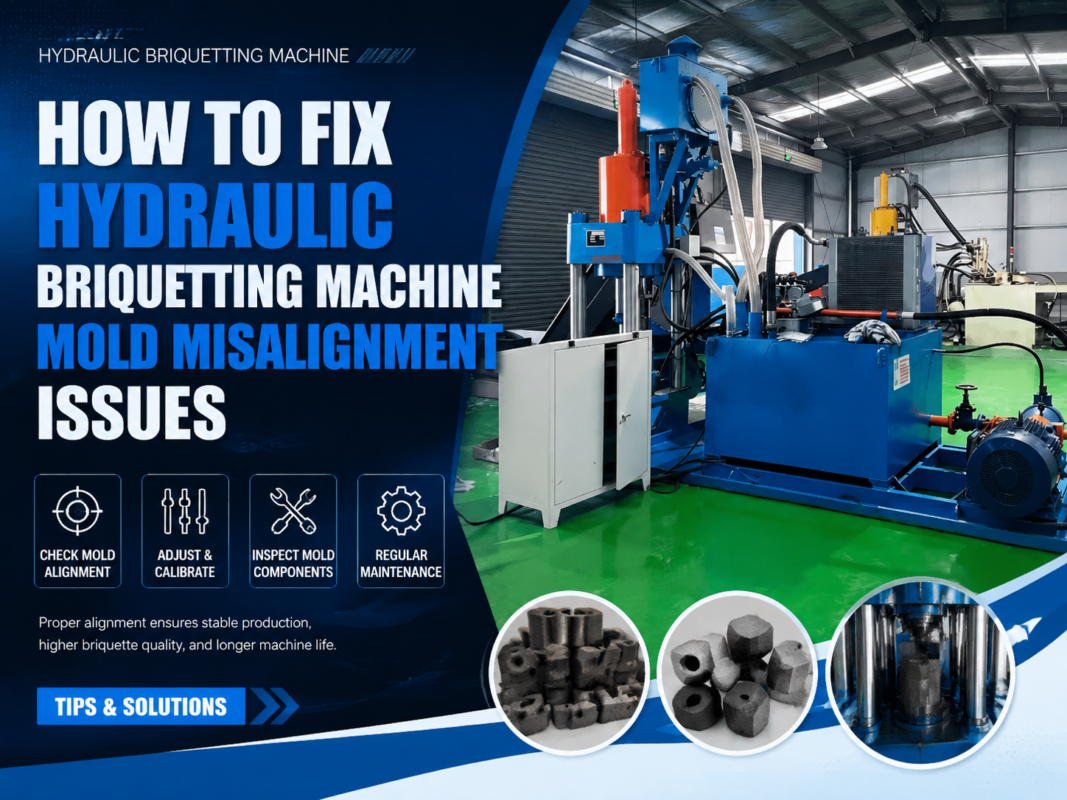
The core of a hydraulic briquetting machine lies in its ability to generate and control massive amounts of force. Most industrial units operate using a sophisticated hydraulic system that includes a high-pressure pump, a series of valves, and heavy-duty cylinders. The process begins when the metal chips are fed into a hopper. From there, a pre-compression cylinder pushes the material into the main pressing chamber. Once the chamber is full, the main hydraulic ram exerts pressure—often ranging from 200 to 600 tons or more—against a fixed die to form the briquette.
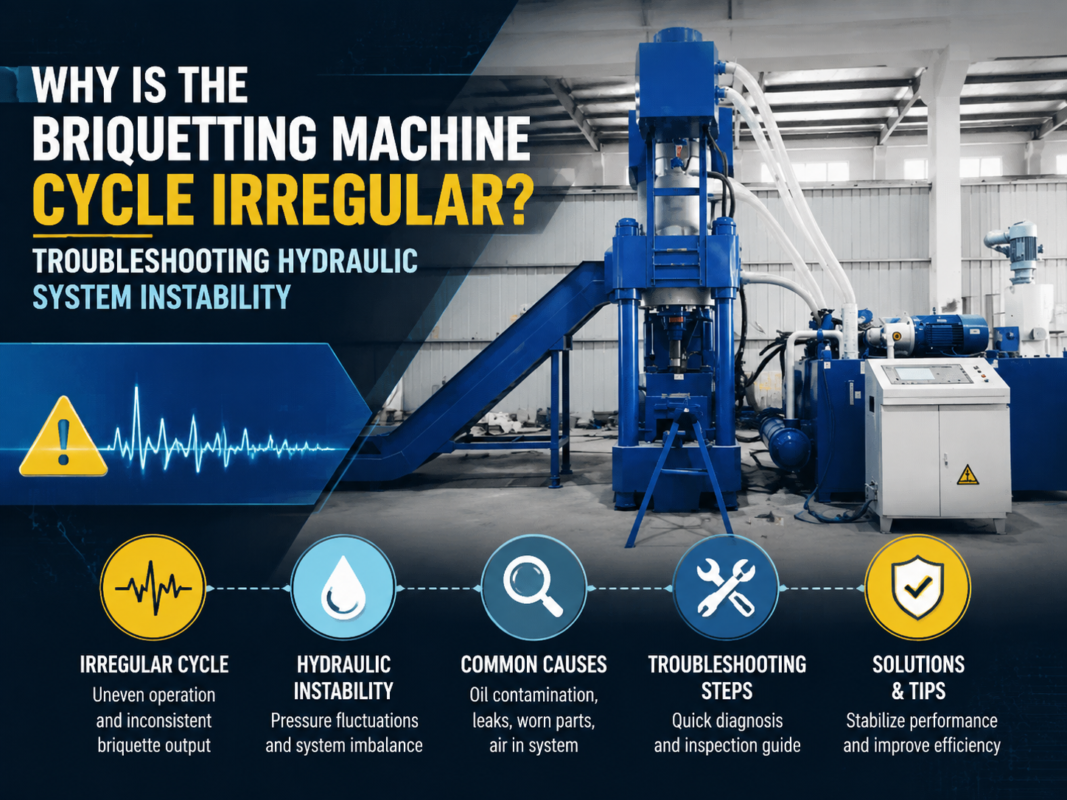
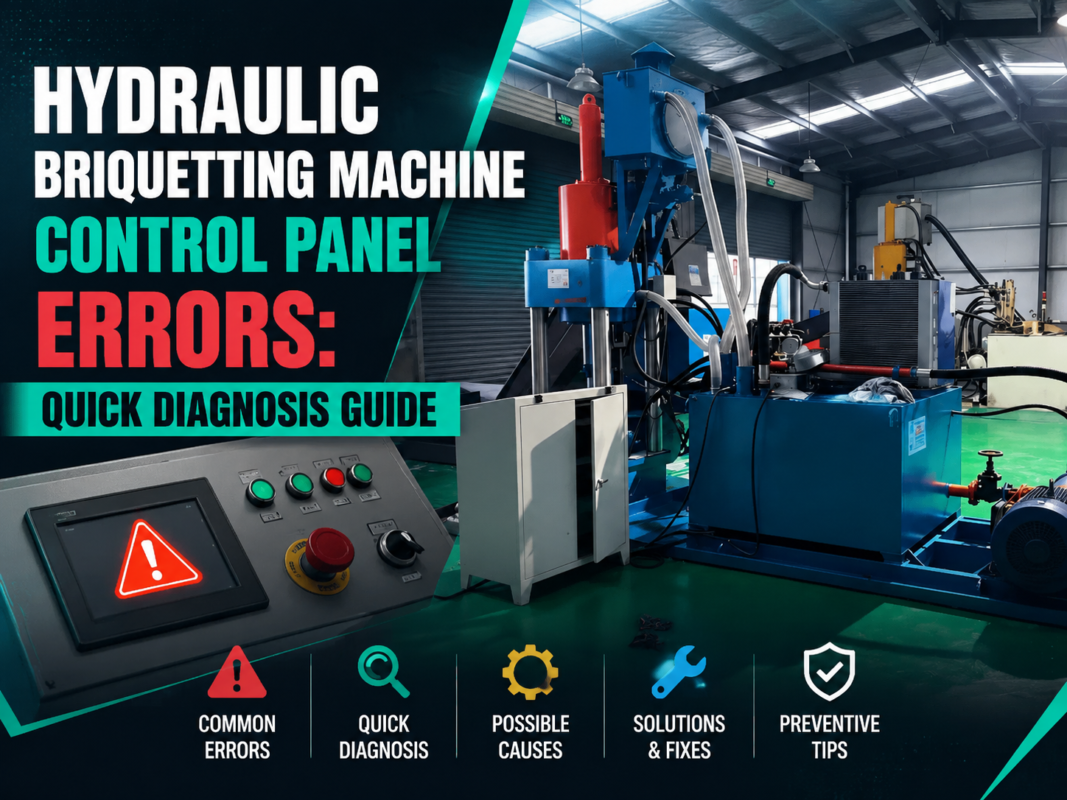
The density of the resulting briquette is a key performance indicator. For materials like cast iron, a high-quality briquette should reach a density of approximately 5.5 to 6.2 g/cm³. Achieving this requires precise control over the hydraulic cycle. HARSLE machines utilize advanced PLC (Programmable Logic Controller) systems that allow operators to adjust the pressing time, pressure levels, and cycle speed based on the specific characteristics of the metal being processed. This flexibility is crucial because different metals behave differently under pressure; for instance, aluminum requires a different compression profile than steel turnings.
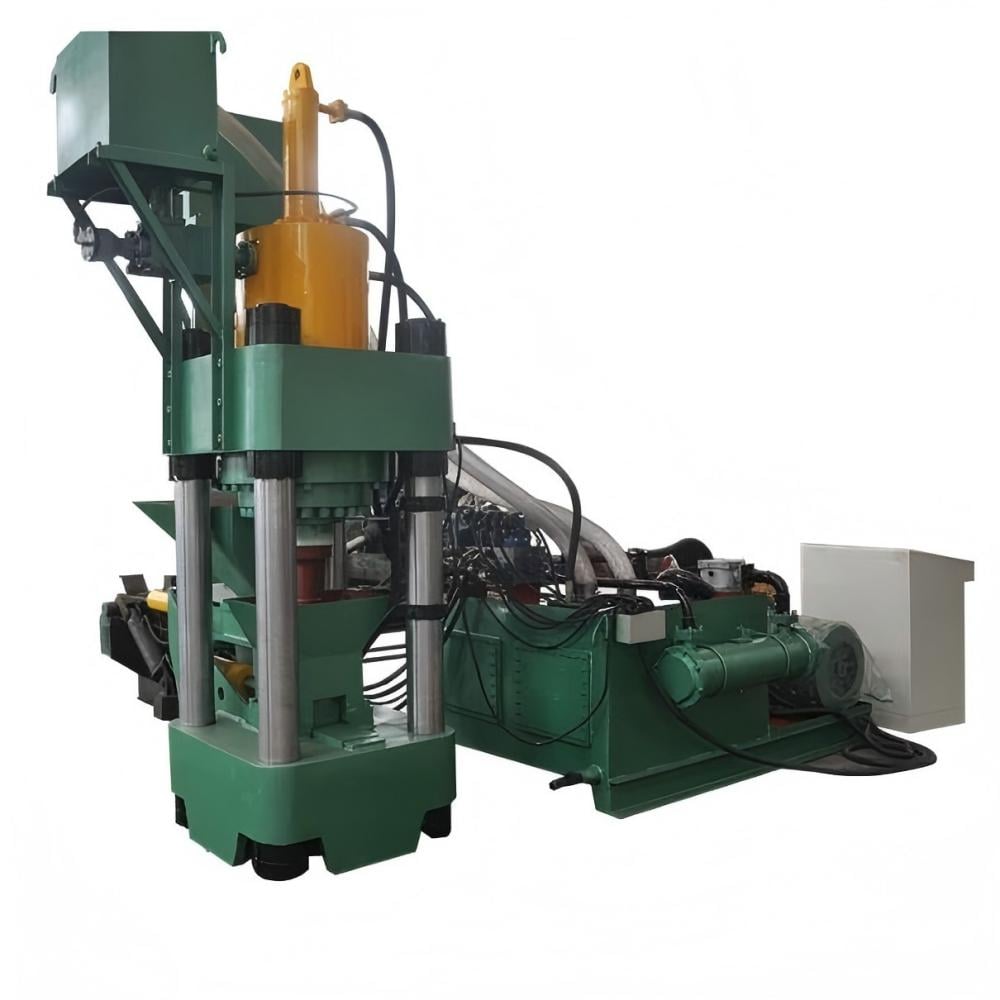
Material compatibility is another technical highlight. Modern briquetting presses are versatile enough to handle a wide range of materials, including:
- Aluminum: Highly compressible, ideal for recovering expensive coolants.
- Steel and Stainless Steel: Requires higher tonnage due to the material’s strength and elasticity.
- Cast Iron: Often processed as dry chips; briquetting prevents the ‘dusting’ effect during melting.
- Copper and Brass: High-value scraps where maximizing melt yield is the primary goal.
- Specialty Alloys: Titanium or magnesium chips, which require specific safety measures due to flammability.
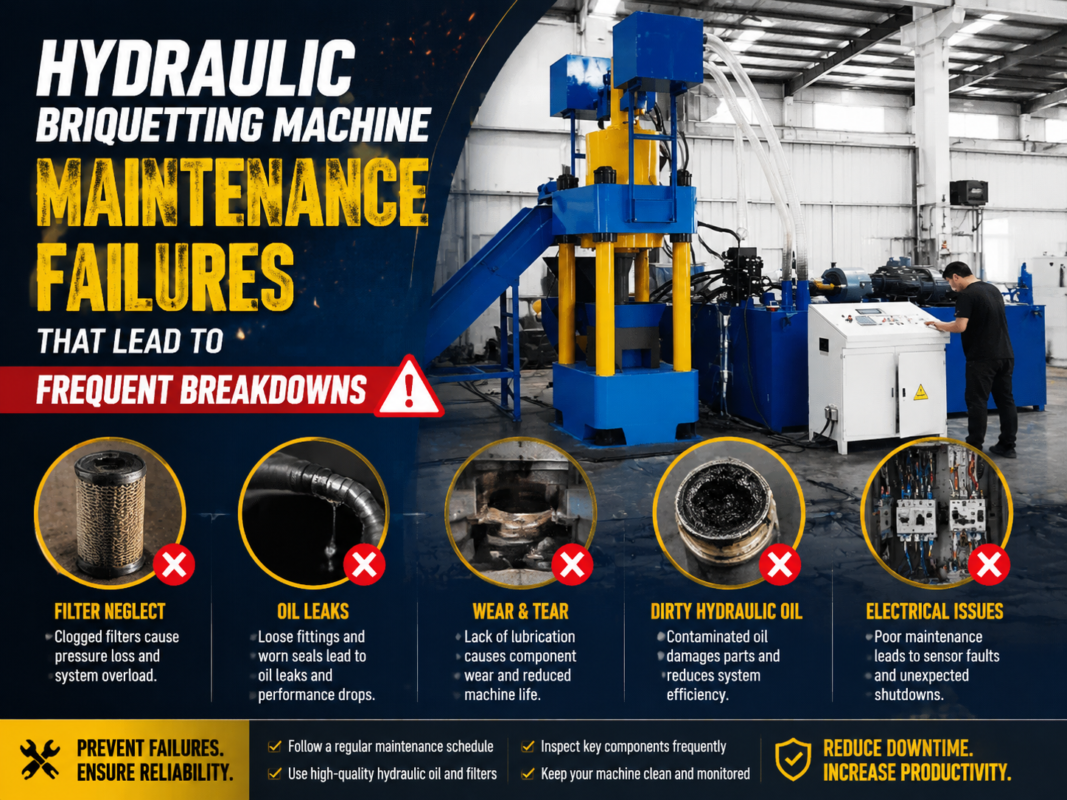
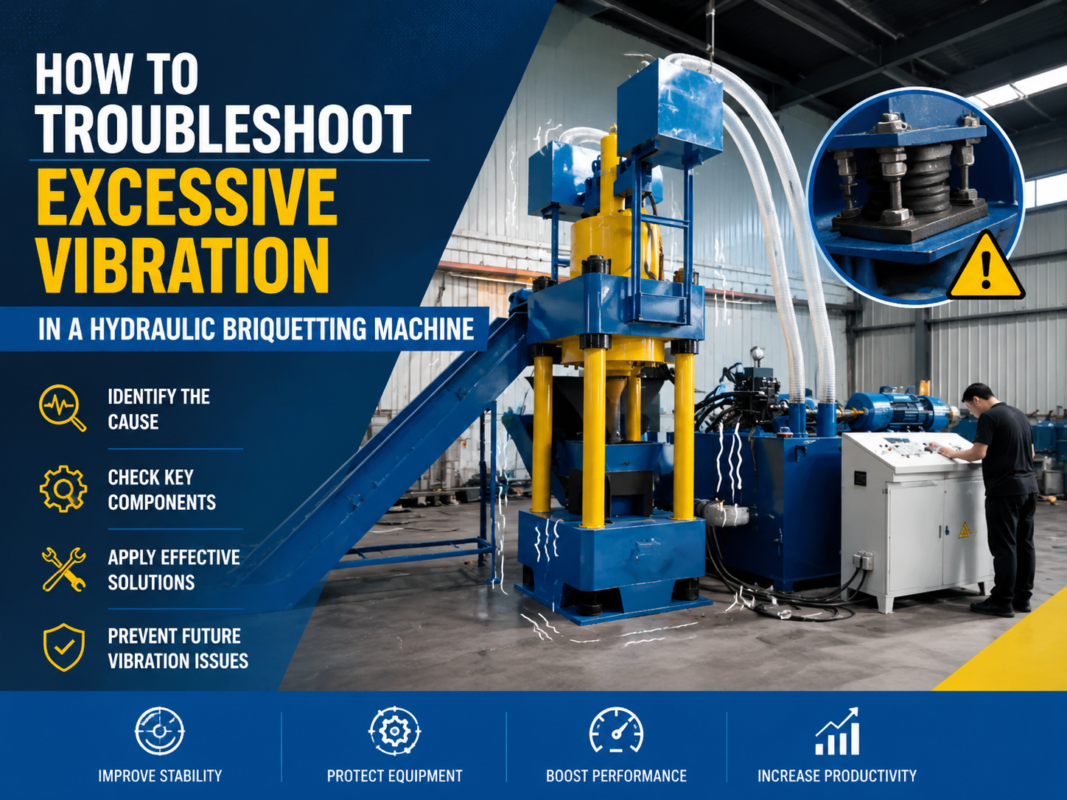
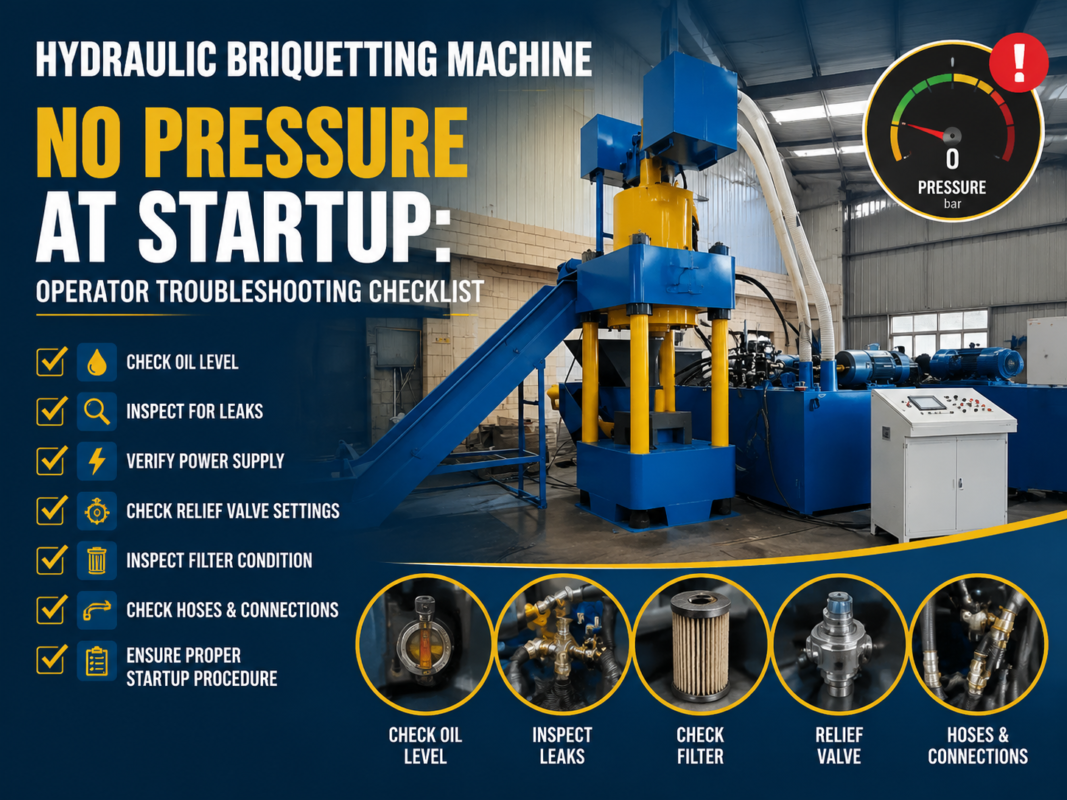
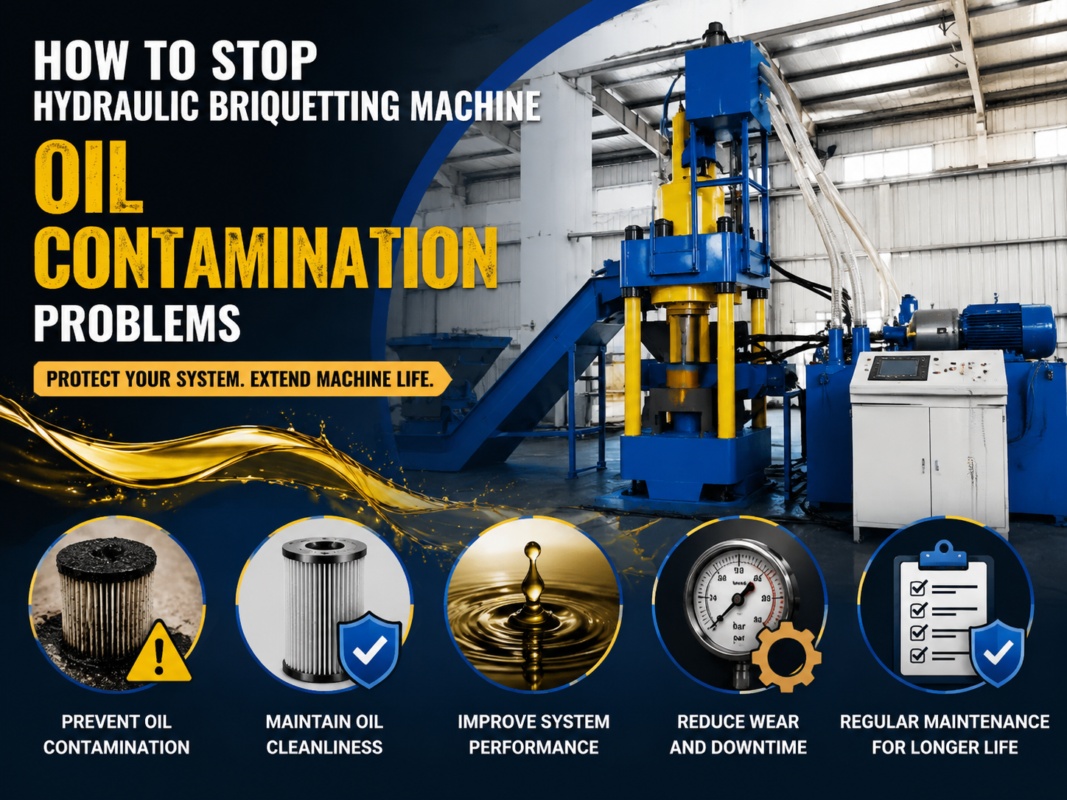
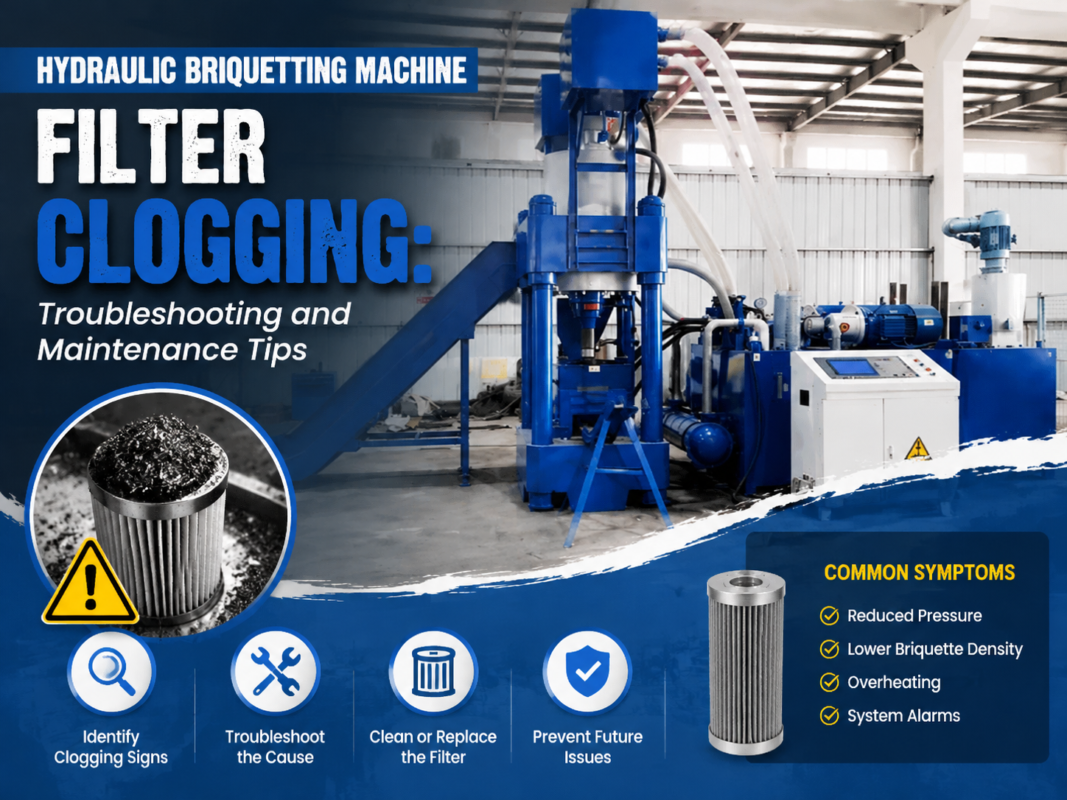
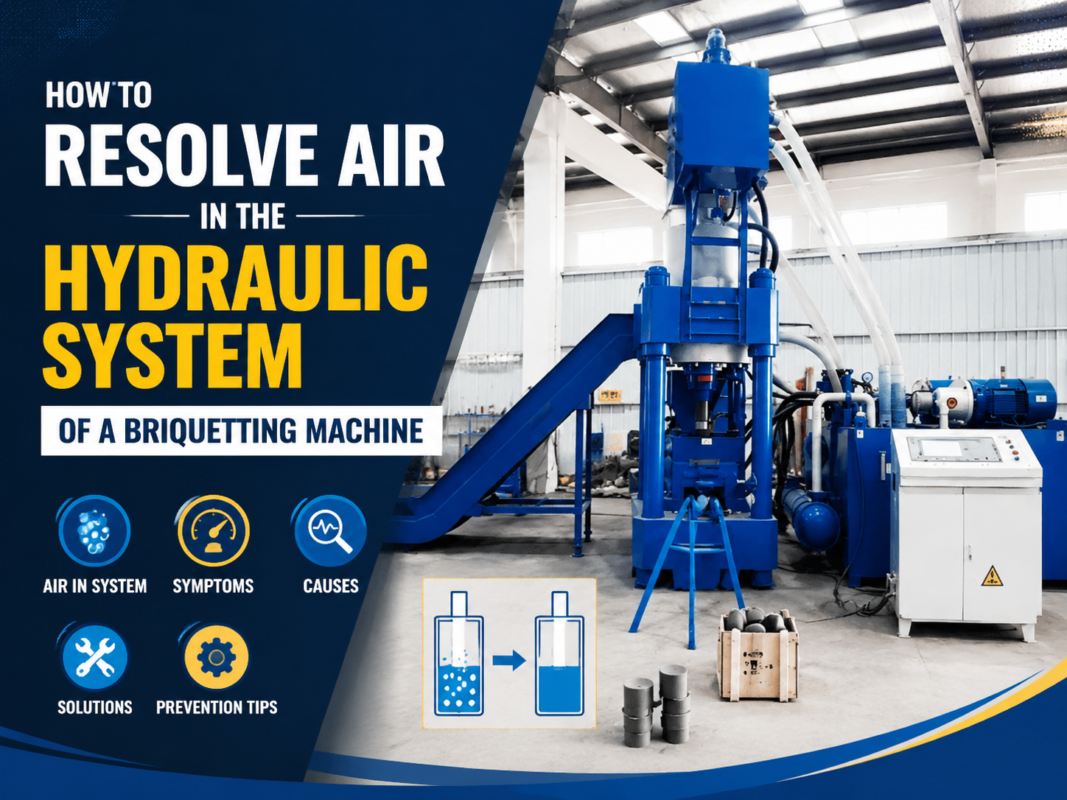
Maintenance of these machines focuses on the hydraulic seals, the wear plates within the compression chamber, and the filtration of the hydraulic oil. Because metal chips are inherently abrasive, the internal surfaces of the pressing chamber are typically lined with high-strength, replaceable wear-resistant alloys. HARSLE incorporates quick-change designs for these components to minimize downtime. Additionally, integrated cooling systems for the hydraulic oil ensure that the machine can operate 24/7 in hot industrial environments without losing pressure or damaging the pump.
Selection Advice for Industrial Buyers
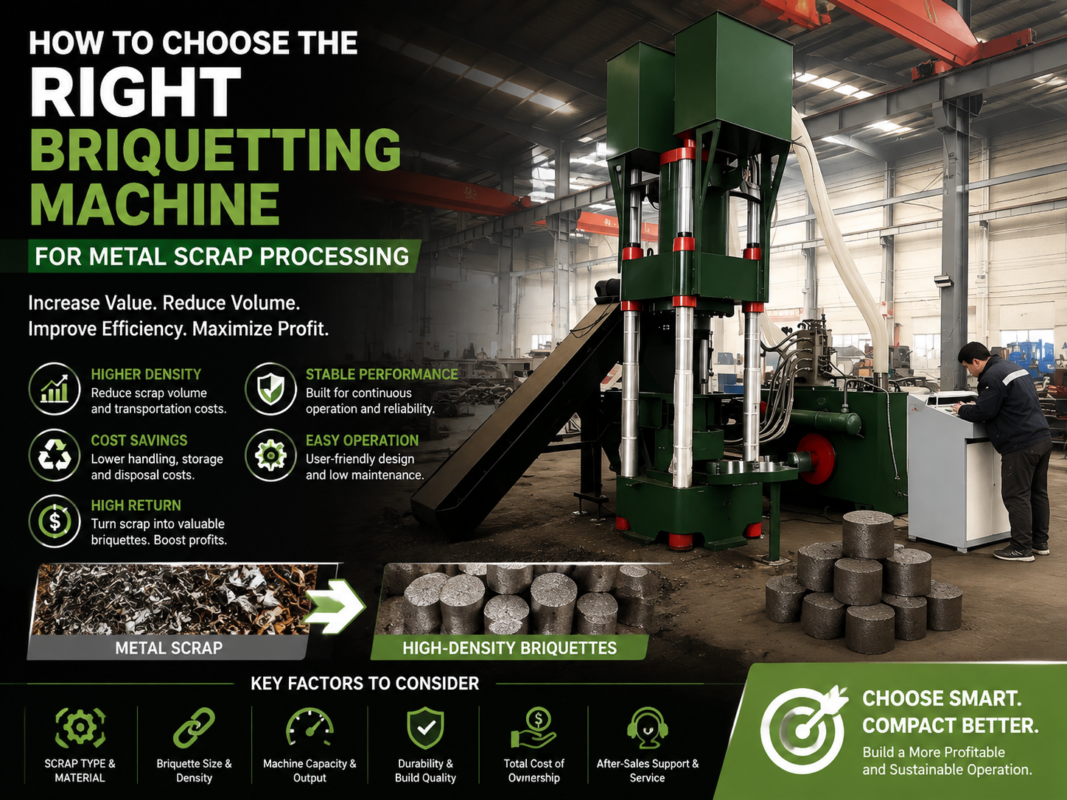
Choosing the right machine for Hydraulic Briquetting Machine Applications In Metal Chip Recycling requires a thorough analysis of your production volume and material type. The first step is to calculate your daily or monthly scrap output. If your facility generates less than 500 kg of chips per day, a compact, manual-load machine might suffice. However, for large-scale automotive or aerospace suppliers producing tons of waste daily, a fully automated system with conveyor belts and integrated silos is necessary.
Consider the physical characteristics of your scrap. Are the chips long and stringy (turnings) or short and granular? Long turnings often require a shredder or crusher before they can be effectively briquetted. Some HARSLE models can be equipped with integrated crushing units to streamline this process. If your chips are heavily saturated with fluid, ensure the machine has a robust fluid collection tray and a high-efficiency pump to handle the extracted liquids without clogging.
Another critical factor is the desired briquette diameter. Standard diameters usually range from 60mm to 150mm. Smaller diameters result in higher density but lower hourly throughput, while larger diameters move more material but may require significantly more hydraulic force to reach the same density. You must balance the requirements of your furnace (which might prefer a specific size for charging) with the throughput needs of your production line. Consulting with HARSLE technical experts can help determine the optimal tonnage-to-diameter ratio for your specific application.
Finally, evaluate the level of automation and integration. Modern factories are moving toward Industry 4.0 standards. Look for machines that offer remote monitoring, digital pressure logging, and integration with your existing ERP system. This allows for better tracking of recycled material weights and machine health. Investing in a machine with a reputable PLC brand (like Siemens or Schneider) ensures that spare parts and programming support will be available for the long term, protecting your investment.
Frequently Asked Questions (FAQ)
1. What is the typical volume reduction ratio for metal chips?
Depending on the material and the initial state of the chips (loose vs. tangled), a hydraulic briquetting machine can achieve a volume reduction ratio of between 5:1 and 10:1. This significantly lowers the footprint required for scrap storage and the number of trips required for transport.
2. Can I briquette different types of metal in the same machine?
Yes, most HARSLE hydraulic briquetting machines are versatile. However, it is essential to clean the hopper and chamber between different materials to avoid contamination, especially if the briquettes are being returned to a foundry for specific alloy production. The PLC settings may also need to be adjusted for different material densities.
3. How much moisture/oil can the machine remove?
A high-pressure briquetting press can remove up to 95-98% of the free-standing cutting fluids and oils from the metal chips. While the resulting briquette isn’t ‘bone dry,’ it is dry enough to meet most foundry standards and prevents the hazardous dripping of oil during transport.
4. Does the briquetting process require any binders or chemicals?
No. The Hydraulic Briquetting Machine Applications In Metal Chip Recycling rely purely on mechanical pressure. The high force causes the metal particles to deform and interlock, creating a solid block without the need for any adhesive additives, which ensures the purity of the metal during remelting.
5. What is the expected lifespan of a HARSLE briquetting machine?
With proper maintenance—specifically regular oil changes, seal inspections, and timely replacement of wear plates—a HARSLE hydraulic press can last 15 to 20 years in an industrial environment. The heavy-duty steel frame and high-quality hydraulic components are built for continuous, multi-shift operation.
6. Is it better to sell loose chips or briquettes to scrap dealers?
Briquettes almost always command a higher price per ton than loose chips. This is because the recycler or foundry saves on transport costs and benefits from the higher melt yield. Many companies find that the price premium for briquettes, combined with fluid recovery, allows the machine to pay for itself within 12 to 24 months.
Conclusion: The Future of Metal Waste Management
The implementation of Hydraulic Briquetting Machine Applications In Metal Chip Recycling represents a strategic shift in how manufacturing waste is perceived. No longer seen as a nuisance to be hauled away at a cost, metal chips are now recognized as a high-value asset that, when processed correctly, can significantly improve a company’s bottom line. By reducing volume, recovering expensive fluids, and increasing the efficiency of the melting process, hydraulic briquetting machines provide a comprehensive solution to the economic and environmental challenges of modern metalworking.
HARSLE remains committed to providing the industry with robust, efficient, and technologically advanced briquetting solutions. As global standards for sustainability become more stringent, the ability to recycle on-site and minimize the carbon footprint of scrap logistics will become a competitive necessity. Whether you are a small machine shop looking to tidy up your floor or a large-scale foundry aiming to optimize your furnace yield, a hydraulic briquetting press is an investment in the future of your business. By choosing high-quality equipment and following best practices in selection and maintenance, manufacturers can ensure long-term profitability and a cleaner, more efficient production environment.