Best Industrial Shredder Applications for Heavy-Duty Material Size Reduction: A Comprehensive Guide

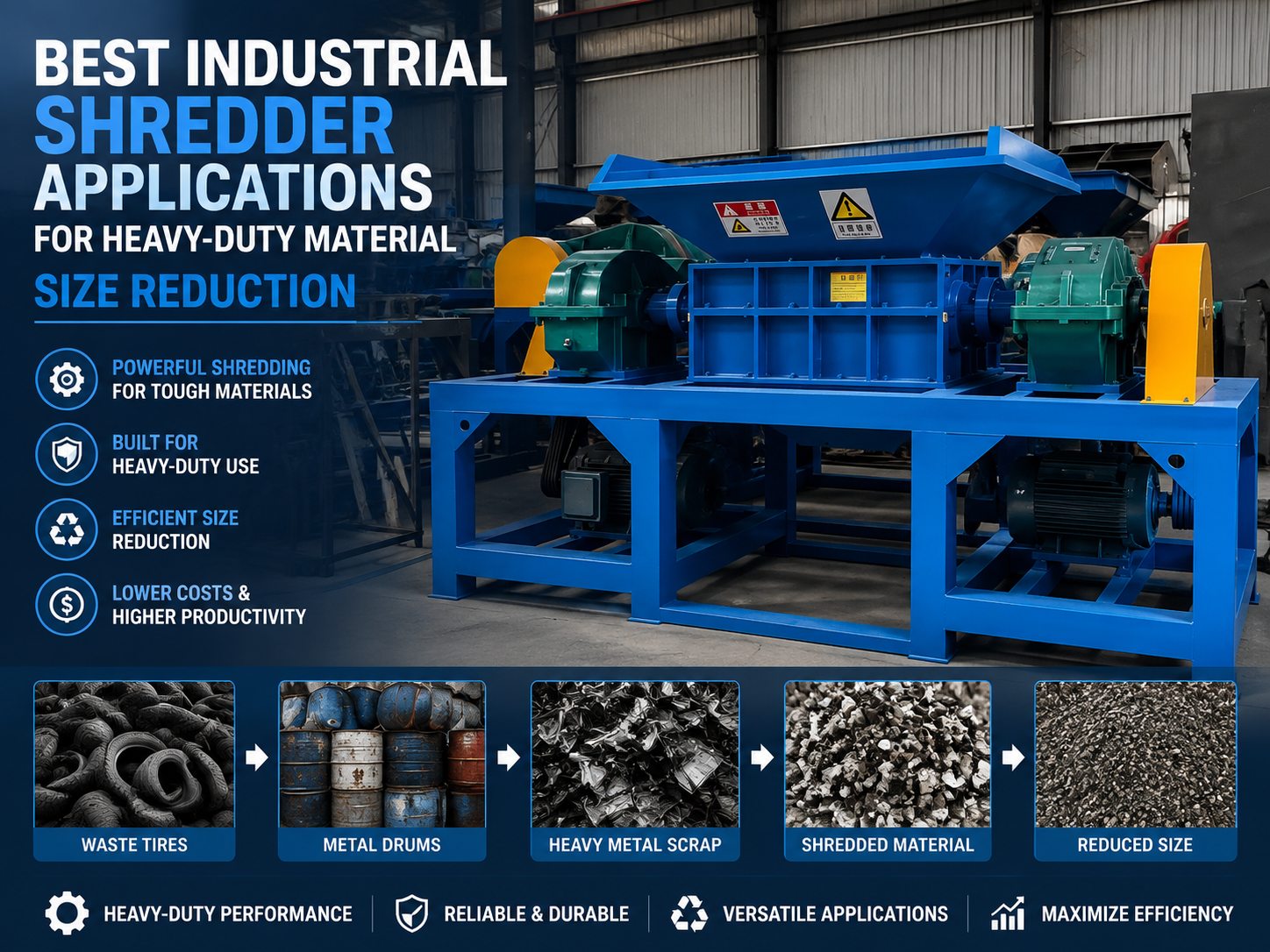
Introduction to Heavy-Duty Material Size Reduction
In the modern industrial landscape, the management of waste and the reclamation of raw materials have become critical pillars of sustainable manufacturing. The process of heavy-duty material size reduction is not merely about breaking things down; it is about transforming bulky, unmanageable waste into valuable, processable resources. Industrial shredders stand at the forefront of this transformation. These robust machines are engineered to handle the toughest materials, from reinforced scrap metal to massive industrial tires, ensuring that the circular economy remains functional and profitable.
HARSLE, a leader in metal fabrication and industrial machinery, understands that the efficiency of a recycling or production line depends heavily on the performance of its shredding equipment. Choosing the right application for these machines requires a deep understanding of material science, mechanical engineering, and operational workflow. This guide explores the best industrial shredder applications for heavy-duty material size reduction, providing technical insights into how these machines operate and the immense value they bring to various sectors.
Application Scenarios for Industrial Shredders
1. Scrap Metal Recycling and Processing
One of the most prominent applications for heavy-duty shredders is in the scrap metal industry. Metal recycling facilities deal with a vast array of materials, including end-of-life vehicles (ELVs), aluminum extrusions, steel drums, and copper wiring. The primary goal here is to reduce the volume of the metal to make transportation more cost-effective and to prepare the material for secondary smelting. High-torque, low-speed double-shaft shredders are ideal for this scenario, as they can tear through thick steel plates and structural components without the risk of high-speed projectile hazards.
2. Electronic Waste (E-Waste) Recovery
E-waste is one of the fastest-growing waste streams globally. It contains a complex mix of plastics, precious metals, and hazardous materials. Industrial shredders are used to break down circuit boards, hard drives, and household appliances into small, uniform pieces. This size reduction is the first step in a multi-stage separation process where magnets, eddy current separators, and optical sorters extract gold, silver, copper, and high-grade plastics. Precision is key in e-waste applications to ensure that components are liberated without being pulverized into unrecoverable dust.
3. Tire Recycling and TDF Production
Tires are notoriously difficult to process due to their elastic nature and the presence of high-tensile steel wires. Heavy-duty shredders designed for tires utilize specialized blade geometries to shear the rubber and steel simultaneously. The resulting “tire-derived fuel” (TDF) or rubber crumb is used in civil engineering, playground surfaces, and as a high-energy fuel source for cement kilns. The ability of an industrial shredder to maintain sharp cutting edges while processing abrasive rubber is a testament to its engineering quality.
4. Industrial and Hazardous Waste Management
Manufacturing plants often generate large volumes of bulky waste, such as wooden pallets, plastic IBC tanks, and chemical drums. Shredding these materials at the source reduces storage space requirements and facilitates safer handling. In the case of hazardous waste, shredders can be integrated into sealed systems to prevent the release of fumes or liquids during the size reduction process, ensuring compliance with environmental and safety regulations.
Material and Process Requirements
To achieve the best results in heavy-duty material size reduction, several technical factors must be considered. Not all shredders are created equal, and the material characteristics dictate the machine’s requirements.
- Material Hardness and Tensile Strength: Metals like stainless steel or alloyed components require blades with high Rockwell hardness (HRC) and superior toughness to prevent chipping.
- Input Volume and Bulk Density: Large, hollow objects like car bodies require a large cutting chamber and aggressive hook designs on the blades to “grab” the material.
- Desired Output Size: If the goal is simple volume reduction, a coarse shred is sufficient. However, if the material is headed for a granulator or a chemical process, a consistent, smaller output size is required, often necessitating the use of screens.
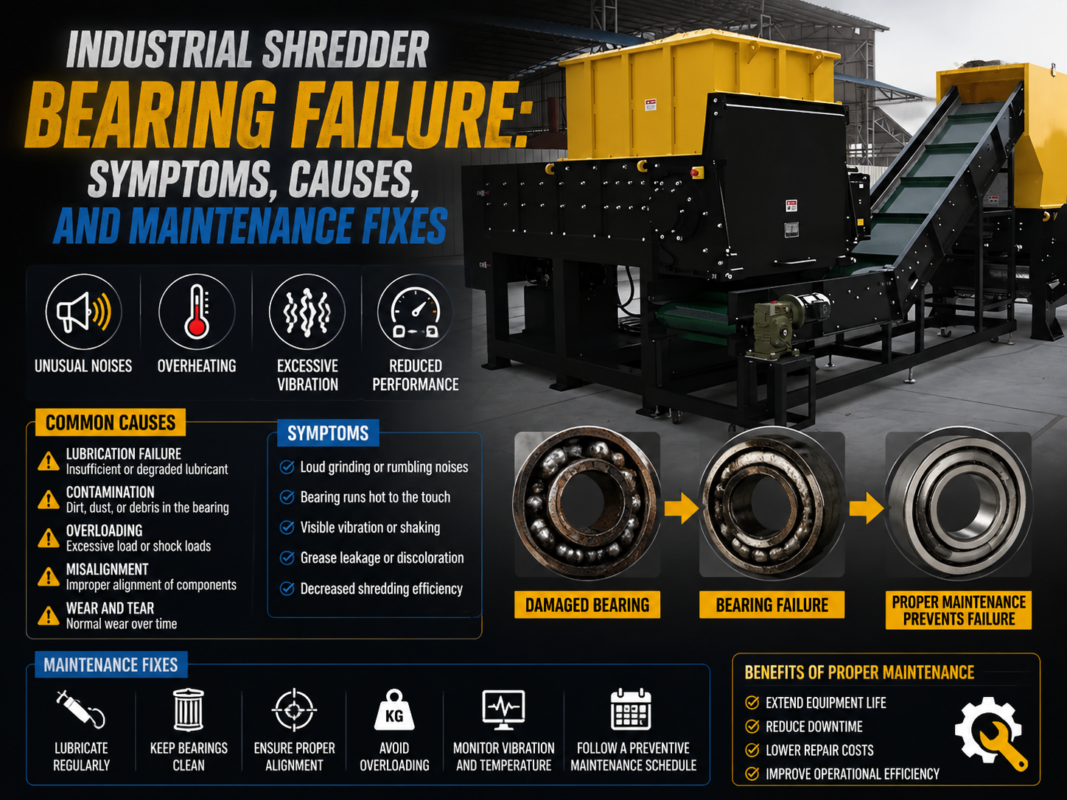
- Moisture and Contamination: Materials contaminated with oils, water, or soil require shredders with specialized seals to protect the bearings and drive system from premature wear.
HARSLE machines are engineered with these variables in mind, offering customizable blade profiles and motor configurations to match the specific demands of the material being processed.
Recommended Machine Configuration
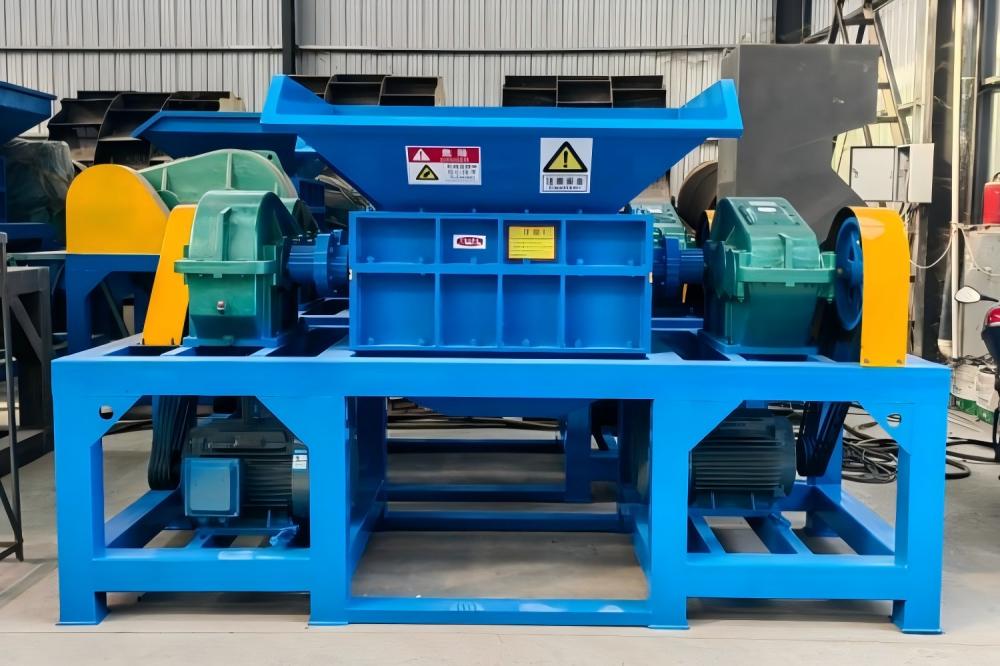
When selecting the best industrial shredder for heavy-duty applications, the configuration of the machine is paramount. For most heavy-duty tasks, the Double-Shaft Shredder is the industry standard. Unlike single-shaft shredders that use a hydraulic pusher and a high-speed rotor, double-shaft shredders utilize two counter-rotating shafts with interlocking blades.
| Feature | Double-Shaft Shredder (Heavy-Duty) | Single-Shaft Shredder (General Purpose) |
|---|---|---|
| Torque | Very High | Moderate |
| Rotational Speed | Low (10-20 RPM) | High (60-100 RPM) |
| Primary Action | Shearing and Tearing | Cutting and Grinding |
| Best For | Metal, Tires, Bulky Plastics | Uniform Plastics, Wood, Paper |
| Maintenance | Blade Refurbishment | Blade Rotation/Replacement |
For heavy-duty size reduction, HARSLE recommends a configuration featuring high-strength alloy steel blades (such as Cr12MoV or D2), a planetary gearbox for maximum torque transmission, and a PLC-based control system with an auto-reverse function. The auto-reverse feature is critical; it detects overloads and reverses the shafts to clear jams, protecting the motor and drive train from damage.
Operational Workflow for Size Reduction
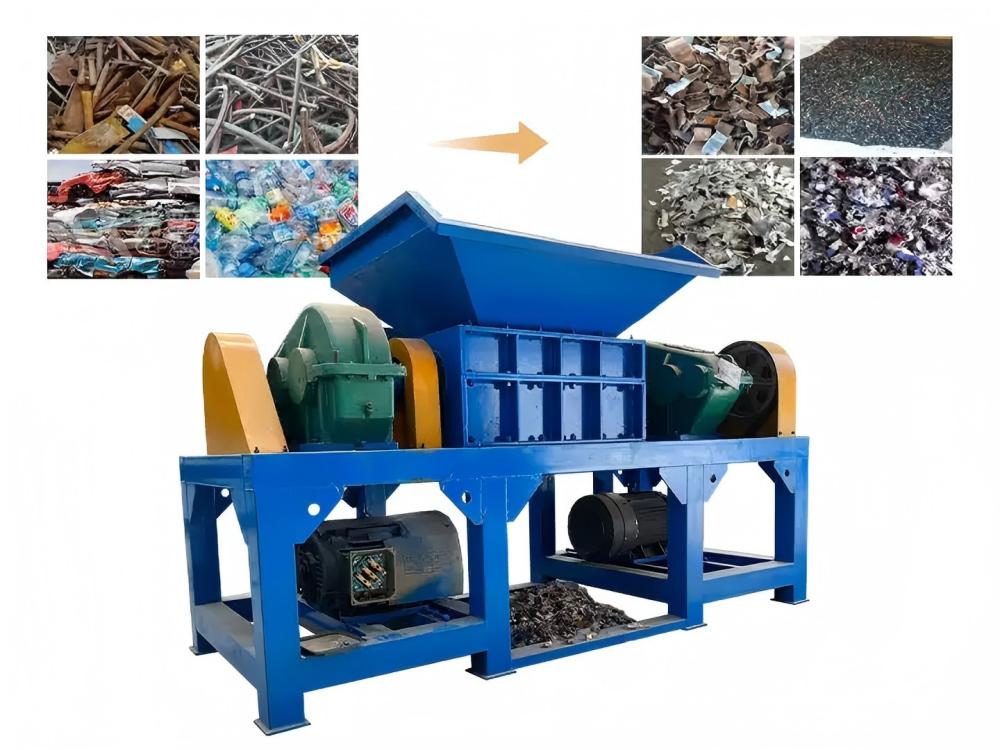
A successful shredding operation follows a systematic workflow to ensure safety and efficiency:
- Feeding: Material is loaded into the hopper via a conveyor belt, grapple, or forklift. For heavy-duty applications, a metered feed is preferred to prevent sudden surges that could stall the machine.
- Shredding: The counter-rotating shafts grab the material. The hooks on the blades pull the material into the center of the shafts, where it is sheared between the interlocking discs.
- Discharge: The shredded material falls through the bottom of the chamber. In many HARSLE configurations, a discharge conveyor moves the material to the next stage of processing.
- Secondary Sorting: Often, a magnetic separator is placed over the discharge conveyor to pull out ferrous metals, while an eddy current separator might be used for non-ferrous metals.
- Monitoring: Operators monitor the PLC interface to track motor load, temperature, and throughput, making adjustments to the feed rate as necessary.
Productivity Benefits of Industrial Shredding
Investing in high-quality industrial shredders for heavy-duty size reduction yields significant productivity and financial benefits:
- Significant Volume Reduction: Shredding can reduce the volume of bulky waste by up to 80%, drastically lowering the number of truckloads required for transport.
- Increased Material Value: Shredded and sorted scrap commands a higher market price than mixed, bulky waste because it is ready for immediate use in furnaces or secondary processing.
- Energy Efficiency: Modern shredders from HARSLE are designed with high-efficiency motors and optimized cutting geometries that minimize energy consumption per ton of material processed.
- Enhanced Safety: Automated shredding reduces the need for manual labor in hazardous environments, such as cutting up large metal structures with torches or saws.
- Environmental Compliance: Proper size reduction is often a legal requirement for the disposal of certain industrial wastes, helping companies avoid heavy fines and improve their ESG (Environmental, Social, and Governance) ratings.
Case Example: Metal Recycling Facility Upgrade
A mid-sized metal recycling facility in Eastern Europe was struggling with the manual processing of aluminum engine blocks and mixed light scrap. Their existing hammer mills were experiencing frequent breakdowns and high maintenance costs due to the toughness of the alloyed metals. After consulting with HARSLE, they implemented a custom-configured 150HP double-shaft shredder.
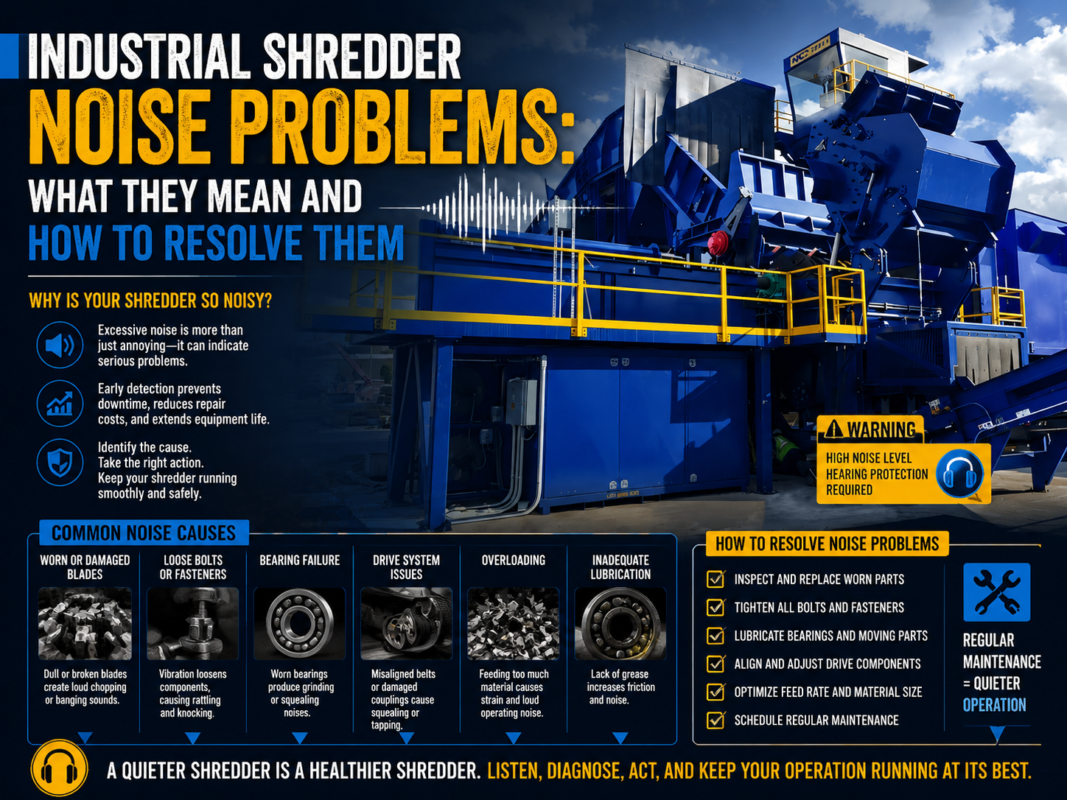
The results were immediate. The facility was able to process 5-8 tons of material per hour with a single operator. The low-speed, high-torque action of the HARSLE shredder eliminated the dust and noise issues associated with their previous equipment. Furthermore, the uniform output size allowed them to implement an automated magnetic separation line, increasing their recovery rate of ferrous materials by 15%. Within 14 months, the increased throughput and reduced labor costs allowed the facility to achieve a full return on investment (ROI).
Frequently Asked Questions (FAQ)
What is the lifespan of industrial shredder blades?
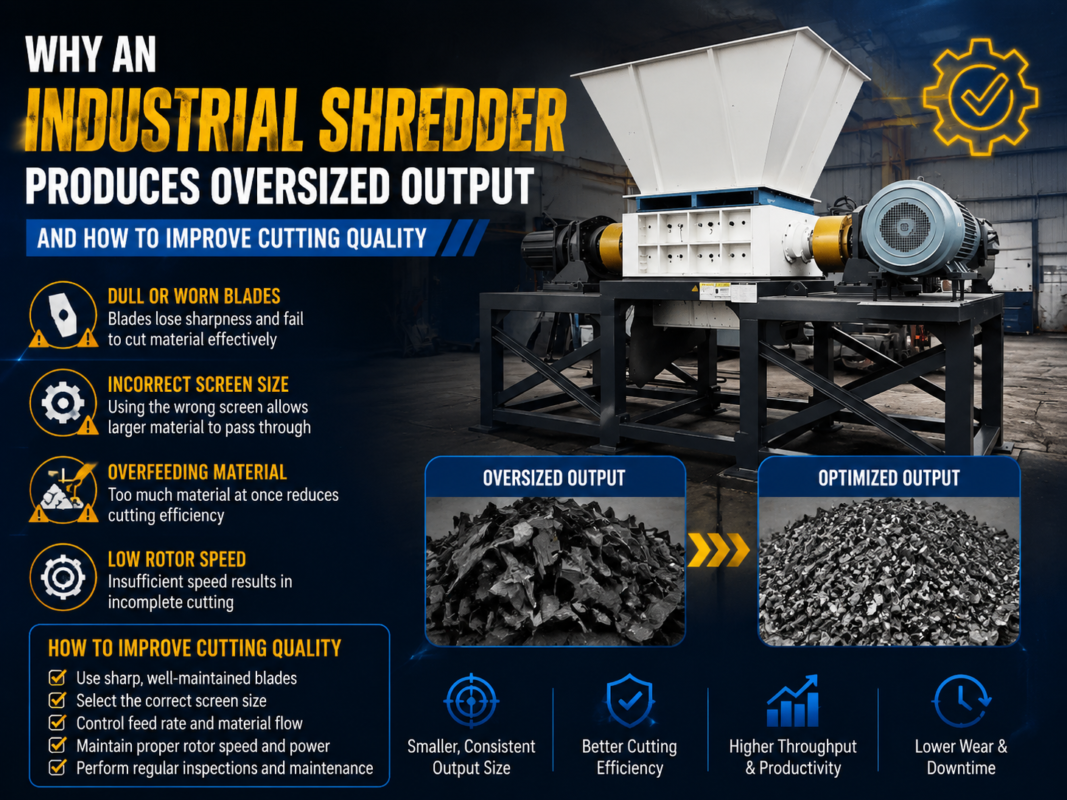
Blade life depends entirely on the material being shredded. For soft plastics, blades can last thousands of hours. For abrasive materials like tires or contaminated scrap metal, blades may need sharpening or refurbishment every 500-1,000 hours. HARSLE uses high-wear alloy steels to maximize this interval.
Can one shredder handle all types of materials?
While double-shaft shredders are versatile, a single machine is rarely optimized for everything. For example, blades designed for shearing thin plastic film are different from those designed for crushing thick steel pipes. It is best to consult with HARSLE engineers to find a blade profile that covers your primary material range.
How do I prevent the shredder from jamming?
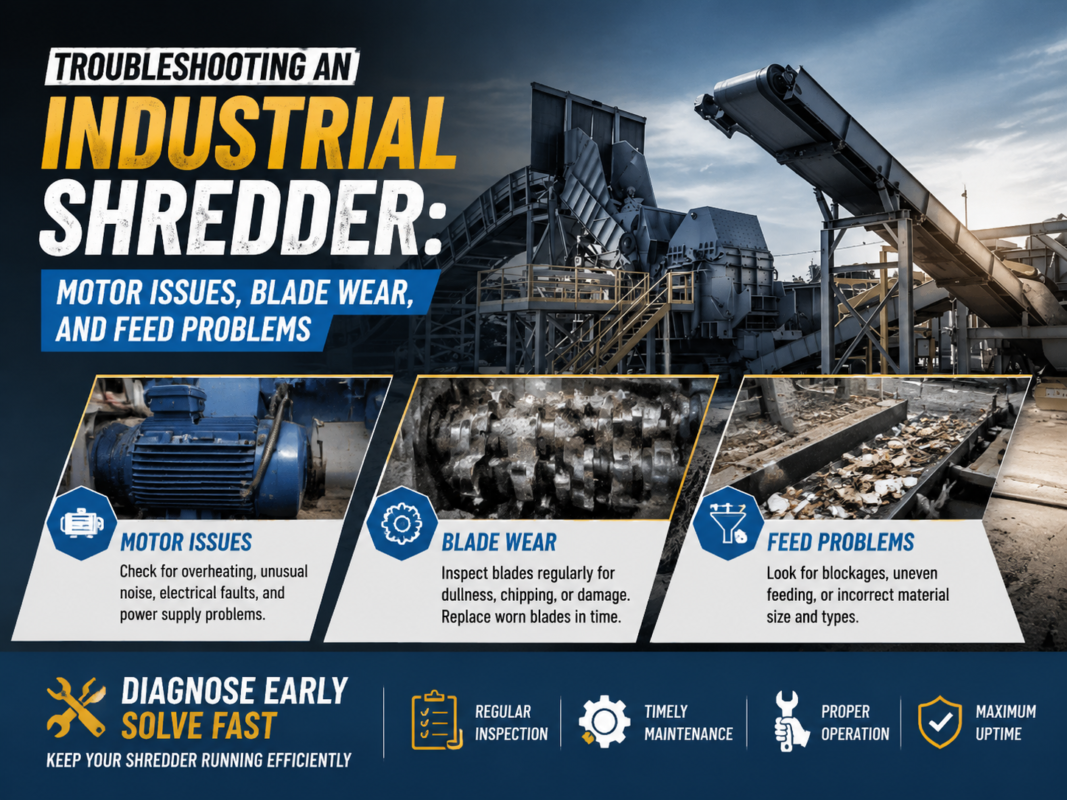
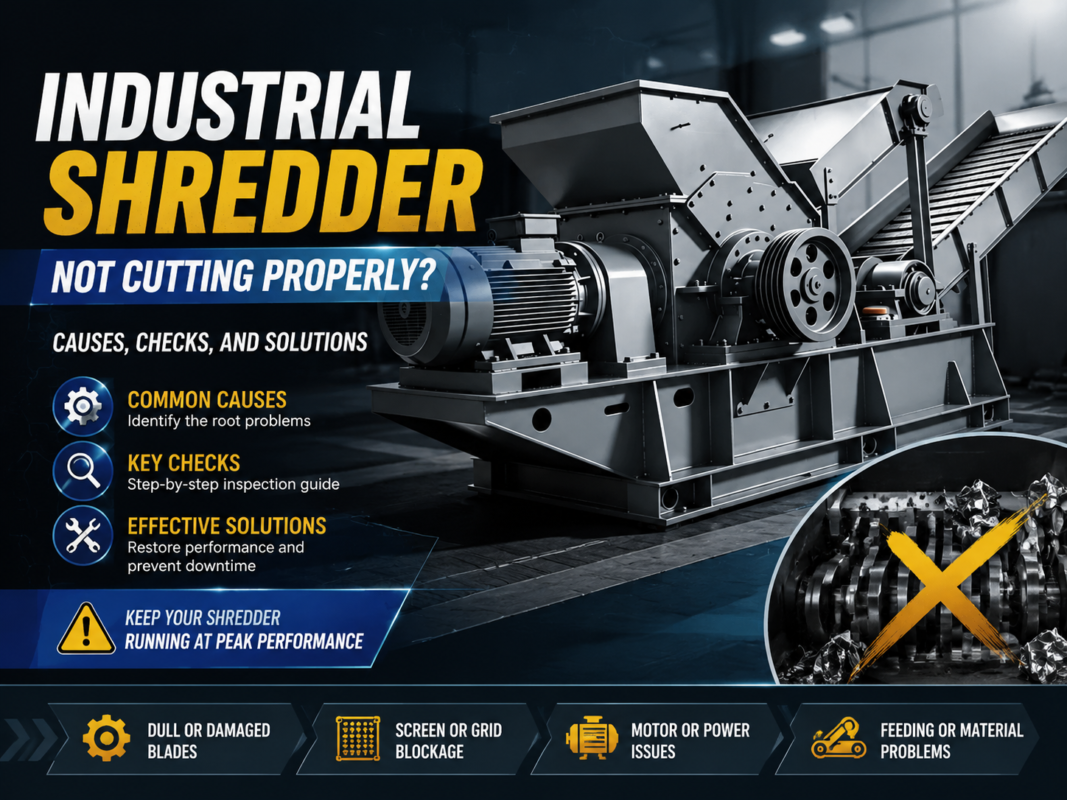
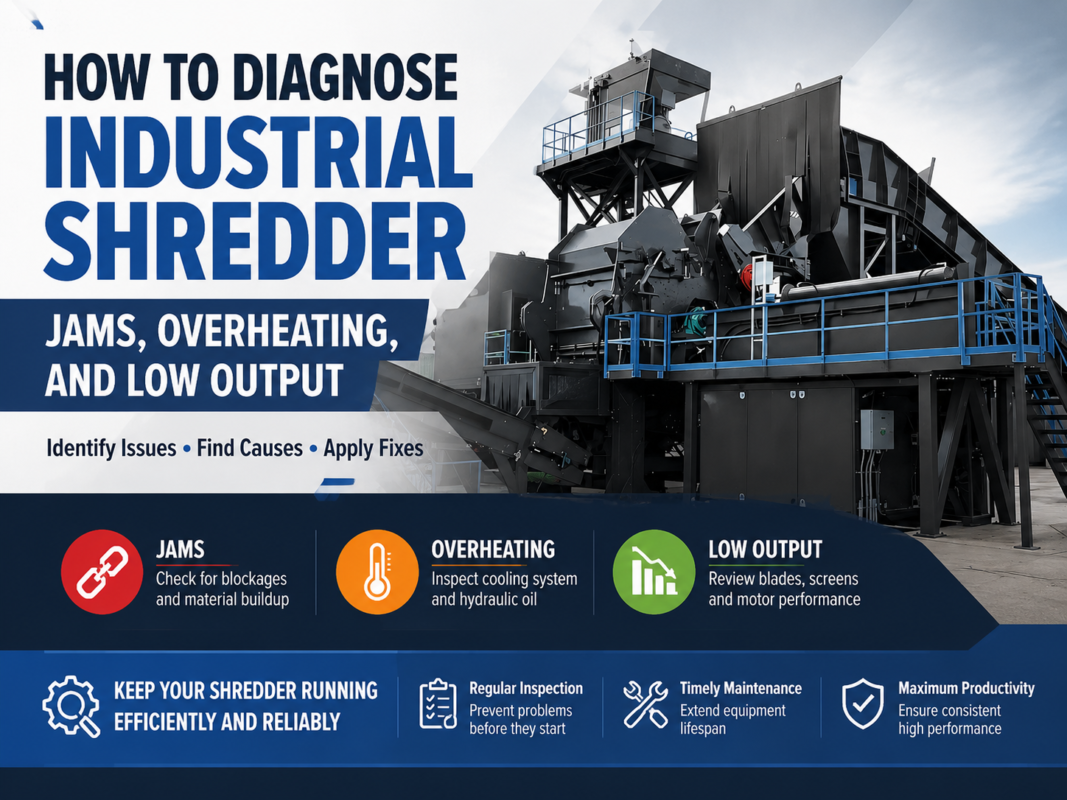
Modern industrial shredders are equipped with PLC controllers that monitor the motor’s current. If the current spikes (indicating a jam), the machine automatically stops and reverses the shafts to reposition the material before attempting to shred again. This “auto-reverse” feature is standard on HARSLE heavy-duty models.
What maintenance is required for a heavy-duty shredder?
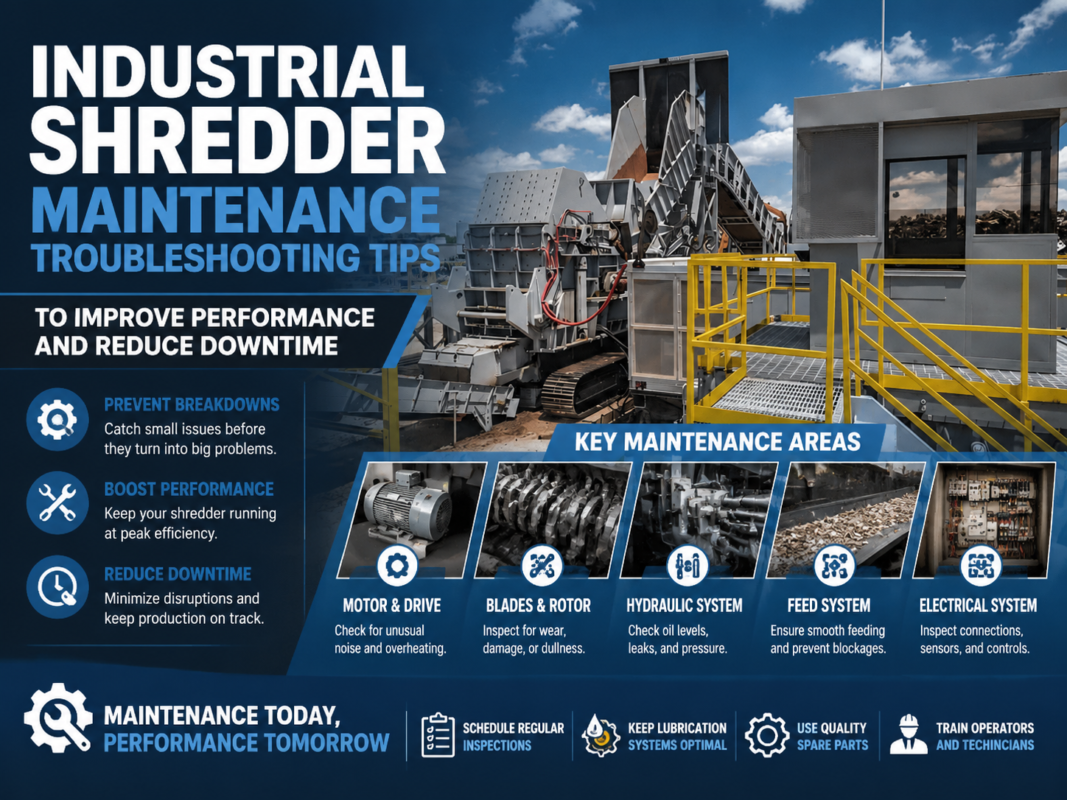
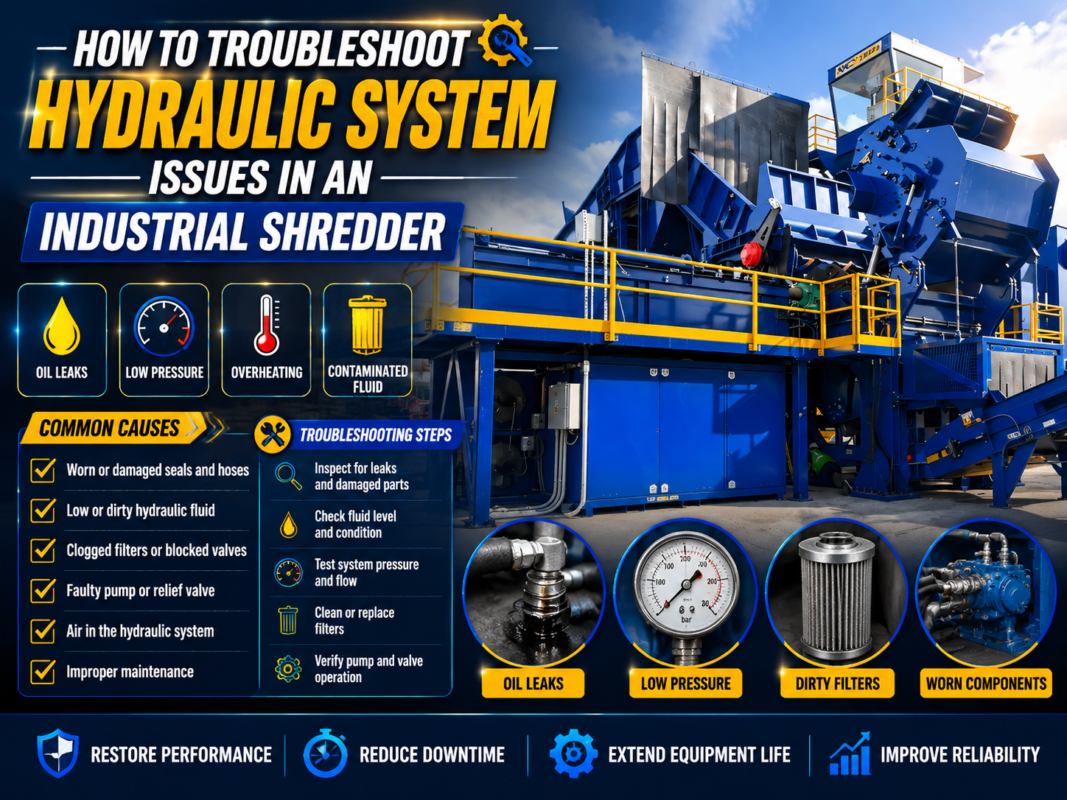
Routine maintenance includes lubricating bearings, checking gearbox oil levels, inspecting blade wear, and ensuring all bolts are tightened. Because these machines operate under extreme vibration and stress, a weekly inspection schedule is highly recommended.
Conclusion and Call to Action
The best industrial shredder applications for heavy-duty material size reduction are those that prioritize efficiency, durability, and safety. Whether you are processing scrap metal, recycling tires, or managing complex e-waste, the right equipment is the foundation of your success. HARSLE provides the engineering expertise and robust machinery needed to tackle the toughest industrial challenges, turning waste into a profitable asset.
Are you ready to optimize your material processing line? Contact HARSLE today to discuss your specific shredding requirements. Our team of experts will help you select the ideal machine configuration to maximize your productivity and ROI. Visit our website or reach out to our sales department for a custom quote and technical consultation.