The Ultimate Briquetting Machine Supplier Selection Checklist: A Comprehensive Industrial Guide

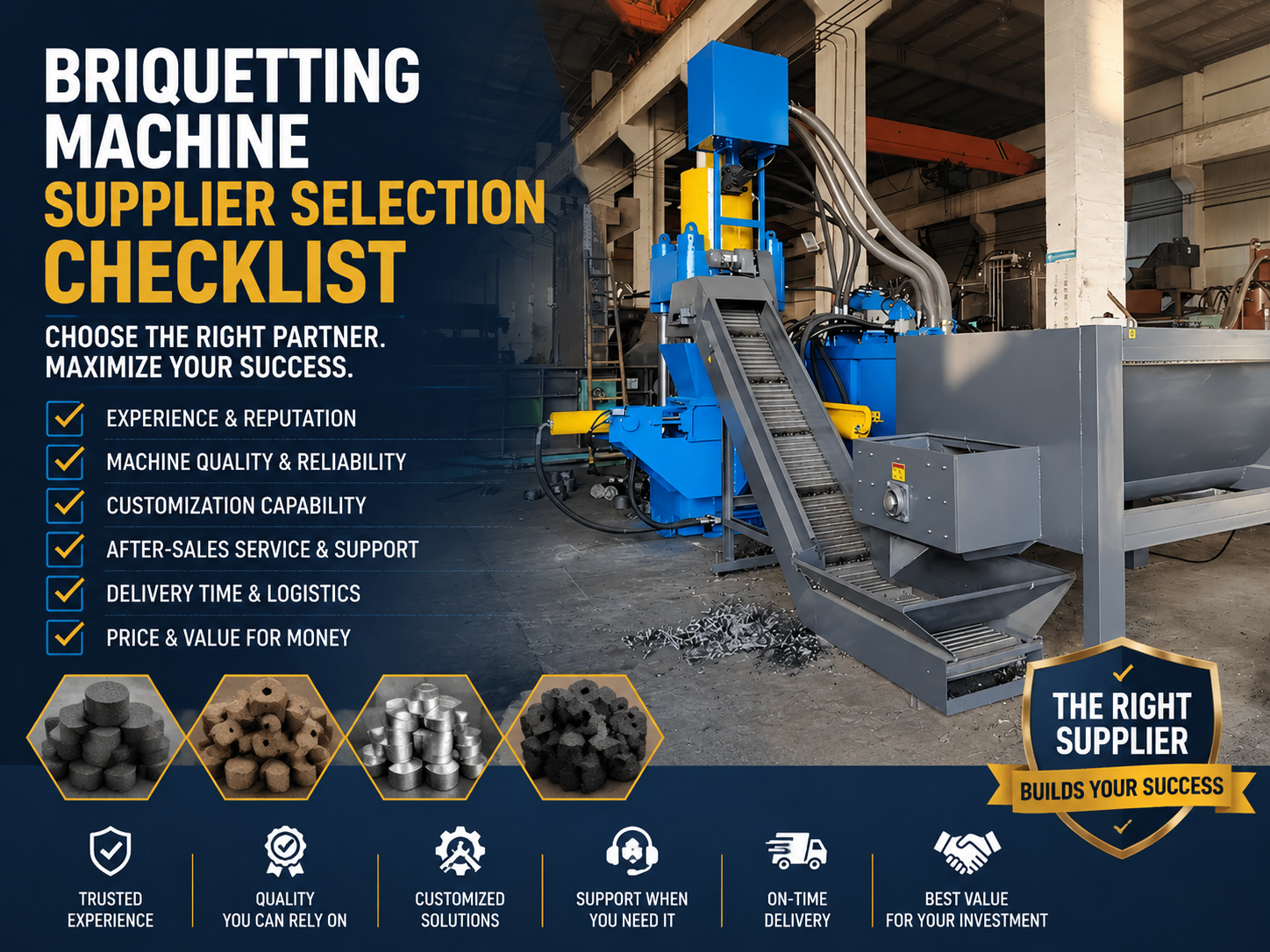
Introduction to Briquetting Machine Procurement
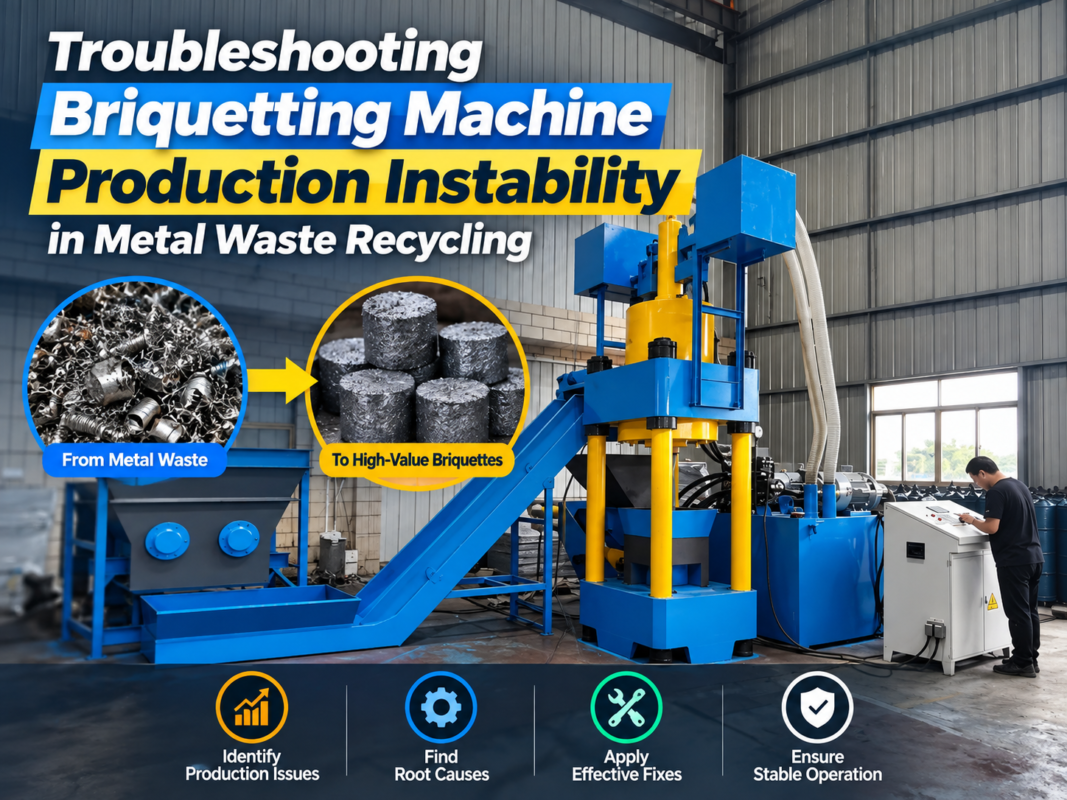
In the modern metal fabrication and recycling industry, the efficiency of waste management directly impacts the bottom line. Metal chips, turnings, and filings—often referred to as ‘swarf’—take up significant floor space and are difficult to transport. More importantly, loose scrap is often saturated with expensive cutting fluids and coolants. This is where a high-quality briquetting machine becomes an indispensable asset. By compressing loose metal waste into dense, uniform blocks, manufacturers can reclaim up to 95% of lost coolants, reduce storage volume by a ratio of up to 20:1, and command a much higher price from smelters.
However, choosing the right equipment is not merely a matter of picking the lowest price. The market is flooded with various models, from entry-level vertical presses to high-capacity horizontal automated systems. Selecting the wrong supplier can lead to frequent downtime, poor briquette density, and a lack of technical support when things go wrong. This Briquetting Machine Supplier Selection Checklist is designed to guide procurement managers and factory owners through the technical and financial nuances of purchasing industrial briquetting equipment, ensuring a high return on investment (ROI) and long-term operational reliability.
Price Range Overview: What to Expect in the Market
The cost of a briquetting machine varies significantly based on its capacity, the material it is designed to process (e.g., aluminum, steel, cast iron, or copper), and its level of automation. Understanding the price tiers is the first step in your selection process. Generally, the market is divided into three primary categories:
- Entry-Level/Small Capacity Machines ($10,000 – $30,000): These are typically vertical machines designed for smaller workshops or facilities with low scrap volume (under 200kg per hour). They often feature manual or semi-automatic controls and are ideal for processing uniform, dry chips.
- Mid-Range Industrial Machines ($30,000 – $85,000): This is the most common tier for medium-sized fabrication plants. These machines offer higher pressure (often 200-400 tons), automated feeding systems, and integrated coolant recovery tanks. They can handle 300kg to 1,000kg of scrap per hour.
- High-Capacity/Heavy-Duty Systems ($85,000 – $250,000+): Designed for 24/7 operation in large-scale recycling centers or automotive plants, these systems are fully automated, often horizontal, and capable of processing several tons of scrap per hour. They include advanced PLC controls, remote monitoring, and heavy-duty wear-resistant components.
When reviewing quotes, it is vital to ensure you are comparing ‘apples to apples.’ A lower price might indicate a machine with a smaller hydraulic pump, thinner frame steel, or a lack of essential safety certifications. Always ask for a detailed breakdown of the machine’s weight and the brand of its core components.
Main Cost Drivers in Briquetting Machinery
Several technical factors influence the final price of a briquetting press. Understanding these drivers allows you to prioritize features that matter most to your specific application. The primary cost drivers include:
1. Hydraulic System Quality
The heart of any briquetting machine is its hydraulic system. High-end suppliers like HARSLE utilize premium components from brands such as Rexroth, Vickers, or Yuken. These components are more expensive but offer superior pressure stability and a much longer service life compared to generic alternatives. The quality of the hydraulic seals is also critical; cheap seals will leak under the high pressures required for metal compaction, leading to maintenance headaches and environmental hazards.
2. Frame Construction and Steel Grade
A briquetting machine undergoes immense stress during every cycle. A supplier using high-grade Q345B steel with a thicker frame will naturally charge more than one using standard Q235 steel. The frame must be rigid enough to prevent deflection, which can cause premature wear on the piston and molds. Look for suppliers who use integrated casting for the main cylinder and high-strength alloy steel for the tie rods.
3. Automation and Control Systems
The level of integration with your existing production line affects the cost. A machine equipped with a Siemens or Schneider PLC, a user-friendly HMI (Human Machine Interface), and sensors for oil temperature, level, and pressure will be more expensive. However, these features prevent catastrophic failures and allow for unmanned operation, significantly reducing labor costs over time.
Configuration Impact: Vertical vs. Horizontal and Beyond
The configuration of the machine is a critical point in the Briquetting Machine Supplier Selection Checklist. Your choice depends on your floor space, the type of scrap you produce, and your throughput requirements.
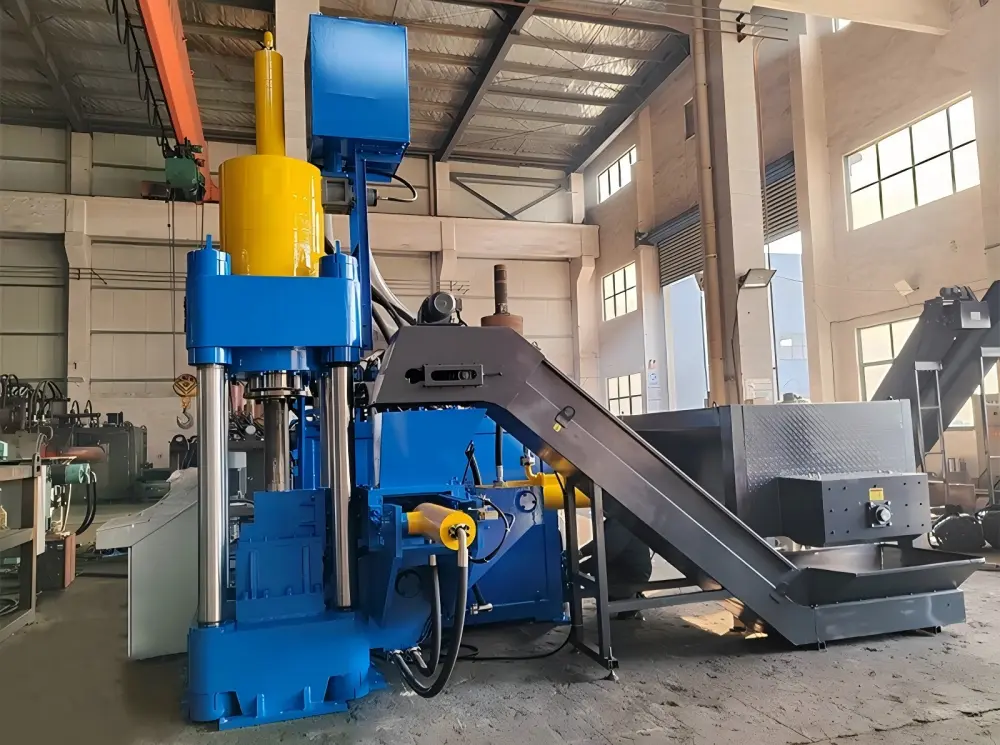
Vertical Briquetting Machines
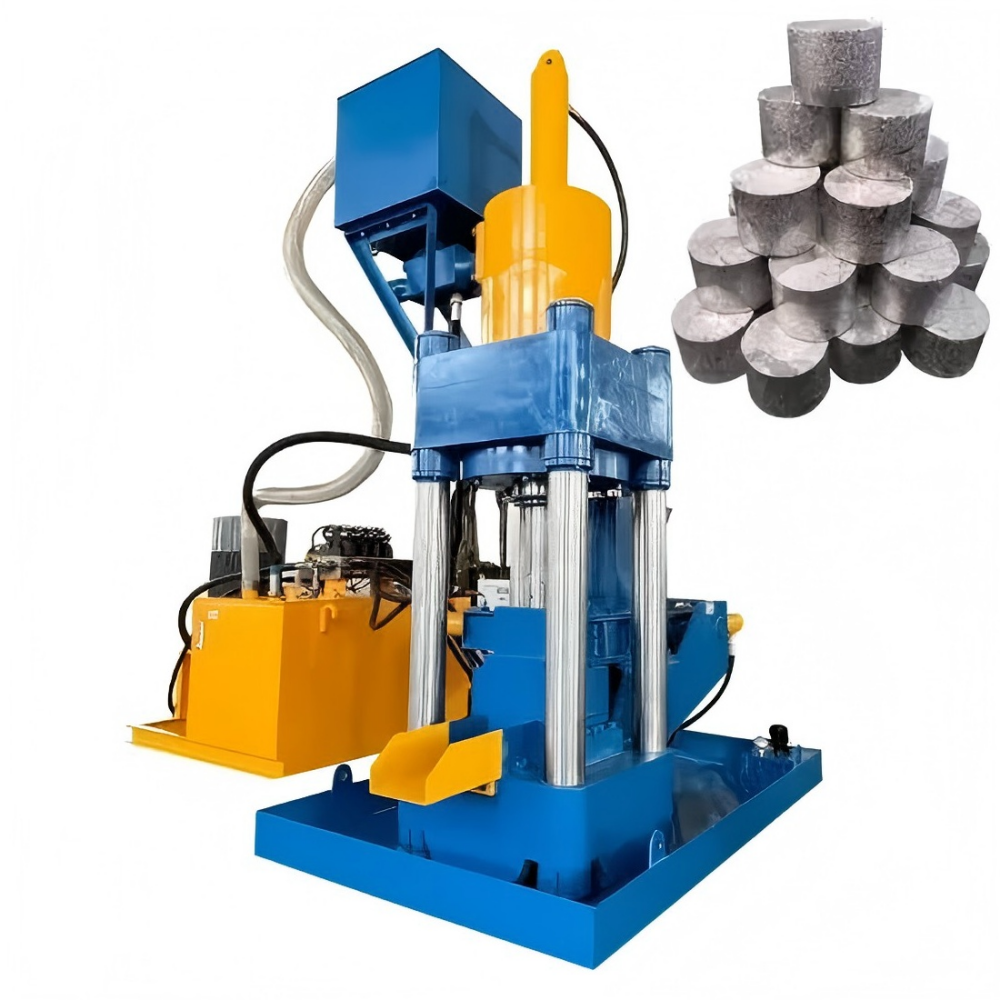
Vertical machines are generally more compact, making them ideal for facilities where floor space is at a premium. They use gravity to assist in the feeding process, which is effective for most metal chips. However, they may have limitations in terms of the maximum height of the briquette and can sometimes be slower in cycle time compared to horizontal models. They are excellent for aluminum and brass chips where the volume is moderate.
Horizontal Briquetting Machines
Horizontal machines are the workhorses of large-scale recycling. They allow for much larger hoppers and can be easily integrated into conveyor systems. Because the compression happens horizontally, these machines often feature a ‘pre-compression’ chamber that allows for faster cycle times and denser briquettes. They are preferred for heavy steel turnings and high-volume applications. While they require more floor space, their efficiency in a continuous production environment is unmatched.
Cooling and Filtration Systems
If you are processing wet chips, the configuration of the coolant recovery system is paramount. A high-quality supplier will offer integrated centrifugal pumps and multi-stage filtration to ensure the reclaimed coolant is clean enough to be reused in your CNC machines. Additionally, for machines operating in hot climates or under heavy loads, an industrial oil cooler (air or water-cooled) is a mandatory configuration to prevent hydraulic fluid degradation.
Hidden Costs: What the Quote Might Not Show
The ‘sticker price’ of a briquetting machine is rarely the total cost of ownership. When evaluating suppliers, ensure you account for these often-overlooked expenses:
- Shipping and Logistics: These machines are heavy (often 3 to 15 tons). International shipping, port fees, and inland trucking can add thousands to the cost. Ask if the supplier provides DDP (Delivered Duty Paid) or CIF (Cost, Insurance, and Freight) terms.
- Installation and Commissioning: Does the supplier send a technician to your site? If not, do they provide detailed video guides and remote support? Professional installation ensures the machine is leveled correctly and the hydraulic system is bled of air, preventing early-life failures.
- Hydraulic Oil: A medium-sized machine might require 400 to 800 liters of high-grade anti-wear hydraulic oil. This is rarely included in the machine price and represents a significant initial expense.
- Wear Parts and Consumables: The molds (dies) and punch pins are wear items. Depending on the abrasiveness of your material (e.g., cast iron is very abrasive), these may need replacement every 6-12 months. Check the price and availability of these parts from the supplier.
- Electrical Infrastructure: High-capacity machines have large motors (30kW to 75kW+). You may need to upgrade your factory’s electrical panel or install soft-starters/VFDs to handle the startup current.
ROI Calculation: Justifying the Investment
A briquetting machine is one of the few pieces of industrial equipment that can pay for itself in under 18 months. To calculate your ROI, consider the following factors:
- Increased Scrap Value: Smelters prefer briquettes over loose chips because they have less surface area (reducing oxidation/melt loss) and are easier to handle. Briquettes typically command a 15-25% premium over loose scrap.
- Coolant Recovery: If you process 10 tons of wet aluminum chips per month, you might be losing 500-1,000 liters of coolant. Reclaiming this fluid at a cost of $3-$5 per liter results in massive monthly savings.
- Reduced Logistics Costs: Compacting scrap reduces the number of truckloads required to haul waste away. If you reduce your scrap volume by 10x, you reduce your transport costs by nearly the same margin.
- Labor and Space: Automated briquetting eliminates the need for manual shoveling and frees up valuable floor space for production machinery.
Example: A facility producing 20 tons of steel chips per month might see a $100/ton increase in scrap value ($2,000/mo) and save $500/mo in coolant and $300/mo in transport. With a total saving of $2,800/mo, a $50,000 machine pays for itself in approximately 18 months.
Buying Advice: The Supplier Selection Checklist
Before signing a contract, use this checklist to vet your potential briquetting machine supplier. A ‘no’ to any of these points should be a red flag.
The Essential Checklist:
- Experience and Specialization: Does the supplier specialize in metal fabrication machinery? How many years have they been manufacturing briquetting presses?
- Material Testing: Will the supplier allow you to send a sample of your scrap for a test run? A reputable supplier like HARSLE will provide a video of your material being processed and send the resulting briquettes back to you for density inspection.
- Component Transparency: Can the supplier provide a detailed list of component brands (PLC, valves, motors, pumps)?
- After-Sales Support: What is the guaranteed response time for technical queries? Do they have a local service partner or a robust remote diagnostic system?
- Safety Compliance: Does the machine meet CE, ISO, or UL standards? Does it include emergency stops, safety interlocks on doors, and pressure relief valves?
- Documentation: Do they provide comprehensive manuals in your language, including hydraulic schematics and electrical diagrams?
- Spare Parts Availability: Do they keep critical wear parts in stock for immediate shipping?
Choosing a supplier is about building a partnership. The best suppliers offer more than just a machine; they offer a solution tailored to your specific waste stream and production goals.
Frequently Asked Questions (FAQ)
1. Can one machine handle different types of metal?
Yes, most hydraulic briquetting machines can handle various metals like aluminum, steel, and copper. However, the pressure settings and mold designs may need to be adjusted. If you plan to switch materials frequently, look for a machine with a PLC that allows you to save different ‘recipes’ or profiles.
2. What is the ideal moisture content for briquetting?
While briquetting machines are excellent at squeezing out fluids, extremely high moisture content (over 15-20%) can lead to ‘splashing’ during compression. Most industrial machines include a collection tray and pump to handle this, but for very wet sludge, a pre-centrifuge might be recommended.
3. How dense are the briquettes?
Density depends on the material and the machine’s pressure. For aluminum, briquettes typically reach 2.2-2.5 g/cm³, which is about 80-90% of the density of solid aluminum. Steel briquettes are even denser. High density is crucial for preventing the briquettes from crumbling during transport.
4. Do I need to crush my scrap before briquetting?
If your scrap consists of long, ‘stringy’ turnings or large ‘birds’ nests,’ you will likely need a chip crusher or shredder before the material enters the briquetting machine hopper. Most automated systems include a small agitator in the hopper to break up minor clumps, but large turnings require a dedicated pre-processing step.
5. What maintenance is required?
Daily maintenance involves checking oil levels and cleaning the sensors. Weekly, you should inspect the mold and punch for wear. Monthly, check the hydraulic filters and tighten any loose bolts caused by vibration. Changing the hydraulic oil every 2,000-4,000 hours is standard for industrial use.
6. How do I know what size machine I need?
Calculate your average hourly scrap production during your busiest shift. It is usually best to size the machine at 1.2x to 1.5x your average output to allow for future growth and to ensure the machine isn’t constantly running at 100% capacity, which extends its lifespan.
7. Is a horizontal or vertical machine better for aluminum?
For aluminum, both work well. However, because aluminum is light and voluminous, a vertical machine with a large gravity-fed hopper is often the most cost-effective solution for small to medium shops. For high-volume automotive aluminum scrap, a horizontal machine with a conveyor feed is superior.