What to Check Before Buying a Briquetting Machine: A Comprehensive Industrial Guide

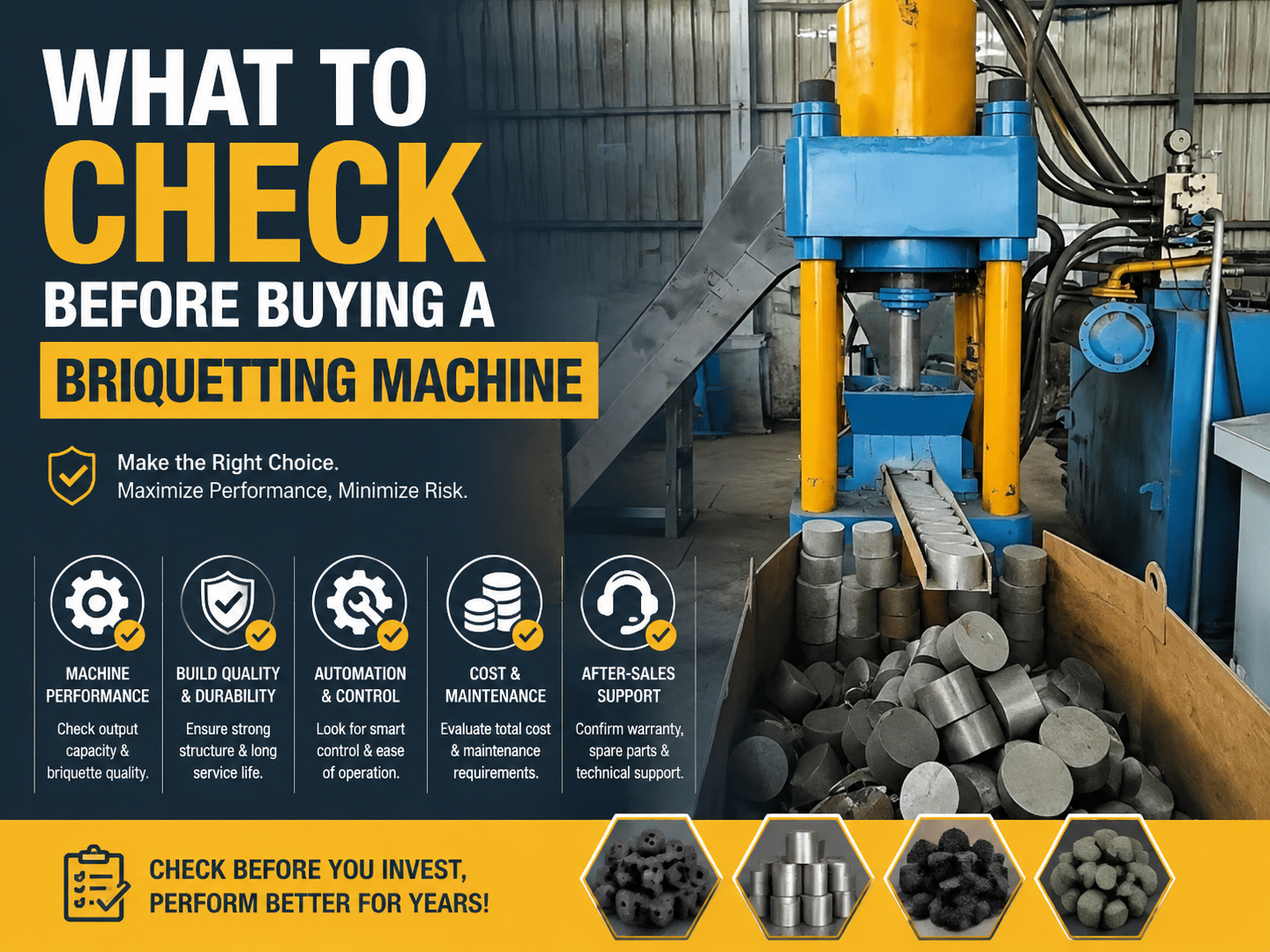
Introduction to Briquetting Technology in Modern Manufacturing
In the contemporary landscape of metal fabrication and industrial recycling, the briquetting machine has transitioned from a luxury to a necessity. As environmental regulations tighten and the cost of raw materials continues to fluctuate, the ability to convert loose metal chips, turnings, and swarf into dense, manageable blocks offers significant economic advantages. However, the market is flooded with various models, ranging from small-scale units to massive industrial systems. Knowing exactly what to check before buying a briquetting machine is the difference between a high-return investment and a costly operational headache.
A briquetting machine works by applying immense hydraulic pressure to loose materials, compressing them into a solid form without the need for binders in most metal applications. This process not only reduces the volume of waste by up to 90%, making storage and transport much cheaper, but it also increases the melting yield in furnaces. Loose chips often burn up (oxidize) before they melt, whereas briquettes sink into the melt, significantly reducing material loss. This guide will walk you through every critical checkpoint to ensure your equipment selection aligns with your production goals and budget.
Price Range Overview: Understanding the Market Tiers
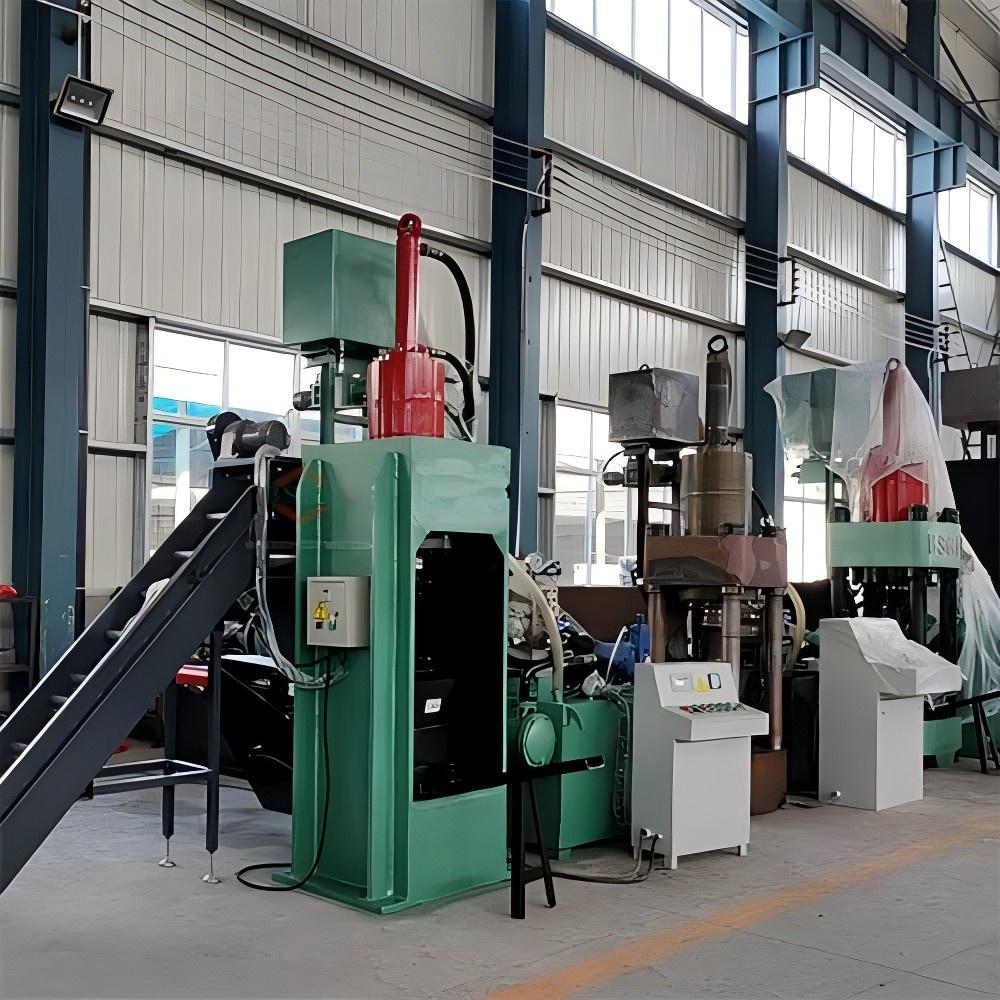
When you begin your search, the first thing you will notice is the wide variance in pricing. Generally, briquetting machines are categorized into three main price tiers based on their capacity, pressure, and automation levels. Understanding these tiers helps you set a realistic budget and avoid overpaying for features you don’t need or under-investing in a machine that cannot handle your workload.
Entry-level machines typically range from $15,000 to $35,000. These are often designed for smaller workshops or facilities that produce a limited amount of scrap (less than 200-300 kg per hour). While they are capable of producing high-quality briquettes, they may lack advanced cooling systems or high-speed cycles, making them unsuitable for 24/7 continuous operation. They are excellent for businesses looking to test the waters of briquetting without a massive capital outlay.
Mid-range industrial machines fall between $40,000 and $85,000. This is the most common category for medium-sized fabrication plants. These machines offer higher tonnage (often 200 to 500 tons of pressure), better hydraulic components, and more robust PLC (Programmable Logic Controller) systems. They are built for multi-shift operations and can handle tougher materials like steel or titanium chips more effectively than entry-level models.
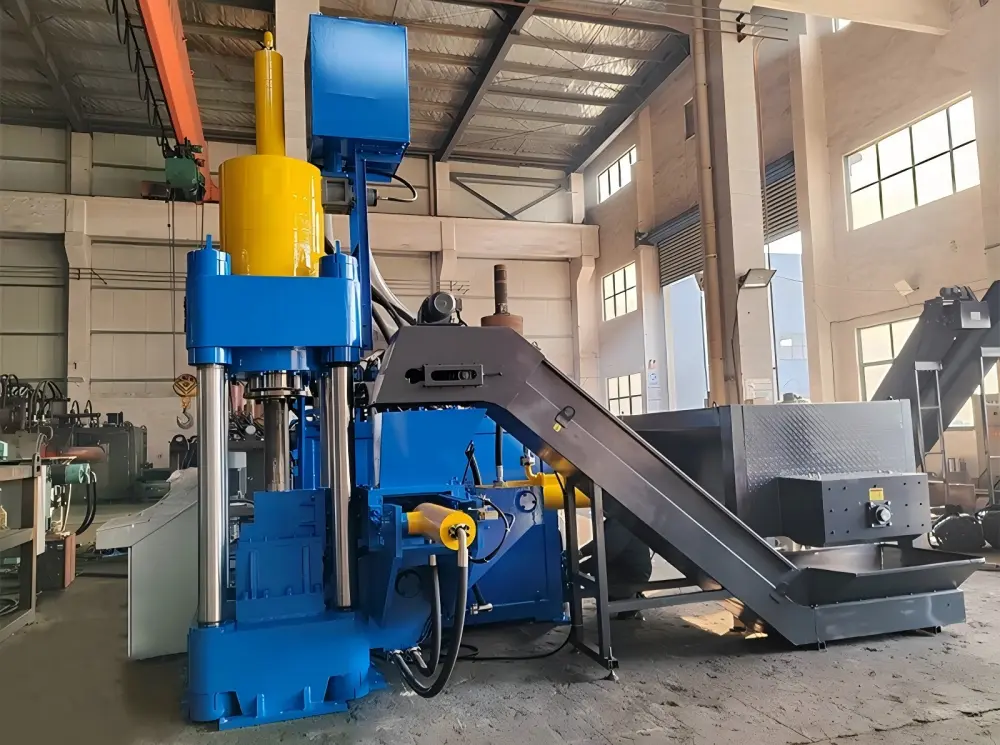
High-end, fully automated systems can exceed $150,000. These machines are the workhorses of large-scale recycling centers and massive manufacturing plants. They feature integrated conveyor systems, automatic weighing, advanced filtration for cutting fluids (coolant recovery), and remote monitoring capabilities. At this price point, you are paying for maximum efficiency, minimal labor intervention, and the highest possible throughput (often exceeding 2 tons per hour).
Main Cost Drivers: What Influences the Final Quote?
Several technical factors dictate the price of a briquetting machine. The most significant is the nominal pressure (tonnage). A machine designed to compress aluminum requires less force than one designed for steel or cast iron. As the required tonnage increases, the size of the hydraulic cylinders, the thickness of the frame, and the power of the motor must all increase, driving up the cost. When you check before buying a briquetting machine, always match the tonnage to your specific material density requirements.
The production capacity (throughput) is another major driver. A machine that produces 500 kg/h requires a faster cycle time and more robust feeding mechanisms than a 100 kg/h machine. This often involves larger hydraulic pumps and more sophisticated valve blocks to manage the high-speed flow of oil. If your production volume is high, investing in a faster machine is essential to prevent a bottleneck in your waste management stream.
Material compatibility also plays a role. If you are processing abrasive materials or materials with high moisture content (coolant), the machine requires specialized seals, hardened wear plates, and potentially a stainless steel hopper. These modifications add to the initial cost but are vital for the machine’s longevity. Furthermore, the level of automation—from manual loading to fully integrated sensor-driven feeding—can add 20-30% to the base price of the machine.
Configuration Impact: Technical Specs to Verify
The internal configuration of the machine determines its reliability and ease of maintenance. One of the first things to check is the hydraulic system brand. High-quality machines often use components from reputable brands like Rexroth, Vickers, or Yuken. These components are not only more reliable but also easier to source globally when repairs are needed. A cheap, generic hydraulic valve might save money upfront but can lead to weeks of downtime if it fails and a replacement cannot be found locally.
The PLC and Electrical System are equally important. Modern briquetting machines should be equipped with a user-friendly interface (HMI) and a reliable PLC like Siemens or Schneider. This allows for precise control over the compression cycle, pressure holding times, and safety interlocks. Check if the machine includes features like automatic error diagnostics, which can significantly reduce troubleshooting time.
Don’t overlook the cooling system. Compressing metal generates significant heat, both in the material and the hydraulic oil. For continuous operation, an efficient oil cooling system (either air-cooled or water-cooled) is mandatory. Without it, the hydraulic oil will thin out, leading to seal failure and loss of pressure. Additionally, consider the briquette diameter and shape. Some machines offer interchangeable molds, allowing you to produce different sizes of briquettes depending on your furnace requirements or customer demands.
Hidden Costs: Beyond the Purchase Price
When calculating the total cost of ownership, many buyers forget to account for the “hidden” expenses. Shipping and Installation can be substantial, especially for heavy industrial machinery. You may need to hire a crane for offloading and a specialized technician for the initial setup and calibration. Ensure you know whether the manufacturer provides on-site commissioning or if that is an additional fee.
Hydraulic Oil is another significant initial and ongoing cost. A large briquetting machine might require several hundred liters of high-grade hydraulic oil. Furthermore, you must factor in the cost of wear parts. The compression chamber, the piston head, and the feeding screws are subject to intense friction and will eventually need replacement. Ask the manufacturer for a list of recommended spare parts and their expected lifespan.
Power Consumption is a long-term operational cost that varies wildly between machines. A machine with an inefficient hydraulic circuit will waste electricity and generate excess heat. Look for machines with “energy-saving” modes or variable frequency drives (VFDs) that adjust the motor speed based on the load. Finally, consider training costs. Your operators need to understand how to safely operate the machine, perform basic maintenance, and clear jams. Proper training reduces the risk of expensive accidents and extends the life of the equipment.
ROI Calculation: Is the Investment Worth It?
To justify the purchase, you must perform a Return on Investment (ROI) calculation. The primary source of ROI is the price difference between loose scrap and briquetted scrap. Foundries and recyclers often pay a premium for briquettes because they are easier to handle and yield more metal during melting. For example, if loose aluminum chips sell for $800 per ton and briquettes sell for $1,100 per ton, you are gaining $300 in value for every ton processed.
Another factor is coolant recovery. Many briquetting machines are designed to squeeze out the cutting fluids trapped in the metal chips. This fluid can be filtered and reused in your CNC machines, saving thousands of dollars annually in coolant purchases. Additionally, consider the reduction in floor space and transport costs. If you currently pay for five truckloads of loose scrap per month, briquetting might reduce that to a single truckload, drastically cutting your logistics expenses.
A typical ROI calculation looks like this:
Monthly Savings = (Tons of Scrap x Premium per Ton) + (Liters of Recovered Coolant x Cost per Liter) – (Electricity + Labor + Maintenance Costs).
In many high-volume shops, a briquetting machine can pay for itself in 12 to 18 months. If your payback period is under two years, the investment is generally considered highly favorable.
Buying Advice: A Step-by-Step Checklist
Before you sign any purchase agreement, follow this checklist to ensure you are making the right choice:
- Test with Your Own Material: Never buy a machine based on a video of it processing someone else’s scrap. Send a sample of your actual material to the manufacturer for a test run. This confirms the machine can achieve the desired density and throughput with your specific chips.
- Check the Frame Rigidity: A briquetting machine undergoes immense stress. Look for a heavy, welded steel frame. If the machine looks “light,” it will likely vibrate excessively and suffer from fatigue cracks over time.
- Verify Safety Features: Ensure the machine has emergency stops, safety guards, and pressure relief valves. It should comply with local safety standards (like CE or UL).
- Evaluate After-Sales Support: Ask for references from other customers in your region. Does the manufacturer provide remote technical support? How quickly can they ship spare parts?
- Consider Future Growth: Don’t buy a machine that just barely meets your current needs. If you expect your production to grow by 20% next year, choose a machine with the capacity to handle that increase.
| Feature | Entry-Level | Industrial Standard | High-Performance |
|---|---|---|---|
| Pressure (Tons) | 100 – 150T | 200 – 400T | 500T+ |
| Cooling System | Optional / Basic | Standard Air-Cooled | Advanced Water-Cooled |
| Control System | Basic Relay/PLC | Siemens/Schneider PLC | Integrated IoT / Remote |
| Material Suitability | Soft metals (Al, Cu) | Steel, Cast Iron, Al | All metals + Alloys |
Frequently Asked Questions
How long does a briquetting machine last?
With proper maintenance, a high-quality industrial briquetting machine can last 10 to 15 years or more. The key is regular hydraulic oil changes, timely replacement of wear parts, and ensuring the machine is not consistently operated beyond its rated capacity.
Can one machine handle different types of metal?
Yes, most machines can handle different metals, but the settings (like pressure and cycle time) may need to be adjusted. However, mixing metals in the same briquette is usually avoided as it lowers the scrap value. If you switch materials, you should clean the hopper and chamber thoroughly.
What is the ideal moisture content for briquetting?
For metal briquetting, the machine can usually handle chips that are saturated with coolant. The machine will squeeze the liquid out through specialized drainage ports. However, for non-metal materials like wood or biomass, moisture content usually needs to be below 15% for the briquette to hold its shape.
Do I need a binder to make metal briquettes?
In almost all metal applications, no binder is required. The high pressure causes the metal chips to deform and interlock, creating a solid block. Only in very specific cases with extremely fine powders might a binder be considered, but this is rare in standard fabrication scrap management.
How much maintenance does the machine require?
Daily maintenance involves checking oil levels and cleaning the sensors. Weekly, you should check for leaks and inspect the wear plates. Monthly or quarterly, depending on usage, you may need to grease moving parts and check the condition of the hydraulic filters. A well-maintained machine is a reliable machine.