
How to Select the Right Aluminium Extrusion Press Manufacturer and Supplier

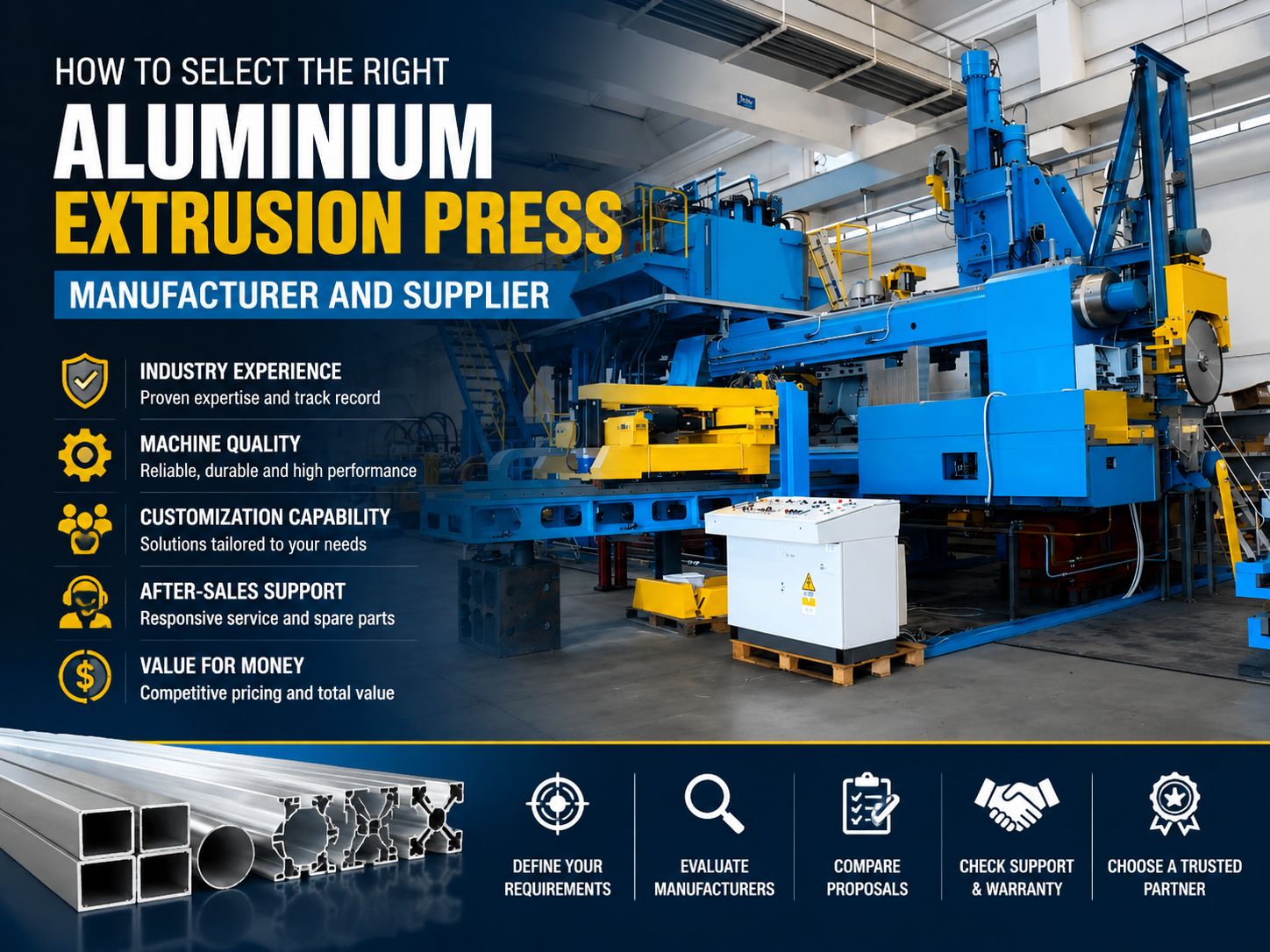
Introduction to Selecting an Aluminium Extrusion Press Partner
The global demand for aluminium profiles—driven by the automotive, construction, and renewable energy sectors—has made the aluminium extrusion press one of the most critical investments for modern metal fabrication facilities. However, the process to select aluminium extrusion press manufacturer supplier partners is fraught with technical complexities and significant financial stakes. A wrong choice can lead to years of suboptimal production, high maintenance costs, and poor product quality. Conversely, a strategic partnership with a reputable manufacturer like HARSLE ensures long-term operational efficiency and a competitive edge in the market.
Selecting a supplier is not merely about comparing price tags; it is about evaluating engineering prowess, after-sales support, and the ability to customize machinery to specific production needs. This guide provides a deep dive into the economic and technical factors that should influence your decision-making process, ensuring that your investment yields the highest possible return.
Price Range Overview: Understanding the Market Landscape
When you begin to select aluminium extrusion press manufacturer supplier options, the first thing you will notice is the vast disparity in pricing. The cost of an aluminium extrusion press is primarily dictated by its tonnage (clamping force), automation level, and the country of origin. Generally, the market is divided into three tiers: entry-level, mid-range, and high-end industrial systems.
For small-scale operations or those focusing on simple profiles, a 600-ton to 1000-ton press might range from $150,000 to $450,000. These machines are often semi-automatic and require more manual intervention. Mid-range presses, typically between 1450 tons and 2500 tons, are the workhorses of the industry, costing anywhere from $600,000 to $1.8 million. These units often feature advanced PLC controls and integrated handling systems. Large-scale industrial presses exceeding 3600 tons can easily surpass $3 million to $5 million, depending on the complexity of the auxiliary equipment.
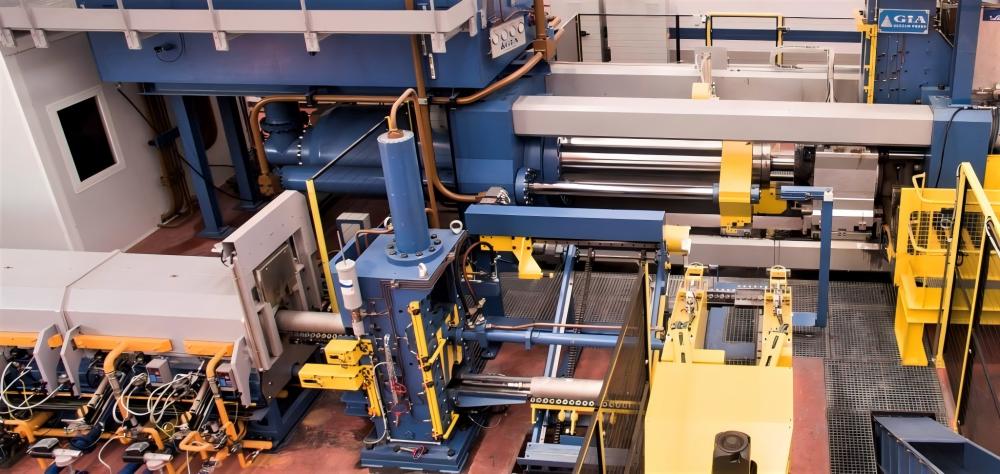
It is also important to consider the regional pricing differences. European and North American manufacturers often command a premium due to brand heritage and localized service networks. However, leading Chinese manufacturers like HARSLE have bridged the gap, offering high-performance machinery that rivals Western standards at a more competitive price point, thanks to optimized supply chains and specialized manufacturing clusters.
Main Cost Drivers in Aluminium Extrusion Machinery
To effectively select aluminium extrusion press manufacturer supplier partners, you must understand what drives the final invoice. The primary cost driver is the quality of the raw materials used in the press frame and main cylinder. High-tensile forged steel for the main cylinder and pre-stressed tie rods are essential for withstanding the immense pressures involved in extrusion. Cheaper machines may use cast components that are prone to fatigue and cracking over time.
The hydraulic system is another major cost component. A press is only as good as its ability to control oil flow and pressure. Suppliers who utilize world-class components from brands like Rexroth, Parker, or Vickers will naturally have higher upfront costs. These components offer superior response times, better energy efficiency, and longer service intervals compared to generic alternatives. Furthermore, the complexity of the hydraulic circuit—such as the inclusion of servo-driven pumps—can significantly impact the price but offers massive savings in electricity consumption.
Control systems and software also play a pivotal role. A modern extrusion press requires sophisticated PLC (Programmable Logic Controller) systems, such as those from Siemens or Schneider Electric, to manage the extrusion speed, temperature, and pressure in real-time. The integration of “Industry 4.0” features, such as remote diagnostics and data logging, adds to the initial cost but is indispensable for modern quality control and predictive maintenance.
Configuration Impact: Tailoring the Machine to Your Needs
The configuration of the press is where the technical requirements of your product meet the capabilities of the machine. One of the first decisions is between direct and indirect extrusion. Direct extrusion is the most common, offering versatility for a wide range of profiles. Indirect extrusion, while more expensive due to the complex tooling and hollow stem requirements, offers lower friction and more uniform grain structure in the finished product.
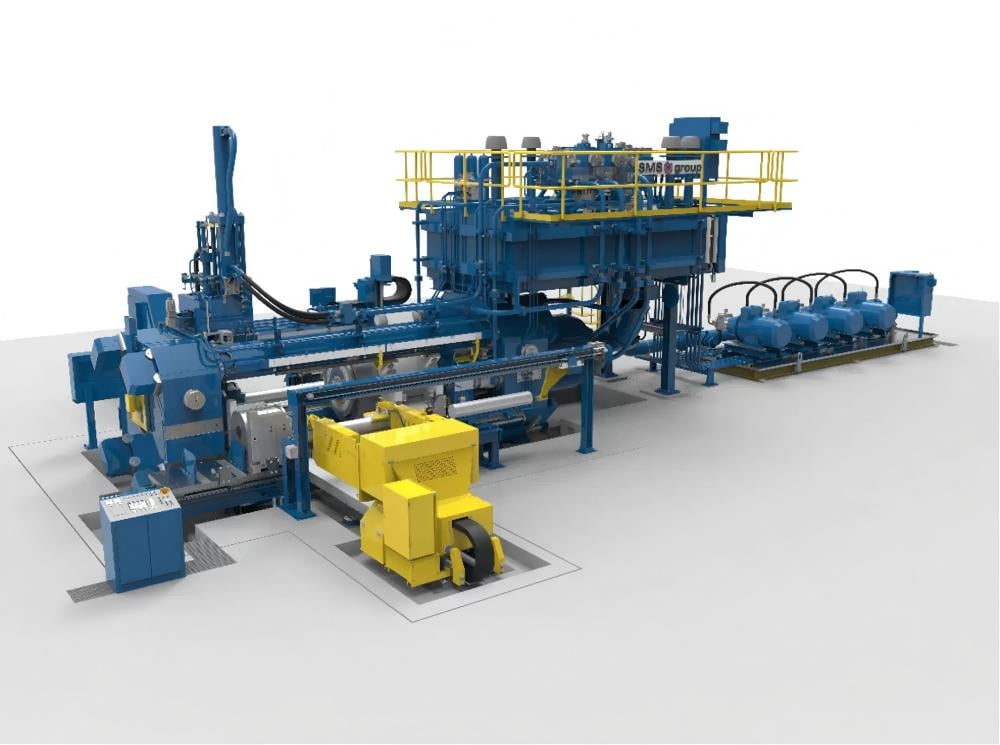
Automation levels are a critical configuration choice. A basic press requires manual billet loading and profile handling. However, to maximize throughput, most buyers opt for an integrated line that includes a billet heater (log furnace), an automatic puller, a cooling table, and a profile stretcher. The level of synchronization between these components determines the overall cycle time of the plant. High-end configurations might also include “double-action” capabilities for seamless tube production, which involves an internal mandrel system.
The cooling system configuration is equally vital. Depending on the alloys you intend to extrude (e.g., 6000 series vs. 7000 series), you may need air cooling, water mist, or full water quench systems. The choice of cooling technology affects the mechanical properties of the aluminium and the speed at which the press can operate without compromising quality.
Hidden Costs: What to Look for Beyond the Quote
When you select aluminium extrusion press manufacturer supplier candidates, the “sticker price” is rarely the total cost of ownership. Hidden costs can quickly erode your budget if not accounted for during the planning phase. Shipping and logistics are the first major hurdles. These machines are massive and often require specialized heavy-lift vessels and multi-modal transport, which can cost tens of thousands of dollars depending on the destination.
Installation and commissioning are often overlooked. A proper installation requires a reinforced concrete foundation, often several meters deep, to handle the vibration and weight of the press. Most manufacturers will send a team of engineers for commissioning, but the buyer is usually responsible for their travel, lodging, and daily stipends. Additionally, the initial fill of hydraulic oil can be a significant expense, as a large press may require 5,000 to 10,000 liters of high-grade hydraulic fluid.
Training and spare parts inventory are the final pieces of the hidden cost puzzle. Operating an extrusion press is a skilled trade. If your supplier does not provide comprehensive training for your operators and maintenance staff, you will face higher scrap rates and more frequent breakdowns. Furthermore, maintaining a stock of critical wear parts—such as dummy blocks, stems, and container liners—is essential to avoid weeks of downtime while waiting for a shipment from overseas.
ROI Calculation: Measuring the Value of Your Investment
Calculating the Return on Investment (ROI) for an aluminium extrusion press involves more than just dividing the cost by the profit per ton. You must look at the “Total Cost of Ownership” (TCO) over a 10-to-15-year horizon. A key factor in ROI is the reduction of the scrap rate. High-precision presses with stable extrusion speeds produce fewer “off-spec” profiles, directly increasing the yield from every billet of raw material.
Energy efficiency is another massive contributor to ROI. Modern presses equipped with servo-hydraulic systems can reduce energy consumption by 30% to 50% compared to traditional constant-delivery pump systems. In regions with high electricity costs, these savings can pay for the price difference of a premium machine within just 24 to 36 months. Additionally, consider the impact of cycle time. A press that can shave 5 seconds off a 60-second cycle increases total daily output by nearly 10%, which significantly accelerates the payback period.
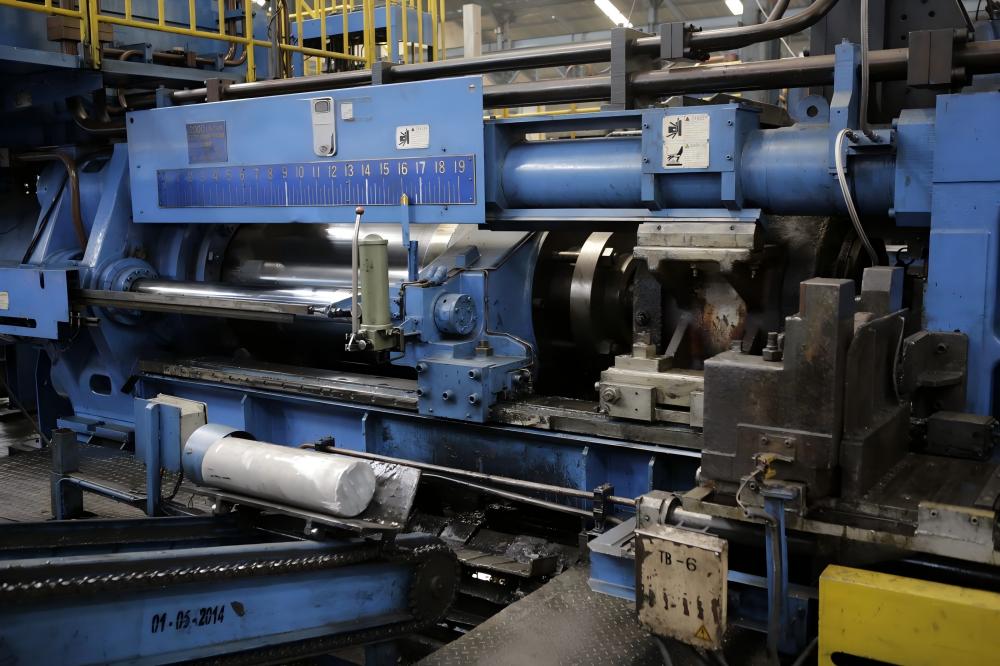
To calculate a basic ROI, use the following formula: ROI = (Annual Net Profit from Production – Annual Operating Costs) / Total Investment Cost. However, also factor in the “opportunity cost” of downtime. A reliable supplier like HARSLE, which offers robust technical support, ensures that your machine stays running, protecting your ROI from the devastating effects of unplanned outages.
Buying Advice: How to Vet Your Supplier
To successfully select aluminium extrusion press manufacturer supplier partners, you must conduct rigorous due diligence. Start by requesting a reference list of active installations. If possible, visit a factory that is currently using the manufacturer’s equipment. Observe the machine in a real-world production environment, paying close attention to noise levels, oil leaks, and the ease of use of the control interface.
Evaluate the manufacturer’s engineering depth. Do they have an in-house R&D team? Can they provide customized solutions for specific profile geometries? A supplier that simply assembles off-the-shelf components is less likely to provide the level of support needed for complex extrusion challenges. Furthermore, scrutinize the warranty terms. A standard 12-month warranty is common, but look for suppliers who offer extended support for the frame and main cylinder, as these are the most critical components.
Finally, consider the communication and cultural fit. Industrial machinery is a long-term relationship. You need a supplier that responds quickly to technical queries and has a clear process for shipping spare parts. HARSLE, for instance, has built a reputation for transparent communication and a dedicated international service team, making them a preferred choice for global buyers looking for reliability and value.
Frequently Asked Questions (FAQ)
1. What is the typical lead time for a new aluminium extrusion press?
The lead time generally ranges from 6 to 10 months. This includes the engineering phase, component procurement, manufacturing, and factory testing. Custom-designed or very high-tonnage presses may take up to 12 months or more.
2. Can I extrude different alloys on the same press?
Yes, but it requires different temperature settings, extrusion speeds, and potentially different cooling methods. When you select aluminium extrusion press manufacturer supplier, ensure the control system has a “recipe” management feature to easily switch between different alloy profiles.
3. How often does an extrusion press require major maintenance?
Daily and weekly inspections are mandatory for hydraulic seals and lubrication. A major overhaul, including checking the alignment of the stem and container and inspecting the main cylinder seals, is typically recommended every 2 to 3 years of continuous operation.
4. Is it better to buy a new press or a refurbished one?
While refurbished presses have a lower initial cost, they often lack modern energy-saving features and advanced PLC controls. For long-term competitiveness, a new press with a warranty and modern efficiency standards is usually the better investment.
5. What are the space requirements for a complete extrusion line?
A complete line, including the furnace, press, cooling table, and stretcher, requires significant floor space. For a 1000-ton press, you should plan for an area of at least 50 meters in length and 10 meters in width, plus additional space for raw material storage and finished goods.
6. How does the billet diameter affect the press selection?
The billet diameter is directly tied to the press tonnage. For example, a 5-inch billet is typically used with a 1000-ton press, while an 8-inch billet requires at least 2000 to 2500 tons. Choosing the right tonnage for your target profile size is crucial for efficiency.












