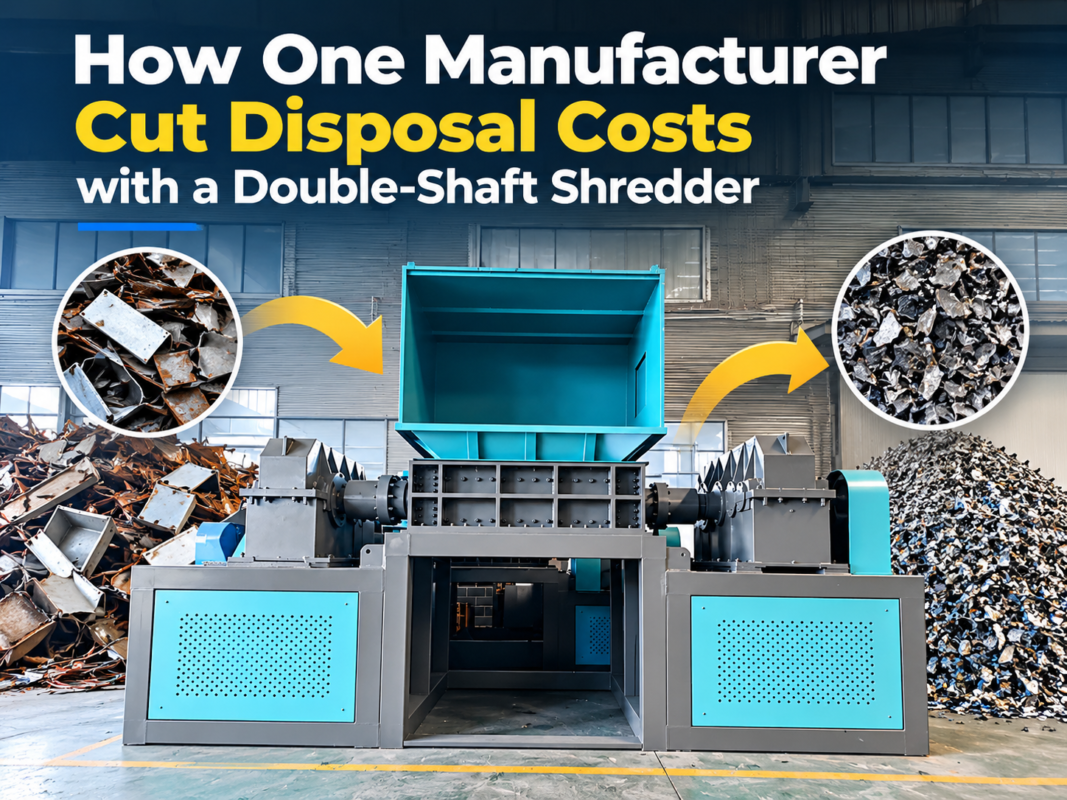
Complete Buyer’s Guide to Aluminium Extrusion Press Equipment for 2026

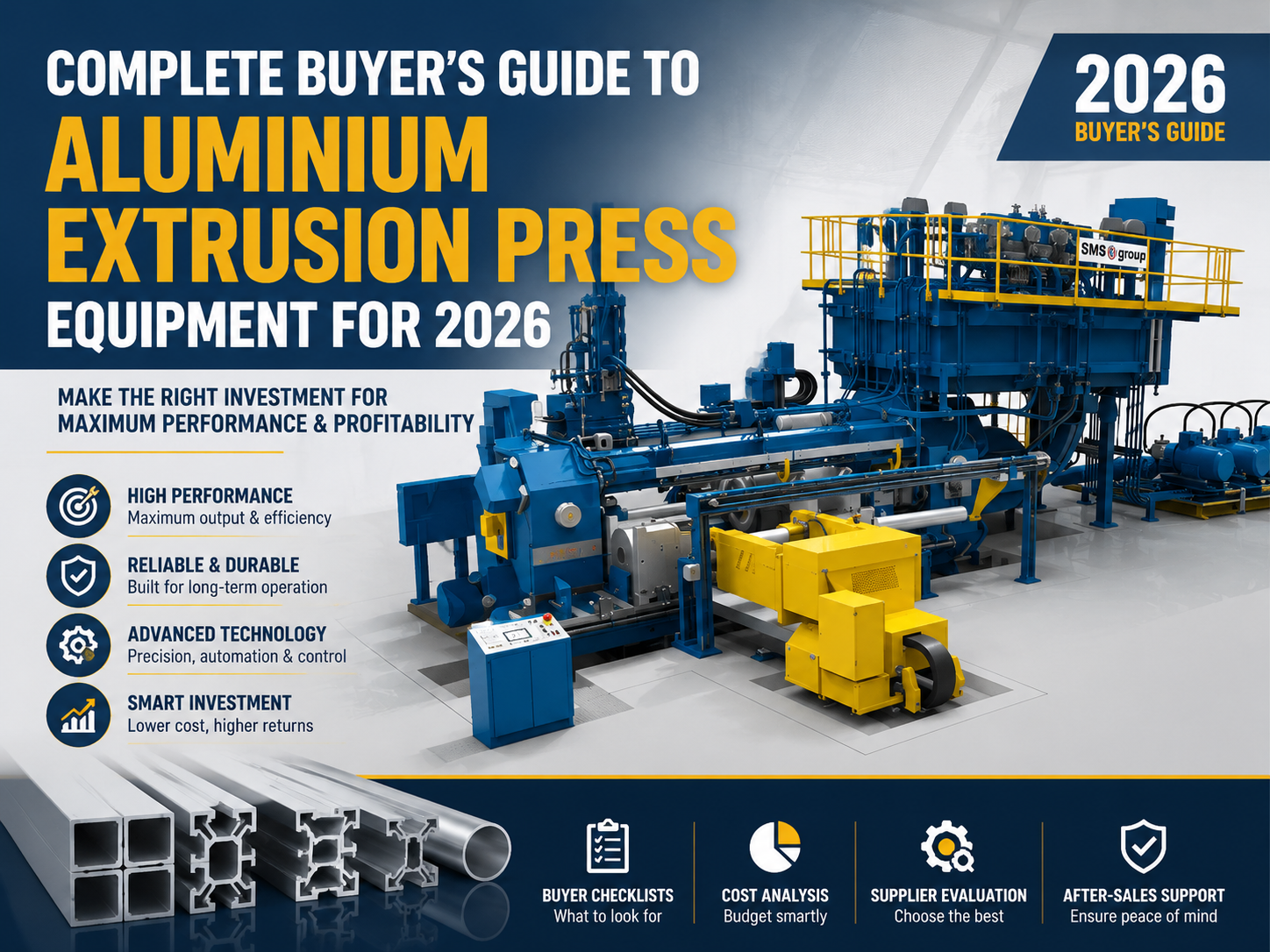
Introduction to the 2026 Aluminium Extrusion Market
As we move into 2026, the global demand for aluminium profiles is reaching unprecedented heights. Driven by the rapid expansion of the electric vehicle (EV) sector, sustainable construction practices, and high-tech aerospace applications, the need for precision-engineered aluminium extrusion press equipment has never been more critical. For manufacturers, investing in a new press is not just a capital expenditure; it is a strategic move to secure a position in a competitive, green-energy-focused economy. This Complete Buyer’s Aluminium Extrusion Press Equipment 2026 guide is designed to navigate the complexities of modern machinery, ensuring you make an informed decision that balances cost, performance, and future-proofing.
The technology surrounding aluminium extrusion has evolved significantly over the last five years. We are seeing a shift from traditional hydraulic systems to high-efficiency servo-driven units, integrated with AI-based monitoring systems. These advancements allow for tighter tolerances, reduced scrap rates, and significantly lower energy consumption. Whether you are a seasoned extruder looking to upgrade your line or a newcomer entering the fabrication industry, understanding the nuances of the 2026 equipment landscape is essential for long-term profitability.
Price Range Overview: What to Expect in 2026
The cost of aluminium extrusion press equipment varies wildly based on tonnage, automation level, and the country of origin. In 2026, market prices have stabilized following the supply chain disruptions of the early 2020s, but high-end components and advanced software integration have kept the floor prices higher than a decade ago. Generally, the industry categorizes these machines by their pressing force, measured in metric tons (T).
| Press Capacity (Tonnage) | Estimated Price Range (USD) | Typical Applications |
|---|---|---|
| 600T – 1000T | $180,000 – $450,000 | Small profiles, heat sinks, window frames, decorative trim. |
| 1450T – 2500T | $550,000 – $1,300,000 | Standard architectural profiles, automotive components, solar frames. |
| 3000T – 5500T | $1,800,000 – $4,500,000 | Heavy industrial parts, EV battery trays, structural aerospace components. |
| 6000T+ | $5,000,000+ | Large-scale infrastructure, high-speed rail, specialized marine parts. |
It is important to note that these prices often reflect the press itself. A complete extrusion line, which includes the billet heating furnace, the cooling table, the puller, and the aging oven, can easily double the initial investment. When reviewing quotes, always clarify if you are looking at a standalone machine or a turnkey solution. In 2026, many buyers are opting for mid-range tonnage machines (1800T to 2500T) as they offer the most versatility for the growing EV and solar markets.
Main Cost Drivers in Modern Extrusion Equipment
Understanding why one 2000T press costs $600,000 while another costs $1.1 million is vital for any procurement officer. The primary cost driver in 2026 is the Hydraulic and Drive System. Traditional hydraulic systems are cheaper upfront but expensive to run. Modern servo-hydraulic systems, which use variable frequency drives to control pump speed, can add 15-25% to the initial cost but reduce energy bills by up to 40%. Brands like HARSLE have pioneered the integration of these systems to provide a balance between performance and cost-efficiency.
The second major driver is the Control System and Software. In 2026, “dumb” machines are a thing of the past. High-end presses now feature Industry 4.0 integration, allowing for real-time data logging, remote diagnostics, and predictive maintenance. The inclusion of high-quality PLCs (such as Siemens S7-1500 series or Schneider Electric equivalents) and sophisticated HMI (Human Machine Interface) panels adds to the cost but ensures the machine can be integrated into a smart factory environment.
Material quality and frame construction also play a significant role. A press frame that is cast as a single piece or uses high-grade forged steel will resist deformation over decades of use. Cheaper machines may use welded plates that can fatigue over time, leading to alignment issues and poor profile quality. Furthermore, the precision of the container heating system and the billet loader’s speed directly impact cycle times, which is a hidden but powerful cost factor in the long run.
Configuration Impact: Tailoring the Machine to Your Needs
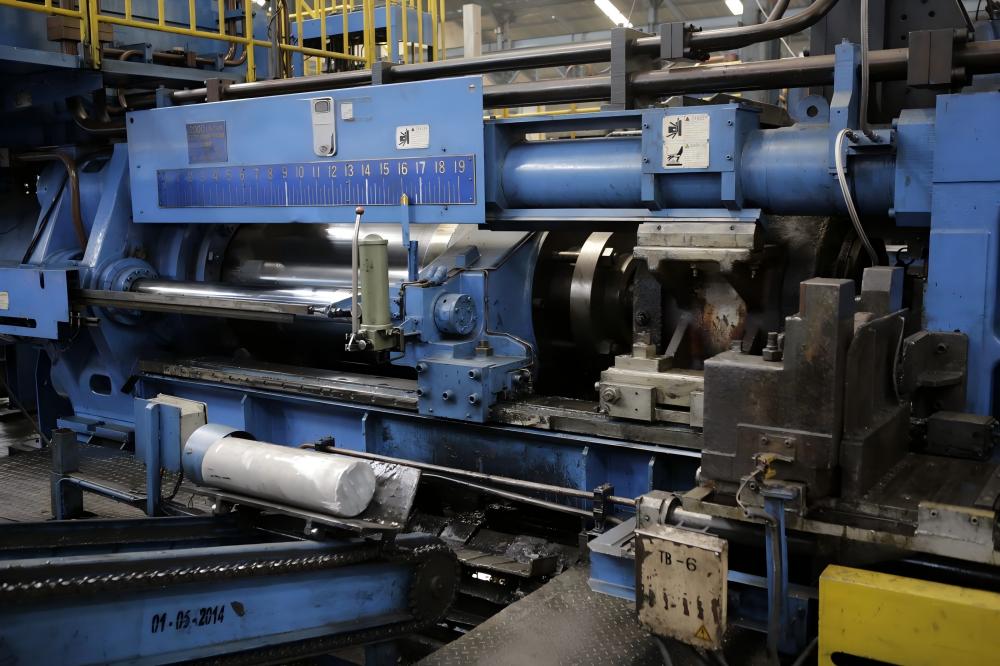
The configuration of your Complete Buyer’s Aluminium Extrusion Press Equipment 2026 should be dictated by your specific product mix. One of the first decisions is between Direct and Indirect Extrusion. Direct extrusion is the most common, where the ram pushes the billet through a stationary die. It is versatile and easier to maintain. Indirect extrusion, where the die moves against the billet, reduces friction and allows for faster extrusion speeds and more uniform grain structures, though the machinery is more complex and expensive.
Another critical configuration choice is the Single-Action vs. Double-Action press. Single-action presses are standard for solid and simple hollow profiles. However, if you intend to produce complex seamless tubes or high-strength alloys for the aerospace sector, a double-action press with an internal piercing mandrel is required. This configuration adds significant mechanical complexity and cost but opens up high-margin market segments that single-action competitors cannot reach.
The auxiliary equipment configuration is equally important. In 2026, the “Handling System” is often the bottleneck. A high-speed press is useless if the cooling table and puller cannot keep up. Buyers should look for multi-stage cooling (air and water mist) and double-puller systems that allow for continuous extrusion without stopping for the cut-off. These configurations ensure that the press operates at its maximum theoretical output, maximizing the utility of the heavy investment.
Hidden Costs: Beyond the Purchase Price
When budgeting for Complete Buyer’s Aluminium Extrusion Press Equipment 2026, many first-time buyers overlook the substantial “hidden” costs associated with installation and operation. The most significant of these is Foundation and Civil Works. An extrusion press exerts massive forces; it requires a specialized reinforced concrete pit with precise leveling. Depending on your soil conditions and the size of the press, foundation work can cost between $30,000 and $150,000.
Shipping and logistics are another major factor. These machines are oversized and overweight, requiring specialized heavy-lift vessels and multi-axle trailers. In 2026, international shipping rates remain a variable that must be locked in early. Additionally, the Initial Hydraulic Oil Fill is a surprising expense. A 2000T press may require 5,000 to 8,000 liters of high-grade hydraulic oil. At current market prices, this can represent an immediate $15,000 to $25,000 cost before the machine even turns on.
- Training and Commissioning: Expect to pay for the manufacturer’s engineers to stay on-site for 2-4 weeks.
- Spare Parts Package: A critical “wear and tear” kit (seals, heaters, sensors) is essential to avoid downtime.
- Environmental Compliance: Systems for oil filtration and smoke extraction are often required by local regulations.
- Tooling and Dies: While not part of the machine, a diverse die library is a continuous operational investment.
ROI Calculation: Making the Business Case
Calculating the Return on Investment (ROI) for an aluminium extrusion press involves more than just subtracting the machine cost from the revenue. In 2026, the focus is on Total Cost of Ownership (TCO). To calculate ROI, you must look at the cycle time reduction. If a new HARSLE press can reduce the cycle time by 10 seconds compared to an older model, and you run three shifts, that equates to thousands of extra tons of production per year.
Energy savings are the second pillar of ROI. With global energy prices remaining volatile, a servo-driven press that saves 30% on electricity can pay for its price premium in less than three years. Furthermore, consider the Scrap Rate. Modern presses with precision alignment and stable pressure control reduce the “butt end” thickness and minimize profile twisting, leading to a higher yield of saleable material from every billet. A 2% increase in yield can translate to hundreds of thousands of dollars in annual savings for high-volume producers.
Buying Advice: Expert Tips for 2026
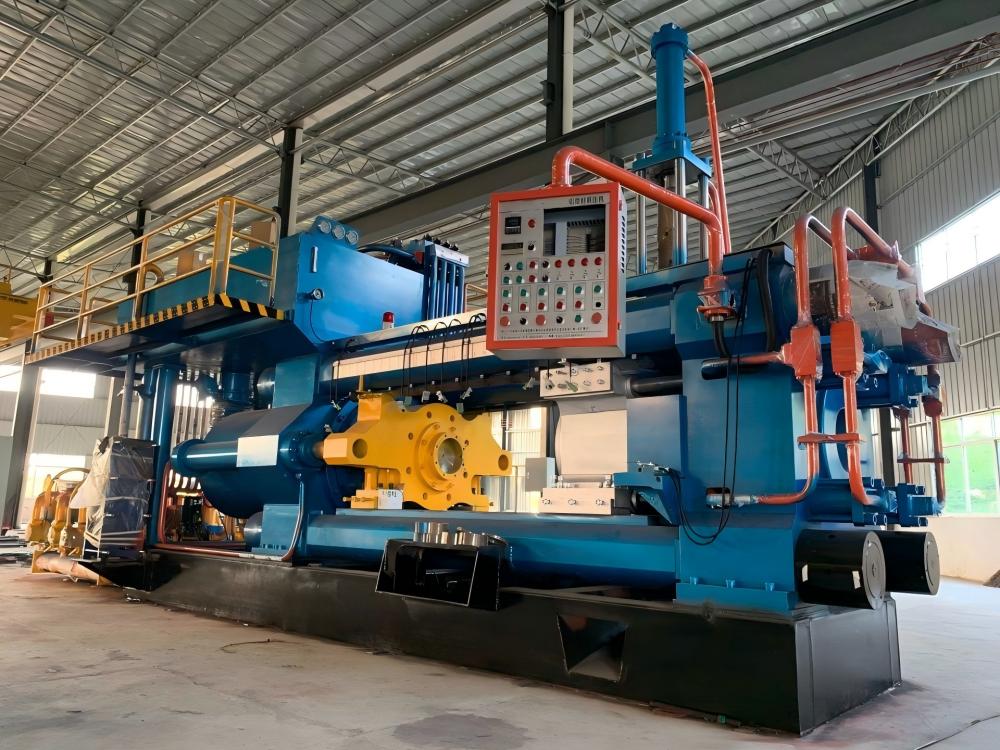
When you are ready to finalize your purchase of Complete Buyer’s Aluminium Extrusion Press Equipment 2026, follow these expert guidelines to ensure a smooth acquisition. First, Audit the Manufacturer’s Facility. Do not rely solely on brochures. Visit the factory (or conduct a detailed virtual tour) to see how the components are machined and assembled. Pay close attention to the quality of the hydraulic piping and the neatness of the electrical cabinets; these are often indicators of the overall build quality.
Second, prioritize After-Sales Support and Parts Availability. In the world of industrial machinery, downtime is the enemy. Ensure the manufacturer has a robust support network or can provide remote troubleshooting via the internet. Check if the critical components (pumps, valves, PLCs) are “off-the-shelf” brands like Rexroth, Vickers, or Siemens, which can be sourced locally in an emergency, rather than proprietary parts that must be shipped from the factory.
Finally, consider the Future-Proofing of the machine. Is the software upgradable? Can the hydraulic system be retrofitted with more efficient pumps later? As environmental regulations tighten, having a machine that can be easily adapted to lower carbon footprints will protect your investment. Working with a forward-thinking manufacturer like HARSLE ensures that your equipment remains relevant as technology continues to advance through the late 2020s.
Frequently Asked Questions (FAQ)
1. What is the average lead time for a new extrusion press in 2026?
Typically, lead times range from 6 to 10 months depending on the tonnage and customization. Larger presses (3000T+) may take up to a year from the time of deposit to shipping. It is advisable to plan your facility upgrades at least 18 months in advance.
2. Can I extrude different alloys on the same press?
Yes, most modern presses can handle a variety of 6000-series alloys (like 6061, 6063). However, harder alloys (like 2000 or 7000 series) require higher pressures, slower extrusion speeds, and more sophisticated temperature control. If you plan to work with hard alloys, specify this during the configuration phase.
3. How long does an aluminium extrusion press last?
With proper maintenance, a high-quality extrusion press can last 25 to 30 years. Many components like hydraulic seals, pumps, and PLC systems will need to be replaced or upgraded every 10-15 years, but the heavy steel frame is built for decades of service.
4. Is automation really necessary for a small-scale operation?
In 2026, some level of automation is almost always necessary to remain competitive. Even basic automation, such as an automated billet loader and a single puller, significantly improves safety and consistency, which are vital regardless of your production volume.
5. What are the power requirements for a 2000T press?
A 2000T press typically requires a power supply of 400kW to 600kW, depending on the hydraulic system design. It is crucial to consult with your local utility provider early in the process to ensure your facility has the necessary electrical capacity.
6. How does nitrogen cooling improve the extrusion process?
Nitrogen cooling at the die helps to displace oxygen, reducing oxide formation and allowing for faster extrusion speeds while maintaining a high-quality surface finish. It is a highly recommended add-on for manufacturers focusing on architectural or decorative profiles.