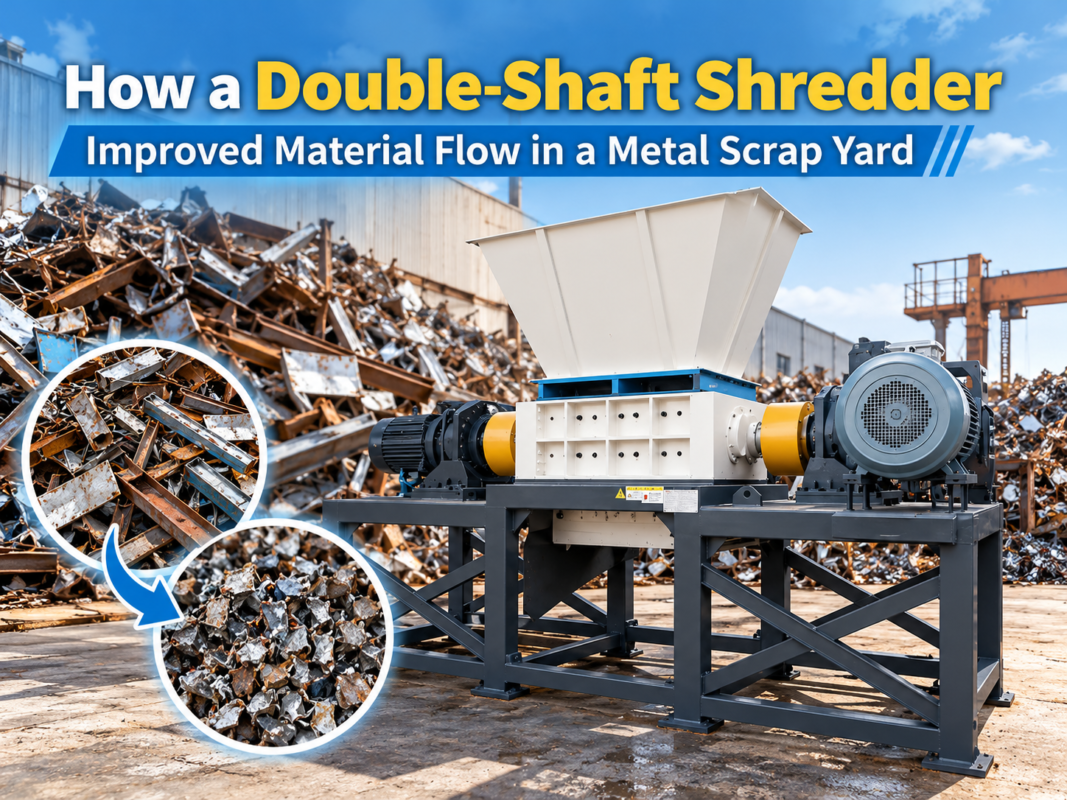
Choosing a Double-Shaft Shredder for Industrial Waste Processing: A Complete Buyer’s Checklist

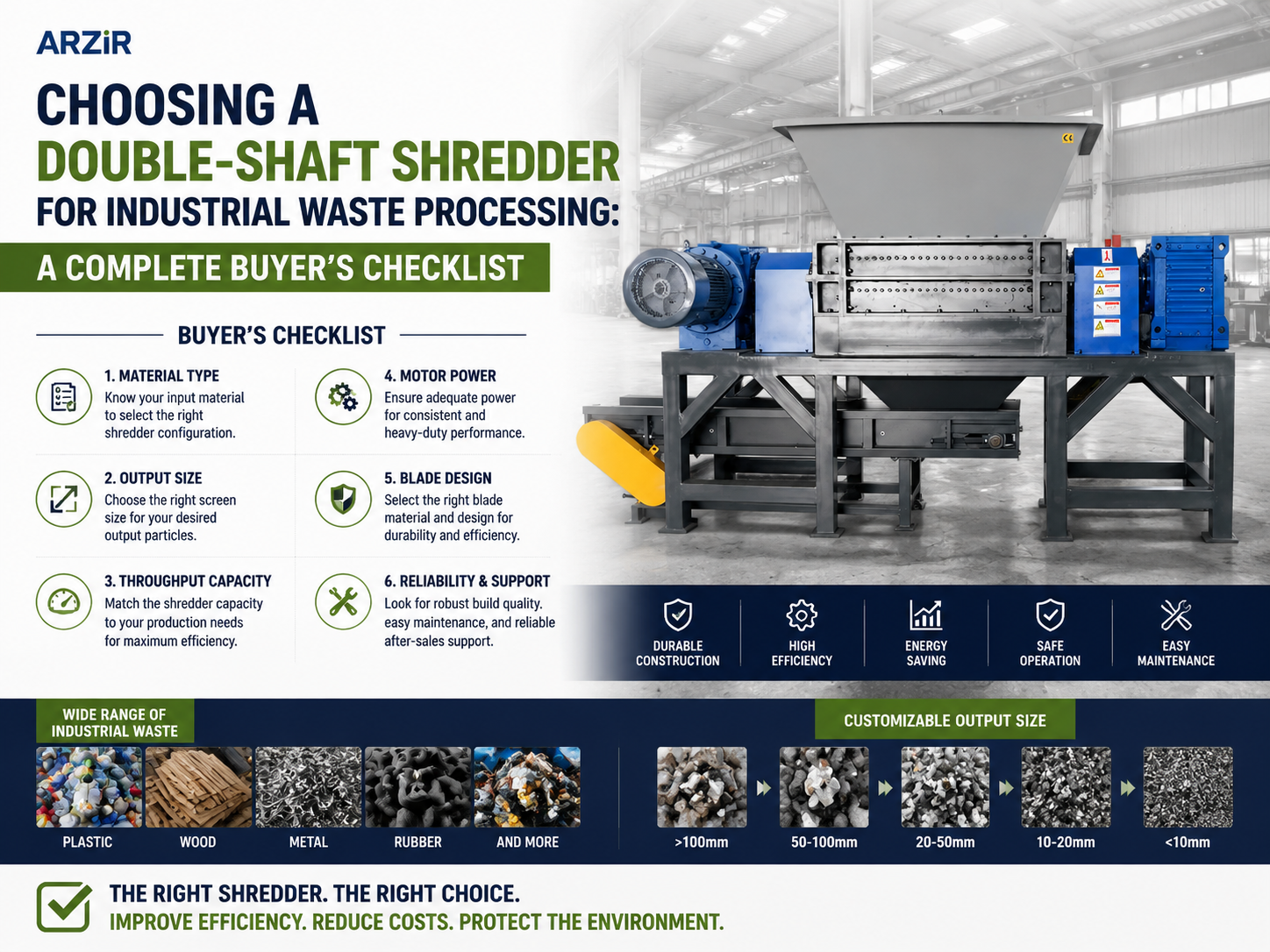
Introduction to Industrial Waste Processing and Shredding Technology
In the modern industrial landscape, the management of waste is no longer just a regulatory hurdle; it is a critical component of operational efficiency and sustainability. As global industries move toward a circular economy, the demand for robust, high-capacity processing equipment has skyrocketed. Among the most versatile and essential tools in this sector is the double-shaft shredder. Designed to handle everything from bulky plastics and electronic waste to scrap metal and tires, the double-shaft shredder is the workhorse of the recycling industry.
Choosing a double-shaft shredder for industrial waste processing: a complete buyer’s checklist is essential because the initial investment is significant, and the long-term operational costs can vary wildly based on the machine’s configuration. A double-shaft shredder operates using two parallel shafts equipped with interlocking cutting discs. These shafts rotate at low speeds with high torque, allowing the machine to shear, tear, and crush tough materials with ease. Unlike high-speed granulators, these machines are built for endurance and the processing of contaminated or heterogeneous waste streams.
HARSLE, a leader in metal fabrication and industrial machinery, understands that selecting the right equipment requires a deep dive into technical specifications, material science, and financial forecasting. This guide is designed to navigate the complexities of the market, ensuring that your procurement process results in a machine that maximizes throughput while minimizing downtime. Whether you are upgrading an existing facility or launching a new waste management project, understanding the nuances of torque, blade metallurgy, and control systems is paramount.
Price Range Overview: Setting Your Budget Expectations
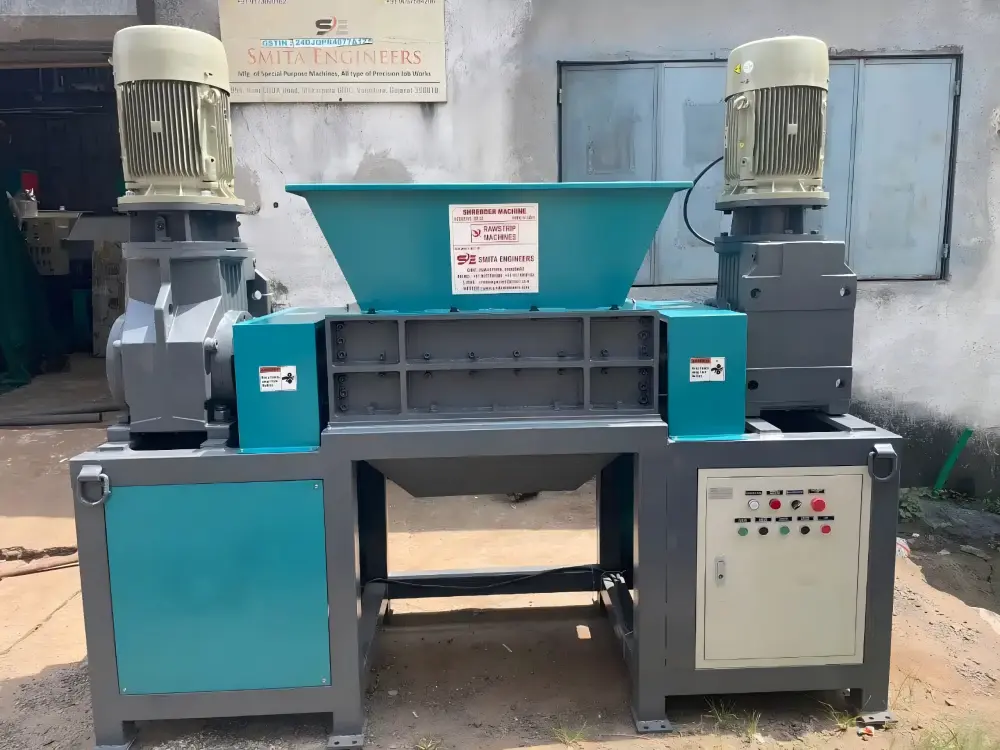
When embarking on the journey of choosing a double-shaft shredder for industrial waste processing, the first question is often about the price. The market for these machines is broad, with prices ranging from entry-level units for light recycling to massive, custom-engineered systems for heavy industrial demolition. Understanding where your needs fall on this spectrum is the first step in the buyer’s checklist.
Entry-level double-shaft shredders, typically used for light plastics, paper, or thin-walled aluminum, generally fall within the $15,000 to $35,000 range. These machines usually feature smaller motors (15kW to 30kW) and are suitable for small-scale recycling centers or internal factory waste reduction. While they offer a lower barrier to entry, they may lack the advanced PLC controls and heavy-duty blade alloys found in more expensive models.
Mid-range industrial shredders, which are the most common in the market, range from $40,000 to $120,000. These units are designed for continuous operation and can handle tougher materials like E-waste, rubber, and thicker plastics. They often feature reinforced frames, high-torque planetary gearboxes, and sophisticated cooling systems. For most industrial waste processing facilities, this is the category that offers the best balance between performance and capital expenditure.
At the top end of the scale, heavy-duty shredders for scrap metal, car bodies, and large-scale municipal waste can exceed $250,000. These machines are massive, often requiring custom foundations and integrated conveyor systems. They utilize high-power motors (often dual 75kW or 110kW setups) and specialized heat-treated blades. The following table summarizes the general price tiers based on application and capacity:
| Category | Typical Price Range (USD) | Motor Power (kW) | Primary Applications |
|---|---|---|---|
| Light Duty | $15,000 – $35,000 | 15 – 30 kW | Plastics, Paper, Light Wood |
| Standard Industrial | $40,000 – $90,000 | 37 – 75 kW | E-waste, Rubber, MSW |
| Heavy Duty | $100,000 – $250,000+ | 90 – 220+ kW | Metal Scrap, Tires, Large Bulky Waste |
Main Cost Drivers: What Are You Actually Paying For?
The price of a double-shaft shredder is not arbitrary; it is driven by several key engineering components. When choosing a double-shaft shredder for industrial waste processing, understanding these cost drivers allows you to prioritize features that matter for your specific application. The most significant cost driver is the cutting system, specifically the blades. High-quality blades are made from specialized alloy steels such as D2, SKD-11, or DC53, which undergo rigorous vacuum heat treatment to achieve the perfect balance of hardness and toughness. Cheap machines often use inferior steel that dulls quickly, leading to frequent replacements and increased downtime.
The second major cost driver is the drive system, which includes the motors and the gearbox. A high-torque planetary gearbox is significantly more expensive than a standard spur gearbox but is essential for handling the shock loads inherent in shredding tough materials. Brands like Siemens or ABB for motors and high-end planetary reducers ensure that the machine can reverse under load without damaging the internal gears. This reliability comes at a premium but is vital for industrial-scale operations.
Furthermore, the structural integrity of the machine frame plays a role in the cost. A shredder subjected to high torque must have a thick, welded steel frame that can resist vibration and torsion. Machines with thinner frames may flex during operation, leading to shaft misalignment and premature bearing failure. Finally, the control system—specifically the PLC (Programmable Logic Controller)—adds to the cost. A high-end PLC system from Schneider or Siemens allows for automated “auto-reverse” functions, which protect the blades and motor when the machine encounters an unshreddable object.
Configuration Impact: Tailoring the Machine to Your Waste Stream
Configuration is where the “checklist” becomes highly specific to your business. Not all double-shaft shredders are created equal, and the configuration of the shafts, blades, and feeding mechanism will determine your throughput and final product size. One of the most critical configuration choices is the blade geometry. Blades can have different numbers of “hooks” or teeth. A single-hook blade is excellent for aggressive tearing of large items, while multi-hook blades are better for producing a smaller, more uniform output size in a single pass.
The shaft speed and torque ratio are also adjustable during the manufacturing phase. For brittle materials like hard plastics or glass, a slightly higher speed might be acceptable. However, for tough, elastic materials like tires or high-density polyethylene (HDPE), high torque at low RPM is non-negotiable. This prevents the material from simply spinning on the shafts and ensures that the hooks can bite into the waste. Additionally, the spacing between the blades (the “clearance”) must be precisely set based on the material thickness to prevent jamming or excessive dust generation.
Another configuration aspect is the feeding and discharge system. Will you be feeding the machine via a conveyor belt, a forklift, or a hopper? The hopper design must be large enough to accommodate your largest waste pieces without bridging. On the discharge side, some shredders include a screen (sieve) underneath the shafts to ensure that only material of a certain size leaves the machine. While screens provide size control, they can also reduce throughput and increase the risk of heat buildup, so their inclusion must be carefully weighed against your processing goals.
Hidden Costs: Beyond the Initial Purchase Price
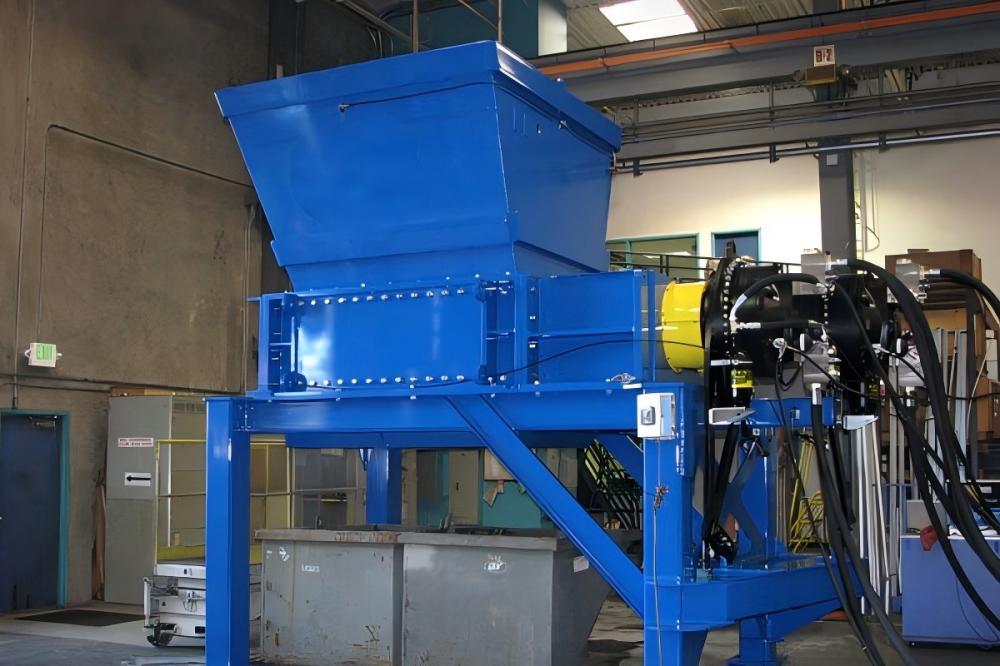
When choosing a double-shaft shredder for industrial waste processing, the sticker price is only part of the Total Cost of Ownership (TCO). Many buyers fail to account for the hidden costs that emerge during the first few years of operation. The most prominent hidden cost is energy consumption. A 75kW motor running 16 hours a day can result in substantial monthly utility bills. Opting for high-efficiency motors and VFD (Variable Frequency Drive) systems can mitigate this, though they increase the initial cost.
Maintenance and wear parts represent another significant ongoing expense. Shredder blades are consumables; they will eventually dull and require sharpening or replacement. The cost of a full set of replacement blades for a mid-sized shredder can range from $5,000 to $15,000. Furthermore, the labor required to change these blades can take several hours or even days, leading to lost production time. Buyers should ask about the ease of blade access and whether the blades are individual discs or integrated into the shaft.
Freight, installation, and commissioning are also frequently overlooked. These machines are heavy and often require specialized transport and rigging. Once on-site, they may need professional electrical installation and integration with existing conveyor systems. Finally, consider the cost of spare parts inventory. Keeping a set of bearings, seals, and a backup PLC module on hand can prevent a minor failure from turning into a week-long shutdown. Factoring these costs into your initial budget is a hallmark of a professional procurement strategy.
ROI Calculation: Justifying the Investment
A double-shaft shredder is a capital-intensive investment, and justifying it requires a clear Return on Investment (ROI) calculation. The primary driver of ROI in waste processing is volume reduction. By shredding bulky waste, companies can significantly reduce the number of truckloads required to transport material to a landfill or secondary processor. In many cases, shredding can reduce waste volume by 3:1 or even 5:1, leading to immediate savings in logistics and tipping fees.
Another factor in ROI is the value-added processing of scrap. For example, shredded E-waste or plastic is much easier to sort and wash than whole items, allowing you to sell the processed material at a higher price point. If your facility processes 10 tons of plastic per day, and shredding increases the value of that plastic by $50 per ton, the machine generates $500 in additional revenue daily. Over a 250-day working year, that’s $125,000—potentially paying for the machine in less than a year.
Labor savings also contribute to ROI. Automated shredding systems require far less manual intervention than traditional breaking or cutting methods. A single operator can manage a shredder fed by a conveyor, replacing a team of manual laborers. When calculating ROI, be sure to include:
- Reduction in transportation and disposal costs.
- Increased market value of shredded materials.
- Reduction in manual labor hours.
- Potential tax incentives for investing in green technology.
Buying Advice: A Step-by-Step Checklist
To ensure you are choosing a double-shaft shredder for industrial waste processing that meets your needs, follow this comprehensive buyer’s checklist:
- Define Your Material: Be specific. “Plastic” isn’t enough. Is it PET bottles, HDPE drums, or PVC pipes? Provide samples to the manufacturer for testing.
- Determine Required Throughput: Calculate how many tons per hour (TPH) you need to process. Always buy a machine with 20% more capacity than your current peak requirement to allow for future growth.
- Verify Blade Material: Insist on high-grade alloy steel (D2 or equivalent) with documented heat treatment. Ask about the HRC (Rockwell Hardness) rating.
- Inspect the Gearbox: Ensure the machine uses a reputable planetary gearbox. Check the torque rating and the service factor.
- Evaluate the PLC: Look for a system that includes auto-reverse on overload, hour meters, and remote diagnostic capabilities.
- Check for Safety Features: Emergency stops, safety interlocks on access doors, and hopper guards are non-negotiable for industrial safety compliance.
- Request a Trial: If possible, visit the manufacturer or a reference site to see the machine processing material similar to yours.
- Assess After-Sales Support: Does the manufacturer offer a warranty? Do they have a local service partner or a fast-shipping program for wear parts?
Frequently Asked Questions (FAQ)
What is the typical lifespan of double-shaft shredder blades?
The lifespan of blades depends entirely on the material being processed. For clean plastics, blades may last 1,000 to 2,000 hours before needing sharpening. For abrasive materials like glass-filled plastics or contaminated construction waste, they may need attention every 500 hours. Regular inspection is key to preventing damage to the shafts themselves.
Can a double-shaft shredder handle metal?
Yes, but it must be specifically configured for it. While a standard shredder can handle thin aluminum or light tin, heavy scrap metal requires a machine with much higher torque, thicker blades, and a reinforced housing. Attempting to shred heavy metal in a light-duty machine will result in catastrophic failure of the blades or gearbox.
What is the difference between a single-shaft and a double-shaft shredder?
Single-shaft shredders typically run at higher speeds and use a hydraulic pusher to press material against a rotating rotor. They are excellent for achieving a very small, uniform particle size. Double-shaft shredders run at lower speeds with higher torque and are better for bulky, tough, or mixed materials where volume reduction is the primary goal.
How do I maintain the gearbox?
Gearbox maintenance involves regular oil changes (typically every 2,000 to 4,000 hours) and monitoring for leaks or unusual vibrations. Using the correct grade of synthetic gear oil is crucial for dissipating heat and protecting the gears under high-load conditions.
Is it better to repair or replace old blades?
Most high-quality blades can be sharpened several times before they need to be replaced. However, once the blade profile has worn down significantly, the “bite” of the hooks will decrease, reducing efficiency. At that point, replacement is the more cost-effective option to maintain throughput.
What electrical requirements should I prepare for?
Industrial shredders require a stable three-phase power supply. Depending on the motor size, you may need to upgrade your facility’s electrical panel or install a dedicated transformer. Always consult with an industrial electrician during the procurement phase to ensure your site can handle the peak starting current of the motors.