What to Look for in a Double-Shaft Shredder Before You Buy: Key Specs, Features, and Applications

Introduction to Double-Shaft Shredding Technology
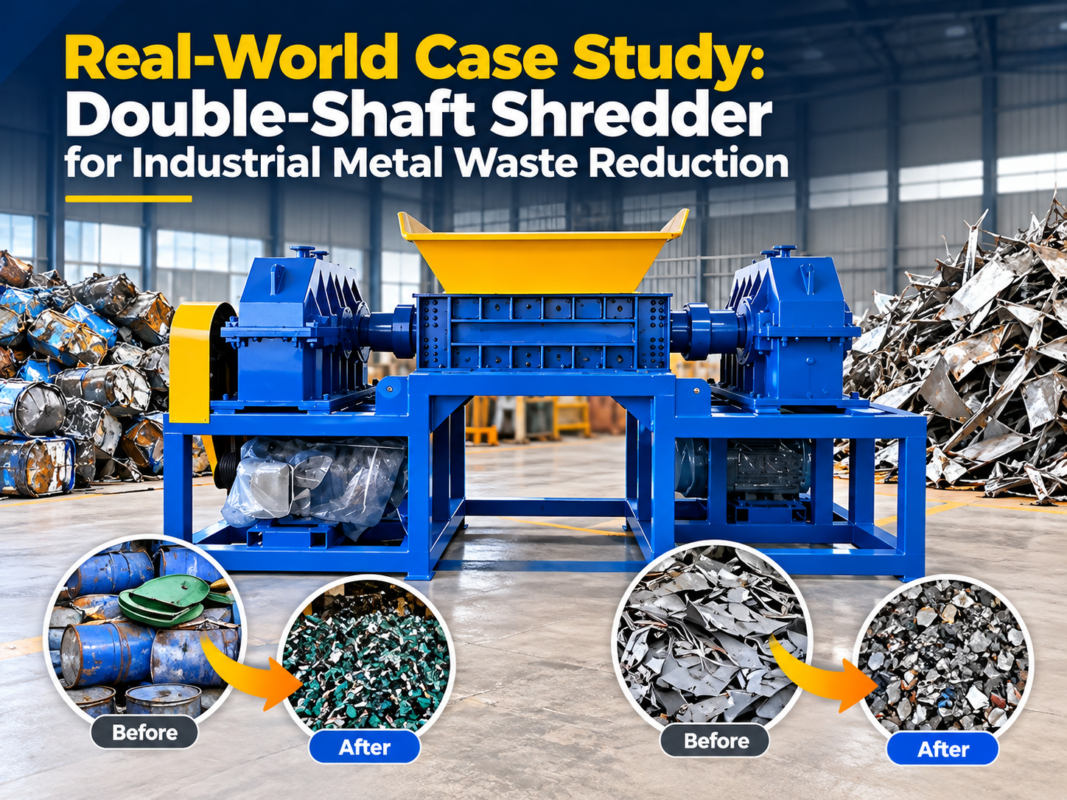
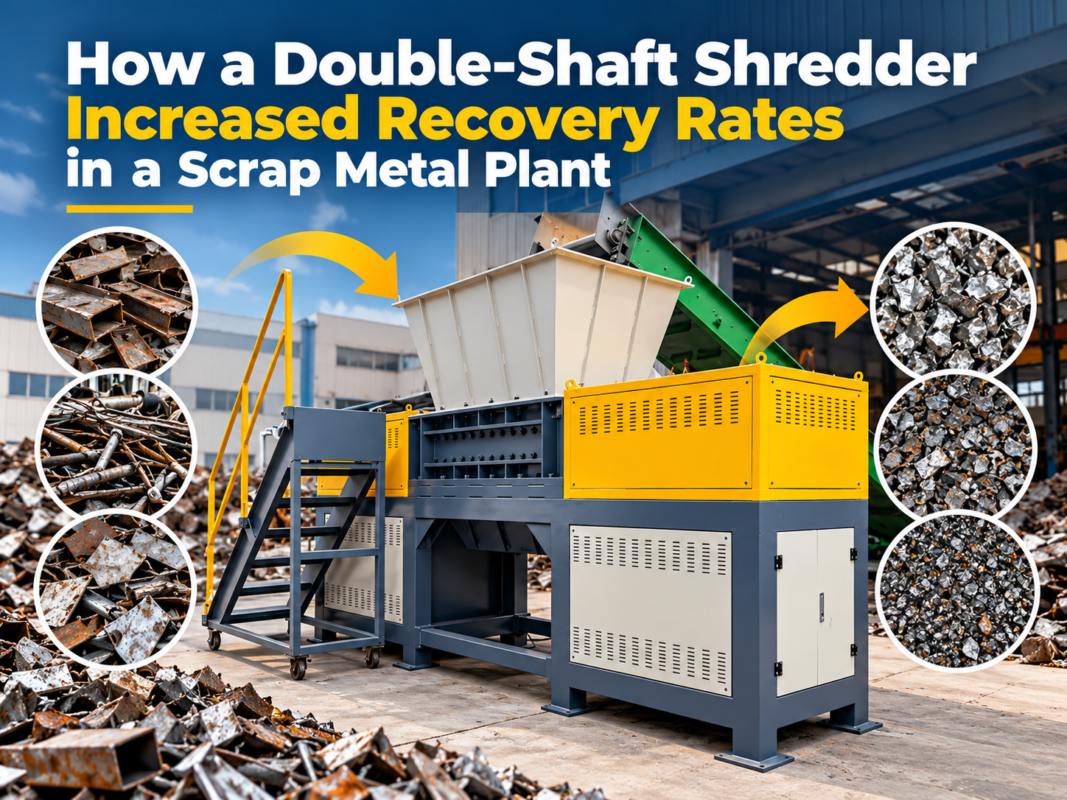
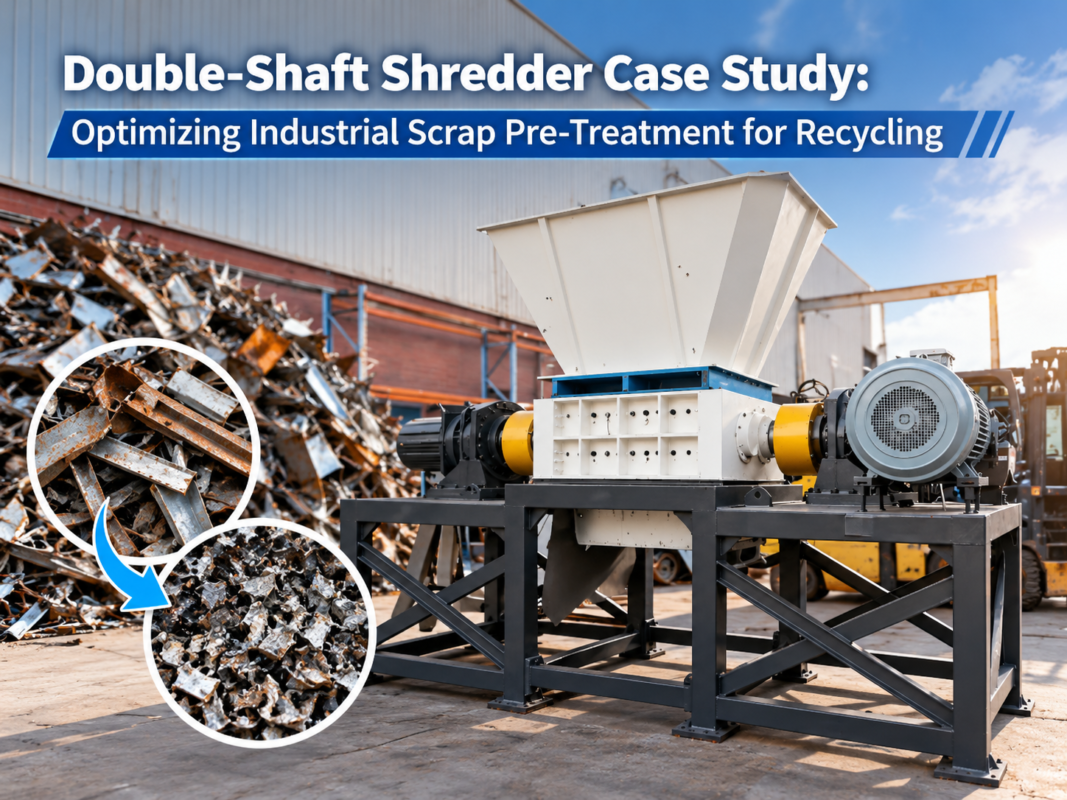
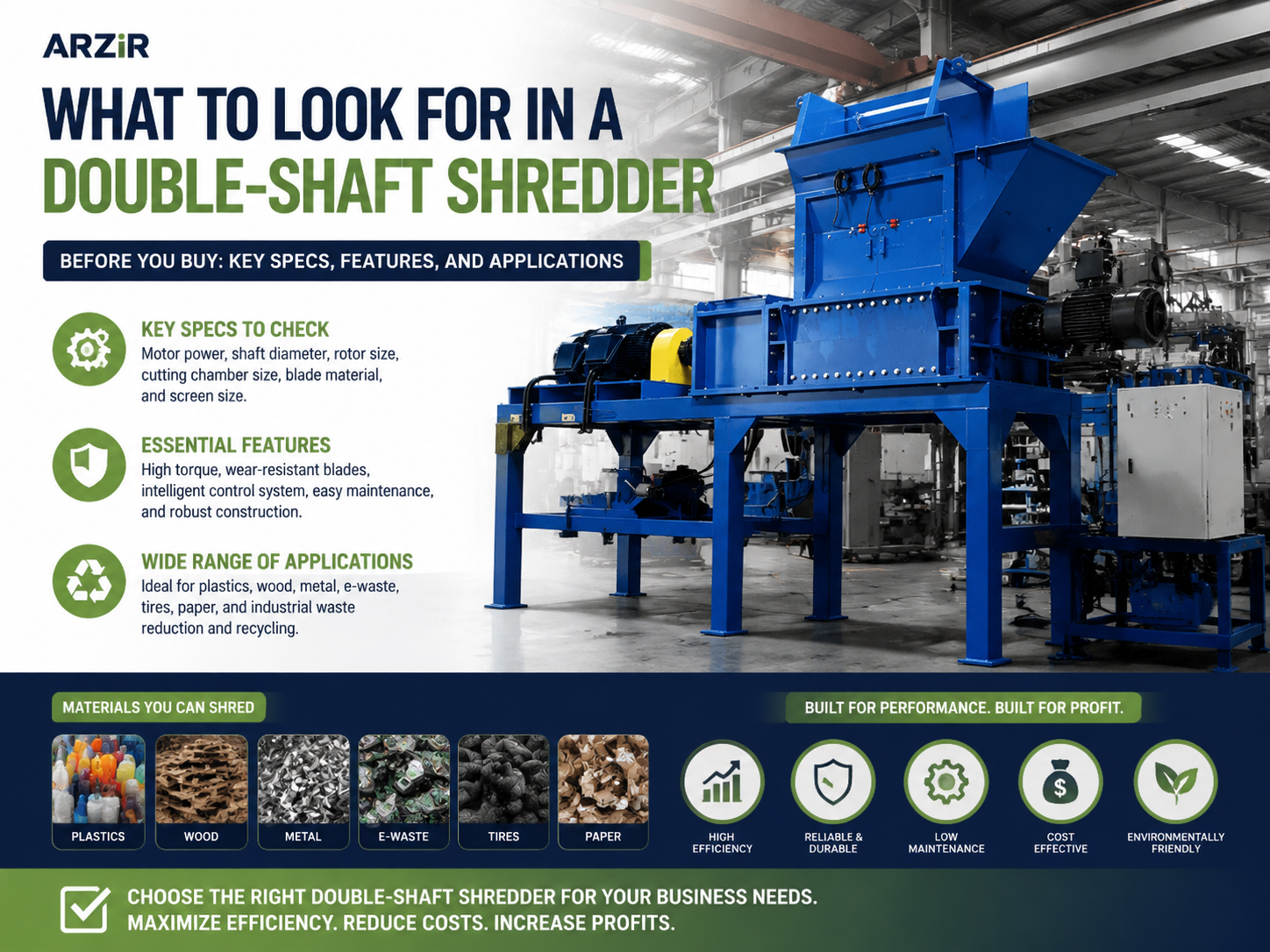
In the modern industrial landscape, waste management and material recycling have transitioned from secondary concerns to primary operational priorities. Central to this shift is the double-shaft shredder, a powerhouse of mechanical engineering designed to reduce large volumes of diverse materials into manageable sizes. Whether you are processing scrap metal, electronic waste, plastics, or municipal solid waste, understanding what to look for in a double-shaft shredder before you buy: key specs, features, and applications is critical to ensuring a high return on investment and long-term operational stability.
Double-shaft shredders, often referred to as dual-shear shredders, operate on a low-speed, high-torque principle. Unlike high-speed grinders that use impact force, these machines use two counter-rotating shafts equipped with hooked blades to shear, tear, and cut material. This method is exceptionally efficient for bulky items that would stall or damage other types of equipment. As industries strive for circular economy models, the demand for robust shredding solutions has surged, making the selection process more complex due to the variety of configurations available on the market.
HARSLE, a leader in metal fabrication and industrial machinery, recognizes that a shredder is a significant capital expenditure. This guide aims to demystify the technical jargon and provide a clear roadmap for procurement officers, facility managers, and business owners. By focusing on the essential look in a double-shaft shredder before you buy: key specs, features, applications, you can avoid common pitfalls and select a machine that aligns perfectly with your production goals.
Price Range Overview: Setting Realistic Expectations
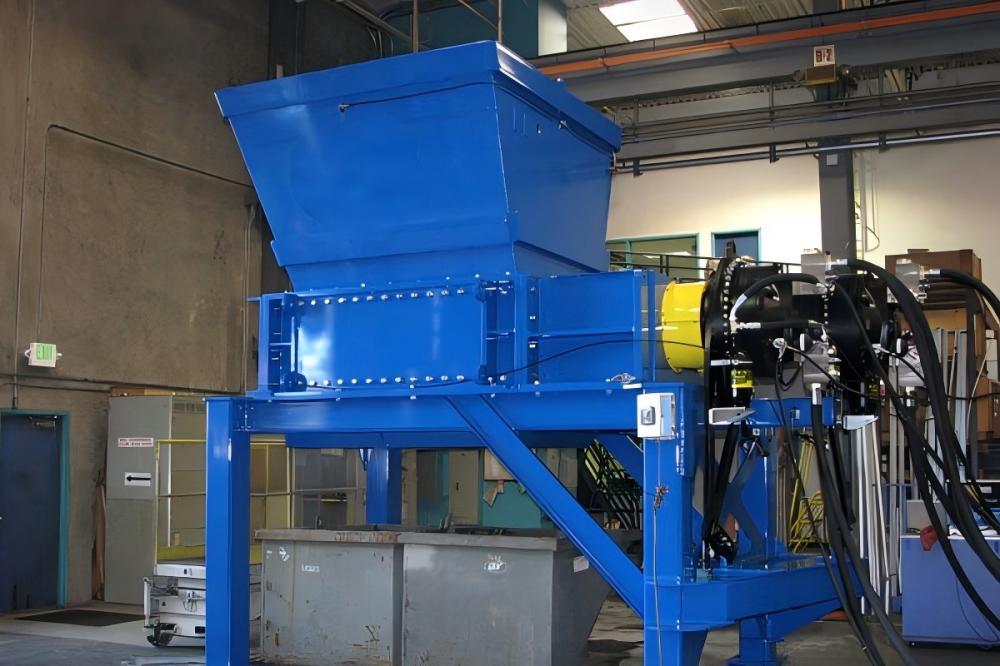
The cost of a double-shaft shredder varies significantly based on its capacity, build quality, and intended application. Generally, the market is divided into three primary tiers. Entry-level or small-scale shredders typically range from $15,000 to $45,000. These machines are suitable for light plastics, paper, and thin-walled aluminum. They usually feature lower horsepower motors and smaller cutting chambers, making them ideal for localized recycling centers or small manufacturing plants.
Mid-range shredders, which are the workhorses of the industry, fall between $50,000 and $130,000. These units are designed for more demanding tasks such as processing tires, electronic waste (e-waste), and thicker plastic drums. At this price point, you begin to see more sophisticated control systems, better alloy steel for blades, and reinforced frames that can withstand the vibrations of continuous operation. These machines offer a balance between throughput and capital cost, making them the most popular choice for growing recycling businesses.
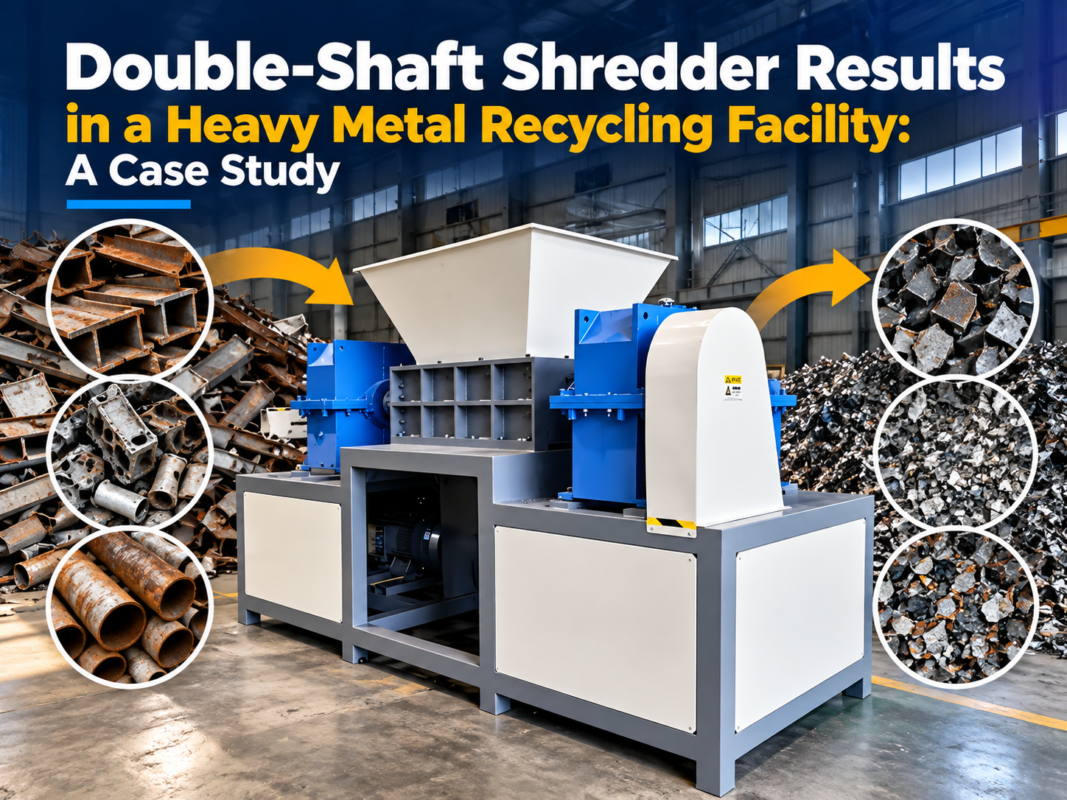
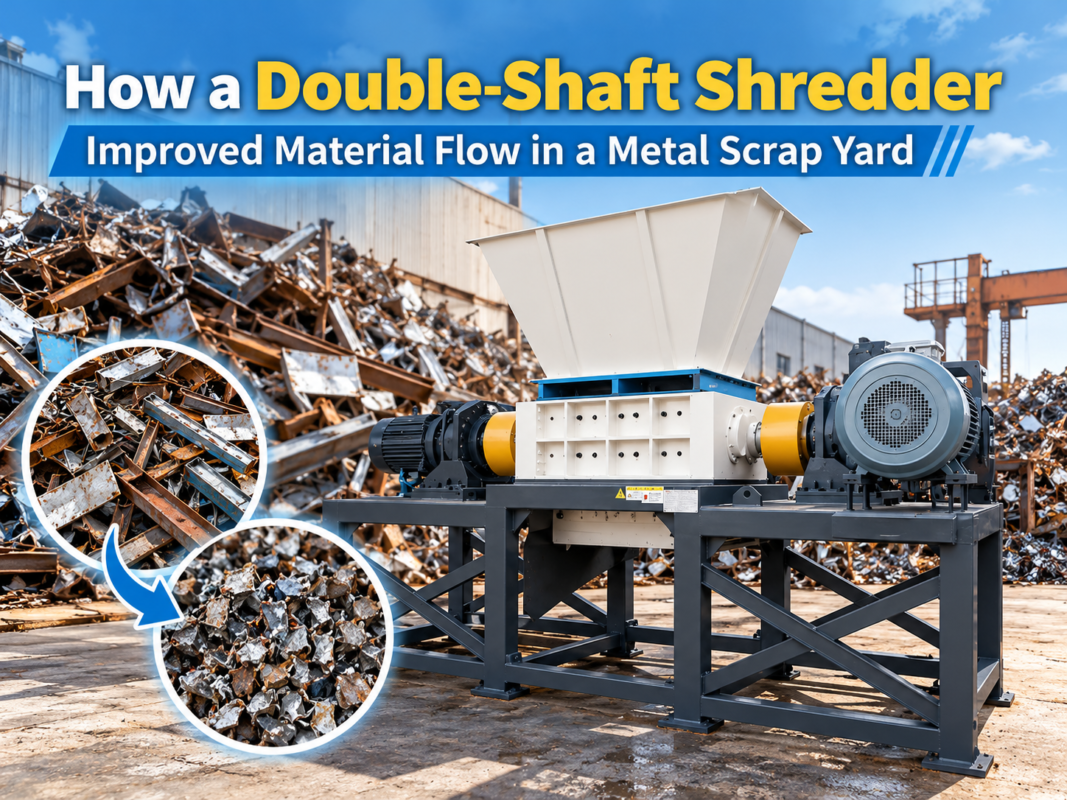
Heavy-duty industrial shredders can exceed $150,000, sometimes reaching several hundred thousand dollars for custom-engineered systems. These are massive machines capable of shredding car bodies, large-diameter pipes, and heavy metal scrap. They feature high-kilowatt motors, advanced planetary gearboxes, and specialized cooling systems. When considering the price, it is vital to look beyond the initial sticker price and evaluate the total cost of ownership, which includes energy efficiency and the frequency of blade replacements.
Main Cost Drivers: What Influences the Price Tag?
Several technical factors dictate the pricing of a double-shaft shredder. The most significant driver is the motor and drive system. High-quality motors from reputable brands like Siemens or WEG ensure reliability and energy efficiency. Furthermore, the choice between an electric drive and a hydraulic drive system impacts cost. While electric drives are generally more cost-effective for standard applications, hydraulic drives offer superior torque control and shock absorption for extremely tough materials, albeit at a higher price point.
The quality of the cutting blades is another major cost factor. Blades are the primary wear parts of the machine. High-alloy steels like D2, SKD-11, or DC53 are preferred for their hardness and toughness. The manufacturing process of these blades—whether they are heat-treated, precision-ground, or hard-faced—significantly affects their lifespan and the machine’s overall price. Investing in superior blade material upfront can reduce the frequency of sharpening and replacement, saving thousands of dollars in the long run.
The gearbox and transmission system also play a pivotal role. A double-shaft shredder requires a gearbox that can handle immense torque without overheating or stripping gears. Planetary gearboxes are the industry standard for high-performance shredders because they distribute the load across multiple gears, providing greater durability. Additionally, the inclusion of advanced PLC (Programmable Logic Controller) systems with touch-screen interfaces and remote monitoring capabilities adds to the cost but enhances safety and operational efficiency.
Configuration Impact: Tailoring the Machine to Your Needs
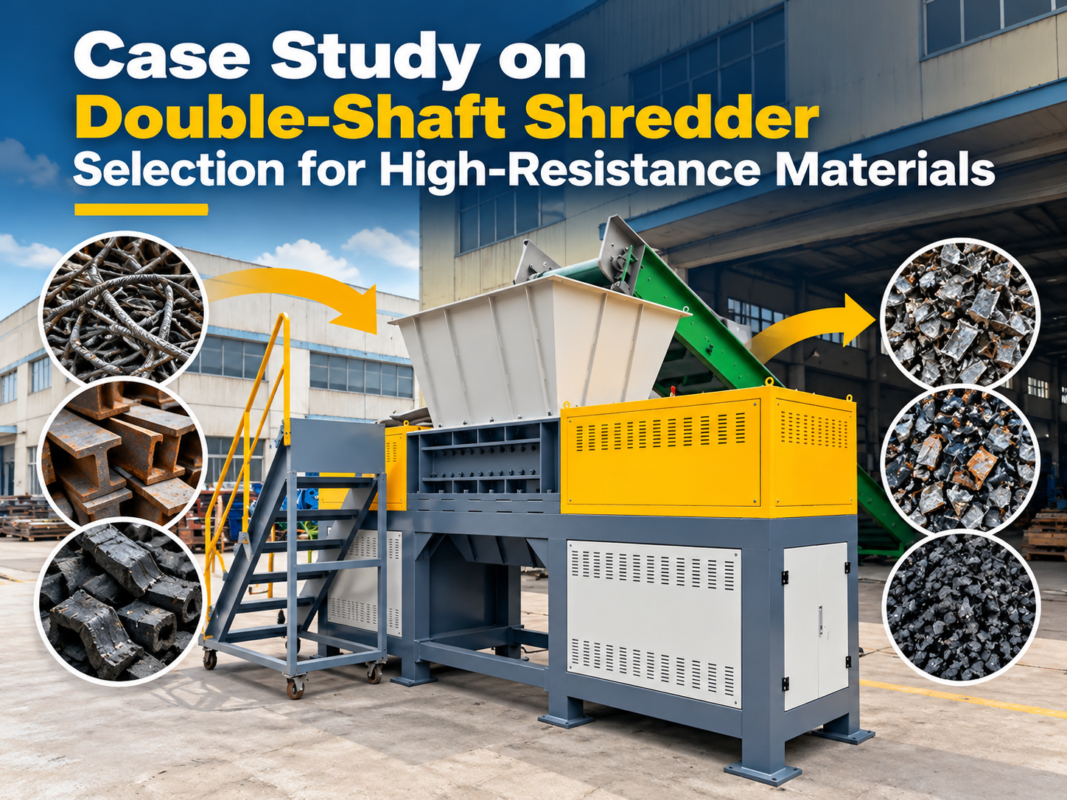
When evaluating what to look for in a double-shaft shredder before you buy: key specs, features, and applications, the configuration of the shafts and blades is paramount. The number of hooks on each blade, the thickness of the blades, and the diameter of the shafts must be matched to the material being processed. For example, shredding bulky plastic containers requires blades with more hooks to “grab” the material, whereas shredding metal scrap requires thicker, more robust blades to prevent chipping.
The shaft design itself is a critical configuration detail. Hexagonal shafts are often preferred over round shafts with keys because they provide better torque distribution and make it easier to remove and replace blades during maintenance. Furthermore, the spacing between the blades (the “clearance”) determines the final output size. Some shredders allow for adjustable spacing or interchangeable cleaning fingers, which prevent material from wrapping around the shafts and clogging the machine.
Another configuration choice is the inclusion of a screen. While double-shaft shredders are typically used for primary shredding (producing large, irregular pieces), some models can be fitted with a screen to ensure a more uniform output size. However, adding a screen can reduce throughput and increase the risk of heat buildup. Understanding your specific output requirements—whether you need a rough shred for volume reduction or a specific size for downstream processing—will dictate which configuration is best for your facility.
Hidden Costs: Beyond the Initial Purchase
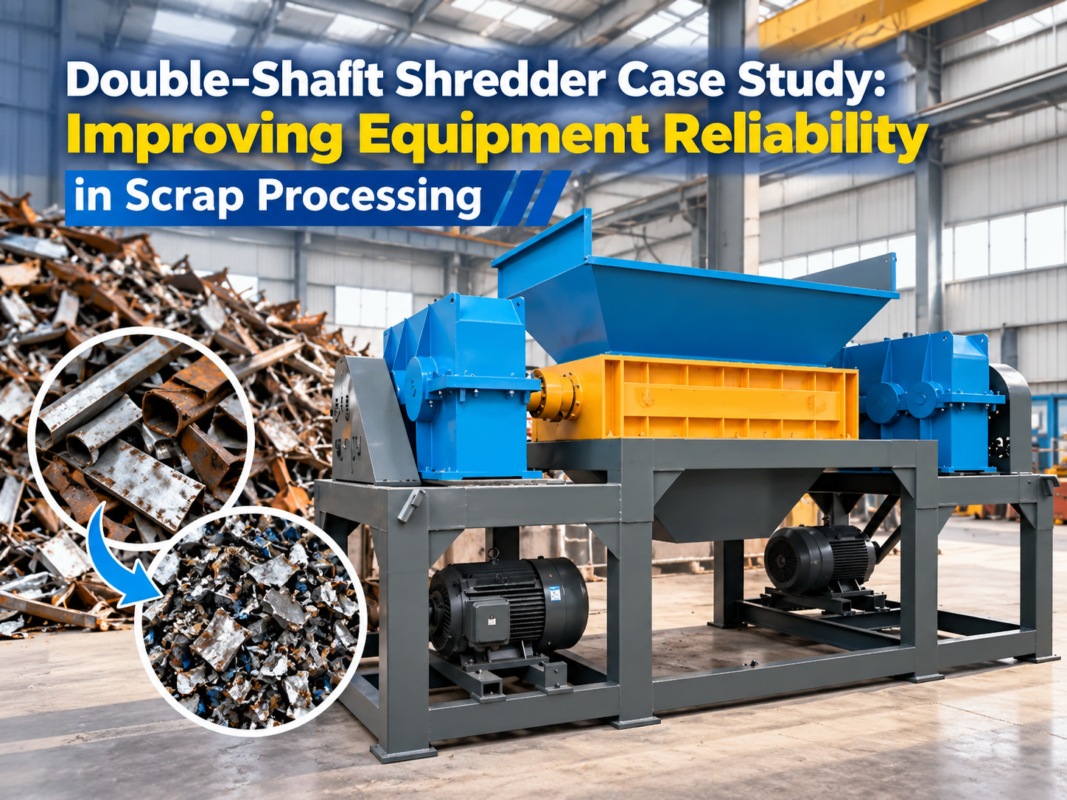
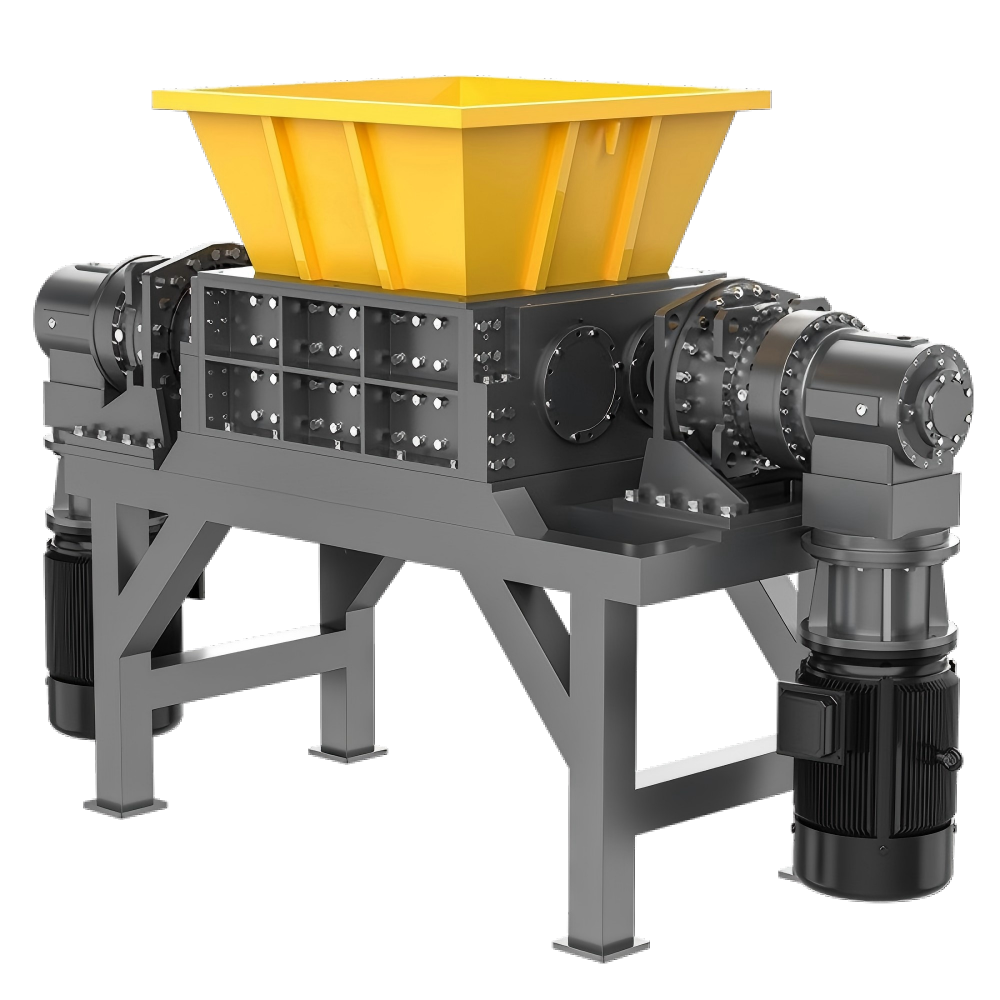
Prospective buyers often overlook the hidden costs associated with operating a double-shaft shredder. Maintenance is the most significant recurring expense. Because these machines deal with abrasive and tough materials, the blades will eventually dull. The cost of sharpening or replacing a full set of blades can be substantial. It is essential to ask the manufacturer about the expected blade life for your specific material and the ease of the blade-changing process. A machine that requires 48 hours of downtime to change blades is far more expensive than one designed for quick access.
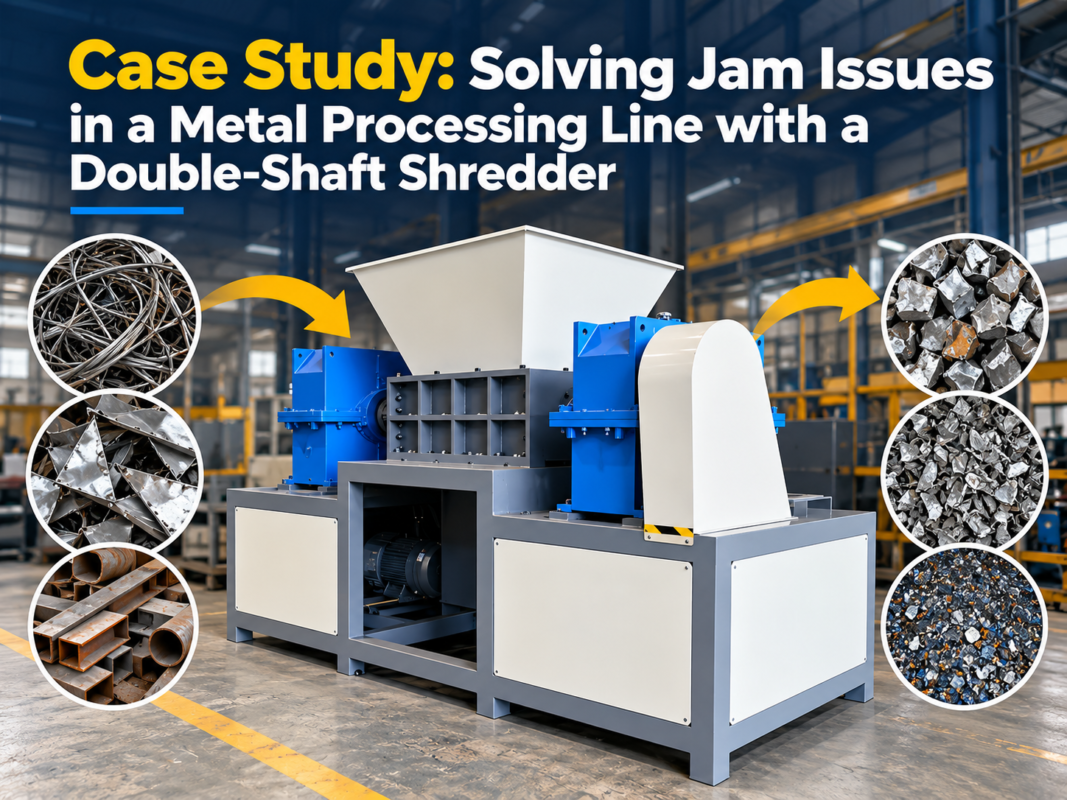
Energy consumption is another hidden cost. A shredder running a 100kW motor for 8 hours a day can significantly impact utility bills. Modern shredders with “Auto-Reverse” functionality help mitigate this. When the PLC detects a jam or an overload, it automatically reverses the shafts to clear the obstruction and then resumes shredding. This prevents motor burnout and reduces unnecessary energy spikes. Additionally, consider the cost of spare parts like bearings, seals, and hydraulic fluids, which must be kept in stock to prevent prolonged downtime.
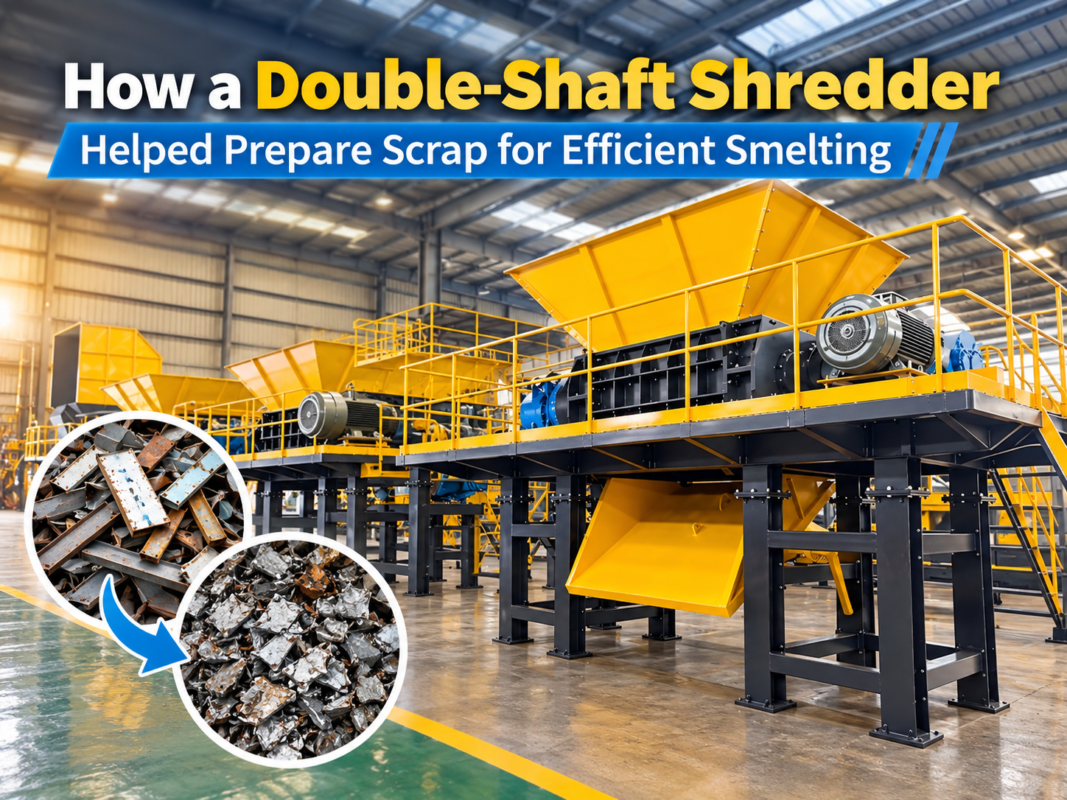
Installation and site preparation are also factors. Heavy shredders require reinforced concrete flooring to handle the weight and vibration. You may also need to invest in peripheral equipment such as infeed conveyors, discharge belts, and magnetic separators to create a complete processing line. Failure to account for these integrated components can lead to unexpected budget overruns during the commissioning phase.
ROI Calculation: Is the Investment Worth It?
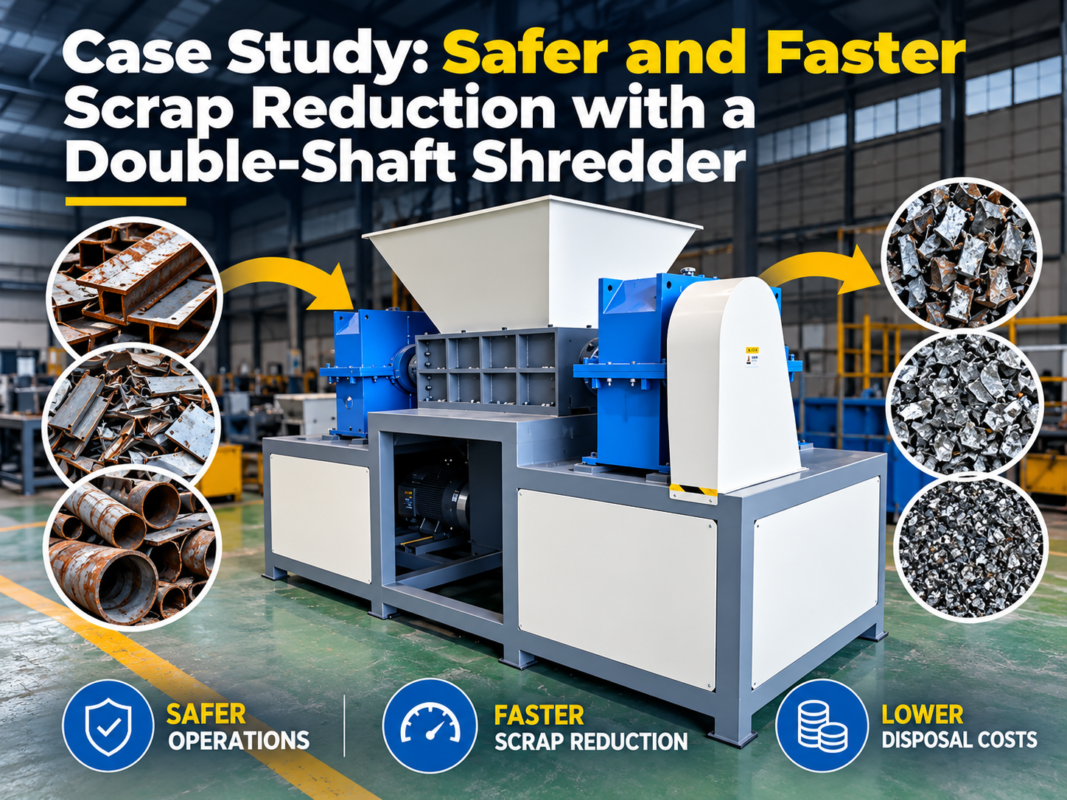
Calculating the Return on Investment (ROI) for a double-shaft shredder involves more than just looking at throughput. The primary value proposition is volume reduction. For companies paying for waste removal by the cubic yard, shredding can reduce waste volume by up to 80%, leading to massive savings in logistics and landfill fees. In many cases, the savings in transportation costs alone can pay for the machine within 18 to 24 months.
Furthermore, shredding adds value to scrap materials. Unprocessed e-waste or mixed metal scrap fetches a lower price than clean, shredded, and sorted material. By integrating a double-shaft shredder into your workflow, you can transform “waste” into a sellable commodity. To calculate ROI, estimate your monthly volume of waste, the current cost of disposal, the potential resale value of shredded material, and subtract the monthly operating costs (power, labor, maintenance). Most HARSLE customers find that the increased efficiency and material recovery provide a compelling financial case for the investment.
| Factor | Impact on ROI | Estimated Savings/Gain |
|---|---|---|
| Volume Reduction | High | 60-80% reduction in transport costs |
| Material Purity | Medium | 15-25% increase in scrap resale value |
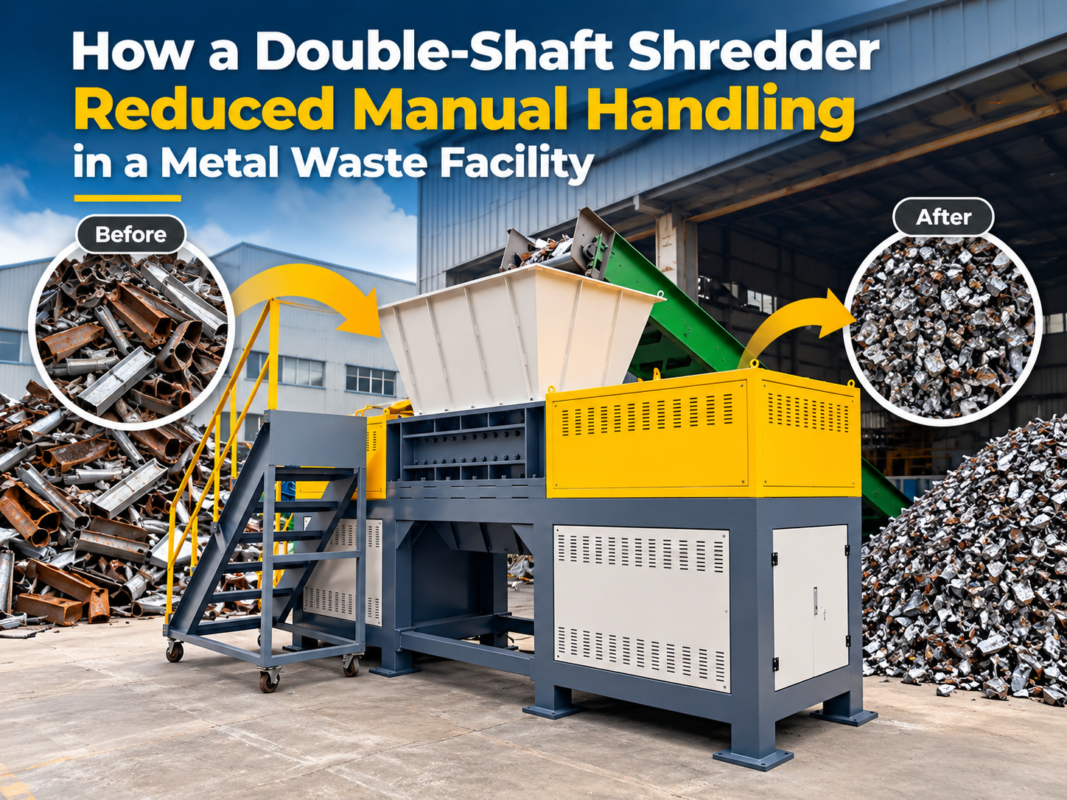
| Labor Efficiency | High | Automated feeding reduces manual handling |
| Maintenance | Negative | 5-10% of annual revenue allocated to parts |
Buying Advice: A Checklist for Success
Before finalizing your purchase, follow this checklist to ensure you have covered all aspects of what to look for in a double-shaft shredder before you buy: key specs, features, and applications:
- Material Testing: Always ask the manufacturer to perform a test shred with your specific material. This confirms the throughput and output size.
- Blade Accessibility: Check if the blades can be sharpened while on the shaft or if they must be removed. Look for “split-block” bearing housings that simplify shaft removal.
- Safety Features: Ensure the machine has emergency stop buttons, safety interlocks on access doors, and overload protection.
- Manufacturer Support: Choose a partner like HARSLE that offers comprehensive technical support, readily available spare parts, and clear documentation.
- Scalability: Consider if the shredder can be integrated into a larger system later, such as adding a granulator or a wash line.
By focusing on these details, you move from simply buying a machine to investing in a long-term solution. The right double-shaft shredder will not only solve your current waste problems but also provide the flexibility to adapt to future market demands and regulatory changes in the recycling industry.
Frequently Asked Questions (FAQ)
1. What is the difference between a single-shaft and a double-shaft shredder?
A single-shaft shredder uses a high-speed rotor with small cutters and a hydraulic pusher to press material against the rotor, making it ideal for consistent sizing of plastics. A double-shaft shredder uses low-speed, high-torque counter-rotating shafts to shear bulky, tough materials. Double-shaft models are generally better for primary shredding of large items like tires or metal drums.
2. How often do the blades need to be sharpened?
Blade life depends entirely on the material being processed. Shredding clean plastic might allow blades to last for 1,000+ hours, while abrasive materials like glass-filled plastics or contaminated metal scrap might require sharpening every 200-400 hours. Using high-quality alloys like D2 can significantly extend these intervals.
3. Can a double-shaft shredder handle wet materials?
Yes, most double-shaft shredders can handle wet materials, but it is important to ensure the bearings and motor are properly sealed. If you are processing organic waste or wet plastics, look for a model with specialized seals and stainless steel components to prevent corrosion and premature bearing failure.
4. What happens if an unshreddable object (like a thick steel plate) enters the machine?
Modern shredders are equipped with PLC-controlled overload protection. When the machine senses a spike in torque that exceeds its limit, it will automatically stop and reverse the shafts to eject or reposition the object. This prevents catastrophic damage to the motor and gearbox.
5. Is a hydraulic drive better than an electric drive?
Hydraulic drives are superior for applications with frequent shocks and extremely tough materials because they can provide maximum torque at zero speed and handle stalls more gracefully. However, electric drives are more energy-efficient, easier to maintain, and sufficient for 90% of standard recycling applications.