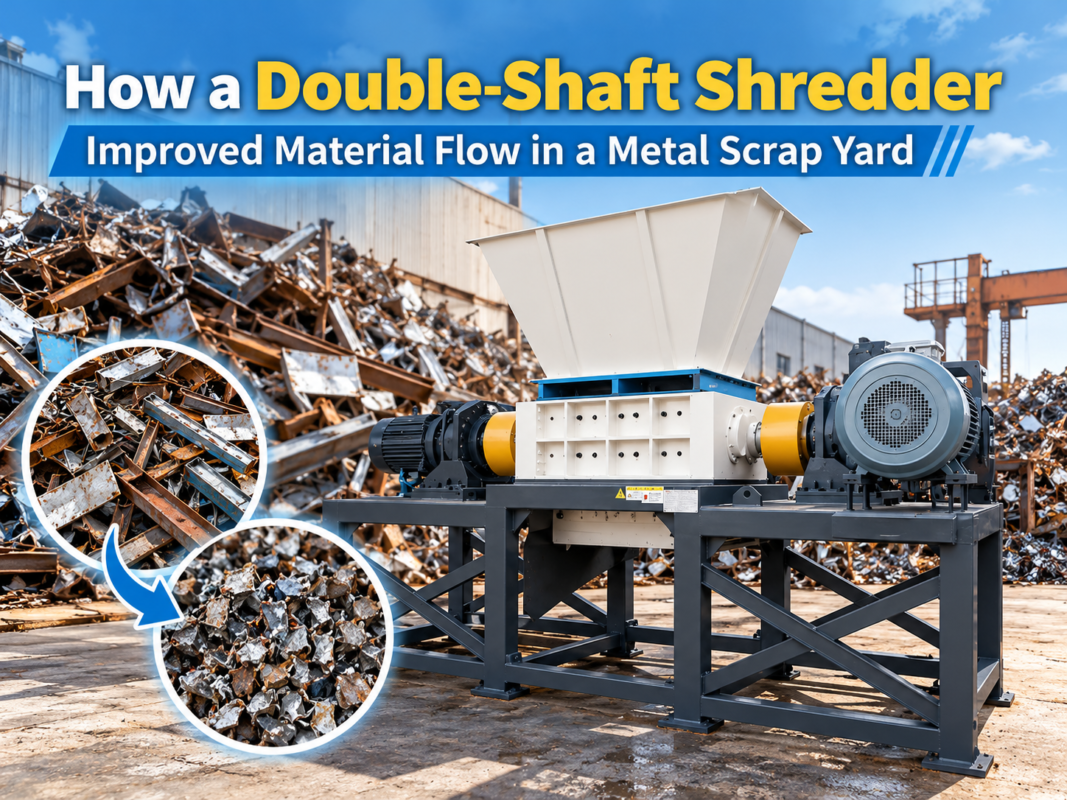
Double-Shaft Shredder Purchasing Guide: Features, Applications, and Cost Considerations

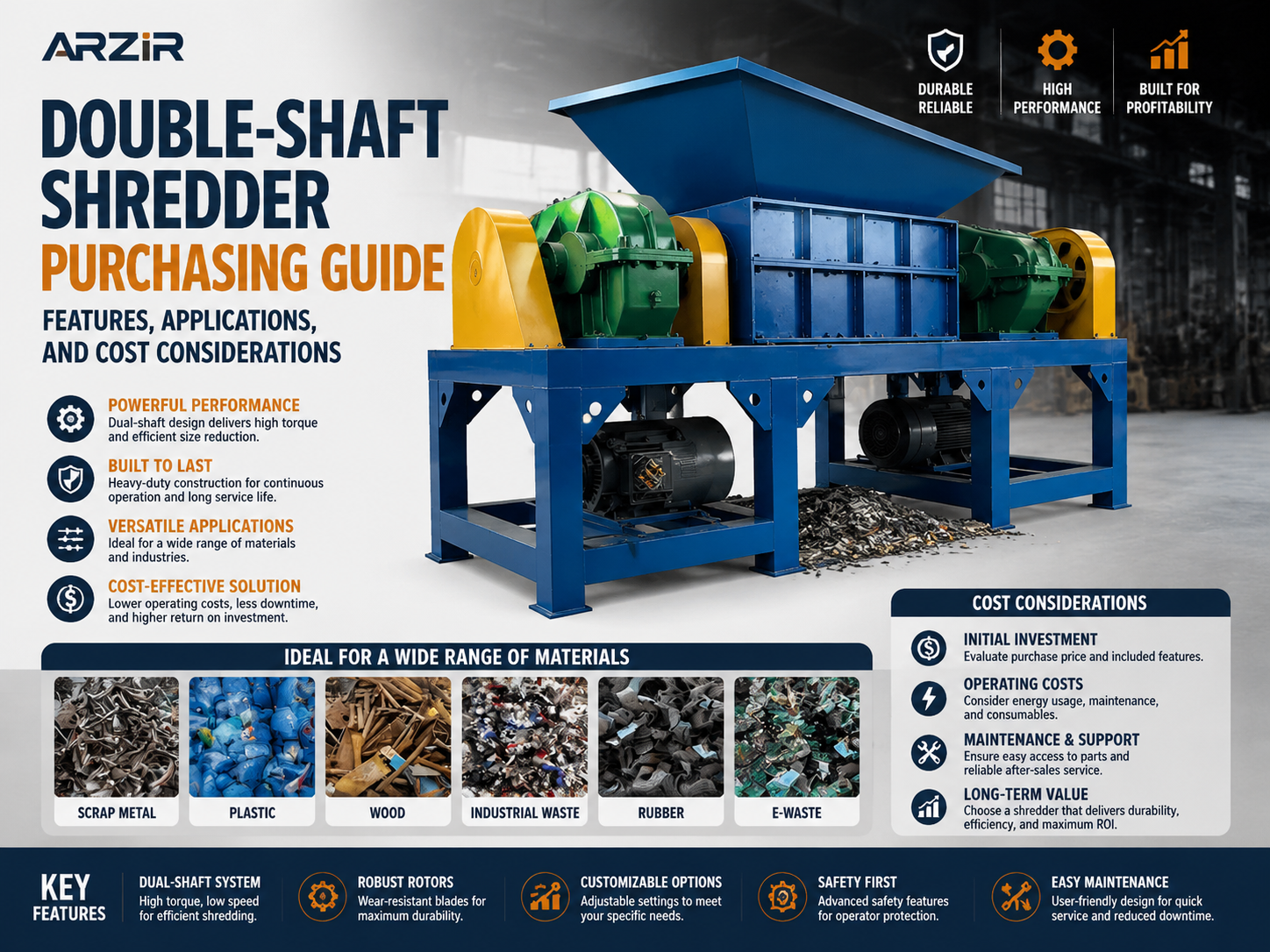
Introduction to Double-Shaft Shredder Purchasing
In the modern industrial landscape, waste management and material recycling have transitioned from secondary concerns to primary operational priorities. The double-shaft shredder, often referred to as a dual-shaft or twin-shaft shredder, stands as the workhorse of this transition. For businesses involved in metal fabrication, plastic recycling, or general waste processing, understanding the nuances of Double-Shaft Shredder Purchasing: Features, Applications, and Cost Considerations is essential for making a sustainable investment. These machines are designed with high torque and low speed to tear through tough materials, ranging from scrap metal and tires to electronic waste and bulky plastics.
HARSLE has consistently led the way in providing robust shredding solutions that balance performance with longevity. When a company decides to invest in a double-shaft shredder, they aren’t just buying a machine; they are investing in a process that reduces volume, prepares materials for secondary processing, and potentially turns waste into a revenue stream. This guide aims to provide a deep dive into the technical and financial aspects of acquiring these powerful machines, ensuring that procurement officers and plant managers have the data they need to choose the right configuration for their specific needs.
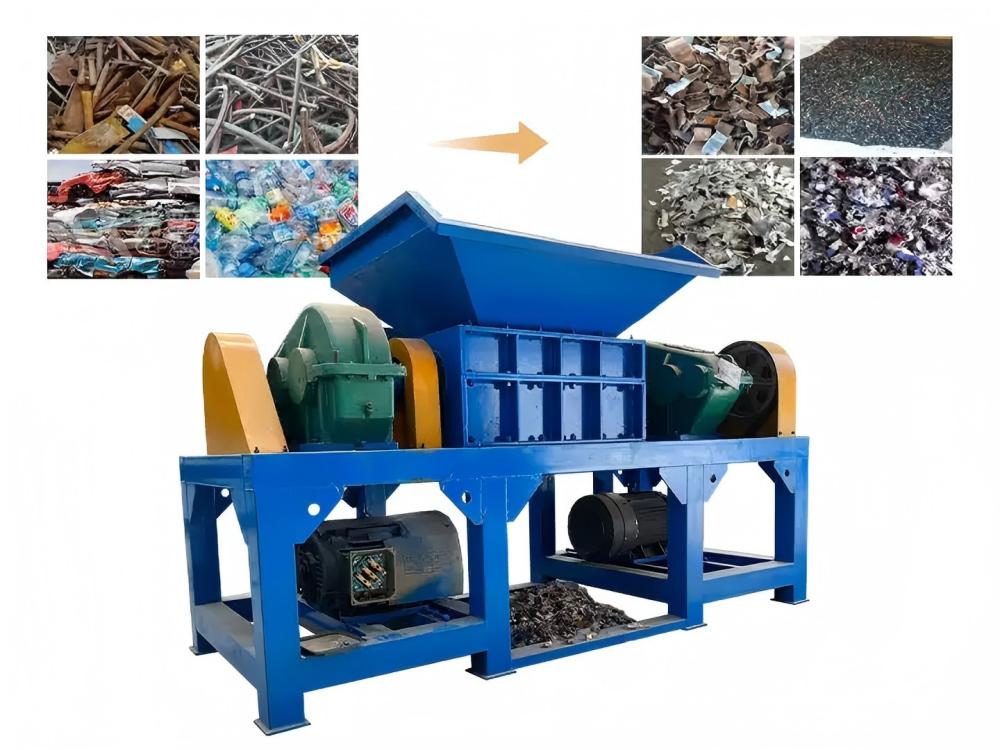
The complexity of a double-shaft shredder lies in its ability to handle heterogeneous waste. Unlike single-shaft shredders that rely on high-speed cutting, the double-shaft variety uses two counter-rotating shafts equipped with hooked blades. This design allows the machine to “grab” large objects and pull them through the cutting chamber, exerting massive shearing force. As we explore the features and costs, it becomes clear that the initial purchase price is only one part of the equation; the true value lies in the machine’s adaptability to various material streams and its operational efficiency over a ten-year lifecycle.
Price Range Overview: What to Expect
The market for double-shaft shredders is vast, with prices varying significantly based on capacity, motor power, and build quality. Generally, industrial-grade double-shaft shredders can be categorized into three main price tiers. Understanding these tiers helps buyers align their budget with their production requirements. It is important to note that while entry-level machines may seem attractive, they often lack the structural reinforcement required for continuous heavy-duty metal shredding.
Entry-level or small-scale double-shaft shredders typically range from $12,000 to $30,000. These machines are usually equipped with motors between 15kW and 30kW and are suitable for light plastics, wood, and thin-gauge aluminum. They are ideal for small recycling centers or internal factory waste reduction where the volume is consistent but not overwhelming. However, these models may struggle with thick steel plates or large-diameter tires, leading to frequent jams and increased wear on the blades.
Mid-range industrial shredders, which are the most common in the metal fabrication and municipal waste sectors, fall between $35,000 and $85,000. These units feature reinforced chambers, advanced PLC control systems, and motors ranging from 45kW to 110kW. They can handle a wider variety of materials, including car bumpers, electronic scrap (e-waste), and light scrap metal. At this price point, buyers often see features like automatic reverse functions to prevent overloading and high-grade alloy steel blades that offer a longer service life.
| Category | Price Range (USD) | Typical Motor Power | Primary Applications |
|---|---|---|---|
| Small/Entry-Level | $12,000 – $30,000 | 15kW – 30kW | Plastics, Wood, Thin Aluminum |
| Mid-Range Industrial | $35,000 – $85,000 | 45kW – 110kW | E-waste, Bumpers, Light Scrap Metal |
| Heavy-Duty/Custom | $90,000 – $250,000+ | 150kW+ / Hydraulic | Car Bodies, Large Tires, Thick Steel |
Heavy-duty and custom-engineered shredders can exceed $150,000, reaching up to $500,000 for fully automated systems. These machines are designed for 24/7 operation in high-volume environments like car dismantling yards or large-scale waste-to-energy plants. They often utilize hydraulic drive systems instead of electric motors to provide maximum torque at near-zero speeds, allowing them to crush and shear massive steel structures and heavy truck tires without stalling.
Main Cost Drivers in Double-Shaft Shredder Purchasing
When evaluating a quote for a double-shaft shredder, several key components drive the final price. The first and most critical is the blade material and manufacturing process. Blades are the primary wear part of the machine. High-quality blades made from D2, SKD-11, or DC53 cold-work die steel are significantly more expensive than standard carbon steel blades. However, they offer superior hardness and toughness, meaning they can be sharpened multiple times and will not chip when encountering unexpected hard objects in the waste stream.
The drive system is the second major cost driver. A shredder is only as good as its ability to deliver torque. High-end brands like HARSLE often utilize Siemens or WEG motors coupled with high-ratio planetary gearboxes (such as those from Bonfiglioli or SEW). These components ensure that the electrical energy is efficiently converted into the mechanical force needed to shear through metal. Choosing a machine with “no-name” motors or inferior gearboxes might save $5,000 upfront but can lead to catastrophic failure and expensive downtime within the first year of operation.
The structural integrity of the frame and cutting chamber also impacts the cost. A double-shaft shredder generates immense internal stress during the shearing process. A cheap frame made of thin, welded plates will eventually warp or crack under the pressure. Premium shredders use thick, CNC-machined steel plates for the chamber walls and heavy-duty H-beam steel for the base. This rigidity is essential for maintaining the precise clearance between the blades, which ensures a clean cut and prevents material from wrapping around the shafts.
Finally, the control system and automation features add to the cost. Modern shredders are equipped with PLC (Programmable Logic Controller) systems, often from Schneider or Mitsubishi. These systems monitor the motor current in real-time; if the current spikes (indicating a jam), the PLC automatically stops the shafts and reverses them to clear the obstruction before attempting to shred again. This “auto-reverse” feature is vital for protecting the motors and gearboxes from damage, and the sophistication of this programming can vary between manufacturers.
Configuration Impact: Tailoring the Machine to the Task
The configuration of a double-shaft shredder must be precisely matched to the material it will process. One of the most important configuration choices is the blade profile and thickness. For example, shredding plastic film requires a different blade hook design than shredding steel drums. Thinner blades create a smaller output size but are more susceptible to breaking if they hit a heavy metal object. Conversely, thick blades are incredibly durable but produce a coarser output. Buyers must decide if they need a finished product size in one pass or if the shredder is merely a primary reducer for a secondary granulator.
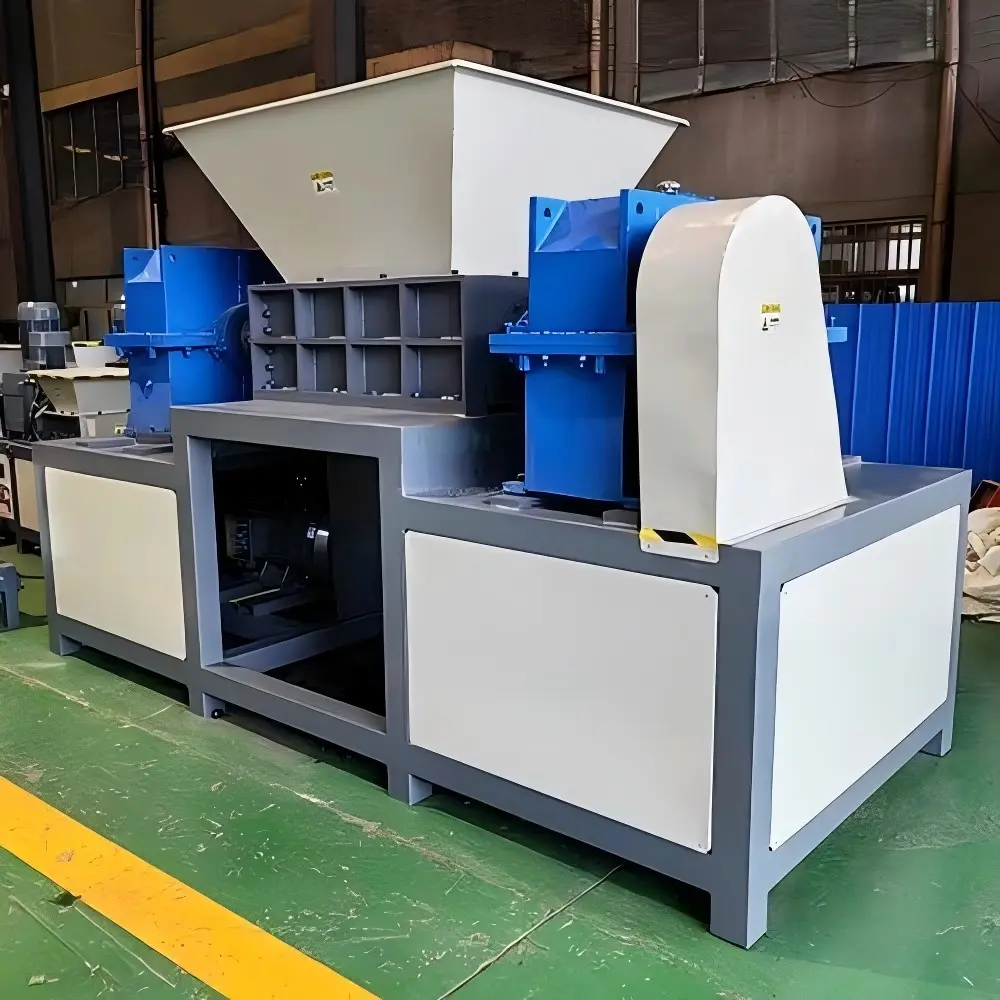
Another configuration factor is the shaft speed and torque ratio. In the world of shredding, speed is often the enemy of efficiency. A slower shaft speed (typically 10-20 RPM) allows the blades to “bite” into the material more effectively. By using a higher gear reduction ratio, the machine produces more torque. If a buyer is processing elastic materials like rubber or tires, high torque is non-negotiable. If the machine is configured with too much speed and not enough torque, it will frequently stall, leading to low throughput and frustrated operators.
The feeding and discharge systems also play a role in configuration. Standard hoppers are fine for manual feeding, but industrial applications often require conveyor belts or hydraulic pushers. A hydraulic pusher (or ram) forces bulky material against the shafts, significantly increasing the throughput of light, high-volume items like plastic bottles or empty crates. On the discharge side, magnetic separators can be integrated to pull out ferrous metals from the shredded stream, adding another layer of value to the operation but also increasing the initial configuration cost.
Lastly, consider the sealing and bearing protection. In applications involving dusty materials or liquids (such as shredding old barrels with residual fluids), the bearings must be isolated from the cutting chamber. High-quality shredders use multiple seal layers and outboard bearing housings to prevent contamination. This configuration is slightly more expensive but prevents the most common cause of shaft failure: bearing seizure due to grit or chemical ingress.
Hidden Costs: Beyond the Initial Purchase
When calculating the total cost of ownership (TCO) for a double-shaft shredder, several “hidden” costs must be accounted for. The most significant of these is blade maintenance and replacement. Blades are consumables. Depending on the material being shredded, they may need to be sharpened every few hundred hours or replaced entirely every year. The cost of a full set of replacement blades for a mid-sized shredder can range from $3,000 to $8,000. Buyers should ask about the ease of blade removal; some designs allow for individual blade replacement, while others require the entire shaft to be pulled, which increases labor costs.
Energy consumption is another ongoing expense that is often overlooked. A 110kW motor running 8 hours a day, 22 days a month, can result in a massive utility bill. While high-efficiency motors (IE3 or IE4) have a higher purchase price, they can save thousands of dollars in electricity over the machine’s life. Furthermore, the peak current draw during startup can lead to “demand charges” from utility companies. Installing a soft-starter or a Variable Frequency Drive (VFD) can mitigate these costs, though they add to the initial machine price.
Shipping and installation logistics can also provide a sticker shock. These machines are incredibly heavy—often weighing between 3,000kg and 15,000kg. Shipping a heavy-duty shredder internationally requires specialized containers and heavy-lift equipment at the destination. Once on-site, the machine may require a reinforced concrete foundation to handle the vibrations. Professional installation and commissioning by the manufacturer’s engineers are highly recommended to ensure the PLC is calibrated correctly, but this service usually comes with a daily fee plus travel expenses.
Finally, consider the cost of spare parts inventory. To minimize downtime, it is wise to keep a stock of critical spares: a set of blades, spacers, a spare motor, and PLC relays. If a machine breaks down and the part has to be shipped from overseas, the lost production time can easily exceed the cost of the machine itself. HARSLE recommends a “critical spares kit” for all industrial clients to ensure that minor mechanical issues don’t turn into week-long shutdowns.
ROI Calculation: Making the Business Case
To justify the investment in a double-shaft shredder, a clear Return on Investment (ROI) calculation is necessary. The primary driver of ROI is volume reduction. For companies paying for waste removal by the cubic yard, shredding can reduce waste volume by a ratio of 3:1 or even 5:1. This directly translates to fewer dumpster pulls and lower transportation costs. In many cases, the savings on waste hauling alone can pay for a mid-range shredder within 18 to 24 months.
Another factor is material recovery value. Shredded material is often worth more than bulky scrap. For example, shredded aluminum or copper is easier to melt and transport, fetching a higher price from smelters. If the shredder is used to process e-waste, the ability to separate plastics from precious metal-bearing circuit boards creates a high-margin revenue stream. By calculating the difference between the “as-is” scrap price and the “shredded” scrap price, multiplied by the monthly tonnage, the monthly revenue gain becomes clear.
Labor savings also contribute to ROI. Manually breaking down large items like wooden pallets or plastic crates is slow and dangerous. A double-shaft shredder can process in minutes what would take a team of workers hours to dismantle. By reallocating those labor hours to higher-value tasks, the factory increases its overall productivity. When performing an ROI analysis, be sure to include the reduction in potential workers’ compensation claims, as shredders significantly reduce the need for manual cutting and lifting.
Buying Advice: How to Choose the Right Vendor
Choosing the right vendor for a double-shaft shredder is as important as the machine’s specifications. First, verify the manufacturer’s experience with your specific material. A vendor that excels in wood shredding might not understand the torque requirements for scrap metal. Ask for case studies or video demonstrations of the machine processing material similar to yours. HARSLE, for instance, provides extensive testing videos and can even perform a test shred of a customer’s sample material to prove the machine’s capability.
Second, evaluate the after-sales support infrastructure. Does the vendor have a local service partner? How quickly can they ship replacement blades? A shredder is a high-wear machine; it *will* require maintenance. Buying from a vendor that offers remote PLC diagnostics can be a lifesaver, allowing their engineers to troubleshoot software or sensor issues over the internet without needing to fly to your facility.
Third, look at the safety features. Industrial shredders are inherently dangerous. Ensure the machine is CE-compliant and features emergency stop buttons at multiple locations, safety interlocks on all access doors, and a hopper design that prevents operators from reaching the cutting chamber. A reputable manufacturer will never compromise on safety to lower the price. Check for the inclusion of a “fire suppression system” port if you are shredding potentially flammable materials like lithium-ion batteries or oily rags.
Finally, inspect the build quality in person if possible, or request high-resolution photos of the internal components. Look at the quality of the welds, the brand of the bearings, and the thickness of the drive shafts. A well-built double-shaft shredder should look “over-engineered.” If the shafts look thin or the gearbox seems undersized for the motor, it is a sign that the manufacturer has cut corners to meet a lower price point. Remember, in the world of heavy machinery, you usually get exactly what you pay for.
Frequently Asked Questions (FAQ)
1. How long do the blades on a double-shaft shredder last?
Blade life depends entirely on the material being processed. If shredding clean plastics, blades can last 1,000 to 2,000 hours before needing sharpening. If shredding abrasive materials like glass-filled plastics or contaminated scrap metal, they may need attention every 400-600 hours. High-quality alloy steel blades (like D2) last significantly longer than cheaper alternatives.
2. Can a double-shaft shredder handle large metal chunks?
Double-shaft shredders are excellent for “light” scrap metal like aluminum extrusions, copper wire, and thin steel drums. However, they are not designed for solid blocks of steel or thick engine blocks. For those applications, a heavy-duty vertical crusher or a specialized metal shear is required. Always check the maximum material thickness rating of the machine.
3. What is the difference between a single-shaft and a double-shaft shredder?
A single-shaft shredder uses a high-speed rotor and a screen to produce a very consistent, small output size, making it ideal for plastics that need to be granulated. A double-shaft shredder uses low-speed, high-torque shearing to tear bulky, tough materials. Double-shaft machines are better for “primary” shredding and handling mixed waste streams that might contain metal contaminants.
4. Does the machine require a special foundation?
Small and mid-sized shredders can usually be placed on a standard industrial concrete floor (at least 15-20cm thick). However, the largest heavy-duty models may require a reinforced foundation to dampen vibrations and support the weight of the machine and the material being processed. Always consult the manufacturer’s floor loading specifications.
5. What happens if a non-shreddable object (like a large steel shaft) falls in?
Modern shredders like those from HARSLE are equipped with PLC-controlled auto-reverse. When the blades hit an object they cannot shear, the motor current spikes, and the PLC immediately reverses the shafts to spit the object back up or reposition it. If it still cannot shred it after several attempts, the machine will shut down and trigger an alarm to protect the gearbox and motor.
6. Is it better to have an electric or hydraulic drive?
Electric drives are more common, easier to maintain, and more energy-efficient for most applications. Hydraulic drives are preferred for extremely heavy-duty tasks (like car shredding) because they can provide maximum torque at zero speed and are more resistant to the shock loads caused by unshreddable items. However, hydraulic systems are more expensive and require more intensive maintenance.