Car Body Baler Buying Guide for Metal Recycling Plants and Scrap Yards

Introduction to Car Body Baler Procurement
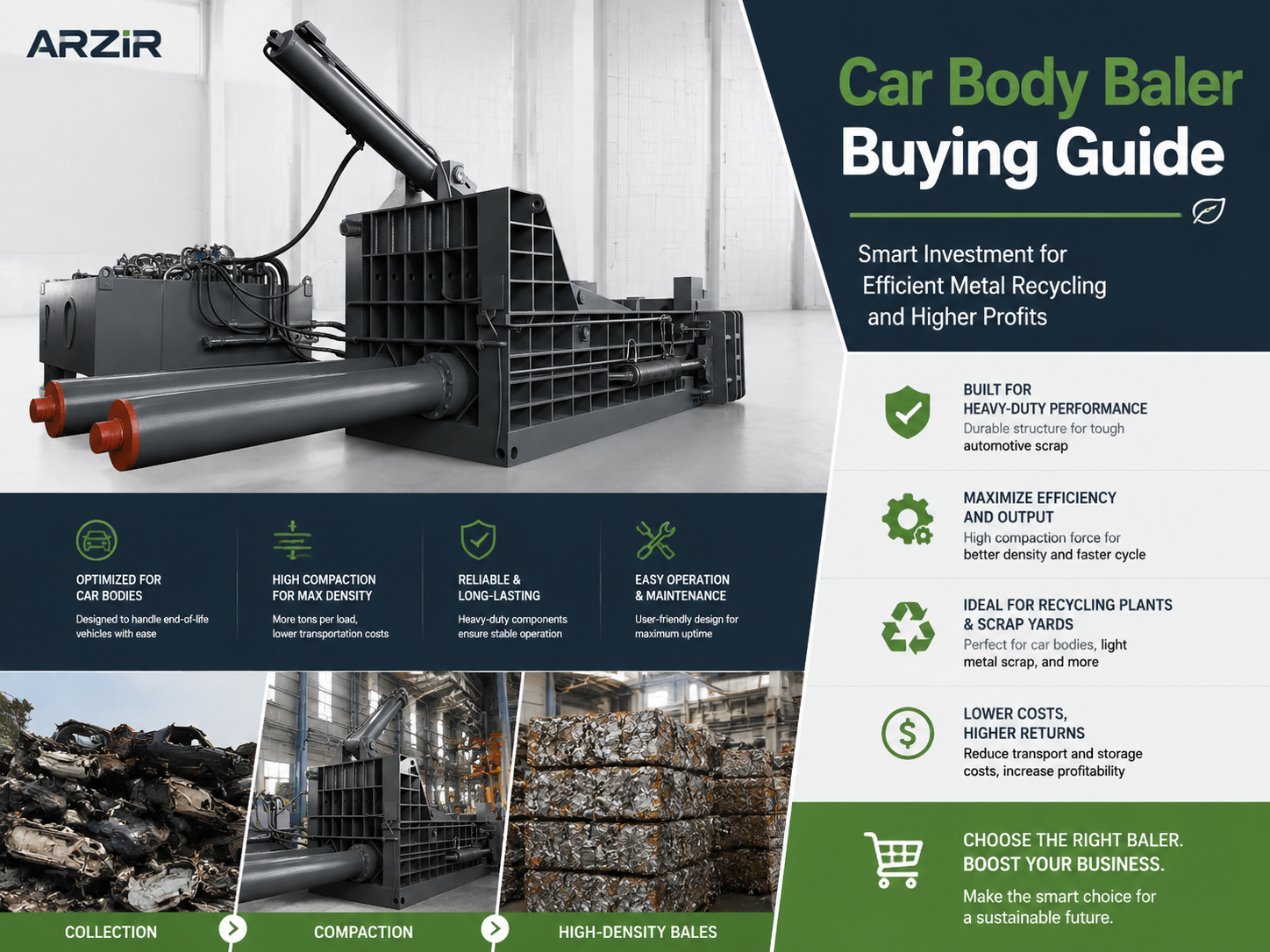
In the modern metal recycling industry, efficiency is the primary driver of profitability. For scrap yards and metal recycling plants, the ability to process End-of-Life Vehicles (ELVs) quickly and transform them into dense, transportable bales is a game-changer. A car body baler is a significant investment, often serving as the heart of a recycling facility’s operations. This guide is designed to navigate the complexities of purchasing a car body baler, ensuring that your investment aligns with your operational volume, material types, and long-term financial goals.
The global shift toward a circular economy has increased the demand for high-quality scrap metal. Steel mills and foundries prefer dense bales because they improve furnace efficiency and reduce melting loss. Consequently, the right car body baler doesn’t just save space; it increases the market value of your output. Whether you are a small family-owned scrap yard or a large-scale industrial recycling plant, understanding the technical nuances of these machines is essential before signing a purchase agreement.
Price Range Overview: What to Expect
The cost of a car body baler can vary significantly based on its capacity, mobility, and automation features. Generally, the market is divided into three main tiers. Entry-level stationary balers, often used by smaller yards processing 5-10 cars per day, typically range from $40,000 to $80,000. These machines are reliable but may lack the speed and advanced cooling systems required for continuous 24/7 operation.
Mid-range balers, which are the most common choice for established metal recycling plants, fall between $80,000 and $200,000. These units often feature larger chambers, faster cycle times, and more robust hydraulic systems. They are capable of processing 15-25 cars per hour and often include semi-automated controls. High-end industrial balers, including fully mobile units and high-density triple-compression presses, can exceed $300,000. These are designed for massive throughput and maximum bale density, often used in regional processing hubs.
| Baler Category | Estimated Price Range (USD) | Typical Throughput | Best For |
|---|---|---|---|
| Entry-Level Stationary | $40,000 – $80,000 | 2-5 tons/hour | Small Scrap Yards |
| Mid-Range Industrial | $80,000 – $180,000 | 8-15 tons/hour | Medium Recycling Plants |
| High-Capacity / Mobile | $200,000 – $450,000+ | 20+ tons/hour | Large Industrial Hubs |
Main Cost Drivers in Car Body Baler Manufacturing
Several technical factors influence the final price of a car body baler. The most significant is the hydraulic system. The quality of the pumps, valves, and cylinders determines the machine’s pressing force and cycle time. High-pressure systems (often exceeding 250 bars) require precision-engineered components that are more expensive to manufacture but offer superior longevity and performance. Brands like HARSLE prioritize high-grade hydraulic components to ensure consistent bale density.
Material quality is another major driver. The compression chamber is subjected to immense friction and impact. Premium balers use wear-resistant liners, such as Hardox or similar high-manganese steel plates, to protect the main structure. While these materials increase the initial cost, they drastically reduce the frequency of liner replacements. Additionally, the sheer weight of the steel used in the frame impacts the price; a heavier frame provides better stability and resists the structural fatigue caused by thousands of compression cycles.
Automation and control systems also play a role. Modern balers equipped with PLC (Programmable Logic Controller) systems from reputable brands like Siemens or Schneider Electric allow for precise control over the baling process. These systems can include remote diagnostics, which help in troubleshooting without the need for an on-site technician, thereby saving long-term costs but increasing the upfront purchase price.
Configuration Impact: Stationary vs. Mobile Units
Choosing between a stationary and a mobile car body baler is one of the most critical decisions for a scrap yard owner. Stationary balers are generally more powerful and offer higher bale densities. They are ideal for plants where the scrap is brought to a central location. Because they are fixed, they can be integrated with conveyor systems and large-scale electric motors, which are often more energy-efficient than diesel engines.
Mobile car body balers, on the other hand, offer unparalleled flexibility. These units are mounted on trailers or tracks and can be moved from one scrap site to another. This is particularly beneficial for companies that have multiple smaller yards or those that provide on-site crushing services for auto wreckers. However, mobile units require onboard diesel engines and complex hydraulic folding mechanisms, which increases both the purchase price and the maintenance requirements.
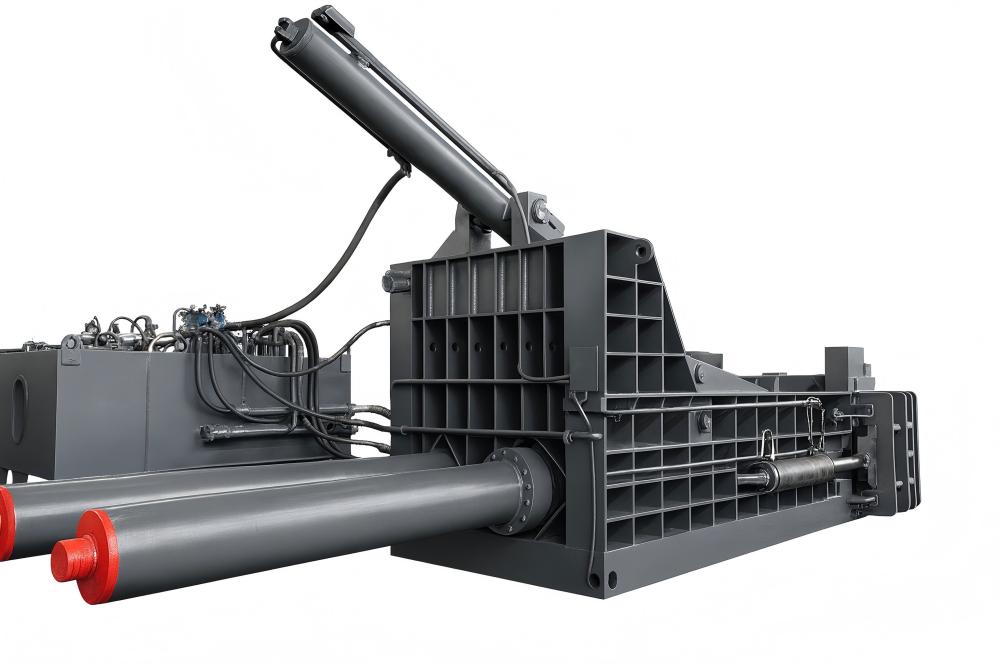
The chamber design also impacts configuration. “L-type” balers use a side-squeeze and a longitudinal-squeeze method, which is excellent for car bodies. “Box-type” balers, or lid-style balers, use a heavy lid to crush the car into the chamber before the main ram compresses it. The lid-style is often preferred for car bodies because the weight of the lid helps in the initial flattening of the vehicle, making the subsequent compression more efficient.
Hidden Costs of Owning a Car Body Baler
The purchase price is only the beginning of the total cost of ownership. One often overlooked expense is the foundation and site preparation. For stationary balers, a reinforced concrete pad is necessary to handle the vibration and weight of the machine. Depending on the soil quality and the size of the baler, this can cost several thousand dollars. Furthermore, electrical infrastructure upgrades may be required to handle the high-amperage start-up currents of large electric motors.
Maintenance and wear parts represent a significant ongoing cost. Hydraulic oil must be changed periodically, and in high-volume operations, large quantities (often hundreds of gallons) are required. Wear plates in the chamber are sacrificial components; depending on the volume of scrap processed, these may need replacement every 12 to 24 months. Buyers should also factor in the cost of spare parts like seals, filters, and hydraulic hoses, which should be kept in stock to minimize downtime.
Energy consumption is another factor. While electric motors are generally more efficient, the cost of electricity varies by region. For diesel-powered mobile units, the fluctuating price of fuel can significantly impact the cost per bale. It is advisable to calculate the estimated energy cost per ton of processed scrap to get a true picture of the machine’s operational efficiency.
ROI Calculation: When Will the Machine Pay for Itself?
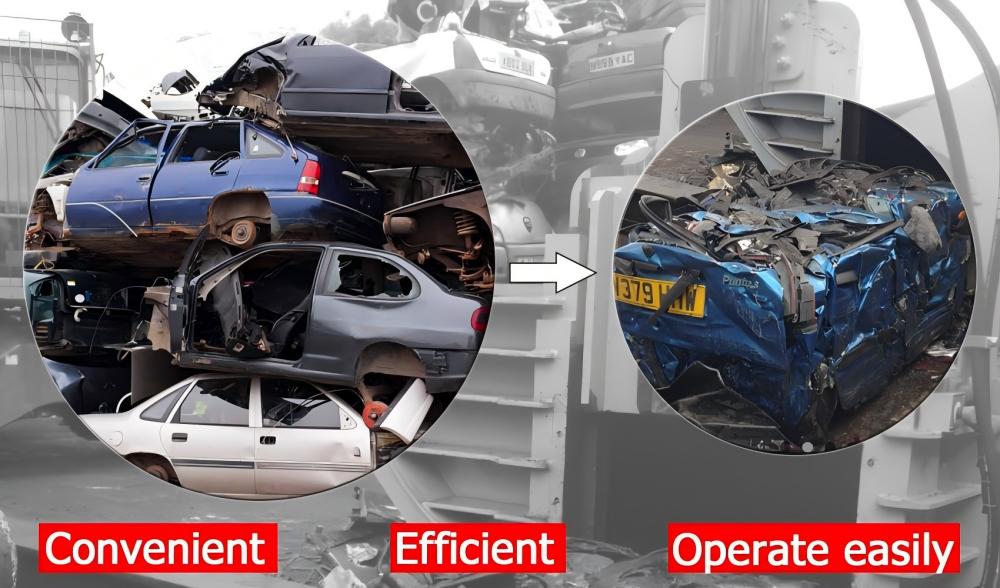
Calculating the Return on Investment (ROI) for a car body baler involves analyzing throughput, labor, and logistics. The primary financial benefit comes from transportation savings. An uncrushed car body takes up a vast amount of space on a trailer. By baling the cars, you can increase the weight per load from 5-8 tons to 20-25 tons. This reduces the number of trips to the steel mill by nearly 70%, leading to massive savings in fuel, driver wages, and vehicle maintenance.
Labor efficiency is the second pillar of ROI. A high-speed baler with a grapple loader can process a car in under two minutes. Compared to manual dismantling or using smaller, slower equipment, a dedicated car body baler allows a scrap yard to process more volume with fewer staff members. If a baler increases your daily throughput by 20 tons and saves $50 per ton in logistics and labor, the machine could potentially generate $1,000 in additional daily profit, leading to a payback period of less than two years for a mid-range unit.
Finally, consider the “scrap grade” premium. Dense, clean bales often fetch a higher price per ton at the mill than loose or poorly compressed scrap. This price spread, even if it is only $10-$20 per ton, adds up significantly over the lifespan of the machine. When performing your ROI calculation, always use conservative estimates for scrap prices and fuel costs to ensure your financial plan is robust.
Buying Advice for Metal Recycling Plants
When you are ready to purchase, start by evaluating your current and projected volume. Buying a machine that is too small will lead to bottlenecks and premature wear due to overworking the hydraulics. Conversely, an oversized machine will have higher-than-necessary operational costs. Look for a manufacturer like HARSLE that offers a range of sizes and can provide technical consultation on the best fit for your specific yard layout.
Inspect the build quality personally if possible. Pay close attention to the welding seams on the main frame and the thickness of the chamber walls. Ask about the brand of the hydraulic valves and the PLC. A machine might look good on the outside, but if it uses generic, non-branded hydraulic components, finding replacement parts in five years will be a nightmare. Ensure the manufacturer provides a comprehensive manual and a clear warranty policy.
Lastly, consider the after-sales support. A car body baler is a complex piece of industrial machinery. You need a partner who can provide technical support, either through local distributors or direct factory communication. Check if the manufacturer offers remote troubleshooting capabilities. In the recycling business, every hour of downtime is lost revenue, so a responsive support team is just as important as the machine itself.
Frequently Asked Questions (FAQ)
1. How long does a typical car body baler last?
With proper maintenance, a high-quality car body baler can last 10 to 15 years or more. The lifespan is largely determined by the frequency of hydraulic oil changes and the timely replacement of wear liners. Machines that are consistently overloaded or operated with contaminated oil will have a significantly shorter lifespan.
2. Can a car body baler process other types of scrap?
Yes, most car body balers are versatile. They can process light melting scrap (LMS), white goods (appliances), and various aluminum or copper scrap. However, they are not designed for heavy structural steel or thick engine blocks, which could damage the pressing rams or the chamber walls.
3. What is the ideal bale size for steel mills?
Most steel mills prefer bales that are approximately 600mm x 600mm (24″ x 24″) or 800mm x 800mm, with a length that varies based on the machine. These sizes fit well into standard furnace charging buckets and allow for maximum density during transport.
4. Do I need a permit to operate a car body baler?
Permit requirements vary by region and country. Generally, you will need an environmental permit for scrap metal processing, which covers noise levels, fluid containment (to prevent oil leaks into the ground), and safety regulations. Always check with your local municipality before installation.
5. Is an electric or diesel motor better?
Electric motors are generally preferred for stationary installations due to lower maintenance and higher energy efficiency. Diesel engines are necessary for mobile units or yards without a high-voltage power supply. If your yard has the electrical capacity, electric is usually the more cost-effective choice in the long run.
6. How often should the hydraulic oil be changed?
Most manufacturers recommend changing the hydraulic oil every 2,000 to 4,000 operating hours, or at least once a year. Regular oil analysis can help determine the exact timing, ensuring that the pumps and valves remain protected from contaminants and oxidation.