How to Select a Car Body Baler for Efficient Automotive Scrap Recycling

Introduction to Automotive Scrap Recycling Efficiency
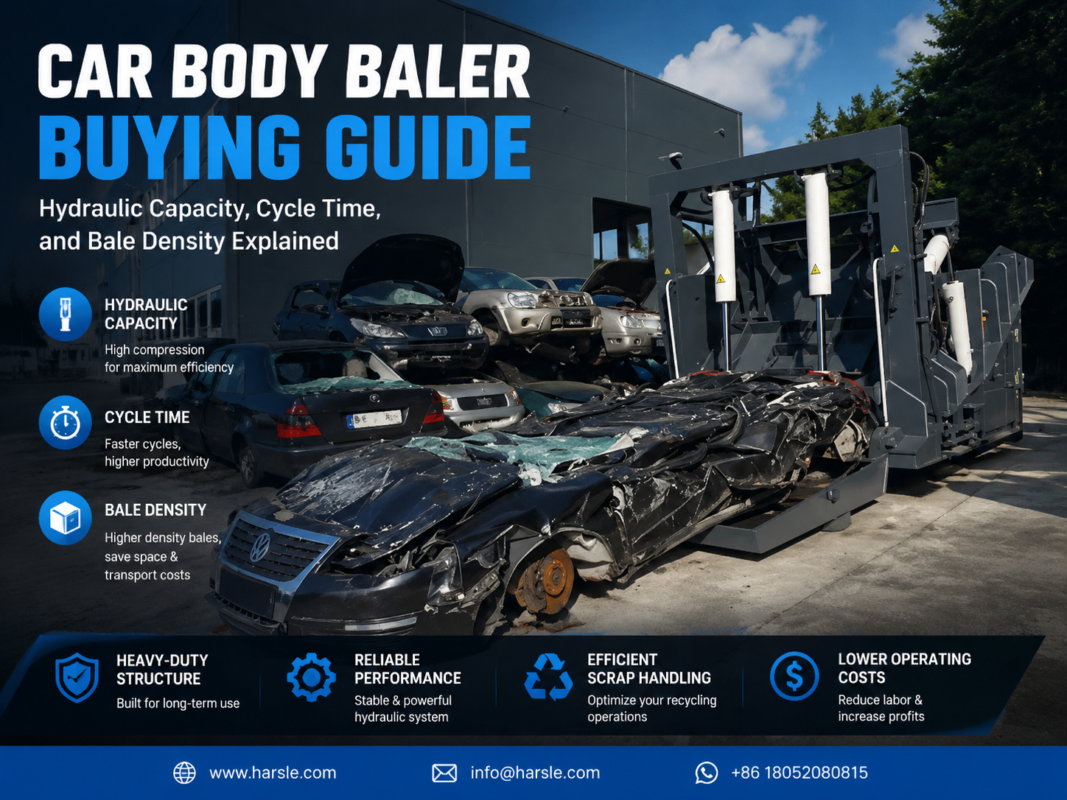
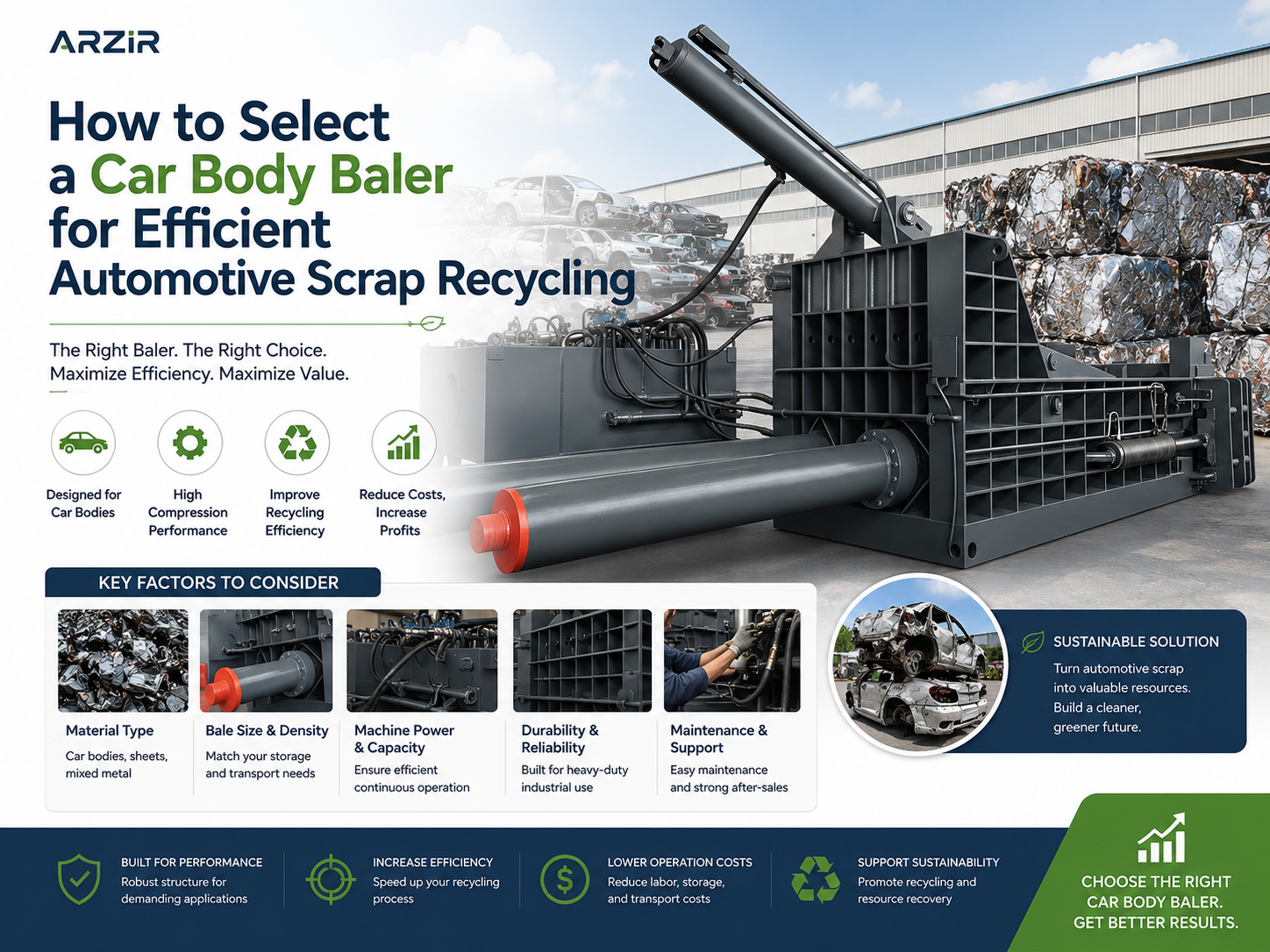
The global automotive recycling industry is undergoing a massive transformation. As the number of end-of-life vehicles (ELVs) increases annually, the demand for high-performance processing equipment has never been higher. To remain competitive, scrap yard operators must understand how to select a car body baler efficient automotive scrap recycling requires. A car body baler is not just a piece of machinery; it is the heart of a recycling facility, responsible for turning bulky, hollow vehicle shells into dense, transportable, and high-value steel cubes.
Efficiency in this context refers to more than just speed. It encompasses energy consumption, bale density, maintenance intervals, and the ability to handle various vehicle sizes. Choosing the wrong machine can lead to bottlenecks in production, high operational costs, and safety risks. This guide provides a deep dive into the technical and financial aspects of selecting the right equipment for your facility.
Price Range Overview: What to Expect
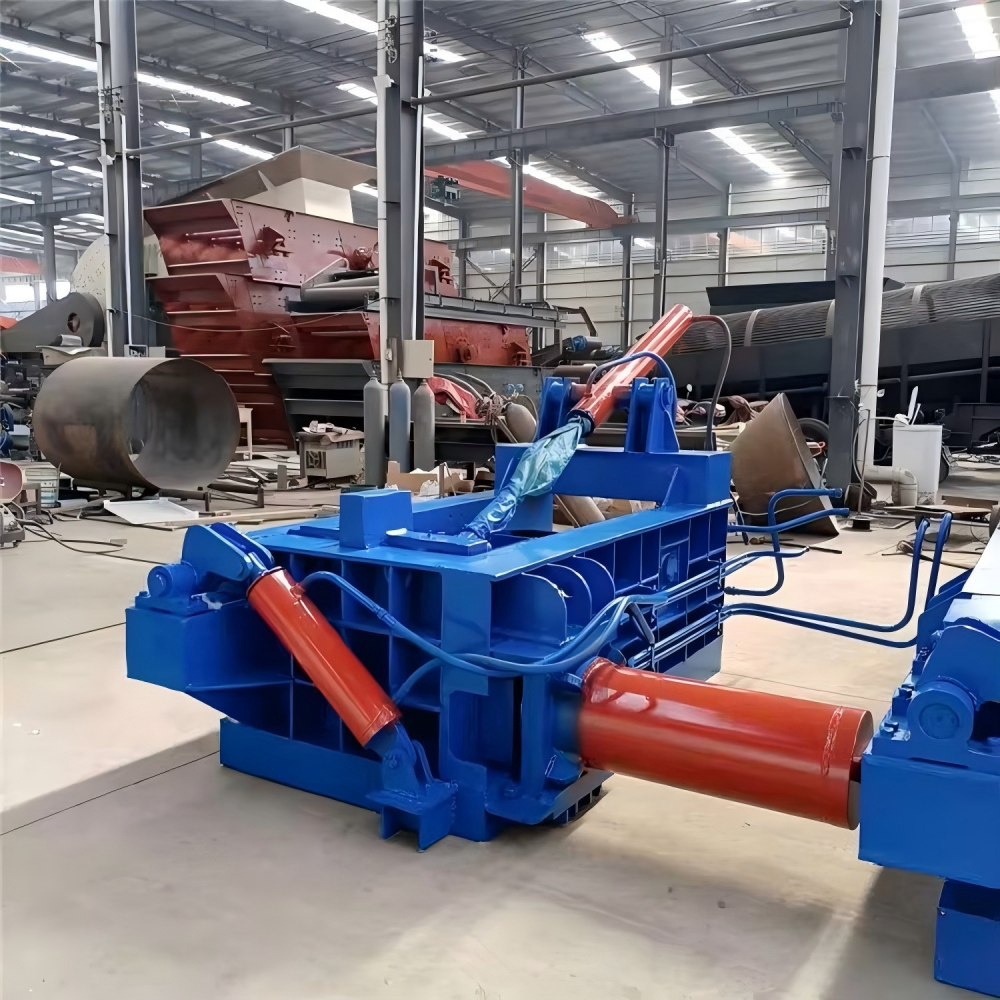
When you begin the journey to select a car body baler efficient automotive scrap recycling operations depend on, the first question is usually about the budget. The price of a car body baler varies significantly based on its capacity, mobility, and level of automation. Generally, the market is divided into three main tiers:
- Entry-Level/Small Stationary Balers ($30,000 – $60,000): These are typically designed for smaller yards processing 5-10 cars per day. They often feature smaller compression chambers and lower hydraulic pressure, requiring more manual preparation of the vehicle (such as removing engines or heavy frames) before baling.
- Mid-Range Industrial Balers ($70,000 – $150,000): This is the most popular category for professional scrap yards. These machines offer higher throughput (10-20 cars per hour), larger chambers that can accommodate full-sized SUVs, and more robust hydraulic systems. They often include semi-automatic controls and better wear-resistant liners.
- High-End/Mobile and Fully Automated Systems ($180,000 – $400,000+): These are the heavyweights of the industry. Mobile units mounted on trailers allow for on-site processing at different locations. Fully automated systems utilize advanced PLC controls to manage the entire cycle without operator intervention, achieving maximum density and speed.
It is important to note that the initial purchase price is only one part of the equation. A cheaper machine with a slow cycle time may end up costing more in labor and missed opportunities over a five-year period than a more expensive, high-efficiency model.
Main Cost Drivers in Car Body Baler Manufacturing
Understanding what drives the cost of a baler helps you evaluate whether a specific model offers good value. To select a car body baler efficient automotive scrap recycling needs, you must look under the hood at the components that dictate performance and longevity.
1. Hydraulic System Quality
The hydraulic system is the muscle of the baler. High-quality pumps from brands like Rexroth or Vickers, combined with precision-engineered valves, ensure smooth operation and high pressure. The size and number of hydraulic cylinders directly impact the compression force. A machine with a 200-ton main cylinder will naturally cost more than one with a 120-ton cylinder, but it will produce much denser bales.
2. Steel Grade and Construction
Car balers are subjected to immense stress. The frame must be constructed from high-tensile structural steel. More importantly, the interior of the compression chamber should be lined with replaceable wear plates, such as Hardox 500. These plates protect the main structure from the abrasive nature of scrap metal. The thickness and quality of this steel are major cost drivers.
3. Automation and Control Systems
Modern balers utilize Programmable Logic Controllers (PLCs) to manage the baling cycle. Systems equipped with Siemens or Schneider electrics offer better reliability and easier troubleshooting. Features like remote diagnostics, touch-screen interfaces, and automatic bale ejection add to the cost but significantly improve operational efficiency.
Configuration Impact on Recycling Efficiency
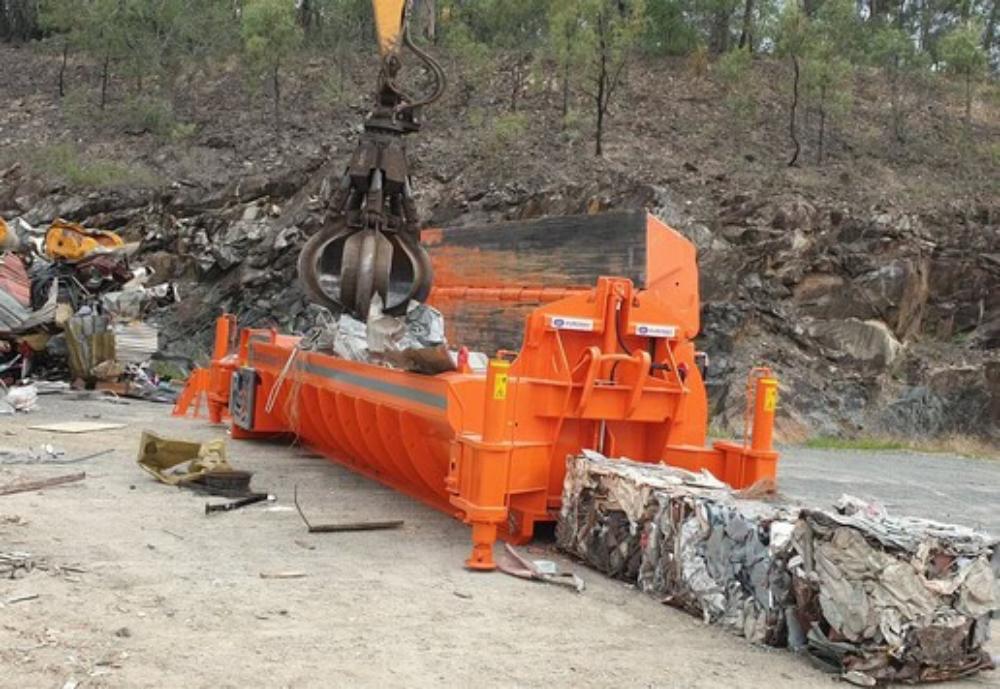
The configuration of the machine determines how well it fits into your specific workflow. When you select a car body baler efficient automotive scrap recycling requires a configuration that matches your input material and output requirements.
Chamber Size and Loading Style
The size of the compression chamber is critical. If the chamber is too small, you will spend excessive time pre-cutting or crushing vehicles with an excavator before they can fit. A standard chamber for car baling is usually around 5 meters in length. Loading styles also vary; some machines use a “clamshell” design where two large lids crush the car from the top, while others use a side-squeeze method followed by a longitudinal push.
Cycle Time and Throughput
Cycle time refers to the duration from the moment the car is loaded until the bale is ejected. High-efficiency machines feature fast-approach valves that allow the cylinders to move quickly when not under load, slowing down only when they meet resistance. A cycle time of 90 to 120 seconds is standard for high-volume operations.
Bale Density and Size
Steel mills and foundries have strict requirements for bale size and density. If your bales are too loose, they may be rejected or priced lower. A well-configured baler should produce bales with a density of at least 30-40% of the solid metal’s density. Standard bale sizes (e.g., 600mm x 600mm) are preferred for optimal truck loading and furnace charging.
Hidden Costs of Owning a Car Body Baler
The “sticker price” is just the beginning. To accurately select a car body baler efficient automotive scrap recycling necessitates, you must account for the total cost of ownership (TCO). Many buyers overlook these hidden expenses:
- Installation and Commissioning: Large stationary balers require a reinforced concrete foundation. You may also need a crane for installation and an electrician to run high-voltage power lines to the site.
- Hydraulic Oil: A large baler can require hundreds of gallons of hydraulic oil. This oil must be filtered and periodically replaced. In cold climates, you may also need oil heaters, while hot climates require advanced cooling systems.
- Wear Parts: The liners inside the chamber are sacrificial. Depending on your volume, these may need replacement every 12-24 months. Blades for shearing excess metal also require regular sharpening and replacement.
- Energy Consumption: A 100HP motor running 8 hours a day adds up. Look for machines with energy-efficient motors or variable frequency drives (VFDs) to reduce electricity costs.
- Logistics: If you buy an oversized machine, the shipping costs from the manufacturer to your yard can be substantial, often requiring special permits and heavy-haul trucking.
ROI Calculation: Is the Investment Worth It?
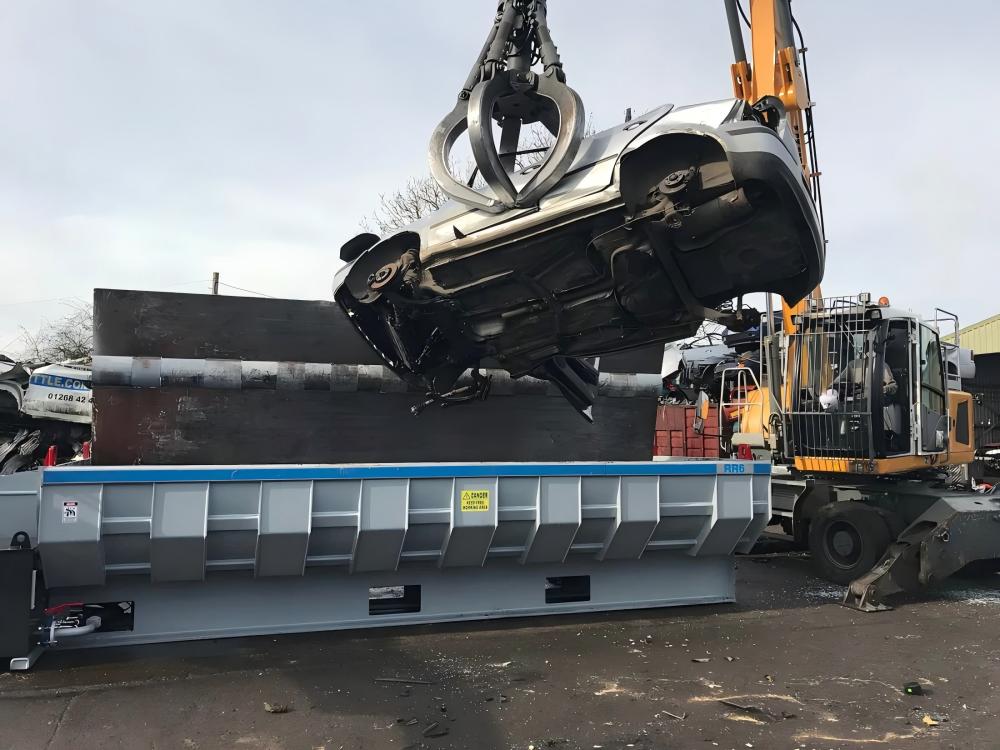
Calculating the Return on Investment (ROI) is the most critical step before you select a car body baler efficient automotive scrap recycling depends on. The ROI is driven by three main factors: transport savings, labor reduction, and material value.
Transport Savings: This is often the biggest driver. An uncrushed car takes up a massive amount of space. You might only fit 10-15 loose shells on a trailer. Once baled, you can fit 20-25 tons of steel on the same trailer. If your transport cost is $500 per load, doubling the weight per load effectively halves your shipping cost per ton.
Labor Efficiency: A manual or underpowered process requires more man-hours per ton of scrap. An efficient baler allows one operator (often the same person running the loader) to process the entire day’s intake. Calculate the hourly wage of your staff and see how many hours a high-speed baler saves compared to a slower model.
Material Value: Baled scrap is often classified as a higher grade than loose “light melting scrap.” Steel mills prefer dense bales because they melt more efficiently and take up less storage space. This can result in a premium of $10-$30 per ton over loose scrap.
Example Calculation: If a baler saves you $20/ton in transport and earns you $10/ton extra in material value, and you process 5,000 tons per year, the machine generates $150,000 in additional annual profit. A $150,000 machine would pay for itself in just one year.
Buying Advice: A Step-by-Step Checklist
To ensure you select a car body baler efficient automotive scrap recycling requires, follow this professional buying checklist:
- Define Your Volume: Don’t buy a machine for the volume you have today; buy for the volume you expect to have in three years. However, avoid over-speccing, as a machine that is too large will have higher idling costs.
- Check the Chamber Dimensions: Ensure the chamber can handle the largest vehicles you commonly receive. Measuring the wheelbase of common SUVs in your area is a good starting point.
- Verify Component Brands: Ask for a detailed component list. Ensure the pumps, valves, and electrical components are from reputable global brands so you can find spare parts locally.
- Evaluate the Cooling System: If you operate in a multi-shift environment or a hot climate, an air-cooled or water-cooled hydraulic system is mandatory to prevent overheating and oil degradation.
- Test the Software: If the machine has a PLC, ask about the user interface. Is it easy to use? Does it provide error codes for troubleshooting? Can the manufacturer log in remotely to help with issues?
- Safety Features: Ensure the machine has emergency stop buttons, safety cages, and interlocks on the maintenance doors. In many regions, OSHA or CE compliance is a legal requirement.
- After-Sales Support: A baler is a long-term investment. Choose a manufacturer like HARSLE that offers robust technical support, readily available spare parts, and clear maintenance manuals.
Frequently Asked Questions (FAQ)
1. How much compression force do I really need for car bodies?
For standard passenger vehicles, a main compression force of 120 to 160 tons is usually sufficient. However, if you are processing heavy-duty trucks or thick-gauge industrial scrap along with cars, you should look for machines in the 200-250 ton range to ensure dense bales.
2. Should I choose a mobile or stationary car baler?
If you have multiple scrap yards or provide on-site baling services for other companies, a mobile unit is essential. However, mobile units are more expensive and have more moving parts (like the trailer and auxiliary engine). If all your scrap comes to one location, a stationary electric-powered baler is more cost-effective and easier to maintain.
3. What is the average lifespan of a car body baler?
With proper maintenance, a high-quality car body baler can last 15-20 years. The key is regular oil changes, timely replacement of wear plates, and ensuring the hydraulic system is never pushed beyond its rated capacity for extended periods.
4. Can a car baler handle other types of scrap?
Yes, most car body balers are versatile. They can process “white goods” (appliances like refrigerators and washing machines), sheet metal clippings, and aluminum scrap. However, they are not designed for heavy structural steel beams or engine blocks, which should be removed before baling.
5. How do I maintain the hydraulic system?
Maintenance involves checking oil levels daily, cleaning the air filters, and monitoring the temperature. You should also perform a professional oil analysis once a year to check for metal particles or moisture, which can indicate internal wear in the pumps or cylinders.
Conclusion
To select a car body baler efficient automotive scrap recycling demands, you must balance technical specifications with financial reality. By focusing on high-quality hydraulics, robust construction, and a clear understanding of your ROI, you can transform your scrap yard into a high-throughput, profitable operation. Remember that the cheapest machine is rarely the most economical in the long run. Partnering with an experienced manufacturer like HARSLE ensures you get the technology and support needed to thrive in the competitive metal recycling industry.